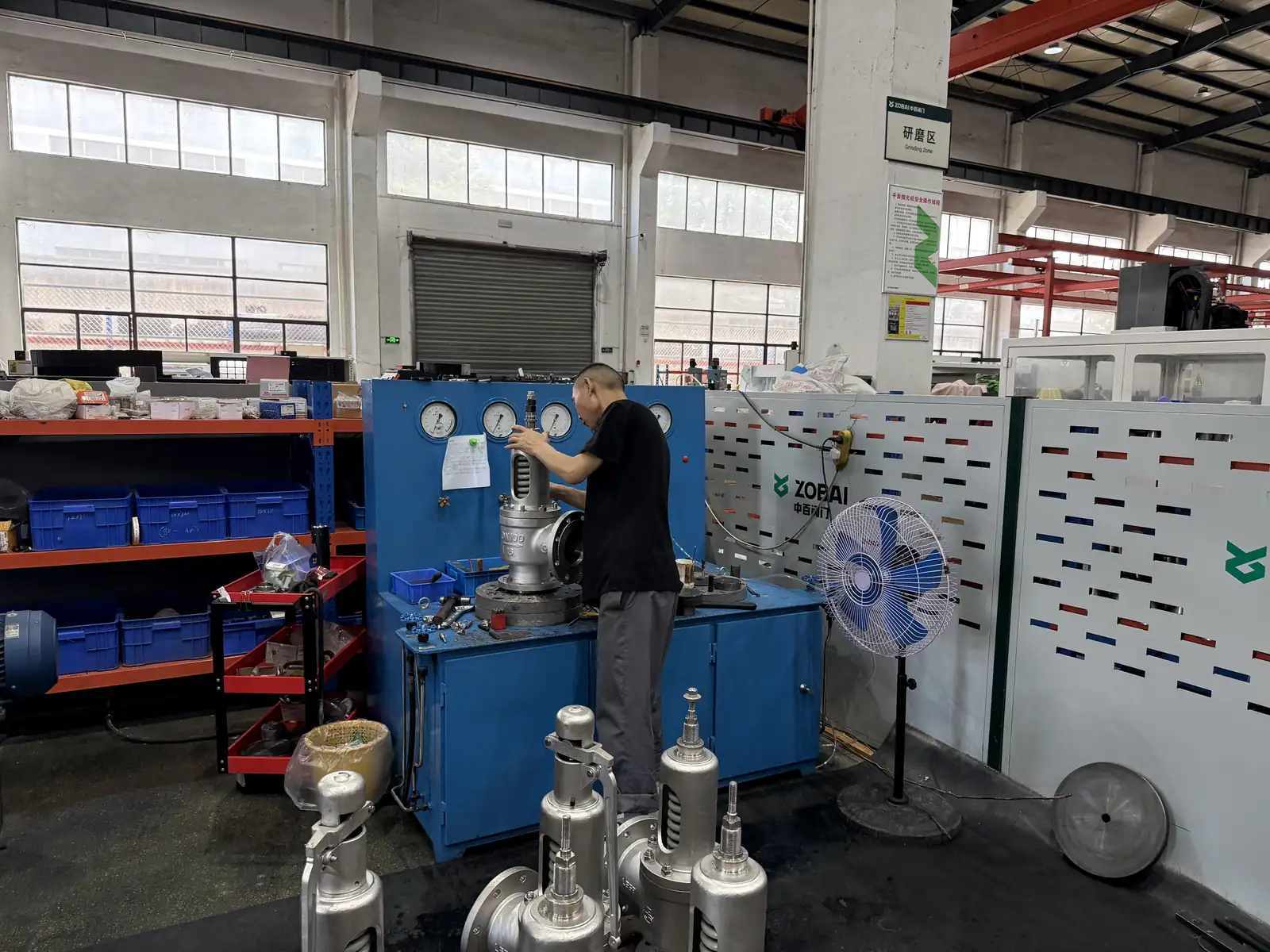
API 527 Seat Tightness Test for Pressure Relief Valves, Leakage Acceptance and RFQ Documentation
Use this page to turn API 527 seat tightness requirements into practical procurement and inspection data for spring-loaded, bellows and pilot-operated pressure relief valves. Review when API 527 is needed, how leakage testing is specified, what test medium and pressure information should be supplied, and which records should be requested before shipment.
- API 527 is commonly specified to determine seat tightness of pressure relief valves before shipment, commissioning or maintenance return.
- The standard is relevant to metal-seated and soft-seated pressure relief valves, including conventional, balanced bellows and pilot-operated designs.
- API 527 is a leakage test standard; it does not replace API 520 sizing, API 521 relief scenario review or API 526 purchase specification requirements.
- Final acceptance should be confirmed by the buyer specification, valve type, set pressure, test medium, seat material and inspection requirements.
››› API 527 Overview
API 527 helps verify whether a pressure relief valve seat is tight enough for service
Seat tightness is different from set pressure, certified capacity or hydrostatic shell strength. A valve may open at the correct set pressure and still be unacceptable if the seat leakage exceeds the project requirement.
For procurement and inspection teams, API 527 is most useful when the RFQ clearly defines valve type, seat material, set pressure, test medium, test pressure basis, leakage acceptance requirement and required report format. This prevents disputes during FAT, shipment release or field commissioning.
What this page helps you confirm
- When API 527 seat tightness testing should be specified for safety valves and pressure relief valves.
- How API 527 relates to API 520 sizing, API 521 relief systems and API 526 flanged PSV procurement.
- Which RFQ data is needed for metal seat, soft seat, bellows and pilot-operated valve leakage tests.
- What should be checked in test reports before shipment or project inspection release.
- How to avoid leakage disputes caused by missing test medium, pressure or acceptance data.
››› What API 527 Covers
API 527 focuses on seat leakage testing, not valve sizing
Use API 527 after the relief case, set pressure, capacity and valve configuration have already been defined. It supports quality control and acceptance by defining a repeatable way to determine seat tightness for pressure relief valves.
01
Metal-Seated Pressure Relief Valves
Metal-seated valves may allow a limited leakage rate under defined test conditions. The RFQ should state API 527 testing when leakage verification is required before shipment.
02
Soft-Seated Pressure Relief Valves
Soft seats can provide tighter shutoff in many clean services, but seat material, temperature, chemical compatibility and pressure limits must be confirmed for the process medium.
03
Conventional, Bellows and Pilot-Operated Designs
API 527 is relevant to common PRV designs including conventional spring-loaded, balanced bellows and pilot-operated valves when seat tightness acceptance is specified.
04
Air, Steam or Water Test Conditions
The test medium and test pressure basis should be aligned with the valve set pressure test and project requirement. Do not leave test conditions open to interpretation.
05
Inspection and FAT Release
API 527 records are often requested during factory inspection, third-party witness testing, project QA review and final shipment documentation.
06
Maintenance and Re-Testing
After a valve pops, is repaired or is recalibrated, seat tightness testing can help confirm whether the valve is suitable to return to service.
››› Testing Workflow
Practical workflow for specifying API 527 seat tightness testing
A clear testing workflow reduces procurement delay and prevents conflict between engineering, inspection and supplier QA teams.
01
Confirm valve type and seat design
Define whether the valve is conventional spring-loaded, balanced bellows or pilot-operated, and whether it uses metal seat, soft seat or special seat construction.
02
Confirm set pressure and test medium
Provide set pressure, unit, test medium and whether the project requires air, steam or water seat tightness verification.
03
Confirm acceptance requirement
State API 527 as the leakage acceptance basis and add any project-specific leakage class, bubble count, zero-leakage wording or soft seat requirement if applicable.
04
Control cleaning and assembly condition
For oxygen, hydrogen, ammonia, sour gas, food, pharmaceutical or cryogenic service, cleaning and assembly condition can affect both leakage and safety.
05
Witness and document the test
Define whether testing is supplier witnessed, third-party witnessed or document review only. Record set pressure, test pressure, test medium, leakage result and valve tag.
06
Link the result to shipment release
The final document package should include calibration report, seat tightness test report, pressure test report, material certificates and nameplate verification before release.
››› Standards Relationship
How API 527 fits with API 520, API 521 and API 526
API 527 should be positioned correctly in the standards workflow. It confirms leakage performance; it does not define the relief scenario or calculate the required orifice area.
| Standard / Reference | Main Role | Typical Procurement Question |
|---|---|---|
| API 520 | Sizing and selection of pressure-relieving devices | What required area and valve capacity are needed? |
| API 521 | Relief scenarios, flare systems and system-level relief review | Which overpressure case controls the relief load? |
| API 526 | Flanged steel pressure relief valve purchase specification | Which API orifice, flange size, rating and dimensions should be supplied? |
| API 527 | Seat tightness test method and leakage acceptance reference | Does the valve seat leakage meet the specified test requirement? |
| ASME Section VIII / Section I | Pressure vessel or boiler code basis | Which pressure boundary and code basis does the valve protect? |
››› Application Cases
API 527 seat tightness cases with typical RFQ data
These examples show how seat tightness requirements should be described before quotation. Final acceptance should follow the buyer specification and inspection plan.
Refinery Steam PSV with Metal Seat
Steam service, spring-loaded valve, ASME / API project. RFQ should state set pressure, steam test requirement, metal seat acceptance, API 527 report and calibration certificate.
Natural Gas Pilot-Operated PSV
Clean gas service with tight shutoff requirement. RFQ should define pilot-operated design, operating pressure margin, test medium, leakage requirement and vent or flare discharge conditions.
LPG Storage Bullet Safety Valve
Flammable vapor service where seat leakage can create odor and vapor hazards. RFQ should request API 527 seat tightness report, body pressure test and material certificates.
Oxygen-Clean Safety Valve
Oxygen service needs leakage testing plus cleaning control. RFQ should specify oxygen-clean assembly, compatible seat materials, protected packaging and seat tightness records.
Cryogenic LNG / LOX Relief Valve
Low-temperature service may use soft seat or special trim. RFQ should define cryogenic condition, seat material, test medium, thermal relief duty and low-temperature documentation.
Maintenance Re-Test After Repair
After repair or recalibration, the seat tightness report helps confirm whether the valve can return to service. Tag number, set pressure, parts replaced and leakage result should be recorded.
››› RFQ Checklist
Information to send for an API 527 seat tightness test quote
A complete RFQ should describe both the valve and the leakage acceptance basis. This helps the supplier choose the correct seat design, testing arrangement and document package.
- Valve tag, valve type, manufacturer model if existing, size, rating, orifice and connection standard.
- Set pressure, operating pressure, test medium and required test pressure basis.
- Seat type: metal seat, soft seat, O-ring seat or project-specific sealing design.
- Medium and service condition: steam, gas, vapor, water, LPG, oxygen, hydrogen, ammonia, LNG or corrosive service.
- Required leakage acceptance: API 527, buyer standard, zero-leakage wording or special seat tightness requirement.
- Back pressure, bonnet type, bellows requirement, pilot valve details and discharge route where relevant.
- Cleaning requirement: oxygen clean, oil-free, degreased, cryogenic clean, food or pharmaceutical requirement where applicable.
- Required documents: calibration report, pressure test report, API 527 seat tightness report, MTC, nameplate and inspection record.
››› Common Errors
Common API 527 seat tightness test mistakes
Most leakage disputes are caused by incomplete RFQ information, wrong seat expectations or confusion between set pressure testing and seat tightness testing.
Assuming “tested” means API 527 seat tightness
A valve may be pressure tested or set-pressure tested without the buyer receiving an API 527 seat leakage report. State the requirement clearly.
Requesting zero leakage without defining the basis
Zero-leakage wording can be interpreted differently by suppliers. Define soft seat, test medium, pressure, duration and acceptance basis.
Using metal seat when tight shutoff is required
Metal seats may be acceptable for many services, but clean gas, odorized gas, LPG, oxygen or hydrogen may require a soft seat or special sealing design.
Ignoring operating pressure margin
Operating too close to set pressure can increase simmer, leakage and seat wear. Review operating pressure against set pressure before blaming the valve.
Forgetting service cleanliness
Particles, weld slag, oil, grease or corrosion products can damage seats. Oxygen, hydrogen, clean gas, food and pharma services need cleanliness control.
Not requesting the final test report
For EPC and inspection release, the report should show tag number, set pressure, test medium, test pressure, leakage result, date and inspector when required.
››› Related Standards
Standards normally used with API 527
API 527 should be used together with the sizing, relief scenario, valve purchase specification and pressure equipment code required by the project.
››› Document Package
Typical API 527 document package
- Valve datasheet with tag, type, size, orifice, set pressure, seat material and connection standard.
- Set pressure calibration certificate with test medium and final setting.
- API 527 seat tightness test report or project leakage test report.
- Shell pressure test report and body / nozzle pressure test records where specified.
- Material certificates for body, bonnet, nozzle, disc, trim, spring and pressure-retaining parts.
- Cleaning, degreasing, oxygen-clean or special service records where required.
- Nameplate verification, inspection release note, packing record and spare parts list when required.
››› Related Standards & Engineering Pages
Continue your API 527 seat tightness review
Use these pages to complete the full workflow from relief case and sizing to flanged valve selection, testing, leakage acceptance and maintenance planning.
API 520 Safety Valve Sizing
Review required area, certified capacity, set pressure and back pressure before selecting the valve.
API 521 Pressure Relief Systems
Review relief scenarios, flare systems, fire case and system-level overpressure protection.
API 526 Flanged Safety Valves
Confirm API orifice, inlet/outlet size, flange rating, dimensions and procurement configuration.
ASME Safety Valve Standards
Review ASME Section I, Section VIII, B31 and flange requirements for pressure equipment projects.
Safety Valve Testing & Calibration
Prepare calibration, seat leakage, pressure test and inspection records for safety valve QA.
Safety Valve Maintenance
Plan inspection, repair, recalibration, spare valve replacement and return-to-service documentation.
High Back Pressure Service
Review whether back pressure can affect valve opening, capacity, blowdown, leakage and reseating.
Frequent Cycling Service
Review simmer, chatter, repeated lifting, seat wear and leakage troubleshooting.
Pilot Operated Safety Valves
Review pilot valve tight shutoff, clean gas service, high pressure and maintenance requirements.
››› FAQ
API 527 Seat Tightness Test FAQ
Short answers for common engineering, inspection and procurement questions related to API 527 leakage testing.
What is API 527 used for?
API 527 is used to determine the seat tightness of pressure relief valves. It is commonly specified when buyers need a leakage test report for metal-seated or soft-seated pressure relief valves before shipment, commissioning or return to service.
Is API 527 a safety valve sizing standard?
No. API 527 is not a sizing standard. API 520 is commonly used for sizing and selection, API 521 is used for relief scenario and system review, API 526 is used for flanged steel PSV purchase specification, and API 527 is used for seat tightness testing.
Which valve types can be tested under API 527?
API 527 is relevant to metal-seated and soft-seated pressure relief valves, including conventional, balanced bellows and pilot-operated designs when seat tightness testing is specified by the project.
What data is required for an API 527 seat tightness test RFQ?
Provide valve type, size, orifice, set pressure, seat type, test medium, service medium, operating pressure, required leakage acceptance basis, special cleaning requirement and required documents such as calibration report and seat tightness test report.
Does API 527 guarantee zero leakage?
No. API 527 provides a seat tightness test basis and acceptable leakage criteria depending on valve design and test condition. If the project requires zero leakage or a soft-seat requirement, that requirement should be stated separately in the RFQ.
Why can a safety valve leak after passing set pressure calibration?
Set pressure calibration confirms opening pressure, while seat tightness confirms leakage under specified conditions. Leakage can be affected by seat damage, dirt, operating pressure too close to set pressure, thermal cycling, vibration, corrosion or incorrect seat material.