Vacuum Service Safety Valves and Vacuum Relief Valves for Tanks, Vessels and Process Systems
Vacuum Service Safety Valves and Vacuum Relief Valves for Tanks, Vessels and Process Systems
Vacuum service safety valves, vacuum relief valves and vacuum breakers protect atmospheric storage tanks, low-pressure tanks, process vessels, columns, condensers, evaporators, steam systems, reactors, autoclaves, vacuum receivers, skids and jacketed vessels from vacuum collapse, shell buckling, gasket leakage and unsafe air ingress. Correct selection starts with allowable vacuum, design external pressure, inbreathing rate, pump-out rate, cooling rate, steam condensation, vacuum pump capacity, blocked vent risk, medium compatibility, seat tightness, connection size, weather protection, flame protection and required test documents.
Where Vacuum Relief Valves and Vacuum Breakers Are Used
Vacuum protection is required when equipment can experience pressure below atmospheric pressure and the vessel, tank or piping is not designed for full vacuum. The right device may be a vacuum relief valve, pressure/vacuum relief valve, vacuum breaker, tank breather valve, emergency vacuum vent or engineered air-inlet system.
Atmospheric and Low-Pressure Storage Tanks
Used on fixed-roof tanks, solvent tanks, fuel tanks, water treatment chemical tanks and nitrogen-blanketed storage tanks. Vacuum relief should cover pump-out, thermal cooling, vapor condensation, blocked vent and emergency inbreathing.
Process Vessels and Receivers
Used on receivers, separators, buffer vessels, knockout drums and low-pressure process vessels. Selection should review external pressure rating, steam-out, cooldown, draining, blocked gas inlet and vacuum pump connection.
Condensers and Vacuum Systems
Used on surface condensers, overhead condensers, vacuum receivers, ejector systems and liquid ring vacuum pump packages. Key checks include vapor collapse, rapid condensation, pump capacity and safe air admission.
Evaporators, Distillation Columns and Crystallizers
Used on vacuum distillation, evaporators, crystallizers, dryers and solvent recovery systems. Relief review should include vacuum operation, isolation error, condenser overcooling, air leakage and contamination risk.
Steam-Heated and Jacketed Equipment
Used on steam-jacketed vessels, autoclaves, sterilizers, hot water vessels and cleaning systems. Vacuum can form when steam condenses during cooldown or when hot water drains from a closed vessel.
Sanitary, Food and Pharmaceutical Vessels
Used on CIP tanks, SIP vessels, fermenters, bioreactors, mixing tanks and sanitary receivers. Vacuum protection must consider cleanability, sterile barrier, air filtration, sanitary connections and contamination control.
Vacuum Valve Selection Starts With the Credible Vacuum Cause
Vacuum failure can happen faster than operators expect. A tank or vessel may collapse when liquid is pumped out, vapor condenses, steam collapses, a vent filter plugs, nitrogen supply fails, or a vacuum pump continues pulling against a blocked inlet path.
Pump-Out or Liquid Draining
When liquid leaves a tank or vessel, air, nitrogen or filtered gas must enter at the same effective rate. Vacuum relief capacity should be based on maximum pump-out rate, drain rate and simultaneous thermal inbreathing where applicable.
Thermal Cooling and Vapor Contraction
Cooling of vapor space can reduce internal pressure. Outdoor tanks, solvent tanks, hot-filled vessels, reactors and low-pressure process equipment should be checked for thermal inbreathing during ambient temperature drop or process cooldown.
Steam Condensation or Vapor Collapse
Steam-out, SIP cycles, steam heating and hot water cleaning can create severe vacuum when steam condenses. This case can require rapid air admission because condensation may occur much faster than ordinary cooling.
Blocked Vent, Filter or Flame Arrester
Vent filters, flame arresters, screens, weather hoods, scrubbers and vapor recovery lines can plug with dust, ice, polymer, corrosion or condensate. A blocked vent can create vacuum even when the original design had enough open vent area.
Vacuum Pump or Ejector Overpull
Vacuum pumps, ejectors and condensers can pull a vessel below its allowable vacuum if control valves, vents or equalization lines fail. Selection should review maximum vacuum source capacity and the vessel external pressure rating.
Nitrogen Blanketing or Gas Supply Failure
Blanketed tanks rely on inert gas for inbreathing. If the regulator, supply line or filter is undersized or blocked, the tank may pull vacuum during pump-out or cooling. Vacuum relief should be coordinated with blanketing settings.
Vacuum Relief Valve Application Cases with Typical RFQ Data
These cases show how vacuum relief requirements are commonly described before model selection. Final sizing must be confirmed by tank or vessel datasheet, allowable vacuum, inbreathing calculation, process conditions, applicable standard and engineering review.
Case 1: Solvent Storage Tank Vacuum Relief Valve
Pump-Out / CoolingSolvent tanks need enough inbreathing capacity to prevent roof or shell damage while limiting vapor loss and uncontrolled air ingress during normal operation.
Case 2: Steam-Cleaned Process Vessel Vacuum Breaker
Steam CondensationSteam condensation can create vacuum quickly. Vacuum breaker capacity should be reviewed from credible condensation rate, not only from normal vessel breathing.
Case 3: Condenser Receiver Vacuum Relief Valve
Vapor CollapseVacuum operating systems should protect against excessive vacuum without destroying process control. The selected valve must balance vessel protection and process contamination limits.
Case 4: Nitrogen-Blanketed Tank Vacuum Protection
Blanketing FailureVacuum protection should be coordinated with nitrogen blanketing. If the vacuum device opens too often, product quality and emissions can be affected.
Case 5: Fermenter or Bioreactor Vacuum Breaker
Sterile ServiceSanitary vacuum protection must protect the vessel without compromising sterility. Filter blockage and SIP cooldown should be included in the sizing review.
Case 6: Vacuum Distillation Column Protection
Process VacuumVacuum columns may require controlled inert gas admission rather than simple atmospheric air entry. The protection method should match flammability and process quality requirements.
Vacuum Relief Valve Data Matrix
| Vacuum Service | Typical Medium | Common Vacuum Cause | Required Engineering Check | Recommended Device Review | Risk if Missed |
|---|---|---|---|---|---|
| Atmospheric storage tank | Air, nitrogen, solvent vapor, fuel vapor | Pump-out, thermal cooling, blocked vent | Tank design vacuum, pump-out rate, thermal inbreathing and flame protection | Pressure/vacuum relief valve or vacuum relief valve | Tank roof collapse, shell buckling or uncontrolled vapor release |
| Low-pressure process vessel | Air, nitrogen, steam, process vapor | Cooldown, draining, steam condensation, vacuum source overpull | External pressure rating, vessel volume, condensation rate and air admission route | Vacuum breaker or engineered vacuum relief valve | Vessel collapse, gasket leakage or nozzle deformation |
| Condenser / vacuum receiver | Solvent vapor, condensate, non-condensable gas | Vapor collapse, vacuum pump overpull, blocked equalization | Vacuum source capacity, condensation duty, receiver rating and contamination limit | Controlled vacuum breaker or vacuum relief valve | External pressure failure or process upset from uncontrolled air ingress |
| Blanketed chemical tank | Nitrogen, solvent vapor, filtered air backup | Nitrogen failure, pump-out, blocked blanketing line | Blanketing set point, nitrogen capacity, vacuum setting and product sensitivity | P/V relief valve, filtered vacuum breaker or emergency vacuum vent | Tank damage, product oxidation or emission control failure |
| Sanitary vessel / bioreactor | Sterile air, clean steam, CO₂, vapor space gas | SIP cooldown, pump-out, blocked sterile vent filter | Filter pressure drop, cleanability, SIP temperature and vessel vacuum rating | Sanitary vacuum breaker with sterile filter connection | Vessel damage or contamination of sterile boundary |
| Vacuum column / evaporator | Solvent vapor, hydrocarbon vapor, condensate, inert gas | Ejector overpull, condenser overcooling, blocked equalization | External pressure rating, flammability, oxygen limit and vacuum source capacity | Controlled air or nitrogen admission with vacuum relief protection | Column collapse, flammable mixture formation or process contamination |
How to Specify a Vacuum Service Valve Correctly
1. Confirm allowable vacuum and external pressure rating
Start with tank design vacuum, vessel external pressure rating, MAWP, design temperature, nozzle rating and applicable standard. A vacuum relief valve should open before the equipment reaches its collapse or buckling limit.
2. Define the governing vacuum scenario
Review pump-out, draining, thermal cooling, steam condensation, vapor collapse, vacuum pump overpull, blocked vent, filter fouling, blanketing failure and process isolation. The largest credible inbreathing demand controls capacity.
3. Calculate required inbreathing capacity
Capacity should be based on maximum liquid outflow, gas contraction, condensation rate or vacuum source capacity. For tanks, normal and emergency venting should be evaluated separately where applicable.
4. Decide air, nitrogen or filtered gas admission
Air may be acceptable for water or non-sensitive service. Nitrogen or filtered air may be required for solvent, flammable, oxygen-sensitive, sanitary, pharmaceutical or API intermediate service.
5. Review materials, sealing and contamination risk
Body, trim, seat, diaphragm, pallet, gasket and screen material should match vapor corrosion, cleaning chemicals, temperature and hygiene requirements. Seat tightness matters when vapor loss, air ingress or nitrogen consumption must be controlled.
6. Confirm installation and maintenance access
Vacuum valves should be installed where they can breathe freely, drain condensate, resist weather, avoid plugging and be inspected. Screens, filters, flame arresters and weather hoods must be included in pressure drop and maintenance planning.
Vacuum Relief Devices Must Be Reviewed With Filters, Flame Arresters, Vent Lines and Air Admission Paths
Why the inlet path changes vacuum protection performance
Vacuum protection depends on the full inbreathing path, not only valve size. A correctly sized vacuum valve can fail to protect equipment if a sterile filter is blocked, a flame arrester is fouled, a bird screen freezes, a weather hood is undersized, or a nitrogen supply line cannot provide enough gas during pump-out.
Installation should review device orientation, air inlet location, flame arrester pressure drop, sterile filter capacity, weather protection, condensate drainage, ice formation, corrosion, inspection access, isolation valve policy and whether the admitted gas is safe for the product and process.
Field installation checks
- Confirm tank design vacuum or vessel external pressure rating.
- Install the vacuum device where the equipment can breathe freely.
- Check pressure drop across flame arresters, sterile filters, screens and weather hoods.
- Prevent condensate, ice, dust, polymer and corrosion from blocking the inlet path.
- Coordinate vacuum setting with nitrogen blanketing and pressure relief settings.
- Use filtered air or nitrogen where contamination, oxidation or flammability is a concern.
- Provide safe access for inspection, cleaning, calibration and valve replacement.
Standards and Documents to Confirm Before Ordering
Common vacuum service references
Vacuum service specifications may reference API, ASME, ISO, EN, GB, NFPA, local pressure equipment rules, sanitary standards, owner specifications and tank farm requirements. The correct reference depends on whether the protected equipment is an atmospheric tank, low-pressure tank, pressure vessel, sanitary vessel or process skid.
- Storage tank venting and vacuum protection should be reviewed against API Standard 2000 and ISO 28300 when atmospheric or low-pressure tank inbreathing is the governing case.
- ASME safety valve standards and ASME BPVC Section VIII Division 1 should be checked where receivers, separators or process vessels are designed with external pressure limits.
- API 520 safety valve sizing supports pressure-relieving device sizing and selection communication when the project requires API-style PSV / PRV calculations.
- API 521 pressure relief systems supports system-level relief scenario review, depressuring philosophy, flare / vent discharge review and credible upset case definition.
- Storage tank safety valve and tank venting applications should be coordinated with API Standard 650 where welded atmospheric storage tanks are part of the tank system scope.
- Low-pressure storage tank protection should be coordinated with API Standard 620 where large welded low-pressure storage tanks are specified.
- NFPA 30 may be relevant when flammable or combustible liquid storage, venting, fire protection and tank farm requirements are part of the owner specification.
- Owner specifications for nitrogen blanketing, sterile vent filters, flame arresters, vapor recovery, VOC control and sanitary vacuum breakers should be reviewed together with the valve datasheet before quotation.
Typical vacuum valve document package
Documentation should be agreed before manufacturing, especially for tank farms, API intermediate tanks, sanitary vessels, sterile service, solvent systems, vapor recovery systems and vacuum process packages.
- Technical datasheet with device type, size, connection, vacuum setting and pressure setting if applicable.
- Inbreathing capacity confirmation or venting calculation basis.
- Material certificate for body, pallet, trim, seat, spring and fasteners when specified.
- Vacuum setting test report and leakage test report when required.
- Flame arrester or filter pressure drop data when part of the assembly.
- Sanitary finish, cleaning, passivation, CIP/SIP or sterile service record when specified.
- General arrangement drawing, dimension, weight, nozzle orientation and maintenance clearance.
- Nameplate, tag number, inspection record, packing list and project marking confirmation.
Vacuum Service Valve RFQ Data Checklist
| Required Data | Why It Matters | Example Input |
|---|---|---|
| Protected equipment | Defines tank, vessel or process system design basis. | Storage tank, process vessel, condenser receiver, bioreactor, vacuum column |
| Design vacuum / external pressure rating | Defines the limit the device must protect. | -5 mbar, -25 mbar, -0.2 barg, full vacuum design, external pressure rating |
| Vacuum setting | Defines when the valve opens to admit air or gas. | -3 mbar, -10 mbar, -50 mbar, project-defined vacuum set point |
| Vacuum relief scenario | Determines required inbreathing capacity. | Pump-out, thermal cooling, steam condensation, blocked vent, vacuum pump overpull |
| Required inbreathing capacity | Confirms whether the valve can protect against collapse. | Nm³/h air, SCFH air, maximum pump-out rate, condensation rate, vacuum pump capacity |
| Admitted gas | Affects contamination, oxidation, flammability and product quality. | Atmospheric air, filtered air, sterile air, nitrogen, inert gas |
| Medium inside equipment | Affects material, flame protection, emissions and cleaning. | Solvent vapor, nitrogen, steam, acid vapor, API intermediate, food product vapor |
| Operating pressure range | Confirms setting coordination with pressure relief and blanketing. | Atmospheric, nitrogen blanket 10 mbar, normal vacuum operation, cyclic vacuum |
| Filter / flame arrester / screen | Pressure drop can reduce inbreathing capacity. | Flame arrester, sterile filter, HEPA filter, bird screen, weather hood |
| Material and seat requirement | Prevents corrosion, sticking, leakage or contamination. | Carbon steel, aluminum, 304SS, 316L, PTFE seat, EPDM, FKM, sanitary finish |
| Connection and mounting | Ensures fit with tank nozzle, vessel nozzle or skid piping. | RF flange, clamp, threaded, tank roof nozzle, sanitary connection, PN16, Class 150 |
| Required documents | Avoids inspection, installation and commissioning delays. | Datasheet, drawing, MTC, setting test, capacity confirmation, leakage test, tag list |
Final selection must be confirmed by tank or vessel datasheet, allowable vacuum, venting basis, process conditions, inlet device pressure drop, applicable standard and engineering review.
Common Vacuum Relief Valve Selection Mistakes
Assuming a tank can tolerate full vacuum
Many atmospheric and low-pressure tanks cannot withstand significant vacuum. The design vacuum or external pressure rating must be confirmed before selecting the device setting.
Using pump-out rate only
Pump-out may not be the largest vacuum case. Steam condensation, rapid cooling or vacuum pump overpull can require higher inbreathing capacity.
Ignoring filter or flame arrester pressure drop
Filters, flame arresters and screens can reduce actual air admission. Their pressure drop and fouling risk should be included in sizing and maintenance planning.
Opening to air when nitrogen is required
Some products are oxygen-sensitive, flammable or contamination-sensitive. Filtered air or nitrogen admission should be selected according to process risk.
Setting the vacuum valve too low
A vacuum setting below the tank or vessel limit may allow damage before the valve opens. Setting should protect the weakest allowable vacuum boundary.
Neglecting maintenance and weather protection
Dust, insects, ice, condensate, corrosion and product residue can block vacuum devices. Inspection access and maintenance intervals should be planned from the start.
Continue Your Vacuum Protection Review
These related pages help move from vacuum service requirements to tank venting, pressure/vacuum relief valve selection, storage tank protection, sanitary service review and complete RFQ preparation.
Vacuum Service Safety Valve FAQ
Prepare a Complete Vacuum Service Valve Datasheet Before Quotation
Send the tank or vessel datasheet, design vacuum, external pressure rating, vacuum setting, vacuum relief scenario, required inbreathing capacity, admitted gas, internal medium, operating pressure range, filter or flame arrester data, material requirement, connection standard and required documents. A complete datasheet helps avoid unsafe assumptions and speeds up engineering review.
Minimum RFQ data
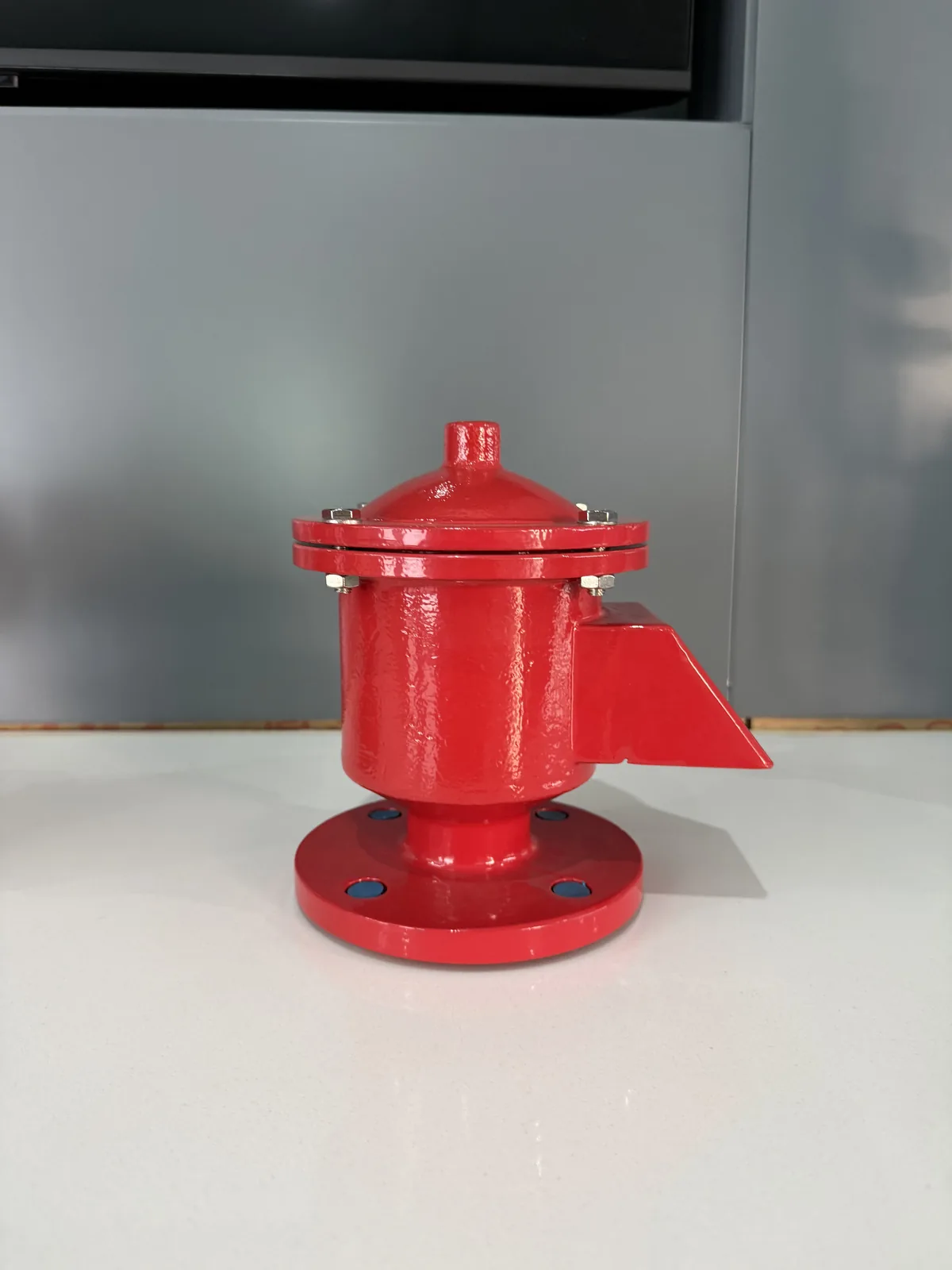
Real Production Evidence for Application Review
For Vacuum Service Safety Valves & Vacuum Relief Valves | ZOBAI service, supplier review should connect valve construction to set pressure, medium, temperature, capacity, back pressure and the governing code. This actual ZOBAI photograph documents red pressure-vacuum relief valve with side outlet. Review it with drawings, material records and pressure-test documents.