
Back Pressure Service • Balanced Bellows & Relief Header Applications
Back Pressure Balanced Safety Valves Manufacturer for Flare Headers and Closed Discharge Systems
Back pressure balanced safety valves are engineered pressure relief valves for systems where outlet pressure can affect valve opening, relieving capacity, lift stability and reseating. They are commonly used in flare headers, scrubbers, silencers, long outlet piping, closed vent systems and shared discharge manifolds.
ZOBAI supplies back pressure balanced safety valves, balanced bellows safety valves and balanced safety relief valves with engineering support for superimposed back pressure, built-up back pressure, set pressure, certified relieving capacity, bellows material, bonnet venting, outlet piping and project documentation.
Valve Type: Bellows Balanced / Pilot Operated / Safety Relief Valve
Service: Gas / Vapor / Steam / Liquid / Corrosive Discharge
Key Checks: Superimposed BP / Built-Up BP / Capacity / Bellows
Applications: Flare Header / Scrubber / Silencer / Closed Vent
Options: Bellows / Sealed Cap / Special Material / Flanged Ends
Docs: Datasheet / Test Report / Bellows Material / Capacity Data
Back pressure balanced safety valve selection should be confirmed against the actual medium, set pressure, operating pressure, required relieving capacity, superimposed back pressure, built-up back pressure, outlet system, temperature, bellows material, bonnet venting and applicable code requirements.
Safety Valve Categories
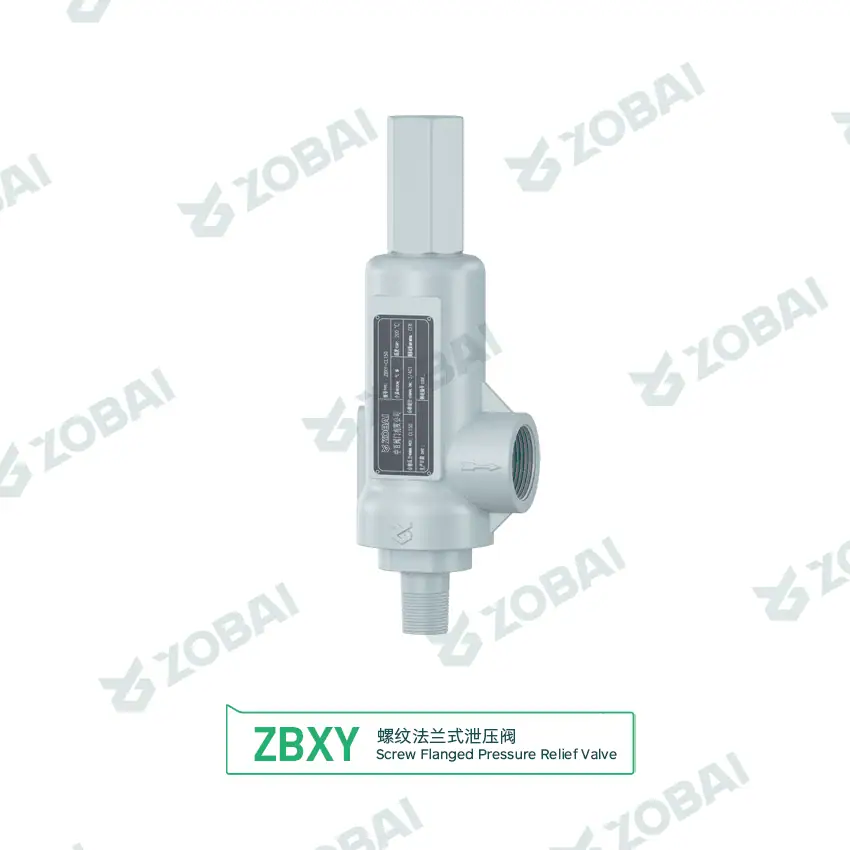
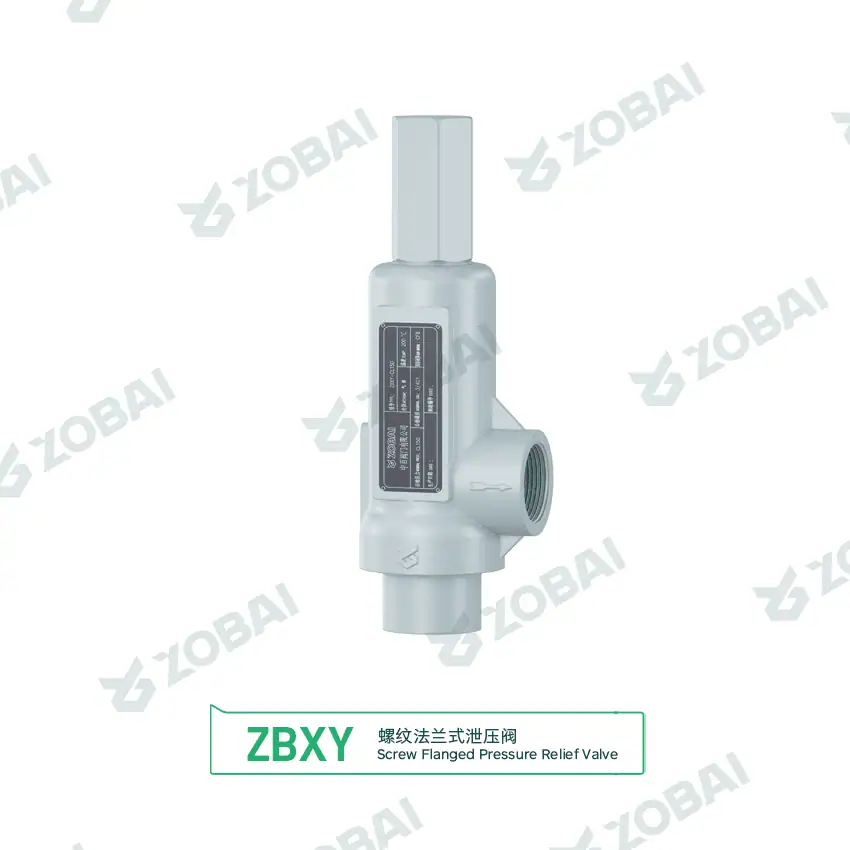
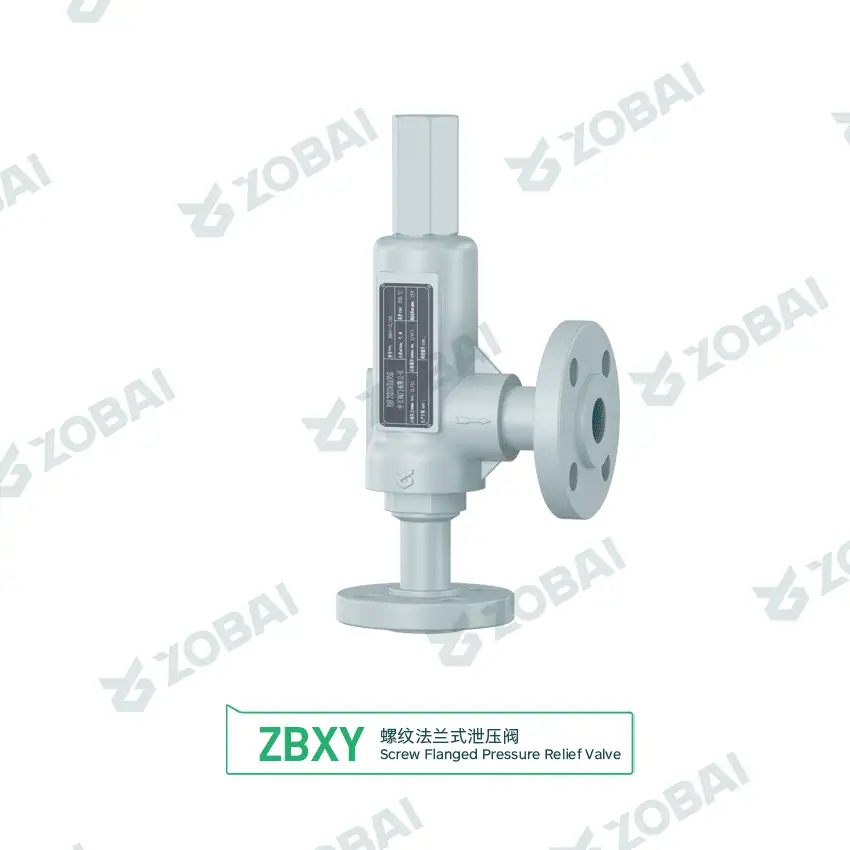
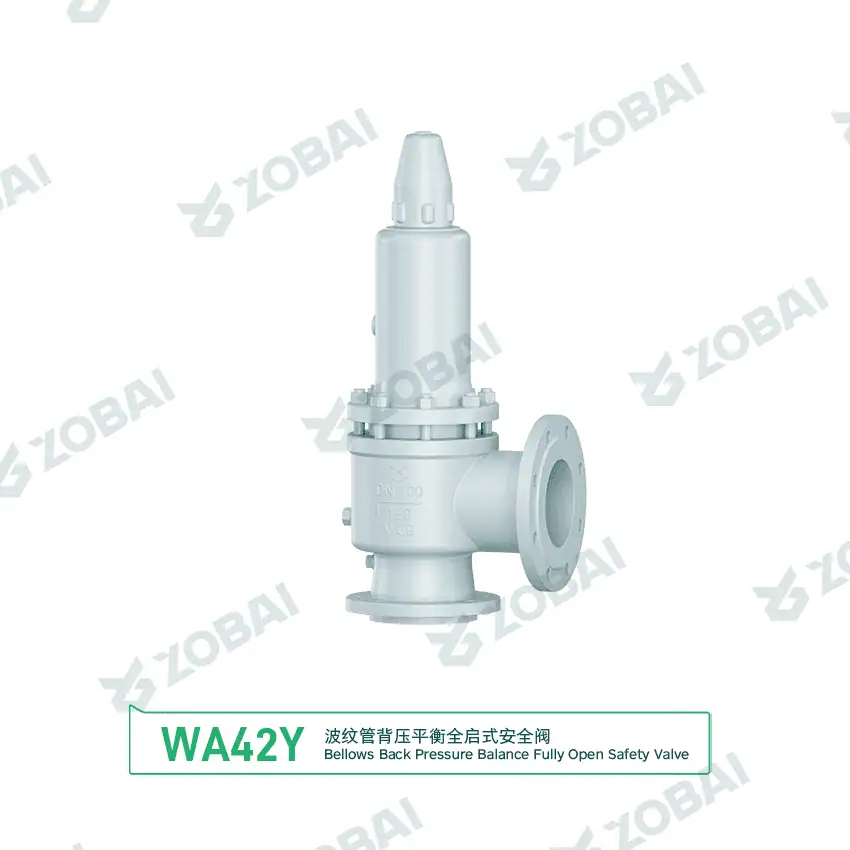
Back Pressure Balanced Safety Valves for Discharge Header and Variable Back Pressure Service
Back pressure balanced safety valves are pressure relief valves designed for systems where outlet pressure can affect valve opening, relieving capacity, lift stability or reseating. They are commonly used when safety valves discharge into flare headers, scrubbers, silencers, recovery systems, long outlet piping or shared discharge manifolds.
Why back pressure changes safety valve performance
A conventional spring loaded safety valve is affected by pressure at the outlet. If back pressure is higher than expected, the valve may open late, discharge less than required, chatter, leak after reseating or fail to close cleanly. In some systems the valve appears correctly sized on paper, but the outlet header condition makes the installed performance unstable.
A back pressure balanced safety valve reduces the influence of outlet pressure on the effective disc area and spring chamber, within the limits of the selected valve design. Bellows balanced designs are commonly used for this purpose. In clean gas or high operating pressure systems, pilot operated safety valves may also be considered, depending on medium cleanliness, back pressure type and maintenance requirements.
Selection boundary
Back pressure balanced safety valves are commonly used on chemical plants, refineries, gas systems, compressor packages, flare networks, closed discharge systems and corrosive vapor services. The correct choice depends on whether back pressure is constant, variable, superimposed, built-up or caused by common outlet headers.
You cannot confirm the valve only by set pressure and inlet size. Outlet piping, header pressure, discharge routing and simultaneous relief cases must be reviewed.
How a Back Pressure Balanced Safety Valve Works
A back pressure balanced safety valve opens when inlet pressure reaches the set pressure and relieves the required flow, while its balanced construction reduces the effect of outlet pressure on opening force and reseating behavior. In a bellows balanced safety valve, the bellows helps isolate the spring chamber and balances the effective area exposed to back pressure. It does not eliminate manufacturer allowable-back-pressure limits or any required capacity correction.
Normal Operation
The valve remains closed while system pressure stays below set pressure.
Back Pressure Exists
Outlet pressure may come from a flare header, scrubber, silencer or shared discharge line.
Balanced Opening
Balanced construction reduces the effect of outlet pressure on opening force and lift stability; certified capacity may still require a manufacturer back-pressure correction.
Stable Reseating
After pressure falls, the valve reseats with less influence from variable outlet pressure.
Key Design Points in Back Pressure Balanced Safety Valves
Back pressure analysis should separate where the pressure comes from and when it exists. Constant superimposed back pressure, variable superimposed back pressure and built-up back pressure do not create the same selection problem.
Superimposed vs Built-Up Back Pressure
Superimposed back pressure exists at the valve outlet before the valve opens. It may be constant or variable. Built-up back pressure is created by flow through the outlet piping after the valve opens.
The distinction matters because it affects set pressure correction, capacity calculation, valve stability and whether a conventional, bellows balanced or pilot operated design should be reviewed.
Bellows Balanced Safety Valve
A bellows balanced safety valve uses a bellows to reduce the effect of back pressure on the valve disc and spring chamber. It can also help isolate the spring chamber from corrosive or dirty outlet media.
The bellows is a critical component. Bellows material, fatigue life, corrosion resistance, venting and inspection access should be reviewed before purchase.
Pilot Operated Safety Valve Alternative
Pilot operated safety valves may be considered for selected clean gas or process services where high operating pressure margin, tightness or back pressure behavior requires special review.
They are not always suitable for dirty, sticky, crystallizing or polymerizing media because pilot passages and sensing lines can plug or become unstable.
Closed Discharge Headers and Flare Systems
Shared outlet headers can create variable back pressure, especially when multiple safety valves discharge at the same time. Flare header, scrubber and silencer pressure should be included in the relief system review.
A valve datasheet that ignores outlet header pressure may overstate real installed capacity and stability.
Quick Back Pressure Balanced Safety Valve Fit Check
Use this quick guide to identify what should be reviewed before quotation. It does not replace sizing calculation, outlet header analysis or project engineering approval.
Select your outlet condition
Click one condition below to see the engineering checks that matter most.
Parameters That Decide Whether a Back Pressure Balanced Safety Valve Is Suitable
Back Pressure Balanced Safety Valve vs Conventional Safety Valve
| Item | Back Pressure Balanced Safety Valve | Conventional Safety Valve |
|---|---|---|
| Main purpose | Reduces the effect of outlet back pressure on opening force and reseating; capacity remains subject to the certified design and applicable correction factors. | Suitable where outlet pressure is low, stable and within conventional valve limits. |
| Typical structure | Often bellows balanced; pilot operated option may be reviewed in selected clean service. | Direct spring loaded design without back pressure balancing element. |
| Back pressure behavior | Often better for variable or significant back pressure after checking the manufacturer's allowable limits and correction data. | More sensitive to superimposed and built-up back pressure. |
| Spring chamber protection | Bellows can help isolate the spring chamber from corrosive outlet media. | Spring chamber may be more affected by outlet pressure or corrosive discharge paths. |
| Maintenance focus | Bellows condition, bonnet vent, outlet pressure and corrosion inspection. | Seat, spring, guide, blowdown and general mechanical condition. |
| Main selection risk | Ignoring bellows material, fatigue, venting or actual header pressure. | Using it in a closed discharge system with variable back pressure. |
Where Back Pressure Balanced Safety Valves Are Used
Flare header systems
Refineries, petrochemical plants and gas systems often discharge safety valves into flare headers. Header pressure may vary during simultaneous relief, so back pressure balanced safety valves are often reviewed.
Scrubbers and closed vent systems
Closed vent and scrubber systems can generate outlet resistance. Chemical vapor, acid gas or solvent discharge may also require bellows material and bonnet venting review.
Silencers and long discharge piping
Steam, gas or air systems using silencers or long outlet pipes can create built-up back pressure. Outlet pressure drop and reaction force should be checked before selecting the valve.
Corrosive or toxic discharge
Bellows balanced safety valves may help isolate spring chambers from corrosive or toxic outlet media. The bellows, bonnet vent and discharge system still need material and leakage review.
Back Pressure Balanced Safety Valve Selection Table
| Outlet Condition | Common Requirement | Recommended Review | Key Engineering Check | Main Risk |
|---|---|---|---|---|
| Flare header | Relief into variable-pressure header | Bellows balanced or pilot operated safety valve review | Superimposed back pressure, built-up back pressure and simultaneous relief cases | Reduced capacity or unstable opening |
| Scrubber outlet | Relief into closed treatment system | Back pressure balanced safety relief valve | Scrubber pressure, liquid seal, corrosion, material and venting | Bellows corrosion or blocked discharge path |
| Silencer discharge | Noise control with outlet resistance | Balanced valve after outlet pressure drop review | Silencer pressure drop, discharge flow and reaction force | Unexpected built-up back pressure |
| Long outlet pipe | Remote discharge routing | Back pressure calculation before valve confirmation | Pipe length, elbows, drainage, thermal expansion and support | Chatter, vibration or outlet pipe load |
| Corrosive vapor | Protect spring chamber and control back pressure | Bellows balanced corrosion-resistant design | Bellows material, venting, medium compatibility and maintenance | Bellows failure or hidden leakage |
| Replacement project | Match existing valve safely | Nameplate, datasheet and outlet system review | Set pressure, capacity, bellows, back pressure and material | Replacing balanced valve with conventional type |
This table is for preliminary engineering screening. Final selection must be confirmed against medium, set pressure, required relieving capacity, back pressure type, outlet system pressure drop, material, bellows requirement, bonnet venting and applicable project standards.
Common Engineering Mistakes to Avoid
Ignoring variable superimposed back pressure
If header pressure varies before the valve opens, a conventional spring loaded valve may not open at the expected pressure. Balanced design or set pressure correction may be required.
Checking capacity without outlet piping
A valve can be correctly sized at the inlet but fail in the installed system if the outlet pipe, silencer or header creates excessive built-up back pressure.
Treating the bellows as maintenance-free
Bellows can fatigue, corrode or crack. Bellows material, cycling, bonnet venting and inspection access should be included in the maintenance plan.
Back Pressure Balanced Safety Valve Troubleshooting Table
| Symptom | Possible Cause | Engineering Check | Corrective Action |
|---|---|---|---|
| Valve opens late | Unreviewed superimposed back pressure, incorrect set pressure correction or wrong valve type | Check outlet pressure before opening, set pressure basis and valve datasheet | Review balanced design, adjust specification or recalculate set pressure basis |
| Valve chatters during relief | Excessive built-up back pressure, oversizing, inlet loss or unstable outlet header | Review inlet loss, outlet piping, header pressure and relief flow | Correct sizing, reduce outlet pressure drop or improve header design |
| Valve leaks after reseating | Seat damage, back pressure cycling, dirt, corrosion or bellows problem | Inspect seat, disc, bellows, guide and outlet pressure history | Repair seat, clean internals, inspect bellows and verify outlet condition |
| Bellows failure | Corrosion, fatigue, vibration, wrong material or blocked bonnet vent | Inspect bellows, bonnet vent, medium compatibility and cycle history | Replace bellows, upgrade material and correct venting or outlet instability |
| Unexpected bonnet vent leakage | Bellows leakage or vent routing issue | Check bonnet vent, bellows integrity and whether vent is safely routed | Remove valve for inspection and repair bellows before returning to service |
Standards and Documents to Confirm Before Purchase
Standards to review
Back pressure balanced safety valve specifications may reference pressure relief valve sizing, installation, discharge piping, seat tightness, material and project-specific relief system requirements.
- API 520 Part I / II for sizing, selection, installation, outlet piping and back pressure review where applicable.
- API 521 Pressure Relief Systems for flare headers, depressuring systems, relief scenarios and closed discharge system review.
- API 526 Flanged Safety Valves where flanged steel PRV dimensions, orifice designations and ratings are relevant.
- API 527 Seat Tightness Test where the valve design and project specification use API 527; otherwise confirm the applicable leakage criterion.
- ISO 4126 Safety Valve Standards where general safety valve requirements are specified.
- ASME safety valve requirements where boiler or pressure vessel protection rules apply.
Documents buyers often request
Documentation should be confirmed before quotation, especially for flare headers, closed discharge systems, chemical plants, refineries, gas skids and replacement projects.
- Valve datasheet and model specification.
- Back pressure type and maximum back pressure data.
- Set pressure calibration record.
- Certified relieving capacity information.
- Bellows material certificate when specified.
- Seat tightness test report and pressure test report when required.
- Outlet piping or discharge header information for engineering review.
Related Pages for Back Pressure Balanced Safety Valve Selection
Use these related pages to connect the back pressure balanced safety valve topic with product selection, bellows design, discharge header review, sizing, installation and quotation support.
Related product pages
- Safety Valves overview for all ZOBAI pressure relief valve types.
- High Back Pressure Applications for flare headers, scrubbers, closed vents, silencers and variable outlet pressure service.
- Bellows Balanced Safety Valves for back pressure compensation and spring chamber isolation review.
- Pilot Operated Safety Valves for selected clean gas or high operating pressure applications.
- Spring Loaded Safety Valves for conventional direct acting pressure relief applications.
- Corrosion Resistant Safety Valves for corrosive discharge or aggressive media service.
- Flanged Safety Valves for process lines, pressure vessels and discharge header applications.
Engineering and application guides
- Back Pressure and Bellows Guide for practical explanation of outlet pressure effects.
- Safety Valve Sizing Guide for capacity, orifice and relief case review.
- Safety Valve Installation Guide for inlet loss, outlet piping, drainage and support checks.
- Safety Valve Selection Guide for medium, set pressure, temperature and material selection.
- Oil & Gas Applications where flare headers and closed discharge systems are common.
- Petrochemical Applications for refinery and process plant relief systems.
- Chemical Processing Applications for corrosive or scrubber-connected discharge systems.
Authoritative Standards References for Back Pressure and Relief Systems
These official and standards-body references are useful when confirming sizing, installation, flare header, depressuring, pressure relief device and safety valve requirements.
API references
- API 520 Part I for pressure relief device sizing and selection.
- API 520 Part II, 7th Edition for pressure-relieving device installation and engineering-analysis considerations.
- API 521 for pressure-relieving and depressuring system design.
- API 526 for flanged steel pressure relief valve purchase specification references.
- API 527 for seat tightness testing references.
ISO, ASME and National Board references
- ISO 4126-1 for general safety valve requirements.
- ASME BPVC Section XIII for overpressure-protection rules covering pressure relief devices, testing, capacity certification, marking and installation.
- National Board Inspection Code for pressure relief device inspection, repair and alteration context.
- National Board Pressure Relief Laboratory for pressure relief device testing, capacity certification and valve-repair program resources.
- 46 CFR pressure-relief device rules for U.S. marine pressure vessel references.
Back Pressure Balanced Safety Valve FAQs
These answers clarify back-pressure types, bellows-balanced selection limits and the data needed before quotation.
RFQ Checklist for Back Pressure Balanced Safety Valves
| Required Data | Why It Matters | Example Input |
|---|---|---|
| Medium | Determines sizing method, material and bellows compatibility. | Steam, natural gas, nitrogen, solvent vapor, acid gas, liquid |
| Set pressure | Defines the valve opening point. | 10 bar g, 150 psi, 600 psi |
| Required relieving capacity | Confirms whether the valve can protect the equipment. | kg/h, lb/h, Nm³/h, SCFM, GPM |
| Superimposed back pressure | Shows outlet pressure before the valve opens. | Constant, variable, flare header pressure |
| Built-up back pressure | Shows outlet pressure created during relief flow. | Calculated from outlet piping, silencer or header |
| Outlet system | Determines pressure drop, reaction force and header effects. | Atmospheric vent, flare header, scrubber, silencer, closed vent |
| Valve type requirement | Defines conventional, bellows balanced or pilot operated design. | Bellows balanced safety valve, pilot operated PSV |
| Bellows material | Prevents corrosion, fatigue and hidden bellows failure. | 316L, Inconel-type alloy, Hastelloy-type alloy, project specified |
| Temperature | Affects body, seat, spring and bellows material selection. | Ambient, 180°C, 400°C, cryogenic |
| Material requirement | Ensures compatibility with process and discharge media. | WCB, CF8M, duplex, alloy, NACE requirement |
| Applicable standard | Defines testing, documentation and acceptance requirements. | API, ASME, ISO, EN, GB, project specification |
| Existing drawing or nameplate | Reduces replacement selection risk. | Photo, model, set pressure, capacity, back pressure, bellows material |
Need Help Selecting a Back Pressure Balanced Safety Valve?
Send us your medium, set pressure, operating pressure, required relieving capacity, superimposed back pressure, built-up back pressure, outlet system, temperature, material requirement, bellows requirement and existing datasheet. Our engineering team can review whether a conventional, bellows balanced or pilot operated safety valve is more suitable before quotation.
Prepare these data before RFQ
TECHNICAL INSIGHTS
Related Back Pressure Balanced Safety Valves Articles
FAQ
Back Pressure Balanced Safety Valve FAQs for Flare Headers and Outlet Pressure
What is a back pressure balanced safety valve?
A back pressure balanced safety valve is a pressure relief valve designed to reduce the influence of outlet back pressure on valve opening, relieving capacity and reseating. It is commonly used when the valve discharges into a flare header, scrubber, silencer, long outlet pipe or closed vent system.
What is the difference between superimposed and built-up back pressure?
Superimposed back pressure exists at the valve outlet before the valve opens. Built-up back pressure is created by flow through the outlet system after the valve opens. Both can affect safety valve capacity, stability and reseating behavior.
When should you use a back pressure balanced safety valve?
Use a back pressure balanced safety valve when outlet pressure is significant, variable or created by a closed discharge system. Common examples include flare headers, scrubbers, silencers, long outlet piping, recovery systems and shared discharge manifolds.
Is a bellows balanced safety valve the same as a back pressure balanced safety valve?
A bellows balanced safety valve is one common type of back pressure balanced safety valve. The bellows reduces the effect of outlet pressure on the disc and can also help isolate the spring chamber from corrosive or dirty discharge media.
波纹管平衡式安全阀是一种常见的背压平衡式安全阀。波纹管可以降低出口压力对阀瓣的影响,还可以帮助隔离弹簧腔,使其免受腐蚀性或污浊的排放介质的影响。
Can a conventional safety valve be used with back pressure?
A conventional safety valve may be used only when the back pressure is within the valve design and application limits. If back pressure is significant or variable, a bellows balanced or pilot operated safety valve may need engineering review.
Why does back pressure cause safety valve chatter?
Back pressure can reduce flow stability, affect valve lift and disturb reseating. Chatter may also be caused by excessive inlet pressure loss, oversizing, long outlet piping, silencer pressure drop or unstable discharge header pressure.
What happens if the bellows fails?
If the bellows fails, the valve may lose its back pressure balancing function and corrosive or dirty discharge media may enter the bonnet area. Bonnet vent leakage can be an important warning sign and the valve should be inspected before returning to service.
What information is needed before requesting a back pressure balanced safety valve quotation?
Provide the medium, set pressure, operating pressure, required relieving capacity, superimposed back pressure, built-up back pressure, outlet system type, temperature, material requirement, bellows material, applicable standard, quantity and any existing drawing or nameplate.

Raymon Yu
“When a safety valve fails to pop on site, it’s rarely because someone can’t read a standard. It’s usually because critical operating parameters (like backpressure or relief temperature) were assumed instead of specified. I reviewed the key technical content on this page to keep it practical, API/ASME spec-aligned, and RFQ-ready. (We prefer assumptions for lunch choices.)”
What I work on daily: reviewing drawings and project specs, supporting engineer-to-engineer questions, resolving capacity calculations, material selection, and backpressure impacts so production and quoting stay consistent. (Yes—set pressure and seat tightness test records get plenty of attention.)