
Corrosive Service • Chemical & Sour Service Safety Valves
Corrosion Resistant Safety Valves Manufacturer for Chemical, Sour and Aggressive Media Service
Corrosion resistant safety valves are engineered pressure relief valves for chemical processing, sour gas, chloride service, seawater, acids, alkalis, solvents and other aggressive media applications where standard materials may corrode, leak, stick or fail.
ZOBAI supplies corrosion resistant safety valves and corrosion resistant safety relief valves with engineering support for medium compatibility, material selection, seat design, bellows isolation, set pressure, certified relieving capacity, back pressure, discharge routing and project documentation.
Valve Type: Spring Loaded / Bellows Balanced / Pilot Operated
Service: Acid / Alkali / Chloride / Sour Gas / Solvent / Seawater
Key Checks: Material / Seat / Bellows / Capacity / Back Pressure
Materials: 316L / Duplex / Super Duplex / Alloy / PTFE Lined Options
Applications: Chemical Reactor / Sour Gas / Offshore / Process Skid
Docs: Datasheet / MTC / PMI / NACE Statement / Test Report
Corrosion resistant safety valve selection should be confirmed against the actual medium composition, concentration, temperature, pressure, required relieving capacity, material compatibility, seat type, bellows requirement, back pressure, discharge system and applicable project standards.
Safety Valve Categories
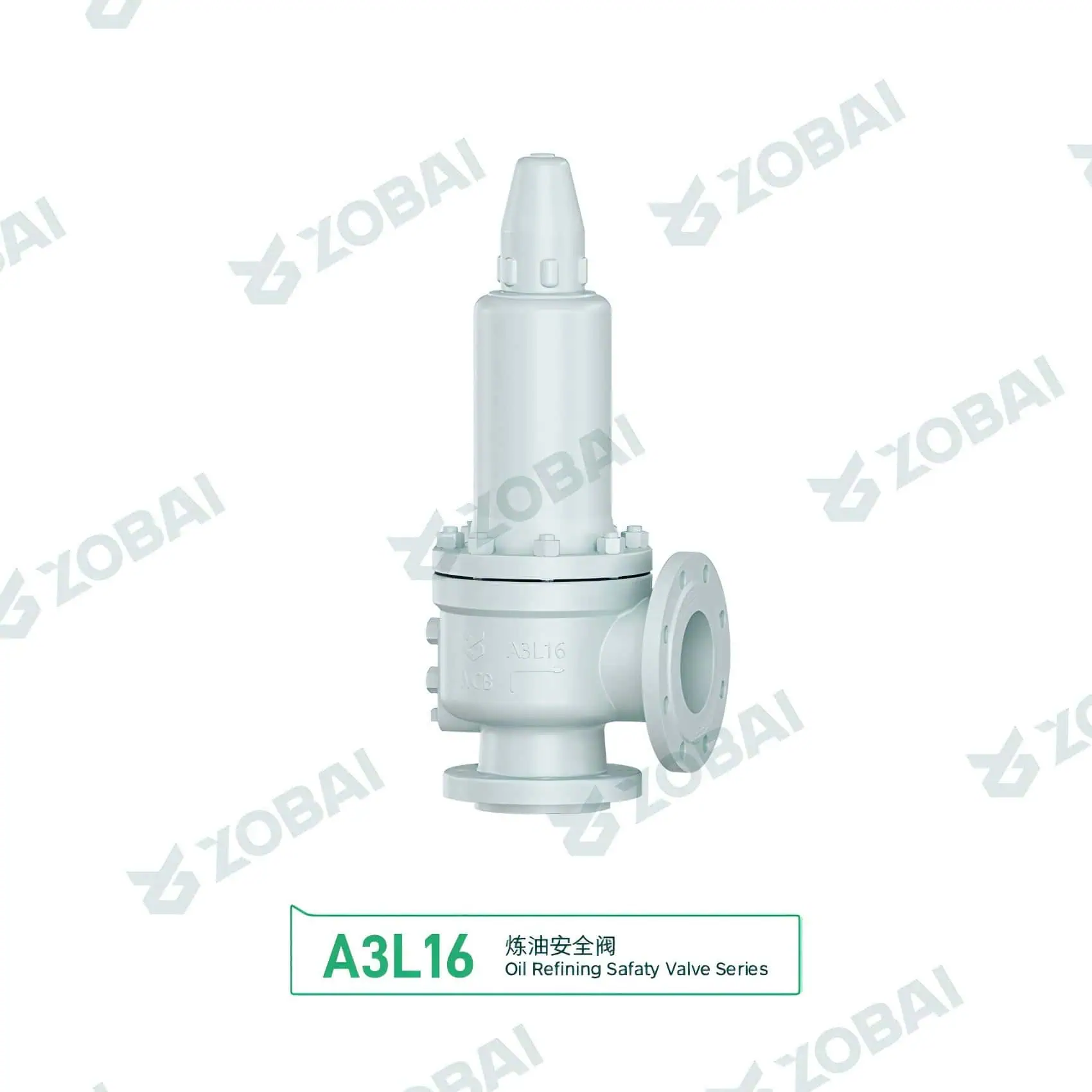
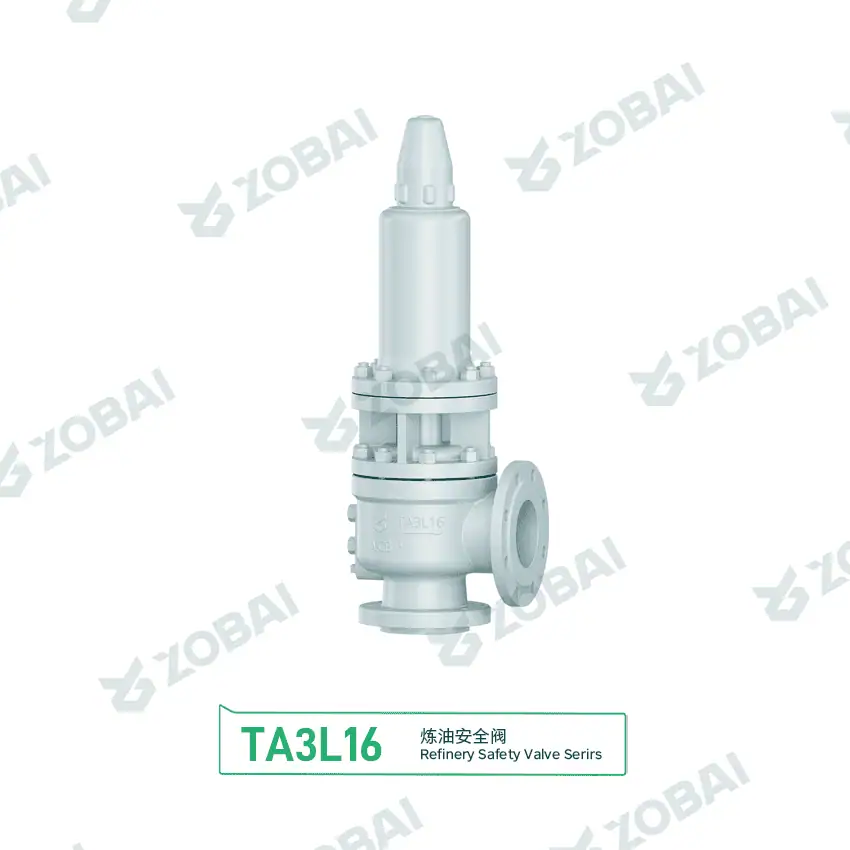
Corrosion Resistant Safety Valves for Chemical, Sour and Aggressive Media Service
Corrosion resistant safety valves are pressure relief valves designed for media or environments that can attack the body, nozzle, disc, guide, spring, bellows, seat or gasket materials. They are used in chemical processing, petrochemical plants, offshore systems, sour gas, chloride service, acid and alkali systems, seawater, ammonia, solvents and other aggressive media applications.
Why corrosive service changes safety valve selection
In corrosive service, the main risk is not only body corrosion. A safety valve can fail because the nozzle edge pits, the disc sealing surface erodes, the guide sticks, the spring weakens, the bellows cracks, or the gasket loses sealing force. Even a small amount of corrosion on the seat can cause leakage before the valve reaches set pressure.
Correct selection requires more than choosing stainless steel. The medium concentration, temperature, pressure, chloride content, pH, H2S, oxygen, solids, crystallization tendency, cleaning process, external environment and expected maintenance interval should all be reviewed before final material selection.
Selection boundary
Corrosion resistant safety valves are commonly used where standard carbon steel or basic stainless steel cannot provide reliable service life. Typical applications include acids, alkalis, chlorides, seawater, sour gas, solvents, ammonia, wet chlorine-related systems and chemical reactors.
Wrong materials can lead to leakage, sticking, loss of set pressure accuracy, reduced capacity, spring failure or unsafe isolation of the protected equipment.
How a Corrosion Resistant Safety Valve Works
A corrosion resistant safety valve opens the same way as a conventional safety valve: the disc lifts when inlet pressure reaches the set pressure and the valve discharges the required relieving capacity. The difference is that all wetted and exposed parts must resist the actual medium and environment long enough to keep the valve free-moving, tight on the seat and capable of opening at the correct pressure.
Normal Operation
The disc remains closed while wetted parts contact corrosive vapor, gas or liquid.
Corrosion Resistance
Body, nozzle, disc, guide, spring and seals must resist pitting, stress cracking and sticking.
Pressure Relief
At set pressure, the valve opens and releases corrosive medium through the selected flow path.
Reseating
After pressure falls, clean seat surfaces and compatible materials help the valve close tightly.
Key Design Points in Corrosion Resistant Safety Valves
Corrosion resistant valve design should be reviewed part by part. A body made from 316L does not guarantee that the disc, spring, guide, bellows, gasket and seat materials are suitable for the same medium.
Body, Trim and Spring Materials
Common material options may include 316L stainless steel, duplex stainless steel, super duplex, Alloy 20, Monel, Hastelloy-type alloys, titanium or lined construction, depending on medium, temperature and concentration.
The wetted trim is often more critical than the body. Nozzle, disc, guide and spindle surfaces must remain smooth and free-moving after long exposure.
Seat Tightness and Corrosion Damage
Corrosion on the nozzle or disc sealing surface can cause seat leakage even when the spring setting is correct. Sticky, crystallizing or particle-containing media can also prevent proper reseating.
Soft seats may improve tightness in selected clean corrosive service, but PTFE, FKM, EPDM and other materials must be checked against temperature, pressure, swelling, chemical compatibility and cycling.
Bellows Isolation for Corrosive or Back Pressure Service
Bellows balanced safety valves may be considered when the spring chamber needs isolation from corrosive vapor or when outlet back pressure affects valve performance.
Bellows material must also be compatible with the medium. A bellows can protect the spring chamber, but a wrong bellows material may crack, pit or fail under cycling.
Sour Service and H2S Environments
Sour service requires review of H2S partial pressure, water phase, chloride, pH, temperature, hardness, material strength and cracking risk. Material selection may need NACE MR0175 / ISO 15156 compliance depending on application.
Do not assume ordinary stainless steel is automatically suitable for H2S service. Springs, bolting, trim and weld overlays may require additional review.
Quick Corrosion Resistant Safety Valve Fit Check
Use this quick guide to identify what should be reviewed before quotation. It does not replace corrosion engineering, material compatibility review or project code approval.
Select your corrosive service condition
Click one condition below to see the engineering checks that matter most.
Parameters That Decide Whether a Corrosion Resistant Safety Valve Is Suitable
Corrosion Resistant Safety Valve vs Standard Safety Valve
| Item | Corrosion Resistant Safety Valve | Standard Safety Valve |
|---|---|---|
| Main purpose | Protects pressure equipment while resisting chemical attack, pitting, cracking or fouling. | Protects general pressure equipment where corrosion risk is low or moderate. |
| Material review | Requires body, trim, spring, bellows, seat, gasket and fastener compatibility review. | Standard carbon steel or stainless steel options may be sufficient. |
| Seat leakage risk | Higher risk if corrosion, crystals, residue or swelling damages the sealing surface. | Leakage mainly depends on seat condition, operating margin and cleanliness. |
| Typical options | 316L, duplex, super duplex, Hastelloy-type alloys, Monel, titanium, PTFE/PFA lining, bellows. | WCB, bronze, CF8, CF8M and common trim materials. |
| Common applications | Chemical plants, sour service, acids, alkalis, chlorides, seawater, solvents and reactors. | Water, air, steam, clean gas and general industrial service. |
| Main selection risk | Assuming one stainless steel grade is suitable for all corrosive media. | Selecting by connection size without checking capacity or service conditions. |
Where Corrosion Resistant Safety Valves Are Used
Chemical reactors and process vessels
Reactors and process vessels may contain acids, alkalis, solvents, chlorides or mixed chemical vapors. Safety valves should be selected by relief case, material compatibility, seat design and cleaning method.
Sour gas and H2S service
Sour service requires material review for sulfide stress cracking, chloride stress corrosion cracking and hydrogen-related damage. NACE MR0175 / ISO 15156 may be required depending on project scope.
Seawater, chloride and offshore systems
Chloride and seawater environments can cause pitting and crevice corrosion in unsuitable stainless steels. Duplex, super duplex or other alloys may be reviewed for wetted parts and external exposure.
Acid, alkali and solvent systems
Acid and alkali systems require review of concentration, temperature, contamination, solids and cleaning chemicals. Solvent vapor may require seat tightness, emission control and fire-safe discharge routing.
Corrosion Resistant Safety Valve Selection Table
| Service Condition | Common Requirement | Recommended Review | Key Engineering Check | Main Risk |
|---|---|---|---|---|
| Acid service | Resist chemical attack and seat corrosion | Alloy, lined or PTFE/PFA compatible design | Acid type, concentration, temperature, water content and gasket material | Pitting, leakage or lining damage |
| Chloride or seawater | Resist pitting and crevice corrosion | Duplex, super duplex or alloy review | Chloride level, temperature, oxygen, stagnant zones and external exposure | Localized corrosion and guide sticking |
| Sour gas / H2S | Resist cracking in sour environment | NACE MR0175 / ISO 15156 material review | H2S partial pressure, water phase, pH, chloride, hardness and temperature | Sulfide stress cracking or trim failure |
| Caustic / alkali | Maintain trim movement and sealing | Material and seal compatibility review | Concentration, temperature, crystallization and cleaning process | Sticking, swelling or stress corrosion cracking |
| Solvent vapor | Control leakage and discharge safely | Seat tightness and sealed cap / bellows review | Flammability, toxicity, seat material, venting and outlet routing | Vapor leakage or unsafe discharge |
| Replacement project | Match old valve safely | Nameplate, datasheet and corrosion history review | Medium, set pressure, material, capacity, seat type and failure history | Replacing by material name or size only |
This table is for preliminary engineering screening. Final selection must be confirmed against medium composition, concentration, temperature, pressure, set pressure, required relieving capacity, material compatibility, seat design, back pressure, discharge system and project standards.
Common Engineering Mistakes to Avoid
Assuming 316 stainless steel fits all corrosive media
316 or 316L may work in many services, but chloride, high temperature, acids, sour gas or crevice conditions can still cause pitting, cracking or leakage.
Ignoring nozzle and disc corrosion
The body may look acceptable while the nozzle and disc sealing surfaces are already damaged. Seat corrosion is one of the most common causes of leakage in corrosive service.
Leaving the spring chamber exposed to corrosive vapor
Corrosive vapor can attack the spring and guide area. Bellows isolation, sealed cap, closed bonnet or special venting may be needed when vapor can reach non-wetted parts.
Corrosion Resistant Safety Valve Troubleshooting Table
| Symptom | Possible Cause | Engineering Check | Corrective Action |
|---|---|---|---|
| Seat leakage | Nozzle pitting, disc corrosion, particles, crystallization or soft seat swelling | Inspect seat, disc, nozzle, medium residue and seal material | Repair seat, upgrade trim, improve cleaning or change seal material |
| Valve fails to open freely | Guide corrosion, product deposits, sticky medium or spring chamber attack | Check guide clearance, spindle movement, deposits and bonnet condition | Clean, repair, add bellows isolation or upgrade materials |
| Spring corrosion | Corrosive vapor entering bonnet or external corrosive atmosphere | Check bonnet type, cap sealing, bellows condition and venting | Use sealed cap, bellows, closed bonnet or corrosion-resistant spring material |
| Bellows failure | Wrong bellows material, fatigue, pitting, vibration or back pressure cycling | Inspect bellows material, cycle history, corrosion marks and outlet pressure | Replace bellows, review material and reduce back pressure instability |
| External body corrosion | Marine atmosphere, acid vapor, washdown, insulation trapping moisture or wrong coating | Review external environment, coating, insulation and material grade | Upgrade external protection, drainage, coating or body material |
Standards and Documents to Confirm Before Purchase
Standards to review
Corrosion resistant safety valve specifications may reference pressure relief valve standards, material standards, sour service standards, seat tightness testing and project-specific corrosion requirements.
- API 520 for sizing, selection and installation guidance where applicable.
- ISO 4126-1 where general safety valve requirements are specified.
- API 527 where the valve design and project specification use API 527; otherwise confirm the applicable leakage criterion.
- ISO 15156-1 / NACE MR0175 where the project falls within its H2S-containing oil and gas production scope; confirm any downstream or refining requirement separately.
- ASTM A995/A995M for duplex stainless steel castings used in pressure-containing valve parts; use separate applicable standards for springs, bolting, gaskets and other components.
- Project-specific corrosion allowance, PMI, lining, coating and chemical compatibility requirements.
Documents buyers often request
Documentation should be confirmed before quotation, especially for chemical plants, sour gas systems, offshore projects, reactors, corrosive liquid systems and replacement projects.
- Valve datasheet and model specification.
- Material certificate for body, bonnet, trim, spring, bellows and bolting when specified.
- NACE MR0175 / ISO 15156 statement when required.
- PMI report when alloy verification is required.
- Set pressure calibration record.
- Seat tightness test report and pressure test report when required.
- Previous failure photos or corrosion history for replacement projects.
Related Pages for Corrosion Resistant Safety Valve Selection
Use these ZOBAI pages to continue the selection path from corrosive media review to valve type, material, back pressure, sizing, installation and documentation.
Valve types and configurations
- Safety Valves for the main product category and valve family overview.
- Petrochemical Safety Valve Applications for refinery, chemical feed, corrosive vapor and discharge-system review.
- Spring Loaded Safety Valves for conventional direct-acting applications.
- Bellows Balanced Safety Valves for corrosive vapor isolation and back pressure review.
- Pilot Operated Safety Valves for clean gas, tight shutoff and high-capacity cases.
- Sanitary Safety Valves for cleanability, CIP/SIP and contamination-sensitive service.
Engineering and application pages
- Chemical Processing for corrosive process vessels, reactors and chemical skids.
- Safety Valve Selection Guide for set pressure, medium, material and valve type workflow.
- Safety Valve Sizing Guide for capacity and orifice review.
- Back Pressure and Bellows for outlet header, scrubber and flare discharge checks.
- Safety Valve Installation Guide for inlet, outlet and discharge piping review.
- Safety Valve Catalog PDF for datasheets and RFQ preparation.
Authoritative External References for Corrosive and Sour Service
These references support standards-driven review for sizing, safety valve requirements, sour service materials, duplex castings and corrosion-resistant alloy selection.
Pressure relief standards
- API 520 Part I for pressure-relieving device sizing and selection references.
- ISO 4126-1 for safety valve product requirements and excessive pressure protection.
- ASME BPVC Section XIII for overpressure-protection rules covering pressure relief devices, testing, marking, capacity certification and installation.
- National Board NB-18 for pressure relief device certification context.
Corrosion and material references
- ISO 15156-1:2020 for cracking-resistant metallic material selection in H2S-containing oil and gas production environments; note that a replacement edition is under development.
- AMPP MR0175 / ISO 15156 reference for the harmonized sour-service materials standard and related AMPP standards context.
- ASTM A995/A995M for duplex stainless steel castings used in valves and pressure-containing parts.
- ASTM A494/A494M-24 for nickel and nickel-alloy castings for corrosion-resistant service.
Corrosion Resistant Safety Valve FAQs
These answers clarify material selection, the limits of 316L, bellows use and the information required before quotation.
RFQ Checklist for Corrosion Resistant Safety Valves
| Required Data | Why It Matters | Example Input |
|---|---|---|
| Medium composition | Determines corrosion mechanism and material compatibility. | HCl, NaOH, seawater, sour gas, solvent vapor, ammonia |
| Concentration and impurities | Changes corrosion rate, pitting and cracking risk. | Chloride ppm, water content, H2S, oxygen, solids |
| Set pressure | Defines the valve opening point. | 10 bar g, 150 psi, 600 psi |
| Required relieving capacity | Confirms whether the valve can protect the equipment. | kg/h, lb/h, Nm³/h, SCFM, GPM |
| Temperature | Affects corrosion rate, seal material and pressure rating. | Ambient, 80°C, 180°C, cryogenic |
| Material requirement | Defines body, trim, spring, bellows and gasket compatibility. | 316L, duplex, super duplex, Alloy 20, Monel, Hastelloy-type alloy, titanium |
| Seat and seal type | Affects leakage, swelling, sticking and chemical resistance. | Metal seat, PTFE, PFA, FKM, EPDM, graphite |
| Bellows or bonnet requirement | Controls spring chamber exposure and back pressure effects. | Conventional, bellows balanced, sealed cap, closed bonnet |
| Back pressure | Determines whether conventional, bellows or pilot design is suitable. | Atmospheric, constant, variable, scrubber, flare header |
| Cleaning process | Affects seat, seal and lining material selection. | CIP, SIP, flushing, solvent cleaning, neutralization |
| Applicable standard | Defines documentation, testing and material acceptance. | API, ISO, ASME, NACE, project specification |
| Existing drawing or nameplate | Reduces replacement selection risk. | Photo, model, set pressure, capacity, material, failure history |
Need Help Selecting a Corrosion Resistant Safety Valve?
Send us your medium composition, concentration, temperature, set pressure, operating pressure, required relieving capacity, material requirement, seat type, bellows or bonnet requirement, back pressure, cleaning process and existing datasheet. Our engineering team can review whether stainless steel, duplex, alloy, lined or bellows isolated construction is more suitable before quotation.
Prepare these data before RFQ
TECHNICAL INSIGHTS
Related Corrosion Resistant Safety Valves Articles
FAQ
Corrosion Resistant Safety Valve FAQs for Chemical and Sour Service
What is a corrosion resistant safety valve?
A corrosion resistant safety valve is a pressure relief valve designed for corrosive media or environments that can attack standard body, trim, spring, seat, gasket or bellows materials. It is commonly used in chemical, sour gas, chloride, seawater, acid, alkali and solvent service.
How do you select a safety valve for corrosive media?
Select the valve by medium composition, concentration, temperature, pressure, set pressure, required relieving capacity, body material, trim material, seat type, gasket material, spring chamber exposure, back pressure and applicable project standards.
Is 316 stainless steel enough for all corrosive service?
No. 316 or 316L stainless steel may be suitable for many services, but it can still suffer pitting, crevice corrosion or stress corrosion cracking in chloride, high-temperature, acid, sour or stagnant conditions. The exact medium and temperature must be reviewed.
When should a bellows corrosion resistant safety valve be used?
A bellows corrosion resistant safety valve may be used when the spring chamber needs isolation from corrosive vapor, when outlet back pressure affects valve performance, or when corrosive discharge could attack non-wetted moving parts.
Can PTFE lined safety valves be used for acid service?
PTFE lined safety valves may be suitable for selected acid or aggressive chemical service, but the lining temperature limit, pressure limit, chemical concentration, mechanical durability, seat design and cleaning process must be reviewed before selection.
What standards matter for sour service safety valves?
For H2S-containing sour service, NACE MR0175 / ISO 15156 may be required depending on the application. The review should include H2S partial pressure, water phase, pH, chloride, temperature, material hardness and cracking risk.
Why does a corrosion resistant safety valve leak?
Leakage may be caused by nozzle pitting, disc corrosion, crystallized product, sticky residue, damaged soft seat, wrong seal material, operating pressure too close to set pressure, back pressure or poor maintenance after testing.
What information is needed before requesting a corrosion resistant safety valve quotation?
Provide the medium composition, concentration, impurities, temperature, set pressure, operating pressure, required relieving capacity, material requirement, seat type, bellows or bonnet requirement, back pressure, cleaning process, applicable standard, quantity and any existing drawing or nameplate.

Raymon Yu
“When a safety valve fails to pop on site, it’s rarely because someone can’t read a standard. It’s usually because critical operating parameters (like backpressure or relief temperature) were assumed instead of specified. I reviewed the key technical content on this page to keep it practical, API/ASME spec-aligned, and RFQ-ready. (We prefer assumptions for lunch choices.)”
What I work on daily: reviewing drawings and project specs, supporting engineer-to-engineer questions, resolving capacity calculations, material selection, and backpressure impacts so production and quoting stay consistent. (Yes—set pressure and seat tightness test records get plenty of attention.)