
Direct-Acting Pressure Protection • Spring Loaded Safety Valves
Spring Loaded Safety Valves Manufacturer for Steam, Gas and Liquid Service
Spring loaded safety valves are direct-acting pressure relief devices used to protect boilers, pressure vessels, pipelines, compressors, reactors and process equipment from excessive pressure. The valve opens when inlet pressure reaches the set pressure and the upward force on the disc overcomes the spring load.
ZOBAI supplies spring loaded safety valves for steam, gas, vapor and liquid service, with model selection based on set pressure, relieving capacity, back pressure, medium, temperature, connection standard, material compatibility and required documentation.
Standards: ASME / API / ISO / GB options
Service: Steam / Gas / Vapor / Liquid
Valve Types: Conventional / Full Lift / Lever / Bellows Balanced
Key Checks: Set Pressure / Capacity / Back Pressure / Blowdown
Materials: WCB / CF8 / CF8M / CF3M / Alloy Options
Docs: Datasheet / Test Report / Material Certificate / Calibration Record
Selection should be confirmed against the actual medium, set pressure, operating pressure, relieving capacity, back pressure, temperature, installation layout and applicable code requirements.
Safety Valve Categories
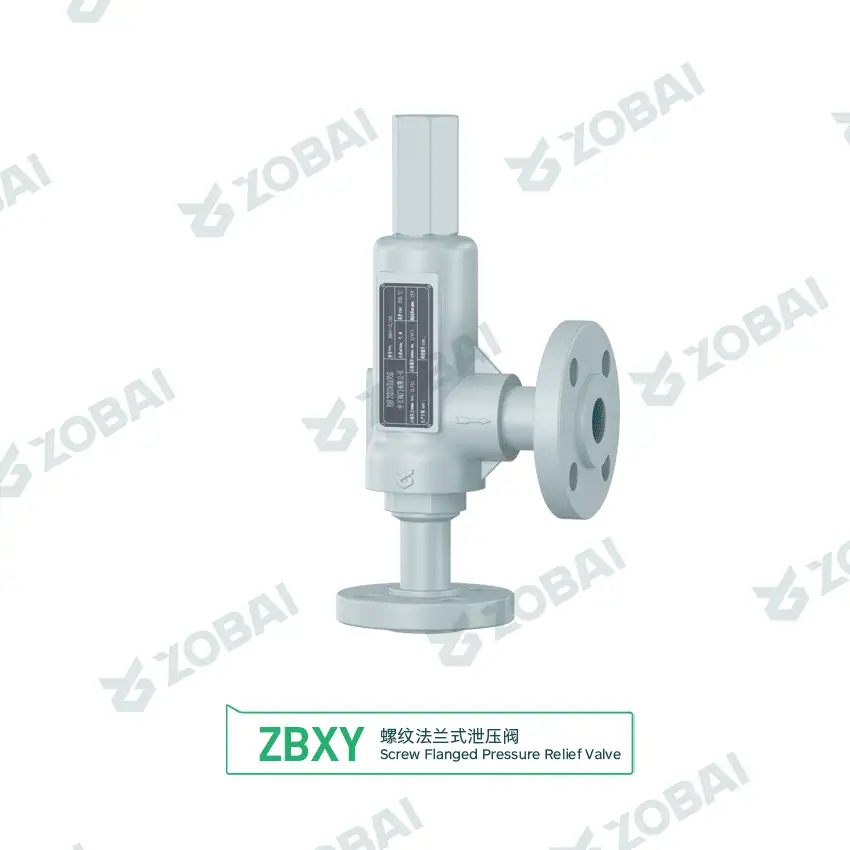
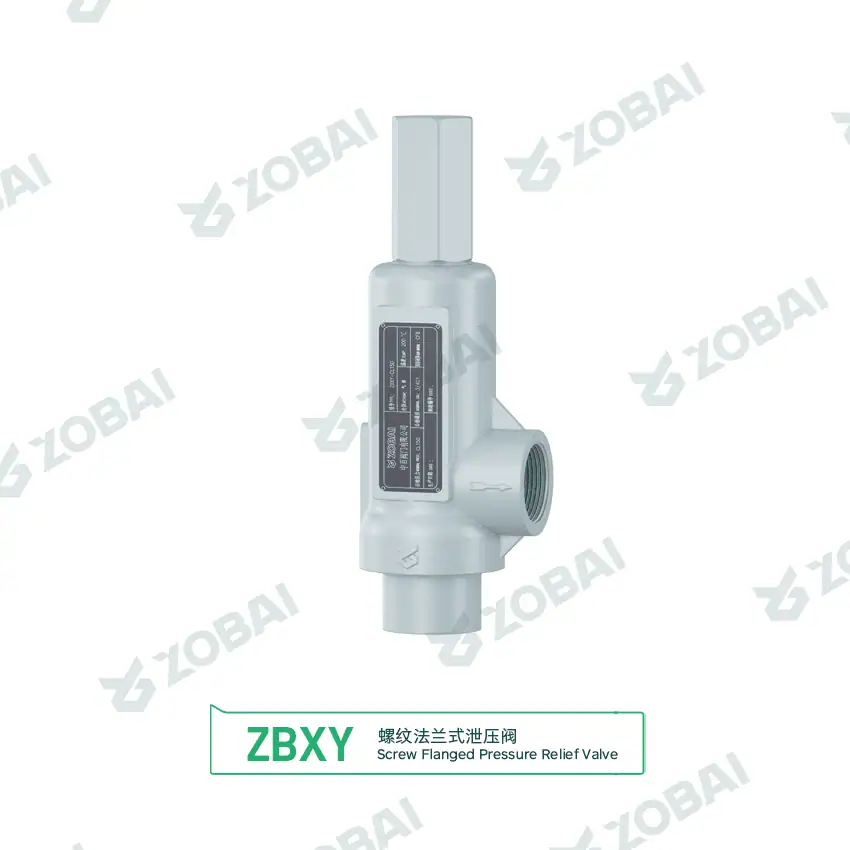
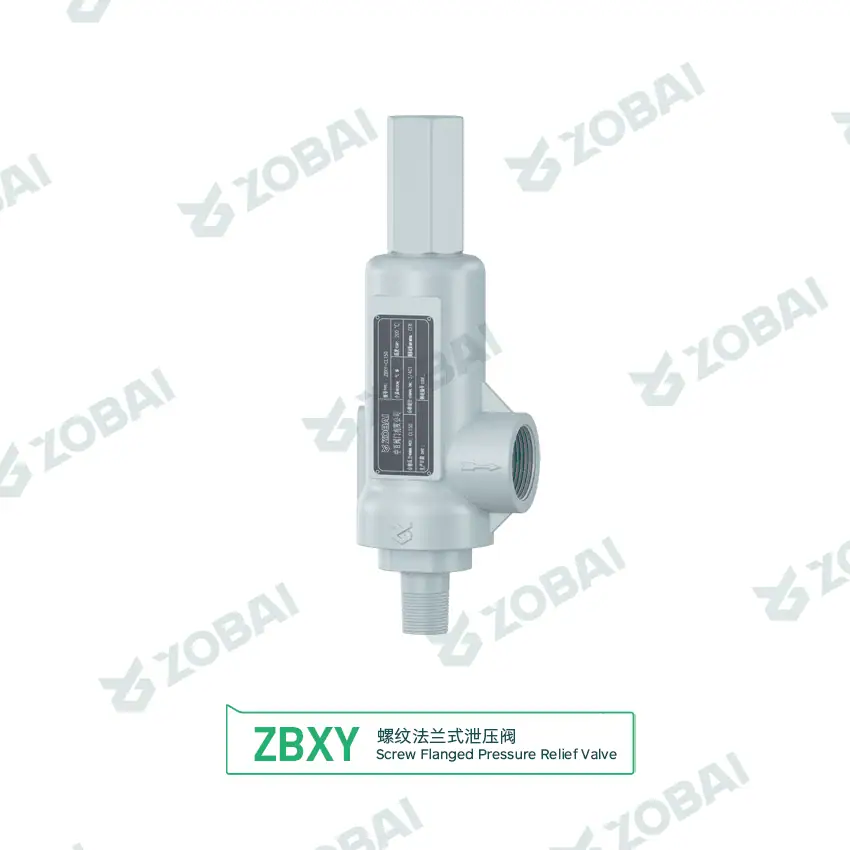
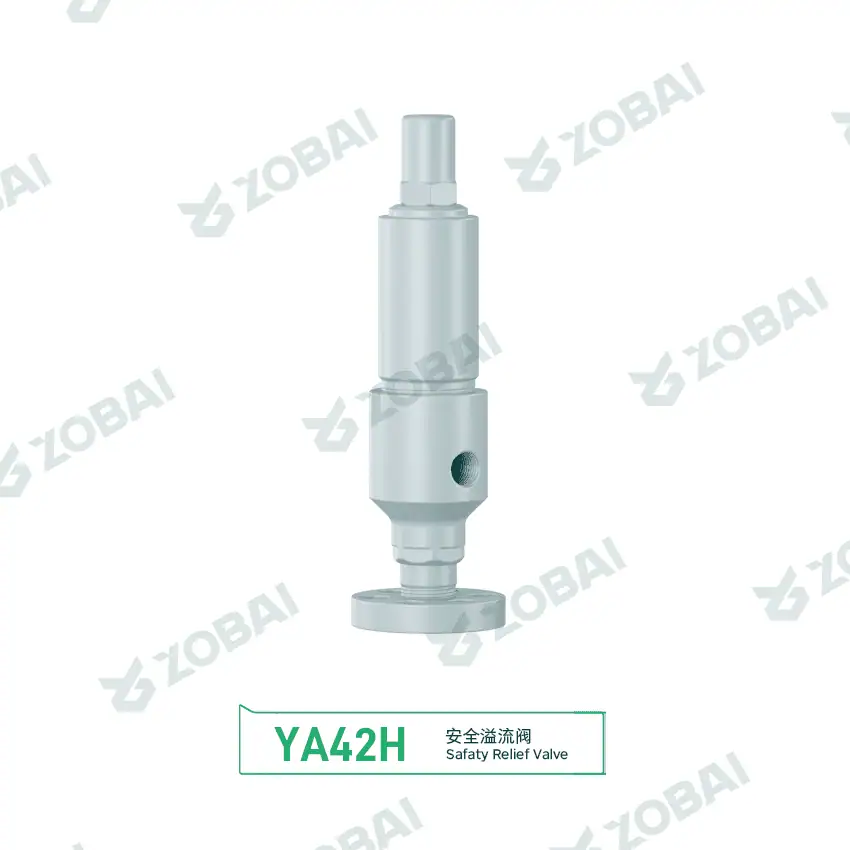
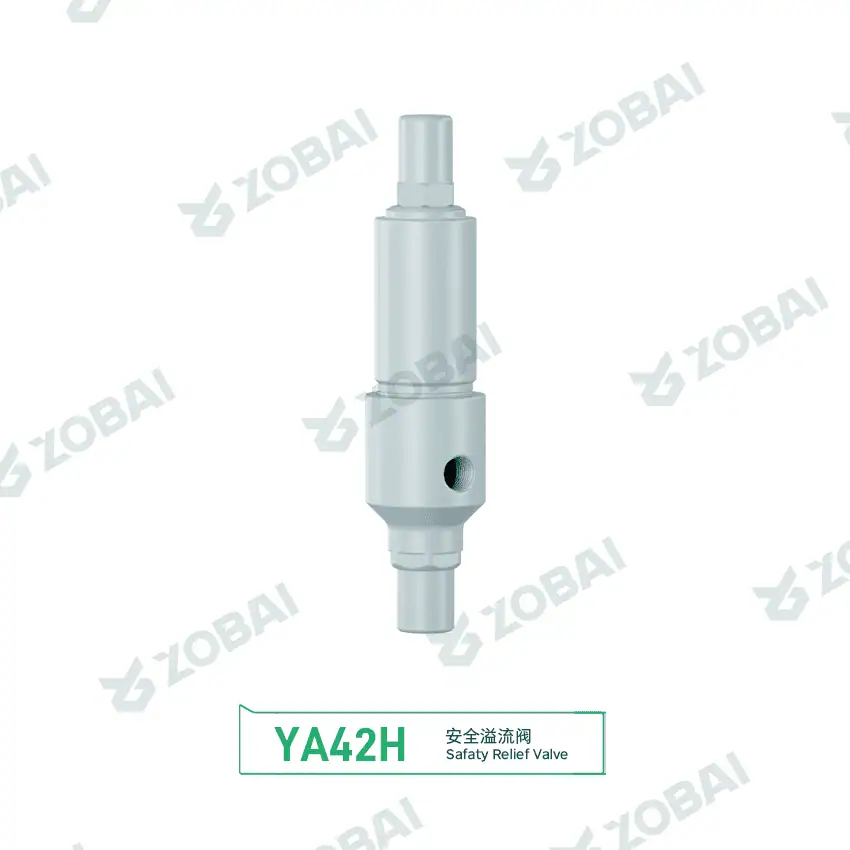
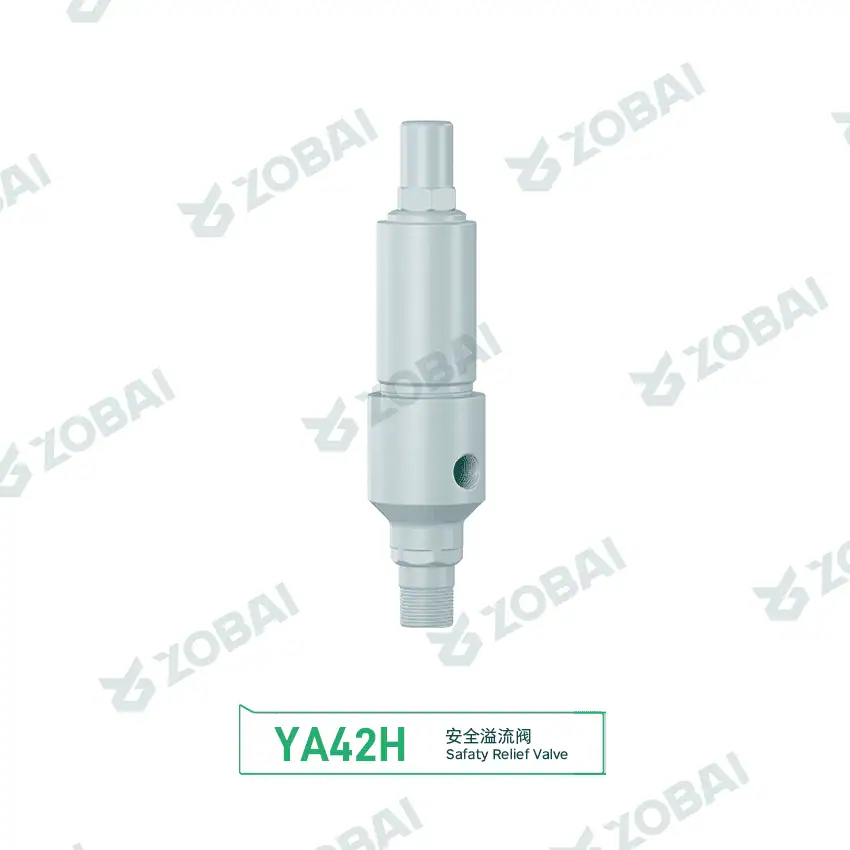
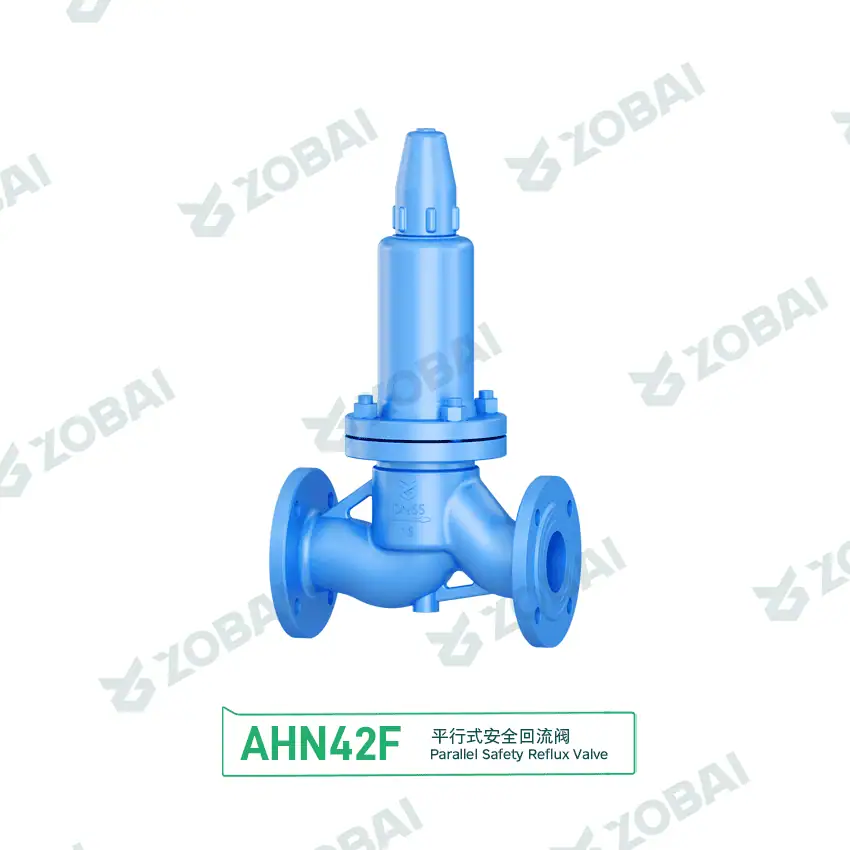
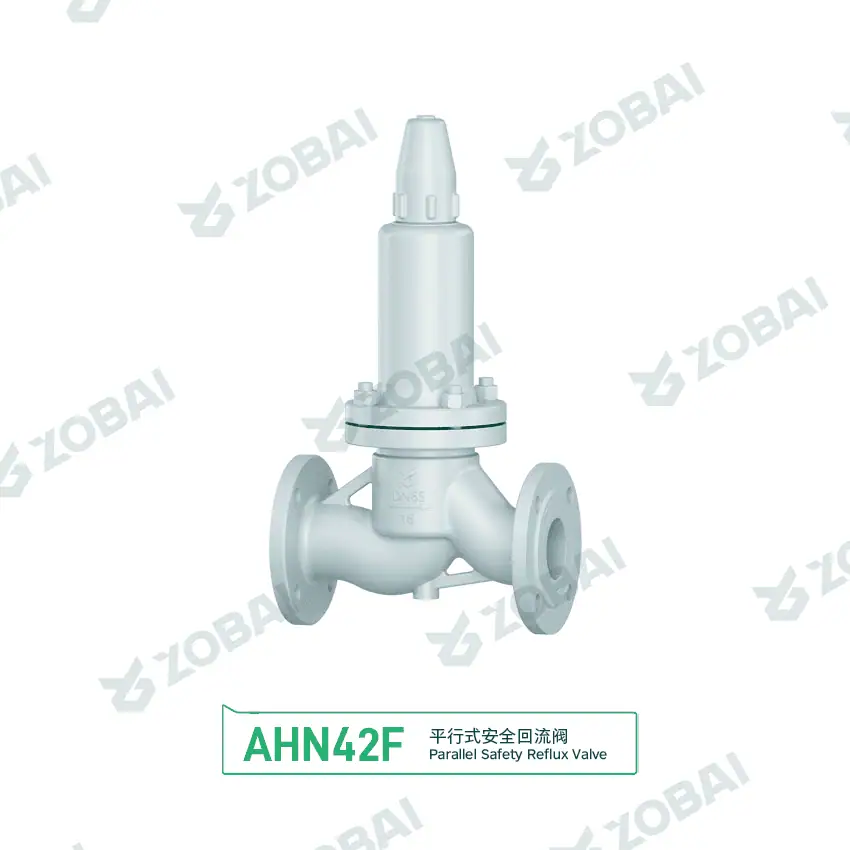
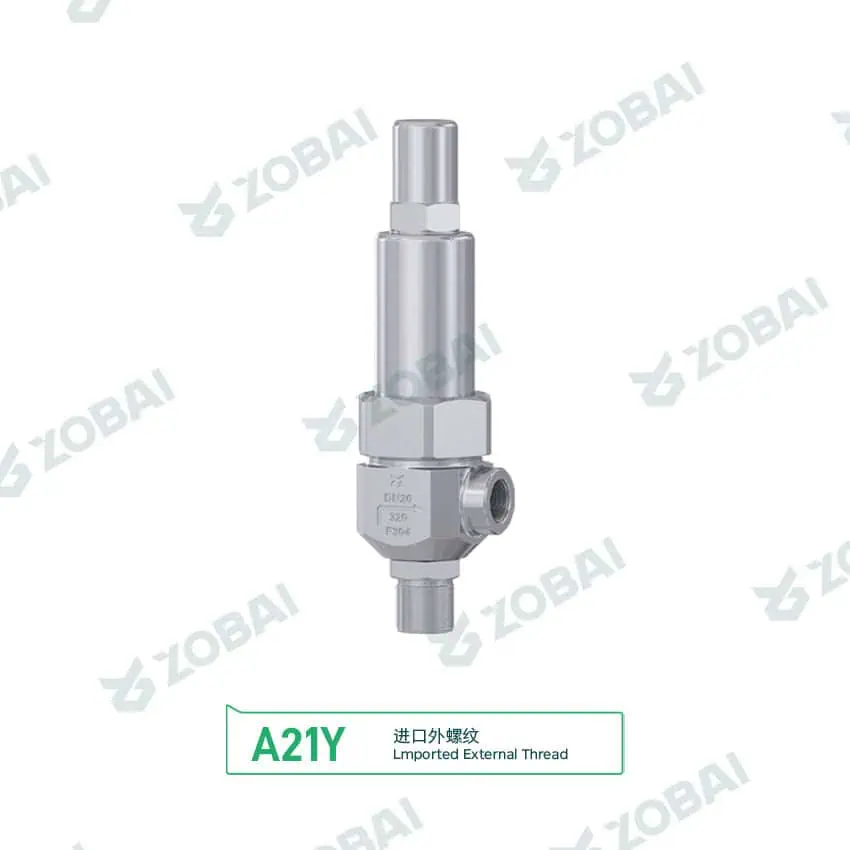
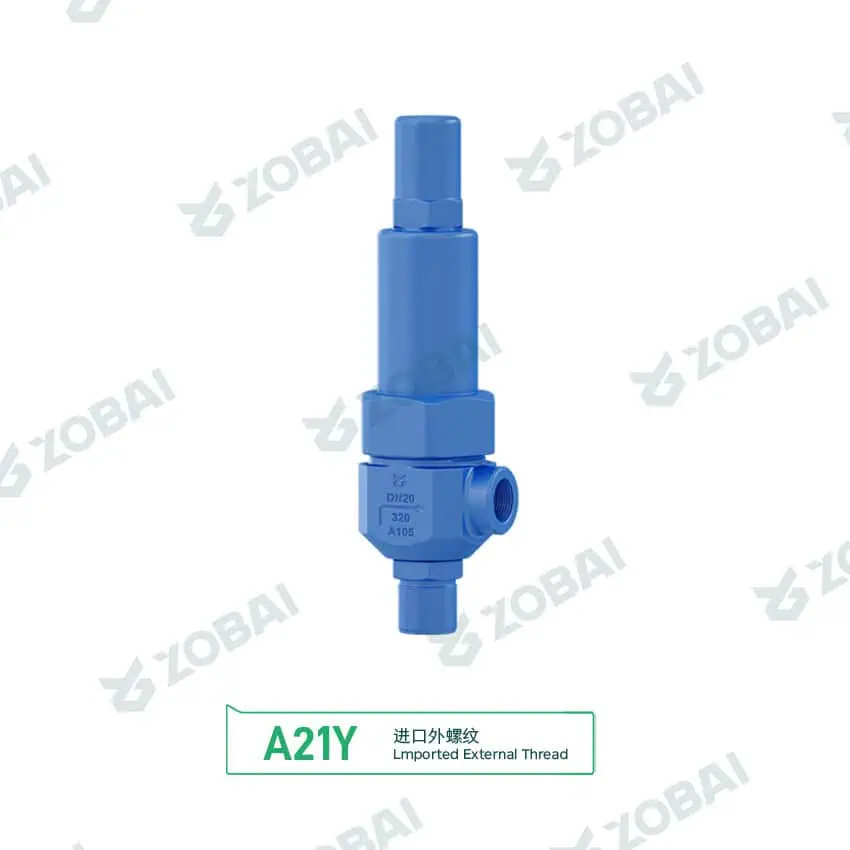
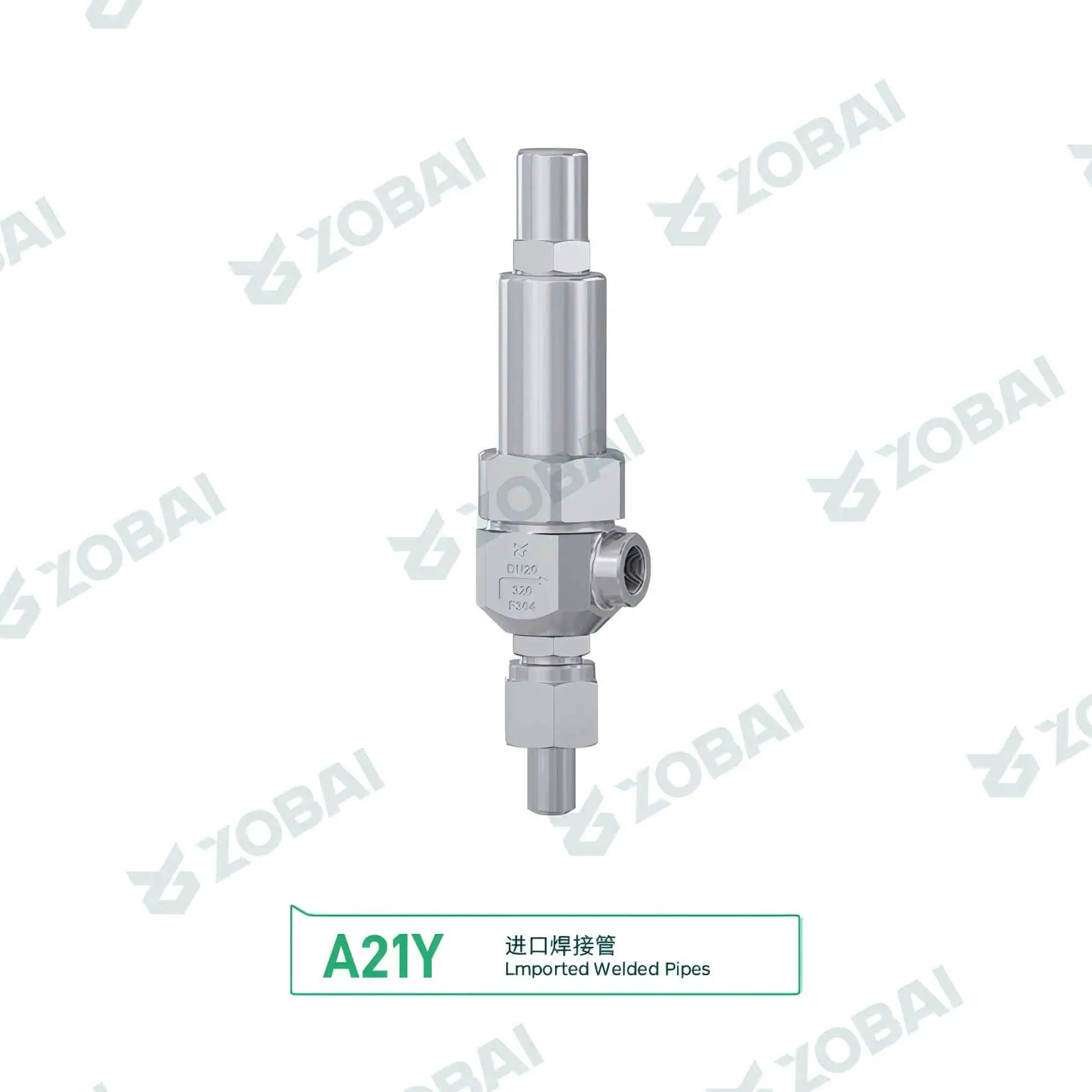
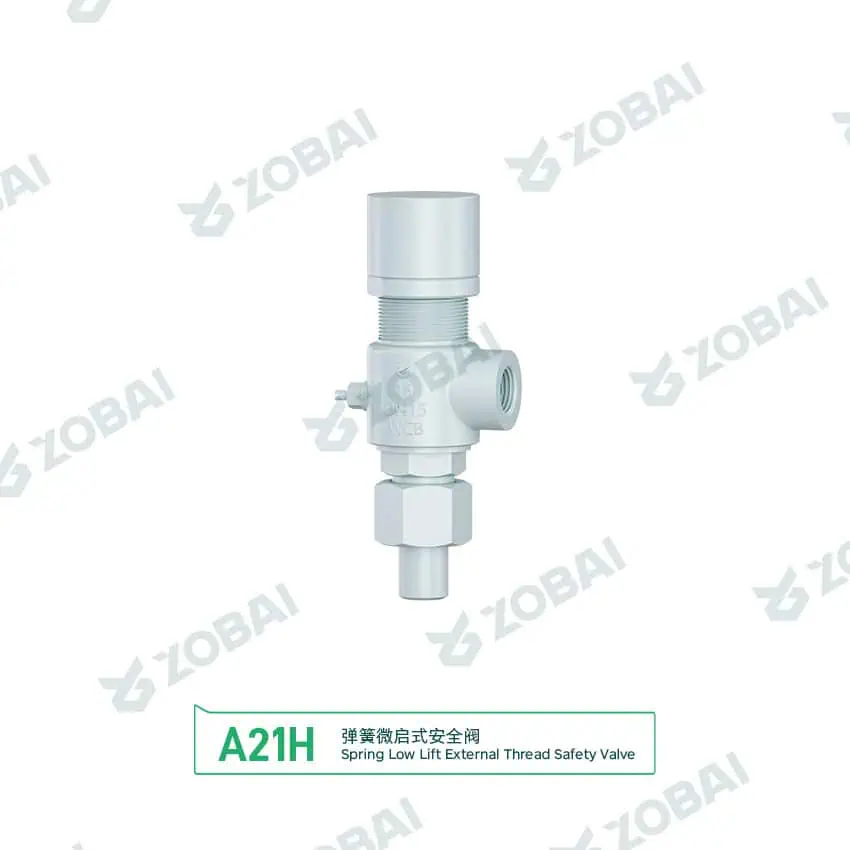
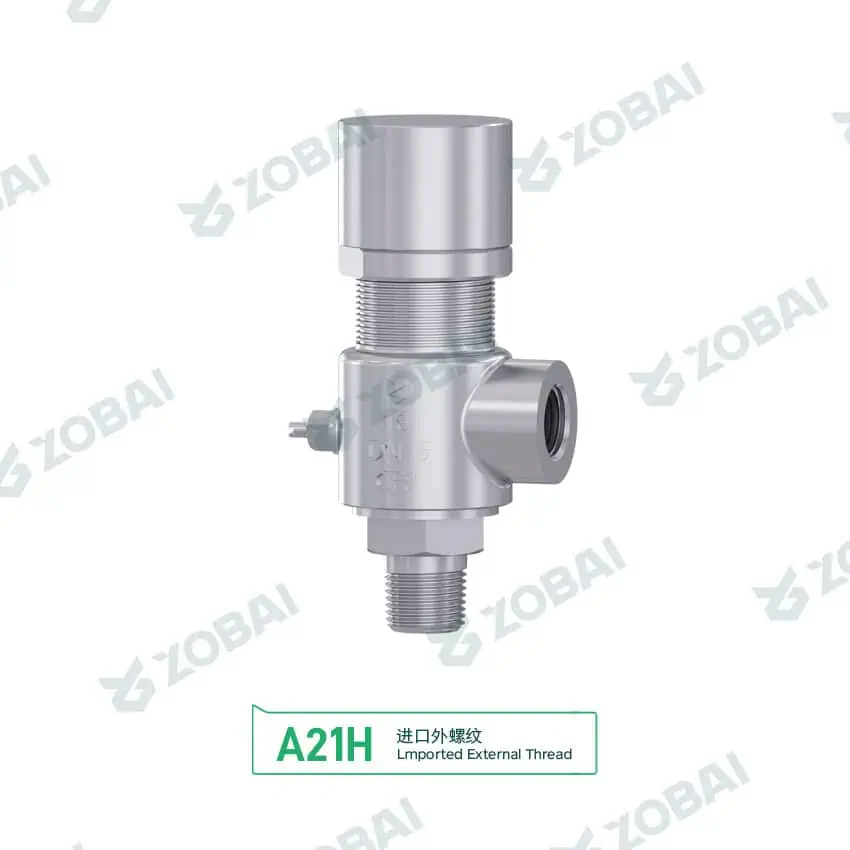
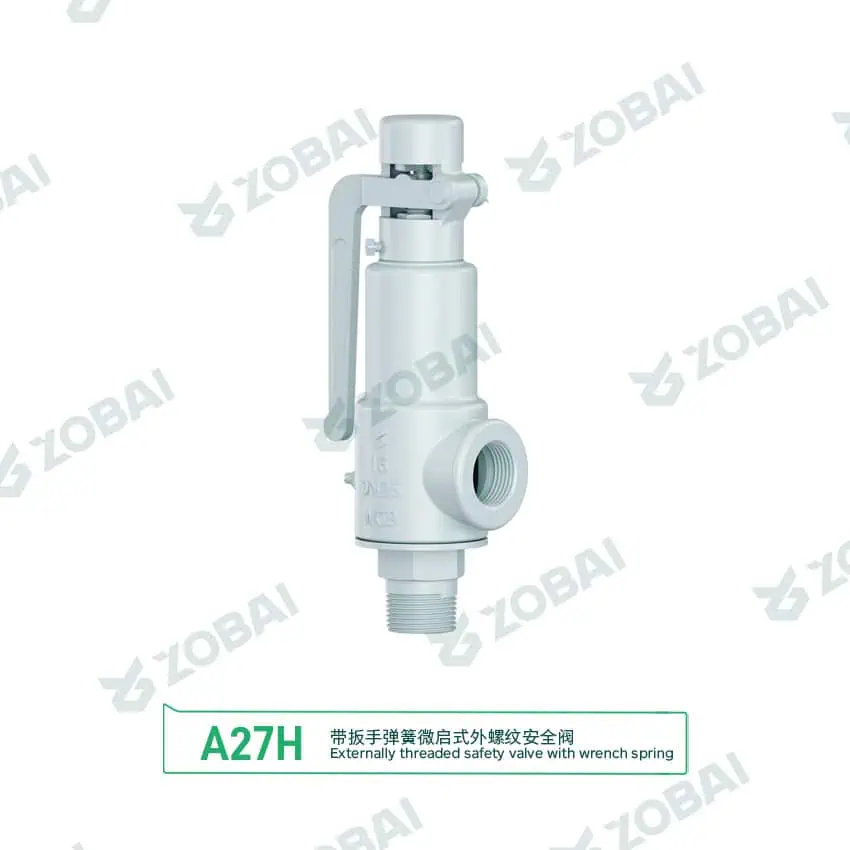
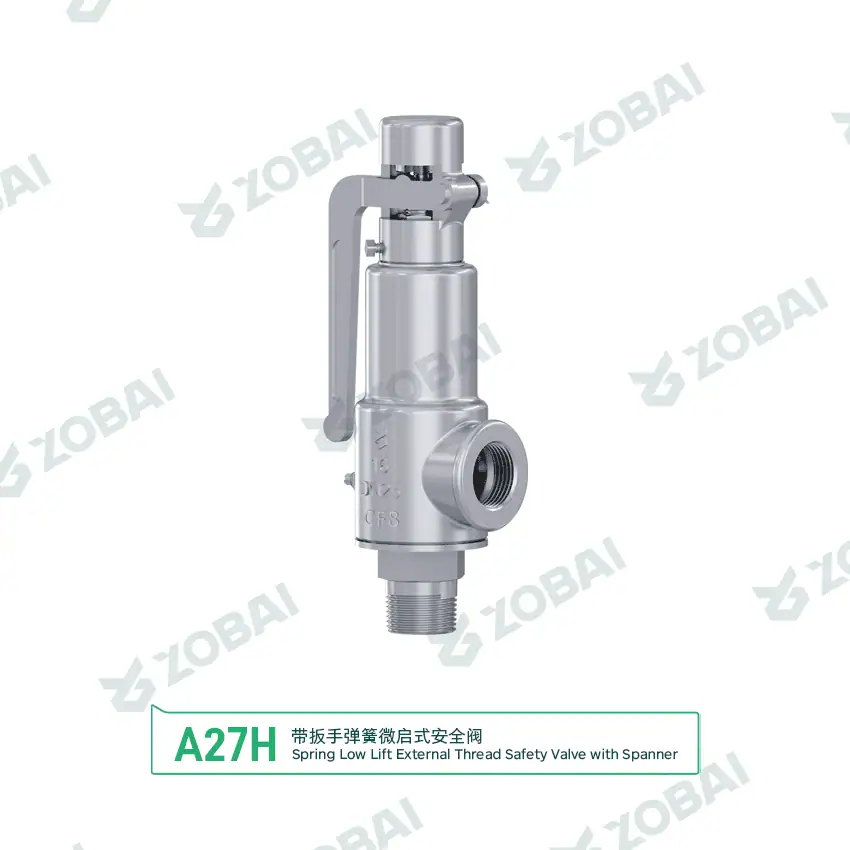
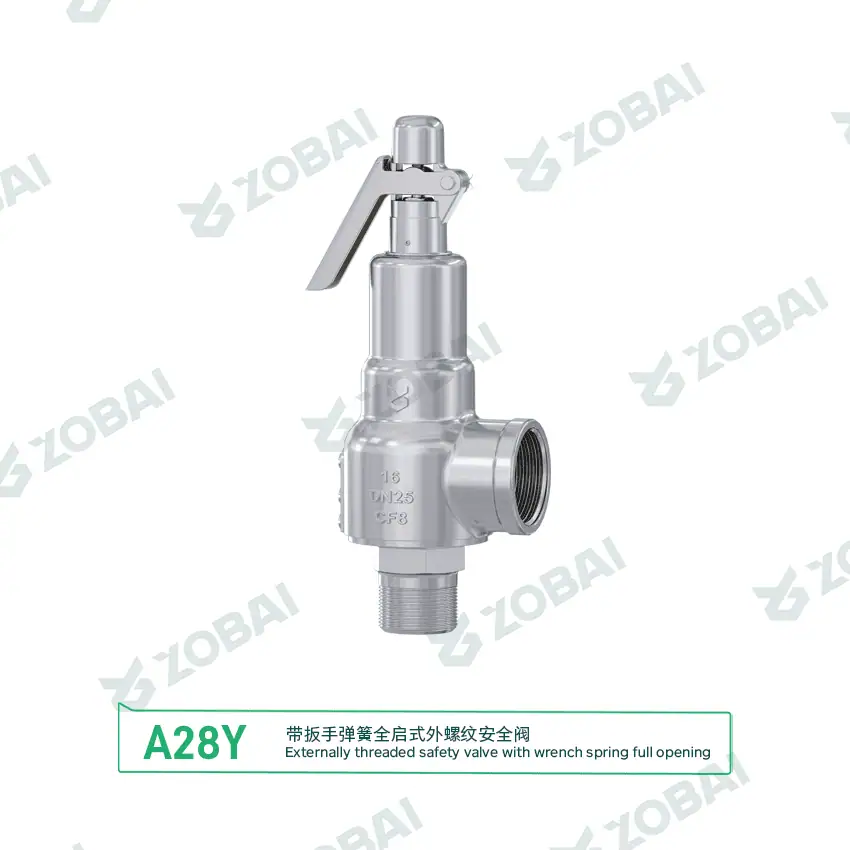
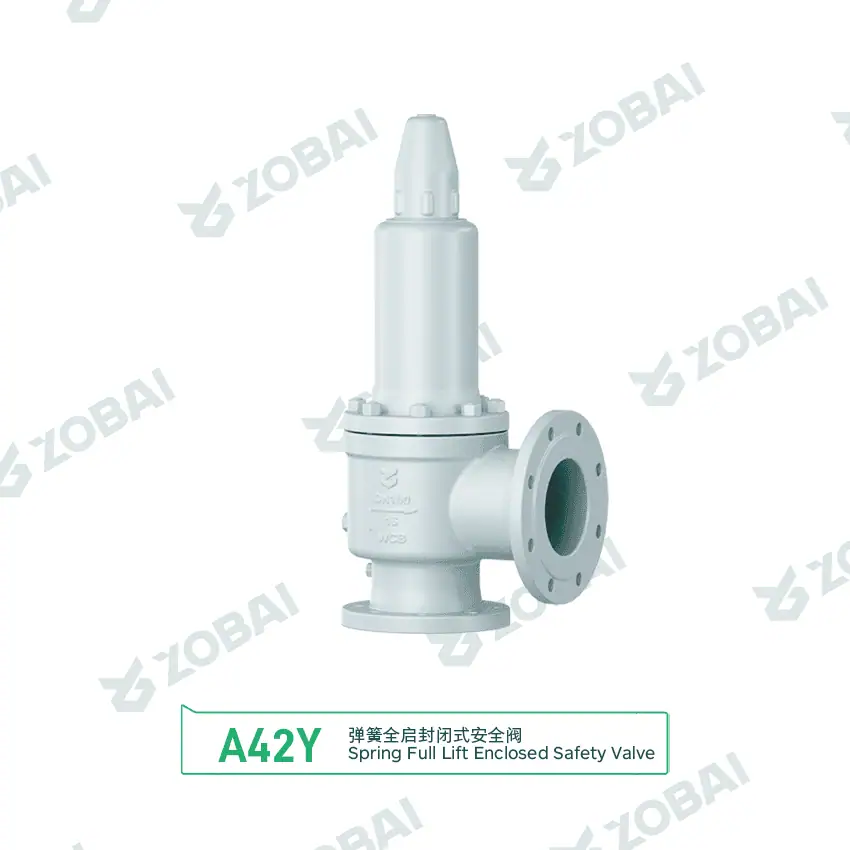
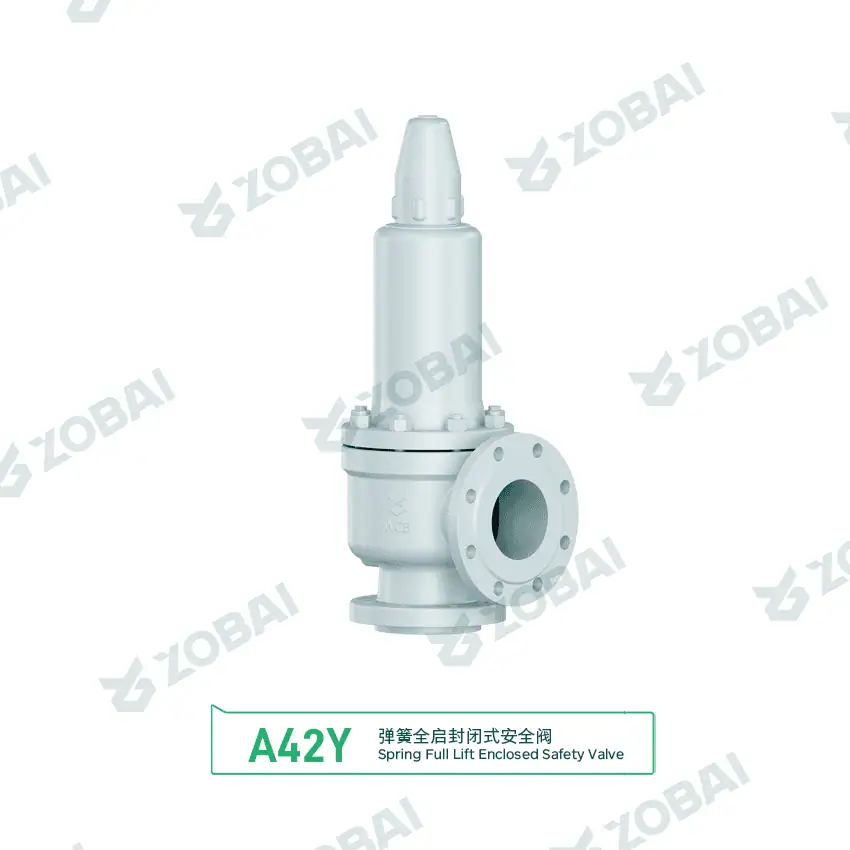
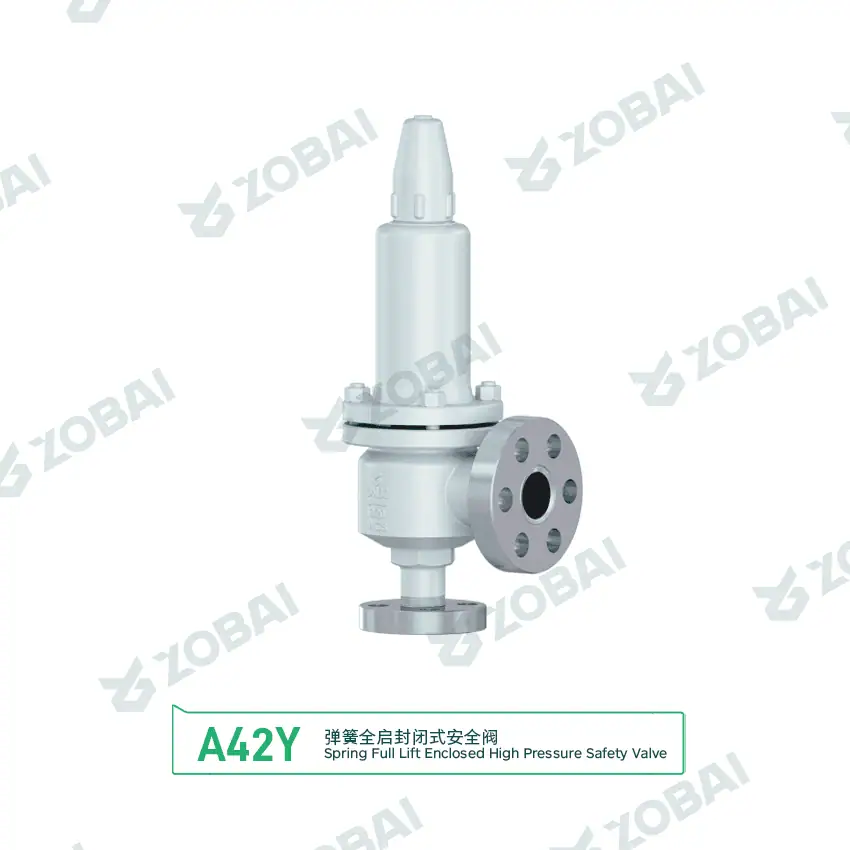
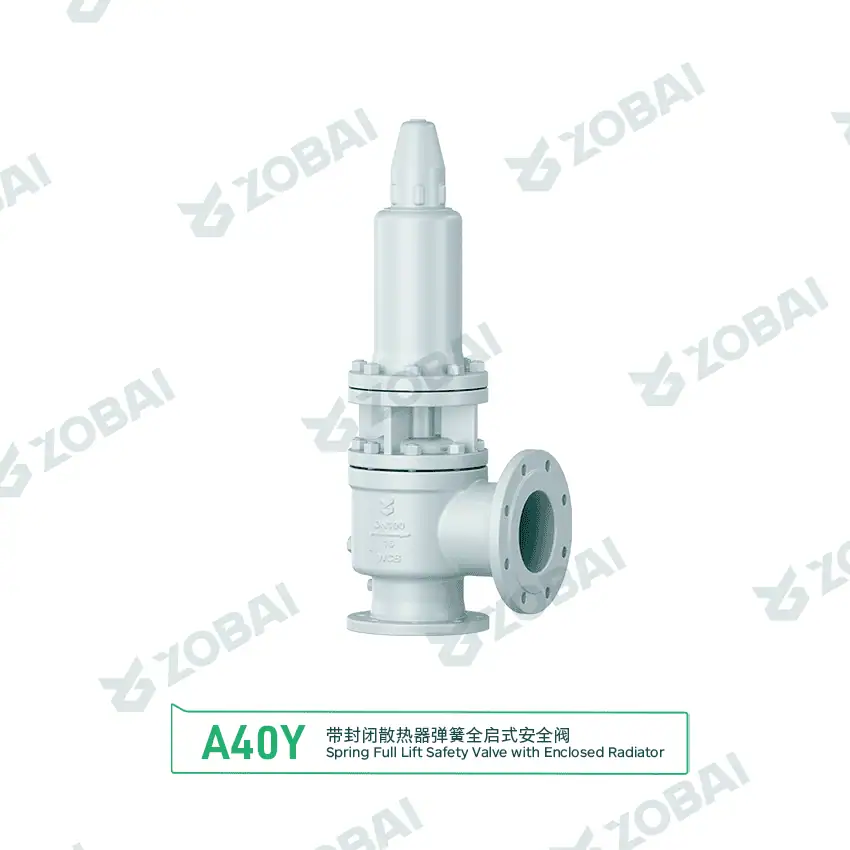
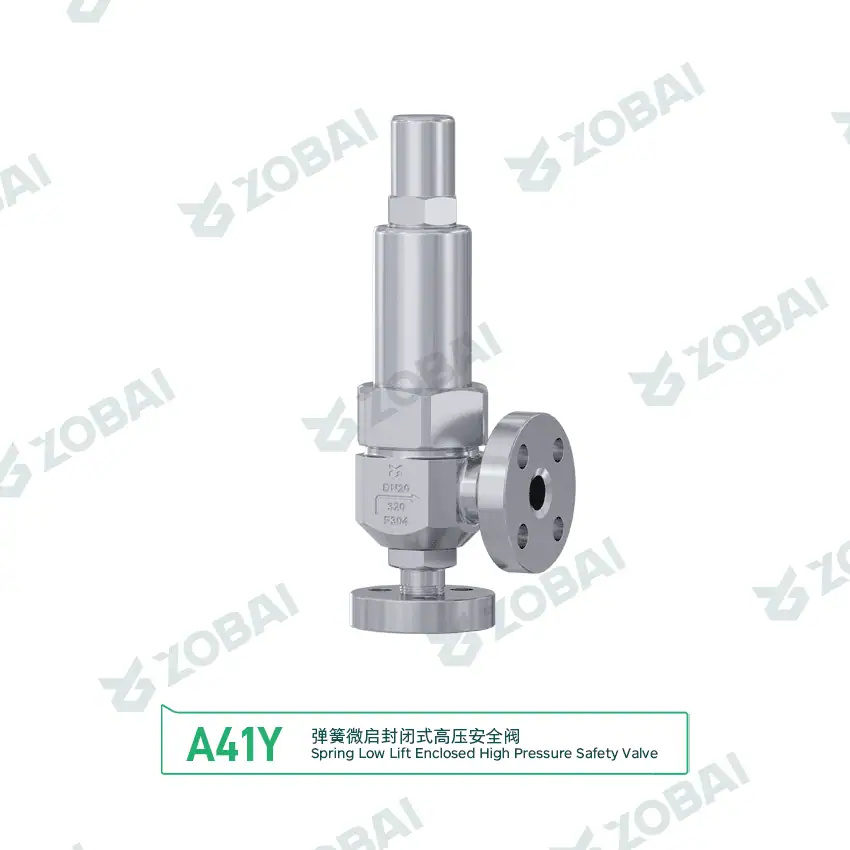
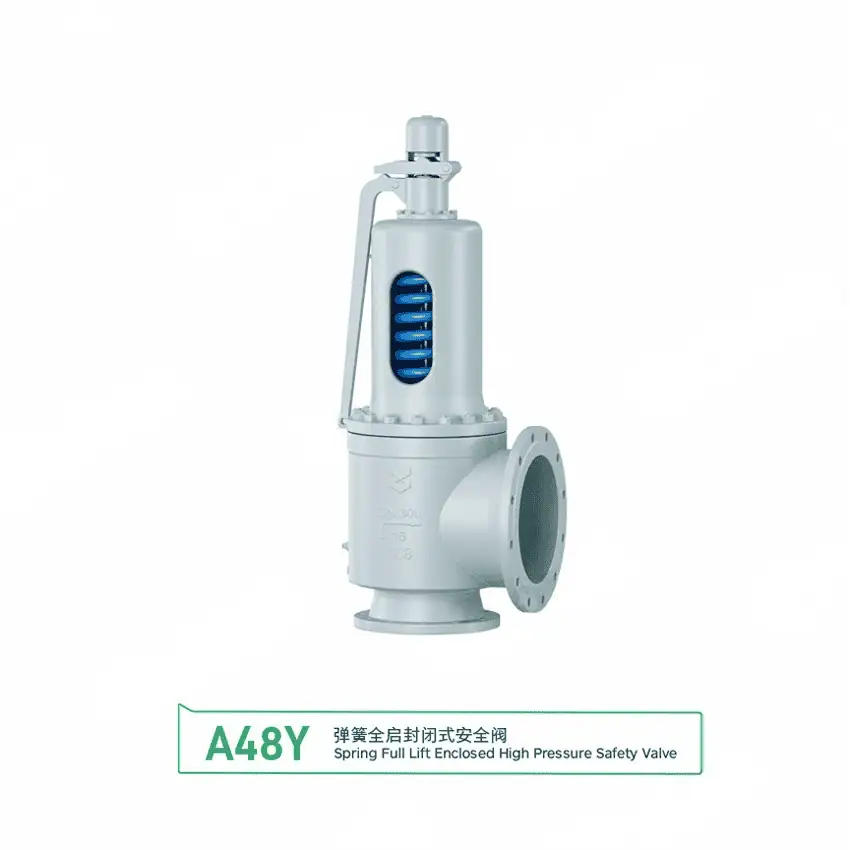
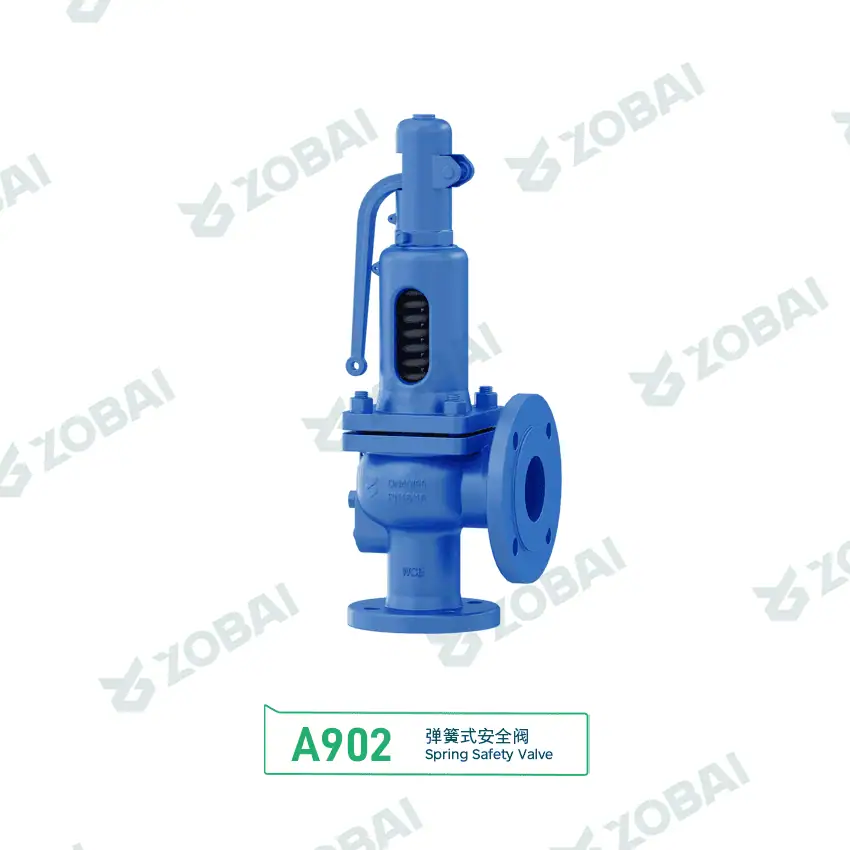
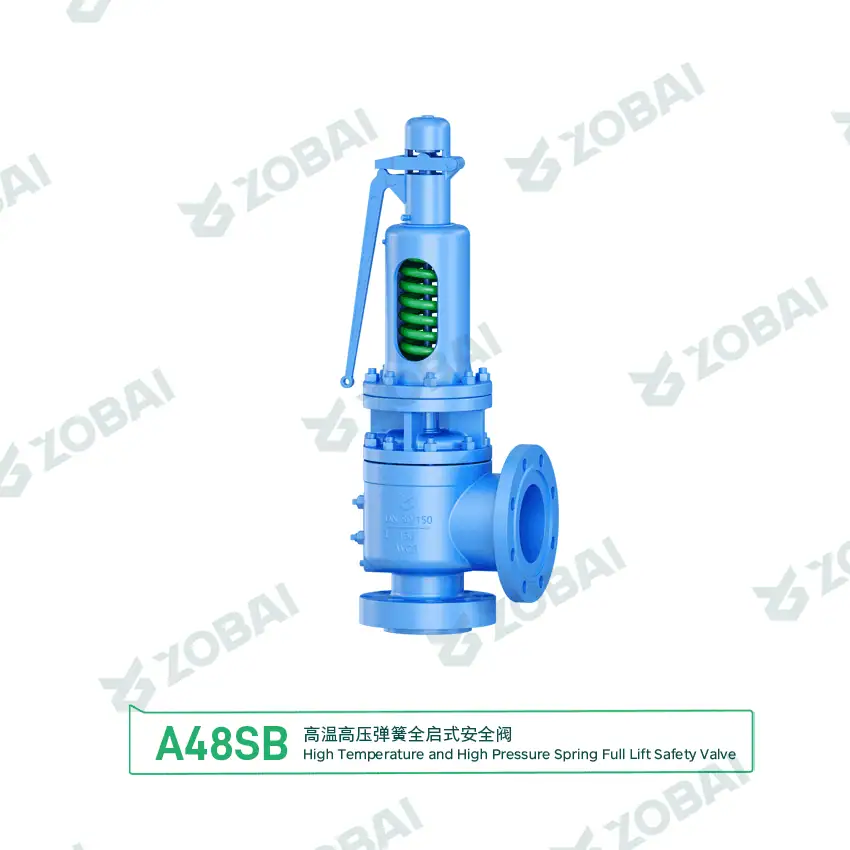
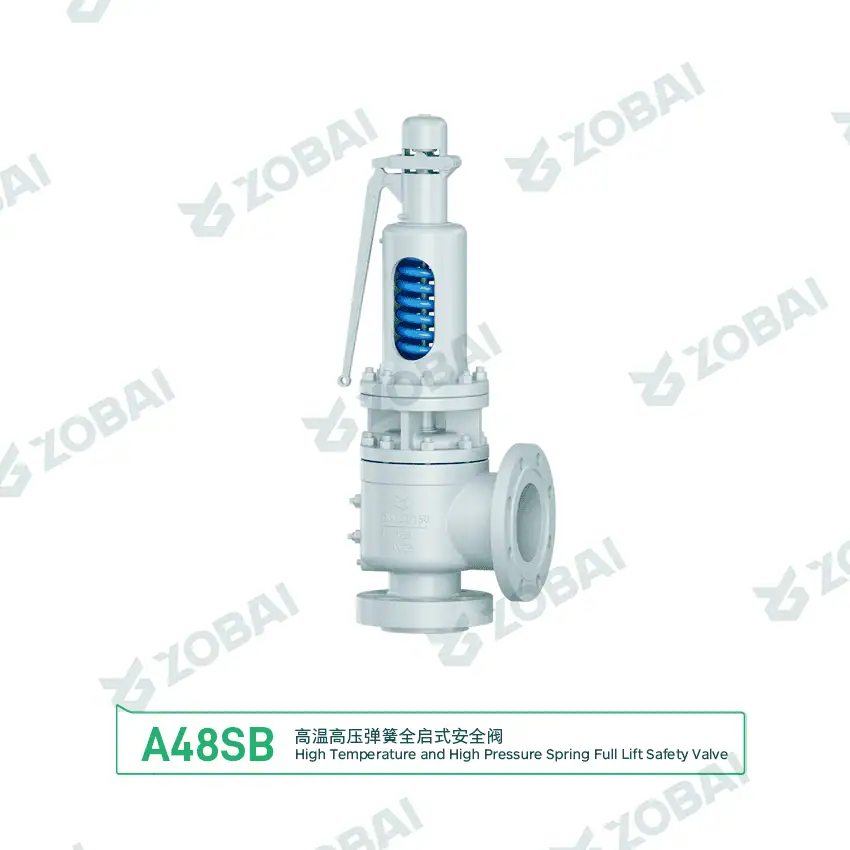
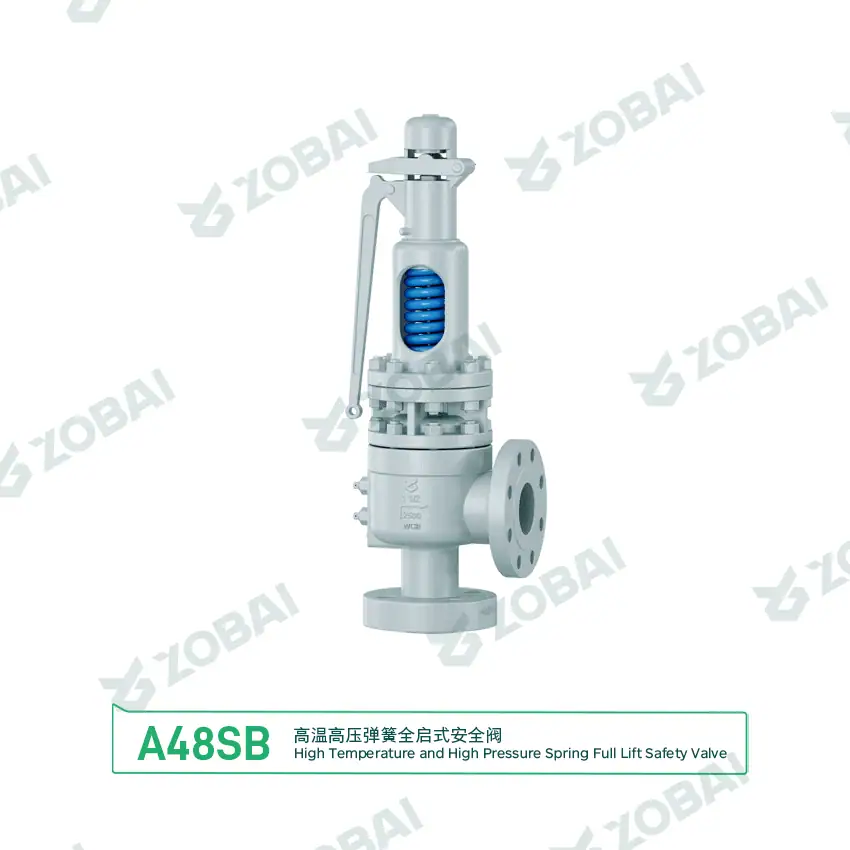
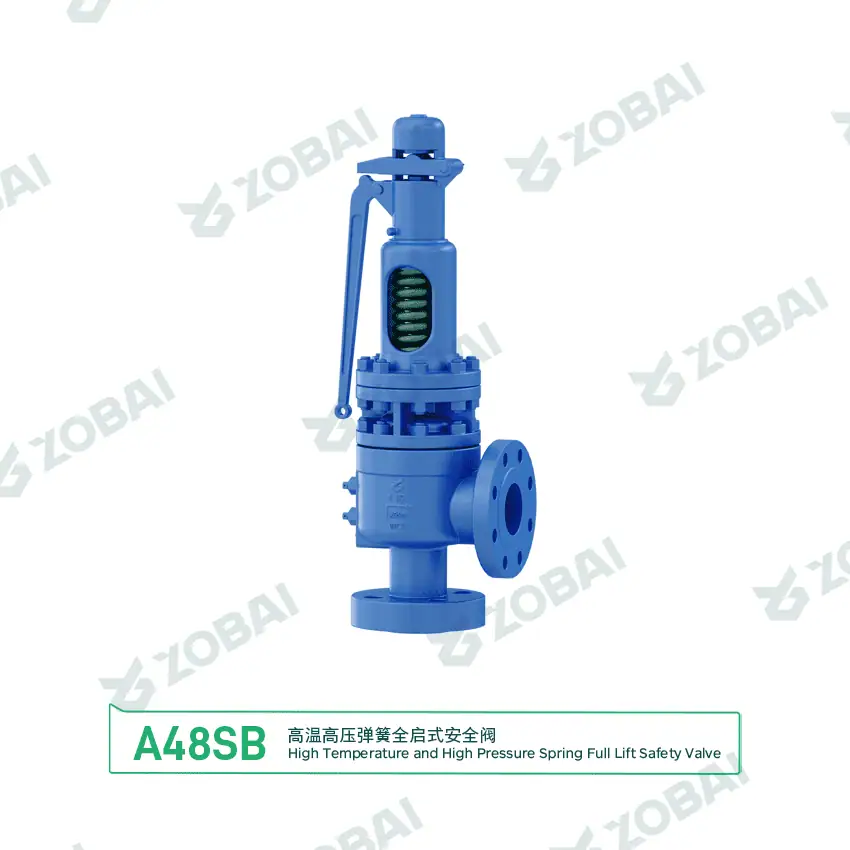
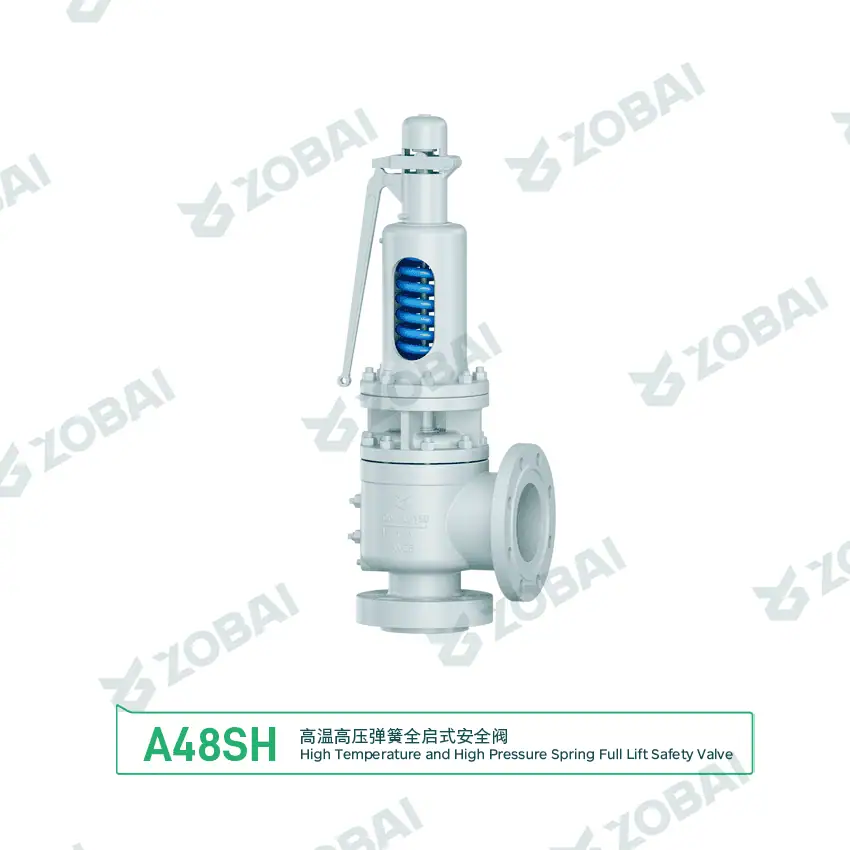
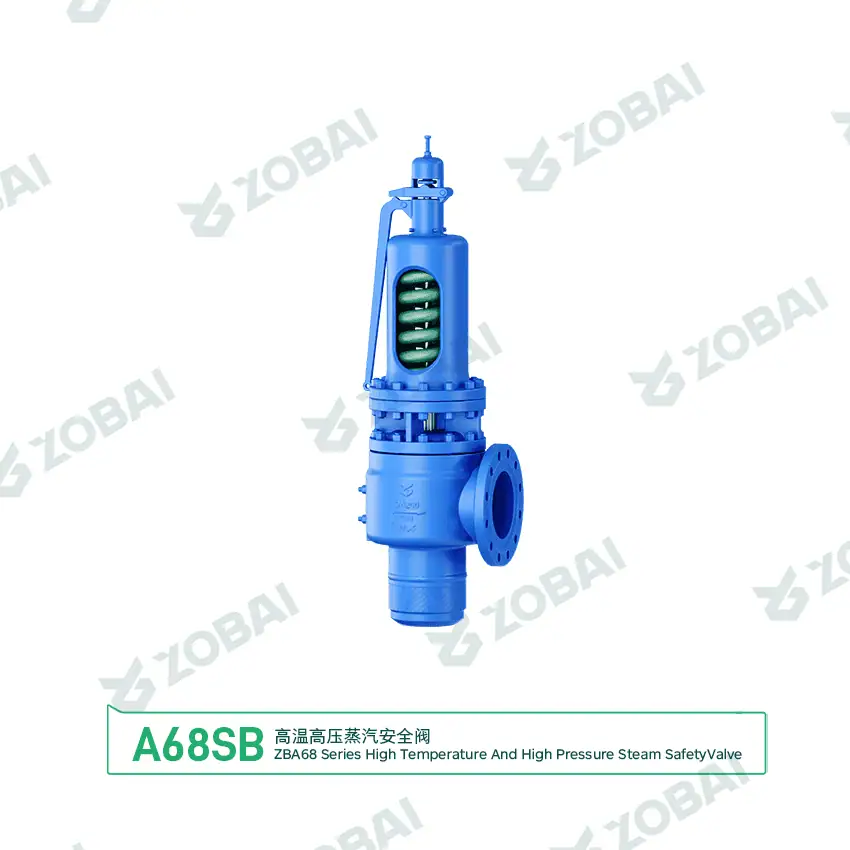
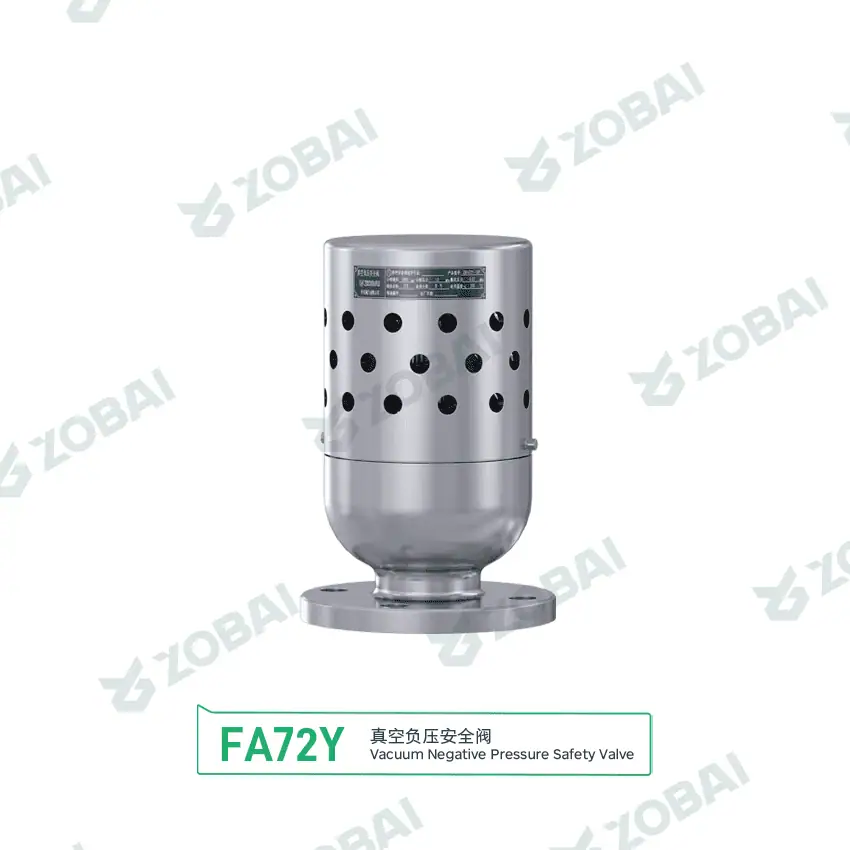
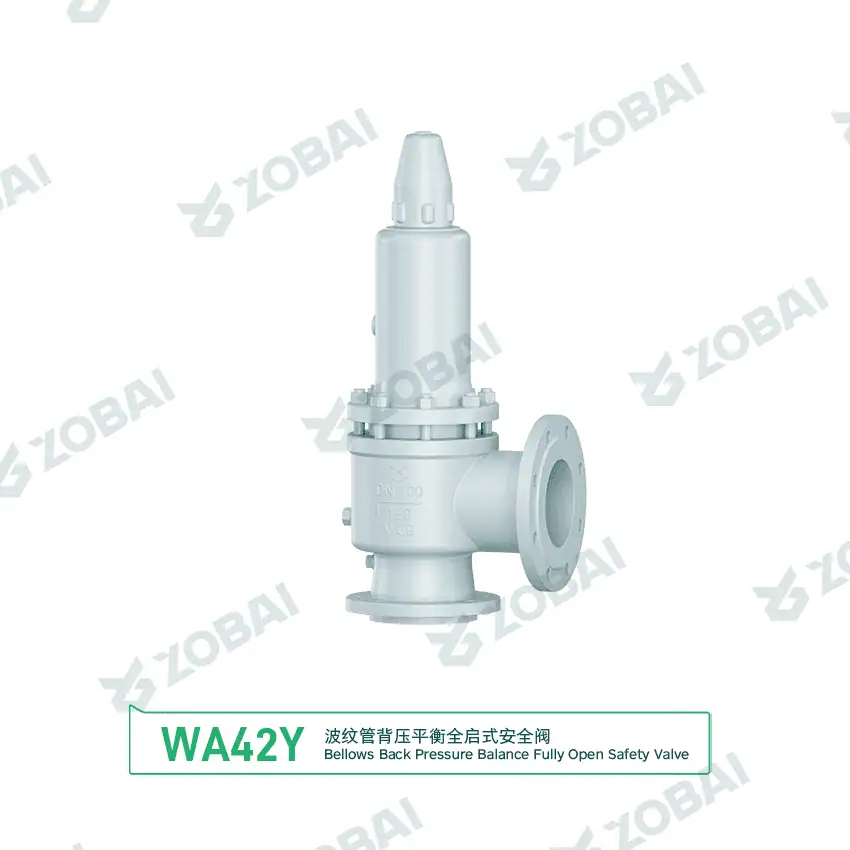
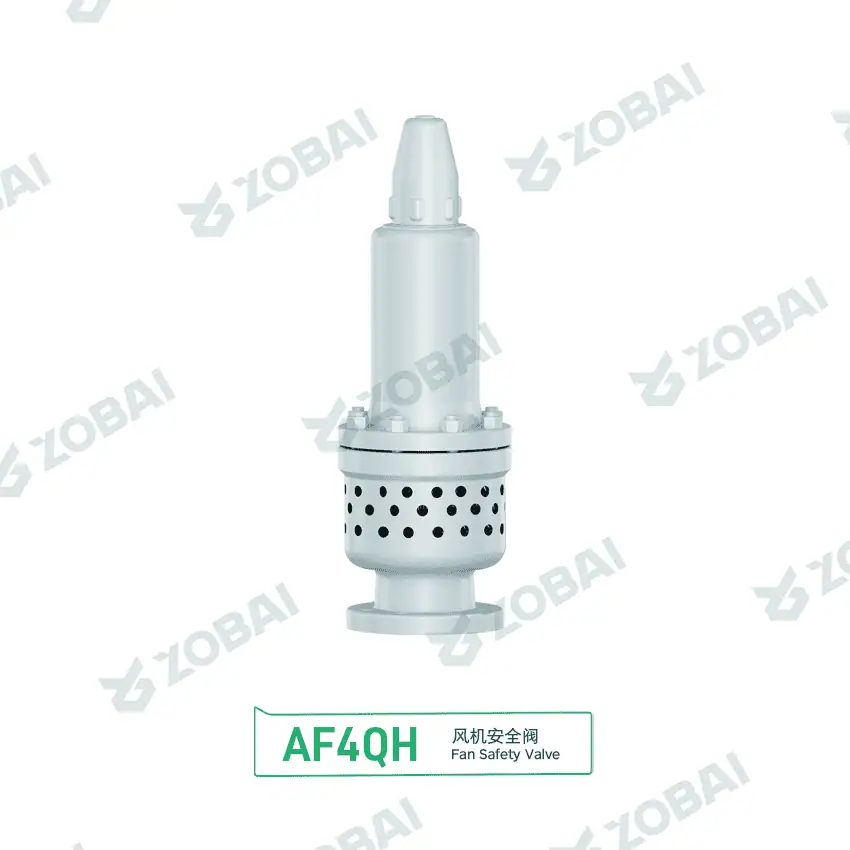
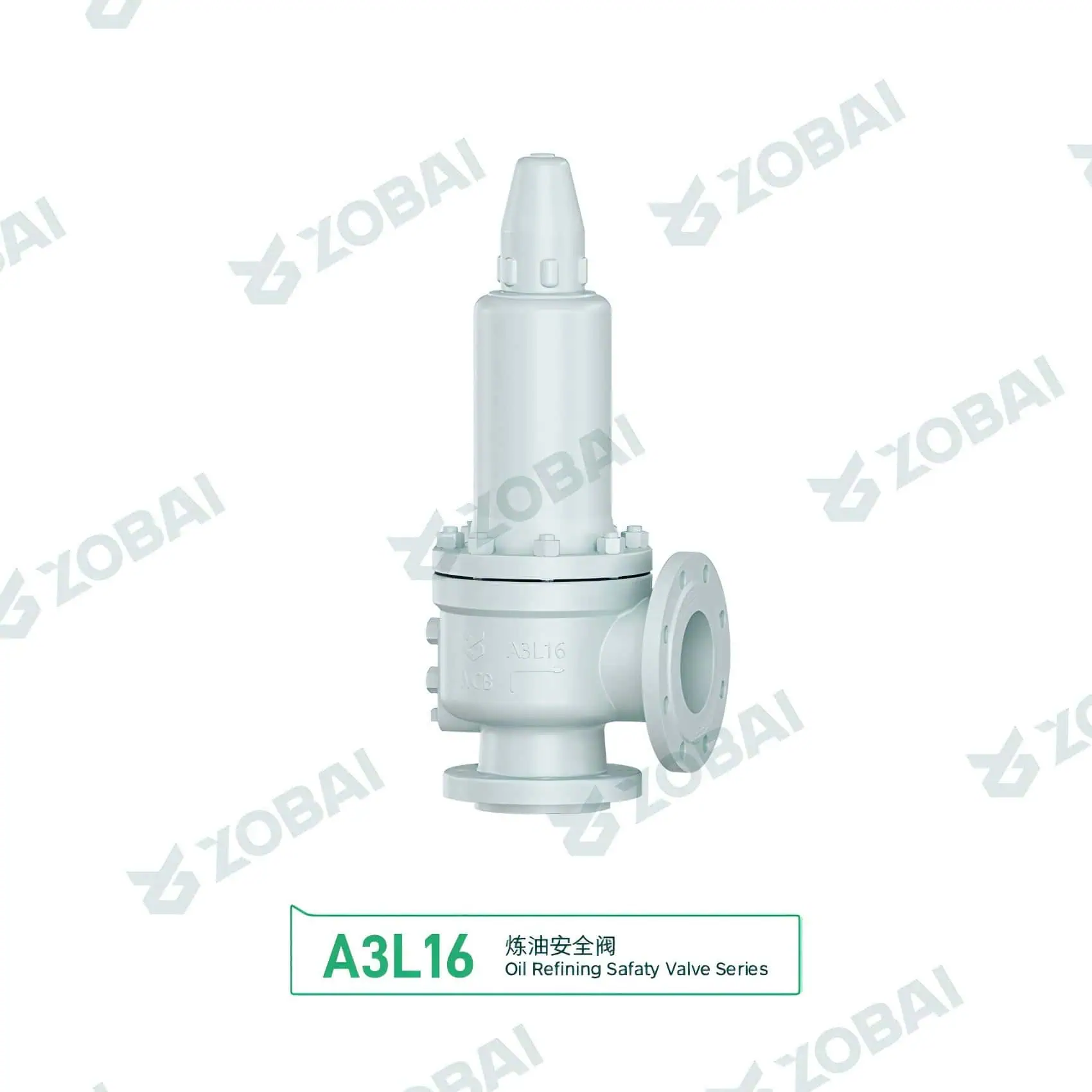
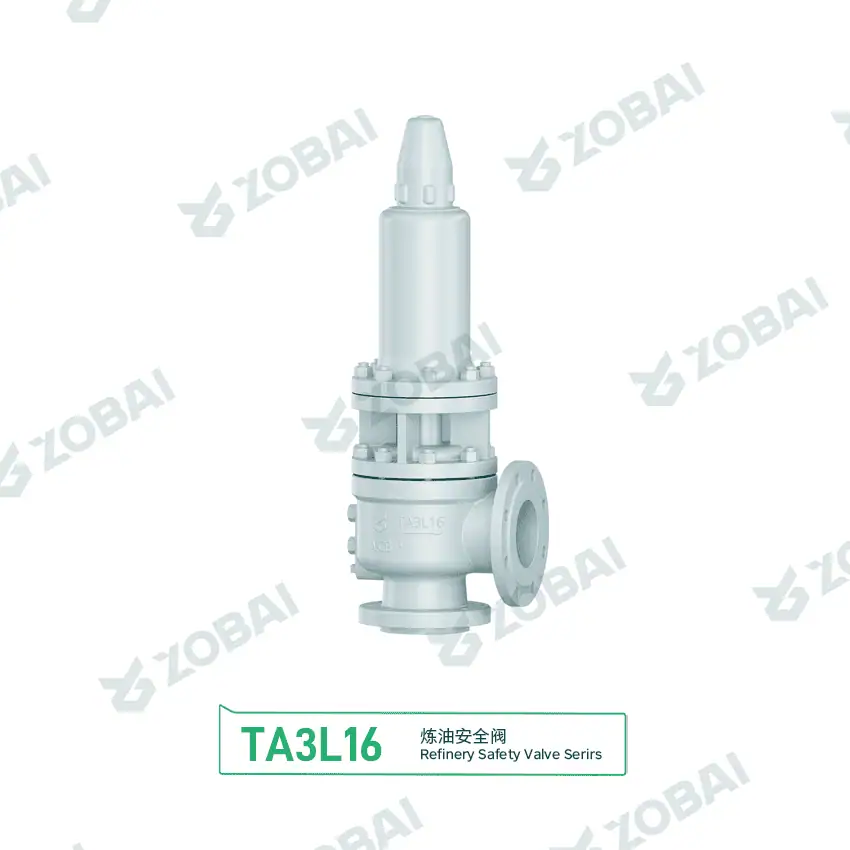
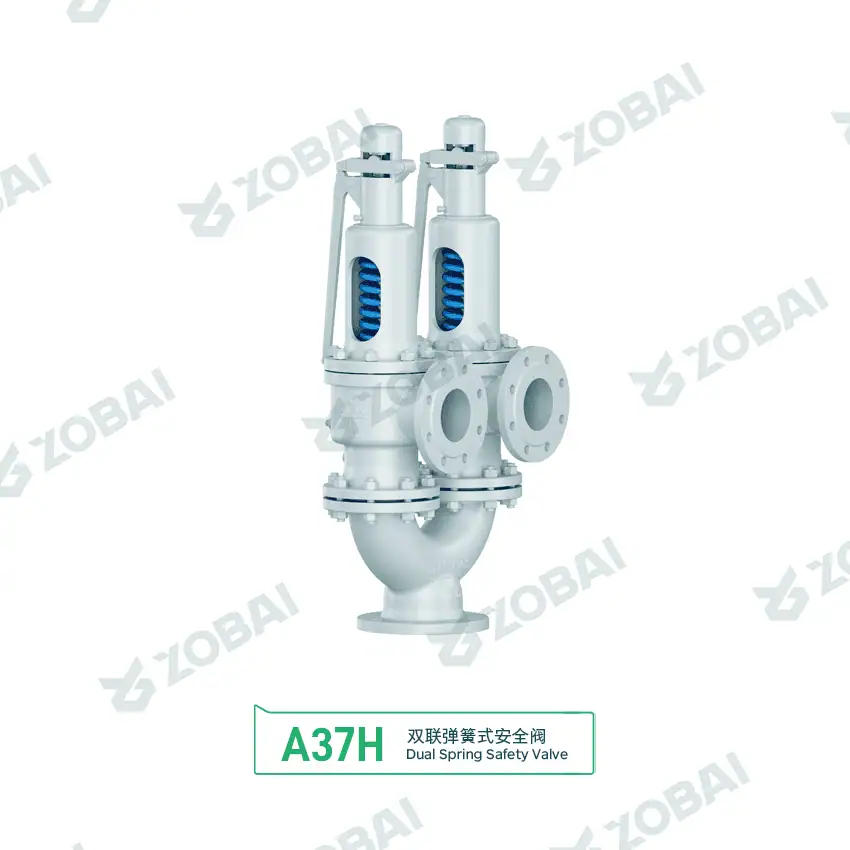
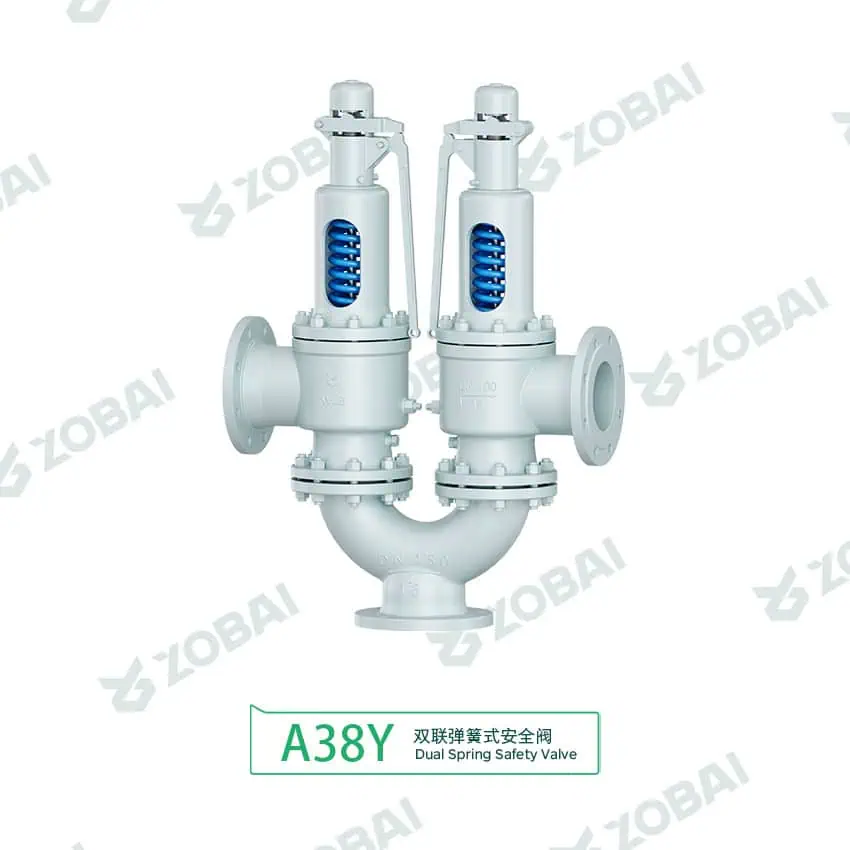
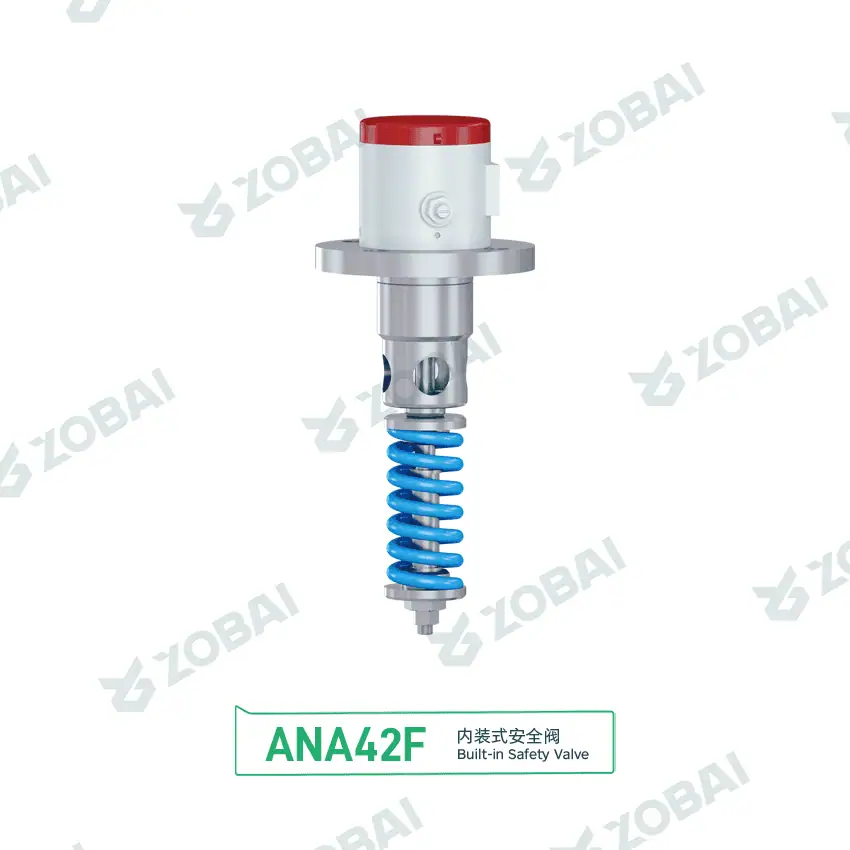
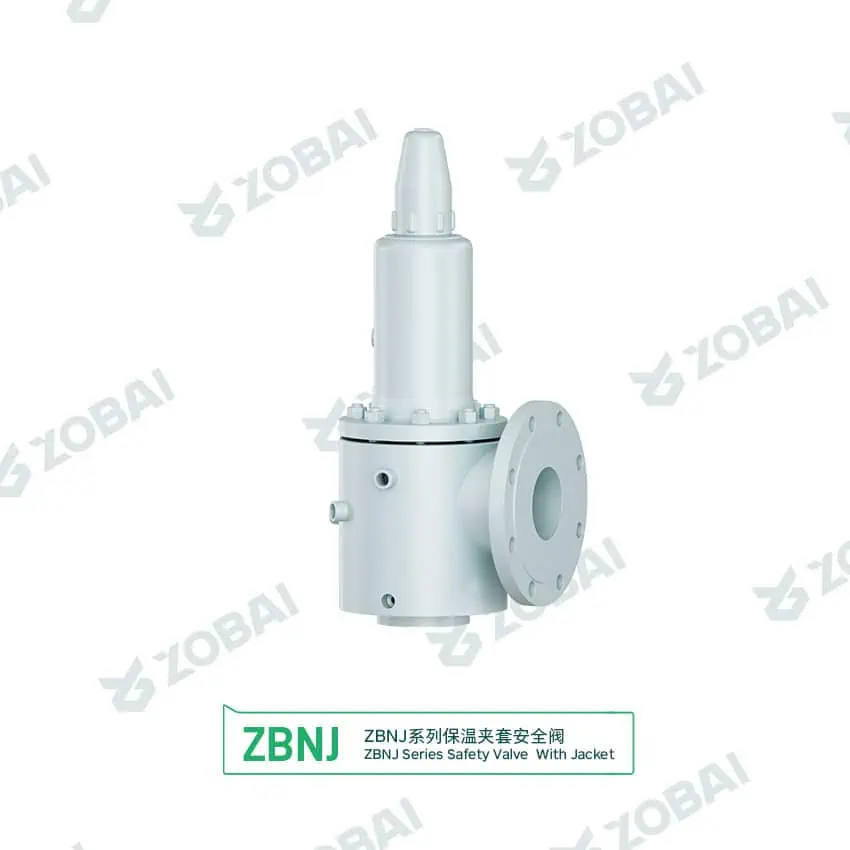
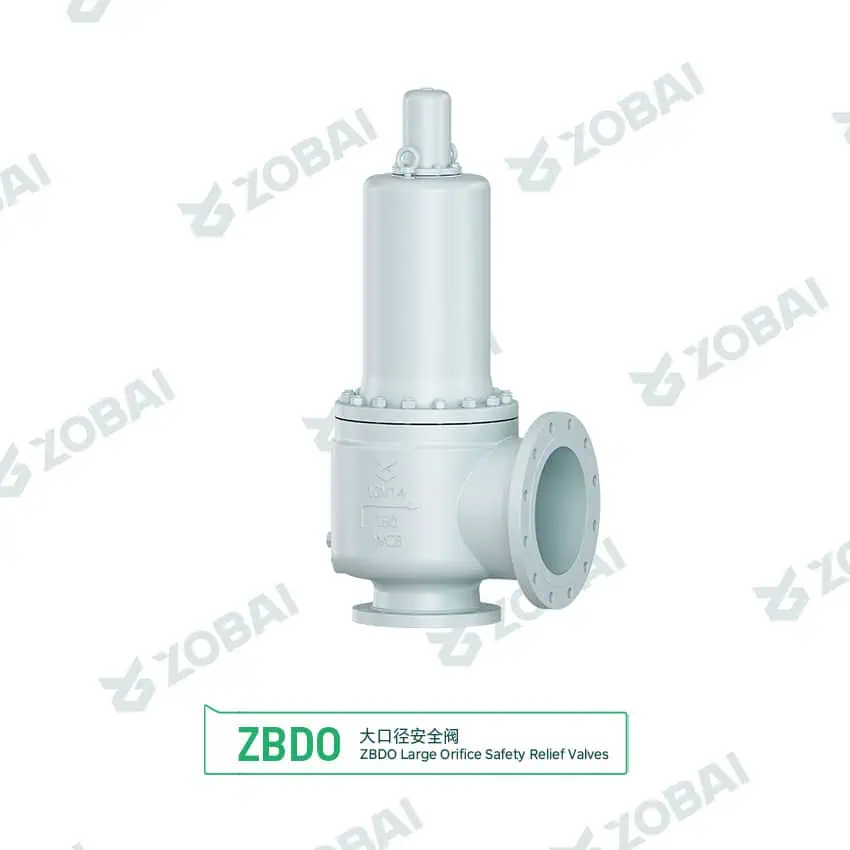
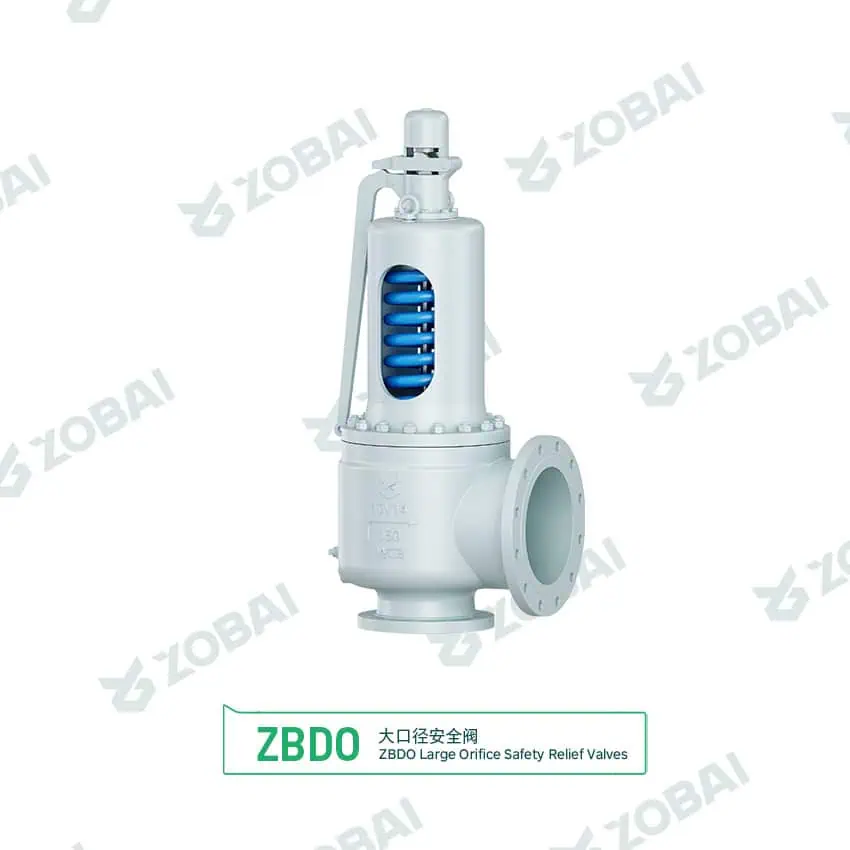
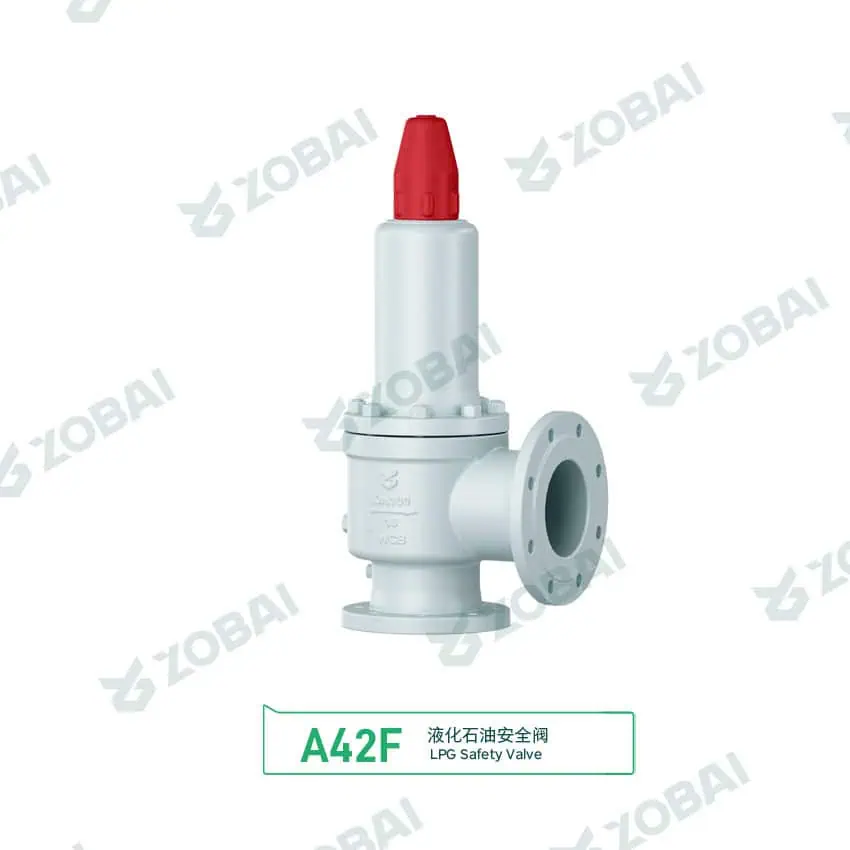
Spring Loaded Safety Valves for Direct Pressure Protection
A spring loaded safety valve is a direct-acting pressure relief device. It uses a calibrated spring to hold the disc against the seat during normal operation. When inlet pressure reaches the set pressure, the force under the disc overcomes the spring load and the valve opens to discharge steam, gas, vapor or liquid from the protected system.
Why this valve type is widely used
Spring loaded safety valves are commonly selected for boilers, pressure vessels, compressors, pipelines, heat exchangers and process skids because the operating principle is mechanical, visible and easy to inspect. The valve does not need an external power source or control signal to start relieving pressure.
Correct selection, however, is not based on connection size alone. A valve with the right inlet size can still be unsafe if the certified relieving capacity, orifice area, back pressure limit, blowdown setting, material compatibility or installation layout is wrong.
Engineering selection boundary
Spring loaded safety valves are suitable for many clean steam, gas, vapor and liquid services. For dirty, sticky, crystallizing, corrosive, high back pressure or high-temperature applications, the valve structure, trim material, seat design and discharge piping must be reviewed more carefully.
In pressure relief design, the certified relieving capacity and effective orifice area are more important than simply matching the existing inlet and outlet connection size.
How a Spring Loaded Safety Valve Works
The valve works by balancing spring force against pressure force. Below set pressure, the spring keeps the disc closed. At set pressure, the disc begins to lift. During overpressure, the valve reaches enough lift to discharge the required flow. When system pressure drops, the spring pushes the disc back to the seat and the valve reseats.
Normal Operation
The operating pressure stays below the set pressure, and the spring keeps the disc tight against the nozzle or seat.
Opening Point
When inlet pressure reaches the set pressure, the upward force under the disc starts to overcome the spring load.
Relieving Flow
Under overpressure, the valve lifts further and discharges enough flow if the orifice and certified capacity are correctly selected.
Reseating
As system pressure falls, the spring closes the valve. Blowdown affects the pressure range between opening and reseating.
Key Components and What They Affect
A spring loaded safety valve should be reviewed as a complete pressure relief assembly. The body, nozzle, disc, guide, spring, bonnet, spindle, adjusting screw, cap and lifting lever all affect performance in different ways.
Nozzle, Disc and Seat Tightness
The nozzle and disc form the main sealing interface. Their material, surface finish and alignment affect leakage, reseating quality and service life. Seat damage from dirt, corrosion, thermal shock or improper handling is a common reason for leakage after installation.
Metal seats are often used for high-temperature and severe service. Soft seats may improve tightness in suitable clean service, but they must be checked against temperature, chemical compatibility and pressure cycling.
Spring Range and Set Pressure Stability
The spring determines the set pressure range. It must be selected for the required pressure, operating temperature and service environment. If the spring is incorrectly selected, overheated or corroded, the actual opening point may drift from the required set pressure.
For high-temperature steam or thermal process service, spring material and bonnet design should be reviewed to reduce the risk of spring relaxation and unstable set pressure.
Guide, Disc Holder and Movement Stability
The guide controls disc movement. Deposits, corrosion or poor alignment around the guide area may cause sticking, flutter or unstable reseating. This is especially important in dirty, wet, corrosive or crystallizing media.
When a valve chatters during relief, the cause is not always the spring. The actual issue may be excessive inlet pressure loss, outlet back pressure, guide wear or an oversized valve operating far below stable flow.
Bonnet, Cap and Lifting Lever
Bonnet and cap design affect environmental protection, maintenance access and service suitability. A lifting lever may be required or useful for certain steam and inspection applications, but it should only be used where permitted by the applicable code and site procedure.
Open bonnet, closed bonnet and lever configurations should be selected according to medium, temperature, maintenance practice and exposure conditions.
Parameters That Decide Whether the Valve Can Protect the System
Spring Loaded vs Pilot Operated Safety Valve
The right choice is not based on which design is “better.” It depends on medium cleanliness, operating pressure margin, required capacity, back pressure, maintenance capability and code requirements.
| Item | Spring Loaded Safety Valve | Pilot Operated Safety Valve |
|---|---|---|
| Opening mechanism | Direct spring force balanced against inlet pressure. | Pilot system controls the main valve through a dome or piston arrangement. |
| Best for | Steam, general gas, vapor, liquid and many standard pressure systems. | Large capacity, high operating pressure ratio and some back pressure conditions. |
| Maintenance | Mechanically simple and easier to inspect. | Requires pilot circuit inspection and clean control passages. |
| Back pressure sensitivity | Conventional type is more sensitive to variable back pressure. | Often better back pressure performance depending on design. |
| Medium cleanliness | More tolerant in many dirty or utility services. | Pilot circuit may be affected by dirty, sticky or crystallizing media. |
| Typical applications | Boilers, vessels, steam headers, compressors and pipelines. | Large process units, storage systems and high-capacity relief points. |
Where Spring Loaded Safety Valves Are Used
Steam, boiler and thermal systems
In steam service, valve selection should consider set pressure, steam capacity, blowdown, discharge reaction force, seat design and temperature. High-temperature service also requires attention to spring material, body material and bonnet configuration.
Gas, vapor and compressor systems
For gas and vapor service, compressibility, relieving temperature, outlet resistance and certified capacity are key. Long discharge piping or common headers may increase built-up back pressure during relief.
Liquid and pump protection
Liquid relief behavior is different from steam or gas pop action. Sizing should consider required liquid flow, viscosity, thermal expansion cases, inlet pressure loss and vibration risk.
Chemical and corrosive media
For corrosive media, the valve should be reviewed by trim material, guide material, seat design, spring chamber exposure and maintenance interval. Corrosion on the nozzle or disc can cause early leakage or sticking.
Spring Loaded Safety Valve Selection Table
| Service Medium | Typical Condition | Recommended Valve Type | Key Engineering Check | Main Risk |
|---|---|---|---|---|
| Steam | Boiler, steam header, heat exchanger | Full lift spring loaded safety valve | Set pressure, steam capacity, blowdown, discharge reaction force | Chatter, leakage, poor reseating |
| Clean gas | Compressor, gas vessel, pipeline | Conventional spring loaded safety valve | Required capacity, back pressure, outlet resistance | Undersized orifice or unstable discharge |
| Liquid | Pump discharge, thermal relief, liquid process line | Spring loaded relief valve or safety relief valve | Liquid capacity, viscosity, inlet loss, thermal expansion case | Oversizing, vibration, repeated cycling |
| Corrosive medium | Chemical reactor, acid or chloride service | Stainless steel or alloy spring loaded valve | Nozzle, disc, guide, spring and seal compatibility | Corrosion, sticking, seat leakage |
| Variable back pressure | Common discharge header or flare line | Bellows balanced spring loaded safety relief valve | Built-up back pressure and bellows suitability | Capacity reduction, chatter, unstable reseat |
| High temperature | Steam or thermal process | Metal seated spring loaded valve | Spring material, body material, seat design | Spring relaxation, leakage, material creep |
This table is for engineering screening only. Final selection must be confirmed against the medium, pressure, temperature, required relieving capacity, back pressure, valve type, discharge system and applicable code requirements.
Common Engineering Mistakes to Avoid
Correct set pressure, insufficient capacity
A replacement valve may have the same inlet size as the old valve but a smaller effective orifice. The set pressure appears correct, yet the valve cannot discharge enough flow during the real relieving case. The solution is to verify certified capacity, orifice designation and relieving conditions before ordering.
Discharge header changed after installation
A valve may work well when vented individually, but later chatter after several outlets are connected to a common header. The problem is often increased built-up back pressure. The discharge system should be reviewed whenever outlet piping is modified.
Leakage after long service
Seat leakage may increase after long operation because of corrosion, dirt, thermal cycling or repeated simmering near set pressure. The valve should be inspected, cleaned, repaired, recalibrated and sealed according to the applicable maintenance procedure.
Common Failure Troubleshooting Table
| Symptom | Possible Cause | Engineering Check | Corrective Action |
|---|---|---|---|
| Valve chatters during relief | Excessive inlet pressure loss, high back pressure or oversized valve | Check inlet line size, outlet resistance and discharge header | Review piping, reduce pressure loss or select suitable valve type |
| Valve leaks after installation | Seat damage, dirt, poor alignment or operating pressure too close to set pressure | Inspect seat, medium cleanliness and operating pressure margin | Clean, lap, retest or adjust operating condition |
| Valve opens below expected pressure | Incorrect spring setting, damaged spring or temperature effect | Check calibration record and test bench result | Recalibrate and seal according to procedure |
| Valve cannot reach required capacity | Orifice area too small or wrong sizing basis | Review certified capacity and credible relieving case | Recalculate and select correct orifice or valve model |
| Valve does not reseat properly | Back pressure, damaged guide, dirt or incorrect blowdown | Check outlet pressure, internal parts and blowdown setting | Repair, clean, adjust blowdown or review discharge system |
Standards and Documentation to Confirm Before Purchase
Standards to review
Spring loaded safety valve selection may involve different standards depending on the project location, protected equipment and application. Common references include ASME BPVC, API 520, API 521, API 526, API 527, ISO 4126, NBIC and project-specific pressure equipment rules.
- ASME safety valve standards for boiler, pressure vessel and safety valve code-basis review where applicable.
- API 520 safety valve sizing for sizing, selection and installation communication in process applications.
- API 521 pressure relief systems for relief scenario, flare, depressuring and system-level review.
- API 526 flanged safety valves for flanged steel pressure relief valve dimensions and orifice designation.
- API 527 seat tightness test when leakage acceptance and seat tightness testing are specified.
- ISO 4126 safety valve standard for international safety valve terminology, product requirements and RFQ reference.
- Safety valve installation guide for inlet pressure loss, outlet piping, discharge force and field layout checks.
Documents buyers often request
Documentation should match the application risk, code requirement and procurement specification. For critical service, buyers should confirm documentation before manufacturing rather than after shipment.
- Datasheet and model specification.
- Set pressure calibration record.
- Hydrostatic or pressure test report.
- Seat tightness test report when leakage control is required.
- Material certificate and heat number traceability where specified.
- Nameplate, tagging and inspection documentation.
Continue the Spring Loaded Safety Valve Selection Review
These verified ZOBAI internal pages connect this spring loaded safety valve guide to product selection, sizing, back pressure, installation, steam service and RFQ preparation.
Official Standards Sources for Spring Loaded Safety Valve Review
Use ZOBAI internal pages for engineering selection, sizing inputs, installation review and RFQ preparation. Use the official publisher sources below when project documents require verification of boiler, pressure vessel, process piping, pressure-relief sizing, relief-system or certified-capacity requirements.
Need Help Selecting a Spring Loaded Safety Valve?
Send us your operating conditions and our engineering team can review the valve type, set pressure, material, connection standard and capacity requirement before quotation. For replacement projects, you can also send the existing valve nameplate, drawing or datasheet.
Prepare these data before RFQ
TECHNICAL INSIGHTS
Related Spring Loaded Safety Valves Articles
FAQ
Spring Loaded Safety Valve FAQs
What is a spring loaded safety valve?
A spring loaded safety valve is a direct-acting pressure relief valve that uses a calibrated spring to keep the valve closed during normal operation. When inlet pressure reaches the set pressure, the disc starts to lift and the valve discharges fluid to prevent excessive pressure.
How does a spring loaded safety valve work?
It works by balancing spring force against pressure force. Below set pressure, the spring keeps the disc on the seat. At set pressure, the valve begins to open. During overpressure, the valve lifts enough to discharge the required flow. As pressure drops, the spring pushes the disc back to reseat.
What is the difference between a spring loaded safety valve and a pilot operated safety valve?
A spring loaded safety valve opens directly by process pressure acting against a spring. A pilot operated safety valve uses a pilot system to control the main valve. Spring loaded valves are simpler and easier to inspect, while pilot operated valves may be better for some high-capacity or high operating pressure ratio applications.
Where are spring loaded safety valves used?
They are used on boilers, pressure vessels, steam systems, compressors, pipelines, reactors, heat exchangers, storage systems and process skids. Suitability depends on medium, set pressure, temperature, required capacity, back pressure and applicable standard.
How do you size a spring loaded safety valve?
Sizing starts with the credible overpressure case, required relieving capacity, relieving pressure, relieving temperature, medium properties and applicable standard. The final valve should be selected by certified capacity and orifice area, not only by inlet and outlet connection size.
Why is certified relieving capacity more important than connection size?
Connection size only tells you how the valve connects to the piping. It does not prove that the valve can discharge enough flow. Certified relieving capacity confirms whether the valve can protect the equipment during the required overpressure scenario.
How does back pressure affect a spring loaded safety valve?
Back pressure can affect opening stability, rated capacity and reseating behavior. Conventional spring loaded safety valves are more sensitive to variable back pressure. If the outlet connects to a long pipe, silencer, flare header or common discharge system, back pressure should be reviewed before selection.
Why does a spring loaded safety valve leak after installation?
Leakage may be caused by damaged sealing surfaces, dirt between the disc and seat, operating pressure too close to set pressure, improper installation, piping stress or corrosion. The valve should be inspected, cleaned, tested and recalibrated if necessary.
What information should I provide before requesting a quotation?
Provide the medium, set pressure, operating pressure, relieving capacity, relieving temperature, inlet and outlet size, connection standard, material requirement, back pressure condition, applicable code, quantity and any existing drawing or datasheet.

Raymon Yu
“When a safety valve fails to pop on site, it’s rarely because someone can’t read a standard. It’s usually because critical operating parameters (like backpressure or relief temperature) were assumed instead of specified. I reviewed the key technical content on this page to keep it practical, API/ASME spec-aligned, and RFQ-ready. (We prefer assumptions for lunch choices.)”
What I work on daily: reviewing drawings and project specs, supporting engineer-to-engineer questions, resolving capacity calculations, material selection, and backpressure impacts so production and quoting stay consistent. (Yes—set pressure and seat tightness test records get plenty of attention.)