Corrosive Service Safety Valves for Acid, Alkali, Sour Gas, Chloride and Chemical Media
Corrosive Service Pressure Relief Engineering for Acid, Alkali, Sour Gas, Chloride and Chemical Media
This application guide covers pressure-relief devices used on chemical reactors, acid and caustic systems, sour-gas separators, amine units, scrubbers, chlorine systems, solvent-recovery packages, wastewater chemical lines, pressure vessels, heat exchangers and process piping. Selection should start with the governing relief scenario, complete composition, concentration, temperature, phase, wet or dry condition, condensation risk, pH, chlorides, H₂S partial pressure where applicable, corrosion and cracking mechanisms, material compatibility, seat limits, back pressure, bellows or rupture-disc requirements, discharge treatment and required material documentation.
Where Corrosive Service Safety Valves Are Used
Corrosive service is not defined by the chemical name alone. The same chemical can require different materials when concentration, temperature, water activity, oxygen, chlorides, H₂S, velocity, deposits, shutdown condensation or cleaning chemicals change. Material suitability must be reviewed for the complete pressure-relief assembly and discharge system, not inferred from a generic corrosion chart alone.
Acid Storage and Transfer Systems
Used on hydrochloric, sulfuric, nitric, phosphoric, acetic and mixed-acid systems. Atmospheric or low-pressure tanks may require a tank vent or pressure/vacuum device rather than a conventional PSV; concentration, temperature, vapor corrosion, mist carryover, lining qualification and scrubber back pressure must be reviewed.
Caustic and Alkali Systems
Used on sodium hydroxide, potassium hydroxide, alkaline cleaning systems, dosing skids and chemical reactors. Relief review should include concentration, temperature, crystallization, caustic stress corrosion risk and seat material compatibility.
Sour Gas and H₂S-Containing Service
Used on sour gas separators, amine units, gas sweetening systems, sulfur recovery, produced water and oilfield packages. Material selection should review H₂S, CO₂, chlorides, pH, hardness, SSC resistance and sour service document requirements.
Chloride and Seawater Service
Used on seawater cooling, desalination, offshore skids, chloride-rich process water and brine systems. Stainless steel may not be enough when chloride temperature and concentration are high; duplex, super duplex, titanium or nickel alloys may be reviewed.
Chlorine, Ammonia and Toxic Gas Systems
Used on chlorine, ammonia, acid-gas and other toxic-gas systems. Each medium requires its own compatibility review; dry and wet chlorine, anhydrous and aqueous ammonia, contamination, leakage tightness, gasket materials, emergency venting and scrubber or flare discharge cannot be treated as one generic material service.
Solvent, Polymer and Fouling Service
Used on solvent recovery, resin, polymerization, monomer, organic acid and sticky process systems. Corrosion, fouling, polymer buildup and seat sticking may require rupture disc isolation or special trim selection.
Corrosive PSV Selection Starts With Chemistry, Phase and Failure Mechanism
A corrosive service valve should not be selected by pressure and size only. The governing question is how the medium attacks the valve body, trim, spring, seat, gasket, bellows and outlet piping during normal operation, simmer, relief and shutdown.
General Corrosion and Corrosion Allowance
Acids, alkalis and salt solutions can reduce wall thickness over time. Body and trim material, pressure-boundary rating, any manufacturer-qualified lining, corrosion monitoring and maintenance interval should be reviewed. Do not add an assumed corrosion allowance or coating to a certified valve design without manufacturer and code confirmation.
Pitting and Crevice Corrosion
Chlorides, stagnant liquid, deposits and gasket crevices can attack stainless steel locally. This can be more dangerous than uniform corrosion because leakage or cracking may begin at small hidden areas.
Stress Corrosion Cracking
Chloride SCC, caustic cracking and ammonia-related cracking can occur under tensile stress at certain temperatures and concentrations. Material, hardness, heat treatment and bolting should be reviewed for the actual service.
Sour Service Cracking and Hydrogen Damage
H₂S-containing systems can create sulfide stress cracking and other hydrogen-related damage in susceptible materials. The applicable sour-service standard depends on the equipment and industry scope; material, hardness, heat treatment, welding and certification requirements must be defined by the project.
Wet vs Dry Corrosive Gas
Dry chlorine, wet chlorine, dry HCl gas, wet HCl vapor, dry CO₂ and wet CO₂ can behave very differently. Water content and condensation risk can decide whether a standard material is acceptable or a special alloy or lined design is required.
Fouling, Crystallization and Polymerization
Some corrosive services also crystallize, polymerize or leave deposits. Seat sticking, blocked nozzle, pilot plugging and bellows damage should be reviewed, especially for monomers, caustic, salt solutions and polymer systems.
Corrosive Service Safety Valve Application Cases with Typical RFQ Data
These cases show how corrosive service PSV requirements are commonly described before model selection. Final material selection and sizing must be confirmed by process chemistry, concentration, temperature, pressure data, applicable standard, verified sizing basis and corrosion review.
Case 1: Hydrochloric Acid Storage Tank Vent and Relief Protection
Acid VaporAcid-tank protection must be based on the tank design pressure and vacuum, inbreathing and outbreathing cases, vapor and mist behavior, condensation, scrubber pressure drop and vent-line corrosion. A conventional pressure-vessel PSV should not be substituted for a tank-venting device without an engineering basis.
Case 2: Sour Gas Separator PSV
H₂S / Sour ServiceSour-gas service requires scope-appropriate cracking-resistance, hardness and fabrication review in addition to normal sizing. Wet-gas composition, H₂S partial pressure, pH, chlorides, temperature, liquid carryover and outlet back pressure should be included in the specification.
Case 3: Caustic Dosing Skid Relief Valve
Alkali LiquidCaustic service can combine corrosion, environmental cracking, crystallization and pump pulsation. Selection should use actual concentration, temperature, contaminants, pump curve and return-system pressure rather than a generic stainless-steel assumption.
Case 4: Seawater Heat Exchanger Safety Valve
Chloride ServiceChloride service can damage common stainless steels, especially at elevated temperature, stagnant conditions or gasket crevices. Material choice should use actual chloride, temperature, oxygen, deposits, fabrication condition and project corrosion criteria.
Case 5: Chlorine or Toxic Gas Relief to Scrubber
Toxic GasChlorine and toxic-gas applications require leakage, compatibility and discharge-treatment review. Moisture contamination or condensation can change the corrosion mechanism and therefore the acceptable materials.
Case 6: Polymerizing Solvent Reactor PSV with Rupture Disc
Fouling / Sticky ServiceFouling and polymerizing service can make direct PSV exposure unreliable. A rupture disc may isolate the valve, but the combination must use the applicable combination capacity factor or certified combination data, correct disc orientation and a monitored interspace that does not permit hidden pressure buildup.
Corrosive Service Material and Valve Configuration Matrix
| Corrosive Service | Typical Medium | Common Risk | Required Engineering Check | Recommended Valve Review | Risk if Missed |
|---|---|---|---|---|---|
| Acid service | HCl, H₂SO₄, HNO₃, H₃PO₄, organic acids, acid vapor | General corrosion, vapor corrosion, mist carryover and lining attack | Concentration, temperature, water content, vapor phase, scrubber pressure and material compatibility | Alloy PSV, lined valve, PTFE seat or rupture disc isolation depending on chemistry | Rapid corrosion, leakage, blocked discharge or unsafe acid release |
| Alkali / caustic service | NaOH, KOH, alkaline cleaning fluid, caustic dosing liquid | Caustic cracking, crystallization, seat sticking and chemical leakage | Concentration, temperature, pump curve, pulsation, crystallization point and seat material | Compatible liquid relief valve or lined wetted construction | Seat leakage, blocked valve, pump overpressure or chemical exposure |
| Sour gas service | H₂S, CO₂, natural gas, condensate, sour water | SSC, hydrogen damage, corrosion and toxic gas leakage | H₂S partial pressure, pH, chlorides, temperature, hardness, wet/dry condition and sour service documents | Sour service PSV, bellows PSV or pilot solution where suitable | Cracking failure, toxic release or rejected project documentation |
| Chloride / seawater service | Seawater, brine, cooling water, desalination stream, chloride process water | Pitting, crevice corrosion and chloride SCC | Chloride concentration, temperature, oxygen, deposits, stagnant zones and material PREN requirement | Duplex, super duplex, titanium, nickel alloy or suitable trim selection | Hidden pitting, flange leakage, seat damage or premature valve failure |
| Toxic corrosive gas | Chlorine, ammonia, acid gas, SO₂, HCl gas, process toxic vapor | Leakage, wet corrosion, gasket attack and unsafe discharge | Dry/wet condition, toxicity, leakage class, emergency discharge, scrubber back pressure and gasket compatibility | Tight shutoff PSV, rupture disc plus PSV or special alloy valve | Toxic exposure, corrosion failure or environmental release |
| Fouling corrosive service | Monomer, polymer, resin, crystallizing salt, sticky solvent, dirty acid | Seat sticking, pilot plugging, bellows fouling and blocked nozzle | Fouling tendency, cleaning interval, rupture disc need, discharge plugging and maintenance access | Rupture disc plus PSV, full-nozzle PSV or special anti-fouling arrangement | Valve fails to open, leaks continuously or cannot reseat after relief |
How to Specify a Corrosive Service Safety Valve Correctly
1. Define the real chemical environment
Provide chemical name, concentration, impurities, water content, pH, chlorides, H₂S, CO₂, oxygen, solids, inhibitor, operating temperature and relieving temperature. Material compatibility cannot be confirmed from the medium name alone.
2. Confirm phase and wet/dry condition
Gas, vapor, liquid, mist, flashing liquid and two-phase flow can attack the valve differently. Dry corrosive gas may become much more aggressive if water condenses in the valve, outlet line or discharge header.
3. Match body, trim, spring and soft parts to corrosion risk
Review body, bonnet, nozzle, disc, guide, spring, bellows, gasket, seat, bolting and fasteners. In corrosive service, a standard body with unsuitable trim or gasket can still fail early.
4. Decide whether bellows isolation is required
A balanced bellows can reduce back-pressure influence and limit normal process exposure of the spring chamber. Bellows material, fatigue, corrosion, pressure and temperature limits, bonnet vent routing and the consequences of bellows failure must be reviewed before selection.
5. Review rupture disc plus PSV for severe service
A rupture disc can isolate a PSV from corrosive, sticky, toxic or polymerizing media. The combination should include compatible materials, burst-pressure and temperature review, correct installation orientation, interspace monitoring, applicable combination capacity factor or certified combination capacity and a maintenance plan.
6. Confirm discharge treatment and documentation
Corrosive and toxic relief commonly discharges to a scrubber, flare, closed vent, quench tank or other approved containment system. Back pressure, drainage, chemical reaction in the header and downstream material compatibility should be reviewed. Required documents may include MTC, PMI, hardness, heat-treatment, sour-service, lining, coating and cleaning records.
Corrosive Service PSVs Must Be Reviewed With Drainage, Scrubbers, Closed Vents and Maintenance Access
Why installation changes corrosion performance
Corrosive service failures often start in stagnant pockets, crevices, threaded drains, outlet elbows, bellows spaces, gasket faces, dead legs, low points and unflushed vent lines. A valve that is compatible with flowing process fluid can still fail if condensate, acid mist, chloride deposits or polymer remains trapped after shutdown.
Installation should review inlet pressure loss, vertical mounting, low-point drainage, outlet slope, scrubber pressure drop, closed vent back pressure, bellows vent routing, flush connection, rupture disc monitoring, maintenance isolation, safe access, spill containment and whether relief discharge can corrode downstream piping.
Field installation checks
- Confirm medium concentration, temperature, wet/dry condition and phase before installation.
- Confirm inlet pressure loss against the applicable code, manufacturer and project limit; do not assume one universal percentage applies to every device and service.
- Avoid dead legs, liquid pockets and stagnant corrosive condensate in inlet or outlet piping.
- Route toxic, acid, sour or chlorine discharge to approved scrubber, flare or closed vent systems.
- Support outlet piping without loading the valve body or bellows assembly.
- Provide flushing, drainage, inspection and safe removal access where corrosive residue is expected.
- Verify material marking, tag number, certificates and special cleaning before commissioning.
Standards and Documents to Confirm Before Ordering
Common corrosive service references
Corrosive service safety valve specifications may reference API, ASME, ISO, NACE, EN, GB, local pressure equipment rules, owner material standards and plant corrosion control specifications. The applicable documents should be confirmed before quotation.
- API 520 Safety Valve Sizing for pressure-relieving device sizing and selection. Authority reference: API 520 Part I, 10th Edition.
- Safety Valve Installation Guide for inlet loss, outlet piping, drainage and support. Authority reference: API 520 Part II, 7th Edition.
- API 521 Pressure Relief Systems for relief scenario, flare, scrubber, depressuring and closed-discharge system review. Authority reference: API Standard 521 official API notice.
- API 526 Flanged Safety Valves when standardized flanged steel pressure relief valve dimensions, API orifice designation, pressure class and material requirements are specified. Authority reference: API Standard 526, 8th Edition.
- API 527 Seat Tightness Test where the selected valve design and project specification use API 527; otherwise confirm the applicable leakage criterion. Authority reference: API Standard 527.
- ASME Safety Valve Standards for ASME boiler, pressure vessel, piping and relief valve procurement context. Authority reference: ASME BPVC Section VIII Division 1.
- ASME B16.5 Flange Dimensions for flanged PSV inlet and outlet connection checks. For process piping code basis, use the authority reference: ASME B31.3-2024 Process Piping.
- Oil & Gas Safety Valves and Corrosion Resistant Safety Valves for sour gas and aggressive-media service. Use ISO 15156-1:2020 / NACE MR0175 only where the project falls within its H₂S-containing oil and gas production scope.
- Petrochemical Safety Valves for refinery, reactor, flare, corrosive, fouling and closed-discharge service. For wet-H₂S petroleum-refining environments, review ISO 17945:2015 / NACE MR0103; it is not interchangeable with the upstream ISO 15156 scope.
- Storage Tank Safety Valves and Venting for atmospheric and low-pressure chemical tanks. Confirm API Standard 2000 or ISO 28300 where tank inbreathing and outbreathing are within scope.
- Pressure-Temperature Ratings for body material, flange class, gasket, bolting and pressure-boundary limits.
Typical corrosive service document package
Documentation should be agreed before manufacturing, especially for sour gas, acid gas, chlorine, seawater, chemical reactors, toxic service, special alloy valves and rupture disc plus PSV assemblies.
- Technical datasheet with tag number, model, size, orifice, set pressure and connection.
- Sizing calculation or certified relieving capacity confirmation.
- Material certificate for body, bonnet, nozzle, disc, guide, spring, bellows, bolting and fasteners.
- PMI report, ferrite report, hardness test or sour service certificate when specified.
- Set pressure calibration certificate, pressure test report and seat tightness test report.
- Lining, coating, passivation, pickling, special cleaning or oxygen-free cleaning record when specified.
- Rupture disc datasheet, burst certificate and interspace monitoring arrangement when used.
- General arrangement drawing with weight, orientation, discharge direction and maintenance clearance.
Corrosive Service Safety Valve RFQ Data Checklist
| Required Data | Why It Matters | Example Input |
|---|---|---|
| Protected equipment | Defines code basis, MAWP and relief scenario. | Reactor, separator, acid tank, caustic skid, scrubber, pipeline, heat exchanger |
| Medium composition | Material compatibility depends on complete chemistry, not just the main chemical name. | HCl 32%, NaOH 50%, sour gas with H₂S, seawater, wet chlorine, solvent vapor |
| Concentration and impurities | Corrosion behavior changes sharply with concentration and contaminants. | Chloride ppm, H₂S partial pressure, CO₂, water content, oxygen, solids, inhibitor |
| Wet or dry condition | Many gases become far more corrosive when moisture or condensation is present. | Dry chlorine, wet HCl vapor, wet sour gas, dry ammonia, condensing acid vapor |
| Set pressure and MAWP | Defines valve opening pressure and protected pressure boundary. | 6 barg, 16 barg, 45 barg, Class 300 system, vessel MAWP value |
| Relief scenario | Determines required capacity and phase behavior. | Blocked outlet, fire case, pump deadhead, reaction gas, tube rupture, thermal expansion |
| Required capacity | Confirms whether the valve can protect the system. | kg/h, Nm³/h, SCFM, L/min, GPM, pump curve, vapor generation rate |
| Relieving temperature | Affects corrosion rate, material strength and soft part selection. | Ambient, 80°C, 120°C, 220°C, 350°C, low-temperature sour gas |
| Discharge destination | Controls back pressure, toxicity management and downstream corrosion. | Atmosphere, scrubber, flare, closed vent, quench tank, return tank, closed drain |
| Material requirement | Prevents corrosion, cracking, leakage and documentation rejection. | 316L, Duplex, Super Duplex, Alloy 20, Hastelloy, Monel, Titanium, PTFE-lined, sour service |
| Valve configuration | Determines reliability in corrosive, toxic, fouling or back pressure service. | Conventional PSV, bellows PSV, pilot valve, rupture disc plus PSV, lined valve |
| Required documents | Avoids inspection, FAT, shipment and commissioning delays. | Datasheet, drawing, MTC, PMI, hardness report, sour service certificate, calibration report |
Final selection must be confirmed by process chemistry, pressure data, relieving condition, corrosion review, applicable standard, verified sizing calculation, manufacturer material capability and engineering review.
Common Corrosive Service Safety Valve Selection Mistakes
Buying by chemical name only
“Acid service” or “caustic service” is not enough. Concentration, temperature, water content, contaminants and phase decide the real corrosion risk.
Ignoring wet and dry condition
Dry gas and wet gas may need different materials. Condensation in the valve or outlet piping can turn a mild service into severe corrosion.
Using stainless steel without chloride review
Chlorides can cause pitting, crevice corrosion and stress corrosion cracking. 316 stainless steel is not automatically suitable for hot chloride or seawater service.
Forgetting spring and bonnet exposure
Corrosive media can attack spring chambers, guides and bonnet areas. Bellows isolation or special construction may be needed to protect non-wetted parts.
Ignoring fouling and crystallization
Polymer, salt crystals, caustic deposits and sticky liquids can prevent opening or reseating. Rupture disc isolation or cleaning access should be reviewed.
Missing material documents
Corrosive and sour service projects often require MTC, PMI, hardness, ferrite or sour service certificates. Missing documents can delay inspection or reject the valve.
Continue Your Corrosive Service PSV Selection Review
These related pages help move from corrosive medium review to detailed safety valve selection, sizing, back pressure review, sour service documentation and equipment-specific protection.
Corrosive Service Safety Valve FAQ
Prepare a Complete Corrosive Service PSV Datasheet Before Quotation
Send the protected equipment datasheet, medium composition, concentration, temperature, wet or dry condition, pH, chloride level, H₂S or CO₂ data, set pressure, relief scenario, required capacity, discharge route, back pressure, material requirement, valve configuration, connection standard and required documents. A complete datasheet helps avoid unsafe assumptions and speeds up engineering review.
Minimum RFQ data
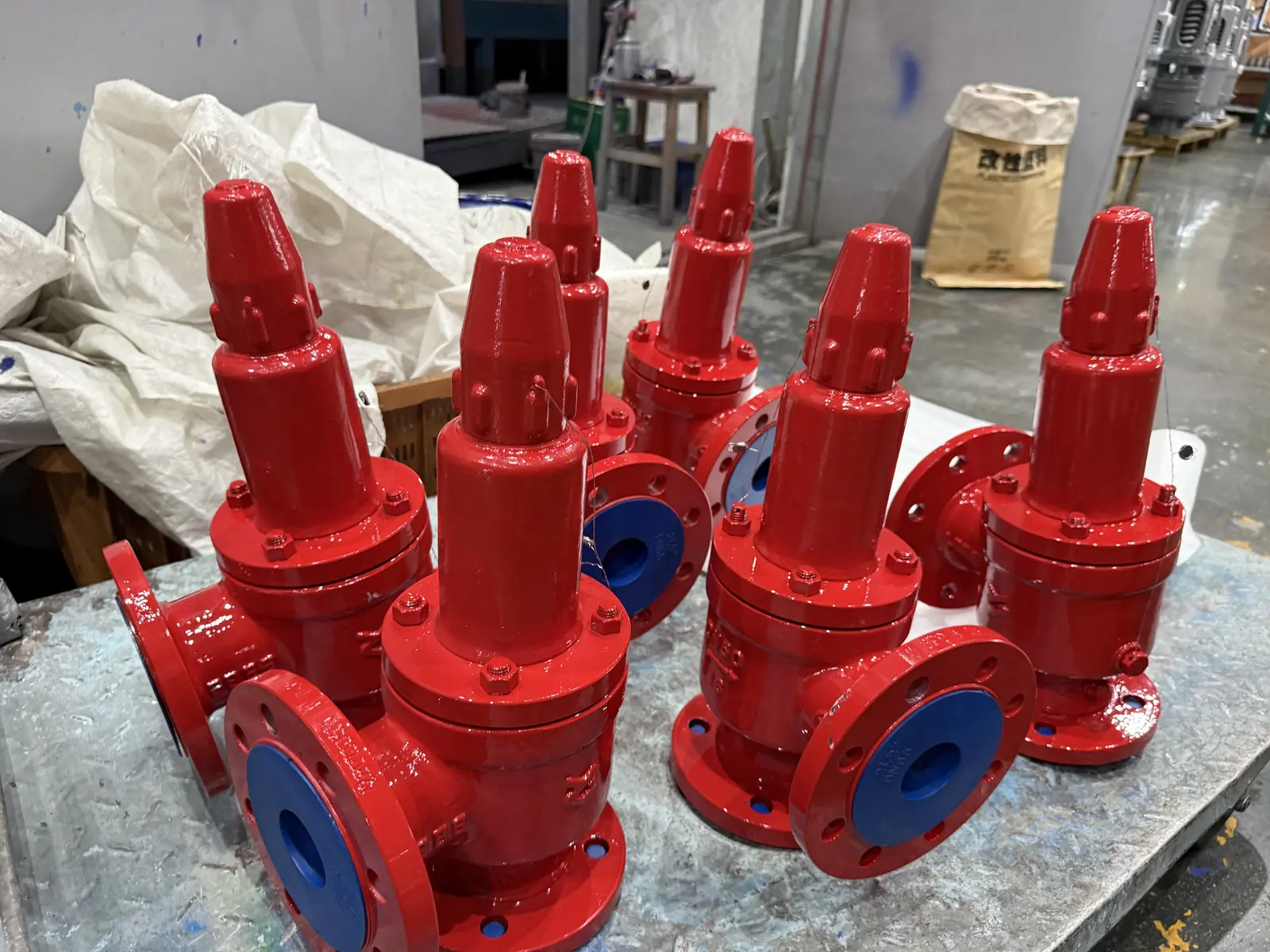
Real Production Evidence for Application Review
For Corrosive Service Safety Valves for Chemical & Sour Gas | ZOBAI service, supplier review should connect valve construction to set pressure, medium, temperature, capacity, back pressure and the governing code. This actual ZOBAI photograph documents red safety valves after protective coating. Review it with drawings, material records and pressure-test documents.