
API 526 Flanged Steel Pressure-Relief Valves: Orifices, Dimensions and RFQ Requirements
Specifying API 526 alone is not enough to select a pressure-relief valve. The standard provides a common basis for flanged steel valve configurations and dimensions, but the correct valve still depends on the required relieving capacity, set pressure, fluid properties, temperature, back pressure and applicable code requirements.
This guide connects the API 520 sizing result and API 521 relief-system conditions to the API 526 orifice, inlet and outlet size, flange class, materials, dimensions and documentation needed for a complete, reviewable PSV specification and RFQ.
- API 526 is commonly used as a purchase specification for flanged steel pressure-relief valves in petroleum, petrochemical and natural gas processing projects.
- API 526 standardizes key procurement details such as orifice designation and area, inlet and outlet size, pressure rating, materials, pressure-temperature limits and center-to-face dimensions.
- API 526 does not replace API 520 sizing or API 521 relief scenario review; it helps convert the sizing result into a standardized flanged PSV configuration.
- Final valve selection still requires protected equipment data, certified capacity, applicable code, back pressure review and manufacturer engineering confirmation.
››› API 526 Overview
API 526 turns a calculated relief requirement into a standardized flanged steel PSV purchase specification
After the required relieving capacity is defined, the buyer still needs to specify a valve that can be manufactured, inspected, connected and documented correctly. API 526 helps standardize the flanged steel pressure-relief valve configuration used in many refinery, petrochemical, gas plant and EPC projects.
For procurement teams, API 526 is most useful when the RFQ already includes set pressure, relieving capacity, fluid, temperature, back pressure and applicable code basis. The supplier can then confirm an API orifice, inlet and outlet size, flange rating, materials, center-to-face dimensions, nameplate data and test documents.
What this page helps you confirm
- When API 526 should be used for flanged steel pressure-relief valves.
- How API 526 connects with API 520 sizing and API 521 relief system review.
- What data is normally needed before selecting an API orifice and flange rating.
- Which dimensions, materials, pressure-temperature limits and nameplate details should be checked.
- What documents should be requested for EPC, refinery, petrochemical and gas processing projects.
››› What API 526 Defines
API 526 focuses on standardized flanged PSV procurement details
API 526 is not a complete relief study. It is a practical purchase specification that helps make sure the selected flanged steel pressure-relief valve has standardized dimensions, connection ratings, materials and documentation expectations.
01
Orifice Designation and Effective Area
The API letter orifice is normally selected after required area and certified capacity have been checked. The orifice designation should match the sizing basis, not only the existing valve tag.
02
Inlet and Outlet Size / Pressure Rating
API 526 helps standardize common inlet and outlet combinations and flange pressure classes. The connection must also match the piping specification and ASME B16.5 pressure-temperature rating.
03
Center-to-Face Dimensions
Standardized dimensions help EPC engineers, skid builders and maintenance teams replace or compare valves without redesigning piping layouts.
04
Body and Spring Materials
Material selection should be checked against medium, corrosion, temperature, sour service, low temperature and project specifications.
05
Pressure-Temperature Limits
Valve pressure rating, body material, flange rating, set pressure and relieving temperature must be reviewed together. A high flange class alone does not automatically confirm service suitability.
06
Nameplate and Marking Requirements
Nameplate data should support inspection and traceability, including set pressure, size, orifice, capacity, material, tag and applicable standard information required by the project.
››› Sizing to Procurement Workflow
How API 520, API 521 and API 526 work together
Many RFQ mistakes happen when API 526 is used before the real relief case and sizing basis are confirmed. Use this workflow to avoid selecting a valve by table size only.
Step 1
Define the relief case
Use process data and relief study assumptions to define fire, blocked outlet, compressor, regulator failure, tube rupture or thermal expansion cases.
Step 2
Size the safety valve
Use the required relieving capacity, set pressure, medium, temperature and back pressure to calculate the required area and select the orifice.
Step 3
Confirm API 526 configuration
Convert the selected orifice into a standardized flanged steel PSV with correct inlet, outlet, pressure class, material and dimensions.
Step 4
Specify test and documents
Add seat tightness, calibration, pressure test, MTC, nameplate, drawing and inspection requirements to the purchase order.
››› Procurement Matrix
API 526 procurement data matrix
| API 526 Item | Why It Matters | RFQ Data to Provide | Common Error |
|---|---|---|---|
| Orifice designation | Links sizing result to standard valve configuration. | Required area, selected API letter, certified capacity. | Choosing the same letter as an old valve without checking capacity. |
| Inlet size and rating | Controls mechanical connection and pressure-temperature suitability. | NPS / DN, Class rating, flange facing, piping class. | Assuming flange class alone confirms valve suitability. |
| Outlet size and rating | Affects back pressure, discharge piping and installation layout. | Outlet NPS / DN, Class, discharge route and back pressure. | Ignoring outlet piping or flare header pressure. |
| Materials | Controls corrosion, temperature and project acceptance. | Body, bonnet, trim, spring, seat, gasket and NACE or low-temperature needs. | Specifying only body material and missing trim or spring materials. |
| Center-to-face dimensions | Supports piping layout, replacement and skid fabrication. | Required standard, valve type, inlet/outlet orientation and GA drawing. | Ordering a valve that fits the process but not the piping envelope. |
| Nameplate and stamping | Supports inspection, traceability and maintenance. | Tag, set pressure, size, orifice, capacity, material, standard and certification. | Missing buyer tag, capacity basis or project-specific marking. |
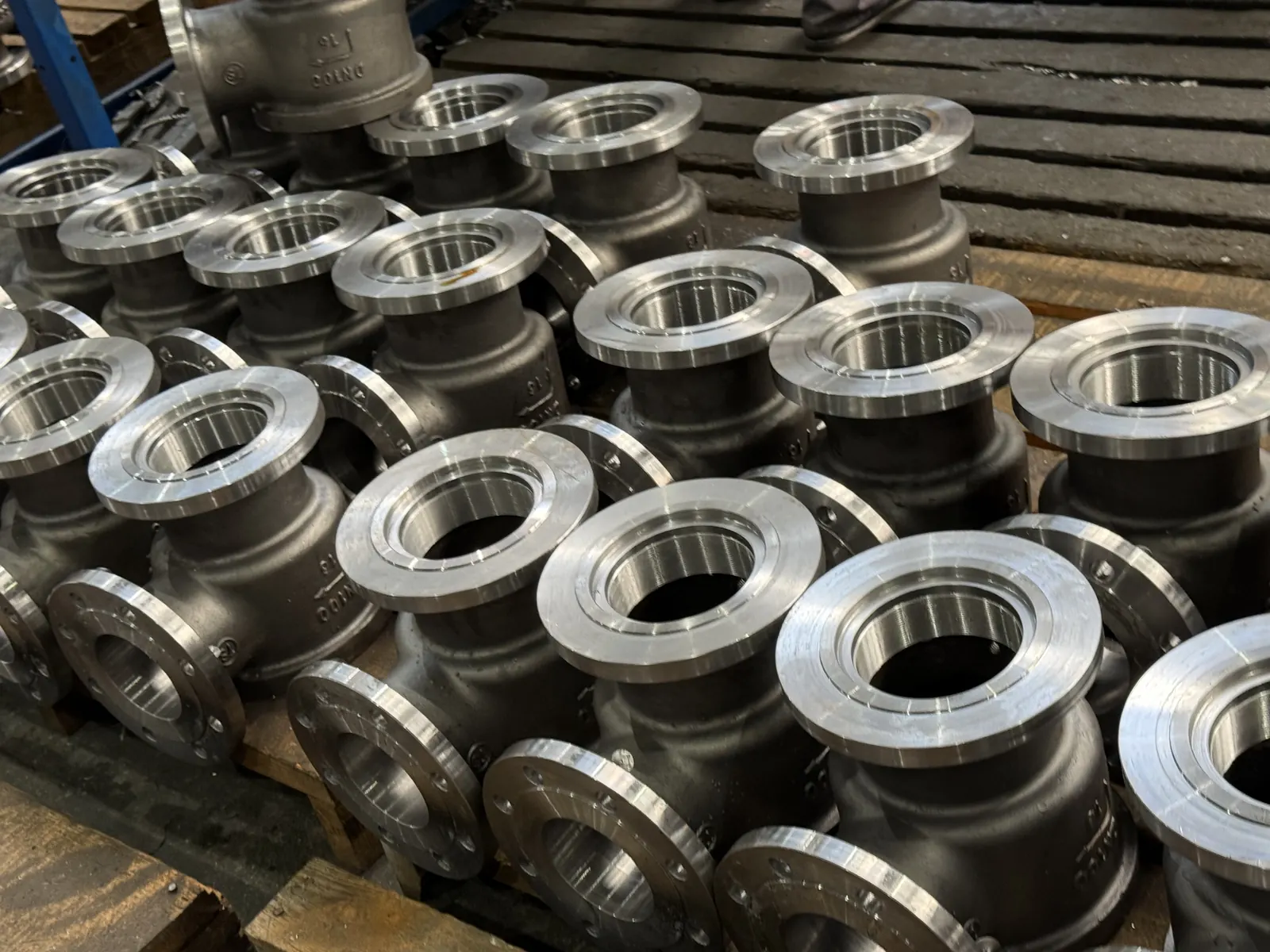
››› Where API 526 Is Used
Common applications for API 526 flanged pressure-relief valves
API 526 is most often requested when a project wants standardized flanged steel PSV dimensions and purchase data for process units and pressure equipment.
Refinery and Petrochemical Units
Pressure vessels, columns, separators, heat exchangers, reactors, flare-connected PSVs and process relief systems.
Oil & Gas and Gas Processing
Separators, compressors, dehydration units, gas plants, LNG / LPG systems and high-pressure hydrocarbon equipment.
Chemical Processing and Skids
Process vessels, reactors, package units, modular skids and EPC projects where standardized dimensions simplify engineering.
Steam, Gas and Vapor Service
Gas, vapor and steam relief valves where API sizing, ASME code basis and flanged steel valve construction are required.
High Back Pressure Systems
Balanced bellows or pilot operated PRVs connected to flare headers, scrubbers or closed relief systems.
Large Capacity Relief
Large vapor, gas or steam loads where API orifice selection, certified capacity and outlet forces must be checked.
››› Related Standards
Standards normally used with API 526
API 526 is normally used with sizing, relief scenario, pressure vessel, piping, flange and seat leakage standards. The exact combination depends on the project specification.
››› Document Package
Typical API 526 valve document package
- Technical datasheet with tag, model, type, size, orifice, set pressure and connection standard.
- General arrangement drawing with dimensions, weight, inlet/outlet orientation and center-to-face data.
- Sizing calculation or certified capacity confirmation from API 520 basis.
- Material certificates for body, bonnet, nozzle, disc, trim, spring and pressure-retaining parts.
- Set pressure calibration certificate and pressure test report.
- Seat tightness test report where API 527 or project leakage requirement is specified.
- Nameplate data, tag list, inspection witness records and spare parts list where required.
››› RFQ Checklist
Information to send for an API 526 flanged PSV quote
A complete API 526 RFQ should include the process sizing basis and mechanical configuration. This allows the supplier to confirm the correct API orifice, flange rating, material, dimensions and document package without repeated clarification.
- Protected equipment, tag number, MAWP / design pressure and applicable code.
- Medium, phase, molecular weight, specific gravity, viscosity and special hazards.
- Set pressure, operating pressure, relieving pressure, relieving temperature and required capacity.
- API orifice designation if already calculated; otherwise provide API 520 sizing data.
- Inlet and outlet size, flange class, facing, material and piping specification.
- Back pressure, discharge route, outlet system and high back pressure requirement if applicable.
- Body, bonnet, trim, spring, seat, gasket, sour service, cryogenic or corrosion requirements.
- Required documents: GA drawing, sizing report, MTC, calibration, pressure test, seat tightness and inspection records.
››› Common Errors
Common API 526 procurement mistakes
API 526 is a purchase specification, but it cannot correct incomplete process data or incorrect sizing assumptions. These errors should be corrected before PO release.
Using API 526 before completing API 520 sizing
API 526 cannot tell you the required relieving area by itself. The valve must first be sized from the relief case, medium, set pressure and back pressure.
Selecting a valve only by connection size
An existing flange size does not confirm capacity. Orifice area and certified capacity must match the required relieving load.
Ignoring outlet size and back pressure
The outlet connection and discharge system can affect built-up back pressure, capacity and valve stability.
Missing material and service details
Sour gas, high temperature, low temperature, corrosive media, oxygen service or hydrogen service can change material and trim requirements.
Forgetting center-to-face dimensions
A valve can be technically correct but fail installation if dimensions do not match the skid, piping or replacement envelope.
Leaving out nameplate and test documents
EPC and end-user inspections often require complete nameplate data, calibration, pressure test, MTC and seat tightness records.
››› Related Standards & Engineering Pages
Continue your API 526 flanged safety valve review
Use these pages to complete the full workflow from relief case to sizing, flanged valve configuration, seat testing, flange selection and purchase documentation.
API 520 Safety Valve Sizing
Open this related resource to complete sizing, valve selection, testing and RFQ documentation.
API 521 Pressure Relief Systems
Open this related resource to complete sizing, valve selection, testing and RFQ documentation.
API 527 Seat Tightness Test
Open this related resource to complete sizing, valve selection, testing and RFQ documentation.
ASME Safety Valve Standards
Open this related resource to complete sizing, valve selection, testing and RFQ documentation.
ASME B16.5 Flange Dimensions
Open this related resource to complete sizing, valve selection, testing and RFQ documentation.
Pressure-Temperature Ratings
Open this related resource to complete sizing, valve selection, testing and RFQ documentation.
Spring Loaded Safety Valves
Open this related resource to complete sizing, valve selection, testing and RFQ documentation.
Pilot Operated Safety Valves
Open this related resource to complete sizing, valve selection, testing and RFQ documentation.
High Back Pressure Service
Open this related resource to complete sizing, valve selection, testing and RFQ documentation.
››› FAQ
API 526 Flanged Safety Valves FAQ
Short answers for common engineering and procurement questions related to API 526 flanged steel pressure-relief valves.
What is API 526 used for?
API 526 is used as a purchase specification for flanged steel pressure-relief valves. It helps standardize items such as orifice designation and area, inlet and outlet size, pressure rating, materials, pressure-temperature limits, center-to-face dimensions and nameplate requirements.
Is API 526 a safety valve sizing standard?
No. API 526 is not the main sizing standard. API 520 is commonly used for safety valve sizing and selection, while API 526 helps define the standardized flanged steel valve configuration after sizing data is known.
What information is needed to request an API 526 PSV quote?
Provide protected equipment, medium, set pressure, relieving capacity, relieving temperature, back pressure, required API orifice if known, inlet and outlet size, flange rating, body and trim material, applicable standards, testing and document requirements.
Does API 526 apply to pilot operated safety valves?
API 526 includes purchase specification information for direct spring-loaded pressure-relief valves and pilot-operated pressure-relief valves where applicable. The final valve type should be confirmed by service condition, back pressure, leakage requirement and project specification.
How does API 526 relate to API 527?
API 526 addresses flanged steel pressure-relief valve purchase specification details. API 527 is commonly referenced when seat tightness testing and acceptable leakage requirements are required for the pressure relief valve.
Can API 526 valves be used for ASME pressure vessel projects?
API 526 valves are commonly used in projects that also reference ASME pressure equipment or piping codes. The final selection must satisfy the applicable ASME code, API sizing basis, certified capacity, material requirement and project documentation requirements.
