
Pressure Vessel OEM Safety Valve Selection and Documentation Case
This representative case shows how a pressure-vessel OEM can organize safety valve selection, technical review and project documentation before equipment release. The workflow begins with the vessel datasheet and credible overpressure scenarios, then connects MAWP, set pressure, required capacity, valve construction, materials, connections, testing and final handover records.
The page is an anonymized engineering reference format. It does not identify a specific customer, contract value, project location or delivered quantity, and it should not be read as proof that one valve configuration suits every pressure vessel.
- Representative OEM workflow only; no customer identity or unsupported performance claim is included.
- The vessel relief basis comes before valve model selection.
- Final acceptance requires the applicable code edition, verified calculation and approved project specification.
- The deliverable package links the vessel tag, valve tag, datasheet, sizing basis, drawings, MTC and test reports.
The OEM needs one traceable chain from vessel design data to valve release
Project-control principle
Information required before technical selection begins
Vessel Datasheet
Relief Scenario and Load
Process Conditions
Installation Conditions
Mechanical Specification
Documentation and Inspection
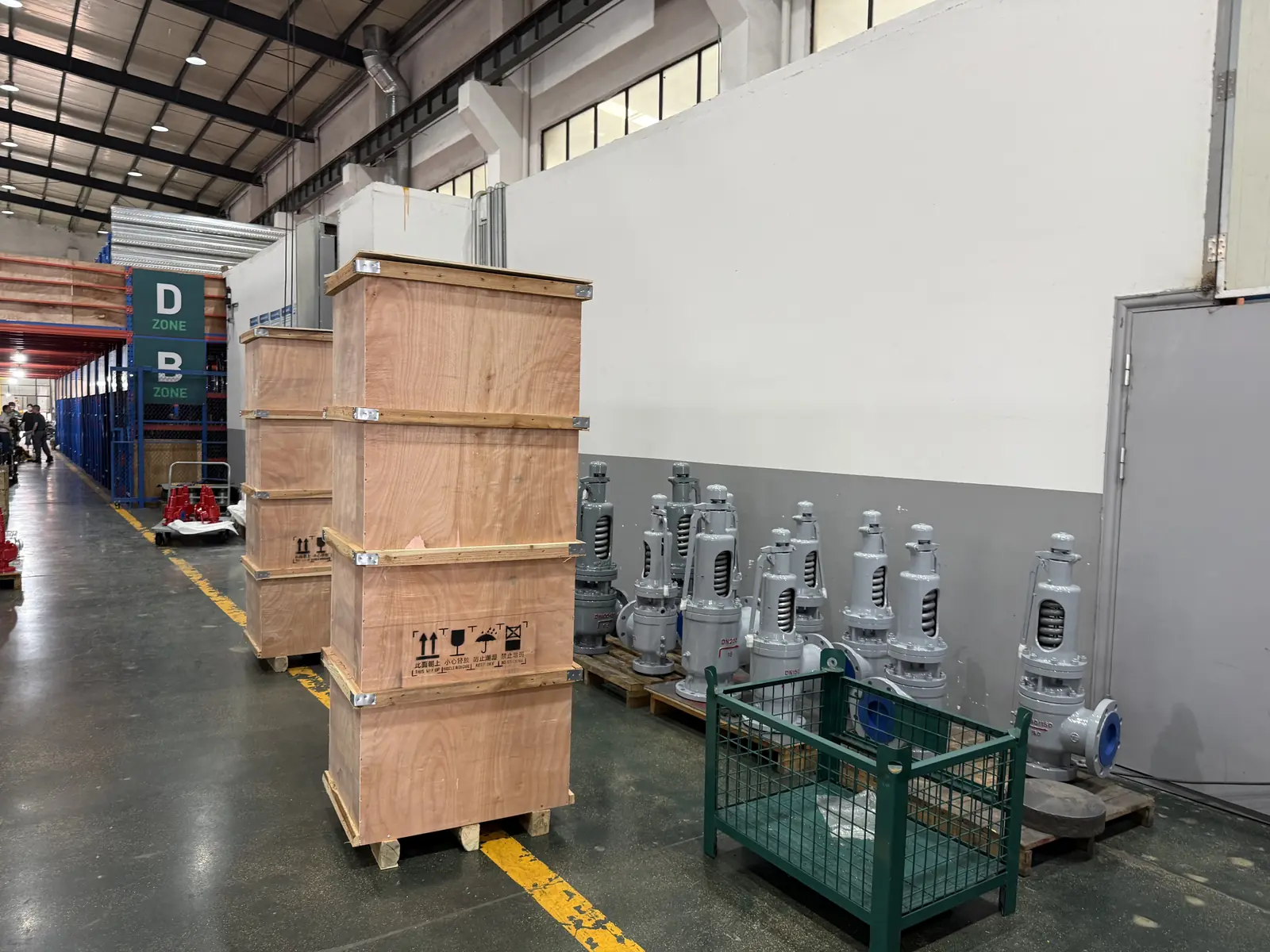
Documentation Connected to Real Production
A certificate or report is useful only when it can be traced to the supplied valve and agreed inspection scope. This actual ZOBAI photograph documents wooden shipping crates beside finished safety valves. Align drawings, material records, pressure-test results and release documents with the purchase specification.
The largest credible case controls capacity, but other cases can control design details
Blocked Outlet or Closed Valve
External Fire Exposure
Regulator, Compressor or Pump Failure
Heat Exchanger Tube Rupture
Thermal Expansion
Reaction or Gas Generation
Convert the approved relief basis into a reviewable valve specification
Selection checkpoints
- Set pressure and allowable overpressure match the vessel code basis
- Required relieving load and calculated area are documented
- Selected orifice and certified capacity exceed the requirement
- Valve design is suitable for constant and variable back pressure
- Body, trim, seat and bellows materials suit the medium and temperature
- Inlet and outlet connections match nozzle and piping specifications
- Pressure-temperature ratings are valid at relieving conditions
- Inlet pressure loss and outlet piping are included in the installation review
- Required test, certificate and inspection records are listed before purchase
Typical design choices considered during an OEM project
Conventional Spring-Loaded
Balanced Bellows
Pilot-Operated
The valve package should be ready for OEM review, client review and final handover
Approved Valve Datasheet
Sizing and Capacity Record
General Arrangement Drawing
Material Certificates
Routine Test Reports
Certificate and Compliance Index
Release the valve against the agreed ITP and document index
Release checklist
- Valve tag and serial number match the vessel document index
- Nameplate data match the approved datasheet
- Set-pressure and test reports identify the supplied valve
- Material certificates trace specified components
- Flanges, facings and dimensions match the vessel nozzle and piping class
- Accessories, seals, lever, bellows vent or pilot tubing match the drawing
- Open punch items and deviations are formally closed
- Final approved revisions are included in the handover package
Eight steps from vessel data to final valve dossier
Confirm vessel design basis
Approve relief scenarios
Complete sizing review
Select valve construction
Review installation
Approve drawings and documents
Witness or review tests
Release the final dossier
Send the vessel data and document requirements before requesting a quotation
Recommended enquiry documents
- Vessel datasheet and equipment tag list
- Relief calculation or required relieving rate
- P&ID and inlet/outlet piping information
- Client valve datasheet or project specification
- Connection, material and pressure-class requirements
- Applicable ASME, API, ISO, EN or local code edition
- Inspection and test plan
- Certificate and manufacturing-record-book index
- Quantity, destination and required delivery date
- Existing valve data for replacement or standardization projects
Continue the pressure-vessel safety valve review
Pressure Vessel Applications
API 520 Safety Valve Sizing
ASME Safety Valve Standards
Type Test Certificates
Common questions about pressure-vessel OEM safety valve projects
No. It is an anonymized representative OEM workflow showing how pressure-vessel safety valve inputs, selection and documentation can be organized. It does not claim a specific customer, order quantity or project result.
The review normally requires the vessel datasheet, MAWP or design pressure, temperature, credible relief scenarios, required capacity, fluid properties, back pressure, connection requirements, materials, code basis and document list.
No. Nozzle size confirms only part of the mechanical connection. The valve must also satisfy the required relieving capacity, set pressure, fluid and temperature conditions, certified capacity, back pressure and applicable code.
Typical documents include the approved datasheet, sizing and capacity record, general arrangement drawing, material certificates, set-pressure report, shell pressure test, seat-tightness report, inspection release and final document index.
They should be agreed before manufacture or purchase-order release. Third-party witness, EN 10204 3.2 validation or special testing may not be recoverable after production is complete.
Yes. Send the vessel datasheet, relief basis, valve specification, piping information and required documents. The review can identify missing inputs and the next sizing, selection or quotation step.