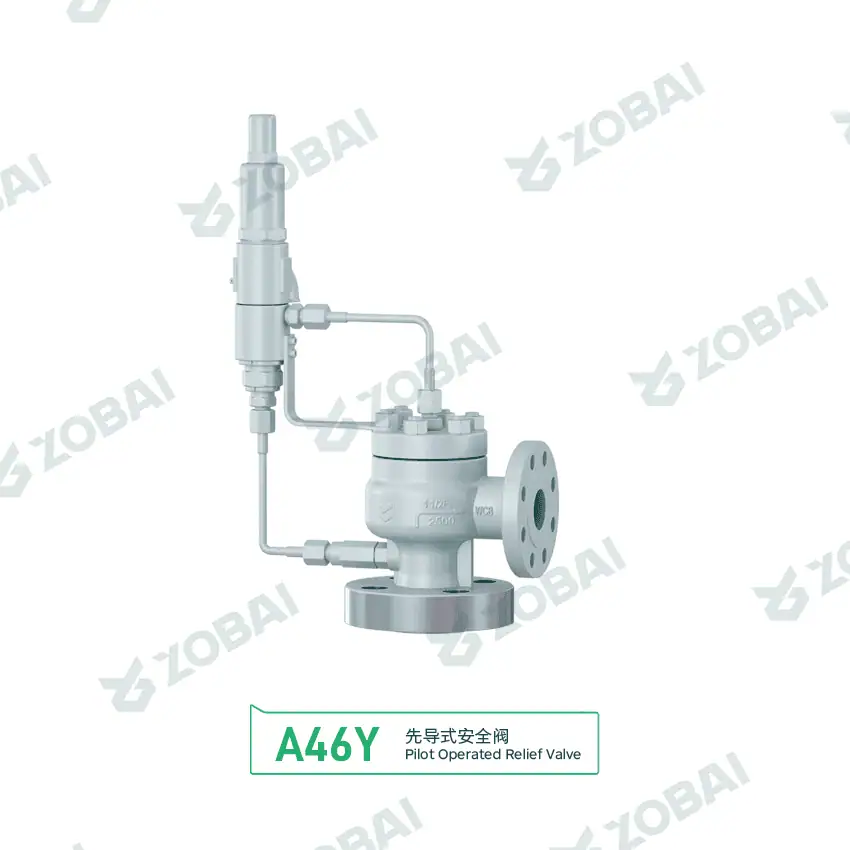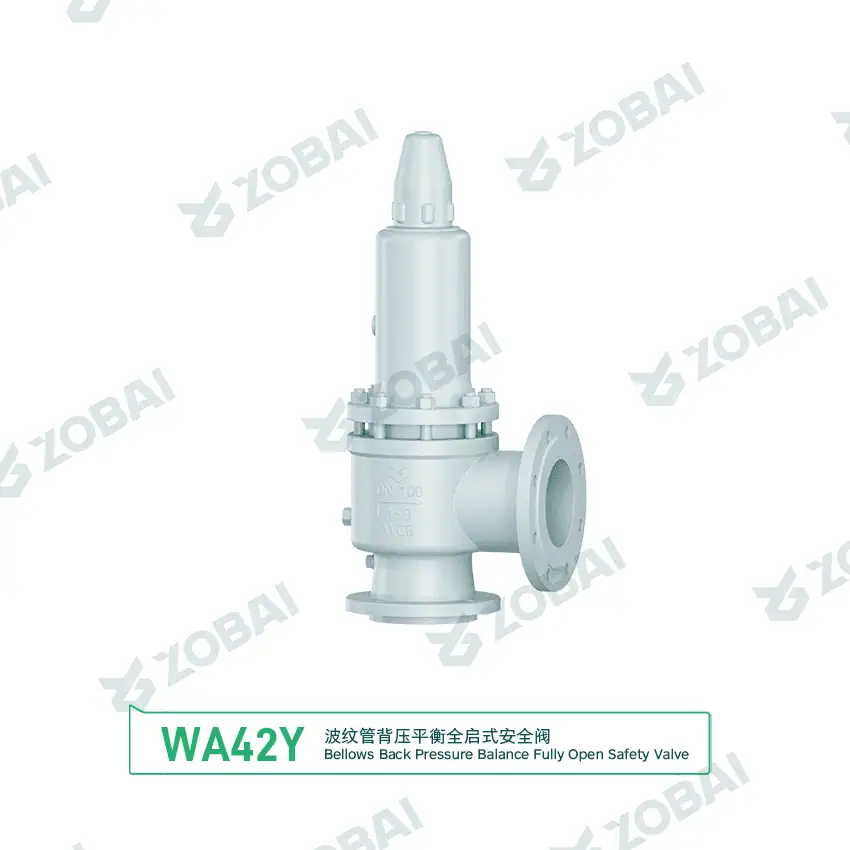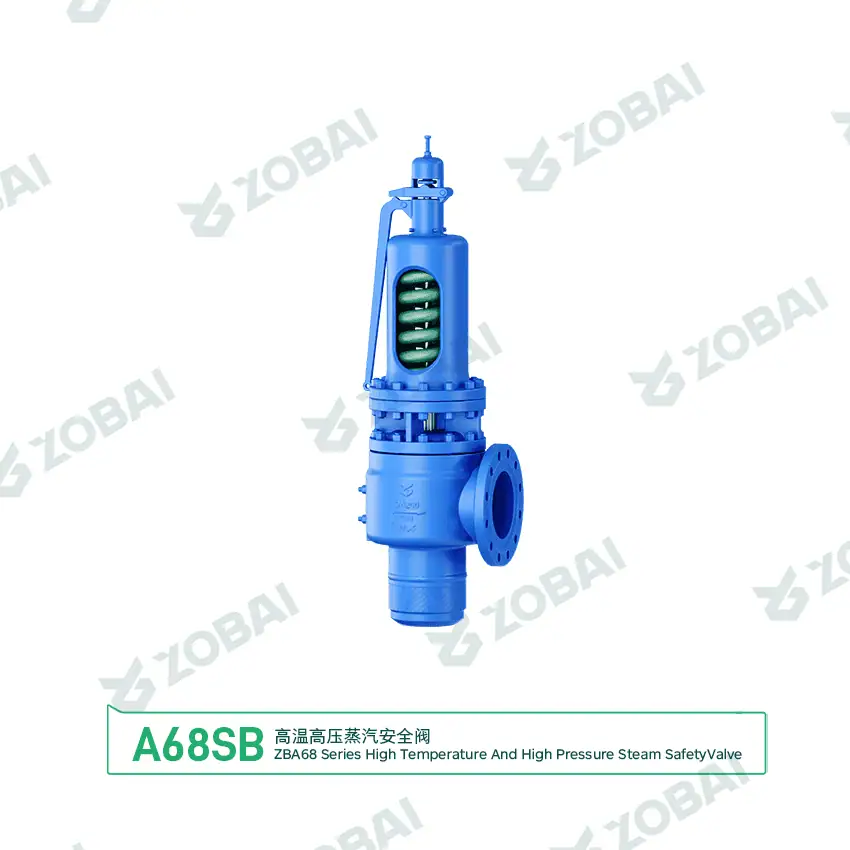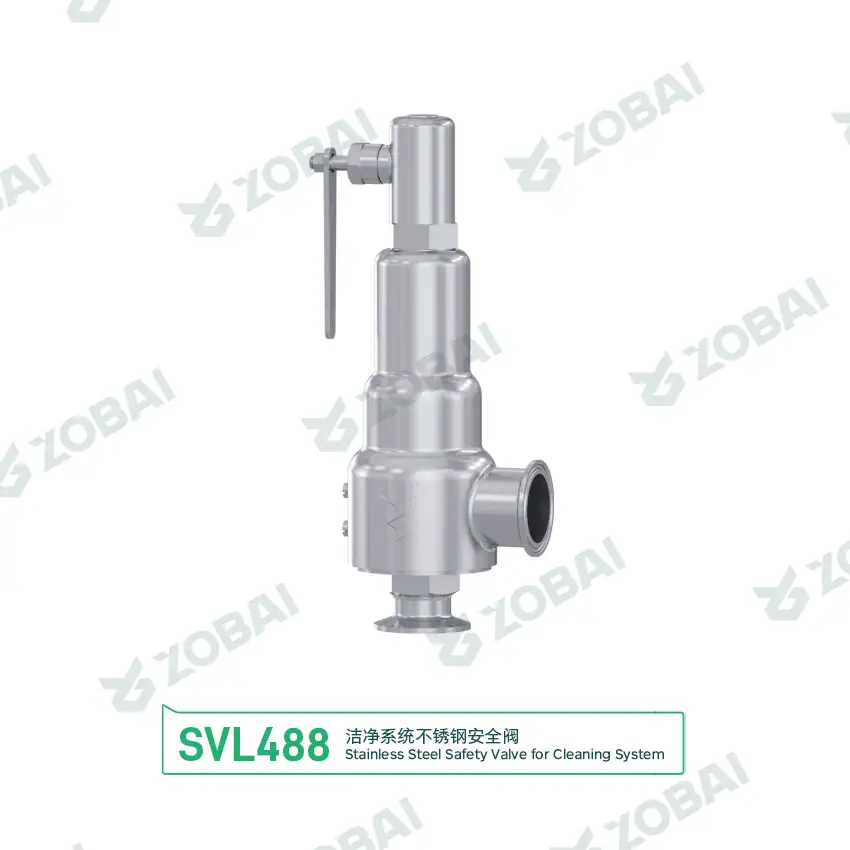
Pressure Vessel Safety Valves for Process, Storage and Utility Overpressure Protection
Pressure vessel safety valves protect air receivers, separators, accumulators, reactors, storage vessels, buffer tanks, filter housings, heat exchanger shells, surge drums and utility receivers from overpressure. A correct PSV or PRV is selected from the vessel MAWP, design pressure, set pressure, governing relief case, required relieving capacity, medium phase, relieving temperature, back pressure, inlet pressure loss, material compatibility and documentation requirements.
Where Safety Valves Are Used on Pressure Vessels
Pressure vessels appear in almost every industrial plant, but their relief requirements vary by medium, vessel geometry, operating pressure, heat input, upstream source and discharge system. A compressed air receiver, LPG vessel, reactor and separator cannot be protected by one generic valve selection rule.
Air Receivers and Gas Vessels
Used on compressed air receivers, nitrogen receivers, oxygen buffers, CO₂ vessels and process gas accumulators. Key checks include compressor capacity, regulator failure, gas cleanliness, seat tightness and safe venting.
Separators, Knockout Drums and Surge Vessels
Used on oil and gas separators, condensate drums, scrubbers, flash vessels and surge tanks. Selection should review blocked outlet, fire exposure, liquid carryover, two-phase flow and flare back pressure.
Reactors and Process Vessels
Used on chemical reactors, polymerization vessels, hydrogenation vessels, jacketed tanks and formulation vessels. Reaction gas generation, exothermic heat, solvent vapor and blocked vent cases must be reviewed.
Storage Vessels and Receivers
Used on LPG bullets, solvent receivers, buffer tanks, hot water vessels and pressurized storage packages. Fire case, thermal expansion, filling condition and discharge location are central to selection.
Heat Exchanger Shells and Reboilers
Used where a pressure vessel side can be overpressured by tube rupture, blocked cooling, steam-side failure or thermal expansion. Pressure differential and transient relief path should be checked.
Filter Housings and Skid Vessels
Used on cartridge filters, coalescers, fuel gas filters, hydraulic accumulators, package skids and compact process vessels. Differential pressure, plugging, maintenance isolation and small-volume overpressure must be reviewed.
Pressure Vessel PSV Selection Starts With the Overpressure Scenario
The vessel MAWP or design pressure defines the protection limit, but the required valve capacity comes from the credible overpressure case. A vessel may have several possible cases, and the largest governing case should control valve selection.
Blocked Outlet or Closed Valve
The vessel receives inflow while downstream flow is restricted. This case is common for separators, receivers, filter housings, drums, gas vessels and package skids. Required data include maximum inflow, medium phase, set pressure and discharge condition.
External Fire Exposure
Liquid-filled or partially filled vessels may generate vapor rapidly under fire exposure. Fire-case review should include wetted surface, fluid properties, vessel insulation, drainage condition and discharge system capacity.
Thermal Expansion of Trapped Liquid
Liquid trapped in a vessel section, jacket, coil, line or exchanger pocket can expand when heated. Thermal relief valves may be small, but they prevent very high pressure in blocked-in liquid volumes.
Regulator, Compressor or Pump Failure
A failed regulator, compressor control issue or pump deadhead can expose a vessel to pressure above its design limit. The valve should protect the lowest-rated component in the downstream system.
Heat Exchanger Tube Rupture
A high-pressure side can leak into a low-pressure vessel side after tube rupture. The review should include pressure differential, exchanger geometry, fluid phase, transient flow and downstream relief path.
Reaction, Vapor Generation or Gas Evolution
Reactors and process vessels may generate gas or vapor during reaction upset, heating, decomposition, foaming or solvent flashing. The selected valve must match the actual relief load and phase behavior.
Pressure Vessel Safety Valve Application Cases with Typical RFQ Data
These cases show how pressure vessel safety valve requirements are usually described before model selection. Final sizing must be confirmed by vessel datasheet, applicable code, verified relief calculation and engineering review.
Case 1: Compressed Air Receiver Safety Valve
Air ReceiverAir receiver valves are often replaced by connection size only, but the correct selection should verify compressor capacity, receiver MAWP, set pressure and discharge direction.
Case 2: Oil and Gas Separator PSV
Blocked OutletSeparator protection often requires more than one relief case. Blocked outlet may govern normal upset, while fire exposure may govern hydrocarbon liquid inventory. Flare back pressure can decide whether a conventional, bellows balanced or pilot operated valve is suitable.
Case 3: Jacketed Reactor Safety Valve
Reaction ReliefReactor PSVs should not be selected from normal vapor flow only. Reaction upset, foaming, solvent flashing and blocked vent cases can produce larger and more complex relief loads.
Case 4: LPG Storage Vessel Fire Case PSV
Fire ExposureLPG vessel relief is usually capacity-sensitive. The selected valve must be based on the governing relief case and vessel data, not only on existing nozzle size.
Case 5: Heat Exchanger Shell-Side PSV
Tube RuptureTube rupture cases are often missed in replacement projects. A correct review needs exchanger data, pressure differential, fluid phase and downstream disposal route.
Case 6: Nitrogen Blanketed Process Vessel
Regulator FailureLow-pressure vessels can be damaged by gas supply failure. The valve should protect the vessel MAWP, not the upstream gas supply rating.
Pressure Vessel Safety Valve Data Matrix
| Vessel Type | Typical Medium | Common Relief Cause | Required Engineering Check | Recommended Valve Review | Risk if Missed |
|---|---|---|---|---|---|
| Air receiver | Compressed air, nitrogen, utility gas | Compressor control failure, regulator failure | Compressor capacity, receiver MAWP, set pressure | Spring-loaded safety valve with certified gas capacity | Receiver overpressure or undersized valve |
| Separator or scrubber | Gas, vapor, condensate, two-phase stream | Blocked outlet, fire exposure, control failure | Phase behavior, liquid carryover, back pressure, flare header | Conventional, bellows balanced or pilot operated design review | Chatter, capacity loss or unsafe flare connection |
| Reactor | Solvent vapor, reaction gas, foam, two-phase mixture | Runaway reaction, blocked vent, heating failure | Reaction relief load, temperature, toxic discharge, fouling | Material, discharge treatment and two-phase suitability review | Undersized PSV or unsafe process release |
| Storage vessel | LPG, solvent, hot water, condensate, buffer fluid | Fire exposure, thermal expansion, overfilling | Wetted surface, fluid properties, vapor pressure, discharge direction | Fire-case and thermal relief capacity review | Insufficient fire-case capacity or unsafe discharge |
| Heat exchanger shell | Process liquid, water, steam condensate, hydrocarbon | Tube rupture, blocked cooling, trapped liquid expansion | Pressure differential, exchanger geometry, transient flow | Relief scenario and downstream collection review | Low-pressure side overpressure |
| Filter housing | Fuel gas, liquid chemical, hydraulic oil, compressed gas | Plugging, blocked outlet, pump deadhead | Maximum inlet pressure, differential pressure, maintenance isolation | Compact PSV or thermal relief valve review | Housing rupture or maintenance hazard |
How to Specify a Pressure Vessel Safety Valve Correctly
1. Confirm vessel MAWP and design data
Start with the vessel datasheet, MAWP, design pressure, design temperature, test pressure, code basis, nozzle size, orientation and protected volume. The set pressure should protect the pressure boundary, not simply match an old valve nameplate.
2. Identify all credible relief scenarios
Review blocked outlet, fire exposure, thermal expansion, regulator failure, compressor overpressure, pump deadhead, tube rupture and reaction relief. The selected valve must cover the governing relief case.
3. Define medium and phase at relieving condition
Gas, vapor, liquid, flashing liquid and two-phase flow require different sizing inputs. Fluid name, molecular weight, specific gravity, viscosity, compressibility, temperature and composition should be provided when available.
4. Check operating margin and leakage risk
Normal operating pressure should be reviewed against set pressure. Small margins can increase leakage, simmering or frequent cycling, especially in gas vessels, nitrogen blanketed vessels and compressor discharge systems.
5. Review back pressure and piping layout
Discharge into a flare, scrubber, vent header or return line can create back pressure. Inlet pressure loss, outlet reaction force, drainage, pipe support and maintenance access affect actual valve performance.
6. Confirm material and documentation
Body, trim, spring, bellows, gasket and soft seat materials should match medium, temperature and corrosion risk. Required documents should be confirmed before production to avoid inspection or commissioning delays.
Pressure Vessel Safety Valves Must Be Reviewed With Inlet and Outlet Piping
Why installation changes valve performance
A safety valve is part of the vessel protection system. Excessive inlet pressure loss, long inlet piping, unsupported discharge piping, liquid pockets, closed outlet valves, high back pressure or poor drainage can reduce capacity or cause unstable operation.
Pressure vessel installations should be reviewed for short and direct inlet connection, safe discharge direction, pipe support, vent or flare back pressure, lifting device access, drainage, test access and maintenance clearance.
Field installation checks
- Install the valve close to the protected vessel where practical.
- Keep inlet pressure loss within the project design limit.
- Avoid isolation valves unless controlled by approved procedures and locking arrangements.
- Support discharge piping without loading the valve body.
- Route discharge to a safe vent, drain, flare, scrubber or collection system.
- Prevent liquid pockets and blocked drains in outlet piping.
- Provide access for testing, lifting device operation, recalibration and replacement.
Standards and Documents to Confirm Before Ordering
Common standard references
Pressure vessel safety valve specifications may reference ASME, API, ISO, EN, GB or owner standards depending on the vessel code basis, plant location, medium and inspection requirement. The applicable standard should be confirmed before quotation.
- ASME BPVC Section VIII safety valve references for pressure vessel MAWP, set pressure, certification and documentation context.
- API 520 Safety Valve Sizing for pressure-relieving device sizing and selection reference where required by the project.
- API 521 Pressure Relief Systems for relief scenario, flare, fire-case and depressuring system review.
- API 526 Flanged Safety Valves when standardized flanged steel pressure relief valve dimensions and ratings are specified.
- API 527 Seat Tightness Test when leakage verification is required before shipment or site acceptance.
- ISO 4126 Safety Valve Standards when excessive pressure protection safety valve standards are required.
- ASME B16.5 Flange Dimensions and Pressure-Temperature Ratings when flange class, material group and relieving temperature must be checked.
- Owner specifications for corrosive, cryogenic, toxic, sanitary, high-pressure or high-temperature service.
Typical document package
Documentation should be agreed before manufacturing, especially for coded vessels, refinery units, chemical reactors, air receivers, LPG storage, gas processing and skid packages.
- Technical datasheet with model, size, orifice, set pressure and connection.
- Sizing calculation or certified relieving capacity confirmation.
- Set pressure calibration certificate.
- Pressure test report and seat tightness test report when required.
- Material certificate for pressure-retaining parts and trim when specified.
- General arrangement drawing, dimension, weight and discharge orientation.
- Nameplate, tag number and project marking confirmation.
- Inspection witness record, conformity certificate or owner-specific document package when required.
Pressure Vessel Safety Valve RFQ Data Checklist
| Required Data | Why It Matters | Example Input |
|---|---|---|
| Vessel type and tag number | Identifies protected equipment and documentation basis. | Air receiver V-101, separator S-201, reactor R-301 |
| MAWP / design pressure | Defines the pressure boundary that must be protected. | 10 barg, 16 barg, 150 psi, 2.5 MPa |
| Set pressure | Defines valve opening pressure. | 10 barg, 15 barg, 145 psi, 2.4 MPa |
| Relief scenario | Determines required relieving capacity. | Blocked outlet, fire case, tube rupture, thermal expansion, regulator failure |
| Medium and phase | Affects sizing method, material and discharge behavior. | Air, natural gas, steam, solvent vapor, LPG, liquid water, two-phase flow |
| Operating pressure | Confirms operating margin and leakage risk. | Normal and maximum operating pressure |
| Required relieving capacity | Confirms whether the valve can protect the vessel. | kg/h, Nm³/h, SCFM, t/h, GPM, L/min |
| Relieving temperature | Affects material, spring, seal and pressure rating. | -196°C, ambient, 95°C, 250°C, 450°C |
| Back pressure | Influences valve capacity and stability. | Atmospheric vent, flare header, scrubber, closed collection, return line |
| Connection and rating | Ensures mechanical compatibility with vessel nozzle and piping. | RF flange, RTJ flange, NPT, BW, Class 150–2500, PN16–PN160 |
| Material requirement | Prevents corrosion, embrittlement, leakage and compatibility failure. | Carbon steel, stainless steel, alloy, low-temperature material, PTFE seat |
| Required documents | Avoids inspection, installation and commissioning delays. | Datasheet, drawing, MTC, calibration report, pressure test, seat tightness report |
Final selection must be confirmed by vessel datasheet, protected equipment MAWP, process conditions, applicable code, verified sizing basis and engineering review.
Common Pressure Vessel Safety Valve Selection Mistakes
Buying by connection size only
A valve that fits the vessel nozzle can still be undersized. Capacity must be verified against the governing relief case and certified flow data.
Confusing design pressure and set pressure
The set pressure must protect the vessel MAWP and match the project code basis. It should not be guessed from normal operating pressure alone.
Ignoring fire case
Hydrocarbon liquid vessels, solvent receivers and LPG storage may require fire-case relief review. Existing valve size does not prove fire-case capacity.
Missing tube rupture
Low-pressure vessel sides connected to high-pressure exchangers can be exposed to severe overpressure after tube failure. This case should be checked with exchanger data.
Ignoring back pressure
Flare headers, scrubbers and closed collection systems can affect valve capacity and stability. Back pressure can change the correct valve configuration.
Replacing by old nameplate only
Nameplate data helps, but replacement should also confirm current medium, relief case, required capacity, material, back pressure and documentation requirements.
Continue Your Pressure Vessel Relief Review
These internal links help buyers move from vessel MAWP and relief scenario review to valve type selection, sizing, installation, service-condition checks and documentation preparation.
External Standards and Pressure Vessel References
Use these authority references to confirm the external code basis behind pressure vessel PSV sizing, relief system design, certification, seat leakage testing and general safety valve requirements.
Pressure Vessel Safety Valve FAQ
Prepare a Complete Pressure Vessel PSV Datasheet Before Quotation
Send the vessel datasheet, MAWP, set pressure, relief scenario, medium, phase, operating pressure, required capacity, relieving temperature, back pressure, connection standard, material requirement and required documents. A complete datasheet helps avoid unsafe assumptions and speeds up engineering review.
Minimum RFQ data
Real Production Evidence for Application Review
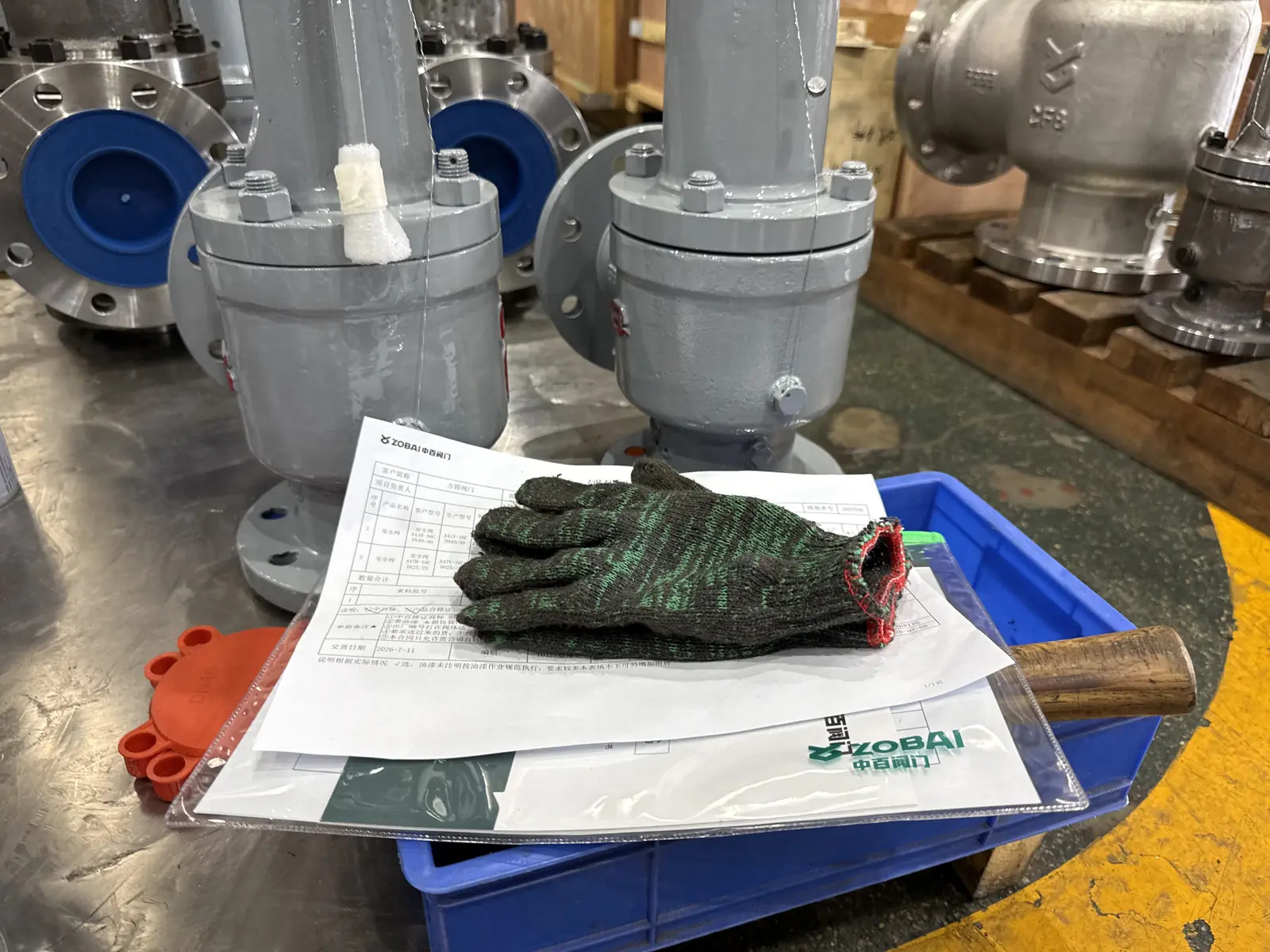
For Pressure Vessel Safety Valves for PSV & PRV Protection | ZOBAI service, supplier review should connect valve construction to set pressure, medium, temperature, capacity, back pressure and the governing code. This actual ZOBAI photograph documents shop-floor inspection documents beside finished valves. Review it with drawings, material records and pressure-test documents.