Compressor Safety Valves for Air, Gas, Hydrogen and Refrigeration Pressure Relief Systems
Compressor Safety Valves for Air, Process Gas, Hydrogen, CO₂ and Refrigeration Systems
Compressor safety valves protect compressed air receivers, compressor discharge lines, interstage bottles, aftercoolers, oil separators, gas compressor packages, hydrogen compressor skids, CO₂ refrigeration systems, ammonia refrigeration packages, nitrogen compressors and fuel gas systems from overpressure. Correct selection starts with compressor maximum flow, protected equipment MAWP, set pressure, relief scenario, gas properties, discharge temperature, pulsation, vibration, back pressure, safe venting and required test documentation.
Where Safety Valves Are Used in Compressor Systems
Compressor pressure relief is different from static vessel protection because flow, pulsation, vibration, discharge temperature and control response all affect valve performance. The valve must protect the receiver, interstage equipment, compressor package or downstream system under the credible blocked-flow or control-failure case.
Compressed Air Systems
Used on air receivers, screw compressor packages, reciprocating air compressors, aftercoolers, dryers and plant air headers. Selection should confirm receiver MAWP, compressor maximum flow, set pressure, drainage, outlet direction and inspection access.
Reciprocating Gas Compressors
Used on discharge bottles, interstage separators, pulsation dampeners, suction scrubbers and process gas compressor skids. Key checks include pulsation, vibration, liquid carryover, cylinder stage pressure and safe discharge routing.
Centrifugal Process Gas Compressors
Used on compressor discharge headers, recycle systems, antisurge lines, seal gas systems and gas processing packages. Relief review should consider blocked discharge, recycle valve failure, surge-control upset and flare back pressure.
Hydrogen and Fuel Gas Compressors
Used on hydrogen, natural gas, fuel gas and syngas compressor skids. Selection should review high pressure, leakage tightness, material compatibility, ignition-safe venting, vibration and connection integrity.
CO₂ and Ammonia Refrigeration Compressors
Used on compressor discharge lines, receivers, oil separators and refrigeration packages. CO₂ phase behavior, dry ice risk, ammonia toxicity, discharge routing and low-temperature material should be reviewed.
Oil-Flooded Screw and Oil Separator Packages
Used on oil separators, air/oil receivers, lubricant circuits and compact compressor packages. Relief sizing should consider separator volume, oil carryover, temperature, outlet restriction and safe return or vent routing.
Compressor PSV Selection Starts With the Blocked-Flow or Control-Failure Case
Compressor safety valves are commonly sized for the maximum credible compressor flow at the relieving pressure. The protected item may be the compressor casing, discharge line, receiver, interstage bottle, aftercooler, oil separator or downstream low-pressure equipment.
Blocked Discharge or Closed Downstream Valve
When a compressor continues to deliver flow against a blocked discharge, pressure can rise rapidly. This is a primary relief case for air compressors, gas compressors, compressor discharge headers and package skids.
Compressor Control or Unloader Failure
A failed pressure switch, capacity control, unloader, bypass valve or antisurge system can allow pressure to exceed the protected equipment rating. The valve should be sized from the maximum credible compressor output.
Interstage Overpressure
Multistage reciprocating compressors and high-pressure compressor trains require interstage protection. Stage-to-stage pressure imbalance, blocked intercooler outlet or downstream restriction can overpressure interstage bottles or coolers.
Receiver or Separator Overpressure
Air receivers, gas receivers, oil separators and suction scrubbers can be overpressured by compressor discharge, regulator failure, blocked outlet or external heat input. Vessel MAWP and certified capacity must be confirmed.
Refrigeration Compressor Discharge Upset
CO₂, ammonia and refrigerant compressors can see high discharge pressure during condenser failure, heat input, blocked outlet or control failure. Relief review should include refrigerant phase behavior and safe discharge destination.
Hydrogen or Fuel Gas Regulator Failure
Compressor packages often include pressure regulation and downstream fuel gas users. A failed regulator can expose low-pressure equipment to high compressor discharge pressure, requiring safe gas venting and tight shutoff review.
Compressor Safety Valve Application Cases with Typical RFQ Data
These cases show how compressor safety valve requirements are commonly described before model selection. Final sizing must be confirmed by compressor performance data, protected equipment MAWP, verified relief calculation and applicable code.
Case 1: Screw Air Compressor Receiver Safety Valve
Compressed AirAir compressor safety valves should be selected by receiver MAWP and compressor maximum flow. Connection size alone does not confirm capacity, and the valve should be installed so it can protect the receiver without unauthorized isolation.
Case 2: Reciprocating Natural Gas Compressor Discharge PSV
Process GasReciprocating compressor PSVs must tolerate pulsation and vibration. Valve stability, inlet piping, discharge back pressure and piping support should be reviewed before final selection.
Case 3: Hydrogen Compressor Interstage Relief Valve
Hydrogen ServiceHydrogen compressor service needs more than pressure rating. Seat tightness, material compatibility, leak paths, vent stack location and ignition control should be included in the RFQ.
Case 4: Centrifugal Compressor Discharge Header PSV
Blocked OutletCentrifugal compressor relief review should use compressor performance data rather than only normal operating flow. Back pressure from flare systems can affect valve type and capacity.
Case 5: CO₂ Refrigeration Compressor Discharge Relief
RefrigerationCO₂ compressor relief can involve rapid cooling and possible solid formation under some discharge conditions. Vent design should avoid blockage and route gas away from occupied or poorly ventilated spaces.
Case 6: Oxygen Compressor Package Relief Valve
Oxygen CleanOxygen compressor relief valves must be specified for oxygen cleanliness and material compatibility. Oil, grease, incompatible elastomers or contaminated parts can create serious ignition risk.
Compressor Safety Valve Data Matrix
| Compressor Service | Typical Medium | Common Relief Cause | Required Engineering Check | Recommended Valve Review | Risk if Missed |
|---|---|---|---|---|---|
| Air compressor and receiver | Compressed air, oil mist, instrument air | Control failure, blocked outlet, receiver overpressure | Receiver MAWP, compressor maximum flow, drainage, inspection access | Spring-loaded safety valve with certified air capacity | Receiver overpressure or undersized valve |
| Reciprocating gas compressor | Natural gas, refinery gas, nitrogen, process gas | Blocked discharge, interstage blockage, cylinder-stage overpressure | Pulsation, vibration, stage pressure, temperature and gas capacity | Gas PSV with stable installation and supported piping | Chatter, leakage, fatigue or unsafe gas release |
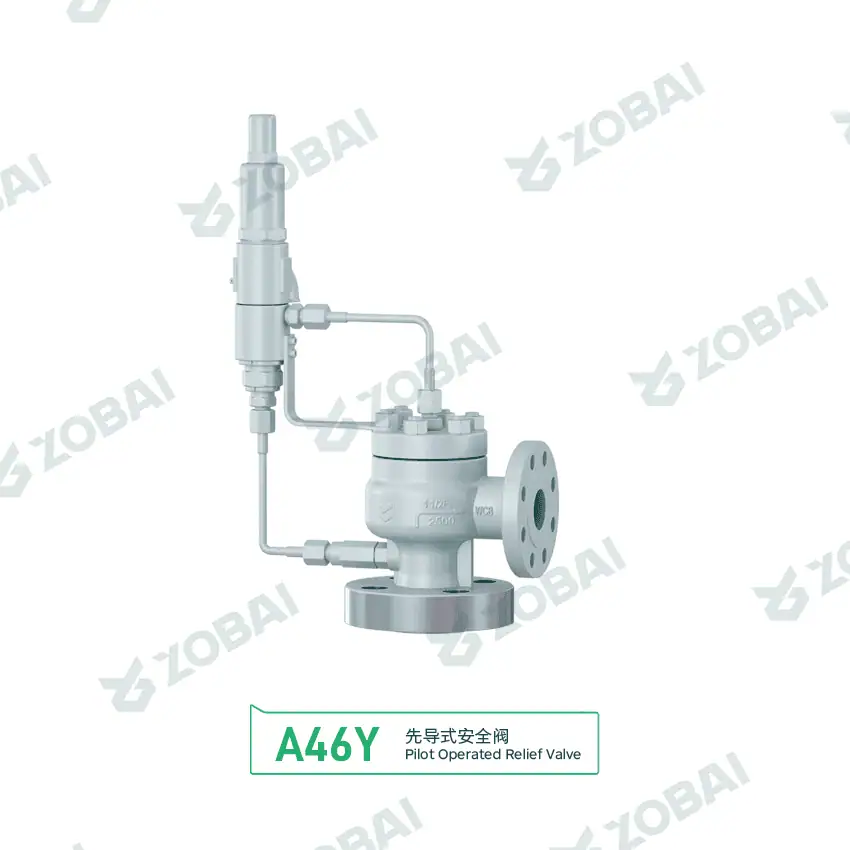
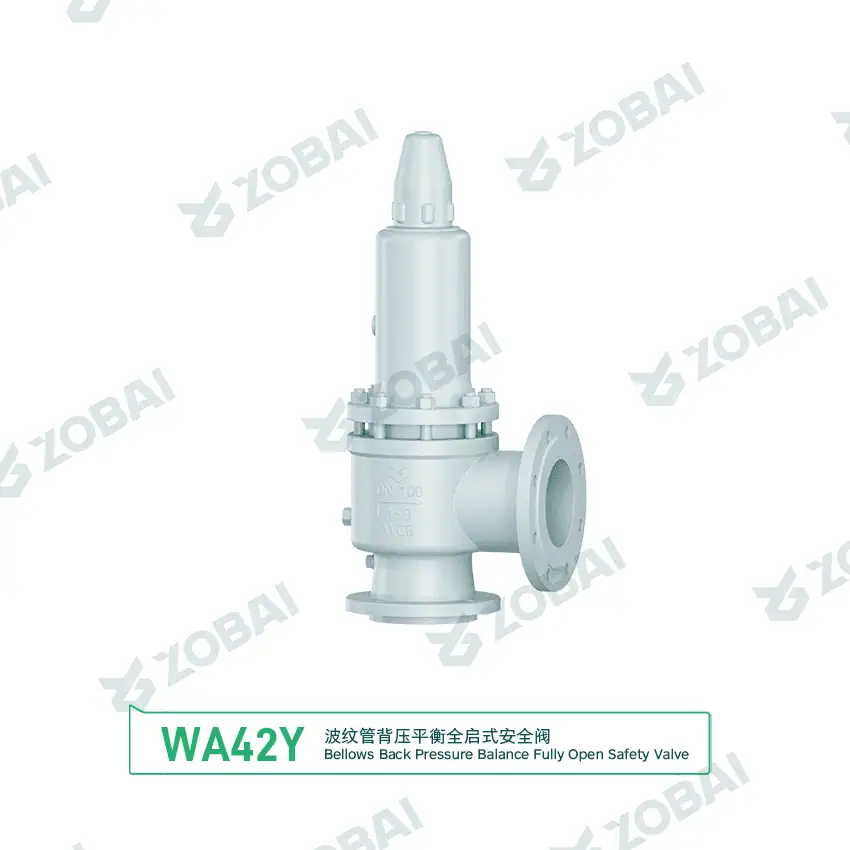
| Centrifugal compressor | Hydrocarbon gas, process gas, air, CO₂ | Blocked discharge, antisurge upset, recycle valve failure | Compressor map, maximum flow, gas properties and back pressure | Conventional, bellows or pilot valve depending on back pressure | Capacity shortfall or unstable operation into flare header |
| Hydrogen compressor | Hydrogen, syngas, fuel cell hydrogen | Blocked outlet, regulator failure, interstage pressure rise | Leakage tightness, material compatibility, vent stack and ignition control | High-pressure gas valve with tight seat and compatible trim | Hydrogen leakage, ignition hazard or material damage |
| Refrigeration compressor | CO₂, ammonia, HFC refrigerant, hydrocarbon refrigerant | Condenser failure, heat input, blocked outlet, compressor upset | Phase behavior, toxicity, low temperature and safe discharge route | Medium-specific relief valve with approved vent arrangement | Dry ice blockage, toxic release or unsafe indoor venting |
| Oil separator package | Air/oil mixture, refrigerant/oil, compressor lubricant | Separator blockage, discharge restriction, thermal expansion | Oil carryover, temperature, return line and separator MAWP | Relief valve sized for gas/oil service and discharge routing | Oil mist release, separator overpressure or fire risk |
How to Specify a Compressor Safety Valve Correctly
1. Confirm the protected equipment
Identify whether the valve protects the compressor casing, discharge line, receiver, interstage bottle, aftercooler, oil separator, filter housing, gas skid or downstream low-pressure header. The weakest protected pressure boundary decides the set pressure limit.
2. Use compressor maximum flow, not normal flow only
Relief sizing should be based on the maximum credible compressor flow at the relieving condition. Normal plant demand or average operating flow is not enough for blocked discharge or control-failure cases.
3. Define gas properties and relieving temperature
Molecular weight, compressibility, specific heat ratio, discharge temperature, phase behavior and possible oil or liquid carryover affect sizing and valve selection. Refrigeration and hydrogen services need extra attention.
4. Review pulsation, vibration and cycling
Compressor systems can create pulsating flow, vibration and repeated pressure cycling. Inlet piping, valve location, support, spring selection and operating margin should be reviewed to reduce chatter and leakage.
5. Check discharge route and back pressure
Compressor PSVs may discharge to atmosphere, vent stack, flare, relief header, suction return or oil separator return. Back pressure, noise, gas dispersion, liquid carryover and ignition risk must be reviewed.
6. Confirm materials and documentation
Body, trim, spring, gasket, bellows and soft seat materials should match air, hydrogen, oxygen, natural gas, ammonia, CO₂, refrigerant or oil service. Required calibration, pressure test and material records should be confirmed before manufacturing.
Compressor Safety Valves Must Be Reviewed With Piping, Pulsation and Venting
Why compressor installation changes valve performance
Compressors generate dynamic pressure, vibration, pulsation, high discharge temperature and sometimes oil or liquid carryover. A safety valve that is correctly sized on paper can still perform poorly if the inlet pipe is long, the outlet is unsupported, the vent header creates excessive back pressure or the valve is installed in a high-pulsation zone.
Compressor PSV installation should review short inlet connection, no unauthorized isolation between protected equipment and valve, outlet support, drainage, vibration isolation, flare or vent back pressure, safe gas dispersion and maintenance access for calibration.
Field installation checks
- Install the valve as close as practical to the protected receiver or discharge component.
- Do not place unauthorized isolation valves between the protected air receiver and safety valve.
- Keep inlet pressure loss within the project design limit.
- Support outlet piping without loading the valve body.
- Route hydrogen, fuel gas, ammonia, CO₂ and oxygen discharge to approved safe locations.
- Provide drainage where condensate, oil or liquid carryover may accumulate.
- Review pulsation, vibration and repeated cycling before final valve location is approved.
Standards and Documents to Confirm Before Ordering
Common standard references
Compressor pressure relief specifications may reference ASME, API, ISO, OSHA, EN, GB, local pressure vessel rules, refrigeration codes, gas supplier standards or owner specifications. The applicable code basis should be confirmed before quotation.
- ASME BPVC pressure relief references where air receivers, gas receivers and compressor package vessels are designed as pressure equipment.
- API 520 Safety Valve Sizing for pressure-relieving device sizing and selection communication in process gas projects.
- API 521 Pressure Relief Systems for blocked discharge, fire case, flare, depressuring and relief-system review.
- API 527 Seat Tightness Test when leakage acceptance and seat tightness testing are required by specification.
- ISO 4126 Safety Valve Standards when project specifications require excessive pressure protection references.
- API 526 Flanged Safety Valves when standardized flanged PSV dimensions, pressure classes and orifice letters are requested.
- OSHA 29 CFR 1910.169 for U.S. air receiver safety valve and receiver protection requirements where applicable.
- API compressor standards such as API 617, API 618 and API 619 may appear in centrifugal, reciprocating or rotary compressor package specifications.
Typical document package
Documentation should be agreed before manufacturing, especially for air receiver systems, process gas compressor skids, hydrogen compressors, refrigeration packages and classed industrial equipment.
- Technical datasheet with model, size, orifice, set pressure and connection.
- Certified relieving capacity or sizing calculation based on compressor maximum flow.
- Set pressure calibration certificate.
- Pressure test report and seat tightness test report when required.
- Material certificate for pressure-retaining parts and trim when specified.
- Oxygen cleaning, degreasing or special packing record when oxygen service is specified.
- General arrangement drawing, dimension, weight and discharge orientation.
- Nameplate, tag number, inspection witness record and project marking confirmation.
Compressor Safety Valve RFQ Data Checklist
| Required Data | Why It Matters | Example Input |
|---|---|---|
| Compressor type | Defines flow behavior, pulsation and relief case. | Screw, reciprocating, centrifugal, rotary vane, scroll, diaphragm |
| Protected equipment | Defines pressure boundary and valve set pressure limit. | Air receiver, discharge line, interstage bottle, aftercooler, oil separator |
| MAWP / design pressure | Defines the maximum pressure allowed for protected equipment. | 10 barg, 45 barg, 100 barg, 250 psi |
| Set pressure | Defines valve opening pressure. | 10 barg, 45 barg, 100 barg, 145 psi |
| Medium | Determines sizing, material, leakage and venting requirements. | Air, nitrogen, natural gas, hydrogen, oxygen, CO₂, ammonia, refrigerant |
| Compressor maximum flow | Confirms whether the valve can relieve the blocked-flow case. | Nm³/h, SCFM, kg/h, compressor map, rated capacity at relieving pressure |
| Relief scenario | Determines the governing capacity basis. | Blocked discharge, control failure, interstage blockage, regulator failure |
| Relieving temperature | Affects material, spring, seal and pressure rating. | Ambient, 80°C, 120°C, 180°C, low-temperature CO₂ condition |
| Operating pressure | Confirms operating margin and leakage risk. | Normal pressure, maximum operating pressure, unload pressure |
| Back pressure | Influences valve capacity and stability. | Atmospheric vent, flare header, relief header, suction return, oil separator return |
| Material / special service | Prevents corrosion, contamination, leakage or ignition risk. | 316SS trim, low-temperature material, oxygen clean, hydrogen service, PTFE seat |
| Required documents | Avoids inspection, installation and commissioning delays. | Datasheet, drawing, MTC, calibration report, pressure test, capacity certificate |
Final selection must be confirmed by compressor datasheet, protected equipment MAWP, compressor performance curve, gas properties, applicable code, verified sizing basis and engineering review.
Common Compressor Safety Valve Selection Mistakes
Buying by connection size only
A valve that fits the compressor package may still be undersized. Compressor maximum flow and protected equipment MAWP must be verified before selection.
Using normal operating flow as relief flow
Blocked discharge and control failure may require relieving the compressor maximum capacity. Normal plant demand does not represent the worst credible relief load.
Ignoring pulsation and vibration
Compressor pulsation can cause chatter, leakage, fatigue and unstable operation. Valve location, inlet piping and supports should be reviewed.
Venting hazardous gas to unsafe areas
Hydrogen, fuel gas, ammonia, CO₂ and oxygen relief require safe routing. Vent direction, gas dispersion, ignition sources and personnel exposure must be checked.
Ignoring flare or relief-header back pressure
Compressor PSVs often discharge into headers. Back pressure can reduce capacity or require a bellows balanced or pilot operated design.
Replacing by old nameplate only
Nameplate data helps, but replacement should confirm current compressor capacity, protected equipment rating, gas composition, temperature, vent route and required documents.
Continue Your Compressor Pressure Relief Review
These related pages help move from compressor application requirements to detailed safety valve selection, sizing, medium-specific review and documentation preparation.
Authoritative Compressor PSV References
Use these official references alongside the project datasheet, compressor curve, protected equipment MAWP and site relief-system study. They help confirm pressure vessel rules, air receiver safety requirements, PSV sizing basis and process compressor package standards.
Compressor Safety Valve FAQ
Prepare a Complete Compressor PSV Datasheet Before Quotation
Send the compressor type, protected equipment, MAWP, set pressure, gas composition, compressor maximum flow, relief scenario, relieving temperature, operating pressure, back pressure, discharge route, material requirement, connection standard and required documents. A complete datasheet helps avoid unsafe assumptions and speeds up engineering review.
Minimum RFQ data
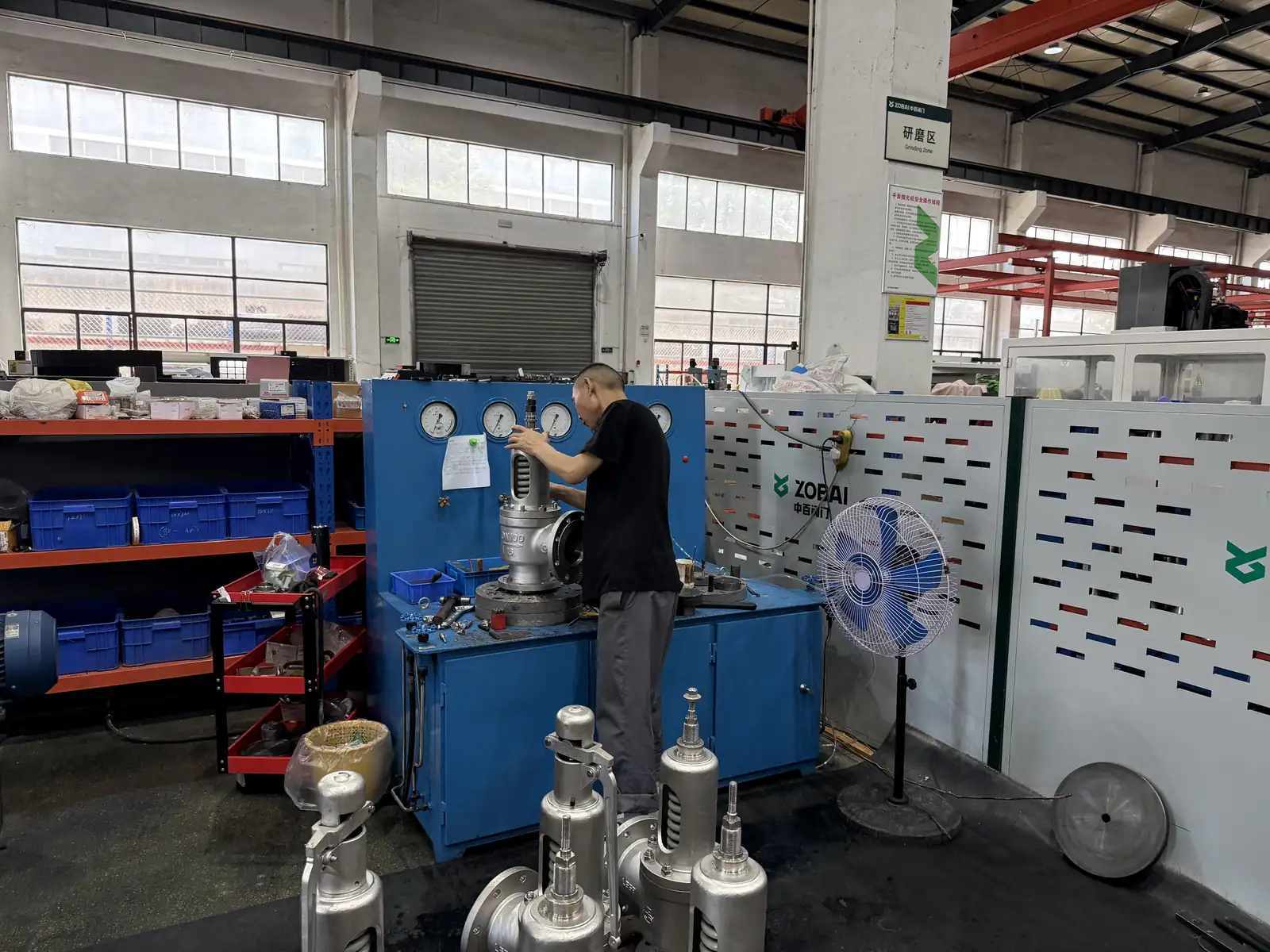
Real Production Evidence for Application Review
For Compressor Safety Valves for Air & Gas PSV Systems | ZOBAI service, supplier review should connect valve construction to set pressure, medium, temperature, capacity, back pressure and the governing code. This actual ZOBAI photograph documents technician calibrating a safety valve on a pressure test stand. Review it with drawings, material records and pressure-test documents.