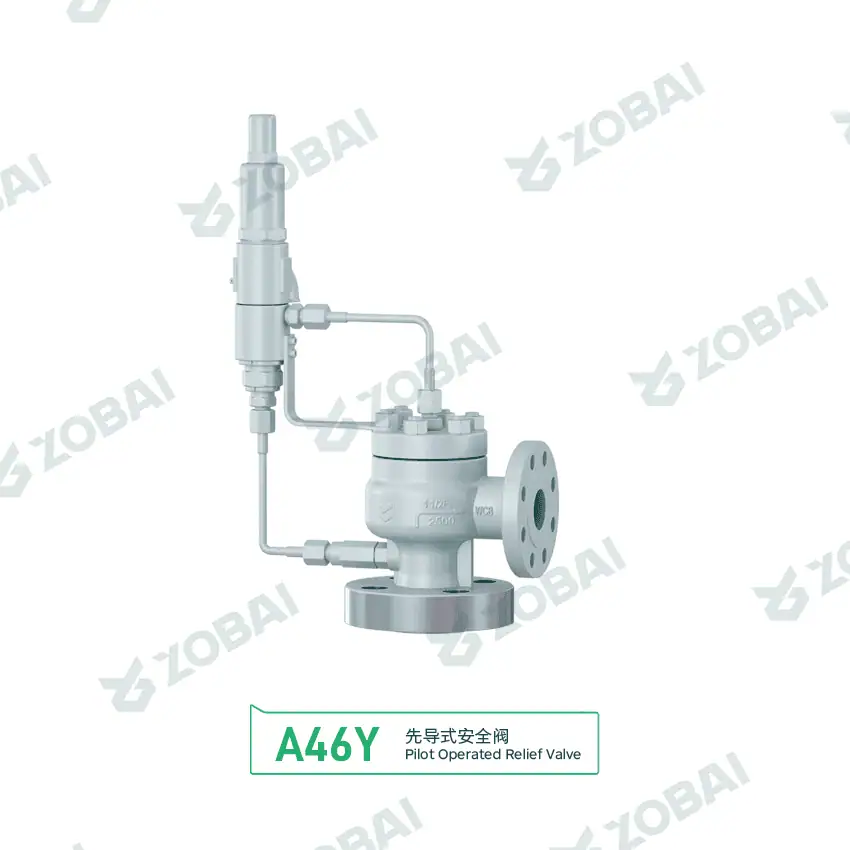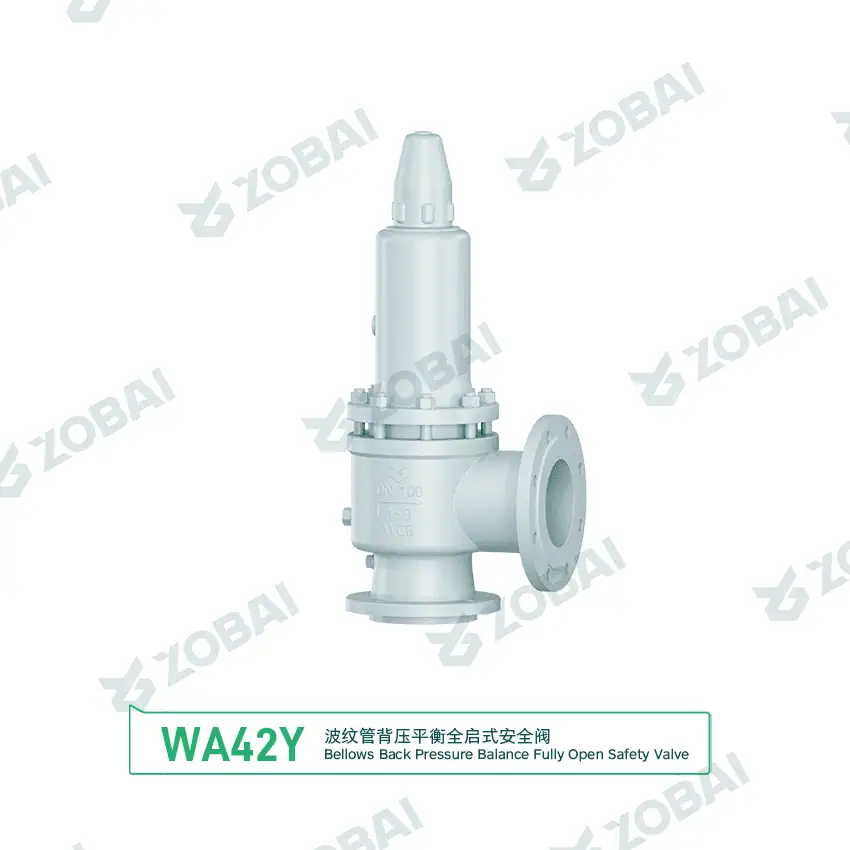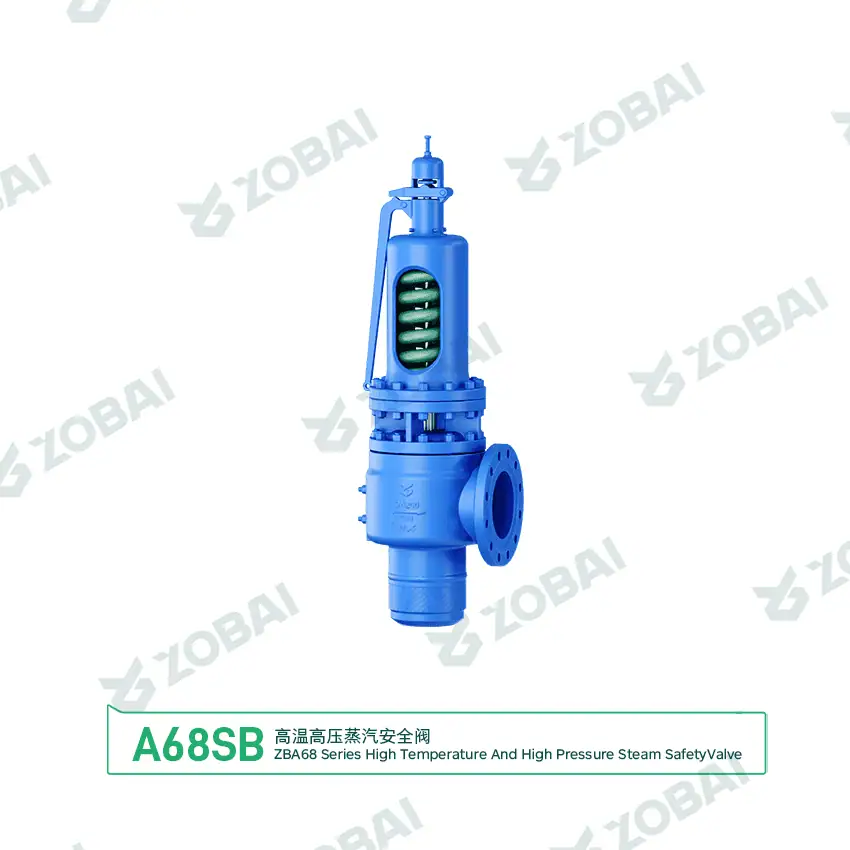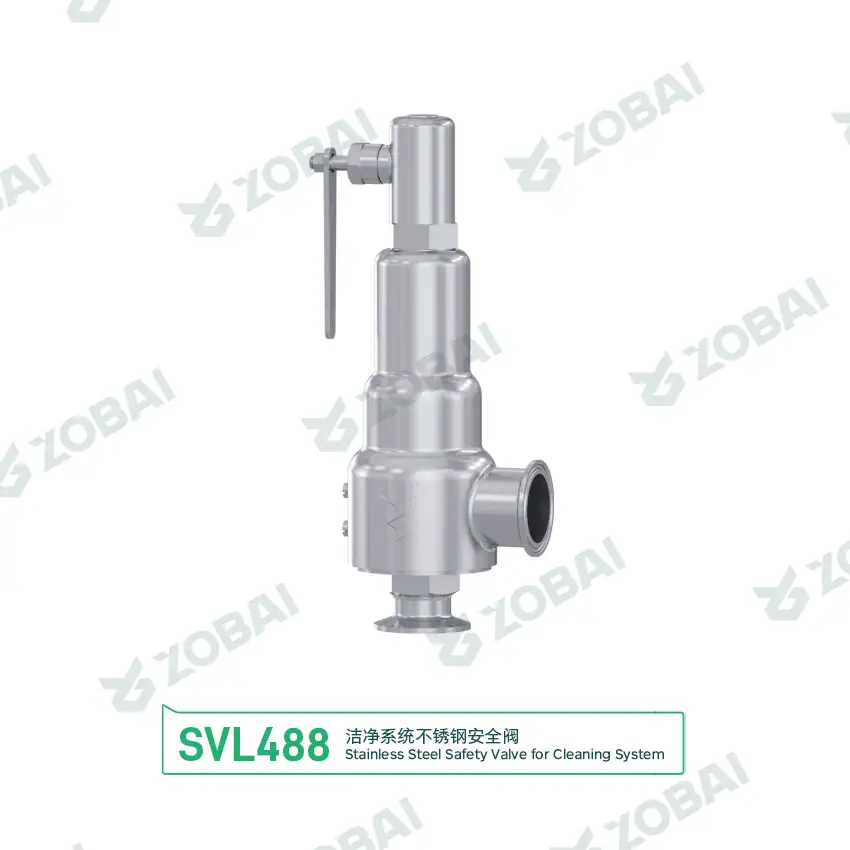
Pipeline Safety Valves for Liquid Transfer, Gas Regulation, Pump Stations and Thermal Relief
Pipeline safety valves and relief valves protect liquid transfer lines, blocked-in pipeline sections, pump discharge headers, compressor discharge lines, gas pressure regulating stations, metering skids, pig launchers, pig receivers, tank farm piping, chemical transfer lines, LNG transfer lines and utility pipelines from overpressure. Correct selection starts with pipeline design pressure or MAOP, set pressure, relief scenario, required capacity, liquid or gas properties, thermal expansion, pump or compressor maximum flow, surge risk, back pressure, discharge destination, material compatibility and required test documents.
Where Safety Valves Are Used in Pipeline and Transfer Systems
Pipeline pressure relief includes small thermal relief valves for blocked-in liquid sections, large relief valves for pump or compressor discharge protection, and pressure protection valves for gas pressure reducing and metering stations. The device type depends on whether the protected system is liquid, gas, cryogenic, corrosive, flammable, toxic or high-pressure service.
Liquid Transfer Pipelines
Used on crude oil, refined product, diesel, chemical, solvent, water, glycol and utility liquid lines. Relief review should include blocked-in thermal expansion, pump deadhead, surge, overfilling, valve closure and safe drain or return routing.
Gas Transmission and Regulation Stations
Used on natural gas pipelines, pressure reducing stations, metering skids, city gate stations and fuel gas headers. Selection should review regulator failure, downstream MAOP, gas capacity, seat tightness and vent stack safety.
Pump Stations and Loading Lines
Used on pump discharge headers, terminal loading lines, tank farm transfer systems and pipeline booster stations. Pump curve, deadhead pressure, minimum flow, surge relief and return-to-tank capacity should be reviewed.
Compressor Stations and Gas Headers
Used on compressor discharge lines, interstage piping, aftercoolers, gas receivers and recycle headers. Compressor maximum flow, pulsation, vibration, flare back pressure and safe gas discharge are key selection factors.
Pig Launchers, Receivers and Traps
Used on pigging stations, launcher barrels, receiver barrels, trap equalization lines and blowdown systems. Relief review should include isolation error, trapped pressure, liquid slug, blocked vent and safe depressurization path.
Cryogenic and Specialty Pipelines
Used on LNG, liquid nitrogen, liquid oxygen, CO₂, ammonia and other specialty media lines. Low-temperature material, trapped liquid expansion, dry ice risk, oxygen cleanliness and safe venting must be reviewed.
Pipeline PSV Selection Starts With the Actual Overpressure Scenario
Pipeline protection is usually driven by a specific operating failure: a closed valve, trapped liquid, pump deadhead, regulator failure, compressor discharge upset, thermal expansion, surge event or blocked vent path. The relief device must protect the weakest pressure boundary under the credible case.
Thermal Expansion of Blocked-In Liquid
Liquid trapped between two closed valves can expand as temperature rises. Even small temperature increases can create high pressure in liquid-full pipe sections, making thermal relief valves important for transfer lines, tank farm piping, heat traced lines and cryogenic liquid sections.
Pump Deadhead or Blocked Discharge
A centrifugal, gear, screw, diaphragm or positive displacement pump can overpressure downstream piping when discharge is blocked. Relief sizing should use pump curve, maximum flow, deadhead pressure and return or drain destination.
Gas Regulator Failure
A pressure reducing regulator can fail open and expose downstream piping to higher upstream pressure. The relief valve should protect the downstream MAOP, metering equipment, low-pressure header and connected users.
Compressor Discharge Overpressure
Compressor control failure, blocked discharge, recycle valve failure or antisurge upset can raise gas pipeline pressure. Compressor maximum flow, gas properties, discharge temperature and flare or vent back pressure should be reviewed.
Surge, Water Hammer or Rapid Valve Closure
Long liquid pipelines can experience pressure surge from pump trips, emergency shutdown valves, quick-closing loading arms or check valve slam. Surge relief valves, accumulators or control logic may be required in addition to standard PSVs.
Pigging, Slugging and Trapped Pressure
Pig launchers, receivers and station piping can trap gas or liquid during isolation, equalization or blowdown. Relief selection should consider barrel volume, pressure equalization, slug carryover and safe depressurization.
Pipeline Safety Valve Application Cases with Typical RFQ Data
These cases show how pipeline relief requirements are commonly described before model selection. Final sizing must be confirmed by pipeline datasheet, design pressure or MAOP, fluid properties, pump or compressor data, verified relief calculation and site safety review.
Case 1: Blocked-In Diesel Transfer Line Thermal Relief Valve
Thermal ReliefThermal relief valves are often small, but they protect liquid-full piping from very high pressure. They should be installed at blocked-in sections where liquid can be trapped between closed valves.
Case 2: Crude Oil Pump Station Surge Relief Valve
Surge ProtectionLong liquid pipelines may require surge relief rather than a standard PSV alone. Surge cases should be confirmed by hydraulic transient analysis when rapid pressure waves can occur.
Case 3: Natural Gas Pressure Reducing Station Relief Valve
Regulator FailureGas pipeline relief valves should be based on downstream MAOP and regulator failure flow. Vent stack location should be checked for ignition sources, air intakes and personnel exposure.
Case 4: LNG Transfer Line Thermal Relief Valve
Cryogenic LiquidCryogenic liquid expansion can generate severe pressure rise in blocked-in sections. The relief valve must use suitable low-temperature materials and discharge to an approved cold vapor route.
Case 5: Chemical Transfer Pipeline Corrosion-Resistant Relief Valve
Corrosive LiquidCorrosive pipeline relief must consider both liquid and vapor chemistry. Body, trim, seat, gasket and discharge piping materials should be selected from actual concentration and temperature.
Case 6: Pig Receiver Barrel Safety Valve
Pigging StationPig traps are opened for operation and maintenance, so trapped pressure control is critical. Relief and blowdown routing should be reviewed together to avoid unsafe exposure during pigging.
Pipeline Safety Valve Data Matrix
| Pipeline Service | Typical Medium | Common Relief Cause | Required Engineering Check | Recommended Valve Review | Risk if Missed |
|---|---|---|---|---|---|
| Blocked-in liquid line | Diesel, crude oil, solvent, water, glycol, chemical liquid | Thermal expansion between closed valves | Liquid expansion, line rating, set pressure, return destination | Thermal relief valve with compatible seat and safe return route | Pipe rupture, flange leakage or gasket failure |
| Pump discharge pipeline | Crude oil, refined product, chemical liquid, water | Pump deadhead, blocked outlet, surge | Pump curve, deadhead pressure, transient pressure, return capacity | Relief valve, surge relief valve or pump recirculation protection | Overpressure, liquid hammer or pump damage |
| Gas PRV station | Natural gas, fuel gas, nitrogen, hydrogen | Regulator failure or downstream blockage | Downstream MAOP, regulator maximum flow, vent stack, noise | Gas safety relief valve with tight shutoff and safe venting | Downstream overpressure or unsafe gas release |
| Compressor discharge line | Natural gas, refinery gas, CO₂, air, hydrogen | Blocked discharge, recycle failure, compressor control failure | Compressor maximum flow, temperature, pulsation, back pressure | Conventional, bellows or pilot valve depending on header conditions | Capacity loss, chatter, fatigue or flare overload |
| Cryogenic transfer line | LNG, LN₂, LOX, liquid CO₂, cryogenic liquid | Blocked-in liquid heat leak, valve isolation, vaporization | Low-temperature material, trapped volume, outlet icing, vent routing | Cryogenic thermal relief valve with approved discharge route | Cold embrittlement, severe pressure rise or icy vent blockage |
| Pig launcher / receiver | Gas, crude oil, condensate, multiphase fluid | Isolation error, trapped pressure, blocked blowdown, slug carryover | Trap volume, phase behavior, liquid carryover and blowdown route | PSV plus controlled depressurization and drain review | Unsafe opening, trapped energy release or liquid slug discharge |
How to Specify a Pipeline Safety Valve Correctly
1. Confirm the protected pipeline pressure boundary
Start with pipeline MAOP, design pressure, piping class, flange rating, station datasheet, weakest downstream equipment and applicable code basis. The set pressure should protect the lowest-rated pressure boundary.
2. Define the governing relief scenario
Review thermal expansion, pump deadhead, compressor discharge, regulator failure, blocked outlet, surge, valve closure, overfilling, pigging isolation and fire exposure. The largest credible case controls capacity and valve type.
3. Identify medium, phase and fluid properties
Gas, liquid, flashing liquid, cryogenic fluid and multiphase flow require different sizing inputs. Density, molecular weight, viscosity, vapor pressure, temperature and composition should be provided when available.
4. Review pump, compressor or regulator data
For pump and compressor systems, use maximum credible equipment output rather than normal flow only. For regulator stations, confirm upstream pressure, downstream MAOP and failed-open regulator capacity.
5. Check back pressure and discharge destination
Relief may discharge to tank, suction line, flare, vent stack, closed drain, scrubber, vapor recovery or BOG header. Back pressure, noise, reaction force, gas dispersion and liquid containment must be reviewed.
6. Confirm material and documentation
Body, trim, spring, gasket, bellows and soft seat materials should match corrosive liquid, sour gas, hydrogen, oxygen, cryogenic fluid, ammonia, CO₂ or hydrocarbon service. Required test documents should be confirmed before production.
Pipeline Relief Valves Must Be Reviewed With Surge, Back Pressure and Safe Discharge Routing
Why pipeline installation changes valve performance
Pipeline relief devices are affected by line length, elevation profile, valve closure speed, liquid hammer, flare back pressure, return line pressure, static head, vibration, buried or outdoor service, ambient temperature and maintenance access. A valve that is correctly sized on paper may still fail to protect the system if inlet pressure loss is excessive or the discharge route is restricted.
Installation should review short inlet connection, no unauthorized isolation, outlet support, drainage, gas dispersion, flare or vent header back pressure, closed drain capacity, return line capacity, surge response, cryogenic vent icing and accessibility for calibration or replacement.
Field installation checks
- Confirm pipeline MAOP, piping class and weakest downstream pressure boundary.
- Install thermal relief valves on liquid sections that can be blocked in.
- Keep inlet pressure loss within the project design limit.
- Do not install unauthorized isolation valves between protected line and relief device.
- Support discharge piping without loading the valve body.
- Route gas, flammable vapor, toxic vapor and corrosive discharge to approved safe locations.
- Review surge, liquid hammer, vibration and cyclic operation before final valve location is approved.
Standards and Documents to Confirm Before Ordering
Common pipeline and relief references
Pipeline relief specifications may reference ASME B31.3, ASME B31.4, ASME B31.8, API 520, API 521, API 526, API 527, ISO, EN, GB, local pipeline rules, owner specifications and station package standards. The applicable code basis should be confirmed before quotation.
- ASME B31.3 for process piping in refineries, chemical plants, gas plants, utility systems and package skids.
- ASME B31.4 for liquid and slurry pipeline transportation systems where specified by the project.
- ASME B31.8 for gas transmission and distribution piping systems, including compressor, metering and regulation stations.
- API 520 for pressure-relieving device sizing and selection reference where required by the project.
- API 521 for pressure-relieving and depressuring system review in process and petroleum facilities.
- API 527 when seat tightness testing is required by specification.
- ISO 4126 Safety Valve Standards when general safety valve requirements are required in project specifications.
- Owner specifications for surge relief, thermal relief, sour gas, hydrogen, oxygen, LNG, ammonia, CO₂ or corrosive pipeline service.
Typical pipeline relief document package
Documentation should be agreed before manufacturing, especially for pipeline stations, pump skids, compressor skids, gas regulation stations, LNG transfer lines, pigging systems and chemical transfer packages.
- Technical datasheet with model, size, orifice, set pressure and connection.
- Sizing calculation or certified relieving capacity confirmation.
- Set pressure calibration certificate.
- Pressure test report and seat tightness test report when required.
- Material certificate for pressure-retaining parts and trim when specified.
- Special cleaning, degreasing, low-temperature, sour service or oxygen-clean record when specified.
- General arrangement drawing, dimension, weight and discharge orientation.
- Nameplate, tag number, inspection witness record and project marking confirmation.
Pipeline Safety Valve RFQ Data Checklist
| Required Data | Why It Matters | Example Input |
|---|---|---|
| Pipeline service | Defines relief scenario, medium and valve configuration. | Liquid transfer, gas PRV station, compressor discharge, pump station, pig receiver |
| Design pressure / MAOP | Defines the pressure boundary that must be protected. | 16 barg, 45 barg, 100 barg, 150 psi, PN40, Class 300 |
| Set pressure | Defines valve opening pressure. | Below pipeline MAOP, downstream header limit, pump station protection value |
| Relief scenario | Determines required relieving capacity and response requirement. | Thermal expansion, pump deadhead, regulator failure, blocked discharge, surge |
| Medium and phase | Affects sizing, material, venting and discharge behavior. | Natural gas, crude oil, diesel, solvent, acid, LNG, CO₂, ammonia, multiphase fluid |
| Required relieving capacity | Confirms whether the valve can protect the pipeline. | kg/h, Nm³/h, SCFM, m³/h, GPM, pump curve, compressor map |
| Relieving temperature | Affects material, spring, seat and pressure rating. | Ambient, 60°C, 120°C, -162°C LNG, low-temperature CO₂ condition |
| Operating pressure | Confirms operating margin and leakage risk. | Normal pressure, maximum operating pressure, minimum suction pressure |
| Back pressure | Influences valve capacity, stability and valve type. | Atmospheric vent, flare header, tank return, suction return, closed drain, BOG header |
| Material / special service | Prevents corrosion, embrittlement, contamination or leakage. | 316SS trim, low-temperature material, sour gas service, oxygen clean, PTFE seat |
| Connection and rating | Ensures compatibility with station piping and pressure class. | RF flange, RTJ, NPT, welded end, Class 150–2500, PN16–PN160 |
| Required documents | Avoids inspection, installation and commissioning delays. | Datasheet, drawing, MTC, calibration report, pressure test, capacity certificate |
Final selection must be confirmed by pipeline datasheet, MAOP or design pressure, fluid properties, pump or compressor data, regulator failure basis, applicable code, verified sizing basis and engineering review.
Common Pipeline Safety Valve Selection Mistakes
Ignoring blocked-in liquid thermal expansion
Liquid trapped between closed valves can generate high pressure during heating. Thermal relief is often required even when normal pipeline pressure looks low.
Buying by pipe size only
Pipe size does not prove relief capacity. Pipeline relief should be checked against pump flow, compressor flow, regulator failure flow, thermal expansion or surge case.
Using normal flow as relief flow
Pump deadhead, compressor blocked discharge and regulator failure can require a much larger relief rate than normal operating flow or average transfer rate.
Ignoring surge and water hammer
Long liquid pipelines can experience transient pressure spikes from valve closure, pump trip or check valve slam. A normal PSV may not respond like a surge relief system.
Venting gas to unsafe locations
Natural gas, hydrogen, CO₂, ammonia and oxygen discharge require safe venting. Vent height, gas dispersion, ignition sources and personnel access should be reviewed.
Ignoring back pressure from return or flare systems
A relief valve discharging to flare, tank return, closed drain or suction return may see back pressure that reduces capacity or causes unstable operation.
Continue Your Pipeline Pressure Relief Review
These internal links help buyers move from pipeline application requirements to valve type selection, sizing, medium-specific service review, back pressure review and documentation preparation.
External Pipeline and Pressure Relief Standards
Use these authority references to confirm the external code basis behind process piping, liquid pipelines, gas transmission and distribution systems, pressure-relieving device sizing, relief system design and safety valve requirements.
Pipeline Safety Valve FAQ
Prepare a Complete Pipeline PSV Datasheet Before Quotation
Send the pipeline service, MAOP or design pressure, set pressure, relief scenario, medium and phase, required capacity, relieving temperature, operating pressure, back pressure, discharge route, material requirement, connection standard and required documents. A complete datasheet helps avoid unsafe assumptions and speeds up engineering review.
Minimum RFQ data
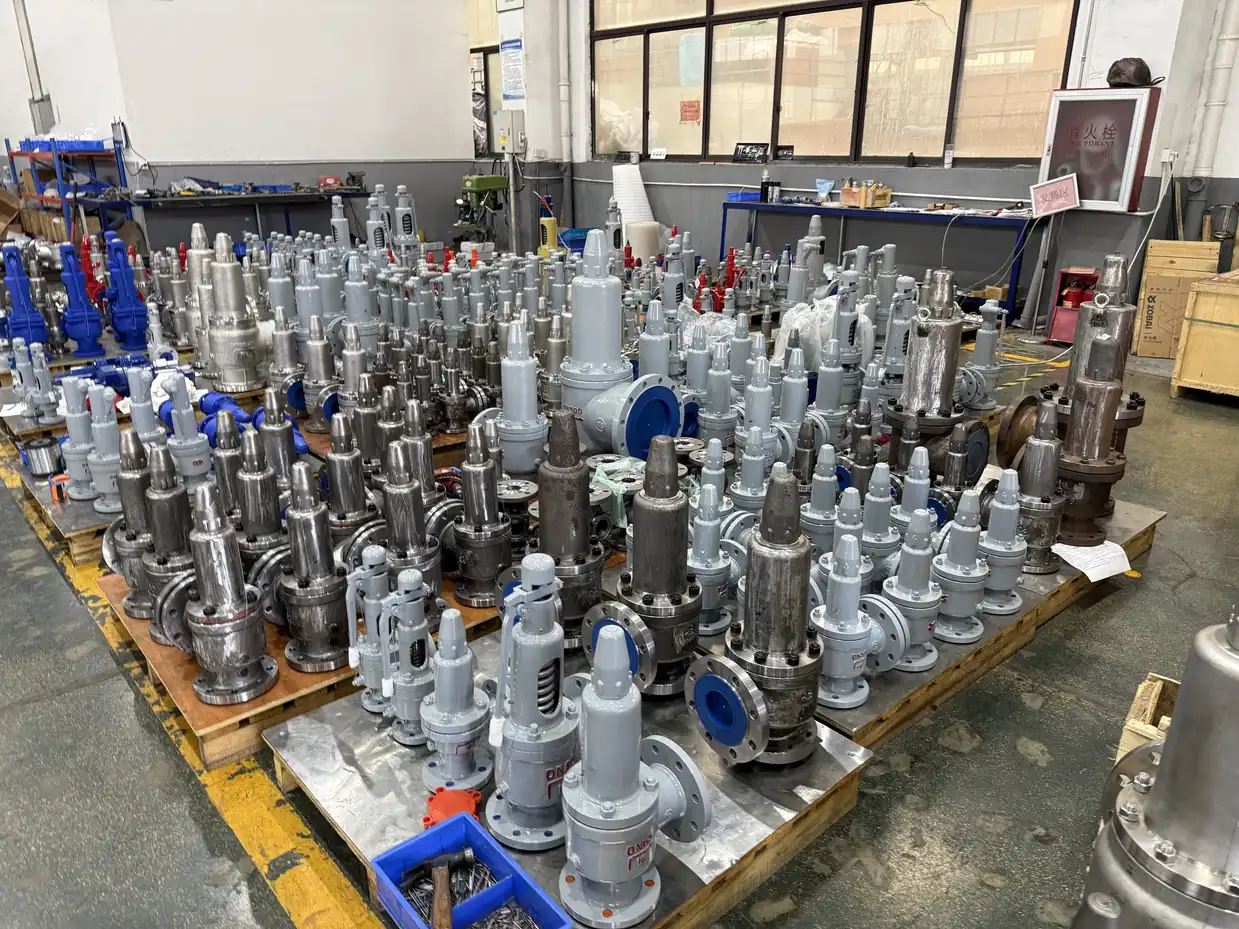
Real Production Evidence for Application Review
For Pipeline Safety Valves for Liquid & Gas Relief Systems | ZOBAI service, supplier review should connect valve construction to set pressure, medium, temperature, capacity, back pressure and the governing code. This actual ZOBAI photograph documents workshop inventory of assembled safety valves. Review it with drawings, material records and pressure-test documents.