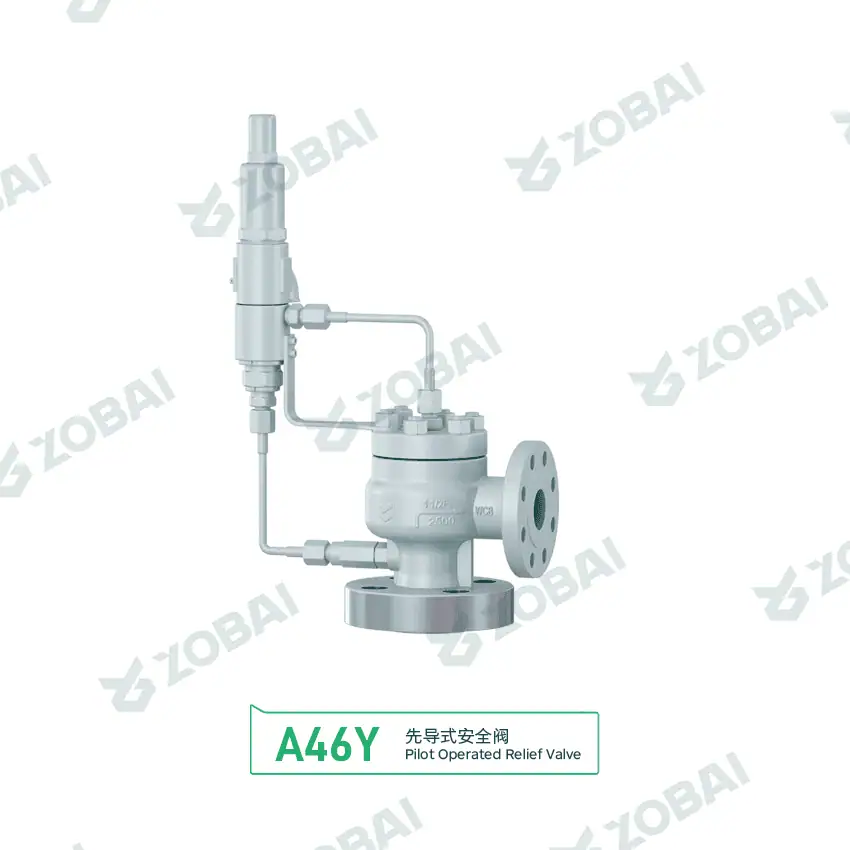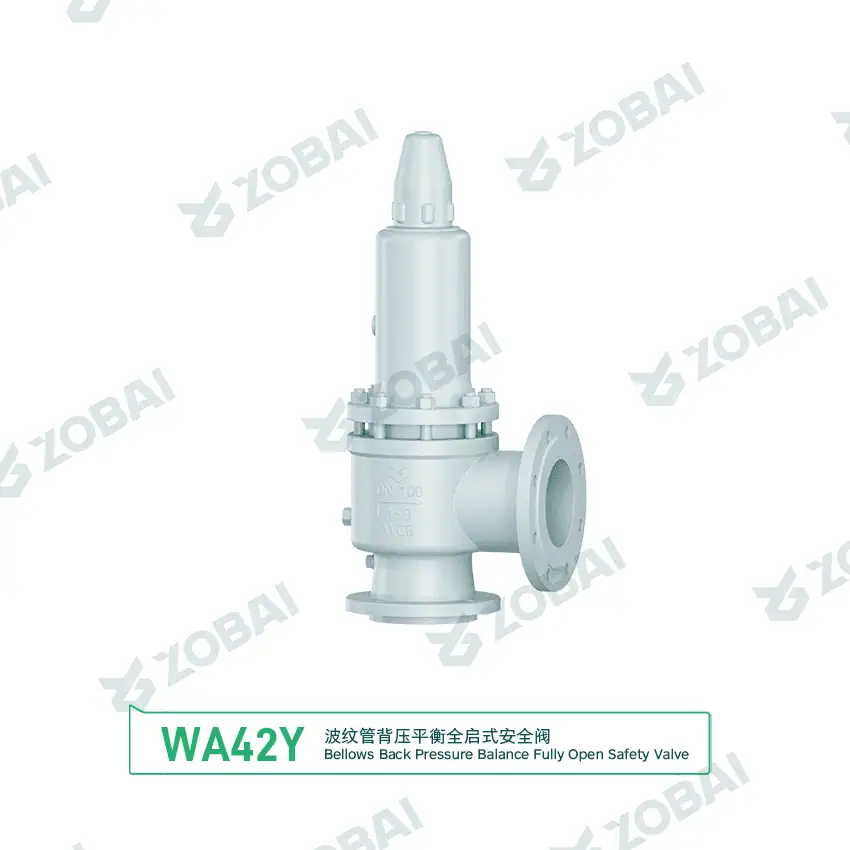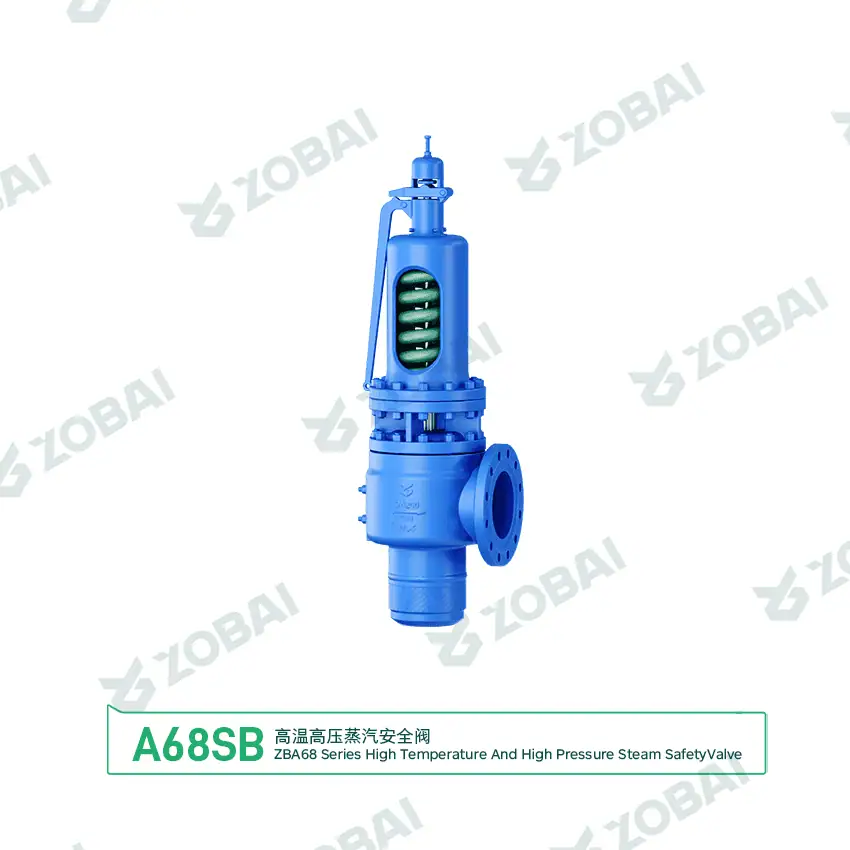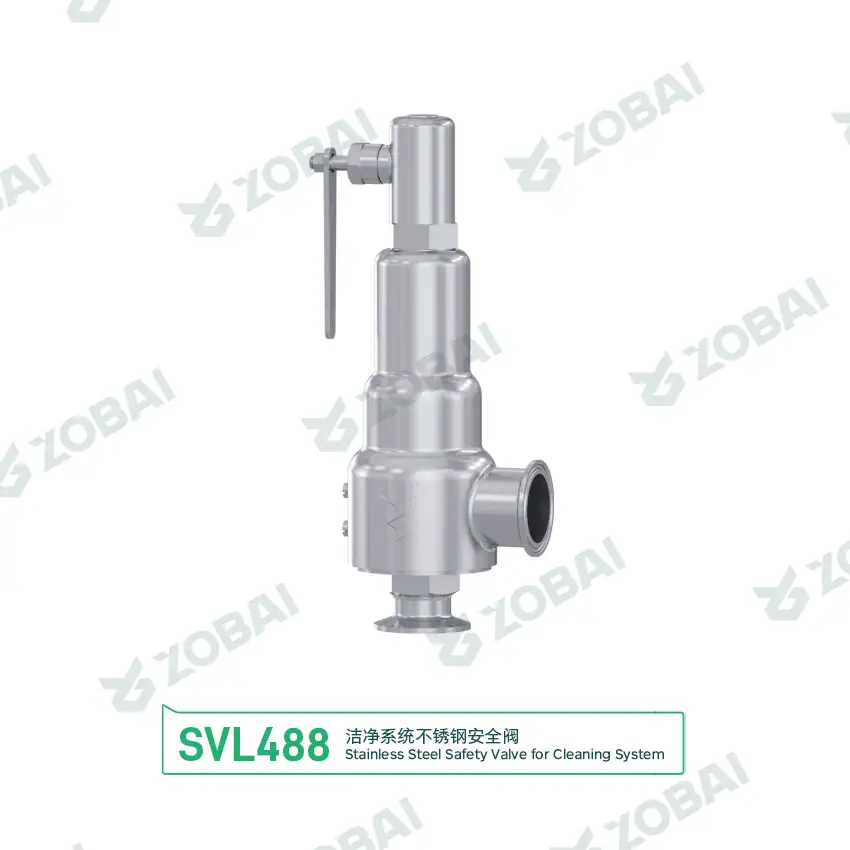
Large Capacity Safety Valves for High Flow Pressure Relief, Flare, Steam and Process Systems
Large Capacity Safety Valves for High Flow Gas, Steam, Vapor, Liquid and Two-Phase Relief
Large capacity safety valves protect pressure vessels, boilers, steam headers, compressors, reactors, heat exchangers, storage tanks, pipelines, flare-connected systems and modular process packages where the required relieving load is high. Correct selection starts with protected equipment MAWP, set pressure, governing relief case, required capacity, medium phase, relieving temperature, allowable overpressure, inlet pressure loss, outlet back pressure, valve orifice, connection rating, reaction force, noise, discharge destination, multiple valve arrangement, material compatibility and required certified capacity documentation.
Where Large Capacity Safety Valves Are Used
Large capacity PSV service is common when the pressure source is powerful, the protected volume is large, vapor generation is high, or several credible relief cases can create a major discharge load. In these systems, valve sizing, discharge piping and relief header design must be reviewed together.
Boilers and Steam Headers
Used on steam drums, superheaters, main steam headers, HRSG systems and process steam networks. Large steam capacity review should include boiler output, set pressure, accumulation, blowdown, lifting lever, silencer sizing, drainability and outlet reaction force.
Refinery and Petrochemical Flare Systems
Used on separators, columns, reboilers, reactors, accumulators and flare-connected vessels. Selection should review fire case, blocked outlet, flare header back pressure, simultaneous relief, two-phase risk and discharge reaction force.
Compressor Discharge and Gas Receivers
Used on air, nitrogen, natural gas, hydrogen, CO₂ and process gas compressor packages. Large flow selection should include compressor maximum flow, blocked discharge, pulsation, vibration, receiver MAWP and safe vent or flare routing.
Reactors and Emergency Relief Systems
Used on chemical reactors, polymerization systems, autoclaves, hydrogenation vessels and batch process plants. Large relief load may come from runaway reaction, gas generation, cooling failure, fire case or blocked vapor outlet.
Storage Tanks and Low-Pressure Vessels
Used on large tanks, pressurized storage spheres, LPG bullets, vapor recovery systems and blanketed storage vessels. Relief review should include emergency venting, fire exposure, vapor generation, inbreathing/outbreathing and environmental control.
High Flow Process Skids and Pipelines
Used on pressure reducing stations, metering skids, utility skids, gas pipelines and liquid transfer systems. Selection should review upstream source pressure, maximum flow, downstream MAWP, noise, reaction force and outlet header capacity.
Large Capacity PSV Selection Starts With the Governing Relief Load
A large valve is not selected because the nozzle looks large. It is selected because the verified relief case requires high certified capacity. The governing case must be identified before the valve type, orifice, connection and discharge system can be finalized.
Fire Case Vapor Generation
External fire can vaporize liquid inventory in vessels, reboilers, separators, tanks and LPG systems. Required relief capacity should consider wetted area, fluid properties, relieving pressure, relieving temperature and discharge system capacity.
Blocked Outlet With Large Upstream Flow
A pump, compressor, pipeline or process source can continue feeding the protected equipment while the outlet is blocked. Large capacity sizing should be based on maximum credible inflow, not normal operating flow only.
Compressor Blocked Discharge
Compressor discharge relief can require large gas capacity. Compressor map, maximum flow, molecular weight, discharge temperature, pulsation, receiver volume and discharge route should be reviewed together.
Steam Generation or Boiler Output
Boilers, steam generators and superheated steam systems require reliable high-flow relief. Valve selection should review steam condition, certified capacity, accumulation, blowdown, noise and safe discharge.
Reaction Gas or Runaway Relief
Exothermic reactions, polymerization, decomposition and wrong addition can generate large gas or two-phase relief loads. Reactor relief review should include kinetics, vapor generation, foaming, toxicity and discharge treatment.
Two-Phase or Flashing Relief
Large capacity relief may be gas, vapor, steam, liquid, flashing liquid or two-phase mixture. Phase behavior affects required area, outlet piping, flare capacity, liquid handling and valve stability.
Large Capacity Safety Valve Application Cases with Typical RFQ Data
These cases show how large capacity PSV requirements are commonly described before model selection. Final sizing must be confirmed by process data, protected equipment datasheet, relief calculation, discharge system review and project standard.
Case 1: Large Steam Safety Valve for Main Steam Header
High Flow SteamLarge steam valves should be reviewed as part of the full steam discharge system. Outlet piping, drains and silencers must match the certified valve capacity.
Case 2: Refinery Separator PSV for Fire Case Relief
Fire CaseFire case relief often controls valve size in hydrocarbon service. The valve cannot be finalized without flare header and back pressure review.
Case 3: Natural Gas Compressor Discharge Large Capacity PSV
Compressor FlowCompressor systems can require very large gas relief capacity. Receiver volume and compressor controls should be reviewed together with the PSV.
Case 4: Reactor Emergency Relief to Scrubber or Quench Tank
Reaction ReliefReactor large capacity relief must be based on credible reaction data and discharge treatment capacity. Fouling and two-phase relief can control the final configuration.
Case 5: LPG Storage Vessel Large Capacity Relief Valve
Pressurized StorageLPG storage relief often uses multiple devices or high-capacity valves. Isolation, testing and discharge routing should be planned before installation.
Case 6: Pressure Reducing Station Large Capacity Downstream PSV
Regulator FailureRegulator failure can require large gas relief capacity even when normal downstream demand is modest. Relief flow should be based on the failed-open case.
Large Capacity Safety Valve Data Matrix
| Large Capacity Service | Typical Medium | Common Relief Cause | Required Engineering Check | Recommended Valve Review | Risk if Missed |
|---|---|---|---|---|---|
| Steam boiler / steam header | Saturated steam, superheated steam | Boiler output, blocked outlet, pressure control failure | Steam capacity, accumulation, blowdown, silencer, drains and outlet force | Full-lift steam safety valve with certified capacity | Insufficient steam relief, seat damage, noise or unsafe discharge |
| Hydrocarbon vessel fire case | Hydrocarbon vapor, liquid carryover, two-phase mixture | External fire exposure | Wetted area, vapor generation, flare back pressure, liquid carryover and simultaneous relief | Large-orifice PSV, bellows PSV or pilot valve depending on service | Undersized fire relief or overloaded flare header |
| Compressor discharge | Air, nitrogen, natural gas, hydrogen, CO₂, process gas | Blocked discharge, control failure, recycle failure | Compressor map, gas properties, pulsation, vibration and vent routing | Large gas PSV or pilot operated valve for clean high-flow gas | Receiver overpressure, chatter, noise or unsafe gas release |
| Reactor emergency relief | Reaction gas, solvent vapor, foam, two-phase mixture | Runaway reaction, cooling failure, blocked vent | Reaction data, vapor generation, toxicity, fouling, two-phase flow and scrubber capacity | Large PSV, rupture disc plus PSV or engineered emergency relief arrangement | Undersized emergency relief or blocked/fouled relief path |
| Pressurized storage | LPG, ammonia, refrigerant, volatile liquid, vapor space gas | Fire exposure, thermal expansion, blocked outlet | Storage volume, fire case, multiple valves, isolation policy and discharge destination | Multiple large capacity PSVs or pilot operated storage vessel valves | Storage vessel overpressure or unsafe venting |
| Pressure reducing station | Natural gas, fuel gas, hydrogen, nitrogen, steam | Regulator failure, bypass leakage, downstream blockage | Failed-open flow, downstream MAOP, noise, dispersion and back pressure | Large gas PSV, pilot operated valve or staged relief arrangement | Downstream overpressure or excessive noise and vent plume risk |
How to Specify a Large Capacity Safety Valve Correctly
1. Define the governing relief case
Large capacity selection must start with the controlling relief case: fire exposure, blocked outlet, compressor discharge, boiler output, regulator failure, reaction gas generation or two-phase relief. The largest credible case controls the required capacity.
2. Confirm certified capacity and selected orifice
The selected valve must provide certified capacity at the specified set pressure, allowable overpressure, medium phase and relieving temperature. Do not use nominal connection size as a substitute for certified relieving capacity.
3. Review inlet pressure loss and valve stability
Large relief flow can create high inlet pressure loss. Long inlet lines, small branches, elbows and reducers can cause unstable operation, chatter or reduced capacity. The inlet path should be short and properly sized.
4. Calculate outlet back pressure and reaction force
High flow discharge can create major outlet pressure drop, vibration, reaction force and noise. Flare headers, vent stacks, scrubbers, silencers and closed systems must be checked before finalizing valve type and outlet size.
5. Decide whether one large valve or multiple valves are better
Some services use multiple PSVs for staged relief, maintenance flexibility, code compliance or very large required capacity. Multiple valve arrangements should review set pressure sequencing, isolation, testing and discharge header load.
6. Confirm noise, discharge safety and documents
Large capacity relief can generate high noise and hazardous discharge. RFQ documents should include sizing report, valve datasheet, certified capacity, drawing, material certificates, set pressure calibration and pressure test records.
Large Capacity PSVs Must Be Reviewed With Inlet Piping, Outlet Piping, Noise and Relief Header Capacity
Why large capacity installation controls real performance
A large capacity valve can only protect the system if the inlet and outlet piping allow it to flow. Excessive inlet pressure loss, undersized outlet pipe, high flare header pressure, unsupported discharge piping, liquid pockets, acoustic vibration or blocked silencers can reduce performance and damage equipment.
Installation should review inlet line size, inlet length, inlet pressure loss, valve verticality, outlet line size, reaction force, pipe support, thermal expansion, flare header hydraulic load, silencer pressure drop, drain points, vent stack location, noise exposure, maintenance access and whether the discharge route can handle the full certified flow.
Field installation checks
- Confirm required capacity is based on the governing relief case.
- Keep inlet pressure loss within the project design limit.
- Support outlet piping for reaction force, vibration and thermal expansion.
- Check flare, scrubber, silencer, vent stack or return system back pressure.
- Provide drains where condensate or liquid carryover may accumulate.
- Review noise exposure and vent plume location for personnel safety.
- Ensure access for lifting, installation, calibration, inspection and valve removal.
Standards and Documents to Confirm Before Ordering
Common large capacity PSV references
Large capacity safety valve specifications may reference ASME, API, ISO, EN, GB, local boiler and pressure equipment rules, owner relief system standards and project piping classes. The applicable design basis should be confirmed before quotation.
- API 520 for pressure-relieving device sizing and selection reference where required by the project.
- API 521 for pressure-relieving and depressuring system review, including flare, fire case and system-level relief cases.
- API 526 when flanged steel pressure relief valve dimensions, pressure classes and orifice designations are specified.
- API 527 when seat tightness testing is required by specification.
- ASME BPVC Section I where boiler and steam generation equipment are part of the project scope.
- ASME BPVC Section VIII where protected vessels, receivers, separators, reactors or storage vessels are pressure vessels.
- ASME B31.3 where connected process piping, relief headers or skid piping are specified under process piping rules.
Typical large capacity PSV document package
Documentation should be agreed before manufacturing, especially for EPC projects, refinery flare systems, steam systems, compressor skids, reactor emergency relief and export pressure equipment.
- Technical datasheet with tag number, model, size, orifice, set pressure and connection.
- Sizing calculation or certified relieving capacity confirmation.
- Relief case basis, medium properties, relieving temperature and back pressure data.
- General arrangement drawing with dimensions, weight, lifting points and discharge orientation.
- Set pressure calibration certificate.
- Pressure test report and seat tightness test report when required.
- Material certificate for body, bonnet, nozzle, disc, trim, spring and pressure-retaining parts.
- Inspection witness record, nameplate, tag list, packing record and spare parts list when required.
Official Standards Sources for Large Capacity PSV Review
Use these official standards-organization pages as authority references when confirming project requirements. Keep ZOBAI internal pages for application guidance, RFQ preparation and product selection, and use the external links below for publisher-level standard identification.
Large Capacity Safety Valve RFQ Data Checklist
| Required Data | Why It Matters | Example Input |
|---|---|---|
| Protected equipment | Defines pressure boundary, code basis and set pressure limit. | Boiler, steam header, separator, reactor, compressor receiver, LPG vessel, pipeline |
| MAWP / design pressure | Defines the maximum pressure the valve must protect. | 10 barg, 16 barg, 42 barg, 100 barg, Class 300 system, 1500 psi |
| Set pressure | Defines valve opening pressure and capacity basis. | 9.5 barg, 15 barg, 42 barg, 100 barg, 600 psi |
| Governing relief scenario | Determines the large relieving load. | Fire case, blocked outlet, compressor discharge, boiler output, regulator failure, runaway reaction |
| Required relieving capacity | Confirms the valve can protect the system. | kg/h, t/h, Nm³/h, SCFM, MMSCFD, L/min, GPM, boiler output, compressor map |
| Medium and phase | Affects sizing, certified capacity, valve type and outlet design. | Steam, natural gas, hydrogen, hydrocarbon vapor, liquid, flashing liquid, two-phase flow |
| Relieving temperature | Affects material, capacity, gasket, spring and trim selection. | -46°C, ambient, 120°C, 250°C, 420°C, 520°C |
| Allowable overpressure / accumulation | Defines sizing basis and code compliance. | Project-specific allowable overpressure or accumulation value |
| Back pressure and discharge route | Controls capacity correction, stability and valve configuration. | Atmospheric vent, steam silencer, flare header, scrubber, closed vent, return line |
| Inlet and outlet piping data | Required for pressure loss, reaction force and installation review. | Pipe size, length, elbows, reducers, header pressure, silencer loss, flare data |
| Valve arrangement | Determines whether one large valve or multiple valves are needed. | Single PSV, dual PSV, staged relief, duty/standby, multiple safety valves |
| Required documents | Avoids inspection, FAT, shipment and commissioning delays. | Datasheet, drawing, sizing report, MTC, calibration report, pressure test, seat test |
Final selection must be confirmed by protected equipment datasheet, governing relief case, required capacity, medium properties, applicable standard, back pressure calculation, certified valve capacity and engineering review.
Common Large Capacity Safety Valve Selection Mistakes
Buying by connection size only
A large inlet and outlet connection does not guarantee enough certified capacity. The selected orifice and certified flow must match the governing relief case.
Using normal flow instead of relief flow
Fire case, compressor blocked discharge, regulator failure or reaction relief can be much larger than normal operating flow. Relief capacity must be calculated from the credible upset case.
Ignoring inlet pressure loss
High flow through a poor inlet arrangement can create instability, chatter or capacity reduction. Large valves need careful inlet piping review.
Underestimating outlet reaction force
Large steam, gas or vapor relief can create strong forces. Unsupported discharge piping can damage the valve, nozzle, vessel or skid frame.
Forgetting flare or silencer back pressure
Large capacity discharge can overload flare headers, scrubbers or silencers. Back pressure should be reviewed before choosing conventional, bellows or pilot operated design.
Ignoring noise and discharge safety
High flow relief can create extreme noise, hot discharge, vapor clouds or toxic releases. Vent location and personnel exposure should be reviewed during design.
Continue Your Large Capacity PSV Selection Review
These related pages help move from high flow relief requirements to detailed valve type selection, sizing, flare review, steam service review, equipment-specific protection and complete RFQ preparation.
Large Capacity Safety Valve FAQ
Prepare a Complete Large Capacity PSV Datasheet Before Quotation
Send the protected equipment datasheet, MAWP or design pressure, set pressure, governing relief scenario, required capacity, medium and phase, relieving temperature, allowable overpressure, inlet piping data, back pressure, discharge route, flare or silencer data, material requirement, connection standard and required documents. A complete datasheet helps confirm certified capacity, stable operation and safe discharge.
Minimum RFQ data
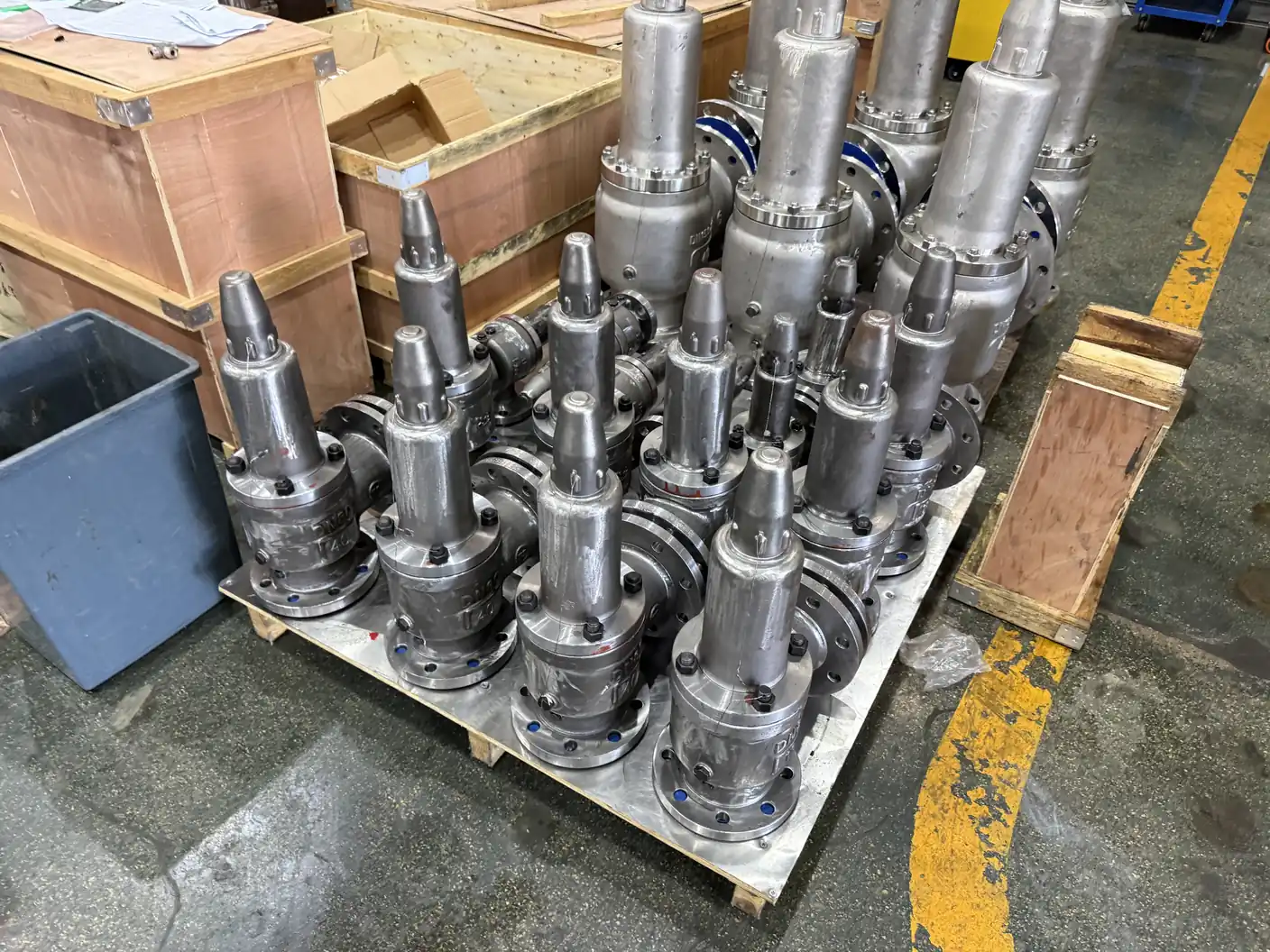
Real Production Evidence for Application Review
For Large Capacity Safety Valves for High Flow PSV Systems | ZOBAI service, supplier review should connect valve construction to set pressure, medium, temperature, capacity, back pressure and the governing code. This actual ZOBAI photograph documents large stainless steel safety valves grouped on a pallet. Review it with drawings, material records and pressure-test documents.