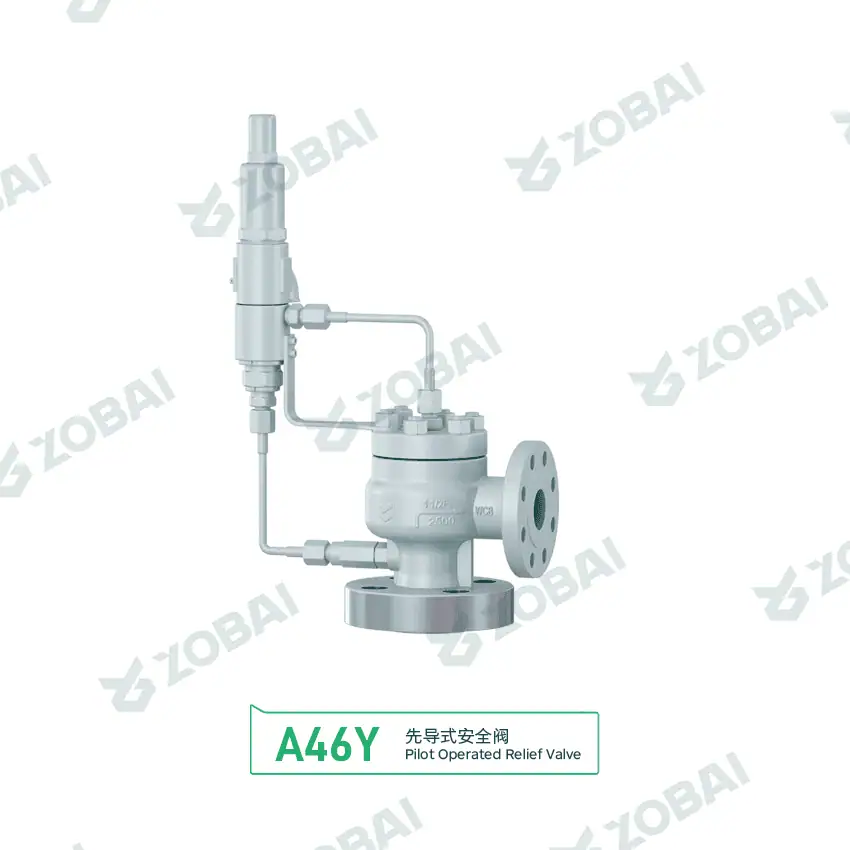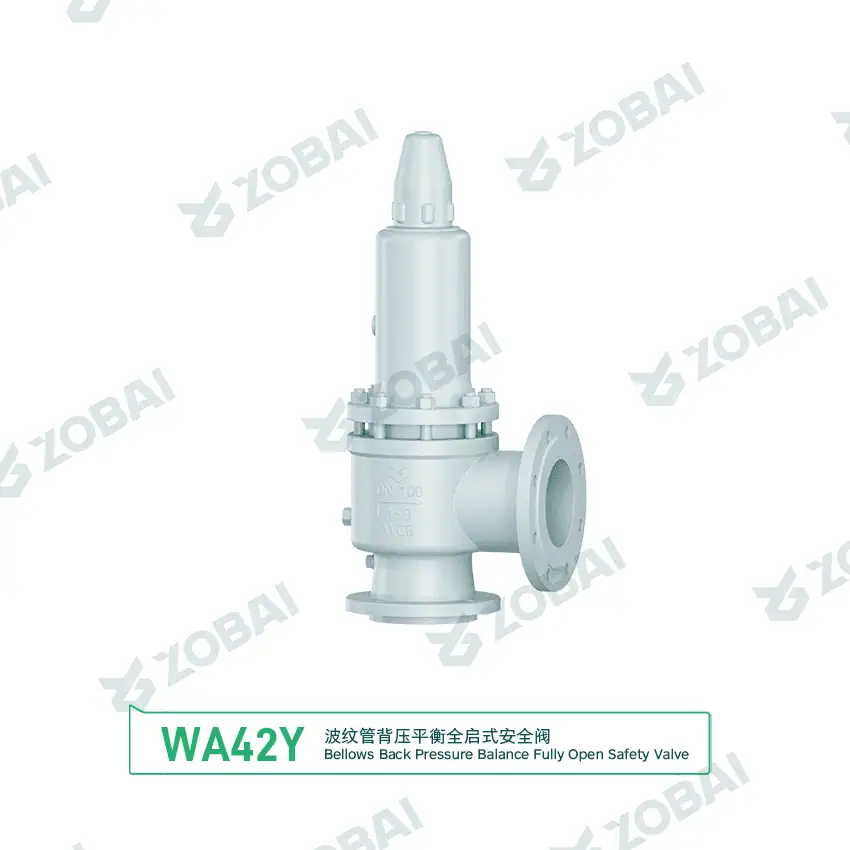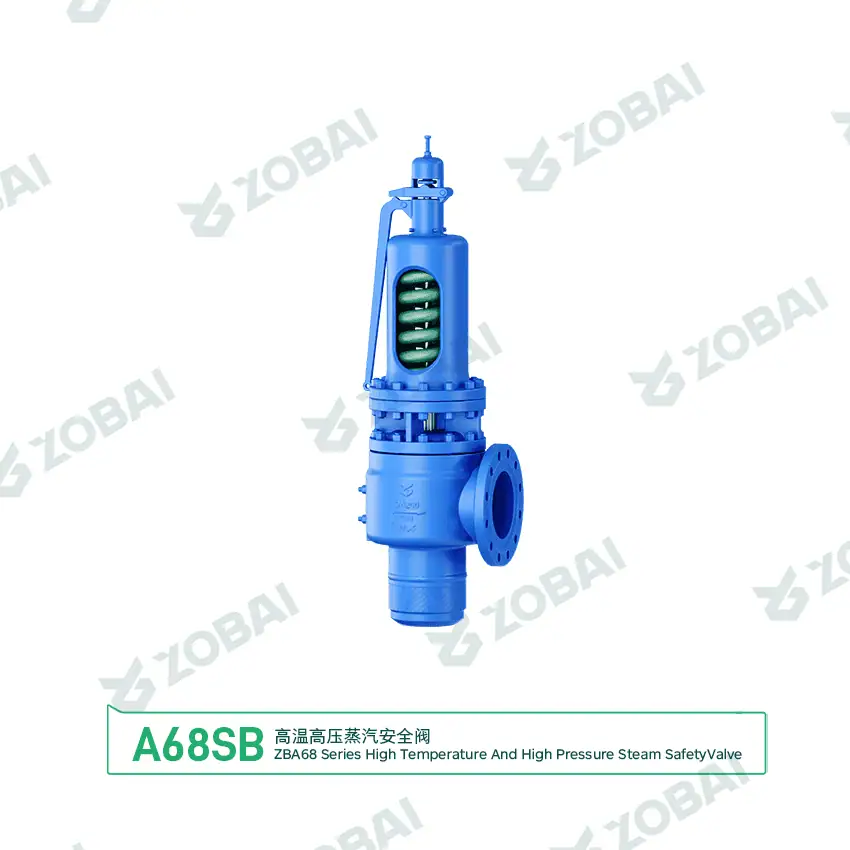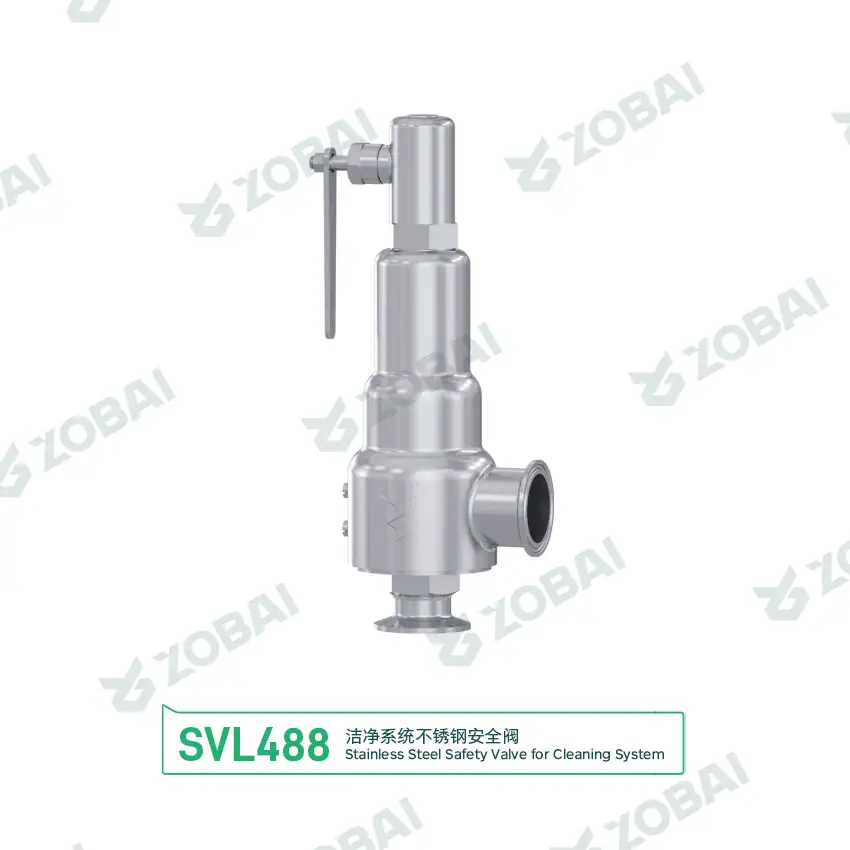
Marine Safety Valves for Shipboard Boilers, Pressure Vessels, Fuel Gas and Utility Systems
Marine and shipbuilding safety valves protect boilers, exhaust gas economizers, steam headers, air receivers, starting air systems, fuel gas skids, LNG fuel supply systems, hydraulic power units, refrigeration packages, inert gas systems, nitrogen generators, freshwater generators and shipboard pressure vessels from overpressure. Selection must consider class rules, flag-state requirements, set pressure, certified capacity, seawater corrosion, vibration, ship motion, compact installation space, discharge safety and inspection documentation.
Where Safety Valves Are Used in Marine and Shipbuilding Systems
Shipboard pressure relief is different from land-based industrial service. Valves are installed in compact machinery spaces, exposed to vibration and corrosion, and often require class survey, certified capacity and traceable documents before vessel delivery or dry-dock acceptance.
Marine Boilers and Steam Systems
Used on auxiliary boilers, composite boilers, exhaust gas economizers, steam drums, superheater outlets, steam headers and heating systems. Selection should confirm certified steam capacity, final set pressure, lifting device requirement, discharge piping and inspection sealing.
Air Receivers and Starting Air
Used on main starting air bottles, service air receivers, control air systems, compressor discharge lines and pneumatic utility skids. Key checks include compressor capacity, receiver MAWP, vibration, drain condition and safe vent direction.
LNG Fuel and Gas Supply Systems
Used on LNG fuel storage packages, cold transfer lines, vaporizer outlets, gas valve units, fuel gas supply skids and boil-off gas lines. Cryogenic material, blocked-in liquid thermal relief, gas capacity and safe venting must be reviewed.
Fuel Oil and Thermal Oil Systems
Used on fuel heating systems, thermal oil heaters, transfer lines, filter housings and pressure reducing stations. Temperature rating, viscous fluid behavior, pump deadhead and fire-safe discharge routing should be considered.
Hydraulic Power Units
Used on steering gear, deck machinery, stabilizers, hatch covers, cranes, winches and hydraulic accumulators. Relief review should include pump deadhead, accumulator pressure, oil temperature, vibration and return-line routing.
Refrigeration and Utility Systems
Used on CO₂, ammonia or HFC refrigeration, freshwater generators, nitrogen generators, inert gas systems, compressed gas cylinders and cooling systems. Medium safety, discharge location and local class requirements should be confirmed.
Marine PSV Selection Starts With the Shipboard Overpressure Scenario
A ship may contain steam, air, fuel gas, hydraulic oil, refrigerant, inert gas and cryogenic liquid systems in limited spaces. The governing relief case must be defined before valve size, spring range, material and documentation can be finalized.
Boiler Firing or Steam Control Failure
Boiler pressure can rise if firing control, steam demand or outlet isolation fails. Safety valves should be sized for required steam capacity and arranged with safe discharge, lifting device and inspection access.
Compressor Discharge or Air Receiver Overpressure
Starting air and service air systems can overpressure if compressors continue running against restricted outlets or failed controls. Receiver MAWP, compressor capacity, moisture drainage and vibration should be reviewed.
Fuel Gas Regulator Failure
Dual-fuel engines, gas valve units and fuel gas supply skids may expose downstream piping to high pressure if regulators fail. Relief valves must protect the lowest-rated downstream component and discharge to a safe gas vent system.
Cryogenic Liquid Thermal Expansion
LNG fuel lines can trap cryogenic liquid between closed valves. Heat ingress can generate rapid pressure rise, so thermal relief valves are needed wherever blocked-in cryogenic liquid can occur.
Hydraulic Pump Deadhead or Accumulator Overpressure
Hydraulic systems can overpressure when pumps operate against closed valves or accumulators are charged above limits. Relief setting, oil temperature, return routing and pressure surge should be checked.
Refrigeration Heat Input or Blocked Outlet
Refrigerant receivers, CO₂ systems and ammonia packages can overpressure from heat input, compressor upset or blocked flow. Discharge routing, toxicity, asphyxiation and classification requirements must be reviewed.
Marine Safety Valve Application Cases with Typical RFQ Data
These cases show how marine and shipbuilding safety valve requirements are commonly described before model selection. Final selection must be confirmed by shipyard datasheet, class rules, flag-state requirements, certified capacity and project inspection plan.
Case 1: Auxiliary Boiler Main Safety Valve
Steam BoilerBoiler safety valves require capacity confirmation and inspection-ready documentation. For marine boilers, final adjustment, sealing and survey requirements should be clarified with the shipyard and classification society before delivery.
Case 2: Starting Air Receiver Safety Valve
Compressed AirStarting air systems are safety-critical for vessel operation. The relief valve should match receiver design pressure and compressor output, while venting should avoid personnel exposure and equipment damage.
Case 3: LNG Fuel Line Thermal Relief Valve
Cryogenic FuelLNG fuel systems require low-temperature material review and safe vent routing. Thermal relief valves may be small, but they protect blocked-in liquid sections from severe pressure rise.
Case 4: Fuel Gas Supply Skid PSV
Dual-Fuel ShipFuel gas relief must protect the lowest-rated downstream piping and equipment. Discharge should be routed to the vessel gas vent system rather than into machinery spaces or enclosed compartments.
Case 5: Hydraulic Power Unit Relief Valve
Hydraulic SystemHydraulic relief valves should be matched to pump capacity and system dynamics. Return piping must be sized to avoid excessive back pressure, oil heating and unstable operation.
Case 6: Shipboard CO₂ Refrigeration Relief Valve
RefrigerationCO₂ relief can cool rapidly during expansion and may create solid formation under some conditions. Vent routing should avoid enclosed spaces and low-ventilation zones.
Marine Safety Valve Data Matrix
| Shipboard Service | Typical Medium | Marine Concern | Common Relief Cause | Required Engineering Check | Risk if Missed |
|---|---|---|---|---|---|
| Marine boiler | Saturated steam, superheated steam | Certified capacity, inspection sealing, discharge pipe reaction | Firing control failure, blocked steam demand | Steam capacity, set pressure, lifting device, survey document | Boiler overpressure or failed class inspection |
| Air receiver | Compressed air | Vibration, moisture, compact machinery space | Compressor overpressure, overfilling, control failure | Receiver MAWP, compressor capacity, drainage, vent direction | Receiver overpressure or unsafe air discharge |
| LNG fuel system | LNG, natural gas vapor, boil-off gas | Cryogenic material, gas-safe venting, class rules | Thermal expansion, vaporizer blockage, regulator failure | Low-temperature material, gas capacity, vent mast, seat tightness | Line rupture, cold leakage or flammable gas accumulation |
| Hydraulic system | Hydraulic oil | Pressure surge, vibration, oil heating | Pump deadhead, accumulator overpressure, blocked actuator | Pump flow, return capacity, set pressure, temperature rating | Component damage, oil overheating or unstable relief |
| Fuel oil / thermal oil | HFO, MGO, thermal oil, heated fuel | High temperature, viscosity, fire-safe routing | Pump deadhead, blocked filter, thermal expansion | Material, seat, viscosity, discharge return and temperature rating | Leakage, fire risk or blocked relief path |
| Refrigeration utility | CO₂, ammonia, refrigerant vapor, glycol | Toxicity, asphyxiation, low temperature, enclosed spaces | Heat input, compressor upset, blocked outlet | Medium compatibility, phase behavior, safe discharge, class approval | Unsafe release, vent blockage or utility shutdown |
How to Specify a Marine Safety Valve Correctly
1. Confirm vessel type and approval requirement
State whether the valve is for merchant ship, offshore vessel, naval auxiliary, tanker, LNG carrier, tug, ferry, dredger or shipyard package. Confirm class society, flag-state requirement, survey stage and certificate expectation before quotation.
2. Define the protected equipment
Identify boiler, steam header, air receiver, compressor, LNG fuel line, vaporizer, fuel gas skid, hydraulic power unit, refrigeration receiver, nitrogen generator or pressure vessel. Equipment MAWP defines the set pressure boundary.
3. Define the governing relief case
Relief may come from boiler control failure, compressor discharge, regulator failure, pump deadhead, trapped liquid expansion, vaporizer outlet blockage, fire exposure or refrigeration heat input. Capacity must match the governing case.
4. Review shipboard environment
Marine valves should be reviewed for vibration, ship motion, salt atmosphere, seawater exposure, limited access, compact piping layout, noise, discharge reaction force and maintenance under dry-dock or voyage conditions.
5. Check material and corrosion protection
Body, trim, spring, bonnet, fasteners and soft parts should match steam, air, fuel gas, cryogenic LNG, hydraulic oil, refrigerant or seawater-adjacent service. Marine coating, stainless trim or special alloy may be required by project specification.
6. Confirm testing and class documents
Marine projects often require datasheets, certified capacity, pressure test reports, set pressure calibration, material certificates, class certificate, inspection witness records, nameplate marking and tag documentation.
Marine Safety Valves Must Be Reviewed With Shipboard Piping and Venting
Why shipboard installation changes valve selection
Shipboard safety valves operate in confined machinery spaces and exposed deck areas where vibration, rolling, pitching, salt corrosion and restricted maintenance access are common. The valve must relieve safely without damaging nearby equipment, injuring personnel or discharging flammable, toxic or hot media into unsafe areas.
Selection should include inlet pressure loss, outlet reaction force, vent pipe support, drainage, water ingress prevention, fire zone routing, deck discharge location, back pressure and access for survey. For boilers and pressure vessels, inspection sealing, testing access and documentation must be considered before delivery.
Field installation checks
- Confirm the class society, flag-state requirement and inspection hold point.
- Keep inlet pressure loss within the project design limit.
- Support discharge piping without loading the valve body.
- Route steam, gas, refrigerant and hydraulic discharge to approved safe locations.
- Check vibration from engines, compressors, pumps and deck machinery.
- Protect exposed valves from seawater spray and salt corrosion.
- Provide access for lifting device operation, calibration, survey and replacement.
Class Rules and Documents to Confirm Before Ordering
Common marine approval references
Marine safety valve specifications may reference class society rules, flag-state requirements, IACS unified requirements, ASME, ISO, EN, GB, shipyard specifications and owner standards. The applicable approval route should be confirmed before quotation.
- ABS Rule Manager, DNV Rules and Standards, Lloyd’s Register Rules and other class rules where specified by the vessel project.
- IACS Unified Requirements where incorporated by the relevant class society rules.
- 46 CFR § 52.01-120 or other flag-state requirements for boiler safety valves, safety relief valves and marine pressure equipment.
- ASME Safety Valve Standards, ASME BPVC Section VIII or local pressure vessel requirements where pressure equipment code basis applies.
- ISO 4126 Safety Valve Standards and ISO 4126-1 where project specifications require excessive pressure protection safety valve standards.
- API 520 sizing guidance, API 527 seat tightness and project-specific documents where API-based PSV review is required.
- Shipyard specifications for nameplate, paint, coating, material, inspection, documentation, class certificate and spare parts.
- Owner specifications for LNG fuel, fuel gas, ammonia, CO₂ refrigeration, corrosion exposure or offshore service.
Typical marine document package
Documentation should be agreed before manufacturing, especially for classed vessels, boiler systems, air receivers, LNG fuel systems, pressure vessels and marine utility packages.
- Technical datasheet with model, size, orifice, set pressure and connection.
- Sizing calculation or certified relieving capacity confirmation.
- Set pressure calibration certificate.
- Pressure test report and seat tightness test report when required.
- Material certificate for pressure-retaining parts and trim when specified.
- Class certificate, type approval or inspection witness record when required.
- General arrangement drawing, dimension, weight and discharge orientation.
- Nameplate, tag number, spare part list and shipyard marking confirmation.
Marine and Shipbuilding Safety Valve RFQ Data Checklist
| Required Data | Why It Matters | Example Input |
|---|---|---|
| Vessel and approval basis | Defines class, flag and inspection requirements. | ABS, DNV, LR, BV, CCS, flag-state rule, shipyard specification |
| Protected equipment | Defines pressure boundary and relief purpose. | Auxiliary boiler, air receiver, LNG line, HPU, fuel gas skid, CO₂ receiver |
| Medium | Determines sizing, material and discharge hazard. | Steam, compressed air, LNG, natural gas, hydraulic oil, CO₂, ammonia, fuel oil |
| Relief scenario | Determines required relieving capacity. | Boiler overpressure, compressor control failure, thermal expansion, pump deadhead |
| Set pressure | Defines valve opening pressure and MAWP protection. | 10 barg, 30 barg, 160 barg, 250 psi |
| Operating pressure | Confirms operating margin and leakage risk. | Normal and maximum operating pressure |
| Required relieving capacity | Confirms whether the valve can protect the system. | kg/h steam, Nm³/h gas, SCFM air, L/min oil |
| Relieving temperature | Affects material, spring, seat and pressure rating. | Saturated steam, -162°C LNG, 80°C oil, ambient air |
| Discharge arrangement | Determines safe venting, back pressure and piping reaction. | Open deck vent, gas vent mast, return tank, flare, relief header |
| Material and corrosion requirement | Prevents seawater corrosion, embrittlement and compatibility failure. | Carbon steel, stainless steel, bronze, low-temperature stainless steel, coated body |
| Connection and rating | Ensures compatibility with ship piping and pressure class. | Flange, threaded, welded, JIS, DIN, ANSI, GB, marine standard flange |
| Required documents | Avoids delivery delay and class inspection failure. | Datasheet, drawing, MTC, calibration report, class certificate, pressure test report |
Final selection must be confirmed by shipyard datasheet, protected equipment MAWP, class society rules, flag-state requirement, verified sizing basis and engineering review.
Common Marine Safety Valve Selection Mistakes
Ignoring class approval requirements
A technically suitable valve may still be rejected if the required class certificate, test record, material certificate or inspection witness document is missing.
Buying by pipe size only
Pipe size does not prove certified relieving capacity. Boiler, air receiver, fuel gas and refrigeration systems require capacity review based on the governing relief case.
Ignoring vibration and ship motion
Marine valves operate near engines, compressors and pumps. Vibration and ship motion can affect piping loads, leakage, fatigue and maintenance reliability.
Routing discharge to unsafe locations
Steam, gas, refrigerant, LNG vapor and hydraulic oil relief must be routed away from personnel, hot surfaces, ignition sources and enclosed spaces.
Using land-based material assumptions
Salt atmosphere, seawater spray, galvanic corrosion and deck exposure can change material and coating requirements. Marine environment should be stated in the RFQ.
Forgetting maintenance access
Machinery spaces are compact. Safety valves need access for lifting device operation, survey, recalibration, removal and replacement without major dismantling.
Continue Your Marine Pressure Relief Review
These related pages help move from shipboard application requirements to detailed safety valve selection, sizing, service-condition review and class-document preparation.
Marine, Class and Pressure Relief References
Use these external references for class-rule orientation and code verification. Final acceptance should always follow the shipyard specification, class society comments, flag-state requirements and project inspection plan.
Marine and Shipbuilding Safety Valve FAQ
Prepare a Complete Marine PSV Datasheet Before Quotation
Send the vessel type, class society, protected equipment, medium, relief scenario, set pressure, operating pressure, required capacity, temperature, discharge arrangement, material requirement, connection standard, inspection requirement and required documents. A complete datasheet helps avoid unsafe assumptions and speeds up class-document review.
Minimum RFQ data
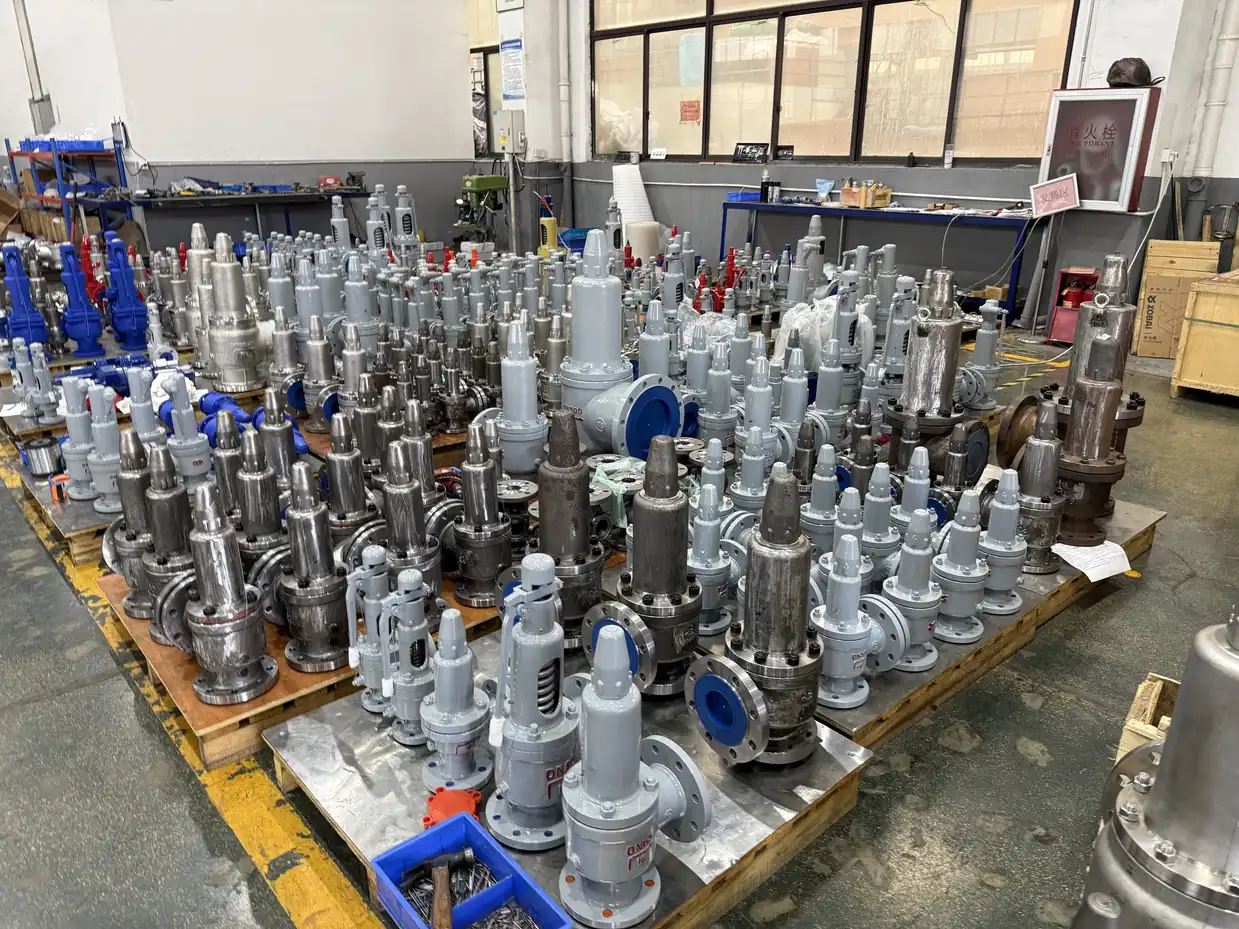
Real Production Evidence for Application Review
For Marine & Shipbuilding Safety Valves for Ship PSV Systems | ZOBAI service, supplier review should connect valve construction to set pressure, medium, temperature, capacity, back pressure and the governing code. This actual ZOBAI photograph documents workshop inventory of assembled safety valves. Review it with drawings, material records and pressure-test documents.