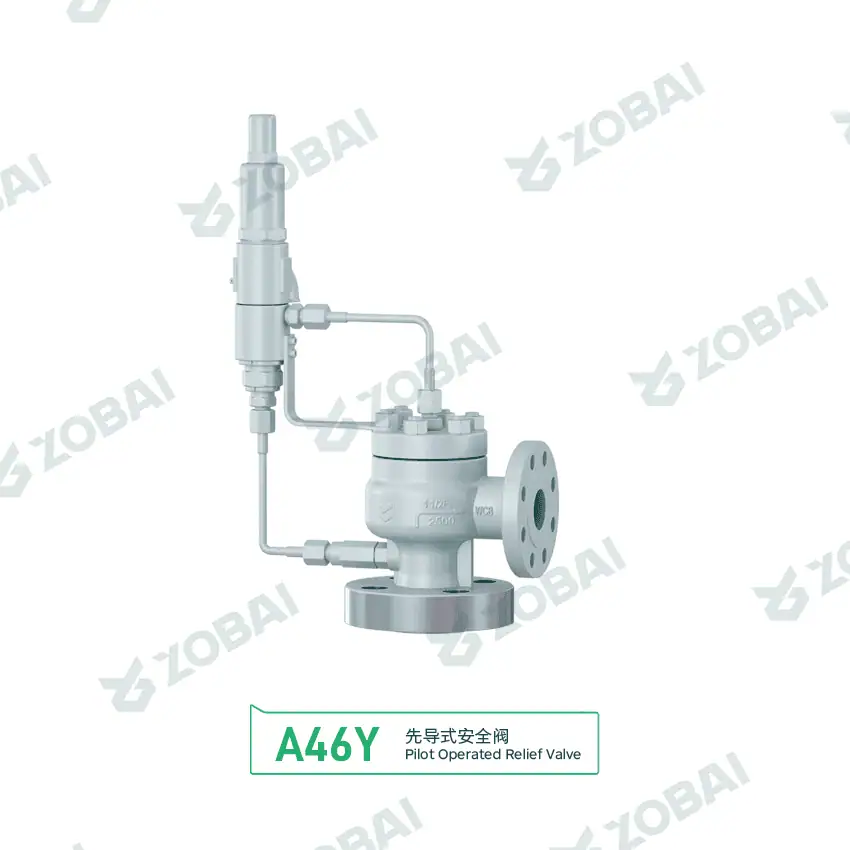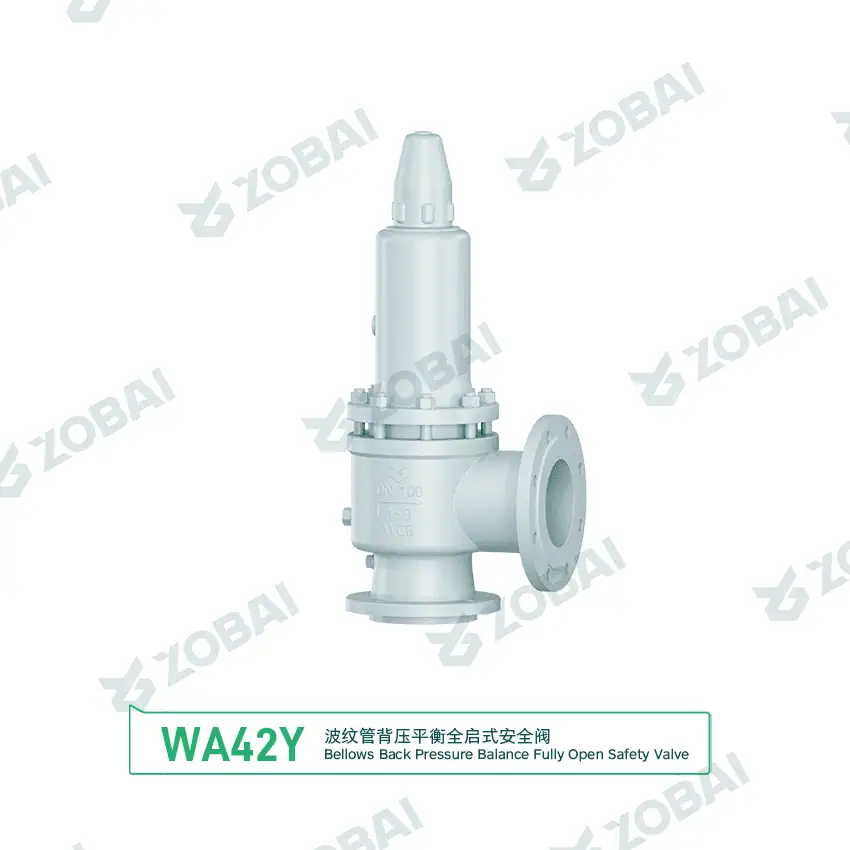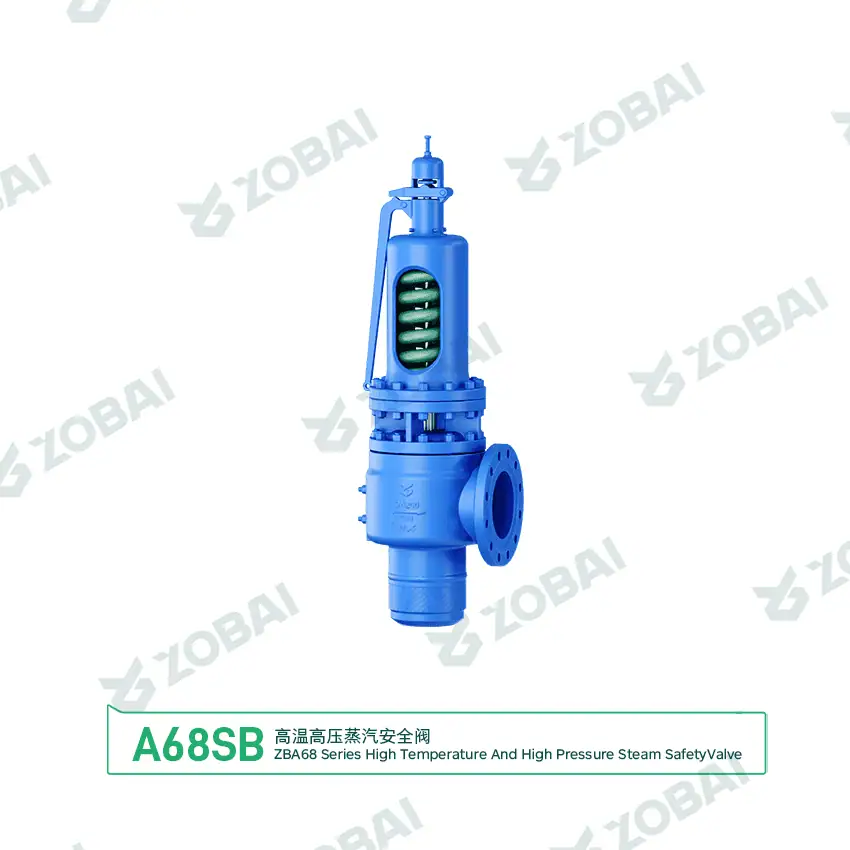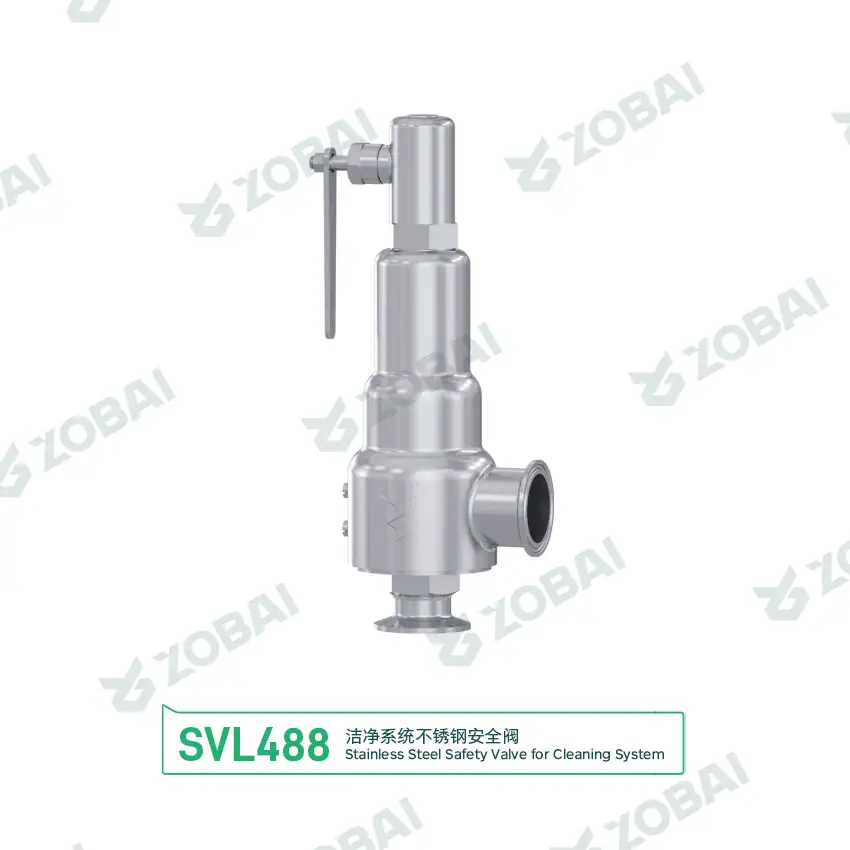
High Temperature Pressure Relief Engineering for Steam, Thermal Oil, Hot Gas and Process Systems
This application guide covers high temperature safety valves used on steam systems, superheated steam headers, boilers, heat recovery systems, thermal oil heaters, hot water generators, reactors, reboilers, vaporizers, hot gas lines, catalytic units, furnace coils and process skids. Selection should start with the governing relief scenario, set pressure, relieving pressure and temperature, required capacity, fluid phase, pressure-temperature rating, allowable stress and material limits, spring and bonnet temperature, seat and gasket suitability, inlet pressure loss, outlet reaction force, back pressure, safe discharge routing and required inspection documents.
Where High Temperature Safety Valves Are Used
High temperature service changes the complete pressure-relief system because allowable stress, pressure-temperature rating, trim and spring temperature, gasket sealing, seat leakage, bolting, oxidation, creep, thermal cycling and discharge piping loads can all become more critical as temperature rises.
Steam and Superheated Steam Systems
Used on steam headers, boilers, superheaters, heat recovery systems, steam drums, steam separators and process steam skids. Selection should review certified steam capacity, set pressure, relieving pressure, superheat temperature, blowdown, code-specific lever or test requirements and safe discharge.
Thermal Oil and Hot Oil Systems
Used on thermal oil heaters, hot oil circulation pumps, expansion tanks, heat-transfer skids and jacketed process systems. Relief review should include pump deadhead, blocked outlet, thermal expansion, fire exposure where applicable, viscosity and degradation at relieving conditions, possible flashing and return-line back pressure.
Reactors and Exothermic Process Vessels
Used on chemical reactors, hydrogenation reactors, polymerization vessels, autoclaves and high-temperature process vessels. Key checks include reaction heat, vapor generation, two-phase relief, toxic discharge and material compatibility.
Reboilers, Vaporizers and Heat Exchangers
Used on kettle reboilers, thermosiphon reboilers, vaporizers, condensers, steam heaters and shell-and-tube exchangers. Relief scenarios include blocked vapor outlet, tube rupture, steam control failure and flashing liquid.
Hot Gas and Furnace Systems
Used on hot gas headers, fired heater coils, catalytic oxidizers, incineration packages and exhaust heat recovery units. Valve review should include high gas temperature, oxidation, insulation clearance, noise and vent routing.
High Temperature Skid Packages
Used on packaged steam skids, thermal fluid skids, heater skids, reactor skids and pilot plants. Compact layout requires review of valve orientation, outlet support, insulation, access and nearby instrument temperature limits.
High Temperature PSV Selection Starts With Relieving Temperature and Failure Scenario
High temperature service is not defined by normal operating temperature alone. The valve and connected pressure boundary should be checked at the scenario-specific relieving condition, including relieving pressure, fluid temperature and relevant metal temperature during blocked flow, utility failure, fire exposure, exothermic reaction, hot-oil pump deadhead or vapor generation.
Steam Pressure Control Failure
Failed pressure control, blocked outlet or excessive boiler firing can raise steam pressure. Safety valve selection should review saturated or superheated steam condition, required steam capacity, set pressure, blowdown and discharge pipe design.
Thermal Oil Pump Deadhead or Blocked Outlet
Hot oil pumps can overpressure heaters, exchangers or skid piping when discharge is blocked. Relief sizing should use pump curve, operating temperature, thermal oil properties, return header pressure and safe containment.
Blocked-In Liquid Thermal Expansion
Liquid trapped in hot piping, heat exchangers, reactor jackets or thermal oil loops can expand rapidly when heated. Thermal relief valves are often required even where the trapped volume is small.
Excessive Heat Input or Cooling Failure
Reactors, reboilers, vaporizers and condensers may generate vapor when heat input continues or cooling fails. The PSV may need to handle vapor, flashing liquid or two-phase flow.
Fire Exposure and External Heating
High-temperature vessels, hot hydrocarbon systems and solvent service may require fire-case relief review under the applicable code and project basis. Heat-input assumptions, relieving conditions, material limits, discharge routing, outlet reaction force and back pressure should be reviewed together.
Reaction Heat or Gas Generation
Exothermic reactions, decomposition, catalyst upset or wrong addition can generate vapor or gas at elevated temperature. Relief review should include reaction data, phase behavior, fouling and discharge treatment.
High Temperature Safety Valve Application Cases with Typical RFQ Data
These cases show how high temperature safety valve requirements are commonly described before model selection. Final sizing must be confirmed by equipment datasheet, relieving temperature, process conditions, applicable code, verified relief calculation and engineering review.
Case 1: Superheated Steam Header Safety Valve
Superheated SteamSuperheated steam valves require certified steam-capacity confirmation, temperature-rated pressure parts and a reviewed discharge system. Outlet piping should be supported, drained and routed to control reaction loads, thermal expansion, noise and personnel exposure.
Case 2: Thermal Oil Heater Relief Valve
Thermal OilThermal oil service requires review of viscosity, degradation, hot-liquid or flashing discharge, fire risk and return-route availability. Continuous leakage can create odor, smoke, fire or maintenance problems.
Case 3: Reboiler PSV for High Temperature Vapor Relief
ReboilerReboiler relief can involve flashing or two-phase flow. The valve should be selected from heat input and actual relieving phase, not only normal vapor flow.
Case 4: High Temperature Reactor Safety Valve
Reaction ReliefReactor high-temperature relief should be based on reaction hazard and credible failure cases. Material compatibility and discharge treatment are often as important as pressure setting.
Case 5: Hot Gas Header Relief Valve
Hot GasHot gas service requires review of oxidation, creep or thermal-fatigue risk, thermal expansion and outlet piping stress. Seat, gasket and packing materials must be specifically rated for the actual relieving and metal temperatures; common low-temperature soft goods should not be assumed suitable.
Case 6: High Temperature Water Generator Safety Valve
Hot Water / Steam HeatingHot water relief can flash when pressure drops. Discharge piping should be routed to avoid scalding hazards, water hammer and unsafe release near operators.
High Temperature Safety Valve Data Matrix
| High Temperature Service | Typical Medium | Common Relief Cause | Required Engineering Check | Recommended Valve Review | Risk if Missed |
|---|---|---|---|---|---|
| Superheated steam | Dry steam, saturated steam, superheated steam | Boiler firing upset, blocked outlet, pressure control failure | Steam capacity, superheat temperature, blowdown, lifting lever and outlet force | Steam safety valve with suitable high-temperature body, trim and gasket | Capacity shortfall, leakage, noise or unsafe steam discharge |
| Thermal oil system | Heat transfer oil, hot hydrocarbon liquid | Pump deadhead, blocked outlet, thermal expansion | Oil properties, return pressure, degradation, fire risk and seat tightness | High-temperature liquid relief valve with compatible trim and safe return path | Hot oil leakage, fire risk or line overpressure |
| Reboiler / vaporizer | Hydrocarbon vapor, solvent vapor, flashing liquid | Blocked vapor outlet, excessive heat input, fire case | Heat duty, vapor generation, two-phase relief and flare back pressure | PSV or rupture disc combination depending on fouling and phase behavior | Undersized relief or unstable two-phase discharge |
| High temperature reactor | Solvent vapor, reaction gas, nitrogen, two-phase mixture | Exothermic reaction, cooling failure, blocked vent | Reaction relief data, fouling, toxicity, corrosion and discharge treatment | High-temperature PSV or rupture disc plus PSV for fouling/corrosive service | Toxic release, plugged relief path or inadequate capacity |
| Hot gas header | Hot process gas, flue gas, hydrocarbon vapor | Blocked outlet, control failure, thermal expansion | Gas temperature, oxidation, thermal stress, outlet expansion and noise | Metal-seated high-temperature gas PSV with suitable body and trim | Seat damage, oxidation, leakage or outlet pipe failure |
| Hot water / condensate | Hot water, condensate, wet steam | Steam control failure, tube leak, trapped water expansion | Flashing, scalding risk, drain routing and water hammer | Hot water or steam relief valve with safe discharge arrangement | Scalding hazard, flashing discharge or piping damage |
How to Specify a High Temperature Safety Valve Correctly
1. Confirm relieving temperature, not only operating temperature
The valve should be selected from the scenario-specific relieving temperature and relevant pressure-boundary metal temperature, not simply the highest normal operating value. Steam superheat, hot-oil upset, reactor runaway, fire exposure, blocked vapor outlet and thermal expansion can create different rating conditions.
2. Select materials for strength at temperature
Body, bonnet, trim, spring, bellows where used, bolting, gasket and packing materials should be checked against pressure, temperature, corrosion, oxidation, creep and thermal cycling. Material selection should follow the governing construction code, rating standard, manufacturer data and project specification.
3. Review seat design and leakage expectation
High temperature service often uses metal seats and graphite or other project-approved high-temperature sealing materials. A soft seat may be used only when its exact material, pressure, chemical exposure, decompression behavior and relieving-temperature limit are supported by manufacturer data.
4. Check phase behavior and required capacity
High temperature relief may be steam, hot gas, vapor, liquid, flashing liquid or two-phase mixture. Required capacity should be based on the governing relief case, not normal process flow.
5. Review outlet reaction force and back pressure
High temperature relief can create reaction force, acoustic loading, thermal expansion and transient nozzle loads. Discharge piping, silencers, flare headers, scrubbers or vent stacks must be included in back-pressure, drainage, support and stress review.
6. Confirm installation, insulation and maintenance access
High temperature valves need clearance for any required lifting lever, cap removal, testing, bonnet cooling, insulation breaks and safe maintenance access. Insulation must not hide vents, drains, nameplates or inspection points, and nearby instruments, cables and personnel should be protected from hot discharge and radiant heat.
High Temperature Safety Valves Must Be Reviewed With Outlet Piping, Insulation and Safe Discharge
Why installation is critical in high temperature PSV service
High temperature relief can create thermal expansion, outlet reaction force, vibration, noise, flash steam, hot liquid discharge and severe surface temperature. A correctly sized valve can still fail in service if the inlet pipe is overstressed, the outlet pipe is unsupported, insulation blocks inspection, or discharge is routed toward personnel or equipment.
Installation should review inlet pressure loss, valve verticality, discharge support, pipe expansion, drains, silencers, vent stacks, flare back pressure, thermal insulation, bonnet temperature, lifting lever access, maintenance clearance and safe access for calibration or removal.
Field installation checks
- Confirm set pressure, relieving temperature and pressure-temperature rating.
- Keep inlet pressure loss within the project design limit.
- Support outlet piping without loading the valve body or equipment nozzle.
- Provide drainage for condensate, flashing liquid and rainwater in discharge piping.
- Check thermal expansion, insulation clearance and bonnet temperature exposure.
- Route steam, hot gas, hot liquid and toxic vapor to approved safe destinations.
- Provide safe access for testing, calibration, lifting lever operation and valve replacement.
Standards and Documents to Confirm Before Ordering
Common high temperature references
High temperature safety valve specifications may reference ASME, API, ISO, EN, GB, local boiler and pressure equipment rules, owner specifications and project piping classes. The applicable design basis should be confirmed before quotation.
- ASME BPVC Section I where power boiler or boiler-connected steam equipment is part of the project scope.
- ASME BPVC Section VIII where reactors, separators, receivers, reboilers or vessels are pressure vessels.
- ASME B31.3 Process Piping where connected process piping, hot-oil piping or process skid piping falls within its scope.
- API 520 Part I for pressure-relieving-device sizing and selection within its applicable process-industry scope.
- Safety Valve Installation Guide and API 520 Part II, 7th Edition for inlet pressure loss, outlet piping and installation review where applicable.
- API 521 for pressure-relieving and depressuring system review in process facilities.
- API 526 when flanged steel pressure relief valve dimensions and pressure classes are specified.
- API 527 where the selected valve design and project specification use API 527; otherwise confirm the applicable leakage criterion and test method.
- ISO 4126 for general safety valve requirements and product-level safety valve reference.
- Pressure-Temperature Ratings for checking flange, body material and temperature-related pressure limits.
Typical high temperature document package
Documentation should be agreed before manufacturing, especially for steam systems, thermal oil systems, reactors, refinery service, heat exchangers, hot gas packages and export projects.
- Technical datasheet with tag number, model, size, orifice, set pressure and connection.
- Sizing calculation or certified relieving capacity confirmation.
- Relieving temperature basis and selected pressure-temperature rating.
- Set pressure calibration certificate.
- Pressure test report and seat tightness test report when required.
- Material certificate for body, bonnet, trim, spring, bolting and pressure-retaining parts.
- Special gasket, packing, graphite, alloy, high-temperature coating or cleaning record when specified.
- General arrangement drawing with weight, orientation, discharge direction and maintenance clearance.
High Temperature Safety Valve RFQ Data Checklist
| Required Data | Why It Matters | Example Input |
|---|---|---|
| Protected equipment | Defines pressure boundary, code basis and set pressure limit. | Steam header, boiler, reactor, reboiler, hot oil heater, heat exchanger, skid |
| MAWP / design pressure | Defines the maximum pressure the valve must protect. | 10 barg, 16 barg, 42 barg, 100 barg, Class 300 piping |
| Set pressure | Defines valve opening pressure. | 9.5 barg, 15 barg, 42 barg, 600 psi |
| Relieving temperature | Controls material, spring, gasket, seat and pressure-temperature rating. | 180°C, 280°C, 320°C, 420°C, 520°C |
| Relief scenario | Determines required capacity and phase behavior. | Steam control failure, blocked outlet, pump deadhead, thermal expansion, fire case |
| Medium and phase | Affects sizing, material, outlet piping and discharge safety. | Steam, thermal oil, hot water, hot gas, hydrocarbon vapor, flashing liquid, two-phase flow |
| Required relieving capacity | Confirms whether the valve can protect the system. | kg/h, t/h, Nm³/h, SCFM, L/min, GPM, boiler output, pump curve |
| Operating pressure | Confirms operating margin and leakage risk. | Normal pressure, maximum operating pressure, cycling pressure |
| Back pressure and discharge route | Influences capacity, stability and valve configuration. | Atmospheric vent, steam silencer, flare header, scrubber, return tank, closed drain |
| Material / high temperature parts | Prevents creep, corrosion, seat damage and gasket failure. | WCB, WC6, WC9, CF8M, F11, F22, stainless trim, graphite gasket, metal seat |
| Connection and rating | Ensures mechanical compatibility at pressure and temperature. | RF flange, RTJ, welded end, NPT, Class 150–2500, PN16–PN160 |
| Required documents | Avoids inspection, FAT, shipment and commissioning delays. | Datasheet, drawing, MTC, sizing report, calibration report, pressure test, seat test |
Final selection must be confirmed by protected equipment datasheet, relieving temperature, process conditions, applicable code, verified sizing calculation, manufacturer capacity data and engineering review.
Common High Temperature Safety Valve Selection Mistakes
Using normal temperature instead of relieving temperature
The valve may see higher temperature during blocked outlet, fire case, cooling failure or exothermic reaction. Material and gasket selection should use the relieving condition.
Choosing soft seats for unsuitable temperature
Soft seats can lose sealing performance when temperature exceeds their service limit. Metal seat and graphite sealing parts are often reviewed for high temperature duty.
Ignoring spring and bonnet temperature
High ambient or process heat can affect spring behavior and long-term set pressure stability. Bonnet design, insulation and heat exposure should be checked.
Underestimating outlet reaction force
Steam and hot gas relief can create strong reaction loads. Poor outlet support can damage the valve, nozzle, skid frame or discharge piping.
Ignoring flashing and two-phase discharge
Hot liquid may flash when pressure drops. Reboilers, reactors and hot water systems should be reviewed for vapor, liquid or two-phase relief behavior.
Insulating the valve incorrectly
Insulation can block nameplates, levers, drains or maintenance access. It can also trap heat around the spring or bonnet if not planned correctly.
Continue Your High Temperature PSV Selection Review
These related pages help move from high temperature application requirements to detailed valve type selection, sizing, steam service review, thermal relief and document preparation.
External Standards and Code Sources for High Temperature PSV Review
Use these official sources to confirm code basis, safety valve product requirements and pressure-relieving device sizing or installation rules before final project approval.
High Temperature Safety Valve FAQ
Prepare a Complete High Temperature PSV Datasheet Before Quotation
Send the protected equipment datasheet, MAWP or design pressure, set pressure, relieving temperature, operating pressure, relief scenario, medium and phase, required capacity, back pressure, discharge route, connection rating, material requirement, seat requirement and required documents. A complete datasheet helps avoid unsafe assumptions and speeds up engineering review.
Minimum RFQ data
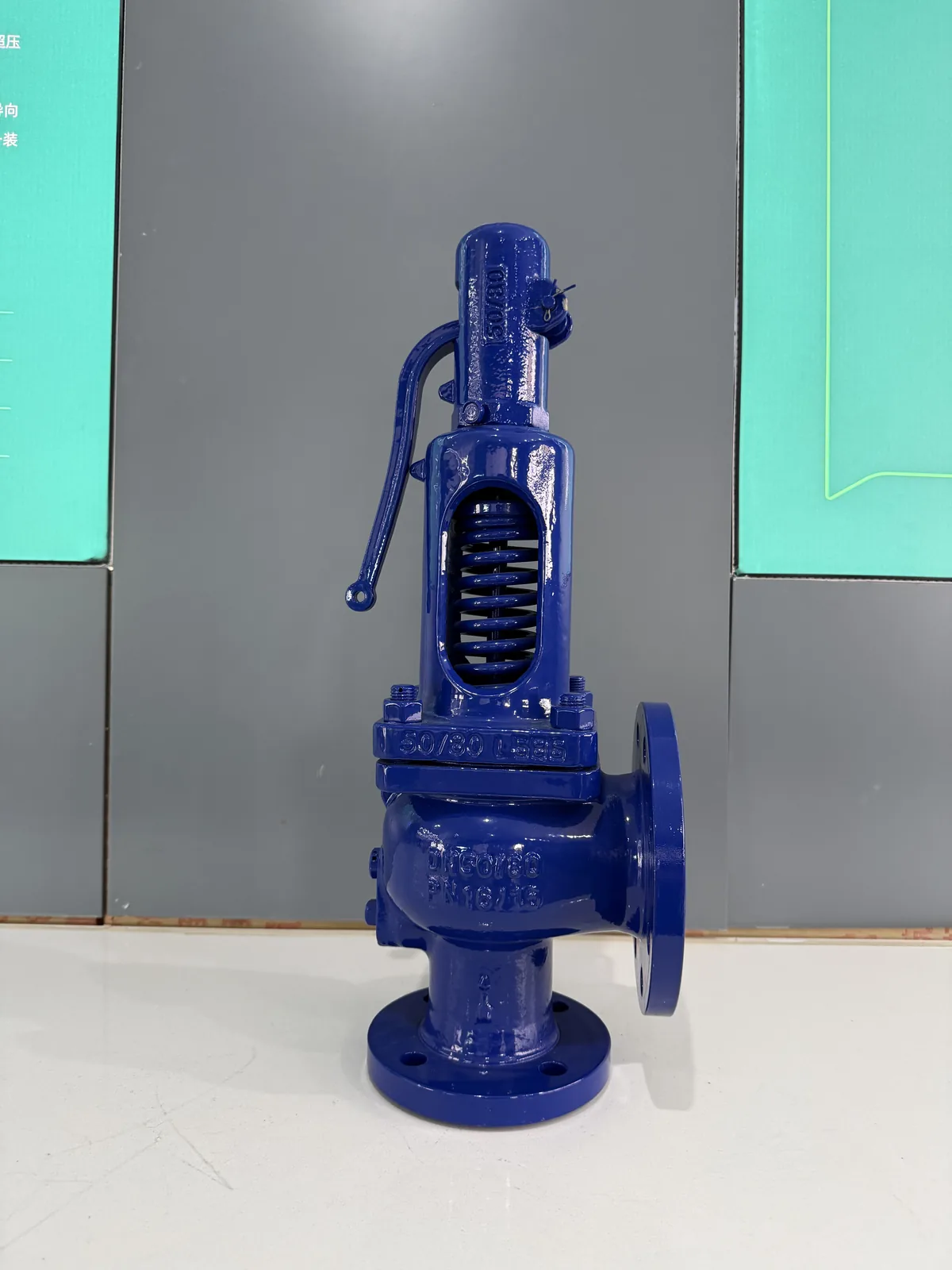
Real Production Evidence for Application Review
For High Temperature Safety Valves for Steam & Hot Gas | ZOBAI service, supplier review should connect valve construction to set pressure, medium, temperature, capacity, back pressure and the governing code. This actual ZOBAI photograph documents blue open-bonnet spring-loaded safety valve on display. Review it with drawings, material records and pressure-test documents.