
ASME Safety Valve Standards: Practical Guide for Boilers, Pressure Vessels and Piping RFQs
Understand how ASME BPVC, ASME B31 piping codes, ASME B16.5 flange ratings and ASME certification marks are commonly used when specifying safety valves and pressure relief valves. This guide is written for procurement, EPC, maintenance and plant engineering teams that need to identify the right code reference, documentation package and RFQ data before selecting a valve.
- ASME BPVC Section XIII provides the overpressure protection framework for pressure relief devices and related equipment references
- BPVC Section I and Section VIII are still important when the protected equipment is a power boiler or pressure vessel
- ASME B31.1, B31.3, B31.8 and B31.12 help define the piping system context around the relief device
- ASME B16.5 and pressure-temperature ratings support flange class, facing, material and connection checks
- Official ASME code text and edition control must be verified through ASME or authorized channels
››› ASME Standards Overview
How ASME applies to safety valves and pressure relief valves
ASME is not a single safety valve datasheet. In real projects it appears as a code family covering boilers, pressure vessels, overpressure protection rules, pressure piping, flanges, material ratings, certification marks and inspection documentation. A correct RFQ should identify both the protected equipment and the piping environment around the valve.
This page does not reproduce copyrighted ASME code text. It explains the practical buying meaning of common ASME references so that engineers and purchasing teams can prepare clearer safety valve RFQs, compare supplier documents and avoid mismatched certification or connection requirements.
Use this page to identify
- Which ASME reference is most likely related to the protected equipment
- Whether the project is a boiler, pressure vessel, process piping, power piping, gas pipeline or hydrogen system application
- Where BPVC Section XIII, Section I, Section VIII, B31 codes and B16.5 may affect the RFQ
- What certification mark, nameplate data, capacity statement and test records may be requested
- What operating data ZOBAI needs before recommending a safety valve series
››› Core ASME References
Choose the ASME route before selecting a safety valve
The most relevant ASME reference depends on the protected equipment, medium, pressure boundary and installation arrangement. Start with the equipment code, then confirm piping code, flange rating, material compatibility, certified capacity and inspection documentation before issuing the final purchase order.
BPVC Section I
Power Boiler Safety Valves
Use this route for power boilers, steam drums, superheaters, economizers and boiler external piping when boiler overpressure protection, certified steam capacity and boiler safety valve documentation must be confirmed.
BPVC Section VIII
Pressure Vessel Safety Valves
Use this route for pressure vessels such as receivers, separators, reactors, heat exchangers and storage vessels where MAWP, set pressure, relieving capacity and pressure vessel safety valve certification are central to the RFQ.
ASME B31.1
Power Piping Relief Valves
Use this route for power piping, boiler external piping, steam plants, high-temperature water systems and utility piping where relief location, inlet/outlet piping and pressure design basis must be coordinated.
ASME B31.3
Process Piping Relief Valves
Use this route for refinery, chemical, pharmaceutical, semiconductor, cryogenic and process plant piping where relief scenario, fluid properties, material compatibility and installation details influence valve selection.
ASME B31.8
Gas Pipeline Relief Valves
Use this route for gas transmission and distribution systems, compressor stations, metering stations, pressure reducing stations and natural gas pipeline protection where MAOP, regulator failure and venting must be reviewed.
ASME B31.12
Hydrogen Piping Relief Valves
Use this route for gaseous hydrogen, hydrogen mixture and liquid hydrogen piping projects where high pressure, leakage control, material compatibility and hydrogen service documentation require closer engineering review.
››› Application Map
How ASME references connect to real safety valve applications
The same safety valve design may be used in different code environments, but the required documentation can change significantly. A steam boiler, pressure vessel, process skid or gas pipeline station may all need overpressure protection; the RFQ should identify the governing equipment code, piping code, installation arrangement and documentation expectation.
Boilers & Steam Systems
Review BPVC Section I, BPVC Section XIII, ASME B31.1 and flange ratings for boiler safety valves, steam drums, superheaters and power piping connections.
Pressure Vessels
Review BPVC Section VIII and BPVC Section XIII for receivers, separators, reactors, heat exchangers, storage vessels and vessel-mounted safety valves.
Process Skids & Chemical Plants
Review ASME B31.3 together with the protected equipment limit, relieving scenario, material requirement, back pressure and outlet disposal route.
Natural Gas Systems
Review ASME B31.8 for gas pipelines, compressor stations, pressure regulating stations and downstream headers after regulator failure scenarios.
Hydrogen Systems
Review ASME B31.12 for hydrogen piping and confirm material compatibility, leakage control, pressure class, venting and documentation before valve selection.
Flanged Connections
Review ASME B16.5 and pressure-temperature ratings to confirm flange class, facing, bolting, gasket compatibility and temperature limitations.
››› Certification & Markings
ASME safety valve RFQs often include certification, capacity and test documentation
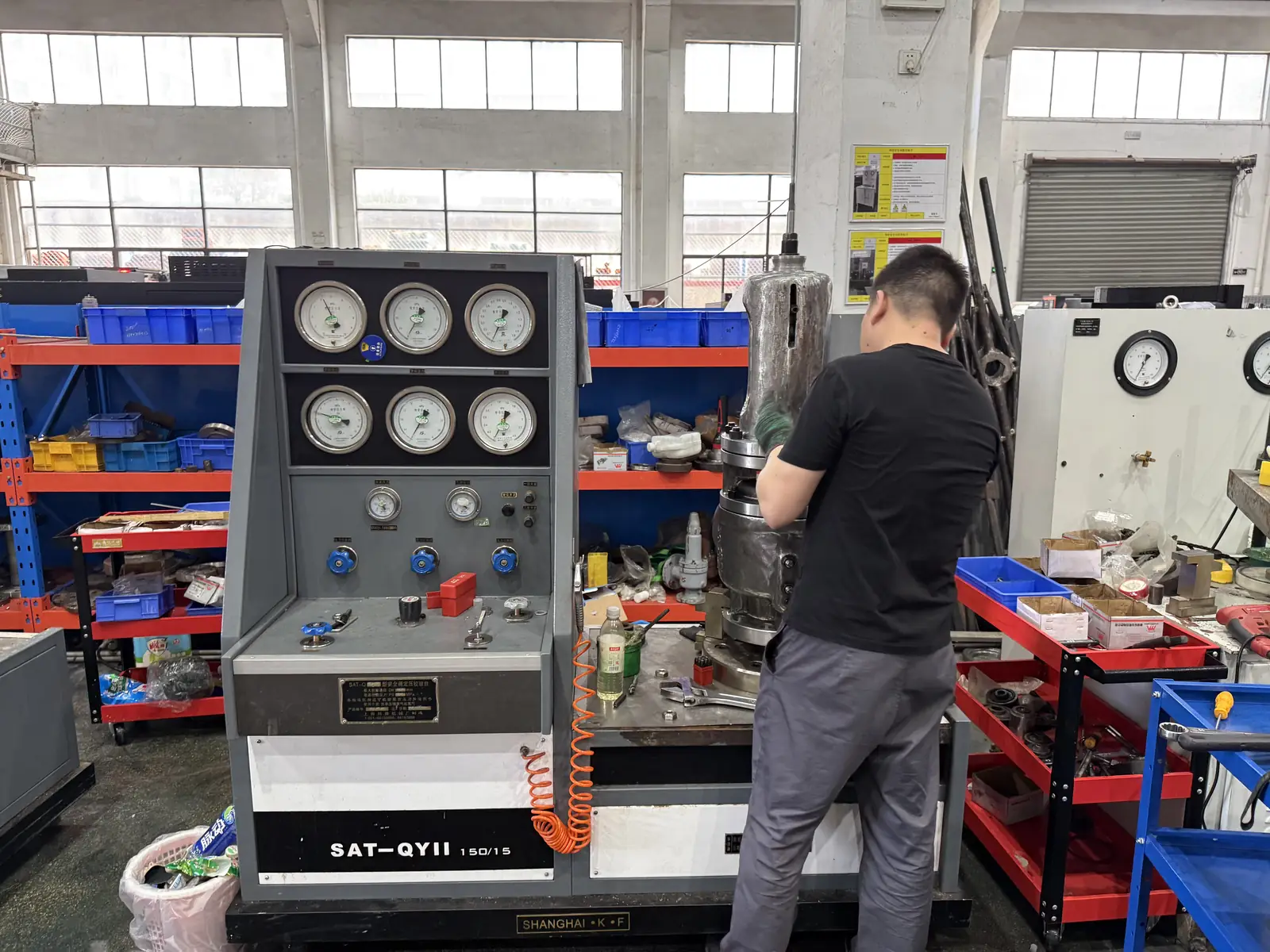
An ASME-related safety valve inquiry usually requires more than size and set pressure. Buyers may ask for ASME certification mark scope, nameplate data, certified relieving capacity, material certificates, calibration records, pressure test reports, seat tightness test records and inspection witness documents.
Do not assume every project needs the same mark or document package. Confirm whether the protected equipment is a power boiler, heating boiler, pressure vessel, pressure piping system, transport tank or package unit, then match the required documentation to the project specification.
Common procurement language
- ASME V: power boiler pressure relief valve applications where specified
- ASME UV: pressure vessel pressure relief valve applications where specified
- ASME HV: heating boiler safety valve applications where specified
- BPVC Section XIII: overpressure protection rules and pressure relief device requirements
- Set pressure calibration certificate, nameplate data and certified relieving capacity
- MTC, pressure test report, seat tightness test and inspection witness records
››› RFQ Checklist
Information to send when your project specifies ASME
Complete ASME-related RFQ data reduces repeated clarification, incorrect certification assumptions and connection mismatches. Send the governing code basis together with the real operating conditions, protected equipment data and required document list.
- Protected equipment: boiler, vessel, piping, compressor, heat exchanger, tank or skid
- Applicable ASME reference: BPVC Section XIII, Section I, Section VIII, B31.1, B31.3, B31.8 or B31.12
- MAWP / design pressure, set pressure, operating pressure and relieving temperature
- Medium, phase, molecular weight, viscosity, corrosive content and cleanliness requirement
- Required capacity, relieving scenario, overpressure / accumulation and back pressure
- Connection standard, flange class, facing, inlet / outlet size and pressure-temperature rating
- Required documents: ASME mark scope, MTC, calibration, pressure test, seat test and inspection witness
- Installation: inlet line, outlet line, vent, flare, silencer, closed header or return route
››› Practical Cases
ASME safety valve cases buyers commonly ask about
These examples show how ASME references usually appear in real RFQs. Final selection still requires engineering review of the actual datasheet, governing relief case, certification requirement and installation details.
Case 1: ASME Section VIII Pressure Vessel PSV
Protected equipment may be an air receiver, process separator, heat exchanger shell or storage vessel. Typical RFQ data includes vessel MAWP, set pressure, gas or liquid medium, required capacity, fire case or blocked outlet basis, inlet/outlet connection, ASME UV requirement and inspection documents.
Case 2: ASME Section I Boiler Safety Valve
Protected equipment may be a steam boiler, steam drum or superheater. Typical RFQ data includes boiler evaporation capacity, set pressure, saturated or superheated steam condition, allowable accumulation, certified steam capacity, lifting lever requirement and ASME V documentation.
Case 3: ASME B31.3 Process Skid Relief
Protected equipment may be a chemical injection skid, hydrogen package or cryogenic process line. Typical RFQ data includes process fluid, design pressure, relief scenario, back pressure, material requirement, flange class, pipe specification, outlet route and seat tightness expectation.
Case 4: ASME B31.8 Natural Gas PRV Station
Protected equipment may be a downstream gas header after a pressure regulator. Typical RFQ data includes upstream pressure, failed-open regulator capacity, downstream MAOP, gas composition, vent stack arrangement, noise limit, seat tightness requirement and local inspection expectation.
››› Official References & Related Guides
Use official ASME sources for code text and ZOBAI guides for RFQ preparation
ASME codes are copyrighted standards and the controlling edition should be verified through ASME or authorized channels. The links below separate official code references from practical ZOBAI engineering guides that help buyers prepare RFQs, compare valve documents and avoid specification gaps.
ASME BPVC Section XIII
Official ASME page for rules covering overpressure protection and pressure relief devices. Use it to verify code edition, scope and official purchasing information.
ASME BPVC Section I
Official ASME page for rules for construction of power boilers. Use it when boiler safety valve certification and boiler pressure protection are specified.
ASME BPVC Section VIII
Official ASME page for pressure vessel construction rules. Use it when pressure vessel safety valve documentation and UV-related requirements are specified.
API 520 Safety Valve Sizing
Use this guide when ASME code basis must be connected to sizing inputs such as set pressure, accumulation, required capacity and back pressure.
API 521 Pressure Relief Systems
Use this guide when the relief scenario, fire case, flare system, vent disposal route or depressuring philosophy must be reviewed before valve selection.
API 526 / API 527
Use these guides when API-style flanged safety valve dimensions, orifice designations, pressure classes or seat tightness acceptance criteria are specified.
Pressure-Temperature Ratings
Use this guide to check material and flange temperature limits before confirming connection class, body material and trim selection.
ASME B16.5 Flange Dimensions
Use this guide for flange class, facing, bolt pattern, nominal size and connection compatibility when ASME flanged safety valves are requested.
NACE MR0175 / ISO 15156 Sour Service
Use this guide when H2S, sour gas or corrosive service may affect material selection, trim selection and procurement documentation.
››› FAQ
Common questions about ASME safety valve standards
Is ASME a safety valve standard or a pressure equipment code?
ASME is a code and standards framework. For safety valves and pressure relief valves, buyers usually encounter ASME through overpressure protection rules, boiler rules, pressure vessel rules, piping codes, flange standards, certification marks and documentation requirements.
What is the role of ASME BPVC Section XIII?
BPVC Section XIII is the ASME section specifically addressing rules for overpressure protection and pressure relief devices. In procurement work, it should be considered together with the protected equipment code, such as Section I for power boilers or Section VIII for pressure vessels.
What is the role of ASME BPVC Section XIII?
BPVC Section XIII is the ASME section specifically addressing rules for overpressure protection and pressure relief devices. In procurement work, it should be considered together with the protected equipment code, such as Section I for power boilers or Section VIII for pressure vessels.
Which ASME reference is most important for boiler safety valves?
For power boiler safety valves, ASME BPVC Section I is commonly the key equipment reference. Steam condition, boiler capacity, set pressure, certified steam capacity, lifting lever requirement and ASME V documentation should be confirmed before quotation.
Does ASME B31.3 replace safety valve sizing calculations?
No. ASME B31.3 is a process piping code reference. Safety valve sizing and relief scenario review still require actual operating data, protected equipment limits, governing overpressure case, back pressure and required relieving capacity.
Can ZOBAI provide official ASME code text?
No. Official ASME standards are copyrighted documents and should be obtained from ASME or authorized sources. ZOBAI can help review RFQ information, clarify common procurement language and prepare valve selection recommendations based on the project data provided by the buyer.
››› Engineering Support
Need help matching an ASME requirement to a safety valve quotation?
Send the protected equipment datasheet, ASME reference, set pressure, operating pressure, medium, required capacity, flange standard and required document list. ZOBAI can review the RFQ basis and recommend the suitable safety valve type, material, connection, certification scope and document package.
Minimum ASME RFQ data
- Applicable ASME reference and edition if specified
- Protected equipment MAWP or piping design pressure
- Set pressure, relieving capacity and governing relief case
- Medium, phase, operating temperature and relieving temperature
- Connection standard, flange class and material requirement
- Required ASME mark, certificates, tests and inspection documents
