What Is a Built-In Safety Valve? A built-in safety valve is a pressure protection device integrated into a larger equipment system or pressure boundary. The selection decision should consider equipment integration, relief requirements and lifecycle operation. Engineering Boundary: Built-in does not automatically mean higher performance. It is an installation concept that must be evaluated with …

What Is a Built-In Safety Valve?
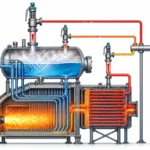
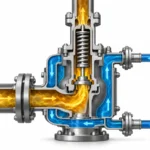
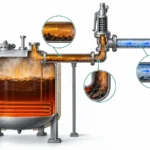
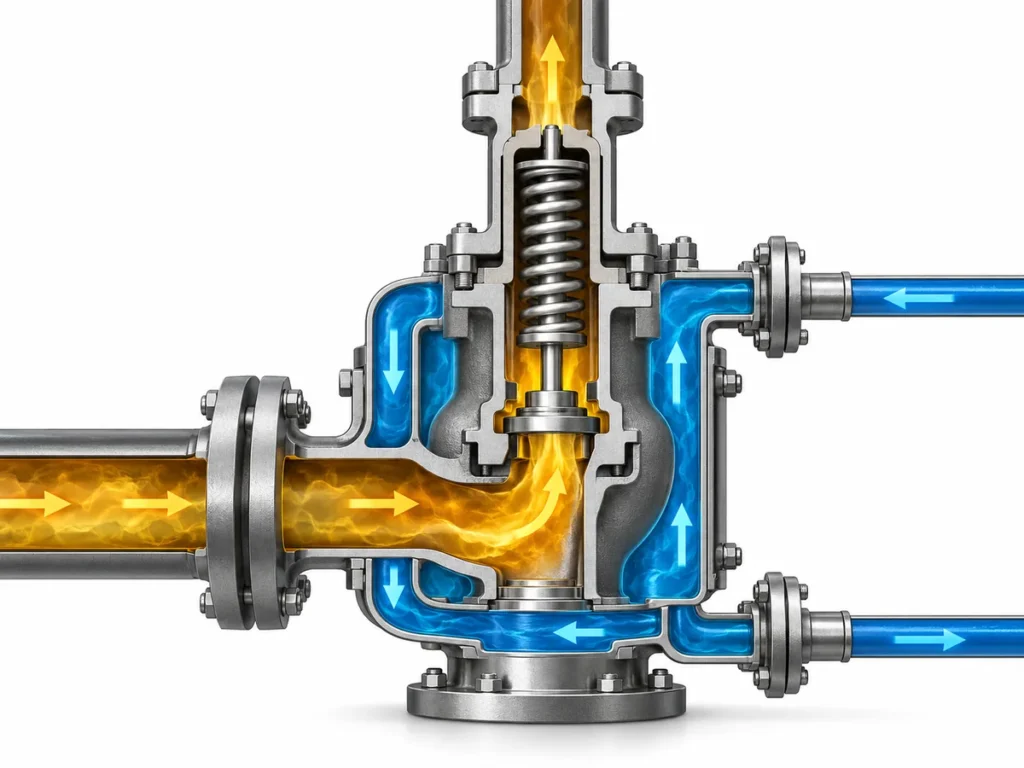
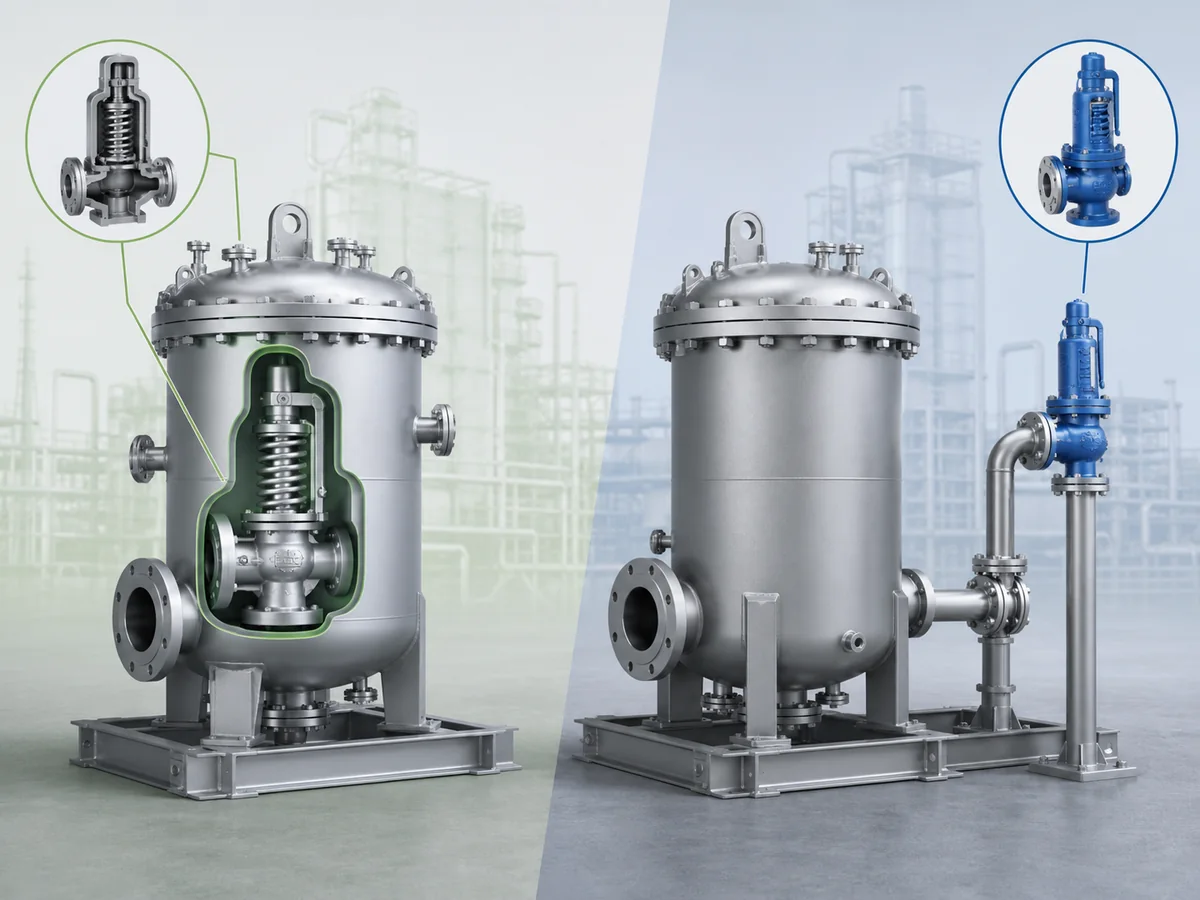
A built-in safety valve is a pressure protection device integrated into a larger equipment system or pressure boundary. The selection decision should consider equipment integration, relief requirements and lifecycle operation.
Engineering Boundary: Built-in does not automatically mean higher performance. It is an installation concept that must be evaluated with the complete pressure protection system.
What Is a Built-In Safety Valve?
The term built-in describes how the safety valve is integrated into equipment. It does not represent a separate pressure protection standard by itself.
Engineering Definition
- Integrated equipment connection
- Defined pressure boundary
- Equipment-specific maintenance approach
- Application-driven selection
How Does a Built-In Safety Valve Work?
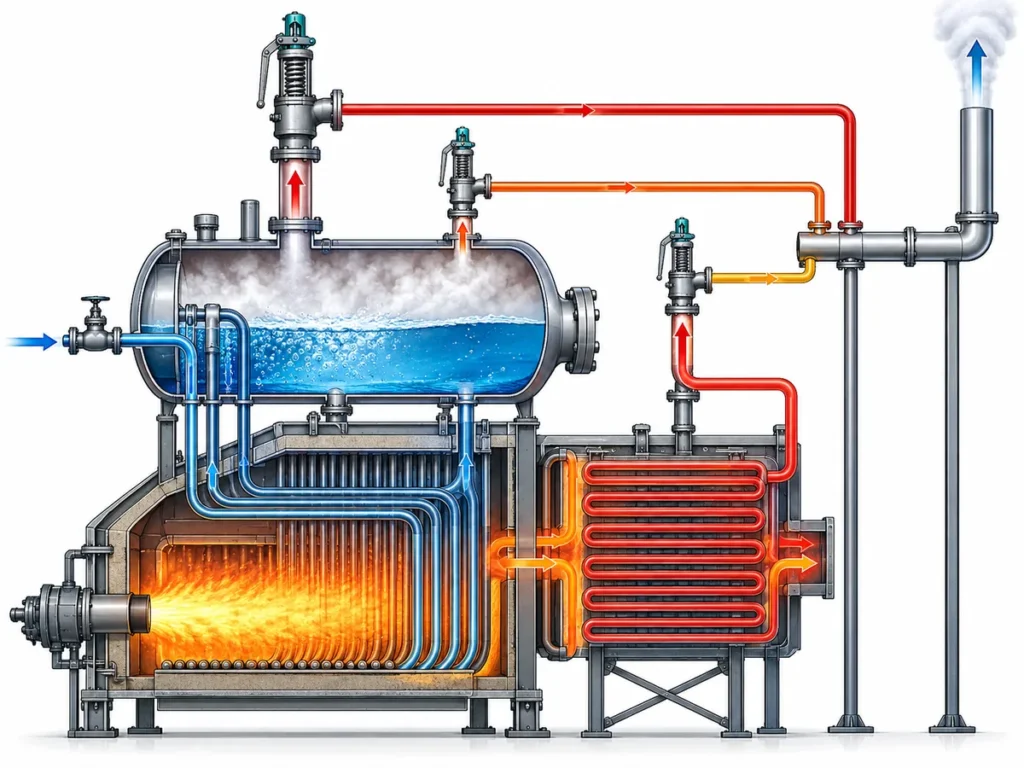
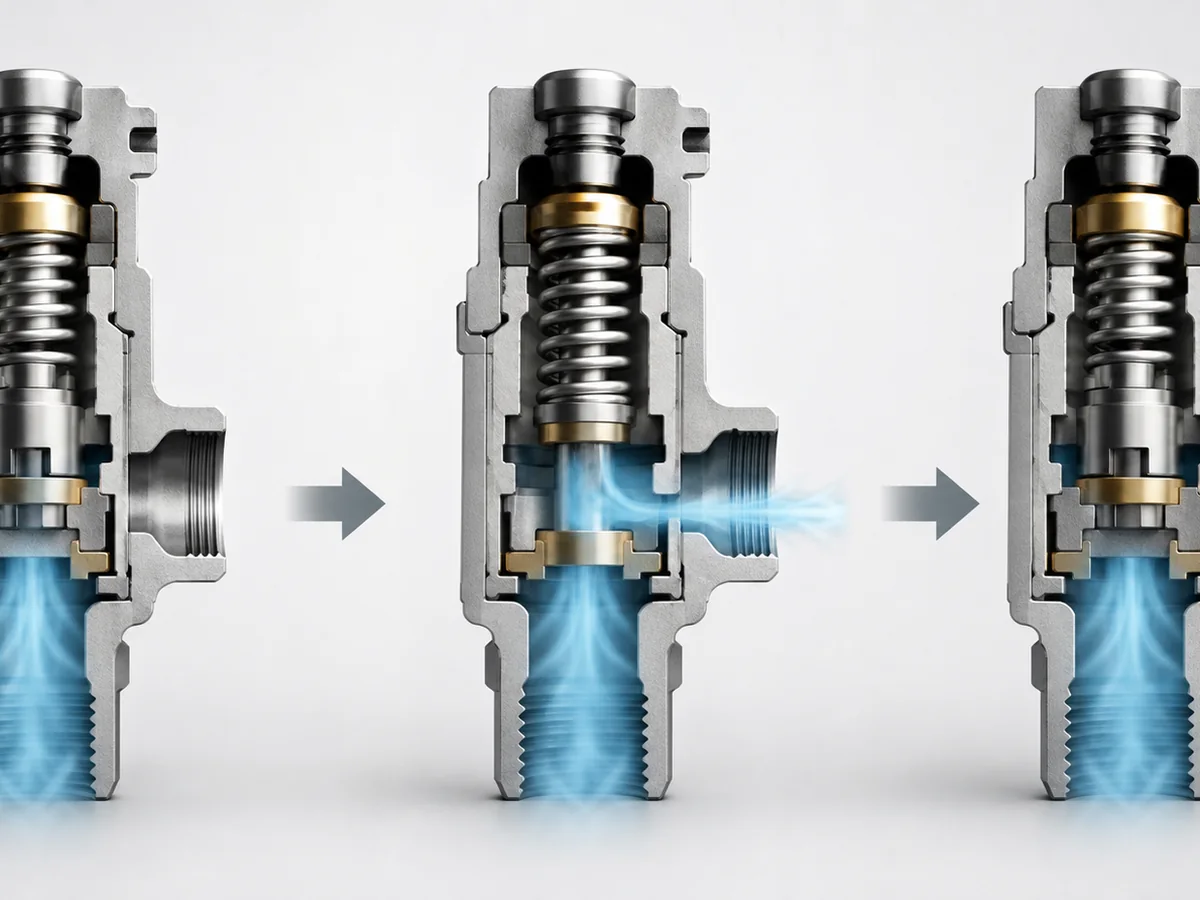
The valve still performs the basic pressure relief function: detect excessive pressure, open under the defined condition, relieve pressure and return to service after pressure recovery.
Pressure Protection Logic
Equipment pressure → Relief scenario → Valve response → Controlled discharge → Maintenance verification.
Built-In Safety Valve Applications
OEM and Packaged Equipment
Review equipment interface, access, documentation and replacement requirements.
Compact Pressure Systems
Integration may provide layout advantages, but maintenance access remains a design requirement.
Built-In Safety Valve Selection Framework
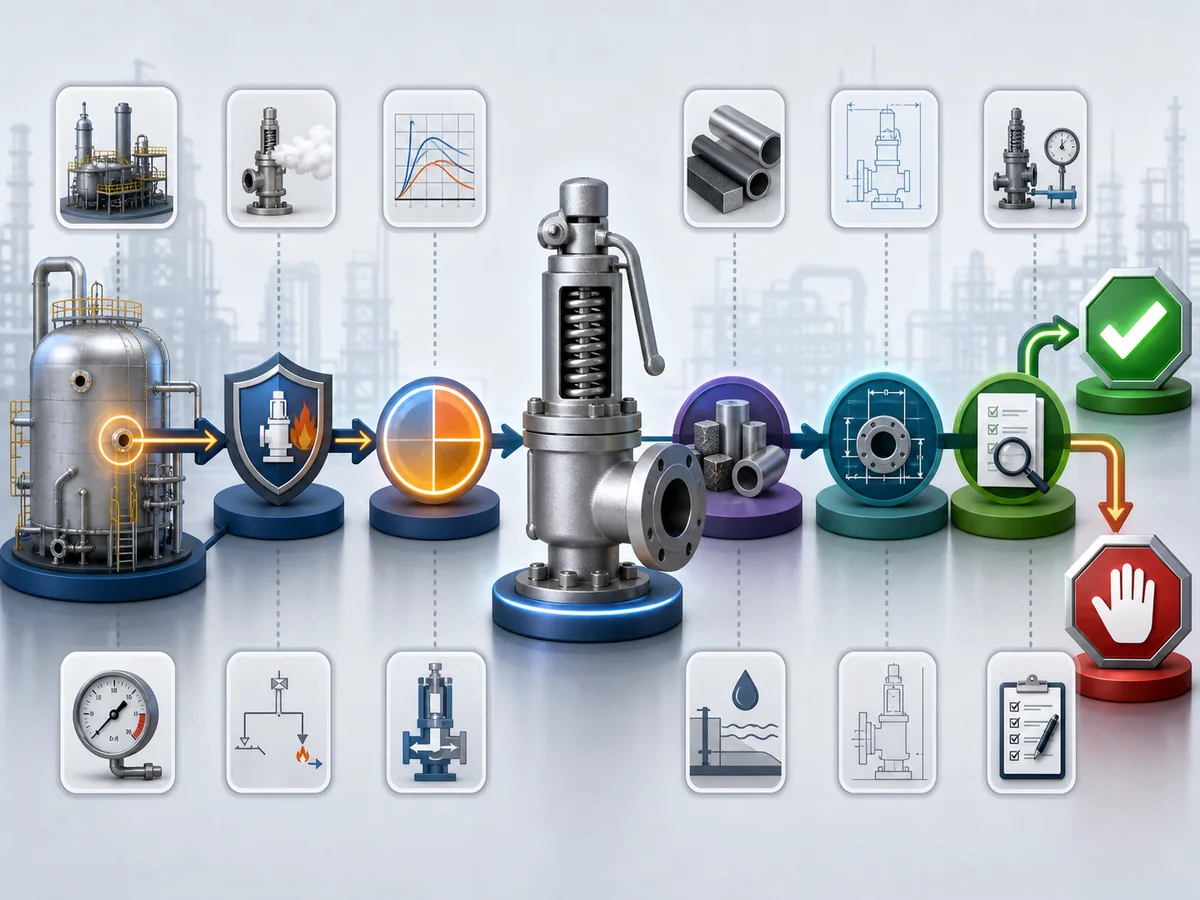
| Step | Engineering Review |
|---|---|
| 1. Equipment | Protected equipment and pressure boundary |
| 2. Relief Case | Overpressure scenario and required protection |
| 3. Process Data | Medium, phase, pressure, temperature and capacity |
| 4. Lifecycle | Access, inspection, maintenance and replacement |
Built-In vs Standalone Safety Valve Decision
| Factor | Built-In | Standalone |
|---|---|---|
| Integration | Equipment-focused design | Independent installation |
| Maintenance | Equipment-specific | Standard practice |
| Replacement | Requires original design review | Generally easier substitution |
| Documentation | System documentation important | Valve documentation focused |
Replacement Risk: Do Not Select Only by Size
A built-in safety valve replacement should not be treated as a simple component exchange.
| Confirm | Reason |
|---|---|
| Original design intent | Understand why integration was selected |
| Capacity basis | Confirm protection requirement |
| Connection interface | Confirm equipment compatibility |
| Materials | Confirm service suitability |
| Maintenance method | Confirm lifecycle operation |
RFQ Checklist for Built-In Safety Valve Review
- Equipment type
- Relief scenario
- Medium and phase
- Pressure conditions
- Temperature
- Required capacity
- Materials
- Installation drawings
- Maintenance requirements
Safety Valve Selection Guide
Pilot Operated Safety Valves
Spring Loaded Safety Valves
Expert Boundary
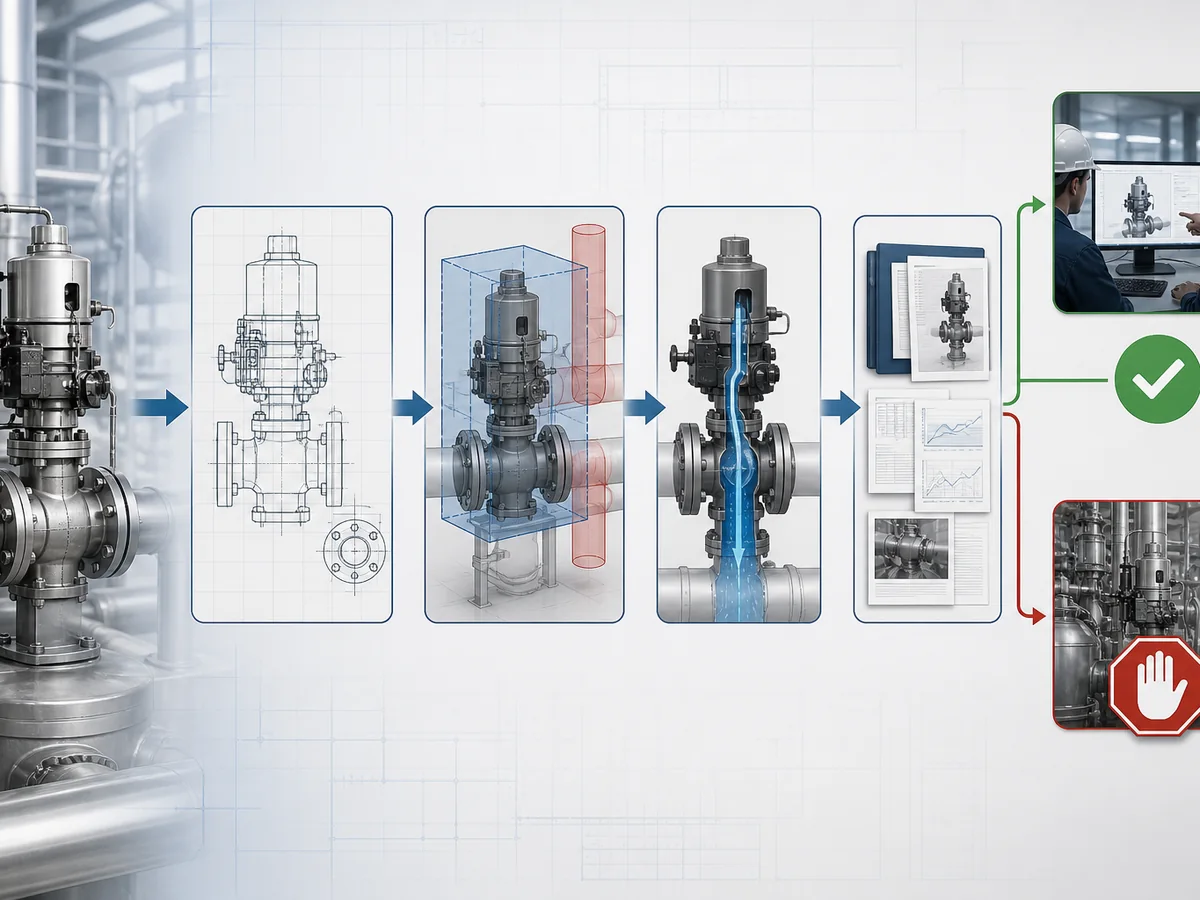
Built-in configuration does not determine certified relieving capacity, set pressure, sizing, code compliance or complete relief-system performance. Those require separate engineering verification.
Composite Engineering Scenarios
OEM Packaged System
Review integration, access and documentation before approval.
Replacement Project
Confirm original design requirements before substitution.
New Equipment Design
Compare built-in and standalone approaches using lifecycle requirements.
Ask a Safety Valve Engineer
Provide equipment information, medium, pressure, temperature, capacity and installation requirements for engineering review.