Dual Safety Valves vs Changeover Safety Valves Dual safety valves and changeover safety valves are related pressure protection concepts. Dual describes the arrangement, while changeover describes the switching method used to manage the relief path. Engineering Boundary: Two valves do not automatically mean double capacity. Duty philosophy, relief scenario and active flow path must be …

Dual Safety Valves vs Changeover Safety Valves
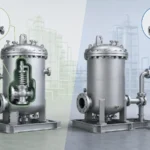
Dual safety valves and changeover safety valves are related pressure protection concepts. Dual describes the arrangement, while changeover describes the switching method used to manage the relief path.
Engineering Boundary: Two valves do not automatically mean double capacity. Duty philosophy, relief scenario and active flow path must be confirmed.

What Are Dual Safety Valves?
A dual safety valve arrangement uses two pressure relief valves to support standby protection, maintenance flexibility or continuous operation requirements.
Duty and Standby Logic
- One valve provides active protection.
- One valve remains available for maintenance.
- The system philosophy defines the protection strategy.
What Are Changeover Safety Valves?
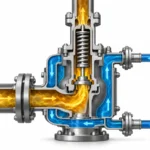
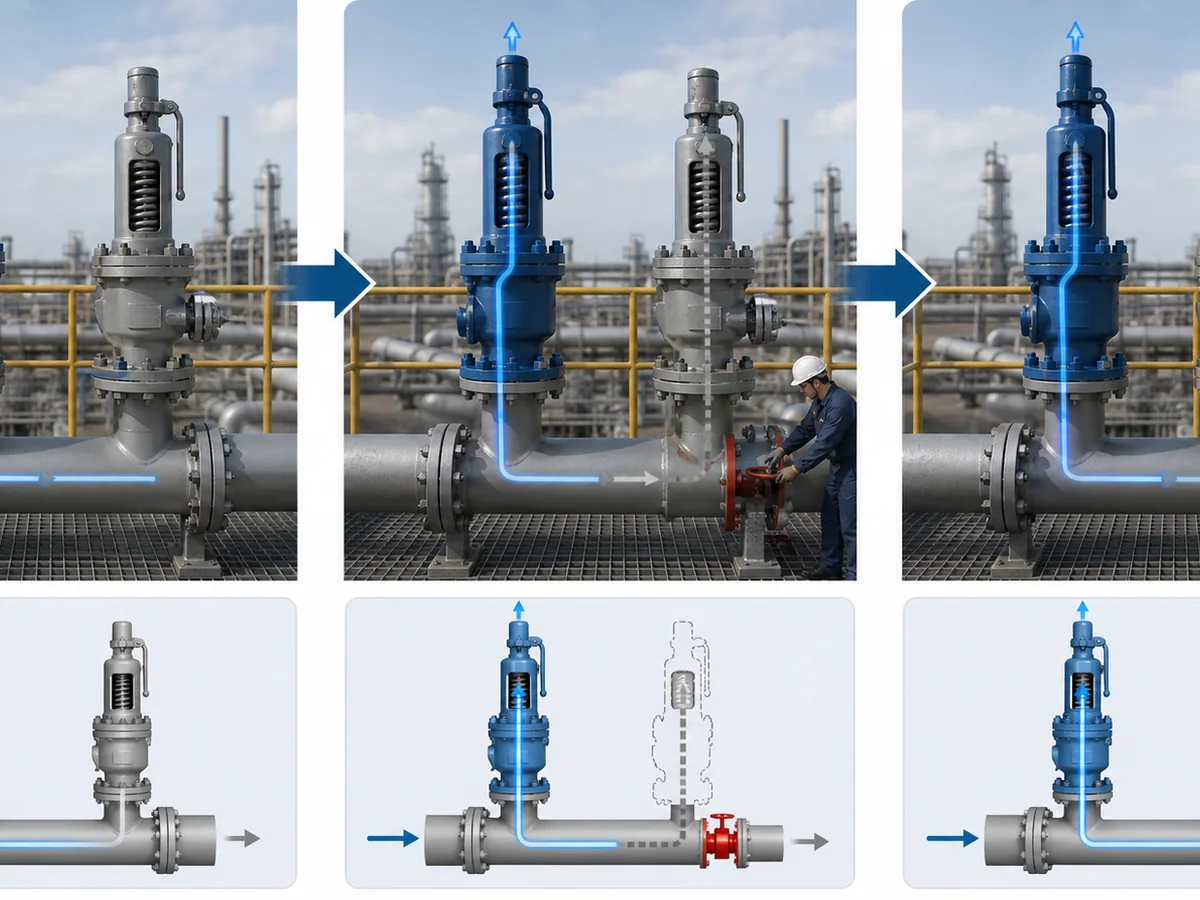
A changeover safety valve system uses a switching arrangement to transfer the relief path between two safety valves while maintaining protection availability.
| Stage | Function |
|---|---|
| Normal operation | One safety valve remains active. |
| Switching | Relief path transfers to standby valve. |
| Maintenance | Offline valve can be inspected or serviced. |

Dual Safety Valves vs Changeover Safety Valves
| Factor | Dual Safety Valves | Changeover Safety Valves |
|---|---|---|
| Concept | Valve arrangement | Switching mechanism |
| Benefit | Standby availability | Controlled maintenance transfer |
| Risk | Wrong capacity philosophy | Unsafe switching |

Engineering Decision Framework
Step 1 — Protected Equipment
Confirm vessel, pipeline, skid or process equipment requirements.
Step 2 — Relief Requirement
Confirm medium, pressure, temperature, set pressure and required capacity.
Step 3 — System Arrangement
Review flow area, switching, locking, access and maintenance procedure.
Practical Engineering Risks
| Risk | Review |
|---|---|
| Both relief paths unavailable | Check locking and operating control. |
| Inlet restriction | Review flow path and pressure loss. |
| Capacity misunderstanding | Separate standby and parallel philosophy. |
| Maintenance failure | Confirm records and procedures. |
Engineering Risk Reference
Related review: Back Pressure and Bellows.
RFQ Checklist
- Protected equipment
- Relief scenario
- Medium and phase
- Set pressure
- Required capacity
- Duty/standby philosophy
- Changeover arrangement
- Connections
- Materials
- Maintenance procedure
Additional Expert Value: Maintenance and Replacement Logic
A dual safety valve system should be evaluated as one complete pressure protection arrangement. Replacement requires review of original design intent, capacity basis, compatibility and maintenance strategy.
| Check | Purpose |
|---|---|
| Drawings | Confirm original arrangement |
| Nameplate data | Confirm valve identity |
| Test records | Confirm history |
| Piping | Confirm access and pressure effects |
Composite Engineering Scenarios
Continuous Chemical Process
Review duty/standby logic when shutdown is difficult.
Refrigeration System
Review switching procedure and active relief path.
Equipment Upgrade
Review redundancy benefits against system complexity.
Ask a Safety Valve Engineer
Provide equipment information, medium, pressure, temperature, capacity, duty/standby philosophy and drawings for engineering review.
Duty/Standby vs Parallel Relief Boundary
| Arrangement | Engineering Meaning |
|---|---|
| Duty/Standby | One valve protects while another remains available for maintenance. |
| Parallel Relief | Multiple valves contribute to the required relieving capacity. |
Changeover Maintenance Decision Logic
- Verify active relief path.
- Confirm switching position.
- Check locking or control method.
- Record maintenance status.
Enhanced RFQ Engineering Review
- Protected equipment
- Relief scenario
- Required capacity
- Inlet pressure loss
- Outlet piping
- Switching arrangement