获取安全阀报价

请提供您的介质、整定压力、温度、口径、标准或数据表,我们的团队将审核您的需求并回复相应的后续步骤。.

什么是内置式安全阀?

What Is a Built-In Safety Valve? A built-in safety valve is a pressure protection device integrated into a larger equipment system or pressure boundary. The selection decision should consider equipment integration, relief requirements and lifecycle operation. Engineering Boundary: Built-in does not automatically mean higher performance. It is an installation concept that must be evaluated with …

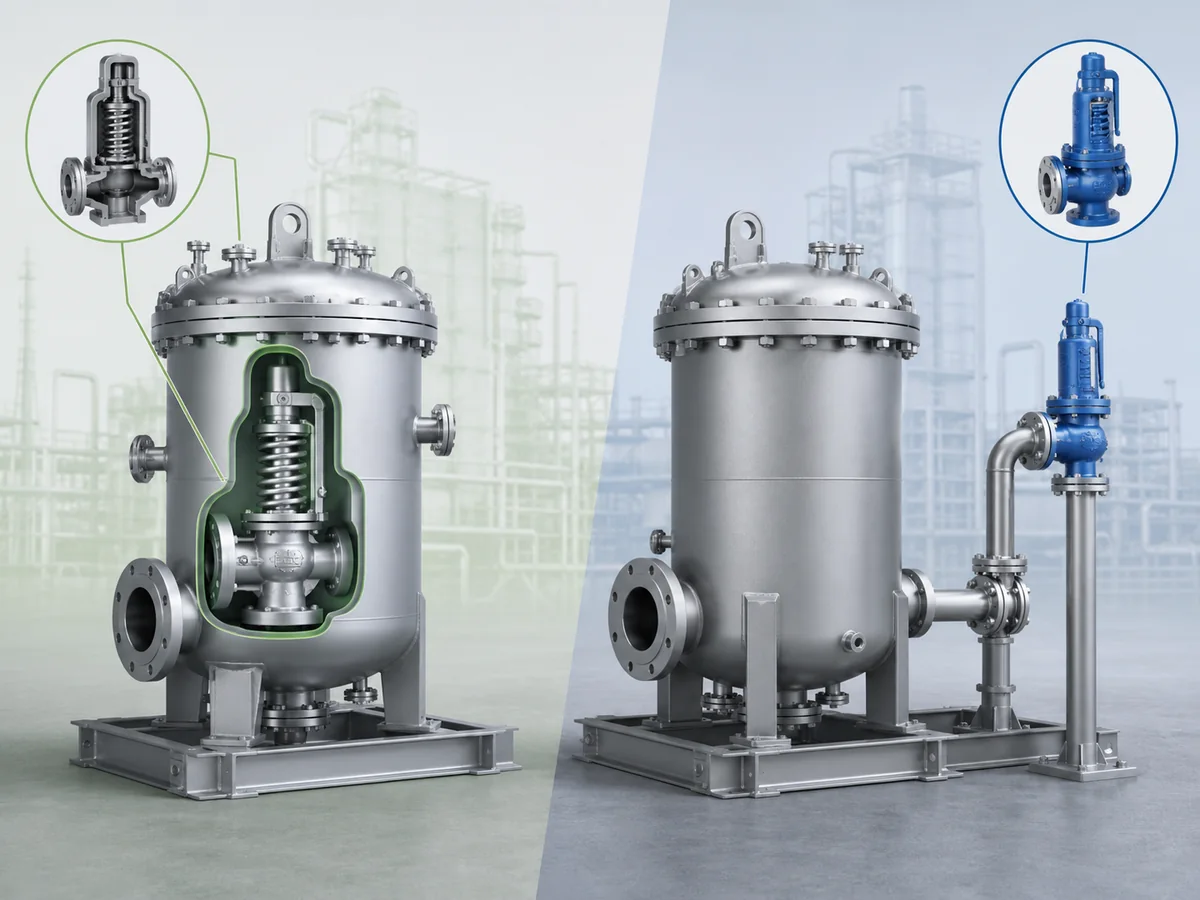
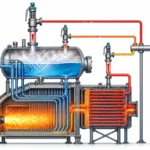
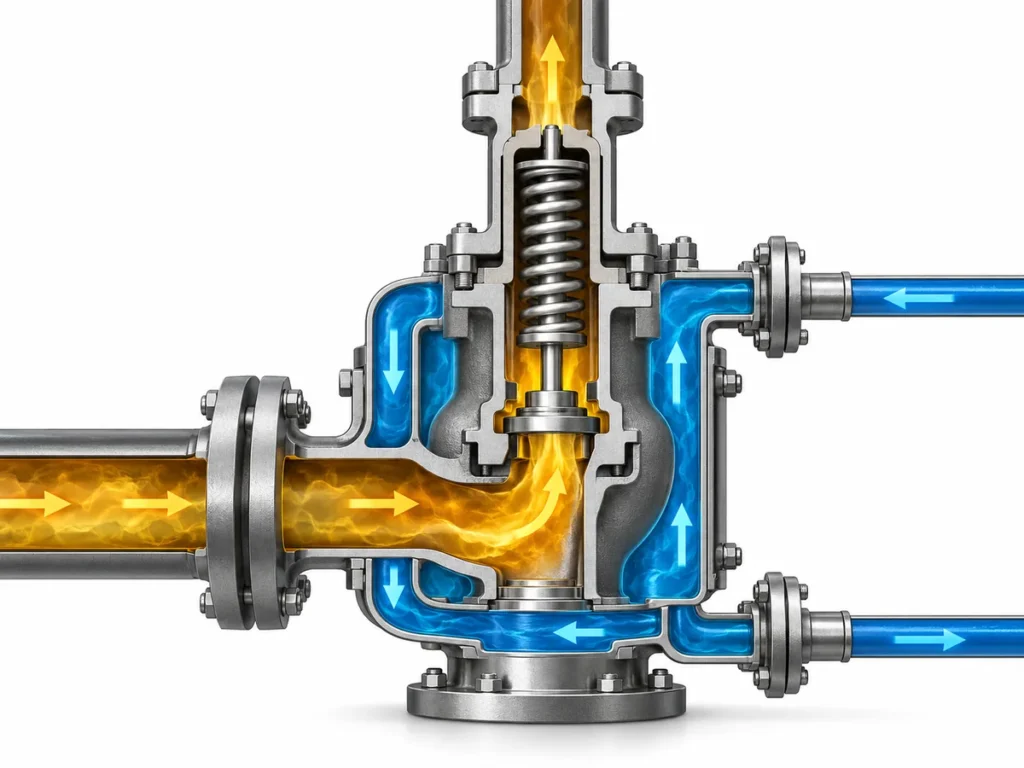
内置式安全阀集成于成套设备与独立安装的单独安全阀的概念对比。.


什么是内置式安全阀?

A built-in safety valve is a pressure protection device integrated into a larger equipment system or pressure boundary. The selection decision should consider equipment integration, relief requirements and lifecycle operation.

Engineering Boundary: Built-in does not automatically mean higher performance. It is an installation concept that must be evaluated with the complete pressure protection system.
内置式安全阀集成于成套设备与独立安装的单独安全阀的概念对比。.
Built-in describes integration with the equipment or package; it does not remove the need for a defined pressure-relief duty.

什么是内置式安全阀?

The term built-in describes how the safety valve is integrated into equipment. It does not represent a separate pressure protection standard by itself.

Engineering Definition

  • Integrated equipment connection
  • Defined pressure boundary
  • Equipment-specific maintenance approach
  • Application-driven selection

How Does a Built-In Safety Valve Work?

The valve still performs the basic pressure relief function: detect excessive pressure, open under the defined condition, relieve pressure and return to service after pressure recovery.

Pressure Protection Logic

Equipment pressure → Relief scenario → Valve response → Controlled discharge → Maintenance verification.

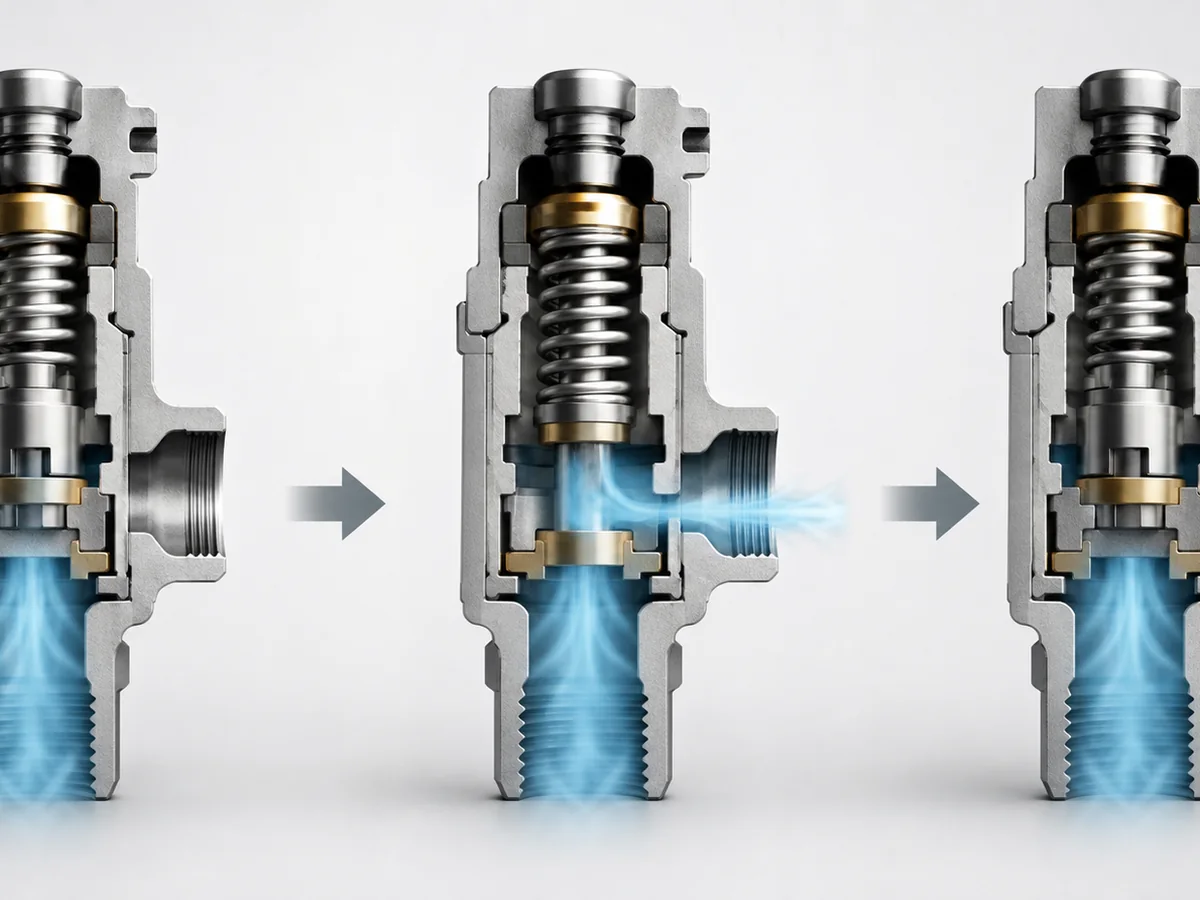
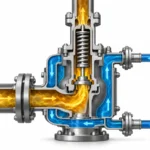
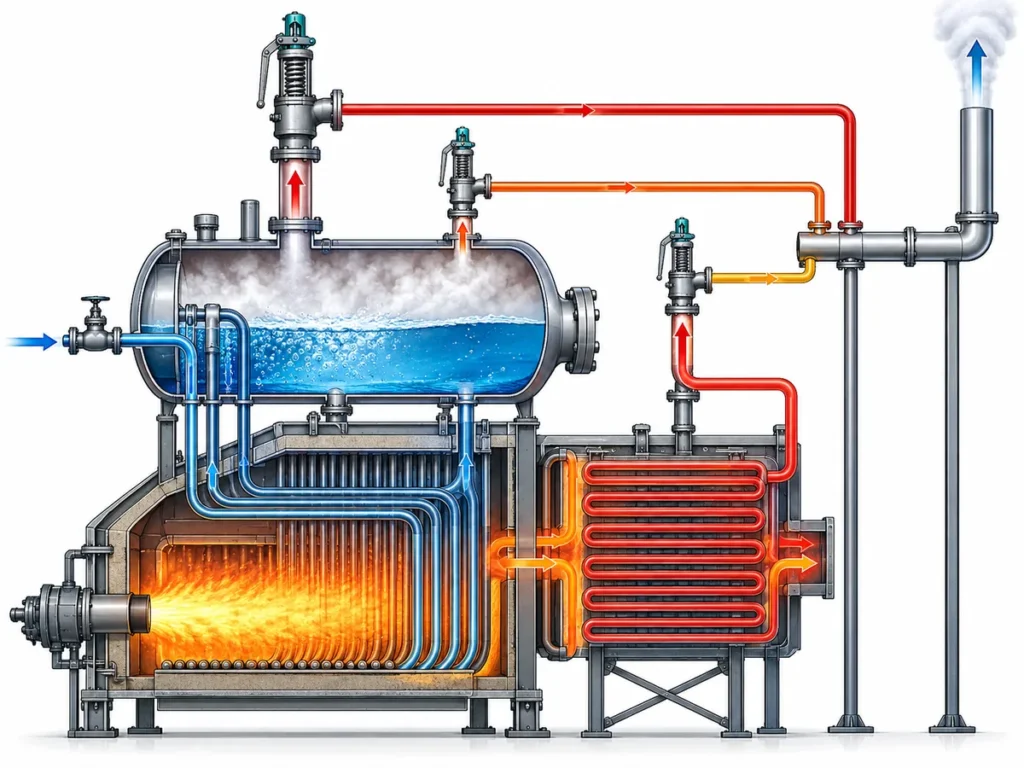
Conceptual operating sequence of an integrated safety valve opening during overpressure and discharging through a defined path.
The integrated valve still performs a pressure-relief function that depends on the complete protected boundary and discharge path.

Built-In Safety Valve Applications

OEM and Packaged Equipment

Review equipment interface, access, documentation and replacement requirements.

Compact Pressure Systems

Integration may provide layout advantages, but maintenance access remains a design requirement.

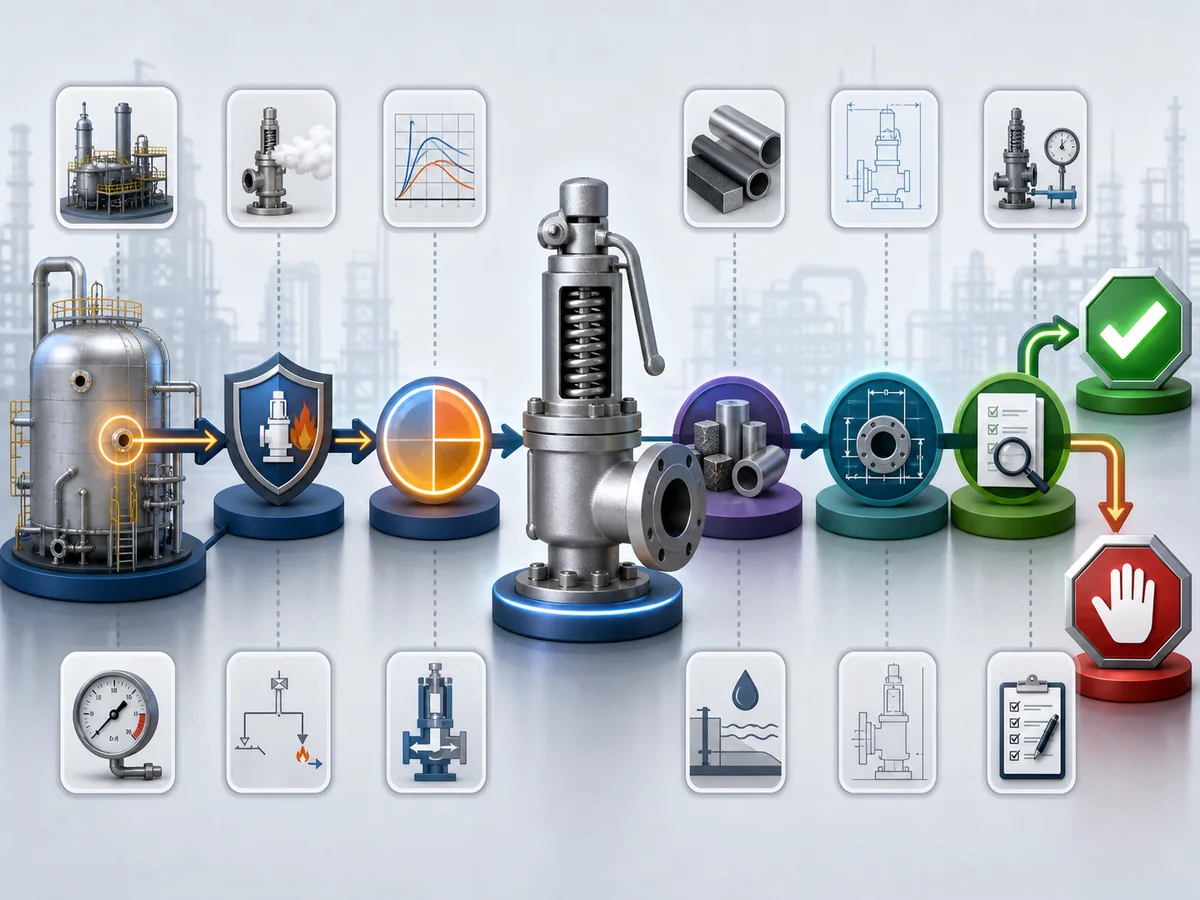
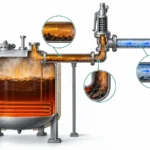
Built-in safety-valve selection workflow linking equipment duty, capacity, materials, envelope and manufacturer evidence.
Compact integration makes equipment-specific evidence more important, not less.

Built-In Safety Valve Selection Framework

Step Engineering Review
1. Equipment Protected equipment and pressure boundary
2. Relief Case Overpressure scenario and required protection
3. Process Data Medium, phase, pressure, temperature and capacity
4. Lifecycle Access, inspection, maintenance and replacement

Built-In vs Standalone Safety Valve Decision

Factor Built-In Standalone
Integration Equipment-focused design Independent installation
Maintenance Equipment-specific Standard practice
Replacement Requires original design review Generally easier substitution
Documentation System documentation important Valve documentation focused

Replacement Risk: Do Not Select Only by Size

A built-in safety valve replacement should not be treated as a simple component exchange.

Confirm Reason
Original design intent Understand why integration was selected
Capacity basis Confirm protection requirement
Connection interface Confirm equipment compatibility
Materials Confirm service suitability
Maintenance method Confirm lifecycle operation

RFQ Checklist for Built-In Safety Valve Review

  • Equipment type
  • Relief scenario
  • Medium and phase
  • Pressure conditions
  • Temperature
  • Required capacity
  • Materials
  • Installation drawings
  • Maintenance requirements

安全阀选型指南
先导式安全阀
弹簧式安全阀

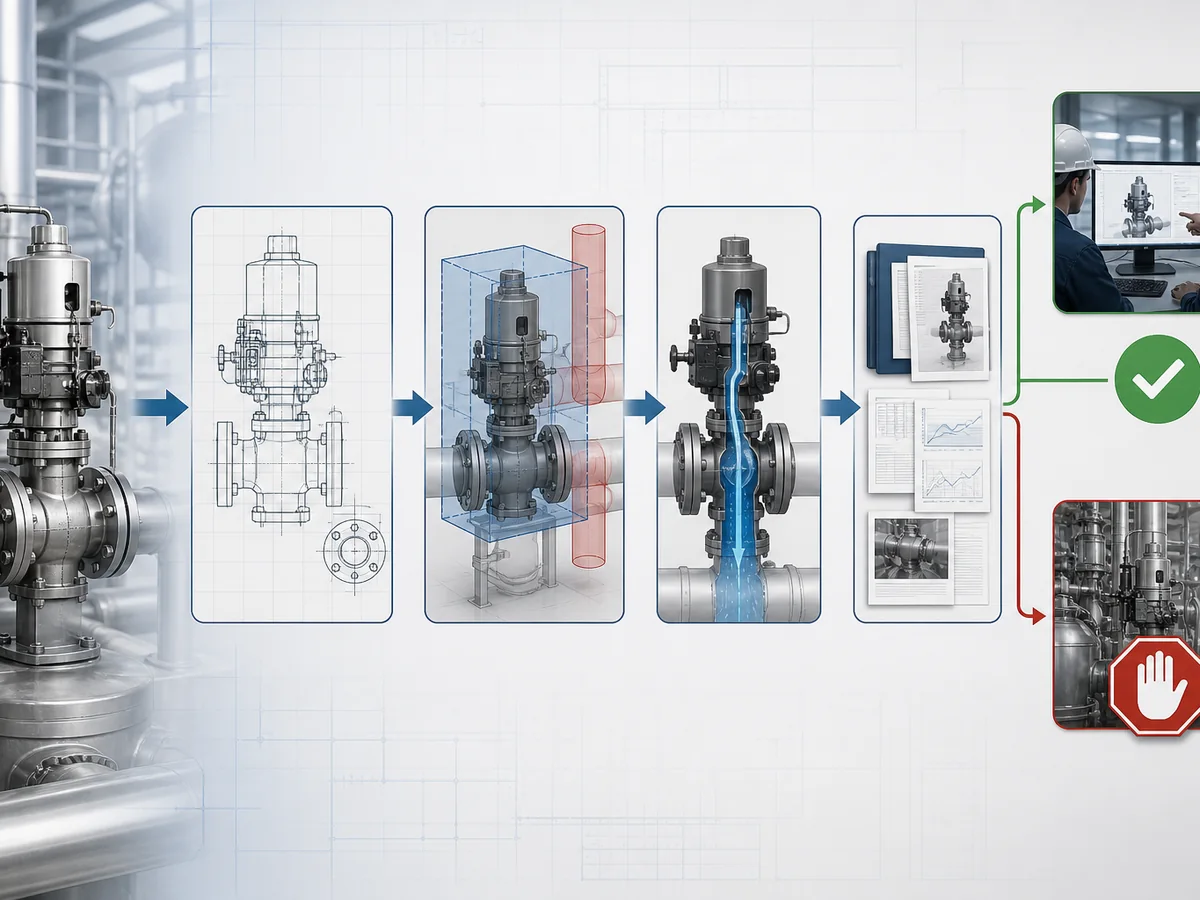
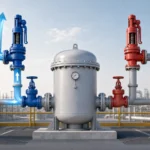
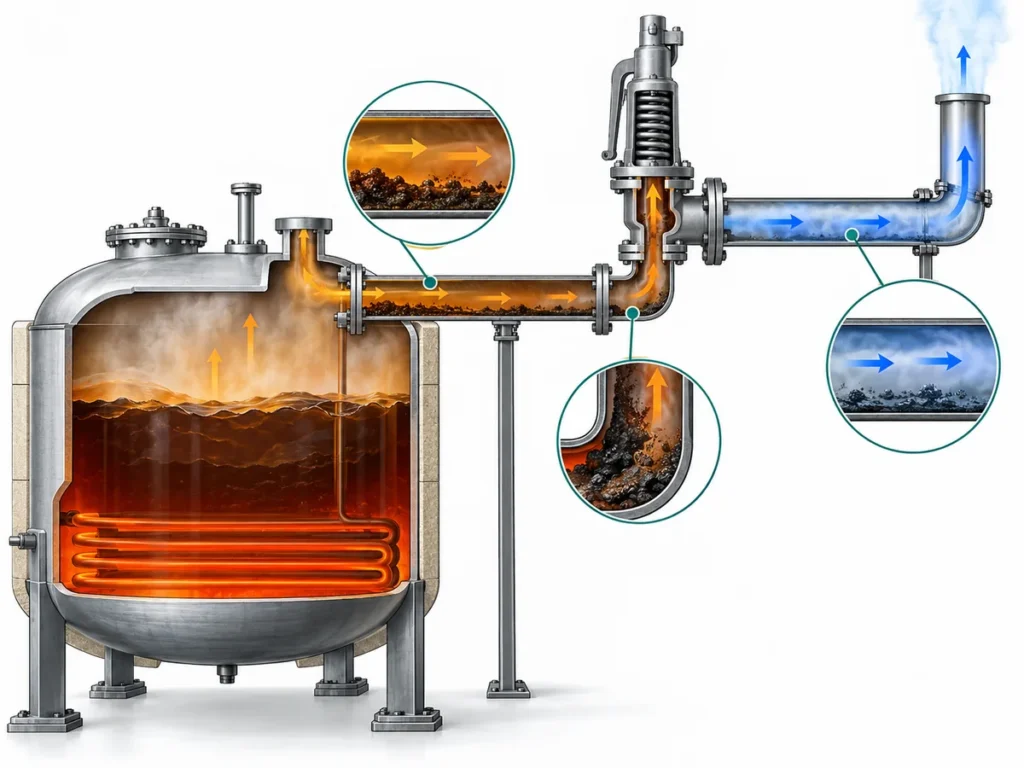
Replacement and RFQ verification workflow for a built-in safety valve and its equipment-specific installation.
Size and appearance cannot establish replacement equivalence for an integrated safety valve.

Expert Boundary

Built-in configuration does not determine certified relieving capacity, set pressure, sizing, code compliance or complete relief-system performance. Those require separate engineering verification.

Composite Engineering Scenarios

OEM Packaged System

Review integration, access and documentation before approval.

Replacement Project

Confirm original design requirements before substitution.

New Equipment Design

Compare built-in and standalone approaches using lifecycle requirements.

IMAGE-05 Placeholder

Ask a Safety Valve Engineer

Provide equipment information, medium, pressure, temperature, capacity and installation requirements for engineering review.

Ask a Safety Valve Engineer

Send Us A Message

Table of Contents