
Safety Valve Material Certificates, EN 10204 Documents and Traceability
Material certificates connect specified safety valve components to their material grade, heat or batch number, chemical composition, mechanical properties and inspection status. The required document type must be defined in the purchase order and matched to the actual body, bonnet, nozzle, disc, stem, bellows or other identified component.
This guide explains EN 10204 document types, certificate fields, component traceability and the supplementary testing that may be required for low-temperature, corrosive, sour or alloy service.
- A material certificate is useful only when it can be traced to the specified valve component and its heat or batch.
- EN 10204 document types 2.1, 2.2, 3.1 and 3.2 provide different levels of inspection evidence and validation.
- A 3.2 inspection certificate normally requires purchaser or designated third-party involvement agreed before manufacture.
- PMI, impact, hardness, corrosion or sour-service testing is supplementary and should not be assumed from a standard MTC alone.
A certificate should trace the specified component—not only name a material grade
Important trust statement
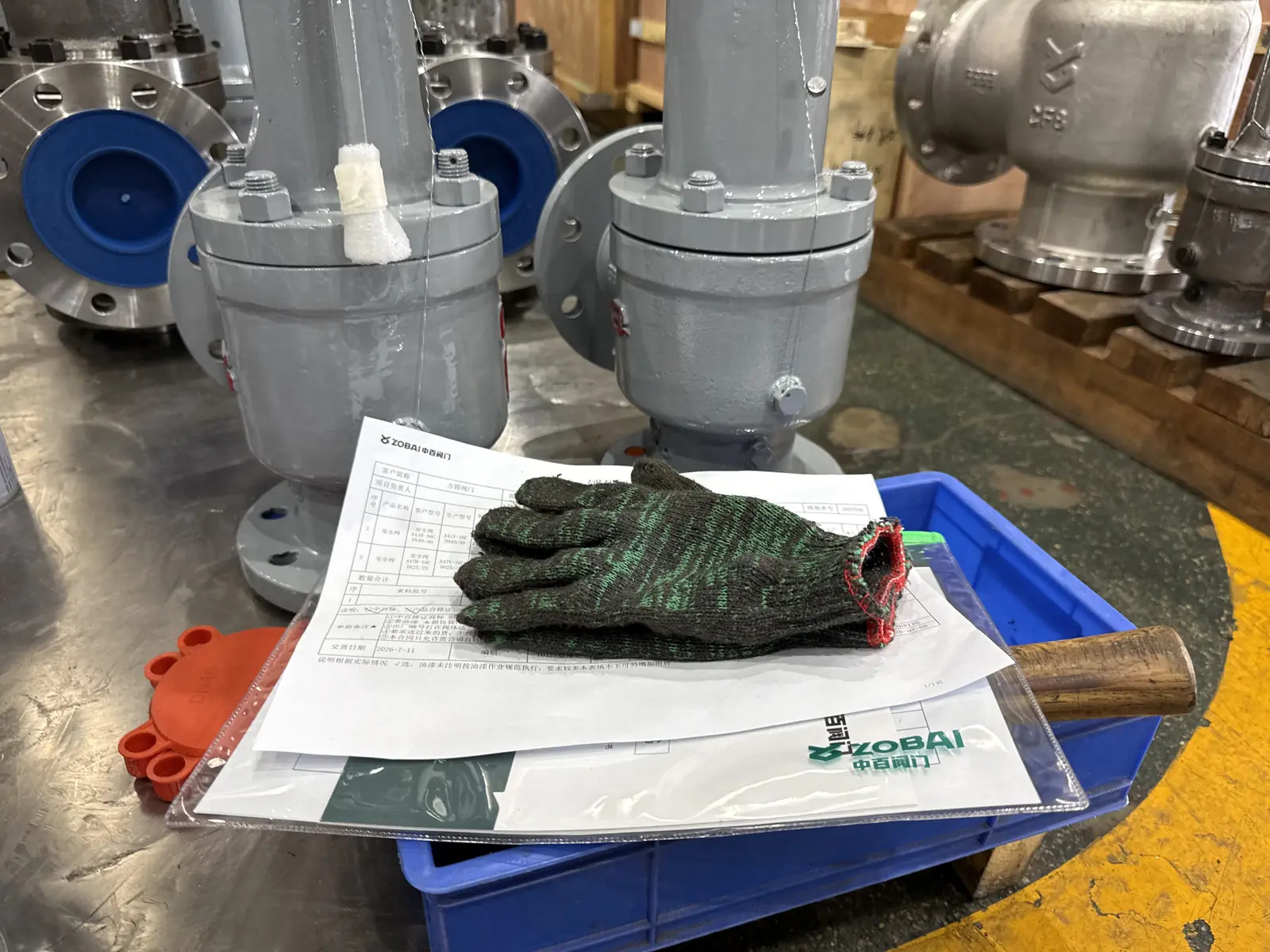
Documentation Connected to Real Production
A certificate or report is useful only when it can be traced to the supplied valve and agreed inspection scope. This actual ZOBAI photograph documents shop-floor inspection documents beside finished valves. Align drawings, material records, pressure-test results and release documents with the purchase specification.
Choose the document type from the required inspection and validation level
Declaration of Compliance
Test Report
Inspection Certificate 3.1
Inspection Certificate 3.2
Build a traceable chain from the valve component to the source certificate
Traceability review checklist
- Valve tag, serial number or purchase-order item
- Component name and bill-of-material reference
- Material specification and grade
- Heat, melt, cast or batch number
- Manufacturer or material supplier
- Certificate number and revision
- Transfer of marking or traceability record
- Component marking and visual verification
- PMI record where specified
- Link to final manufacturing record book
Review the reported properties against the material standard and project specification
Chemical Composition
Mechanical Properties
Heat Treatment
Product Form and Dimensions
Impact or Low-Temperature Results
Hardness and Special Limits
An EN 10204 certificate does not automatically include every special-service test
Possible supplementary requirements
- Positive material identification (PMI)
- Charpy impact testing at the specified temperature
- Hardness testing
- Heat-treatment records
- Intergranular corrosion testing
- Ferrite measurement
- NACE or ISO sour-service requirements
- UT, RT, MT or PT examination
- Cleanliness or contamination-control records
- Country-of-origin or approved-source requirements
How to verify a material certificate before project acceptance
Define the required document type
Identify the specified component
Check certificate identity
Review reported test results
Confirm heat or batch traceability
Verify inspection validation
Resolve deviations
Record final approval
Material-certificate mistakes that can cause inspection rejection
Material grade but no heat number
3.1 requested after production
3.2 requested after shipment
Wrong product form
Transferred heats not documented
PMI assumed from an MTC
Low-temperature acceptance not checked
Unreadable or altered file
Specify the material-document package before quotation or order release
Recommended request information
- Project, client and end-user requirements
- Valve model, size, pressure class and quantity
- Component list and required material grades
- Required EN 10204 document type
- Low-temperature or MDMT requirement
- Corrosive, sour, hydrogen or oxygen service
- PMI, impact, hardness or NDE requirements
- Third-party inspection or purchaser witness
- Required language and submission format
- Manufacturing record book requirements
Continue the safety valve document and material review
Safety Valve Certificates
Type Test Certificates
Pressure-Temperature Ratings
ASME B16.5 Flange Dimensions
Catalogs & PDF Downloads
Ask an Engineer
Common questions about safety valve material certificates
It records material identity and, depending on document type, test results such as chemical composition and mechanical properties. It should be traceable to the specified component and its heat or batch.
Type 2.1 is a declaration of compliance without test results. Type 2.2 includes non-specific inspection results. Type 3.1 includes specific inspection results validated by the manufacturer’s authorized inspection representative independent of manufacturing. Type 3.2 adds validation by the purchaser’s authorized representative or a designated inspector.
Not automatically. The purchase specification should identify which pressure-retaining, trim, bellows, bolting or other components require 3.1 documentation.
It should be specified before manufacture because purchaser or designated-inspector involvement and specific inspection activities normally have to be planned.
Only when those tests are required, performed and recorded. PMI, impact, hardness, corrosion and NDE are supplementary requirements.
Traceability is established through the valve tag or serial number, bill of materials, component identification, heat or batch numbers, transfer records and the final certificate index.