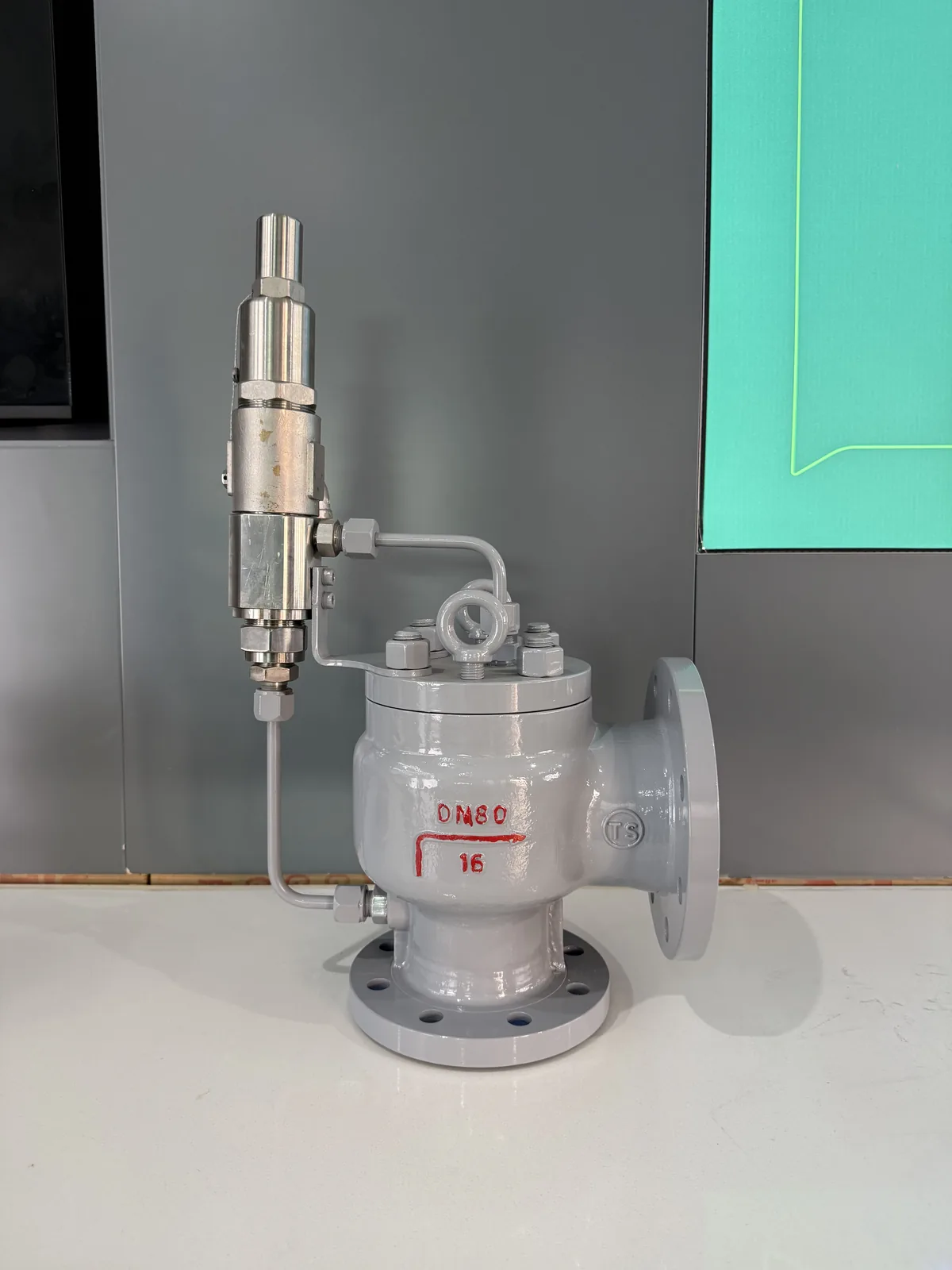
LNG Skid Safety Valve Selection, Cryogenic Relief and Documentation Case
This representative case shows how an LNG skid supplier can move from package battery limits and cryogenic relief scenarios to a reviewable safety valve specification and project document package.
The example focuses on blocked-in LNG, boil-off gas, pump deadhead, vaporizer upset, flashing flow, cold vent or return routing, low-temperature materials, installation space and certificate requirements. It does not represent a named customer, location, order quantity or published operating result.
- Representative and anonymized workflow; no customer identity or project performance is claimed.
- Battery-limit responsibility must be defined before PSV sizing and document approval.
- Cryogenic material, flashing, back pressure and cold discharge are reviewed as one relief system.
- Final acceptance depends on project code, calculations, certified valve data and controlled documents.
››› Case Scope
Representative LNG fuel, bunkering or regasification skid package
The example package may include an LNG inlet, isolation valves, filter or strainer, pump or pressure-building circuit, vaporizer, pressure-control valve, gas outlet, BOG or vent connection, instruments and interconnecting cryogenic piping on one skid.
The engineering objective is to identify which pressure boundary each relief device protects, define the governing load, select a valve compatible with cryogenic service and deliver a traceable calculation and document package.
Case assumptions
- No named client, site or order quantity
- No fabricated pressure, capacity or temperature values
- Actual relief loads remain project-specific
- Valve model and materials require manufacturer verification
- Document scope follows the purchase order and ITP
››› OEM Input Package
Information needed before the LNG skid PSV package can be reviewed
Compact skid layouts do not reduce the engineering data required. The review must connect package equipment, piping, controls and the site disposal system.
01
Skid P&ID and Equipment List
Identify pumps, vessels, vaporizers, regulators, valves, battery limits and each protected pressure boundary.
02
Process and Relief Data
Provide LNG composition, phase, set pressure, MAWP, temperature, required load and governing relief case.
03
Mechanical Specification
Define piping class, flange or thread standard, valve orientation, insulation and available installation envelope.
04
Discharge System Data
Define tank return, cold vent, flare, BOG header or recovery route with superimposed and built-up back pressure.
05
Material and Cleaning Requirements
Define cryogenic materials, seat, gasket, bolting, cleanliness and oxygen or contamination controls if applicable.
06
Project Document List
Define datasheets, sizing reports, drawings, MTCs, calibration, seat test, type-test and inspection records.
››› Battery Limits
The skid boundary determines what the PSV must protect
A skid-mounted valve may protect only equipment inside the package, or it may also protect downstream piping or plant equipment after a regulator, vaporizer or pressure-control device fails. This responsibility must be stated before the required capacity is calculated.
The interface should also define who provides the vent, flare, tank-return or BOG header and which pressure is guaranteed at the PSV outlet.
Battery-limit checklist
- Protected equipment inside the skid
- Downstream equipment outside the skid
- Upstream maximum pressure and flow
- Regulator or control-valve failure position
- Site back pressure at the skid outlet
- Common-header simultaneous relief assumptions
- Vent-stack, flare or tank-return ownership
- Mechanical and document interface responsibilities
››› Relief Case Review
Typical LNG skid overpressure scenarios
The final governing case depends on the actual package design. Small thermal-relief loads and large vapor or flashing loads should not be combined into one generic valve assumption.
01
Blocked-In LNG Thermal Expansion
LNG trapped between closed valves can build pressure quickly as heat enters a transfer line, pump bypass, loading connection or vaporizer inlet.
02
Boil-Off Gas Generation
Heat ingress into cold equipment or piping can generate vapor and increase pressure when the BOG path is restricted.
03
LNG Pump Deadhead
Review pump curve, maximum differential pressure, minimum-flow arrangement, flashing and the return or vent destination.
04
Vaporizer or Regulator Failure
Blocked gas outlet, excessive heat input or failed-open pressure control can overload downstream low-pressure equipment.
05
External Fire or Heat Exposure
Where required by the equipment or project code, assess fire exposure, wetted area, vapor generation and disposal-system load.
06
Flashing or Two-Phase Relief
Cold liquid can flash during pressure reduction, affecting required area, valve stability, reaction force, icing and outlet temperature.
››› Valve Selection Basis
Move from the governing load to a certified valve selection
The calculation package should show the governing scenario, required relieving rate, calculated area, selected orifice and certified capacity. The valve should not be chosen by connection size or skid nozzle alone.
Conventional, balanced bellows, pilot-operated and small thermal-relief designs each solve different problems. Back pressure, operating margin, phase, cleanliness and maintenance access remain part of the decision.
Selection review points
- Required capacity and selected certified orifice
- Liquid, vapor, gas, flashing or two-phase service
- Set pressure and operating-pressure margin
- Superimposed and built-up back pressure
- Conventional, bellows, pilot or thermal-relief design
- Cryogenic material and seat compatibility
- Inlet pressure loss and outlet piping
- Installation envelope and maintenance access
››› Cryogenic Design & Layout
Low-temperature materials and compact skid layout must be checked together
The valve body, bonnet, nozzle, trim, bellows, bolting, gasket and connected piping must remain suitable at the minimum credible temperature. An extended bonnet may be considered to reduce cold transfer to the spring or upper mechanism, but the specific geometry remains design-dependent.
The skid arrangement should provide insulation clearance, drainage, independent outlet support, thermal-contraction allowance and a safe cold discharge path.
Cryogenic package checklist
- Minimum operating and relieving temperature
- Material toughness and impact-test requirement
- Heat-number traceability and MTC scope
- Extended bonnet and insulation clearance
- Seat tightness and low-temperature compatibility
- Thermal contraction and piping loads
- Icing, condensate and drainage
- Cold vent plume and personnel protection
››› Project Documents
A skid case is only complete when the engineering and manufacturing records agree
The final dossier should connect the PSV tag and skid P&ID to the approved calculation, valve datasheet, material records, routine tests and release documents.
01
Approved PSV Datasheet
Tag, service, set pressure, inlet and outlet, materials, seat, accessories and applicable standards.
02
Sizing and Scenario Record
Governing relief case, required load, fluid properties, calculated area, selected orifice and certified capacity.
03
GA and Installation Drawing
Valve dimensions, orientation, insulation clearance, outlet support and vent or return interface.
04
Material Certificates
Traceability for specified pressure-retaining, trim, bellows, bolting and gasket materials.
05
Routine Test Reports
Set-pressure calibration, shell pressure, seat-tightness and required functional or cryogenic checks.
06
Final Document Index
Approved revisions, certificate numbers, test records, ITP status and shipment-release documents.
››› Case Workflow
Eight-step LNG skid PSV engineering and documentation workflow
The workflow links process safety, valve selection, package integration and document release.
01
Define battery limits
Identify the equipment and downstream systems protected by each PSV.
02
Confirm relief scenarios
List blocked-in liquid, BOG, pump, vaporizer, regulator, fire and flashing cases.
03
Calculate required loads
Use project fluid properties, pressure, temperature and scenario assumptions.
04
Select valve configuration
Compare thermal-relief, conventional, balanced bellows and pilot-operated designs.
05
Verify cryogenic construction
Check material toughness, seat, bonnet, gasket, bellows and pressure class.
06
Integrate the skid layout
Check inlet loss, outlet back pressure, support, insulation, drainage and access.
07
Approve tests and documents
Agree MTC, type-test evidence, routine tests, ITP and document index.
08
Release the final dossier
Issue approved calculations, drawings, reports and tag-level traceability.
››› RFQ Checklist
Information needed for an LNG skid valve package review
Send the skid-level process, mechanical and documentation requirements together. A list of nominal valve sizes is not enough.
Recommended input
- Skid P&ID, equipment list and battery limits
- LNG composition, phase and temperature range
- MAWP, set pressure and required relieving capacity
- Pump, vaporizer, regulator and BOG operating data
- Back pressure and discharge destination
- Piping class, connection and installation envelope
- Cryogenic material, seat and gasket requirements
- Required calculations, drawings, MTCs and test reports
››› Related Applications & Documents
Continue the LNG skid engineering review
These links use current ZOBAI pages already available on the website.
01
LNG Safety Valves
Detailed LNG equipment, cryogenic relief and BOG application guidance.
02
Skid System Safety Valves
Battery limits, package integration and skid-mounted pressure protection.
03
API 521 Relief Systems
Scenario, flare, vent, tank return and depressuring system review.
04
Safety Valve Certificates
Review project document categories and controlled record requests.
05
Type Test Certificates
Review tested valve range, certified performance and scope limitations.
››› FAQ
Common questions about the LNG skid case
No. It is a representative and anonymized engineering workflow showing how an LNG skid safety valve package can be reviewed without publishing a customer name, location, order quantity or unverified performance result.
Define the skid battery limits and identify the equipment and downstream pressure boundaries protected by each relief device.
Typical cases include blocked-in LNG thermal expansion, boil-off gas, pump deadhead, vaporizer or regulator failure, fire exposure and flashing or two-phase relief.
No. The required relieving capacity, pressure, temperature, fluid phase, back pressure, materials and certified valve capacity must be checked.
Depending on the project, the package may include an approved datasheet, sizing report, scenario summary, GA drawing, material certificates, calibration, pressure and seat-test reports, inspection records and a final document index.
Yes. Send the P&ID, equipment list, battery limits, process conditions, relief calculations, outlet-system data, material requirements and project document list.
Need a technical review for an LNG skid safety valve package?
Send the skid P&ID, relief cases, process conditions, back pressure, cryogenic material requirements and document list. ZOBAI can identify missing inputs and define the next engineering or quotation step.