
IIAR Ammonia Refrigeration Standards for Safety Valves and Relief Systems
The ANSI/IIAR standards form a coordinated framework for the design, installation, startup, inspection, operation, decommissioning and evaluation of closed-circuit ammonia refrigeration systems. For safety valve projects, the most important task is to connect the applicable IIAR requirements with the protected receiver, compressor, condenser, evaporator, recirculator, liquid line and relief discharge system.
This guide explains how the IIAR standards relate to ammonia overpressure protection, relief piping, safe discharge, inspection records and RFQ preparation. It is an engineering orientation page and does not reproduce the copyrighted standards.
- Current IIAR references include IIAR 2-2021, IIAR 3-2022, IIAR 4-2020, IIAR 5-2025, IIAR 6-2025, IIAR 7-2025, IIAR 8-2020 and IIAR 9-2020 with Addendum A (2024).
- IIAR 2 provides the safe-design framework; IIAR 4 addresses installation and overpressure-protection relief piping.
- IIAR 3 covers ammonia refrigeration valves and strainers but explicitly excludes safety relief valves and compressor slide valves.
- Always check IIAR interpretations, addenda and errata together with the project edition and authority having jurisdiction.
Use the IIAR suite as a system framework—not as one isolated PSV formula
Important standards limitation
Which IIAR standard applies at each system lifecycle stage?
IIAR 1 — Definitions
IIAR 2 — Safe System Design
IIAR 3 — Valves and Strainers
IIAR 4 — Installation
IIAR 5 / 6 / 7 — Startup, ITM and Procedures
IIAR 8 / 9 — Decommissioning and Existing Systems
Protect each ammonia pressure boundary against its maximum credible source
Protected-boundary checklist
- High-pressure and low-pressure receivers
- Compressor discharge, oil separator and interstage equipment
- Condensers, evaporators and heat exchangers
- Recirculators, accumulators and surge drums
- Pumps, transfer lines and blocked-in liquid sections
- Vaporizers, pressure regulators and process ammonia skids
- Lowest-rated downstream piping and equipment
- Relief header, vent stack, diffusion tank or treatment system
Define the overpressure event before sizing the relief device
Compressor Blocked Discharge
Blocked Outlet or Isolation Error
Trapped Liquid Thermal Expansion
Heat Input and Fire Exposure
High Side to Low Side Failure
Defrost, Liquid Carryover or Abnormal Operation
Required capacity must match ammonia phase, temperature and the governing source
Sizing and selection inputs
- Protected equipment MAWP or design pressure
- Set pressure and allowable overpressure or accumulation
- Ammonia composition, phase and purity basis
- Operating and relieving temperature
- Required relieving load and calculation method
- Compressor capacity or failed-flow source data
- Selected orifice and certified valve capacity
- Operating-pressure margin and seat-tightness requirement
- Inlet pressure loss and outlet back pressure
- Applicable IIAR, equipment-code and jurisdictional requirements
Toxic ammonia discharge must be routed, supported and evaluated as part of the relief system
Atmospheric Vent Stack
Common Relief Header
Diffusion Tank or Treatment System
Back Pressure and Valve Type
Dual Relief and Changeover Arrangement
Drainage, Support and Reaction Force
IIAR 4, 5, 6 and 7 connect the relief design to installation and ongoing operation
Lifecycle review checklist
- Correct valve tag, set pressure, orientation and flow direction
- Clean and adequately sized inlet piping
- Supported outlet piping and verified discharge destination
- Isolation and changeover arrangements under approved control
- Startup verification and removal of temporary restraints
- Inspection, testing and maintenance tasks and frequencies
- Operating procedures for normal, abnormal and emergency conditions
- Calibration, seat-tightness and pressure-test records
- Management of change for system or set-pressure modifications
- Current P&IDs, equipment data and relief-system documentation
A practical IIAR ammonia relief-system review
Confirm standards and jurisdiction
Map the ammonia system
Define credible relief cases
Calculate required capacity
Select and verify the valve
Review relief piping
Plan startup and mechanical integrity
Complete the RFQ and dossier
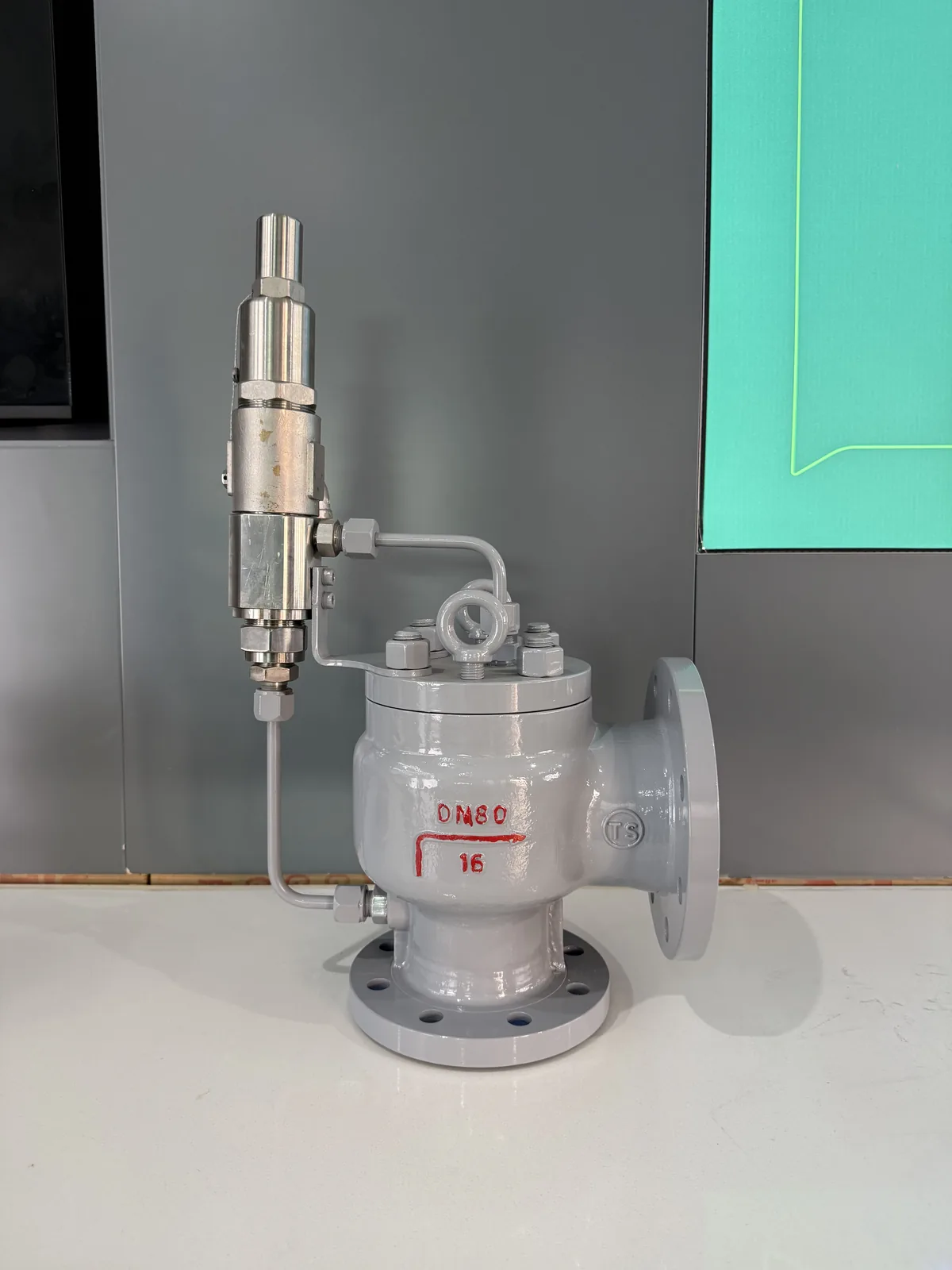
From Code Requirement to Shop-Floor Verification
Standards define technical requirements, but purchase-order compliance depends on design, materials, inspection scope and recorded test results. This actual ZOBAI photograph documents stainless steel pilot-operated safety relief valve on display. It is facility evidence, not a substitute for project-specific certificates or an agreed inspection and test plan.
Information needed for an IIAR ammonia refrigeration safety valve enquiry
Recommended engineering input
- Applicable IIAR standard editions and project code
- New design, modification, existing-system or replacement scope
- Protected equipment and refrigeration-system location
- MAWP or design pressure and set pressure
- Ammonia phase, purity basis and temperature
- Governing relief scenario and required capacity
- Compressor, regulator, pump or heat-input source data
- Inlet piping and outlet discharge arrangement
- Superimposed and built-up back pressure
- Valve materials, seat, connection and accessories
- Inspection, test and maintenance requirements
- Datasheet, calculation, certificates and document-index requirements
Continue the ammonia refrigeration pressure-protection review
Ammonia Safety Valves
Compressor Safety Valves
Pressure Vessel Safety Valves
Back Pressure and Bellows
API 520 Safety Valve Sizing
Safety Valve Certificates
Common questions about IIAR ammonia refrigeration standards
IIAR 2 is the central safe-design standard for closed-circuit ammonia refrigeration systems. IIAR 4 is particularly relevant to installation and overpressure-protection relief piping. The applicable project may also require other codes and jurisdictional rules.
No. IIAR 3 covers ammonia refrigeration valves and strainers but explicitly excludes safety relief valves and compressor slide valves. Safety relief devices must be selected and documented under the applicable relief-device, equipment and project requirements.
IIAR 5-2025 addresses startup. IIAR 6-2025 addresses inspection, testing and maintenance. IIAR 7-2025 addresses operating procedures for closed-circuit ammonia refrigeration systems.
IIAR 9 establishes minimum system safety requirements and an evaluation method for existing closed-circuit ammonia refrigeration systems. Addendum A (2024), current interpretations and associated evaluation tools should be checked where applicable.
Provide the protected equipment, MAWP, set pressure, ammonia phase, temperature, governing relief case, required capacity, source-flow data, inlet loss, back pressure, discharge destination, materials and required documents.
The discharge should go to an approved safe destination such as a properly designed outdoor vent, common header, diffusion tank, scrubber or treatment system. Toxic exposure, back pressure, dispersion, occupied areas and maintenance access must be reviewed.