
What Is Back Pressure in a Safety Valve System?
Back pressure is the pressure at the outlet of a pressure-relief valve. It can already exist before the valve opens, develop because of discharge flow after opening, or include both effects during the relieving event.
This glossary page defines superimposed, built-up and total back pressure; explains why the distinction matters to set-pressure behavior, certified capacity, valve stability and reseating; and shows the information that should appear in a PSV datasheet or RFQ.
- Superimposed back pressure exists before the valve opens.
- Built-up back pressure is generated by relief flow through the outlet system.
- Total back pressure during relief combines the applicable superimposed and built-up components.
- Constant and variable describe the behavior of superimposed back pressure; they are not separate primary categories.
Back pressure is the pressure acting at the valve outlet
Plain-language summary
After opening: built-up back pressure.
During relief: total back pressure for the applicable case.
Use these terms consistently in calculations, datasheets and RFQs
Superimposed Back Pressure
Built-up Back Pressure
Total Back Pressure
Constant and variable are subtypes of superimposed back pressure
Examples
- Constant: stable pressure in a receiving vessel or controlled downstream system
- Variable: flare-header pressure changes as other devices relieve
- Variable: closed vent or recovery pressure changes with operating mode
- Variable: common header pressure changes with simultaneous relief cases
- Constant or variable pressure may require cold differential test pressure review
- The selected valve must be checked against the full credible pressure range
Back pressure can change how a safety valve opens, flows and reseats
Opening and Set-Pressure Behavior
Relieving Capacity
Lift and Stability
Blowdown and Reseating
Valve-Type Selection
Outlet-System Design
How back pressure should be documented
Identify the discharge destination
Record pre-opening pressure
Calculate flow-generated pressure
Check the selected valve
What to enter for back pressure in a safety valve RFQ
Recommended RFQ fields
- Discharge destination and system description
- Minimum, normal and maximum superimposed back pressure
- Whether superimposed pressure is constant or variable
- Built-up back pressure at governing relieving flow
- Total back pressure for each credible case
- Outlet piping size, length, fittings and elevation
- Simultaneous relief assumptions for common headers
- Set pressure, allowable overpressure and required capacity
- Fluid composition, phase and relieving temperature
- Requested valve type, material and documentation standard
Back-pressure errors that lead to poor valve selection
Using one undefined number
Treating constant and variable as primary categories
Ignoring simultaneous relief
Assuming bellows removes all limits
Ignoring outlet temperature
Using nominal pipe size as proof
Missing pressure range
Skipping manufacturer data
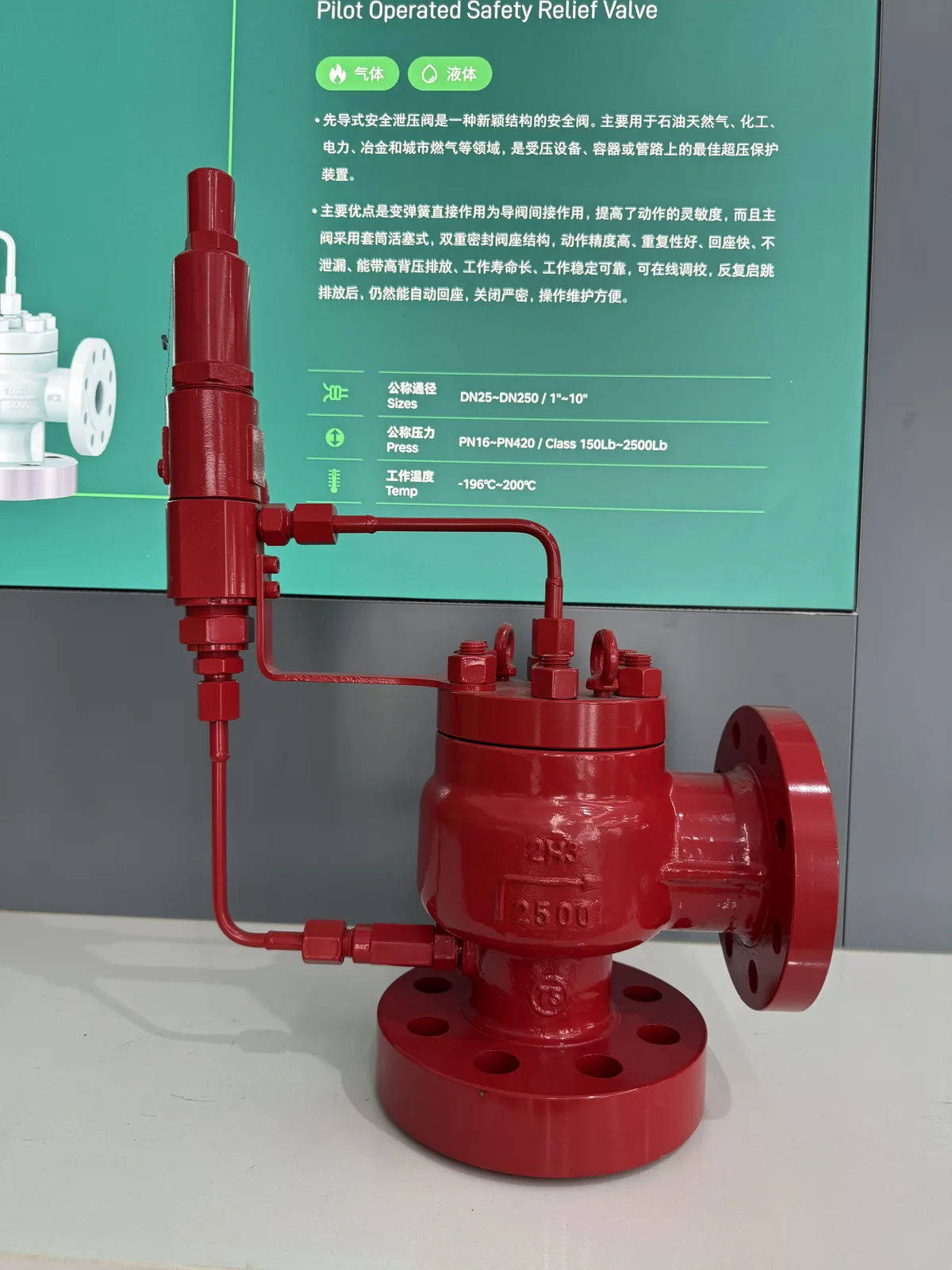
Documentation Connected to Real Production
A certificate or report is useful only when it can be traced to the supplied valve and agreed inspection scope. This actual ZOBAI photograph documents red pilot-operated safety relief valve on display. Align drawings, material records, pressure-test results and release documents with the purchase specification.
Continue from the glossary definition to engineering selection
Back Pressure and Bellows
High Back Pressure Applications
Bellows Balanced Safety Valves
API 520 Safety Valve Sizing
API 521 Relief Systems
Safety Valve Installation
Common questions about back pressure
Back pressure is the pressure at the outlet of a pressure-relief valve. It may exist before opening, develop because of discharge flow after opening, or include both components during relief.
It is outlet pressure that exists before the valve opens. It may be constant or variable depending on the downstream system.
It is pressure generated after the valve opens because relieving flow passes through outlet piping, fittings, headers or disposal equipment.
It is the outlet pressure acting during relief and combines the applicable superimposed and built-up components.
No. It reduces the pressure-area force effect on the spring-loaded mechanism, but capacity correction, stability, bellows limits, venting and downstream-system pressure still require review.
State the discharge destination, minimum and maximum superimposed pressure, whether it is constant or variable, built-up pressure at governing flow, total pressure for credible cases and the outlet piping details.