
Industrial Safety Valves Engineered for Critical Pressure Protection
ZOBAI supplies industrial safety valves for boilers, pressure vessels, process pipelines, compressor skids, LNG and LPG systems, refinery units, chemical processing equipment, and hygienic process lines. Across the full product portfolio, available ranges can cover set pressures from 0.6 MPa to 42.0 MPa, service temperatures from −196°C to +570°C, and nominal sizes from DN10 to DN600. Actual availability depends on the valve series, design standard, material, operating medium, connection type, and project requirements. Engineering review can be aligned with ASME Section VIII, API 520, API 526, API 527, EN ISO 4126, and applicable CE/PED project requirements. This allows buyers, EPC contractors, equipment manufacturers, and plant engineers to evaluate required relieving capacity, set pressure, back pressure conditions, material compatibility, connection standards, testing requirements, and documentation scope before final valve selection.
- Safety valve sizing and product-category review based on recognized ASME, API, and ISO overpressure-protection principles
- Material options including WCB, WC6, WC9, CF8, CF8M, 316L, duplex stainless steel, and selected nickel alloys, depending on the operating medium, temperature, pressure, and corrosion conditions
- Testing options including set-pressure verification, seat-leakage testing, hydrostatic shell testing, pneumatic tightness testing, and helium leak testing when specified
Request a Safety Valve Review
Share the medium, set pressure, operating pressure, temperature, size, connection, standard, and any available drawing or datasheet. This makes it easier to screen the correct valve category and review project constraints early.
*Recommended for faster review: application, medium, set pressure, operating pressure, temperature, back pressure, size, connection, standard, and datasheet or drawing.
WHY ZOBAI
Built for Project Review, Not Just Catalog Browsing
In safety valve work, the difficult part is rarely finding a valve body. The difficult part is confirming whether the selected type will still perform once real service variables are applied: set pressure, allowable overpressure, back pressure, fluid phase, corrosivity, temperature, connection class, maintenance access, and shutdown risk. ZOBAI structures product review around those variables instead of around a generic model list. That approach helps engineering teams compare practical options faster, reduces incorrect substitutions, and supports cleaner communication between design, procurement, and plant maintenance.
PRODUCT CATEGORIES
Browse Safety Valve Product Categories
Explore key ZOBAI safety valve categories for continuous protection, standard spring-loaded service, pilot-operated pressure relief, bellows-balanced performance, sanitary process lines, and jacket-heated applications. This section helps buyers and engineers move quickly from product browsing to technical evaluation and RFQ.
Changeover and Dual Safety Valves
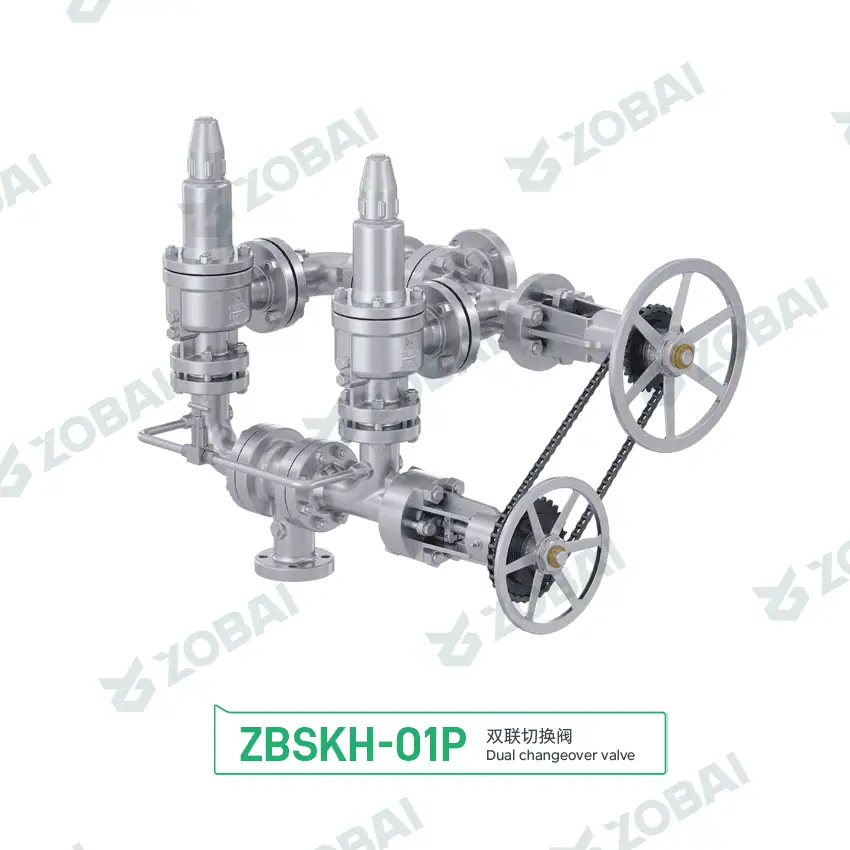
Changeover and Dual Safety Valves
Spring Loaded Safety Valves
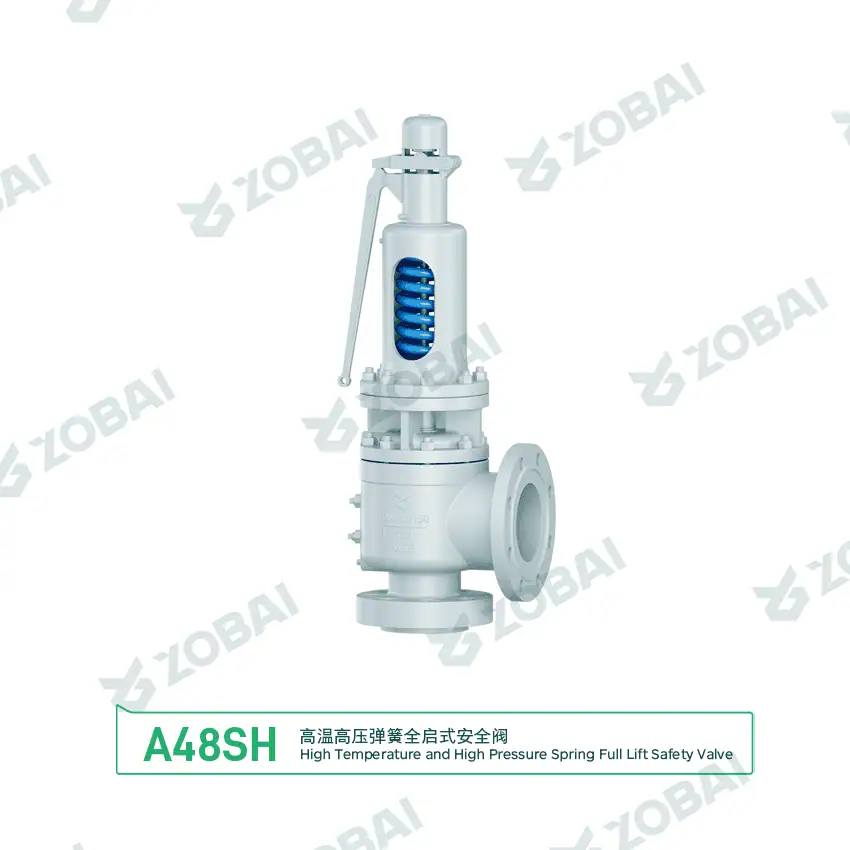
Spring Loaded Safety Valves
Pilot Operated Safety Valves
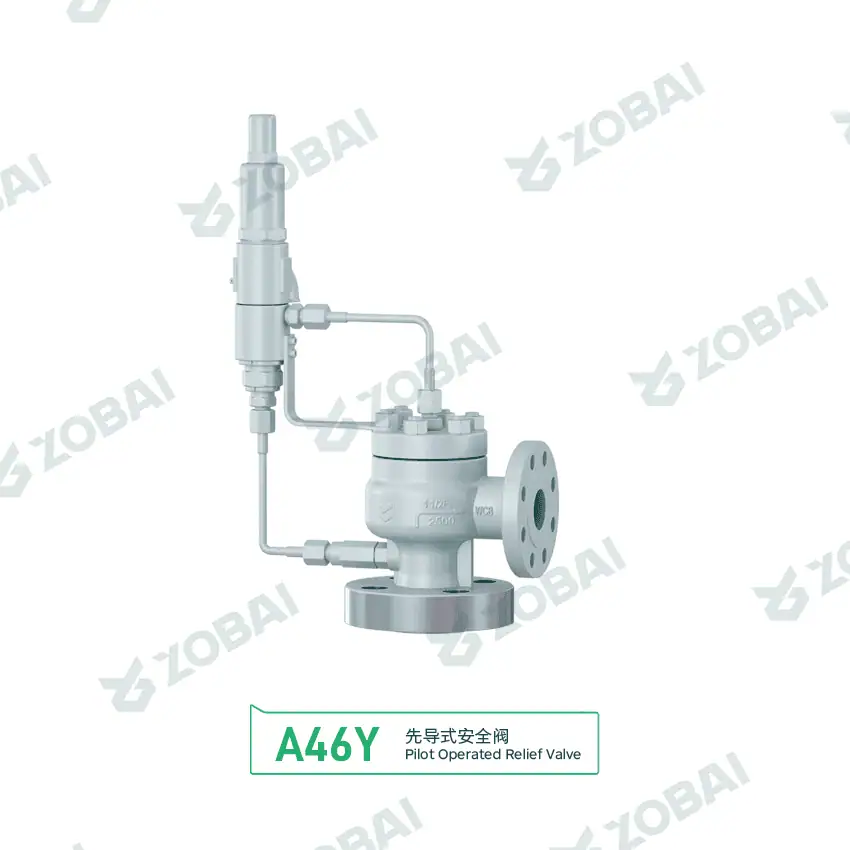
Pilot Operated Safety Valves
Bellows Balanced Safety Valves
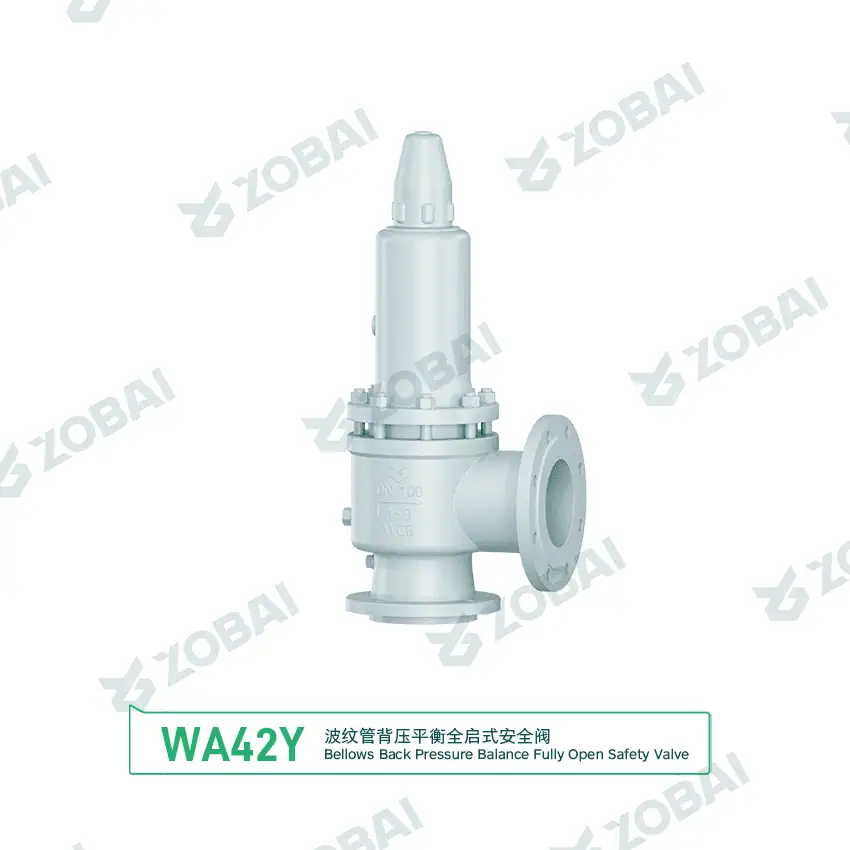
Bellows Balanced Safety Valves
Sanitary Safety Valves
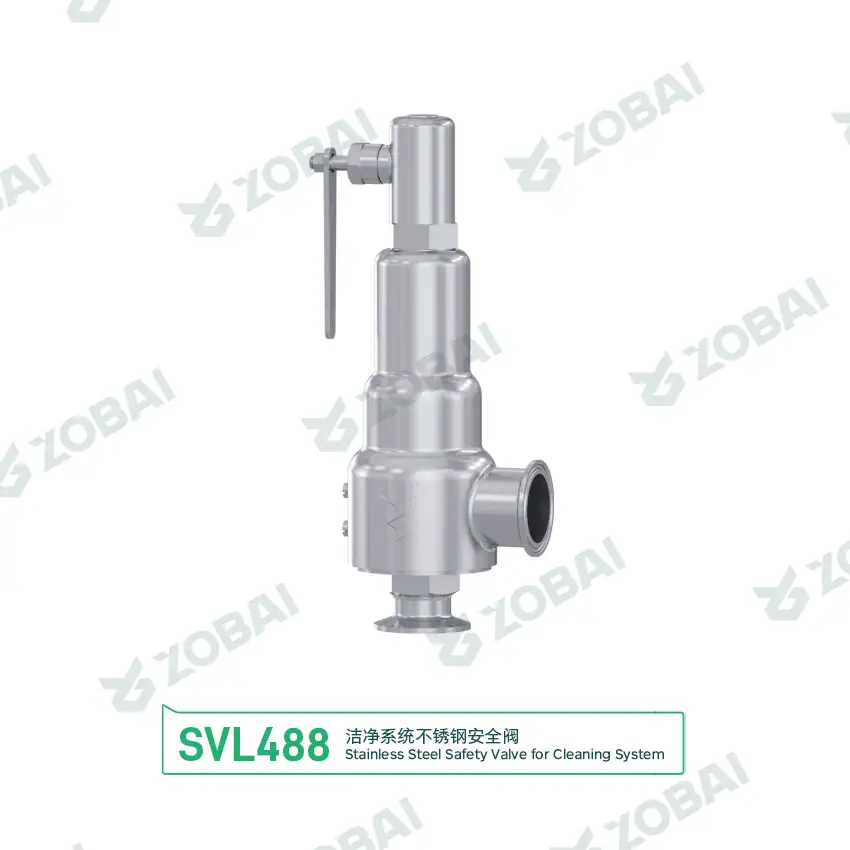
Sanitary Safety Valves
Jacketed Safety Valves
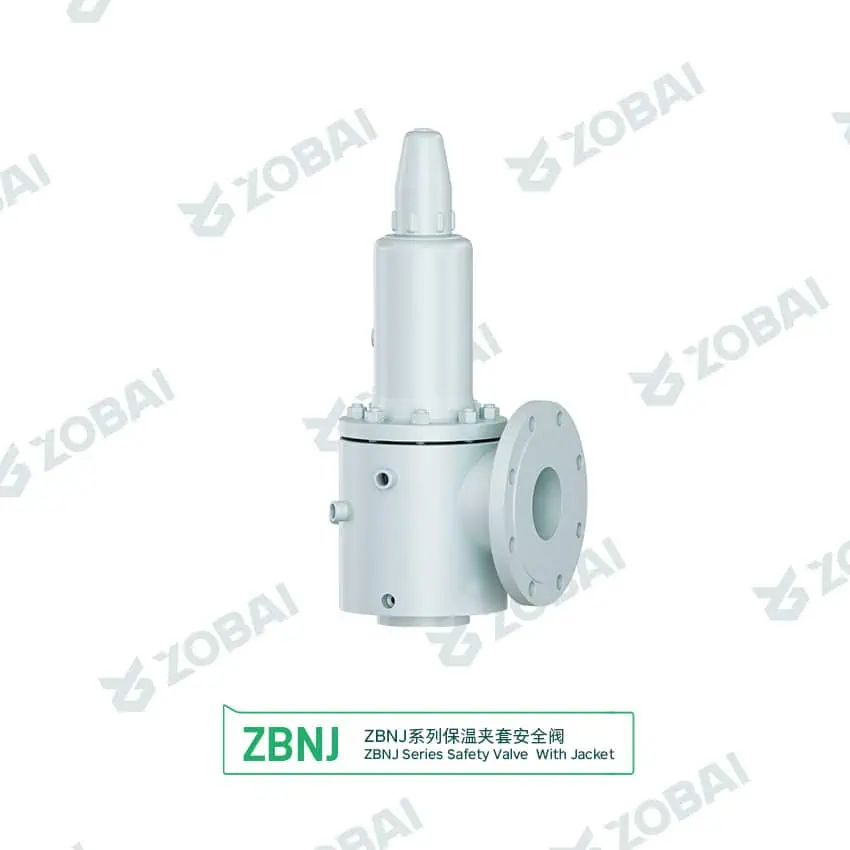
Jacketed Safety Valves
STANDARDS, MATERIALS, AND SERVICE CONDITIONS
Selection Starts with Operating Data, Not Product Photos
A safety valve should be screened against the service envelope first. Typical project inputs include medium phase, set pressure, relieving pressure, back pressure, operating temperature, required blowdown behavior, corrosion allowance, end connection, and installation constraints. Standard pathways often referenced during review include ASME Section VIII for pressure equipment, API 520 and API 526 for sizing logic and valve geometry, API 527 for seat tightness verification where applicable, EN ISO 4126 for safety valve principles, and CE/PED documentation routes for projects requiring European compliance files. Depending on service, engineers may also review flange standards such as ASME B16.5 or EN 1092-1, thread standards such as NPT or BSPT, and material selections such as 316L, CF8M, WC9, duplex stainless, or nickel-alloy trim. Typical applications include steam headers, boiler outlets, compressor packages, LPG skids, refinery process lines, vacuum receivers, CIP systems, and heated fluid circuits. The practical objective is not only pressure relief. It is avoiding nuisance leakage, chatter, corrosion-driven seat damage, and unplanned shutdown caused by a mismatch between the valve type and the actual fluid conditions.
MANUFACTURING CAPABILITY
Critical Features Are Controlled at the Component Level
Safety valve performance is decided by details that are easy to miss in a catalog summary: nozzle-seat concentricity, spring range control, disc and seat finish, stem guidance, bonnet sealing, bellows integrity, and connection accuracy. ZOBAI’s production workflow is organized around those control points. Depending on series, this can include body and bonnet machining, seat-face finishing, spring matching, trim assembly, sanitary finish control for hygienic lines, and jacket-channel integrity checks for heated media service. For non-standard applications, engineering attention is usually focused on trim material, spring calibration range, connection specification, and test scope, since those are the items most likely to affect service performance and lead time.
QUALITY ASSURANCE
Test Scope Aligned with Real Pressure Protection Risk
Quality control for a safety valve cannot stop at dimensional inspection. The checks that matter are the checks that affect opening, reseating, sealing, and long-term stability in service. Depending on category and project requirement, test scope can include incoming material review, machining inspection, assembly verification, set pressure calibration, reseat behavior review, seat leakage verification to API 527 where applicable, hydrostatic shell testing at 1.5 times design pressure, pneumatic tightness testing, and helium mass-spectrometer leak testing for vacuum, clean gas, or high-tightness applications where specified. Balanced designs may also require back pressure functional review, while sanitary valves may be reviewed for finish quality and cleanability at wetted interfaces. This gives engineering teams a clearer basis for product evaluation and internal approval.
CERTIFICATES AND DOCUMENTATION
Documentation Prepared for Technical Review and Compliance Workflows
For many projects, documentation drives approval as much as the hardware itself. Depending on the valve category and project requirement, documentation support can include general arrangement drawings, technical datasheets, material test reports, inspection and test plans, pressure test records, set pressure certificates, traceability files, and additional supporting records tied to the order scope. Where required, documentation pathways can also be prepared around CE/PED or other project-specific compliance frameworks. This matters in practice because procurement, engineering, quality, and end-user approval often move on different timelines. A complete and structured document package reduces review delays and makes it easier to verify that the selected valve matches the intended duty.
FEATURED SERIES
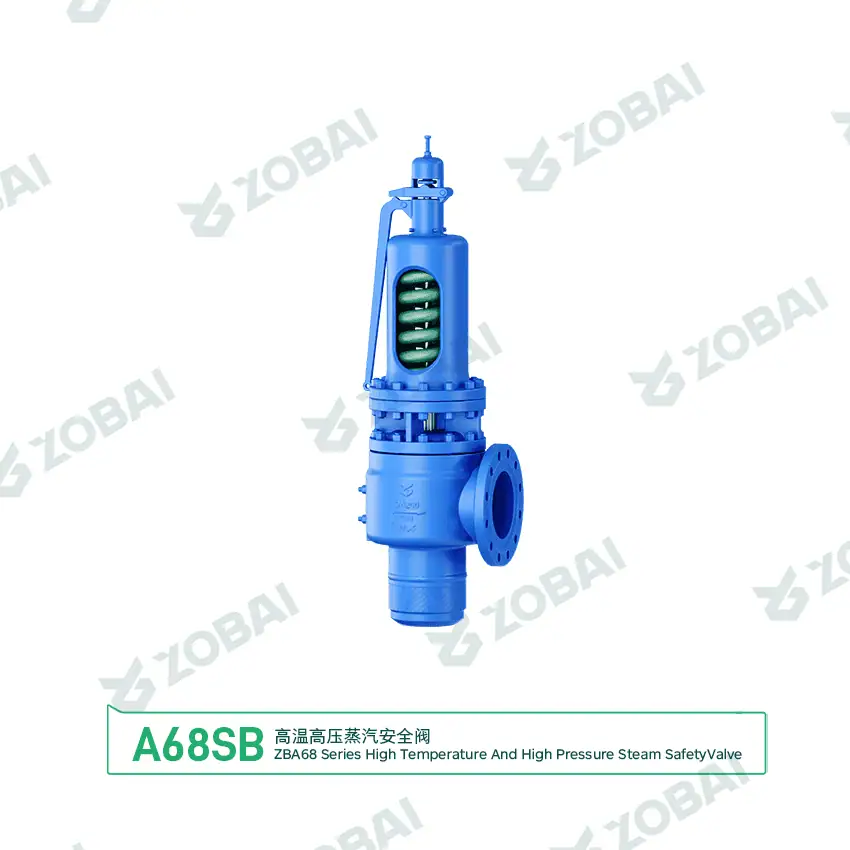
Featured Safety Valve Series
OUR PROCESS
How Safety Valve Projects Move Forward
Application Input
The starting point is service data: medium, set pressure, operating pressure, temperature, back pressure, connection type, valve size, and any project-specific standard or document requirement.
Category Screening
The valve architecture is screened against the duty. This is where spring loaded, pilot operated, bellows balanced, sanitary, jacketed, or changeover options are separated based on the actual service condition.
Technical Confirmation
Key technical points are reviewed before release, including material selection, end connection, pressure range, back pressure influence, sanitary or heated-media requirements, and any requested test scope.
Manufacture and Test
The valve proceeds through machining, assembly, calibration, and the agreed inspection and testing sequence appropriate to the product category and order scope.
Documentation and Delivery
The final stage includes the agreed technical files, traceability records, test documents, and shipping release so the valve can move into project execution with fewer approval issues.

Category-Based Quotation
Category-Based Quotation
- Based on valve category and service condition
- Covers spring loaded, pilot operated, sanitary, and more
- Helps narrow product direction before RFQ
- Suitable for early-stage project review
Documentation Support
Documentation Support
- Material traceability and inspection documents
- Pressure test and related technical records
- Helps with internal review and project submission
- Supports smoother approval communication
Technical Review Support
Technical Review Support
- Review set pressure, temperature, and medium
- Confirm size, connection, and valve type
- Support back pressure and installation discussion
- Helps reduce mismatch before quotation
Project RFQ Response
Project RFQ Response
- Aligned with project requirements and product category
- Easier communication for technical and commercial teams
- Suitable for distributors, OEMs, and industrial buyers
- Designed to move faster from inquiry to quotation
SELECTION INPUTS
What Usually Determines Safety Valve Selection
In industrial service, a safety valve is not selected from price alone. Engineering teams usually narrow the correct direction by checking four groups of variables: process medium, pressure window, connection and material class, and the test or documentation scope required by the project. These inputs have more impact on suitability than brand claims or generic product labels.
PROJECT SUPPORT
Support Functions Used Across Safety Valve Projects
PHOTO GALLERY
Inside ZOBAI Safety Valve Manufacturing

PROJECT FEEDBACK
What Buyers and Engineers Looked For in Practice
“We were reviewing a back pressure application and needed more than a catalog comparison. The bellows balanced direction was explained clearly, and the documentation package made internal review much easier.”
“Our steam project had a narrow shutdown window, so the technical questions mattered as much as the valve itself. The discussion around set pressure, temperature, and connection details was practical and useful.”
“For hygienic service, the key issue was not just pressure protection but cleanability and material suitability. The sanitary valve discussion was much closer to our real process requirements than the generic offers we received elsewhere.”
“We were looking at a higher-pressure application and needed the supplier to understand the difference between product type and project requirement. The communication was technical enough to keep our engineering review moving.”
FAQ
Safety Valve Questions, Answered
What project data should be prepared before selecting a safety valve?
At minimum, the review should include medium, phase, set pressure, operating pressure, relieving case, back pressure, temperature, valve size, connection type, piping standard, and any material or documentation requirements. If a drawing, datasheet, or process note is available, it usually shortens the screening process and reduces the chance of selecting the wrong category.
How do spring loaded, pilot operated, and bellows balanced safety valves differ?
A spring loaded design is the standard starting point for many general industrial services. A pilot operated design is often considered where tighter shutoff and more stable behavior close to set pressure are needed, especially in higher-pressure systems. A bellows balanced design is used where built-up or variable back pressure could disturb the opening or reseating behavior of a conventional spring-loaded valve. The correct choice depends on operating conditions, not on a single feature alone.
Which standards are commonly referenced during safety valve sizing and review?
Projects often reference ASME Section VIII for pressure equipment context, API 520 for sizing logic, API 526 for standard valve orifice and dimensional conventions, API 527 for seat tightness verification where applicable, and EN ISO 4126 for safety valve principles. Connection standards may also include ASME B16.5 or EN 1092-1 depending on the piping system.
Can standard valves be used for sanitary, heated-media, or vacuum service?
Not always. Hygienic process lines may need cleanable internal geometry and 316L or similar stainless wetted parts. Heated or viscous media can require jacketed construction so temperature loss does not affect operability. Vacuum or negative-pressure service may need a valve specifically designed for low-pressure differential behavior. The category should be matched to the actual service envelope rather than treated as a standard substitution.
What documents are usually requested for project approval?
Typical document requests can include technical datasheets, general arrangement drawings, material test reports, pressure test records, set pressure certificates, inspection documents, traceability records, and compliance-related files where required. The exact package usually depends on project standard, customer approval workflow, and the criticality of the service.
Ready to Review Your Safety Valve Requirement?
Share the service data first. Medium, pressure window, temperature, back pressure, connection, material, and document expectations usually determine the correct valve direction much faster than a generic product request. ZOBAI supports category screening, technical review, and project documentation for industrial safety valve applications across steam, gas, liquid, sanitary, and heated-media service.
- Category-Based Product Review
- Technical and Documentation Support
- Structured for Industrial Project Workflows