Storage Tank Safety Valves and Tank Venting for Atmospheric, Low-Pressure and Pressurized Tanks
Storage tank pressure relief protects fixed-roof tanks, nitrogen-blanketed tanks, low-pressure storage tanks, solvent tanks, chemical tanks, crude oil tanks, diesel tanks, LPG bullets, cryogenic storage packages and process day tanks from overpressure, vacuum damage, fire exposure and unsafe vapor release. Correct selection starts by identifying whether the equipment is an atmospheric tank, low-pressure tank or pressure vessel, then confirming normal venting, emergency venting, vacuum protection, tank design pressure, blanketing pressure, liquid fill/empty rate, vapor properties, corrosion risk, flame protection, discharge destination and required documentation.
Where Safety Valves and Tank Vents Are Used on Storage Tanks
Storage tank protection is not one single valve type. Atmospheric tanks usually require pressure/vacuum relief valves, emergency vents, flame arresters or conservation vents. Low-pressure tanks may require larger capacity venting and gas blanketing review. Pressurized storage vessels require certified safety valves sized by pressure vessel relief cases.
Atmospheric Fixed-Roof Tanks
Used for crude oil, diesel, fuel oil, solvents, water treatment chemicals and bulk liquids. Protection usually includes normal pressure/vacuum venting, emergency venting, flame protection and inspection access.
Nitrogen-Blanketed Storage Tanks
Used for solvents, monomers, oxygen-sensitive liquids, API intermediates and specialty chemicals. Relief review should include blanketing regulator failure, inert gas supply rate, vapor return, vacuum protection and emission control.
Low-Pressure Storage Tanks
Used where operating pressure is above simple atmospheric venting but below pressure-vessel service. Valve selection should confirm design pressure, vacuum rating, operating band, vent capacity and discharge destination.
Pressurized LPG and Hydrocarbon Storage
Used on LPG bullets, propane storage, butane storage and pressurized hydrocarbon vessels. These applications require PSV sizing for fire case, vapor pressure rise, overfilling and safe discharge routing.
Chemical and Corrosive Liquid Tanks
Used for acids, alkalis, chlorides, solvents, amines and aggressive chemicals. Material compatibility, vapor toxicity, scrubber back pressure, flame arresting and vent line corrosion should be reviewed.
Cryogenic and Refrigerated Storage
Used for LNG, LPG refrigerated service, liquid nitrogen, liquid oxygen and industrial gas storage. Low-temperature material, boil-off gas, thermal expansion and vacuum-jacket protection should be reviewed.
Storage Tank Protection Starts With Normal Venting, Emergency Venting and Vacuum Cases
Storage tanks fail differently from pressure vessels. A tank can be damaged by only a small positive pressure or vacuum if it is not designed for it. The protection device must match the tank design pressure, design vacuum, liquid movement rate, vapor generation, fire exposure and venting path.
Normal Outbreathing During Filling or Heating
When liquid enters a tank or tank contents warm up, vapor and gas must leave the tank. Pressure relief capacity should consider filling rate, thermal outbreathing, vapor pressure and blanketing gas behavior.
Normal Inbreathing During Emptying or Cooling
When liquid is pumped out or tank contents cool down, air or inert gas must enter the tank. Vacuum protection should be sized from pump-out rate, thermal inbreathing and tank vacuum rating.
Emergency Fire Exposure
External fire can heat tank contents and generate vapor quickly. Emergency venting should be reviewed with tank wetted area, liquid properties, insulation, fire exposure basis and discharge direction.
Blanketing Regulator Failure
Nitrogen blanketing protects products but can overpressure a tank if the regulator fails open. Relief capacity should consider maximum inert gas supply and downstream vapor control equipment.
Blocked Vent, Flame Arrester Fouling or Frozen Vent Line
Flame arresters, vapor recovery lines, conservation vents and discharge headers can become restricted by fouling, corrosion, ice, polymer or maintenance isolation. Blocked venting can overpressure or collapse a tank.
Pressurized Storage Vessel Fire Case
LPG bullets and other pressurized storage vessels are usually protected by certified PSVs rather than low-pressure tank vents. Fire case, vapor pressure, MAWP and flare or vent routing must be reviewed together.
Storage Tank Safety Valve and Venting Application Cases with Typical RFQ Data
These cases show how storage tank relief requirements are commonly described before model selection. Final sizing must be confirmed by tank datasheet, liquid properties, fill/empty rates, applicable standard, verified venting calculation and site safety review.
Case 1: Fixed-Roof Diesel Tank Pressure/Vacuum Relief Valve
Normal VentingA fixed-roof tank vent should be sized for both pressure and vacuum service. The correct device protects the tank shell and roof from excessive breathing pressure while limiting vapor loss during normal operation.
Case 2: Nitrogen-Blanketed Solvent Tank Conservation Vent
Blanketed TankBlanketed solvent tanks require careful separation between blanketing pressure, conservation vent setting and emergency relief setting. If the settings overlap incorrectly, nitrogen consumption, product oxidation or tank overpressure can occur.
Case 3: Chemical Acid Tank Corrosion-Resistant Vent
Corrosive VaporCorrosive tank venting should not be selected from pressure setting only. Vapor corrosion, scrubber pressure drop, condensation, mist carryover and vent line material can decide the correct configuration.
Case 4: Emergency Vent for Flammable Liquid Storage Tank
Fire ExposureEmergency venting is separate from normal breathing. A normal P/V vent may not have enough capacity for fire exposure, so emergency vent capacity should be reviewed independently.
Case 5: LPG Bullet Storage PSV
Pressurized StoragePressurized LPG storage is not protected by a simple tank breather vent. It requires pressure vessel PSV selection based on MAWP, fire case and certified relieving capacity.
Case 6: Cryogenic Liquid Storage Tank Relief System
Cryogenic StorageCryogenic storage relief must consider low-temperature material, cold vapor dispersion and blocked vent risk. Outlet icing and isolation valve management are important for safe operation.
Storage Tank Relief and Venting Data Matrix
| Tank Type | Typical Medium | Common Relief / Venting Case | Required Engineering Check | Recommended Device Review | Risk if Missed |
|---|---|---|---|---|---|
| Atmospheric fixed-roof tank | Diesel, crude oil, fuel oil, water, low-volatility liquids | Filling, emptying, thermal breathing and emergency fire case | Fill rate, pump-out rate, tank pressure/vacuum rating and wetted area | Pressure/vacuum relief valve plus emergency vent where required | Tank roof damage, shell deformation or excessive vapor loss |
| Nitrogen-blanketed tank | Solvent, monomer, API intermediate, oxygen-sensitive liquid | Blanketing regulator failure, thermal outbreathing and vacuum inbreathing | Blanketing pressure, nitrogen supply capacity, VOC control and vent setting | Conservation vent, vacuum relief and emergency relief review | Tank overpressure, product oxidation or high nitrogen consumption |
| Chemical storage tank | Acid, alkali, amine, chloride, solvent or toxic vapor | Filling, pump-out, thermal breathing and scrubber restriction | Material compatibility, scrubber back pressure, corrosion and toxicity | Corrosion-resistant tank vent, flame arrester or scrubber-connected vent | Vent corrosion, toxic release or blocked vent line |
| Low-pressure storage tank | Volatile liquid, refrigerated liquid, hydrocarbon vapor | Thermal breathing, vapor generation, fire exposure and pressure control failure | Design pressure, design vacuum, vapor generation rate and relief path | Low-pressure relief valve, vacuum breaker and emergency vent system | Tank buckling, overpressure or vapor cloud release |
| Pressurized storage vessel | LPG, propane, butane, ammonia, compressed gas | Fire exposure, overfilling, regulator failure and vapor pressure rise | MAWP, required capacity, wetted surface, vapor pressure and discharge reaction | Certified PSV sized as pressure vessel protection | Undersized relief, vessel overpressure or unsafe flammable discharge |
| Cryogenic storage tank | LNG, LN₂, LOX, LAr, cryogenic vapor | Boil-off gas, heat leak, blocked outlet and trapped liquid expansion | Low-temperature material, BOG capacity, vent icing and safe cold vapor routing | Cryogenic safety valve, thermal relief valve and dual relief arrangement | Cold embrittlement, overpressure or blocked icy discharge |
How to Specify a Storage Tank Safety Valve or Vent Correctly
1. Identify the tank design category
First confirm whether the equipment is an atmospheric tank, low-pressure tank, refrigerated tank, cryogenic storage package or pressurized storage vessel. This decision changes the applicable venting method, device type and sizing basis.
2. Confirm tank design pressure and vacuum rating
Storage tanks can be sensitive to small pressure or vacuum changes. Confirm design pressure, design vacuum, normal operating pressure, blanketing pressure, emergency pressure limit and roof design before choosing settings.
3. Define normal venting demand
Normal outbreathing and inbreathing are driven by fill rate, pump-out rate, thermal expansion, temperature change, vapor pressure and blanketing gas. Both pressure and vacuum directions must be checked.
4. Define emergency venting demand
Fire exposure, regulator failure, blocked vapor recovery, overfilling or vapor generation can exceed normal breathing demand. Emergency vents or certified PSVs should be reviewed separately from conservation vents.
5. Review material, flame protection and emissions
Flammable, corrosive, toxic, oxygen-sensitive and volatile liquids require review of flame arresters, material compatibility, soft seats, coatings, VOC control, scrubber connection and vapor recovery back pressure.
6. Confirm installation and document requirements
Tank vents and safety valves should be specified with connection size, set pressure, vacuum setting, capacity, material, gasket, screen, weather hood, flame arrester interface, test report and tag documentation.
Storage Tank Relief Devices Must Be Reviewed With Vapor Recovery, Scrubber and Emergency Vent Paths
Why tank vent installation changes protection performance
Storage tank protection depends on the whole vent path. A correctly sized device can still fail to protect the tank if a flame arrester is fouled, a vapor recovery line is blocked, a scrubber creates excessive back pressure, a bird screen freezes, or a roof nozzle is isolated during maintenance.
Installation should review tank nozzle location, vent verticality, weather protection, flame arrester pressure drop, vacuum path, emergency vent accessibility, condensate drainage, corrosion allowance, roof loading, inspection access and discharge direction away from personnel, ignition sources and air intakes.
Field installation checks
- Confirm tank design pressure and vacuum rating before setting selection.
- Size both pressure outbreathing and vacuum inbreathing capacity.
- Check emergency vent capacity separately from normal breathing capacity.
- Review flame arrester pressure drop, fouling risk and inspection interval.
- Route flammable, toxic or corrosive vapor to a safe vent, scrubber or recovery system.
- Avoid blocked bird screens, frozen vent lines and condensate pockets.
- Provide access for inspection, cleaning, testing and emergency vent maintenance.
Standards and Documents to Confirm Before Ordering
Common storage tank references
Storage tank relief specifications may reference API, ISO, EN, NFPA, ASME, GB, local environmental rules, fire codes, owner specifications and tank farm standards. The applicable document set should be confirmed before quotation.
- API 2000 for normal and emergency venting of atmospheric and low-pressure storage tanks.
- API 650 for welded tanks for oil storage where the tank is designed under this standard.
- API 620 for large welded low-pressure storage tank projects where specified.
- API 653 where in-service aboveground tank inspection, repair, alteration or reconstruction requirements are part of the project context.
- NFPA 30 where flammable and combustible liquid storage requirements are specified.
- ASME safety valve standards where the storage equipment is a pressure vessel rather than an atmospheric tank.
- ISO 4126 Safety Valve Standards when certified safety valve requirements apply to pressurized storage equipment.
- API 520 Safety Valve Sizing where certified PSV sizing is required for pressurized storage vessels such as LPG bullets.
- Owner specifications for tank blanketing, VOC control, flame arresters, emergency venting, scrubbers and corrosive vapor service.
Typical document package
Documentation should be agreed before manufacturing, especially for tank farms, chemical storage, solvent tanks, LNG/LPG storage, emergency vents, flame arrester interfaces and regulated emission systems.
- Technical datasheet with device type, size, connection, pressure setting and vacuum setting.
- Normal venting and emergency venting capacity confirmation.
- Material certificate for body, trim, pallet, seat, spring and fasteners when specified.
- Set pressure and vacuum setting test report when required.
- Flow test, leakage test or bench test report when specified.
- Flame arrester compatibility or pressure drop data when required.
- General arrangement drawing, dimension, weight and nozzle orientation.
- Tag number, nameplate, coating, packaging and project marking confirmation.
Storage Tank Safety Valve and Vent RFQ Data Checklist
| Required Data | Why It Matters | Example Input |
|---|---|---|
| Tank type | Defines whether the device is a tank vent, emergency vent or certified PSV. | API 650 tank, API 620 tank, blanketed tank, LPG bullet, cryogenic tank |
| Tank design pressure / vacuum | Defines the pressure and vacuum limits to protect. | +20 mbar / -5 mbar, +56 mbar / -6 mbar, MAWP 16 barg |
| Set pressure and vacuum setting | Defines device opening points and operating band. | Pressure 15 mbar, vacuum -3 mbar, PSV 10 barg |
| Medium and vapor properties | Affects capacity, material, flame protection and emission control. | Diesel vapor, solvent vapor, nitrogen, LPG, HCl vapor, LNG boil-off gas |
| Fill rate and pump-out rate | Determines normal outbreathing and inbreathing demand. | 300 m³/h filling, 250 m³/h pump-out, truck loading rate |
| Thermal breathing basis | Determines vent demand from ambient temperature change and solar heating. | Outdoor tank farm, tropical climate, winter service, insulated tank |
| Emergency venting basis | Determines fire-case or emergency relief capacity. | Tank diameter, shell height, wetted area, fluid properties, fire case |
| Blanketing system data | Checks regulator failure and nitrogen consumption risk. | Nitrogen supply pressure, regulator capacity, blanketing set pressure |
| Discharge destination | Determines back pressure, toxicity control and safe venting. | Atmosphere, flame arrester, vapor recovery, carbon bed, scrubber, flare |
| Material and corrosion requirement | Prevents corrosion, sticking, leakage and contamination. | Aluminum, carbon steel, 304SS, 316SS, PTFE seat, FRP/PVC-lined vent |
| Connection and mounting | Ensures compatibility with tank nozzle and maintenance access. | Flange, threaded, clamp, manway emergency vent, roof nozzle orientation |
| Required documents | Avoids procurement, inspection and commissioning delays. | Datasheet, drawing, material record, setting test, capacity confirmation, tag list |
Final selection must be confirmed by tank datasheet, design pressure, design vacuum, fill and empty rates, fluid properties, applicable standard, verified venting basis and engineering review.
Common Storage Tank Relief and Venting Selection Mistakes
Treating every storage tank as a pressure vessel
Atmospheric tanks usually need P/V venting and emergency venting, while pressurized storage vessels need certified PSVs. Device type must match tank design category.
Checking pressure relief but ignoring vacuum
Pump-out or rapid cooling can collapse a tank if vacuum inbreathing is undersized. Vacuum setting and inbreathing capacity must be reviewed together.
Using normal venting for fire case
Normal breathing capacity is not the same as emergency venting capacity. Fire exposure should be reviewed separately with tank and liquid data.
Ignoring flame arrester pressure drop
A flame arrester can add pressure drop and can foul in service. It should be included in the venting path and maintenance plan.
Forgetting blanketing regulator failure
Nitrogen blanketing can protect product quality but may overpressure a tank if regulator failure is not included in relief review.
Wrong material for corrosive vapor
Acid vapor, chloride vapor, amine, caustic and solvent service can damage seats, springs, screens and bodies. Material should follow vapor chemistry, not only liquid name.
Continue Your Storage Tank Pressure Relief Review
These internal links help buyers move from storage tank venting requirements to pressure/vacuum relief, emergency venting, LPG or LNG storage, pressure vessel PSV selection, material review and documentation preparation.
External Tank Venting and Storage Tank References
Use these authority references to confirm the external code basis behind atmospheric tank venting, low-pressure tank design, welded oil storage tanks, flammable liquid storage and pressure/vacuum relief requirements.
Storage Tank Safety Valve and Venting FAQ
Prepare a Complete Storage Tank Venting Datasheet Before Quotation
Send the tank type, design pressure, design vacuum, pressure setting, vacuum setting, medium, fill rate, pump-out rate, thermal breathing basis, emergency venting basis, blanketing data, discharge destination, material requirement, connection standard and required documents. A complete datasheet helps avoid unsafe assumptions and speeds up engineering review.
Minimum RFQ data
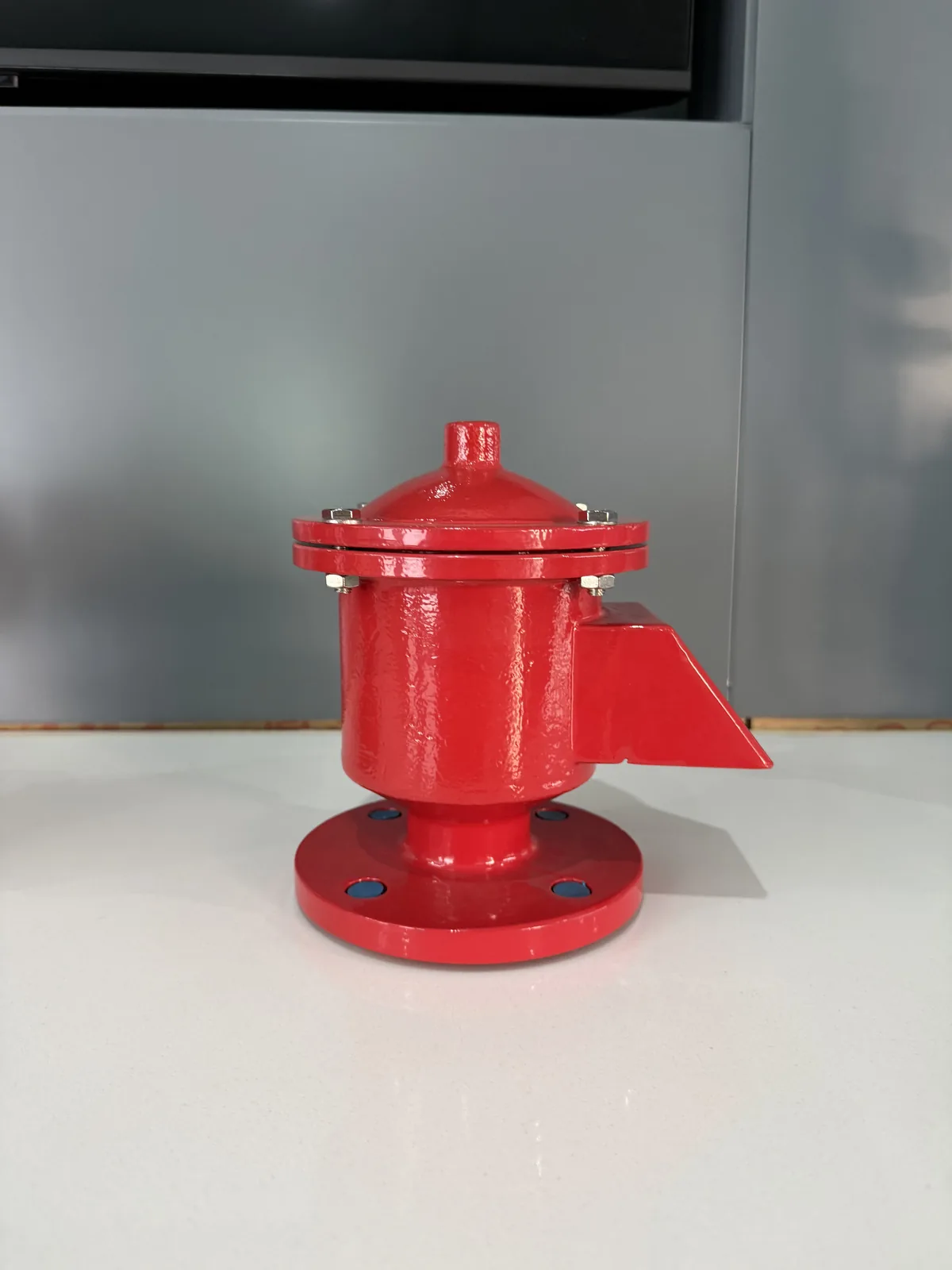
Real Production Evidence for Application Review
For Storage Tank Safety Valves & Tank Venting | ZOBAI service, supplier review should connect valve construction to set pressure, medium, temperature, capacity, back pressure and the governing code. This actual ZOBAI photograph documents red pressure-vacuum relief valve with side outlet. Review it with drawings, material records and pressure-test documents.