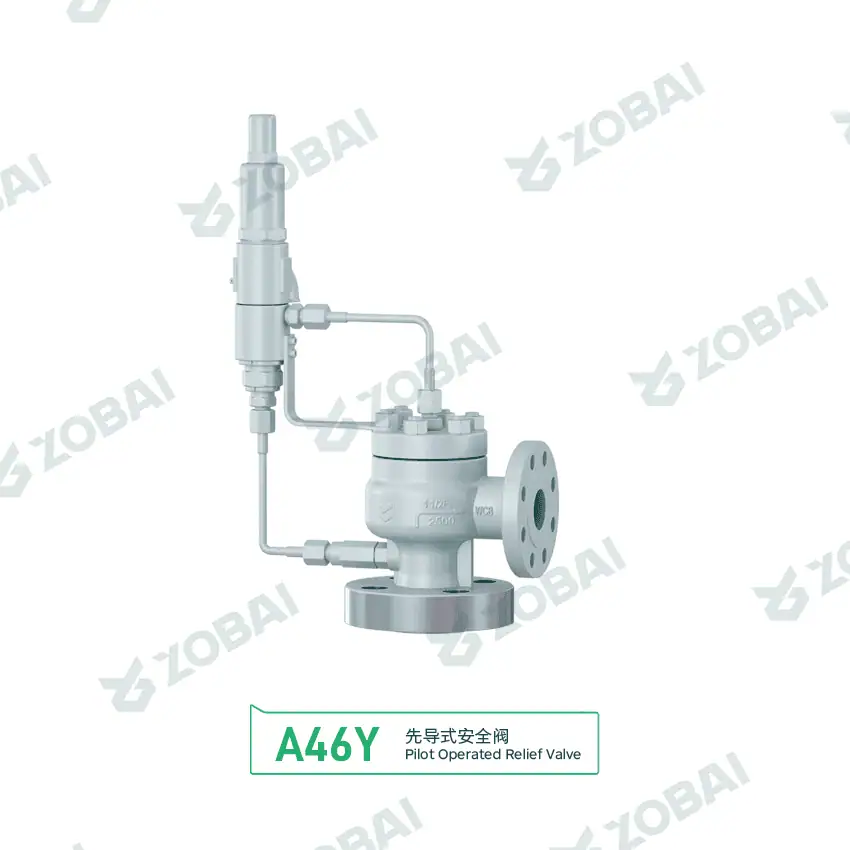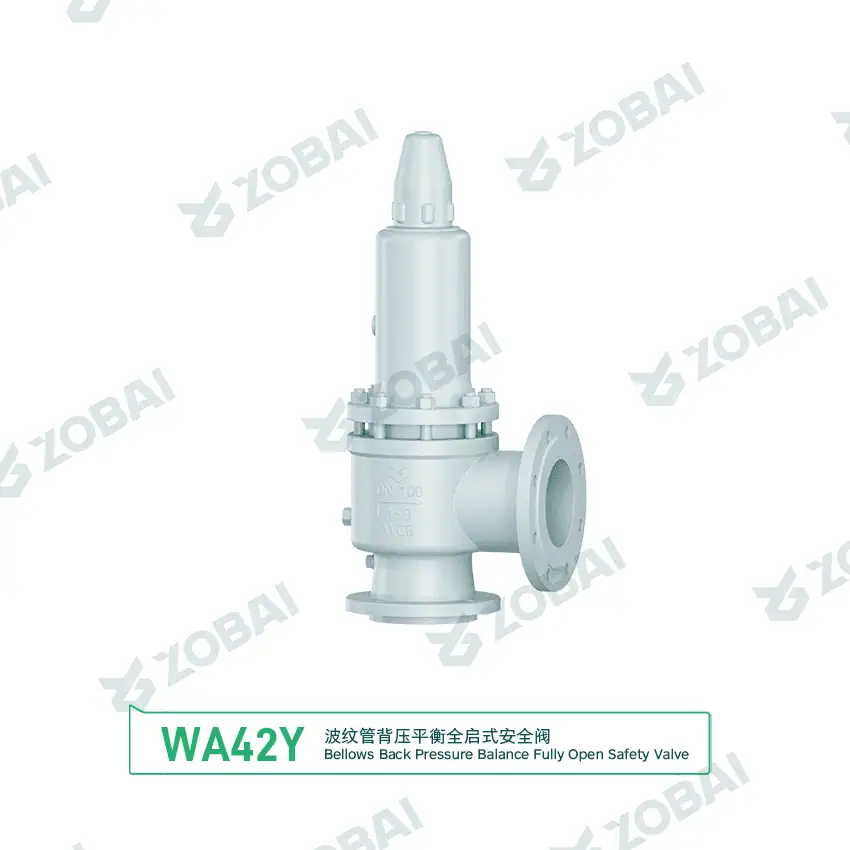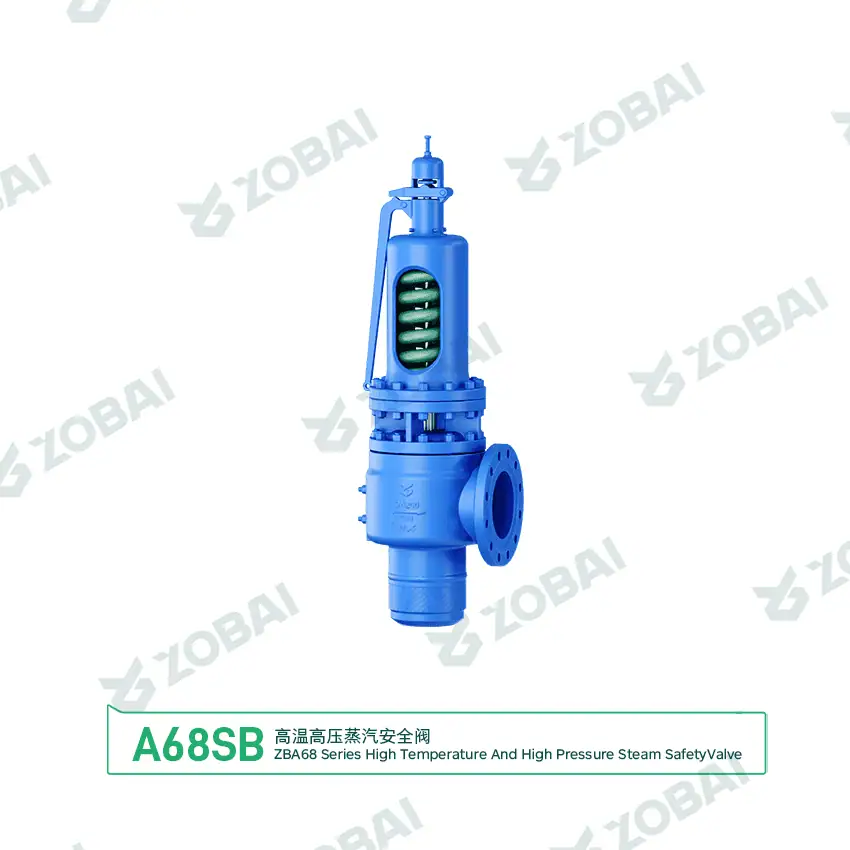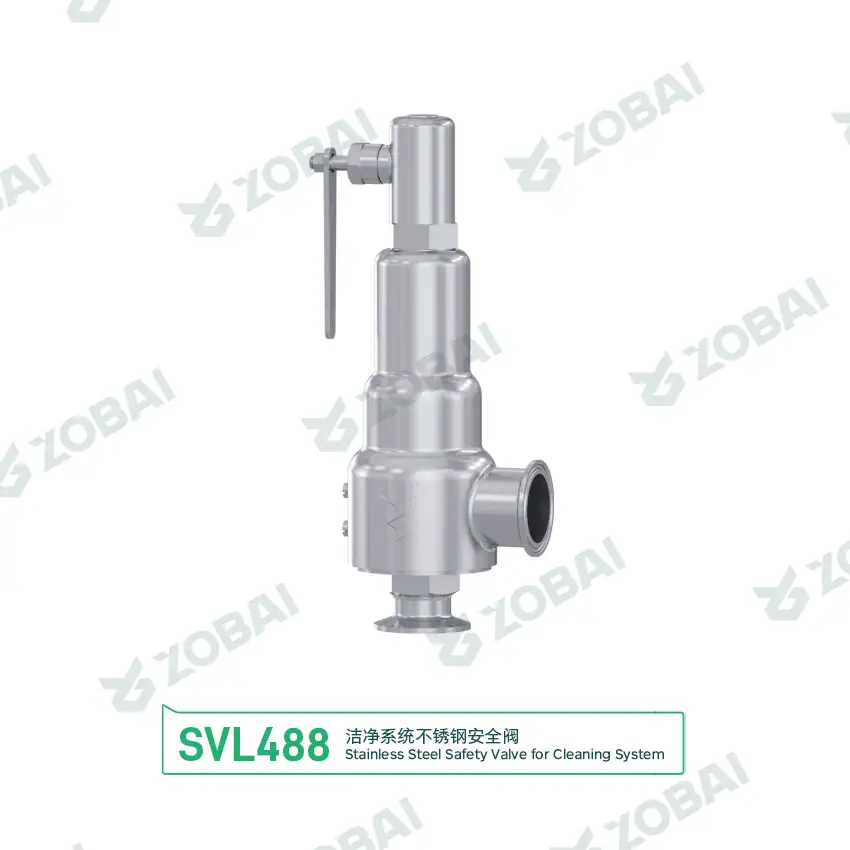
Ammonia Safety Valves for Refrigeration, Storage, Compressors, Receivers and Process Systems
Ammonia Safety Valves for Refrigeration, Storage, Compressors, Receivers and Process Systems
Ammonia safety valves protect NH3 / R717 refrigeration systems, anhydrous ammonia storage vessels, compressor packages, high-pressure receivers, low-pressure receivers, accumulators, condensers, evaporators, recirculators, transfer pumps, liquid lines, vapor headers, ammonia loading skids, fertilizer units and process ammonia systems from overpressure. Correct selection starts with ammonia phase, set pressure, protected equipment MAWP, maximum operating pressure, saturated pressure-temperature relationship, compressor discharge case, blocked outlet case, liquid thermal expansion, fire exposure, toxic discharge routing, back pressure, material compatibility, seat tightness, leakage control and required test documents.
Where Ammonia Safety Valves Are Used
Ammonia relief service can involve toxic vapor, anhydrous liquid ammonia, saturated vapor-liquid mixtures, cold refrigerant and hot compressor discharge gas. A correct ammonia safety valve should be selected for the actual phase, temperature, discharge destination and maintenance philosophy.
Industrial Ammonia Refrigeration Systems
Used on high-pressure receivers, low-pressure receivers, surge drums, recirculators, accumulators, evaporators, condensers and refrigeration vessels. Selection should review R717 pressure-temperature condition, trapped liquid, heat input, compressor isolation and toxic relief discharge.
Ammonia Compressors and Discharge Lines
Used on screw compressors, reciprocating compressors, compressor packages, oil separators, discharge headers and intercoolers. Relief review should include compressor capacity, blocked discharge, discharge temperature, vibration, pulsation and vent header pressure.
Anhydrous Ammonia Storage Vessels
Used on storage tanks, bullets, spheres, day tanks and process receivers. Selection should review vessel MAWP, liquid filling limit, fire exposure, vapor generation, emergency relief, multiple valves and discharge to safe vent or scrubber system.
Ammonia Transfer Pumps and Liquid Lines
Used on transfer pumps, liquid feed lines, pump discharge headers, loading skids and isolated pipe sections. Liquid ammonia thermal relief is important where ammonia can be trapped between closed valves and warmed by ambient heat.
Condensers, Evaporators and Heat Exchangers
Used on evaporative condensers, shell-and-tube condensers, plate heat exchangers, ammonia evaporators and chillers. Relief cases include blocked outlet, heat input, tube rupture, liquid overfeed and trapped liquid expansion.
Fertilizer, Chemical and Process Ammonia Units
Used on ammonia synthesis, urea, fertilizer, neutralization, dosing, vaporizer, pressure letdown and process skids. Selection should review anhydrous ammonia, aqueous ammonia, toxic service, corrosion, back pressure and scrubber discharge.
Ammonia Safety Valve Selection Starts With Phase, Toxic Discharge and Relief Scenario
Ammonia systems can overpressure through compressor blocked discharge, heat input, fire exposure, trapped liquid expansion, blocked vapor outlet, pressure regulator failure or liquid overfeed. Relief valves must be sized from the governing case and installed with a safe discharge route.
Compressor Blocked Discharge
Ammonia compressors can overpressure discharge lines, oil separators and receivers if the discharge is blocked or capacity control fails. Sizing should review compressor flow, discharge temperature, refrigerant condition and outlet header pressure.
Blocked-In Liquid Ammonia Thermal Expansion
Liquid ammonia trapped between closed valves can build pressure as temperature rises. Thermal relief should be reviewed on liquid lines, pump discharge sections, loading lines, condensate traps and isolated refrigeration sections.
Fire Exposure on Storage or Process Vessels
Anhydrous ammonia vessels and process receivers may require large vapor relief capacity during external fire exposure. Fire case review should include wetted area, inventory, relieving pressure, vapor generation and discharge treatment.
Heat Input to Receivers and Heat Exchangers
Condensers, evaporators, surge drums and heat exchangers can overpressure when heat is added while outlets are blocked or flow is restricted. Phase behavior, liquid carryover and relief header back pressure should be checked.
Pressure Regulator or Control Valve Failure
Failed-open control valves or pressure regulators can expose lower-rated downstream equipment to higher ammonia pressure. The downstream valve should protect the lowest-rated credible pressure boundary.
Toxic Relief Discharge and Back Pressure
Ammonia relief discharge may require safe vent stack routing, diffuser, water tank, scrubber, flare or closed relief system depending on project philosophy. Back pressure and toxic exposure control should be reviewed before valve selection.
Ammonia Safety Valve Application Cases with Typical RFQ Data
These cases show how ammonia safety valve requirements are commonly described before model selection. Final sizing must be confirmed by ammonia phase, protected equipment datasheet, pressure-temperature condition, relief scenario, discharge philosophy and applicable project standard.
Case 1: High-Pressure Ammonia Receiver Safety Valve
R717 ReceiverReceiver relief valves should be selected for ammonia phase behavior and safe discharge. Vent routing should protect personnel and avoid routing toxic vapor into enclosed or occupied areas.
Case 2: Ammonia Compressor Discharge Safety Valve
Compressor ProtectionCompressor relief is often controlled by maximum compressor flow, not normal operating load. Vibration and oil carryover should be considered in valve and installation review.
Case 3: Blocked-In Liquid Ammonia Thermal Relief Valve
Thermal ReliefSmall trapped ammonia volumes can create high pressure when warmed. Every liquid ammonia section that can be isolated should be checked for thermal relief coverage.
Case 4: Ammonia Condenser or Evaporator Relief Valve
Heat Exchanger ProtectionHeat exchangers can relieve vapor, liquid or two-phase ammonia depending on the failure mode. The phase assumption should be confirmed before sizing.
Case 5: Anhydrous Ammonia Storage Tank Safety Valve
Storage / ChemicalStorage tank ammonia relief should be reviewed as a system with emergency discharge, toxic exposure control and maintenance isolation philosophy.
Case 6: Ammonia Refrigeration Skid Relief Valve
Skid PackagePackaged ammonia systems need early relief valve layout review because compact skid designs can make venting, testing and replacement difficult after fabrication.
Ammonia Safety Valve Data Matrix
| Ammonia Service | Typical Medium | Common Relief Cause | Required Engineering Check | Recommended Valve Review | Risk if Missed |
|---|---|---|---|---|---|
| Refrigeration receiver | R717 vapor, liquid ammonia, two-phase refrigerant | Heat input, blocked outlet, overfill, fire case | Receiver MAWP, ammonia inventory, operating temperature, relief header and discharge treatment | Spring-loaded ammonia safety valve with suitable seat and materials | Toxic release, receiver overpressure or unsafe discharge |
| Compressor discharge | Hot ammonia gas, oil-contaminated vapor | Blocked discharge, control failure, valve closure | Compressor capacity, discharge temperature, pulsation, vibration and outlet back pressure | Gas PSV for ammonia compressor service | Compressor package overpressure, chatter, leakage or pipe vibration |
| Blocked-in liquid line | Liquid ammonia and flashing ammonia | Thermal expansion between closed valves | Trapped volume, temperature rise, return pressure and isolation sequence | Ammonia thermal relief valve with tight shutoff | Rapid pressure rise, line rupture or nuisance ammonia release |
| Condenser / evaporator | Ammonia vapor, liquid, two-phase mixture | Heat input, blocked outlet, tube rupture, liquid overfeed | Heat duty, phase behavior, equipment MAWP, liquid carryover and toxic discharge route | Ammonia PSV sized for the governing exchanger relief case | Undersized relief, liquid carryover or unsafe toxic venting |
| Anhydrous ammonia storage | Ammonia vapor and liquid inventory | Fire exposure, overfill, blocked vapor outlet, heat input | Vessel size, fill level, fire case, emergency discharge and multiple valve arrangement | Large-capacity ammonia PSV or multiple PSV arrangement | Storage vessel overpressure or large toxic release |
| Process ammonia / aqueous ammonia | Anhydrous ammonia, aqueous ammonia, ammonia vapor | Pump deadhead, heat input, blocked outlet, regulator failure | Concentration, corrosion, vapor pressure, toxicity, material and scrubber back pressure | Compatible PSV, liquid relief valve or bellows PSV depending on service | Corrosion failure, wrong phase sizing or rejected documentation |
How to Specify an Ammonia Safety Valve Correctly
1. Confirm ammonia type and phase
Specify R717 refrigerant, anhydrous ammonia, aqueous ammonia, vapor, liquid, saturated two-phase mixture or hot compressor discharge gas. Phase and temperature determine sizing, materials, discharge piping and valve configuration.
2. Define protected equipment MAWP and set pressure
Start with receiver MAWP, compressor package rating, storage vessel design pressure, exchanger rating, skid piping pressure or downstream equipment limit. The set pressure should protect the lowest-rated pressure boundary.
3. Size from the governing relief scenario
Review compressor blocked discharge, heat input, external fire, trapped liquid expansion, blocked outlet, pump deadhead, liquid overfeed and pressure control failure. The highest credible relieving load controls capacity.
4. Review toxic discharge routing
Ammonia relief should be routed to an approved safe destination such as outdoor vent, common relief header, diffusion tank, scrubber or treatment system. Personnel exposure, wind direction, air intakes and occupied areas must be reviewed.
5. Select materials and seats for NH3 compatibility
Body, trim, spring, gasket, seat and bolting materials should be compatible with ammonia, temperature, moisture and oil carryover. Copper and copper alloys are generally avoided in ammonia-wetted parts.
6. Confirm inspection, testing and maintenance access
Ammonia valves often require periodic testing, replacement, isolation management and leakage control. RFQ documents should define calibration, seat tightness, material certificates, spare valve strategy and safe removal access.
Ammonia Relief Valves Must Be Reviewed With Vent Headers, Toxic Exposure, Back Pressure and Liquid Trapping
Why ammonia relief valve installation controls real safety
Ammonia relief performance depends on the full relief path. A correctly sized valve can still create risk if the vent header creates excessive back pressure, the outlet points toward operators, the valve discharges near air intakes, isolated liquid sections lack thermal relief, or liquid ammonia can collect in low points.
Installation should review inlet pressure loss, valve orientation, relief header capacity, outlet support, common vent header back pressure, vent stack height, toxic plume direction, diffusion tank or scrubber sizing, liquid pocket drainage, trapped liquid sections, compressor vibration, isolation valve policy, tag visibility, test access and safe removal clearance.
Field installation checks
- Confirm set pressure, protected equipment MAWP and ammonia phase before installation.
- Check every isolated liquid ammonia section for thermal relief coverage.
- Keep inlet pressure loss within the project design limit.
- Route ammonia discharge to an approved vent, relief header, scrubber or treatment system.
- Check relief header or scrubber back pressure under simultaneous relief conditions.
- Avoid venting toward operators, platforms, air intakes, doors, occupied areas and enclosed spaces.
- Provide safe access for calibration, replacement, inspection and seat tightness testing.
Standards and Documents to Confirm Before Ordering
Common ammonia relief references
Ammonia safety valve specifications may reference IIAR, ASME, API, ISO, EN, GB, local refrigeration rules, pressure equipment regulations, PSM requirements, owner ammonia refrigeration standards and project relief philosophy.
- ANSI/IIAR 2 for safe design of closed-circuit ammonia refrigeration systems where specified by the project.
- ANSI/IIAR 9 for minimum system safety requirements for existing closed-circuit ammonia refrigeration systems where specified.
- API 520 for pressure-relieving device sizing and selection reference where required.
- API 521 for pressure-relieving and depressuring system review, including fire case, relief header and discharge treatment.
- ASME BPVC Section VIII where ammonia receivers, storage vessels, accumulators or heat exchangers are pressure vessels.
- ASME B31.3 where process ammonia piping, chemical plant piping or skid piping is specified.
- API 527 when seat tightness testing is required by the project specification.
Typical ammonia valve document package
Documentation should be agreed before manufacturing, especially for industrial refrigeration plants, cold storage facilities, food processing plants, fertilizer units, chemical plants, ammonia storage and EPC export projects.
- Technical datasheet with tag number, model, size, orifice, set pressure and connection.
- Sizing calculation or certified relieving capacity confirmation.
- Ammonia phase, operating temperature, relieving temperature and relief scenario basis.
- Set pressure calibration certificate, pressure test report and seat tightness test report.
- Material certificate for body, bonnet, nozzle, disc, trim, spring and pressure-retaining parts.
- Compatibility statement for ammonia wetted parts and seat materials when specified.
- General arrangement drawing with dimensions, weight, outlet orientation and maintenance clearance.
- Nameplate, tag list, spare parts list, inspection witness record and packing record when required.
Official Standards Sources for Ammonia Relief Valve Review
Use ZOBAI internal pages for application guidance, RFQ preparation and product selection. Use the official publisher pages below when project specifications require ammonia refrigeration, pressure vessel, process piping, pressure-relief sizing, relief-system or seat-tightness standard identification.
Ammonia Safety Valve RFQ Data Checklist
| Required Data | Why It Matters | Example Input |
|---|---|---|
| Protected equipment | Defines pressure boundary, code basis and set pressure limit. | Receiver, compressor discharge line, condenser, evaporator, storage tank, pump line, refrigeration skid |
| MAWP / design pressure | Defines the maximum pressure the valve must protect. | 10 barg, 16 barg, 25 barg, 300 psi, vessel MAWP value, skid design pressure |
| Set pressure | Defines valve opening pressure and capacity basis. | Receiver protection value, compressor package set pressure, thermal relief set pressure |
| Ammonia type and phase | Affects sizing, material, seat, discharge route and toxicity review. | R717 vapor, liquid ammonia, anhydrous ammonia, aqueous ammonia, hot discharge gas, two-phase ammonia |
| Relief scenario | Determines required capacity and valve type. | Compressor blocked discharge, heat input, fire case, blocked-in liquid, pump deadhead, regulator failure |
| Required capacity | Confirms whether the valve can protect the ammonia system. | kg/h, lb/h, Nm³/h, compressor flow, fire case load, thermal expansion basis |
| Operating and relieving temperature | Controls pressure-temperature behavior, material selection and seat compatibility. | -40°C suction system, ambient receiver, 120°C compressor discharge, fire case relieving temperature |
| Back pressure and discharge route | Influences capacity, stability, toxic exposure and valve configuration. | Atmospheric vent, common relief header, diffusion tank, scrubber, flare, closed treatment system |
| Installation condition | Affects orientation, piping load, maintenance access and discharge safety. | Outdoor receiver, machine room, cold room, roof vent, compressor skid, refrigeration package |
| Material and seat requirement | Prevents leakage, incompatibility and documentation rejection. | Carbon steel, stainless trim, soft seat, metal seat, PTFE seat, ammonia-compatible elastomer |
| Leakage and testing requirement | Important because ammonia leakage creates toxic odor and safety complaints. | Seat tightness test, set pressure calibration, pressure test, inspection witness requirement |
| Required documents | Avoids procurement, inspection and commissioning delays. | Datasheet, drawing, MTC, sizing report, calibration report, pressure test, seat test |
Final selection must be confirmed by ammonia phase, protected equipment datasheet, set pressure, relief scenario, required capacity, applicable standard, back pressure calculation, discharge philosophy, certified valve capacity and engineering review.
Common Ammonia Safety Valve Selection Mistakes
Treating ammonia as ordinary gas service
Ammonia service can involve toxic vapor, liquid ammonia, two-phase refrigerant and hot compressor discharge gas. Phase and toxicity must be reviewed before sizing and discharge design.
Missing trapped liquid thermal relief
Liquid ammonia trapped between closed valves can build high pressure as temperature rises. Liquid lines, pump sections and isolated skids should be checked for thermal relief.
Ignoring toxic discharge route
Ammonia discharge cannot be treated like harmless air. Vent location, air intakes, platforms, machine room openings, occupied areas and treatment systems should be reviewed.
Using unsuitable wetted materials
Ammonia compatibility should be checked for body, trim, seat, gasket and bolting. Copper-bearing wetted parts are generally avoided in ammonia service.
Ignoring oil, moisture or dirty refrigerant
Oil carryover, moisture, dirt and corrosion products can affect seat tightness and reseating. Compressor discharge and older refrigeration systems need maintenance review.
Forgetting common relief header back pressure
Multiple ammonia relief valves may discharge into a common header. Simultaneous relief, header size, treatment equipment and built-up back pressure should be checked.
Continue Your Ammonia Safety Valve Selection Review
These related pages help move from ammonia relief requirements to detailed valve selection, sizing, thermal relief, compressor protection, toxic discharge review and complete RFQ preparation.
Ammonia Safety Valve FAQ
Prepare a Complete Ammonia Safety Valve Datasheet Before Quotation
Send the protected equipment datasheet, MAWP or design pressure, set pressure, ammonia type, ammonia phase, relief scenario, required capacity, operating pressure, operating temperature, relieving temperature, compressor data or trapped liquid volume where applicable, back pressure, discharge route, material requirement, seat requirement, connection standard and required documents. A complete datasheet helps confirm correct NH3 sizing, seat tightness, material compatibility and safe toxic discharge.
Minimum RFQ data
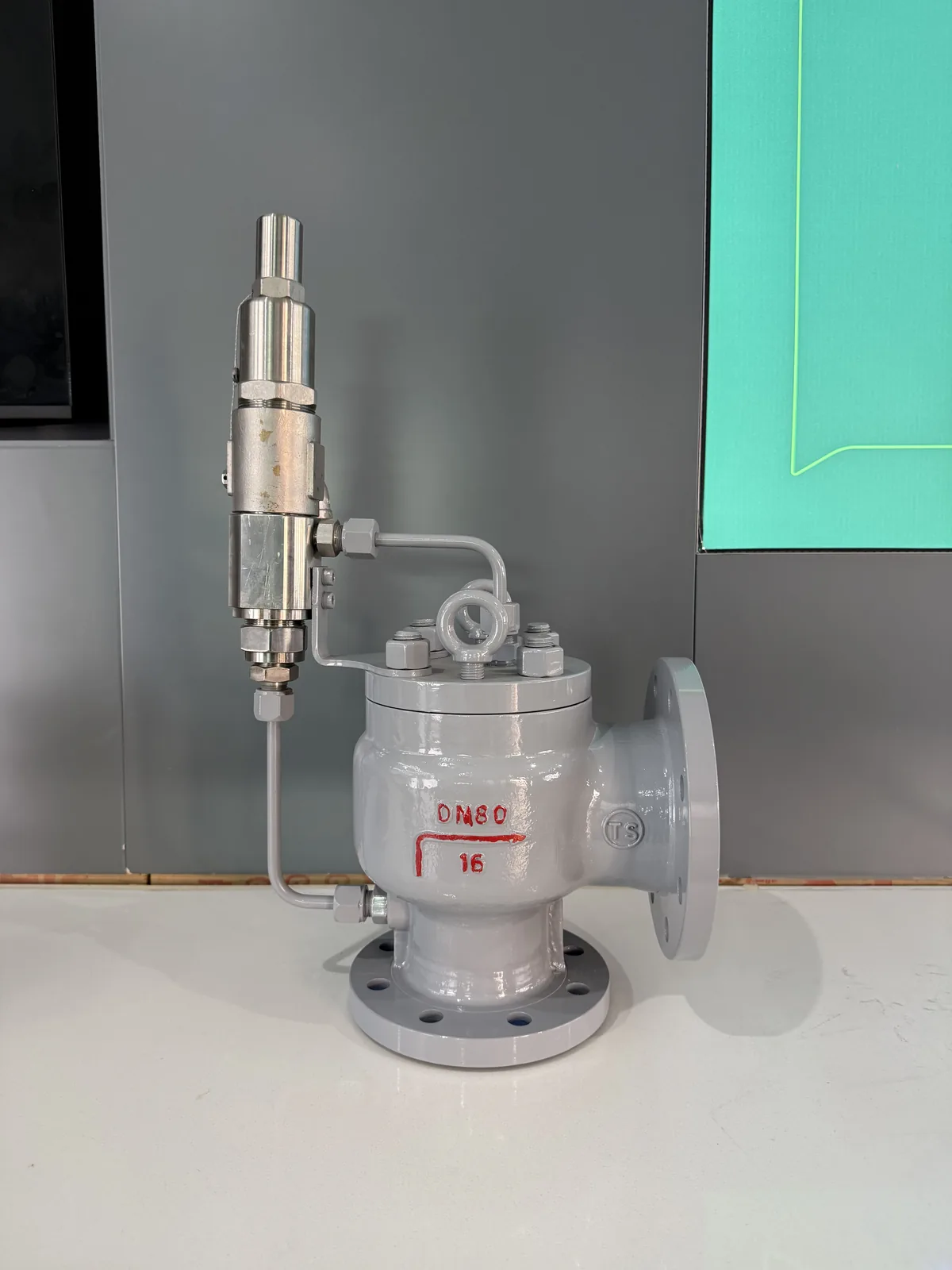
Real Production Evidence for Application Review
For Ammonia Safety Valves for NH3 / R717 Systems | ZOBAI service, supplier review should connect valve construction to set pressure, medium, temperature, capacity, back pressure and the governing code. This actual ZOBAI photograph documents stainless steel pilot-operated safety relief valve on display. Review it with drawings, material records and pressure-test documents.