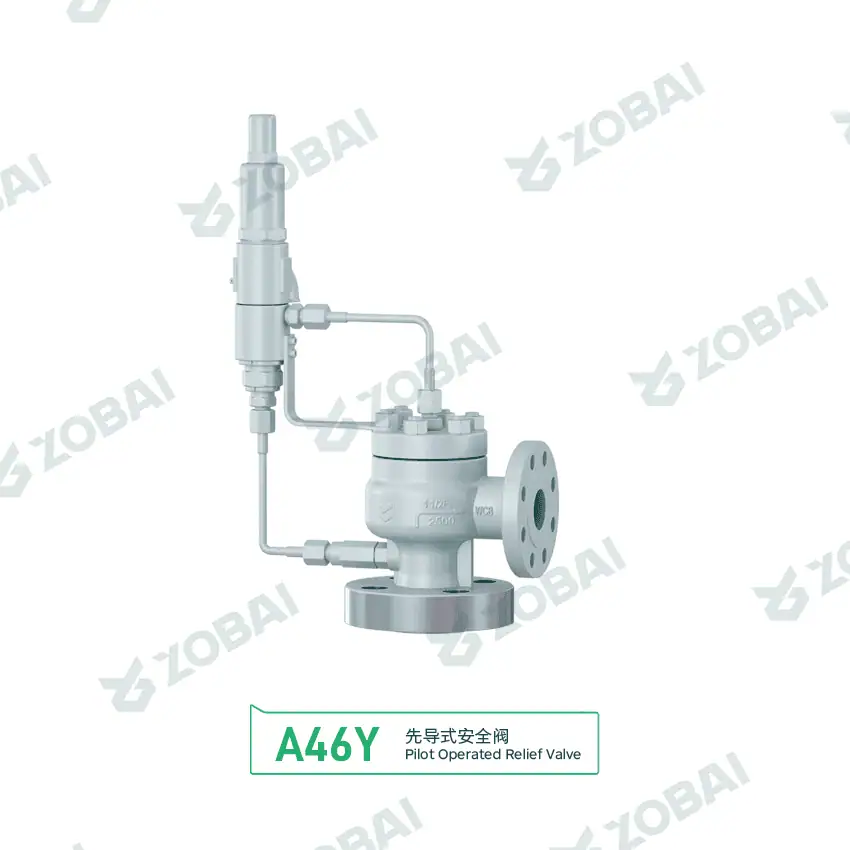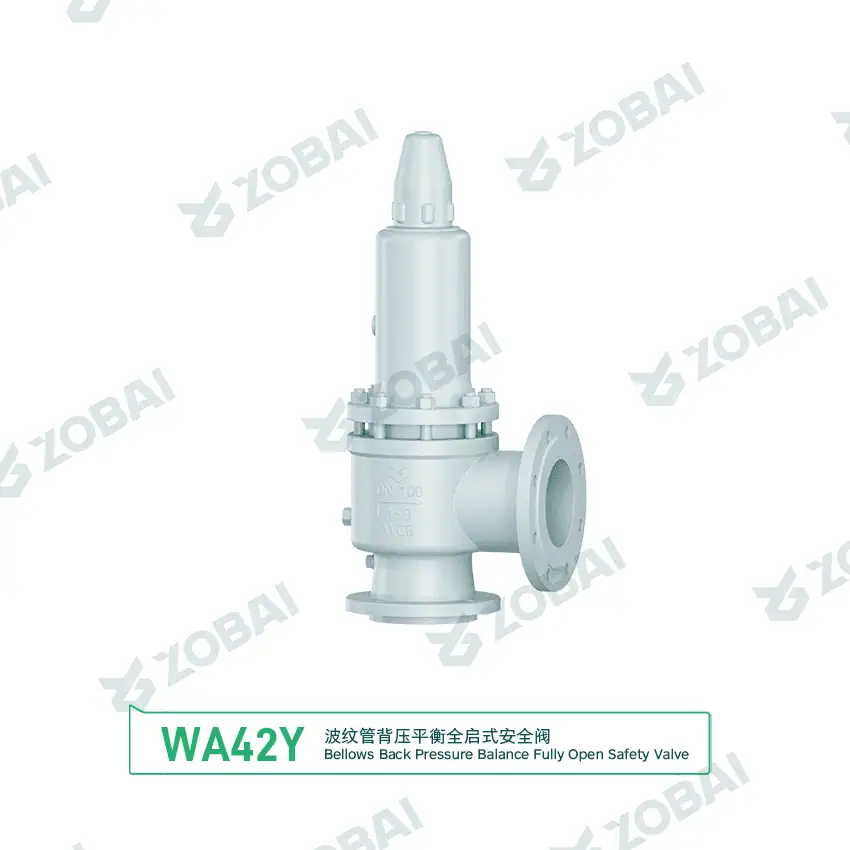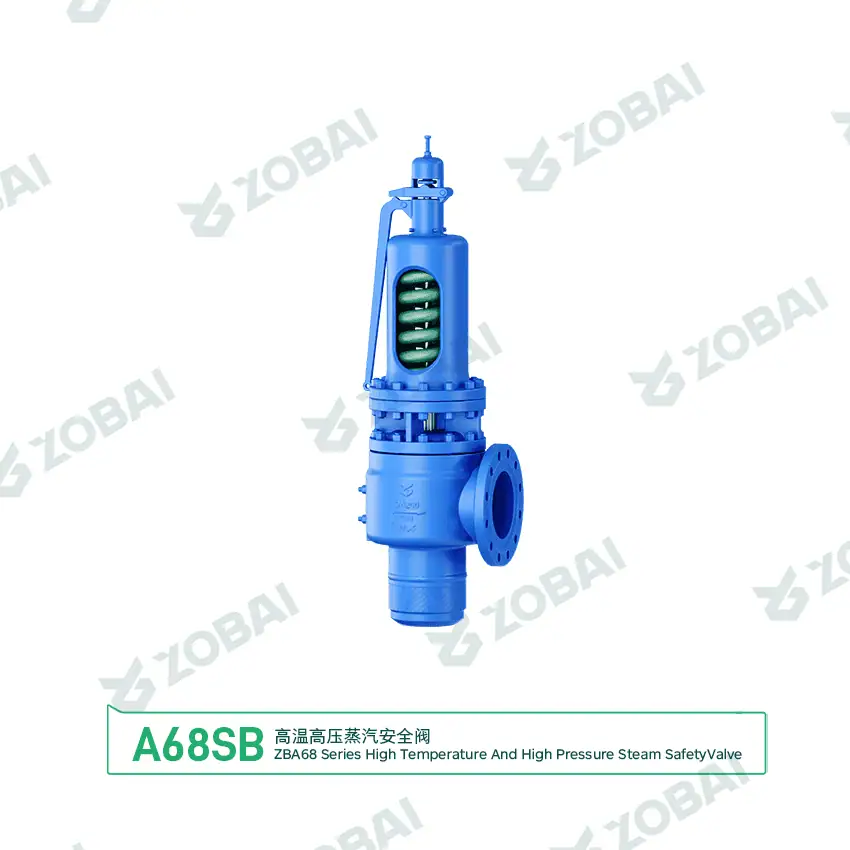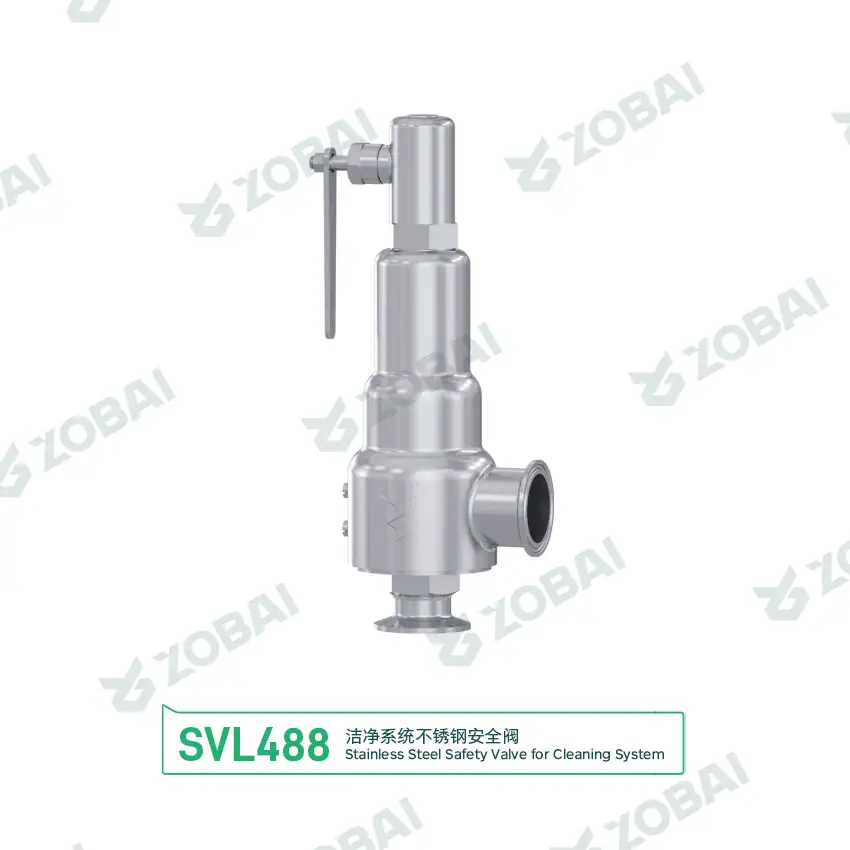
Water Service Safety Valves for Pumps, Pipelines, Heat Exchangers, Boilers and Utility Systems
Water Service Safety Valves for Pumps, Pipelines, Heat Exchangers, Boilers and Utility Systems
Water service safety valves and pressure relief valves protect pump discharge lines, booster stations, pipelines, heat exchangers, pressure vessels, boiler feedwater systems, hot water generators, chilled water loops, cooling water networks, RO skids, desalination packages, fire water systems and utility skids from overpressure. Correct selection starts with protected equipment MAWP, set pressure, pump curve, blocked outlet case, thermal expansion, water temperature, required relieving capacity, back pressure, discharge route, corrosion risk, scaling tendency, seat tightness, connection rating and required test documents.
Where Water Service Safety Valves Are Used
Water is incompressible compared with gas, so pressure can rise quickly when flow is blocked, liquid is heated, a pump deadheads or a pressure reducing valve fails. A water safety valve should be selected from the actual relief case and discharge route, not just pipe size.
Booster Pump and Transfer Pump Systems
Used on water booster stations, transfer pumps, process water skids, fire water pumps, cooling water pumps and utility pump packages. Selection should review pump deadhead pressure, maximum flow, shutoff head, pulsation, return line capacity and discharge containment.
Pipelines and Pressure Reducing Stations
Used on water distribution lines, industrial water headers, pressure reducing stations and skid-mounted control packages. Relief review should include downstream design pressure, regulator failure, closed valves, surge conditions and safe drain routing.
Heat Exchangers and Cooling Water Systems
Used on shell-and-tube heat exchangers, plate heat exchangers, condensers, coolers and closed cooling loops. Relief cases include tube rupture, thermal expansion, blocked outlet, pump deadhead and hot-side leakage into a lower-pressure water side.
Hot Water and Boiler Feedwater Systems
Used on hot water generators, boiler feedwater lines, deaerators, economizers, steam-to-water heaters and district heating skids. Valve selection should review temperature, flashing risk, thermal expansion, pump pressure and scalding-safe discharge.
RO, Desalination and High Pressure Water Skids
Used on reverse osmosis systems, seawater desalination packages, membrane skids, brine lines and high-pressure water pumps. Selection should review pump curve, chloride corrosion, pressure pulsation, scaling, cleaning chemicals and discharge to safe drain.
Clean Water, Food and Pharmaceutical Utilities
Used on purified water, WFI loops, CIP water, sanitary hot water, potable water and clean utility systems. Requirements may include stainless steel wetted parts, cleanable design, hygienic connections, low dead volume and project-specific clean documentation.
Water Relief Valve Selection Starts With the Pressure Source and Liquid Expansion Case
Water relief valves are often small compared with gas PSVs, but their service is severe because liquid pressure can rise rapidly. Pump deadhead, trapped liquid expansion, tube rupture and failed pressure control should be reviewed before valve type and size are selected.
Pump Deadhead or Blocked Discharge
A centrifugal, positive displacement or high-pressure water pump can overpressure downstream piping when the outlet is blocked. Relief sizing should use pump curve, shutoff head, maximum flow, water temperature and return or drain line pressure.
Thermal Expansion of Blocked-In Water
Water trapped between closed valves can generate high pressure when heated by sun exposure, heat tracing, hot process fluid, steam, thermal oil or ambient temperature changes. Thermal relief may be required even for small trapped volumes.
Pressure Reducing Valve or Control Valve Failure
A failed-open pressure reducing valve can expose downstream water piping, tanks, exchangers or skid equipment to higher upstream pressure. The relief valve should protect the lowest-rated downstream component.
Heat Exchanger Tube Rupture
A high-pressure process, steam or hot water side can leak into a lower-pressure water side. Relief sizing should consider pressure difference, tube rupture basis, water-side MAWP, two-phase potential and hot discharge safety.
Water Hammer and Pressure Surge Review
Fast valve closure, pump trip or sudden flow change can create surge pressure. A standard safety valve may not replace a surge relief system, but surge history should be reviewed when water relief valves show repeated lifting or seat damage.
Scaling, Fouling and Freezing
Hard water, brine, seawater, glycol-water mixtures and untreated utility water can create scale, corrosion, sticking or blocked drains. Materials, seat design, maintenance access and freeze protection should be reviewed before installation.
Water Service Safety Valve Application Cases with Typical RFQ Data
These cases show how water service relief valve requirements are commonly described before model selection. Final sizing must be confirmed by protected equipment data, pump curve, operating conditions, relief calculation, discharge route and project standard.
Case 1: Booster Pump Discharge Pressure Relief Valve
Pump DeadheadPump relief valves should be selected from the pump curve and actual blocked-flow case. A valve that only matches the pipe connection may still be unstable or undersized.
Case 2: Heat Exchanger Water Side Safety Valve
Tube Rupture / Thermal ExpansionHeat exchanger water relief requires more than a thermal expansion check when the opposite side has higher pressure or high temperature.
Case 3: Hot Water Generator Safety Valve
Hot WaterHot water can flash when pressure drops. Discharge routing must prevent personnel exposure, water hammer and uncontrolled hot liquid release.
Case 4: Reverse Osmosis High Pressure Pump Relief Valve
RO / DesalinationRO and desalination relief valves require chloride and cleaning chemical review. Standard water-service materials may not be reliable in seawater or brine.
Case 5: Downstream Water Header Relief After PRV Failure
Pressure Reducing FailureDownstream water systems can be overpressured by a failed pressure reducing valve. Relief sizing should be based on failed-open flow, not normal demand.
Case 6: Closed Chilled Water Loop Thermal Relief Valve
Closed Loop Thermal ReliefClosed water and glycol loops need thermal relief when isolation valves can trap liquid. The discharge path should remain available during maintenance and seasonal shutdown.
Water Service Safety Valve Data Matrix
| Water Service | Typical Medium | Common Relief Cause | Required Engineering Check | Recommended Valve Review | Risk if Missed |
|---|---|---|---|---|---|
| Pump discharge protection | Clean water, utility water, treated water | Pump deadhead, blocked discharge, control failure | Pump curve, shutoff head, maximum flow, return pressure and cycling frequency | Liquid relief valve or spring-loaded water service safety valve | Pipe rupture, pump damage, chatter or repeated leakage |
| Thermal expansion | Water, glycol-water, hot water, chilled water | Blocked-in liquid heating, heat tracing, ambient temperature rise | Trapped volume, temperature rise, liquid expansion and discharge route | Thermal relief valve with tight seat and reliable drain or return path | High pressure in isolated line or continuous nuisance leakage |
| Heat exchanger water side | Cooling water, closed-loop water, treated water | Tube rupture, blocked outlet, thermal expansion | Low-side MAWP, high-side pressure, flashing, corrosion and back pressure | Water PSV or thermal relief valve based on governing scenario | Exchanger rupture, hot discharge or undersized relief |
| Hot water system | Hot water, condensate, boiler feedwater | Steam control failure, pump overpressure, blocked outlet | Relieving temperature, flashing, scalding risk and outlet support | High-temperature water safety valve with safe discharge arrangement | Scalding release, flashing discharge or pressure boundary damage |
| RO / desalination | Seawater, brine, permeate, cleaning solution | High-pressure pump deadhead, membrane blockage, cleaning skid isolation | Chloride level, scaling, cleaning chemicals, pump curve and material compatibility | High-pressure water relief valve with corrosion-resistant wetted parts | Membrane damage, brine leakage or corrosion failure |
| Clean / sanitary water | Potable water, purified water, WFI, CIP water | PRV failure, pump deadhead, thermal expansion | Cleanability, wetted materials, dead volume, drainability and documentation | Stainless steel water relief valve or sanitary relief valve where required | Contamination, corrosion, poor cleanability or document rejection |
How to Specify a Water Service Safety Valve Correctly
1. Confirm the protected pressure boundary
Start with the protected equipment MAWP, piping design pressure, pump discharge rating, heat exchanger side rating, membrane rating or downstream header pressure limit. The set pressure should protect the weakest credible pressure boundary.
2. Identify the governing water relief scenario
Review pump deadhead, blocked outlet, pressure reducing valve failure, tube rupture, thermal expansion, heat input, fire exposure and seasonal isolation. The governing case may be small thermal relief or full pump relief.
3. Use pump curve and liquid data, not normal flow only
Pump relief should be based on shutoff head, maximum credible flow and actual water properties. Normal operating flow may be much lower than the required relieving flow during a blocked discharge case.
4. Review seat tightness and repeated operation
Water relief valves may lift repeatedly because of thermal expansion, pump cycling or control instability. Seat material, leakage requirement, blowdown, spring design and maintenance interval should be matched to service severity.
5. Select materials for water quality
Clean water, potable water, brine, seawater, glycol-water, boiler feedwater and RO cleaning fluid require different materials. Review chloride, hardness, pH, oxygen, treatment chemicals, scaling and sanitary requirements before quotation.
6. Confirm discharge routing and drainage
Water discharge should be routed to a safe drain, return tank, collection header or expansion tank. Hot water, chemical cleaning water and contaminated water should not discharge to areas where personnel exposure or environmental release is possible.
Water Relief Valves Must Be Reviewed With Drainage, Back Pressure, Freezing and Maintenance Access
Why installation changes water relief performance
Water relief performance depends on the full liquid path. Long inlet branches, undersized drain lines, blocked return headers, frozen discharge pipes, hard-water scale, vibration, water hammer and trapped liquid pockets can cause instability, leakage, corrosion or failure to relieve.
Installation should review inlet pressure loss, valve orientation, outlet back pressure, drain line capacity, support, freeze protection, flushing access, scaling risk, safe hot water discharge, return line availability and whether the valve can be tested or replaced without shutting down critical plant utilities.
Field installation checks
- Confirm protected equipment MAWP and set pressure before installation.
- Keep inlet pressure loss within the project design limit.
- Route discharge to a drain, tank or collection point with enough capacity.
- Check return line back pressure before using a relief-to-suction arrangement.
- Prevent freezing, scaling, corrosion and blocked discharge piping.
- Provide safe routing for hot water, chemical cleaning water and contaminated water.
- Provide access for calibration, cleaning, inspection and valve replacement.
Standards and Documents to Confirm Before Ordering
Common water service references
Water service safety valve specifications may reference ASME, API, ISO, EN, GB, local boiler rules, pressure equipment regulations, sanitary standards, potable water material requirements and owner specifications. The applicable design basis should be confirmed before quotation.
- ASME BPVC Section VIII where protected vessels, receivers, heat exchangers or accumulators are pressure vessels.
- ASME BPVC Section I where boiler-related water, steam or boiler feedwater protection is part of the project scope.
- ASME B31.3 where process water, utility water or skid piping is specified under process piping rules.
- API 520 for pressure-relieving device sizing and selection reference where required by the project.
- API 521 for system-level relief scenario review in process facilities.
- API 527 when seat tightness testing is required by project specification.
- Owner specifications for potable water materials, clean utilities, RO systems, cooling water, boiler feedwater and sanitary service.
Typical water service document package
Documentation should be agreed before manufacturing, especially for boiler feedwater, hot water, potable water, RO/desalination, pharmaceutical utilities, sanitary water and EPC utility packages.
- Technical datasheet with tag number, model, size, set pressure, connection and service.
- Sizing calculation or certified liquid relieving capacity confirmation.
- Pump curve or thermal relief basis where applicable.
- Set pressure calibration certificate.
- Pressure test report and seat tightness test report when required.
- Material certificate for body, trim, spring, seat and pressure-retaining parts.
- Surface finish, cleaning, passivation or sanitary documentation when specified.
- General arrangement drawing with orientation, outlet direction, weight and maintenance clearance.
Official Standards Sources for Water Service Relief Valve Review
Use ZOBAI internal links for application guidance, RFQ preparation and product selection. Use the official standards-organization pages below to identify publisher-level references when project specifications require ASME, API or ISO documents.
Water Service Safety Valve RFQ Data Checklist
| Required Data | Why It Matters | Example Input |
|---|---|---|
| Protected equipment | Defines pressure boundary and code basis. | Pump discharge line, heat exchanger, hot water generator, RO skid, pressure vessel, pipeline |
| MAWP / design pressure | Defines the pressure limit the valve must protect. | 6 barg, 10 barg, 16 barg, 80 barg, Class 150, PN16, PN40 |
| Set pressure | Defines valve opening pressure. | 5.5 barg, 9.5 barg, 15 barg, 60 barg |
| Relief scenario | Determines required capacity and valve type. | Pump deadhead, blocked outlet, thermal expansion, PRV failure, tube rupture |
| Required capacity | Confirms whether the valve can protect the water system. | L/min, m³/h, GPM, pump curve, trapped liquid expansion rate |
| Water type and quality | Affects material, corrosion, scaling, hygiene and seat selection. | Potable water, cooling water, boiler feedwater, seawater, brine, RO permeate, WFI, glycol-water |
| Water temperature | Affects material, flashing risk, seat material and discharge safety. | 5°C chilled water, ambient water, 90°C hot water, 180°C pressurized hot water |
| Pump data | Required for pump deadhead and blocked discharge cases. | Pump curve, shutoff head, maximum flow, motor speed, positive displacement pump data |
| Back pressure and discharge route | Influences capacity, reseating and safe disposal. | Atmospheric drain, closed drain, return tank, pump suction return, expansion tank |
| Material requirement | Prevents corrosion, contamination, scaling and project rejection. | Bronze, carbon steel, 304SS, 316L, duplex, EPDM seat, PTFE seat, potable water-approved materials where required |
| Connection and rating | Ensures mechanical fit with piping or skid equipment. | NPT, BSP, RF flange, clamp, PN16, PN40, Class 150, Class 300 |
| Required documents | Avoids procurement, inspection and commissioning delays. | Datasheet, drawing, MTC, sizing report, calibration report, pressure test, seat test |
Final selection must be confirmed by protected equipment datasheet, pump curve, water quality, temperature, relief case, discharge route, applicable standard, verified sizing calculation and engineering review.
Common Water Service Safety Valve Selection Mistakes
Buying by pipe size only
A valve that fits the water line may not provide the required relieving capacity. Pump curve, thermal expansion and blocked outlet case must be checked.
Ignoring pump shutoff head
Pump deadhead pressure can exceed normal operating pressure. Relief selection should use pump curve and maximum credible pressure source data.
Forgetting trapped liquid expansion
Blocked-in water can create high pressure during heating. Small thermal relief valves are often required on isolated liquid sections.
Sending discharge to an undersized drain
A blocked or undersized drain can create back pressure and prevent proper relief. Drain capacity and safe routing should be confirmed.
Using unsuitable materials for brine or seawater
Chloride-rich water can attack standard materials. Brine, seawater and RO cleaning service require chloride and chemical compatibility review.
Ignoring freezing and scale buildup
Outdoor water relief lines can freeze, and hard water can scale valve internals. Maintenance access, drainage and freeze protection should be planned.
Continue Your Water Service Safety Valve Review
These related pages help move from water system requirements to detailed valve selection, liquid sizing, thermal relief, heat exchanger protection and complete RFQ preparation.
Water Service Safety Valve FAQ
Prepare a Complete Water Service Relief Valve Datasheet Before Quotation
Send the protected equipment datasheet, MAWP or design pressure, set pressure, relief scenario, required capacity, pump curve, water type, water temperature, chloride or chemical content, back pressure, discharge route, material requirement, connection standard and required documents. A complete datasheet helps confirm stable liquid relief, correct material selection and safe drainage.
Minimum RFQ data
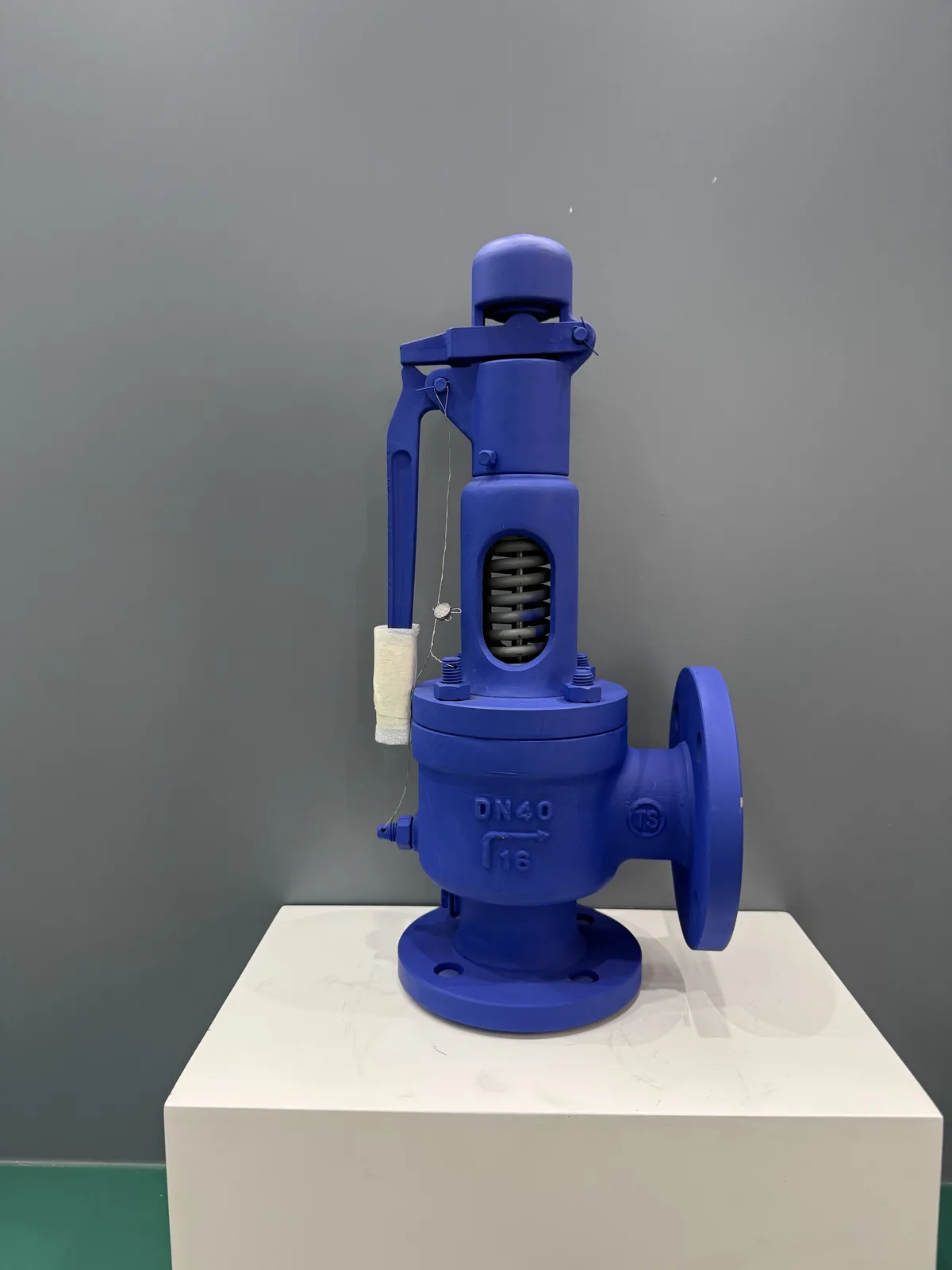
Real Production Evidence for Application Review
For Water Service Safety Valves for Pumps & Pipelines | ZOBAI service, supplier review should connect valve construction to set pressure, medium, temperature, capacity, back pressure and the governing code. This actual ZOBAI photograph documents blue flanged spring-loaded safety valve on display. Review it with drawings, material records and pressure-test documents.