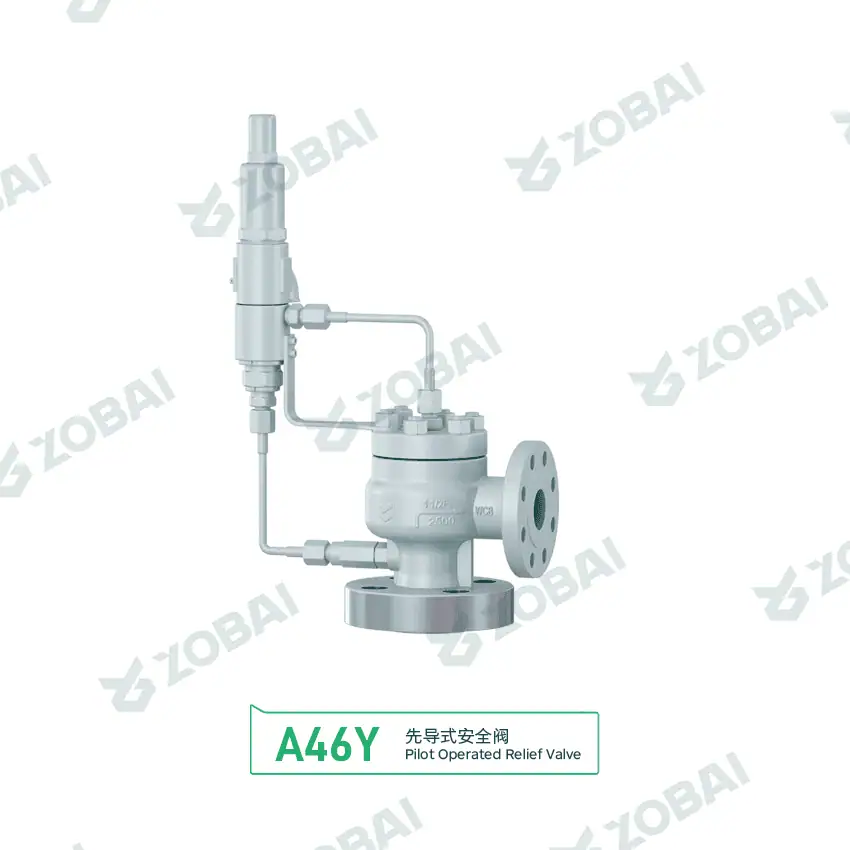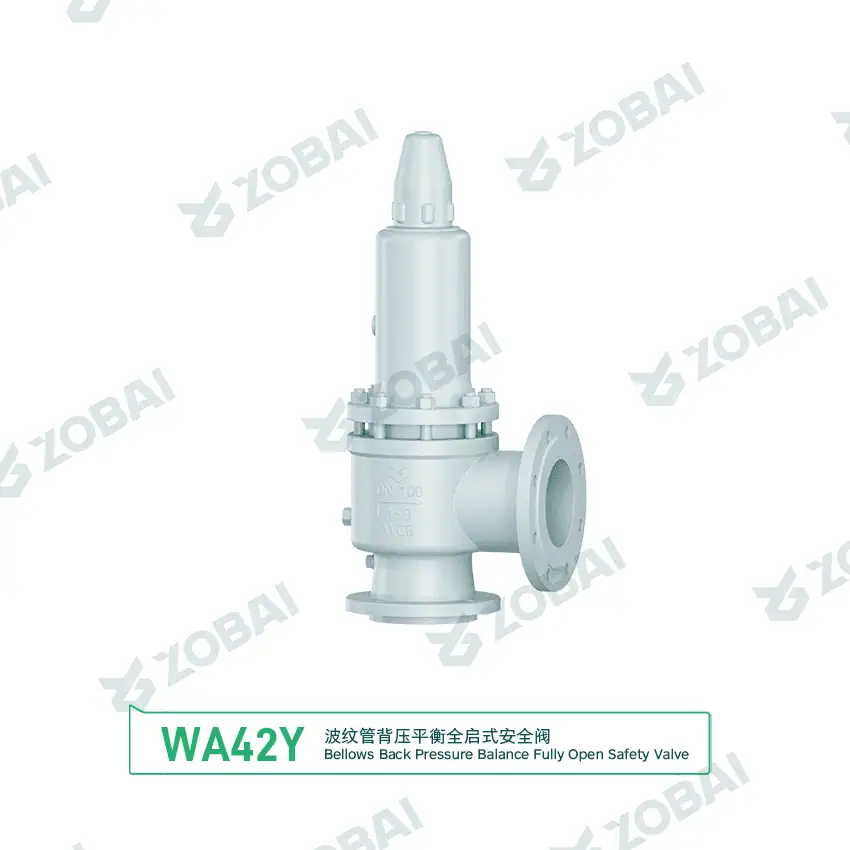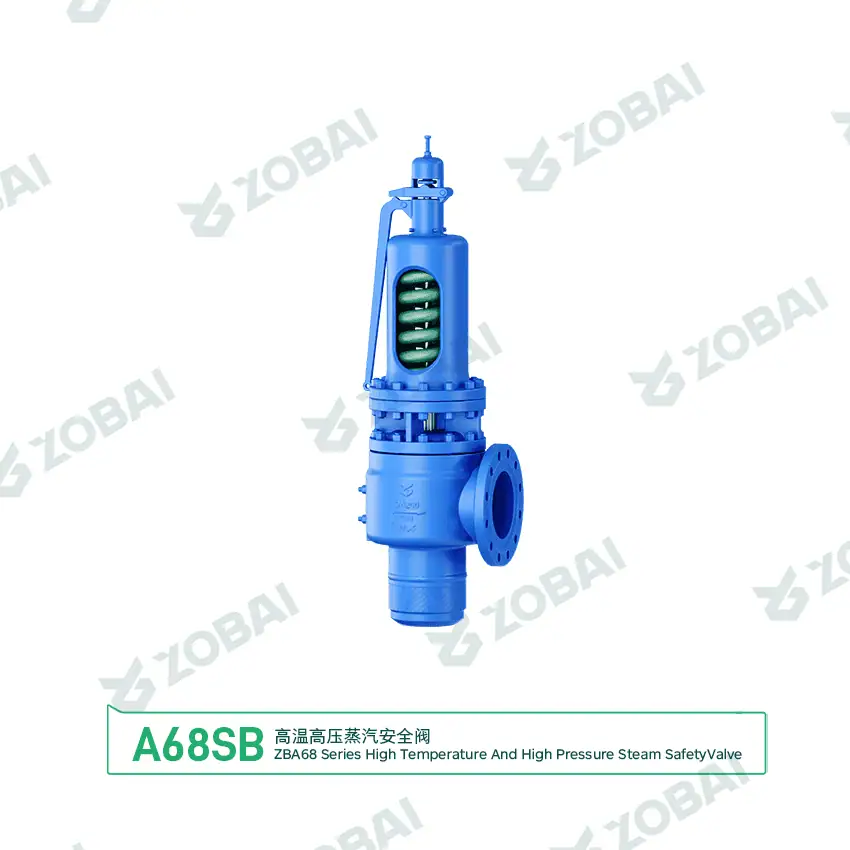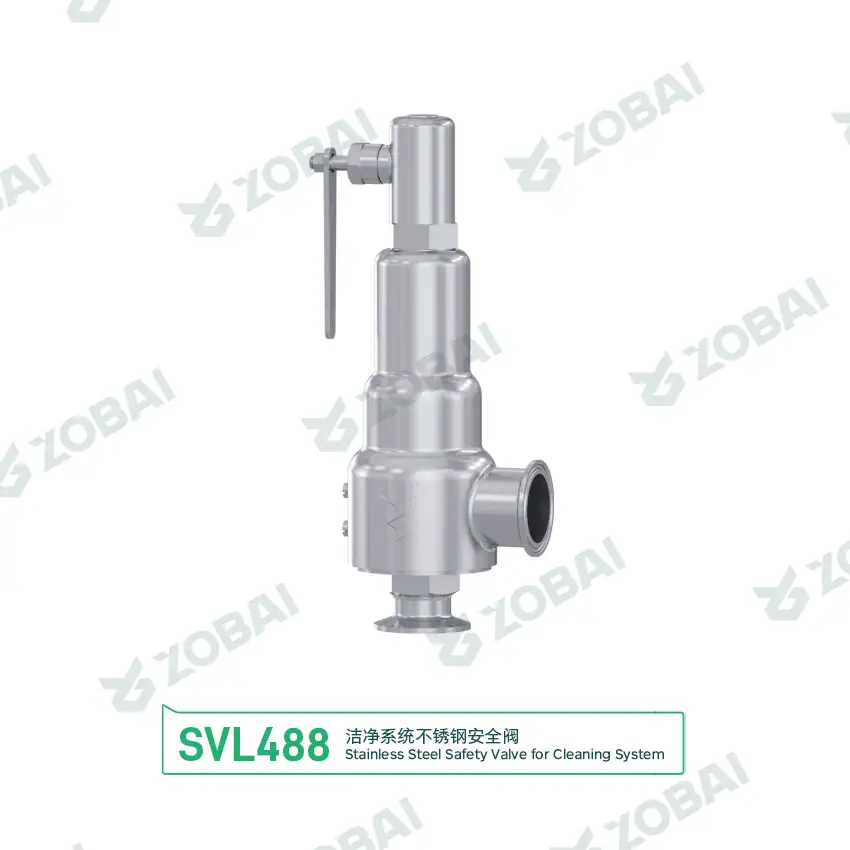
Frequent Cycling Safety Valves for Repeated Relief, Chatter, Simmer and Process Cycling Service
Frequent Cycling Safety Valves for Repeated Relief, Chatter, Simmer and Process Cycling Service
Safety valves in frequent cycling service protect compressor skids, pump discharge lines, pressure reducing stations, thermal relief systems, reactors, storage vessels, gas receivers, hydraulic systems, steam systems and modular process packages where pressure repeatedly approaches or exceeds the valve set pressure. Frequent cycling is an operating condition rather than a separate code category. Correct review starts with the root cause, pressure trend, cycle frequency, operating-pressure margin, set pressure, blowdown, governing relief scenario, required capacity, pulsation, vibration, back pressure, seat leakage requirement, manufacturer cycle-duty suitability, maintenance interval and inspection history.
Where Frequent Cycling Safety Valves Are Used
Frequent cycling is an operating condition, not a separate safety-valve type. In most services, repeated lifting, simmer or chatter should trigger root-cause analysis rather than be accepted as normal operation. Some thermal-relief, batch or test duties may cycle by design, but the pressure-relief device must not be used as a substitute for pressure control, compressor recycle, pump recirculation or thermal management.
Compressor Discharge and Gas Skids
Used on air compressors, nitrogen skids, hydrogen compressors, fuel gas boosters, CO₂ compressors and process gas packages. Cycling review should include compressor control band, pulsation, receiver volume, discharge temperature, vibration and vent routing.
Pump Discharge and Chemical Injection
Used on metering pumps, dosing skids, hydraulic pumps, transfer pumps and high-pressure injection packages. Repeated relief may come from blocked injection points, pulsation, undersized accumulators, pump deadhead or return-line back pressure.
Pressure Reducing and Regulator Stations
Used on natural gas PRV stations, fuel gas skids, steam pressure reducing stations and nitrogen blanketing systems. Cycling may occur when regulators hunt, bypass valves leak or downstream demand changes rapidly.
Thermal Relief and Blocked-In Liquid
Used on heat traced lines, blocked-in liquid sections, thermal oil loops, LNG lines, hot water systems and tank farm piping. Repeated ambient heating, batch heating or daily temperature swings can create frequent small relief events.
Reactors and Batch Process Systems
Used on batch reactors, autoclaves, pilot plants, polymer systems and solvent recovery units. Cycling can result from gas generation, heating ramps, vapor pressure changes, inert gas addition or unstable condenser control.
Steam, Hot Water and Utility Systems
Used on steam headers, hot water generators, heat exchangers and utility skids. Repeated lifting may indicate pressure control instability, insufficient blowdown margin, blocked condensate return or oversized heat input.
Frequent Cycling PSV Selection Starts With Why the Valve Opens Repeatedly
The safest correction is rarely just a stronger valve. Frequent cycling can be caused by inadequate operating-pressure margin, an incorrect set-pressure basis, oversizing, unstable control, excessive inlet pressure loss, variable back pressure, pulsation or a process system that is unintentionally using the PSV as a control device.
Operating Pressure Too Close to Set Pressure
If normal or maximum operating pressure is too close to the set pressure, the valve may simmer, leak or open repeatedly during small process fluctuations. Operating margin should be reviewed before changing valve construction.
Chatter From Oversizing or Excessive Inlet Loss
Chatter can occur when the valve opens, pressure drops too quickly, the valve closes, and pressure rises again. Oversized valves, long inlet piping, small inlet lines and high pressure loss can all create unstable operation.
Pump or Compressor Pulsation
Reciprocating pumps, metering pumps and compressors can create pressure pulses that repeatedly approach the set pressure. Accumulators, pulsation dampeners, control logic and valve response should be reviewed together.
Control Valve or Regulator Instability
A hunting regulator or pressure control valve may drive the protected system into repeated relief. The root cause may be the control loop, not the PSV itself.
Back Pressure Variation
Flare headers, closed vents, scrubbers, return lines and vapor recovery systems can create changing outlet pressure. Variable back pressure can affect opening, capacity, blowdown and reseating behavior.
Using the PSV as a Process Control Device
A safety valve is not intended to replace pressure control, pump recirculation, compressor recycle or thermal management. If relief happens during normal operation, the process control design should be reviewed.
Frequent Cycling Safety Valve Application Cases with Typical RFQ Data
These cases show how frequent cycling PSV requirements are commonly described before model selection. Final selection must be confirmed by process pressure trend, cycle frequency, relief calculation, valve inspection history and engineering review.
Case 1: Air Compressor Receiver Safety Valve Repeated Lifting
Compressor CyclingRepeated compressor PSV lifting often indicates a control or receiver sizing issue. The valve should be inspected for seat damage, but the compressor control band should also be reviewed.
Case 2: Chemical Injection Pump Relief Valve Cycling
Metering Pump PulsationMetering pump relief valves can cycle many times per hour if pulsation is not controlled. A pulsation dampener or return-line change may be required together with valve selection.
Case 3: Natural Gas PRV Station Relief Valve Simmering
Regulator HuntingGas PSV simmering can damage the seat and create emissions. Before replacing the valve, review regulator performance and downstream pressure trend.
Case 4: Thermal Relief Valve Opening Daily on Blocked-In Line
Thermal CyclingRepeated thermal relief can be expected in some blocked-in liquid services, but the cycle count, liquid or flashing discharge, containment, seat leakage and return path must be controlled and documented.
Case 5: Steam Header Safety Valve Short Cycling
Steam Pressure ControlSteam valve cycling can quickly damage seating surfaces. Correcting the pressure control loop may be as important as replacing the valve.
Case 6: Reactor PSV Repeated Simmer During Batch Heating
Batch Process CyclingBatch process cycling should be reviewed from actual pressure trend data. If the valve repeatedly simmers during normal batch steps, process pressure control or set pressure basis may need review.
Frequent Cycling Safety Valve Data Matrix
| Cycling Service | Typical Medium | Common Cycling Cause | Required Engineering Check | Recommended Valve Review | Risk if Missed |
|---|---|---|---|---|---|
| Compressor discharge | Air, nitrogen, natural gas, hydrogen, CO₂ | Control failure, small receiver, pulsation, blocked discharge | Compressor capacity, receiver volume, pressure trend, vibration and vent route | Durable gas PSV or pilot operated valve where clean service allows | Seat damage, leakage, chatter or unsafe gas release |
| Metering pump relief | Chemical liquid, methanol, glycol, inhibitor, caustic | Pulsation, blocked injection point, return-line restriction | Pump curve, stroke frequency, dampener sizing, return pressure and chemical compatibility | Liquid relief valve with compatible trim and stable return route | Continuous leakage, pump damage or discharge line failure |
| Gas pressure reducing station | Natural gas, fuel gas, hydrogen blend, nitrogen | Regulator hunting, bypass leakage, demand swings | Operating pressure margin, regulator flow, downstream MAOP and vent back pressure | Gas PSV, soft seat PSV or pilot valve depending on cleanliness and margin | Emissions, seat wear, nuisance relief or downstream overpressure |
| Thermal relief | Water, glycol, diesel, solvent, LNG, thermal oil | Blocked-in liquid expansion, ambient heat, heat tracing | Trapped volume, liquid expansion, temperature range, discharge route and seat tightness | Thermal relief valve with compatible soft parts and reliable return path | Pipe overpressure, leakage or repeated product loss |
| Steam header | Saturated steam, superheated steam | Pressure control overshoot, load rejection, insufficient blowdown | Steam capacity, blowdown, outlet force, drainability and control loop behavior | Steam safety valve with suitable blowdown and inspection plan | Seat erosion, noise, repeated lifting or failure to reseat tightly |
| Batch reactor | Solvent vapor, nitrogen, reaction gas, two-phase mixture | Heating ramp, gas addition, condenser instability, reaction gas | Batch pressure trend, toxicity, fouling, two-phase relief and discharge treatment | PSV, pilot valve or rupture disc plus PSV based on process and cleanliness | Fouled valve, toxic leakage or unstable batch operation |
How to Specify a Frequent Cycling Safety Valve Correctly
1. Confirm whether cycling is normal or abnormal
Frequent PSV operation should be investigated before replacement. Confirm whether the valve is relieving during a true upset, a normal process step, a control problem, a pressure surge or an incorrectly selected set pressure.
2. Review operating margin and pressure trend
Provide normal pressure, maximum operating pressure, pressure fluctuation range, set pressure and pressure trend records. Low operating margin is one of the most common causes of simmering and leakage.
3. Check sizing and stability, not only capacity
A valve must have enough capacity, but oversizing can also cause instability. Review the governing relieving rate, selected effective area, inlet pressure loss, blowdown, back pressure and stable lift behavior at the credible relief flow.
4. Select seat design for leakage and cycle life
Soft seats can improve tightness in clean, temperature-compatible service. Metal seats may be required for high temperature, dirty or abrasive service. Seat material should match medium, temperature, pressure and cycling frequency.
5. Review pilot operated or modulating options carefully
Pilot-operated or modulating pressure-relief valves may be reviewed only where manufacturer data supports the medium, pressure range, back pressure and expected cycling. They should not be selected merely to tolerate a control problem, and pilot passages or sensing lines require protection against dirt, freezing, plugging and maintenance errors.
6. Define inspection and maintenance interval
Frequent cycling can shorten seat, guide, spring, bellows and pilot-component life. There is no universal cycle-count inspection interval: actual cycle count, service severity, manufacturer recommendations, leakage history, set-pressure drift, corrosion and previous repairs should drive the maintenance plan.
Frequent Cycling PSVs Must Be Reviewed With Inlet Loss, Vibration, Back Pressure and Maintenance Access
Why installation controls cycling reliability
Frequent cycling problems are often caused or amplified by installation conditions. Long inlet lines, small inlet branches, unsupported outlet piping, liquid pockets, pulsation, vibration, fluctuating back pressure and poor drainage can all turn a correctly sized valve into an unstable valve.
Installation should review inlet pressure loss, valve orientation, outlet support, vibration from rotating equipment, pulsation dampening, discharge back pressure, closed header pressure, drainage, maintenance access, isolation policy, test connections and whether the valve can be removed without disturbing critical skid piping.
Field installation checks
- Confirm pressure trend and cycle frequency before changing valve type.
- Confirm inlet pressure loss against the applicable code, manufacturer and project limit; do not assume one universal percentage applies to every device and service.
- Check outlet back pressure during actual relief conditions.
- Support outlet piping to prevent vibration and body loading.
- Review pulsation dampeners for reciprocating pumps and compressors.
- Drain liquid pockets that can cause unstable relief or corrosion.
- Plan inspection interval based on actual cycle frequency and seat leakage history.
Standards and Documents to Confirm Before Ordering
Common frequent cycling service references
Frequent cycling PSV specifications may reference ASME, API, ISO, EN, GB, local pressure equipment rules, owner reliability standards and maintenance inspection procedures. The correct reference depends on protected equipment, medium and service severity.
- API 520 for pressure-relieving device sizing and selection reference where required by the project. Official reference: API 520 Part I.
- Safety Valve Installation Guide for inlet pressure loss, outlet piping, vibration, drainage and support. Official reference: API 520 Part II, 7th Edition.
- API 521 for relief scenario and depressuring system review in process facilities, including discharge system review.
- API 527 where the selected pressure-relief-valve design and project specification use API 527; otherwise confirm the applicable leakage criterion and test method.
- API RP 576 — Inspection of Pressure-Relieving Devices for inspection, testing, maintenance, repair, replacement, reporting and record keeping within its applicable industry scope.
- ASME BPVC Section VIII where protected vessels, receivers, reactors or separators are pressure vessels. Official reference: ASME Section VIII Division 1.
- ASME B31.3-2024 where connected process piping or skid piping is specified under process piping rules.
- Owner specifications for cycling duty, leakage class, soft seat materials, pilot valve maintenance and inspection intervals.
Typical frequent cycling PSV document package
Documentation should be agreed before manufacturing, especially for compressor skids, hydrogen systems, steam systems, chemical injection packages, batch reactors and services with repeated leakage complaints.
- Technical datasheet with tag number, model, size, orifice, set pressure and connection.
- Sizing calculation or certified relieving capacity confirmation.
- Pressure trend or cycle history when available.
- Set pressure calibration certificate.
- Seat tightness test report and leakage acceptance requirement.
- Material certificate for body, trim, spring, seat and pressure-retaining parts.
- Inspection, repair or maintenance recommendation for cycling service.
- General arrangement drawing with weight, outlet orientation and maintenance clearance.
Frequent Cycling Safety Valve RFQ Data Checklist
| Required Data | Why It Matters | Example Input |
|---|---|---|
| Protected equipment | Defines pressure boundary, code basis and relief scenario. | Compressor receiver, pump discharge line, gas skid, reactor, steam header |
| Set pressure and MAWP | Confirms valve opening pressure and protected equipment limit. | 10 barg receiver MAWP, 16 barg set pressure, 250 barg injection line |
| Operating pressure range | Shows operating margin and simmer risk. | Normal 8 barg, maximum 9.5 barg, set pressure 10 barg |
| Cycle frequency | Determines seat wear, inspection interval and valve type review. | Daily, weekly, every batch, 20 times/hour, during pump strokes |
| Cycling symptom | Helps distinguish popping, simmer, chatter and leakage. | Repeated lifting, simmering, chatter, failure to reseat, continuous leakage |
| Relief scenario | Determines required capacity and valve behavior. | Pump deadhead, compressor blocked discharge, regulator hunting, thermal expansion |
| Required capacity | Confirms whether the valve is correctly sized. | kg/h, Nm³/h, SCFM, L/min, GPM, pump curve, compressor map |
| Medium and phase | Affects seat material, leakage, fouling and stability. | Air, natural gas, hydrogen, steam, water, glycol, chemical liquid, two-phase flow |
| Pulsation and vibration data | Important for reciprocating equipment and unstable relief. | Pump stroke rate, compressor pulsation, vibration source, dampener data |
| Back pressure and discharge route | Affects capacity, blowdown and reseating. | Atmospheric vent, flare, closed vent, tank return, scrubber, closed drain |
| Seat and leakage requirement | Controls soft seat, metal seat and test requirement. | Soft seat required, metal seat acceptable, API 527 where applicable, project-defined leakage criterion |
| Inspection history | Shows whether cycling has already damaged the valve. | Previous leakage, set pressure drift, repair records, seat damage photos |
Final selection must be confirmed by pressure trend data, protected equipment datasheet, relief scenario, operating margin, sizing calculation, valve manufacturer data, maintenance records and engineering review.
Common Frequent Cycling Safety Valve Selection Mistakes
Replacing the valve without finding the cycling cause
If pressure control, regulator hunting, pump pulsation or insufficient operating margin is the root cause, a new valve may fail again.
Oversizing the valve
Oversizing can contribute to chatter because the protected system may not sustain stable valve lift. Stable operating behavior, inlet loss, process dynamics and back pressure should be reviewed, not only maximum rated capacity.
Ignoring operating margin
Normal pressure too close to set pressure can cause simmer and leakage. The process pressure band should be compared with set pressure and blowdown.
Using soft seats without checking service limits
Soft seats can improve tightness in suitable service, but they must match temperature, chemical compatibility, pressure, decompression behavior, cleanliness, fire-case assumptions and expected cycle life.
Ignoring vibration and pulsation
Reciprocating pumps and compressors can damage seats, pilots, guides and tubing. Pulsation dampening and support should be reviewed.
Keeping the same inspection interval after cycling increases
Frequent cycling changes maintenance risk. Inspection and leakage testing intervals should reflect actual cycle count, service severity and repair history.
Continue Your Frequent Cycling PSV Review
These related pages help move from cycling symptoms to detailed valve type selection, sizing, leakage review, back pressure review and equipment-specific troubleshooting.
Frequent Cycling Safety Valve FAQ
Prepare a Complete Frequent Cycling PSV Datasheet Before Quotation
Send the protected equipment datasheet, MAWP, set pressure, normal and maximum operating pressure, cycle frequency, pressure trend, cycling symptom, relief scenario, required capacity, medium and phase, pulsation or vibration data, back pressure, discharge route, seat requirement, material requirement and inspection history. A complete datasheet helps avoid replacing the valve without solving the real cycling cause.
Minimum RFQ data
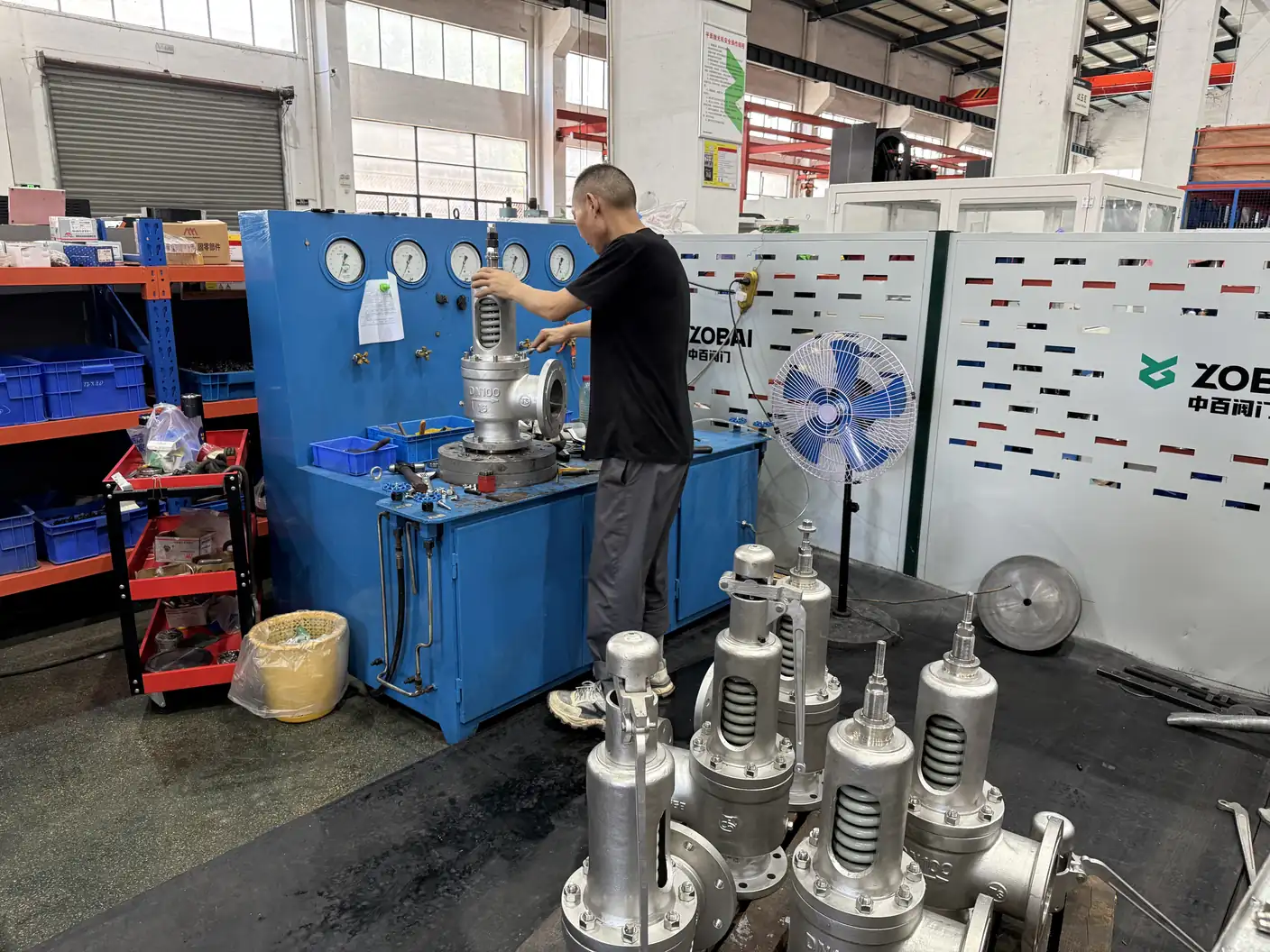
Real Production Evidence for Application Review
For Frequent Cycling Safety Valves for Repeated Relief Service | ZOBAI service, supplier review should connect valve construction to set pressure, medium, temperature, capacity, back pressure and the governing code. This actual ZOBAI photograph documents safety valve pressure-testing workstation. Review it with drawings, material records and pressure-test documents.