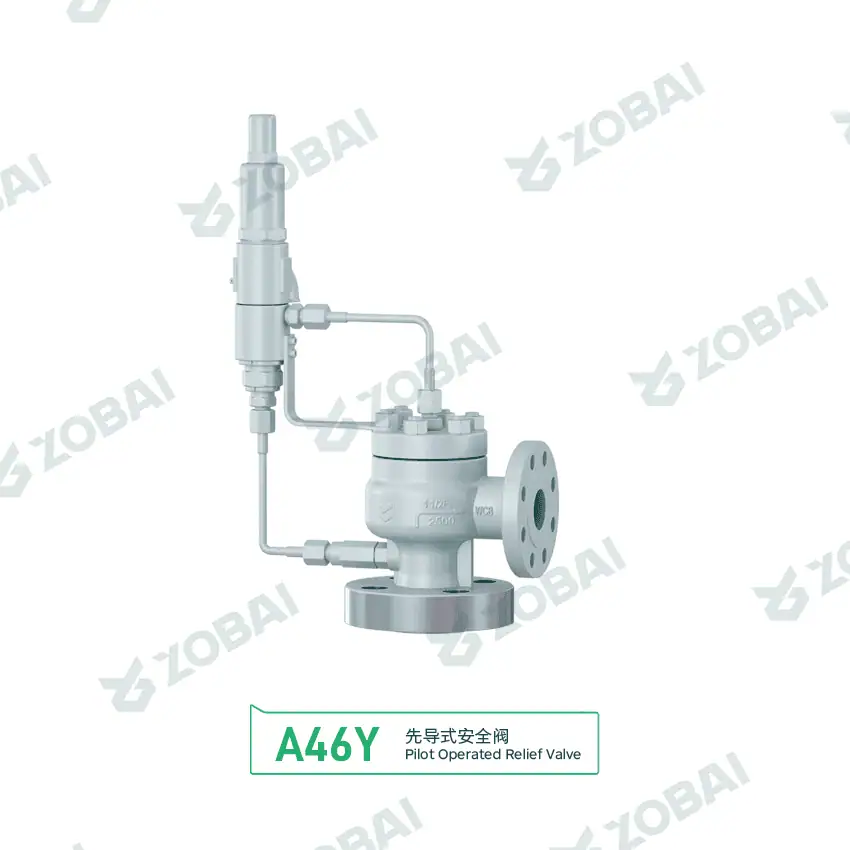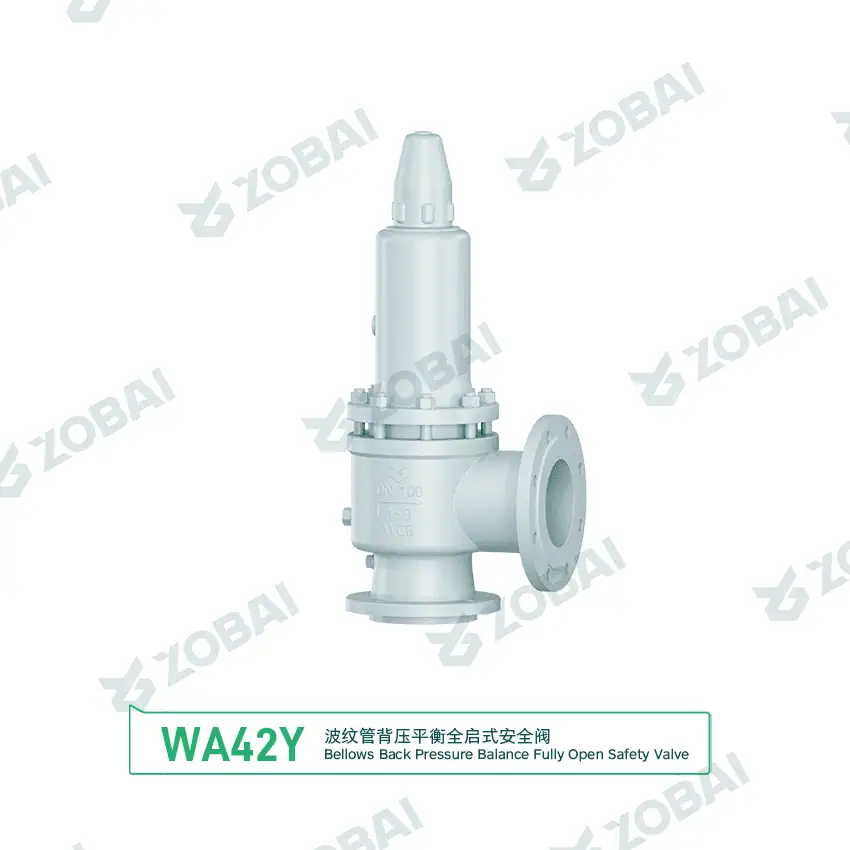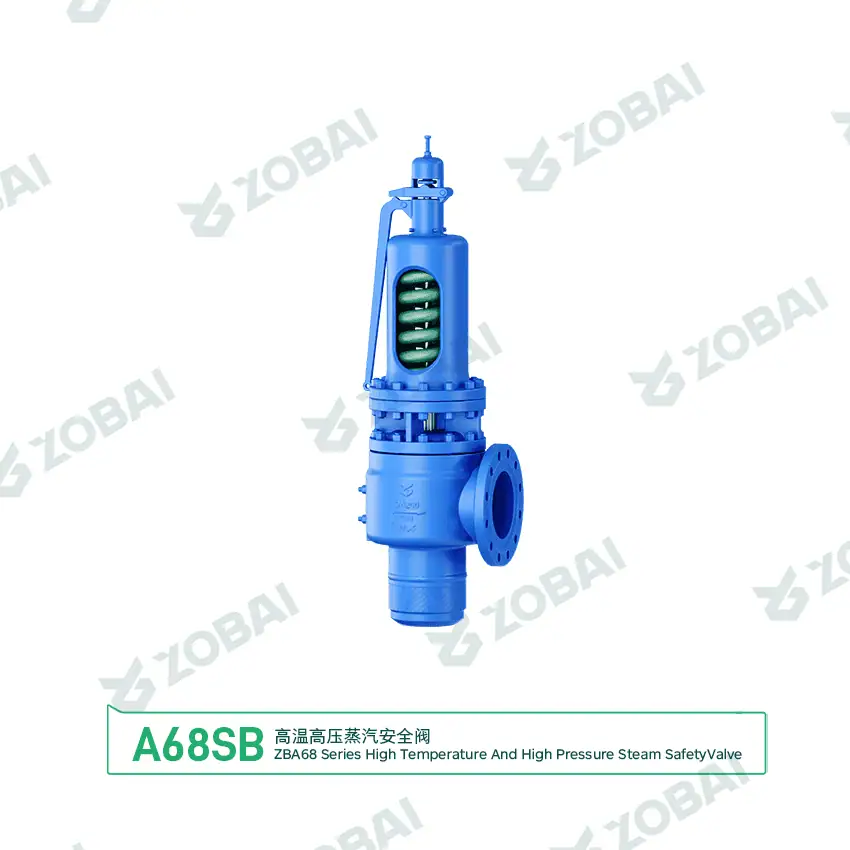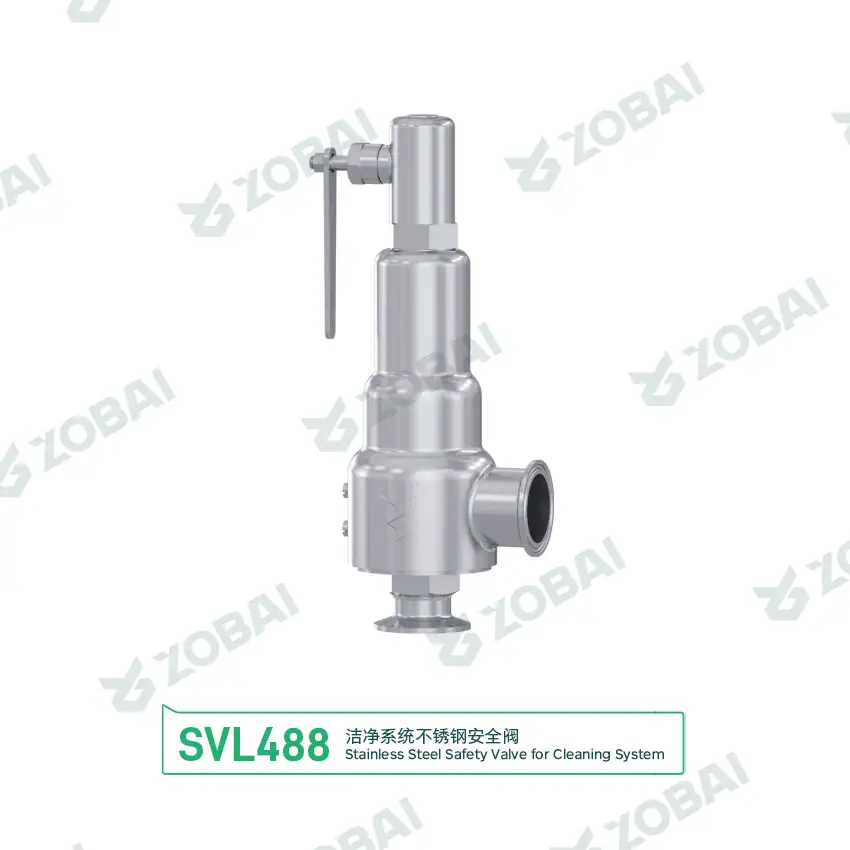
High Pressure Safety Valves for Gas, Liquid, Hydrogen, Compressor and Process Systems
High pressure safety valves protect high-pressure vessels, gas compressors, hydrogen systems, CO₂ skids, chemical injection packages, hydraulic accumulators, reactor systems, test benches, pressure reducing stations, pipelines and process skids from overpressure. Correct selection starts with MAWP or design pressure, set pressure, pressure class, required capacity, operating pressure margin, medium phase, relieving temperature, leakage requirement, material strength, hydrogen or sour service compatibility, discharge reaction force, outlet back pressure, connection rating and required inspection documents.
Where High Pressure Safety Valves Are Used
High pressure safety valve selection is not only a matter of choosing a higher pressure rating. The valve must open accurately at high set pressure, remain tight near operating pressure, handle high discharge energy, and use materials, connections and test procedures suitable for the actual service.
High Pressure Gas Compressor Systems
Used on compressor discharge lines, interstage bottles, aftercoolers, gas receivers and packaged compressor skids. Selection should review compressor maximum flow, discharge temperature, pulsation, vibration, outlet reaction force and safe venting.
Hydrogen and Fuel Gas Systems
Used on hydrogen compressors, storage manifolds, pressure reducing skids, fuel gas systems and test stands. Leakage tightness, material compatibility, ignition-safe venting, fatigue and connection integrity are critical.
CO₂, Nitrogen and Specialty Gas Skids
Used on CO₂ compression, nitrogen generation, specialty gas filling, industrial gas manifolds and pressure control systems. Relief review should include phase behavior, low-temperature effects, asphyxiation risk and safe discharge location.
High Pressure Chemical Injection
Used on metering pumps, chemical injection lines, hydraulic dosing systems, methanol skids, glycol packages and corrosion inhibitor systems. Pump deadhead, pulsation, chemical compatibility and return-line back pressure should be checked.
Hydraulic Accumulators and Test Benches
Used on hydraulic power units, test rigs, accumulator banks, water hydraulic systems and pressure testing equipment. Selection should review liquid relief capacity, fast pressure rise, cyclic loading, seat leakage and safe drain routing.
High Pressure Reactors and Process Vessels
Used on hydrogenation reactors, autoclaves, separators, high-pressure extraction vessels, pilot plants and research skids. Relief sizing should review reaction gas, blocked outlet, heat input, fire case, toxic discharge and material compatibility.
High Pressure PSV Selection Starts With Pressure Source, Relief Load and Valve Construction
High pressure systems store more energy and often have tighter operating margins. A valve that is acceptable in low-pressure service may be unsuitable when set pressure, operating pressure, outlet reaction force, leakage requirement or material stress becomes more severe.
Blocked Outlet or Closed Downstream Valve
A high-pressure source may continue feeding a closed line, vessel or skid. The valve should be sized from maximum credible flow, upstream pressure source, protected equipment MAWP and discharge destination.
Compressor Discharge or Control Failure
Compressor discharge pressure can rise quickly during blocked discharge, recycle failure, antisurge failure or pressure control failure. Relief selection should include compressor map, discharge temperature, gas properties, pulsation and safe venting.
Regulator Failure in Pressure Reduction Systems
A failed-open regulator can expose lower-pressure downstream equipment to high upstream pressure. The PSV set pressure and capacity should protect the lowest-rated downstream component.
Pump Deadhead or Hydraulic Pressure Rise
High-pressure liquid pumps, metering pumps and hydraulic power units can exceed piping or component pressure limits during blocked discharge. Liquid relief should review pump curve, response time, pulsation and return-line pressure.
Thermal Expansion of Blocked-In Liquid
Blocked-in liquid sections in high-pressure piping can generate very high pressure when heated. Thermal relief valves should be reviewed on isolated lines, test loops, heat traced tubing and liquid-filled manifolds.
Fire Exposure, Heat Input or Reaction Gas Generation
High-pressure vessels, separators and reactors may require fire or reaction relief review. Stored energy, toxic discharge, two-phase flow and high outlet reaction force should be included in the relief system design.
High Pressure Safety Valve Application Cases with Typical RFQ Data
These cases show how high pressure PSV requirements are commonly described before model selection. Final sizing must be confirmed by equipment datasheet, pressure source data, process conditions, applicable code, verified sizing calculation and engineering review.
Case 1: Hydrogen Compressor Discharge Safety Valve
Hydrogen GasHydrogen high-pressure service requires careful leakage control, material selection and safe vent routing. The valve should not be selected by pressure rating alone.
Case 2: High Pressure Chemical Injection Pump Relief Valve
Pump DeadheadMetering pump relief valves should be selected from actual pump capability and chemical compatibility. Return-line pressure and pulsation can change relief performance.
Case 3: CO₂ Compressor Skid High Pressure PSV
CO₂ ServiceCO₂ high-pressure relief must consider pressure drop, cooling and possible phase change. Vent routing should avoid enclosed or low-lying areas.
Case 4: High Pressure Separator PSV
Pressure VesselHigh-pressure vessels require reliable capacity, correct pressure class and certified documents. Outlet back pressure may decide whether a conventional, bellows or pilot valve is suitable.
Case 5: Hydraulic Accumulator Relief Valve
Hydraulic LiquidHydraulic systems may cycle frequently and rise in pressure quickly. Seat durability, response behavior and return line capacity are as important as set pressure.
Case 6: High Pressure Hydrogenation Reactor PSV
Reactor ServiceReactor high-pressure relief should be based on reaction hazard and gas supply failure scenarios, not only vessel volume or old nameplate data.
High Pressure Safety Valve Data Matrix
| High Pressure Service | Typical Medium | Common Relief Cause | Required Engineering Check | Recommended Valve Review | Risk if Missed |
|---|---|---|---|---|---|
| Hydrogen compressor discharge | Hydrogen gas, fuel gas, syngas | Blocked discharge, regulator failure, compressor control failure | Hydrogen compatibility, leakage, vibration, vent routing and pressure class | High-pressure gas PSV or pilot operated PSV where suitable | Hydrogen leakage, ignition risk or insufficient capacity |
| High-pressure chemical injection | Methanol, glycol, inhibitor, amine, caustic, acid | Pump deadhead, blocked injection point, return line restriction | Pump curve, chemical compatibility, pulsation, seat leakage and return pressure | High-pressure liquid relief valve with compatible trim and seal | Line rupture, chemical release or continuous leakage |
| CO₂ compression and dense phase | CO₂ gas, dense-phase CO₂, refrigerant CO₂ | Blocked discharge, cooling failure, heat input | Phase behavior, dry ice risk, low-temperature effect and safe venting | High-pressure PSV with CO₂ service review | Blocked icy discharge, capacity error or unsafe gas release |
| High-pressure separator or receiver | Natural gas, hydrocarbon vapor, condensate, nitrogen | Blocked outlet, fire case, upstream control failure | MAWP, fire case, liquid carryover, back pressure and certified capacity | Conventional, bellows or pilot PSV based on back pressure and medium | Vessel overpressure or unstable relief into flare |
| Hydraulic accumulator system | Hydraulic oil, water glycol, water hydraulic fluid | Pump overpressure, blocked outlet, thermal expansion | Fast pressure rise, liquid hammer, cycling, seat tightness and return capacity | High-pressure liquid relief valve with durable seat and proper return route | Accumulator damage, hose failure or oil release |
| High-pressure reactor | Hydrogen, nitrogen, solvent vapor, reaction gas, two-phase mixture | Regulator failure, runaway reaction, blocked vent, fire case | Reaction relief basis, material compatibility, toxicity, back pressure and discharge treatment | High-pressure PSV, pilot PSV or rupture disc plus PSV depending on service | Undersized relief, toxic release or valve fouling |
How to Specify a High Pressure Safety Valve Correctly
1. Confirm MAWP, design pressure and pressure class
Start with protected equipment MAWP, piping design pressure, flange rating, pressure class, test pressure and operating pressure. High pressure selection must protect the weakest pressure boundary while keeping a realistic operating margin.
2. Define the governing relief scenario
Review blocked outlet, compressor discharge, regulator failure, pump deadhead, thermal expansion, fire case, heat input, reaction gas generation and overfilling. The largest credible case controls required capacity.
3. Select valve type based on pressure, medium and margin
High-pressure spring-loaded valves are suitable for many duties. Pilot operated safety valves may be reviewed for clean gas, tight shutoff, high operating pressure margin or large capacity. Bellows balanced design should be reviewed when back pressure is significant.
4. Review leakage tightness and operating pressure
High-pressure systems often operate close to set pressure. Seat material, metal seat or soft seat selection, simmer margin, test method and leakage acceptance should be confirmed before quotation.
5. Check material strength and compatibility
Body, bonnet, trim, spring, gasket, bellows and bolting material should match pressure, temperature, corrosion, hydrogen, oxygen, sour gas, CO₂, cryogenic or chemical service. MTC and special cleaning records may be required.
6. Review discharge force, noise and venting
High-pressure relief can create high velocity, noise, reaction force, vibration and hazardous gas dispersion. Outlet piping support, vent stack location, flare back pressure, drainability and safe discharge route must be reviewed.
High Pressure Safety Valves Must Be Reviewed With Inlet Loss, Outlet Force and Safe Venting
Why installation is critical in high pressure PSV service
High pressure relief produces high stored energy, high jet velocity and strong reaction loads. A correctly sized valve can still perform poorly if inlet pressure loss is excessive, outlet piping is unsupported, back pressure is underestimated, or discharge is routed toward personnel, air intakes, ignition sources or enclosed spaces.
Installation should review short inlet connection, pipe stress, flange rating, support design, vibration, drainage, silencer or vent stack pressure drop, flare header back pressure, thermal expansion, safe access for testing and whether the valve can be removed without damaging surrounding skid piping.
Field installation checks
- Confirm protected equipment MAWP, piping class and flange pressure rating.
- Keep inlet pressure loss within the project design limit.
- Support outlet piping to prevent nozzle and valve body loading.
- Route hydrogen, fuel gas, CO₂, oxygen, ammonia and toxic gas discharge to approved safe locations.
- Check outlet reaction force, noise, vibration and vent stack back pressure.
- Prevent liquid pockets, frozen sections and blocked drains in discharge piping.
- Provide safe access for calibration, removal, inspection and nameplate reading.
Standards and Documents to Confirm Before Ordering
Common high pressure references
High pressure PSV specifications may reference ASME, API, ISO, EN, GB, local pressure equipment regulations, hydrogen codes, project piping classes and owner specifications. The applicable code basis should be confirmed before quotation.
- ASME BPVC Section VIII where protected vessels, separators, receivers or reactors are pressure vessels.
- ASME B31.3 for process piping, including high-pressure process piping scope where specified by the project.
- ASME B31.12 where hydrogen piping, liquid hydrogen piping or gaseous hydrogen pipeline requirements are specified.
- API 520 for pressure-relieving device sizing and selection reference where required by the project.
- API 521 for pressure-relieving and depressuring system review in process facilities.
- API 526 when flanged steel pressure relief valve dimensions and ratings are specified.
- API 527 when seat tightness testing is required by specification.
- ISO 4126 where international safety valve product requirements are referenced.
Typical high pressure PSV document package
Documentation should be agreed before manufacturing, especially for hydrogen, CO₂, sour gas, oxygen, compressor skids, pressure vessels, reactor systems and export projects.
- Technical datasheet with tag number, model, size, orifice, set pressure and connection.
- Sizing calculation or certified relieving capacity confirmation.
- Set pressure calibration certificate.
- Pressure test report and seat tightness test report when required.
- Material certificate for body, bonnet, trim, spring, bolting and pressure-retaining parts.
- Special cleaning, oxygen-clean, hydrogen service, sour service, low-temperature or corrosion-resistant record when specified.
- General arrangement drawing with weight, dimensions, connection rating and discharge orientation.
- Nameplate, tag list, inspection witness record, packing record and spare parts list when required.
High Pressure Safety Valve RFQ Data Checklist
| Required Data | Why It Matters | Example Input |
|---|---|---|
| Protected equipment | Defines pressure boundary, code basis and set pressure limit. | Compressor receiver, hydrogen skid, separator, reactor, accumulator, pipeline |
| MAWP / design pressure | Defines the maximum pressure the valve must protect. | 100 barg, 250 barg, 350 barg, 5000 psi, 10 MPa |
| Set pressure | Defines valve opening pressure. | 95 barg, 230 barg, 300 barg, 4500 psi |
| Operating pressure | Confirms operating margin, simmer risk and leakage requirement. | Normal pressure, maximum operating pressure, cycling pressure |
| Relief scenario | Determines required capacity and valve type. | Blocked outlet, compressor control failure, regulator failure, pump deadhead, fire case |
| Medium and phase | Affects sizing, leakage, material, venting and discharge behavior. | Hydrogen, natural gas, CO₂, nitrogen, oxygen, hydraulic oil, methanol, two-phase flow |
| Required relieving capacity | Confirms whether the valve can protect the system. | kg/h, Nm³/h, SCFM, L/min, GPM, compressor map, pump curve |
| Relieving temperature | Affects body rating, trim, spring, seat and material selection. | -46°C, ambient, 80°C, 120°C, 250°C, 420°C |
| Back pressure and discharge route | Influences capacity, stability and valve configuration. | Atmospheric vent, hydrogen vent stack, flare header, closed vent, tank return |
| Connection and pressure class | Ensures mechanical compatibility with high-pressure equipment. | Class 900, Class 1500, Class 2500, RTJ, NPT, welded end, high-pressure tubing |
| Material / special service | Prevents corrosion, embrittlement, contamination or leakage. | 316SS, F22, Inconel, Monel, Hastelloy, hydrogen service, oxygen clean, sour gas |
| Required documents | Avoids inspection, FAT, shipment and commissioning delays. | Datasheet, drawing, MTC, sizing report, calibration report, pressure test, seat test |
Final selection must be confirmed by protected equipment datasheet, pressure source data, process conditions, applicable code, verified sizing calculation, manufacturer capacity data and engineering review.
Common High Pressure Safety Valve Selection Mistakes
Buying by pressure rating only
A valve with a high pressure rating may still be wrong if capacity, seat tightness, material, connection, back pressure and discharge force are not reviewed.
Ignoring operating pressure margin
High-pressure systems often operate close to set pressure. Too little margin can cause simmering, leakage, seat damage or frequent maintenance.
Using normal flow instead of relief flow
Compressor blocked discharge, regulator failure and pump deadhead can require higher relief capacity than normal operating flow.
Ignoring hydrogen or sour service compatibility
High-pressure hydrogen and sour gas require careful material and leakage review. Generic trim or bolting selection can create long-term reliability risk.
Underestimating discharge reaction force
High-pressure relief can create large outlet forces. Poor support can damage the valve, nozzle, skid frame or connected piping.
Missing test and material documents
High-pressure projects often require MTCs, pressure test reports, seat tightness records and calibration certificates. Missing documents can delay FAT or commissioning.
Continue Your High Pressure PSV Selection Review
These related pages help move from high pressure application requirements to detailed valve type selection, sizing, hydrogen service review, back pressure review and project document preparation.
Related ZOBAI Pages for High Pressure PSV Projects
Use these internal pages to connect the high-pressure application page with product types, material/rating checks, installation guidance and adjacent high-pressure service conditions.
Authoritative Standards for High Pressure PSV Review
These external references are included for engineering context. Final valve sizing, certification and code compliance should always be confirmed against the project specification, local regulation and the latest purchased standard edition.
High Pressure Safety Valve FAQ
Prepare a Complete High Pressure PSV Datasheet Before Quotation
Send the protected equipment datasheet, MAWP or design pressure, set pressure, operating pressure, relief scenario, medium and phase, required capacity, relieving temperature, back pressure, discharge route, connection rating, material requirement, leakage requirement and required documents. A complete datasheet helps avoid unsafe assumptions and speeds up engineering review.
Minimum RFQ data
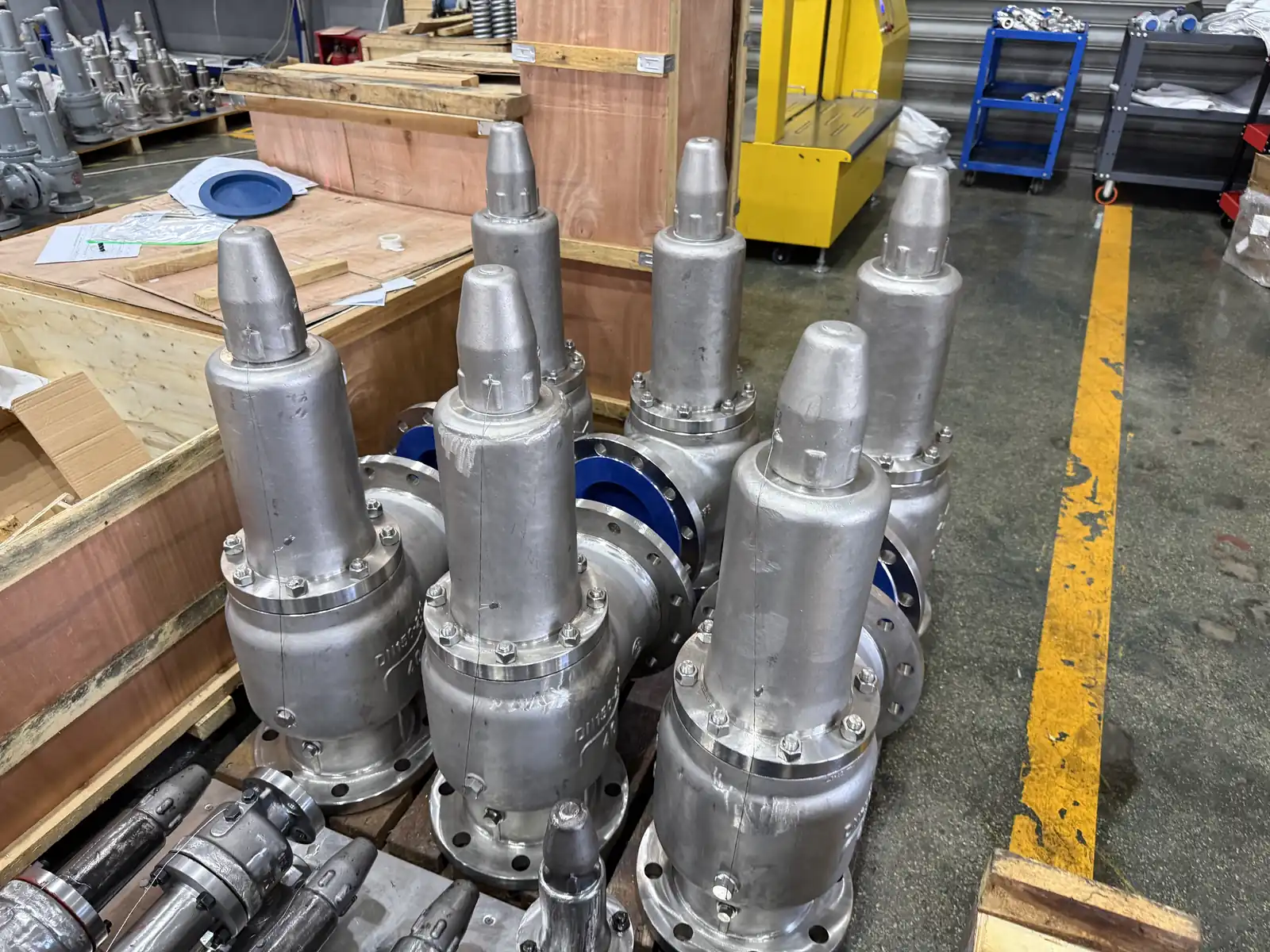
Real Production Evidence for Application Review
For High Pressure Safety Valves for Gas & Liquid PSV Systems | ZOBAI service, supplier review should connect valve construction to set pressure, medium, temperature, capacity, back pressure and the governing code. This actual ZOBAI photograph documents three large stainless steel safety valves ready for inspection. Review it with drawings, material records and pressure-test documents.