High Back Pressure Safety Valves for Flare, Scrubber, Closed Vent and Return Line Systems
High Back Pressure Safety Valves for Flare Headers, Scrubbers, Closed Vents and Return Lines
High back pressure safety valves protect pressure vessels, reactors, compressors, heat exchangers, storage vessels, pipelines and skid systems when the PSV outlet discharges into a pressurized or variable-pressure system. Correct selection starts with set pressure, required capacity, superimposed back pressure, built-up back pressure, total back pressure, constant or variable outlet pressure, medium phase, relieving temperature, allowable overpressure, discharge header design, flare or scrubber pressure drop, material compatibility and valve type selection between conventional spring-loaded, balanced bellows and pilot operated safety valves.
Where High Back Pressure Safety Valves Are Used
High back pressure service appears whenever the valve outlet cannot freely discharge to atmosphere. The outlet pressure may already exist before the valve opens, or it may build up during relief because of discharge piping, flare header load, scrubber pressure drop, vapor recovery pressure or liquid return resistance.
Flare Header Relief Systems
Used in refineries, petrochemical plants, LNG terminals, gas plants and offshore facilities. Multiple PSVs may discharge into one flare header, creating variable back pressure during simultaneous relief or system depressuring.
Scrubber and Absorber Discharge
Used for toxic, acid gas, chlorine, ammonia, solvent vapor and corrosive gas relief. Scrubber liquid level, packing pressure drop, demister fouling and emergency flow can increase back pressure at the PSV outlet.
Closed Vent and Vapor Recovery Lines
Used where emissions, flammable vapor or toxic gas cannot be released directly to atmosphere. Valve selection should review normal header pressure, upset pressure, condensation, liquid pockets and header capacity.
Liquid Return and Closed Drain Systems
Used on pump discharge relief, thermal relief, chemical dosing skids, LPG return lines and liquid transfer packages. Return line static head, tank pressure and friction loss can create back pressure.
Compressor and Gas Skid Relief
Used on compressor discharge, interstage bottles, fuel gas skids, hydrogen skids and pressure reducing stations. Header pressure and pulsation can affect valve stability, leakage and reseating.
Reactor and Chemical Relief Systems
Used when reactor PSVs discharge to condenser, quench tank, scrubber, flare or closed collection. Two-phase flow, foaming, fouling and variable back pressure must be reviewed together.
Back Pressure Must Be Defined Before Choosing the Valve Type
The same set pressure and capacity can require different valve constructions depending on outlet pressure behavior. Before selecting a conventional, bellows balanced or pilot operated valve, the back pressure should be separated into superimposed, built-up and total back pressure.
Superimposed Back Pressure
Superimposed back pressure exists at the valve outlet before the valve opens. It can be constant, such as a stable closed header pressure, or variable, such as a flare header pressure that changes with other relieving devices.
Built-Up Back Pressure
Built-up back pressure is generated after the valve opens because flow passes through the outlet pipe, discharge header, silencer, scrubber, flare line, return line or treatment system. It increases with relieving flow.
Total Back Pressure
Total back pressure is the combination of superimposed back pressure and built-up back pressure under relieving conditions. This value is central to valve capacity correction and valve type selection.
Constant vs Variable Back Pressure
Constant back pressure can often be corrected in set pressure or valve configuration. Variable back pressure is more difficult because it changes during plant upset, multi-valve relief, flare load or scrubber operation.
Capacity and Stability Impact
High back pressure can reduce effective capacity, delay opening, affect blowdown, cause instability or prevent proper reseating. The discharge system must be reviewed as part of the relief valve selection.
Valve Type Decision
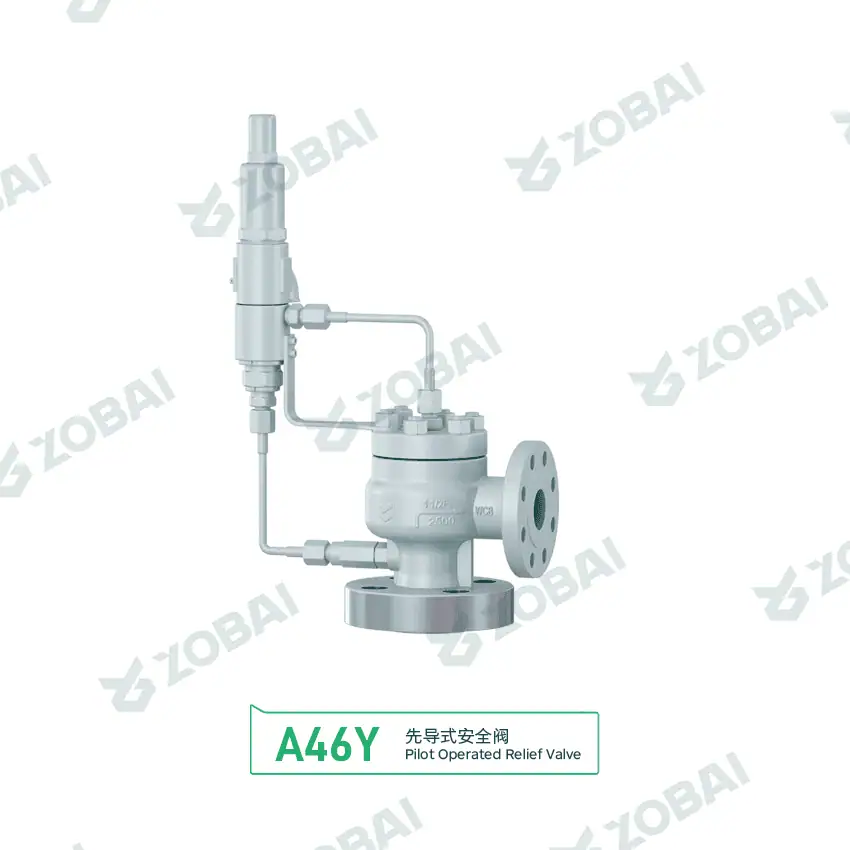
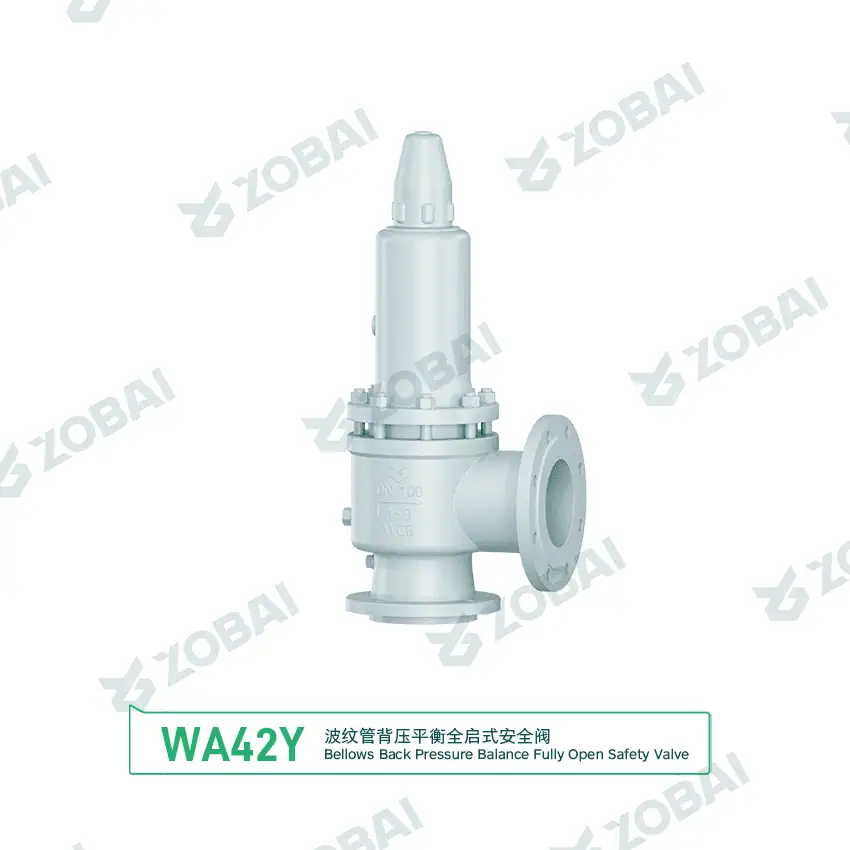
Conventional spring-loaded valves are sensitive to back pressure. Balanced bellows valves reduce back pressure effect on opening pressure and capacity. Pilot operated valves may be suitable for higher back pressure or tight operating margins when service conditions allow.
High Back Pressure Safety Valve Application Cases with Typical RFQ Data
These cases show how high back pressure PSV requirements are commonly described before model selection. Final sizing must be confirmed by process conditions, relief calculation, outlet system data, project standard and engineering review.
Case 1: Refinery Vessel PSV Discharging to Flare Header
Variable Flare Back PressureA flare-connected PSV should not be selected as if it discharges to atmosphere. Variable flare header pressure can change valve capacity and stability, especially during simultaneous relief cases.
Case 2: Acid Gas Reactor PSV to Caustic Scrubber
Scrubber Back PressureScrubber-connected PSVs require both hydraulic and chemical review. Corrosive vapor, liquid carryover and scrubber pressure drop can affect valve material, capacity and reliability.
Case 3: Pump Relief Valve Returning to Pressurized Tank
Liquid Return LineLiquid relief to a return line can see significant outlet pressure. Tank pressure, elevation and pipe loss should be included before the valve is sized.
Case 4: Compressor Discharge PSV to Closed Vent Header
Gas Compressor ReliefCompressor relief is sensitive to pulsation and outlet header pressure. Valve stability, outlet support and gas dispersion should be reviewed before final selection.
Case 5: Reboiler PSV Discharging to Flare
Two-Phase Relief RiskReboiler relief can involve flashing liquid and two-phase flow. High back pressure can further reduce capacity, so the outlet system must be evaluated with the relief case.
Case 6: Thermal Relief Valve to Closed Drain Header
Closed Drain Back PressureThermal relief valves are small, but outlet pressure still matters. If a closed drain header is pressurized or isolated, the valve may not relieve correctly.
Conventional, Bellows Balanced and Pilot Operated Safety Valves in Back Pressure Service
| Valve Type | Back Pressure Behavior | Typical Use | Engineering Checks | Main Advantage | Risk if Misapplied |
|---|---|---|---|---|---|
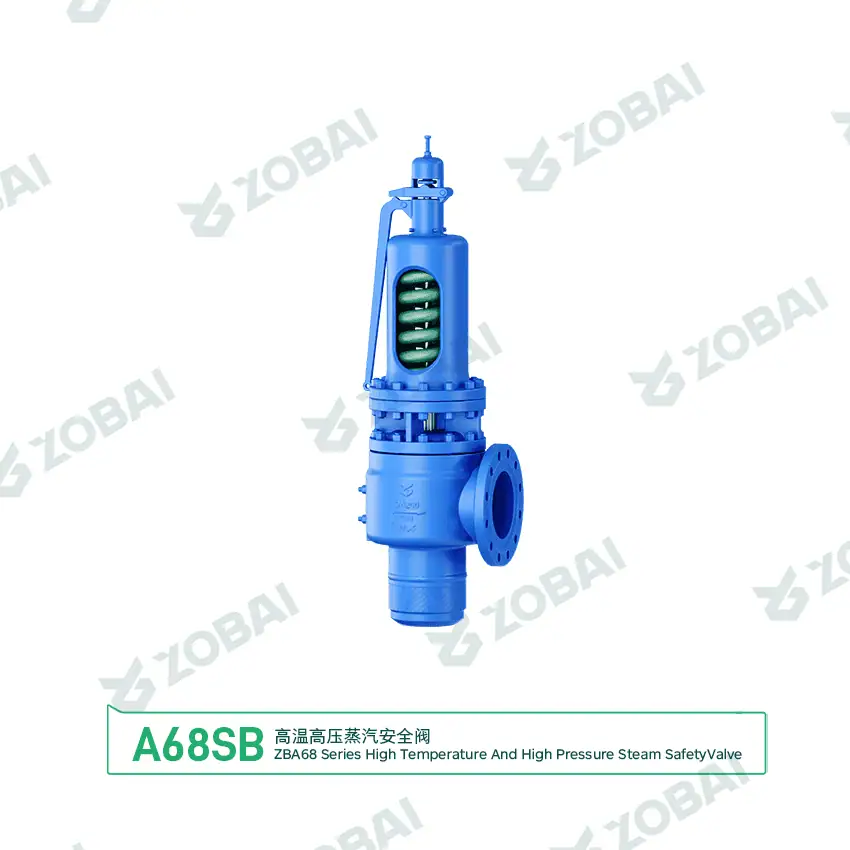
| Conventional spring-loaded PSV | Sensitive to outlet pressure; back pressure can affect opening pressure, capacity and reseating. | Atmospheric discharge or low, stable back pressure. | Superimposed pressure, built-up pressure, allowable back pressure and blowdown. | Simple structure and broad service familiarity. | Capacity loss, set pressure shift, chatter or failure to reseat under high back pressure. |
| Balanced bellows PSV | Bellows helps reduce the effect of back pressure on opening characteristics. | Flare headers, scrubbers, closed vents and variable back pressure service. | Bellows material, bellows vent, corrosion, fatigue, outlet pressure and rupture indication. | Better stability than conventional valve in many back pressure cases. | Bellows corrosion, fatigue failure or unsafe venting if installation is wrong. |
| Pilot operated safety valve | Can handle higher back pressure in suitable clean service and offers tight operating margin. | Gas service, high-pressure systems, large capacity duties and tight shutoff applications. | Medium cleanliness, pilot sensing line, freezing, plugging, backflow, soft seat and maintenance plan. | High capacity, tight shutoff and good performance in selected high back pressure applications. | Pilot plugging, sensing line issues or unsuitability for dirty, viscous or polymerizing service. |
| Rupture disc plus PSV | Back pressure and interspace pressure must be considered carefully. | Corrosive, toxic, sticky or fouling service upstream of a safety valve. | Disc burst pressure, combination capacity factor, pressure monitoring and discharge header data. | Protects valve from corrosive or fouling process fluid. | Undetected disc leakage, capacity reduction or incorrect pressure monitoring. |
| Thermal relief valve | Outlet pressure can prevent relief if return or drain header pressure is too high. | Blocked-in liquid lines, heat exchangers, pump discharge sections and cryogenic liquid piping. | Static head, return pressure, liquid expansion, set pressure and seat leakage. | Compact protection for trapped liquid expansion. | Blocked return path, overpressure of trapped liquid section or continuous leakage. |
| Modulating pilot valve | May limit relief flow to demand and reduce header load in suitable services. | Large gas systems, storage vessels, process gas and high operating pressure margin cases. | Process cleanliness, stability, turndown, pilot protection and header pressure variation. | Reduced product loss and smoother relief behavior in selected services. | Unstable operation if process, piping or pilot conditions are not suitable. |
How to Specify a High Back Pressure Safety Valve Correctly
1. Define the protected equipment and set pressure
Start with protected equipment MAWP, design pressure, set pressure, allowable overpressure and relief scenario. Back pressure review cannot replace the basic requirement that the valve protects the lowest-rated pressure boundary.
2. Separate superimposed and built-up back pressure
Provide existing outlet header pressure before relief and calculated outlet pressure during relief. Separate constant, variable, superimposed and built-up components so the correct valve type and correction factors can be applied.
3. Confirm the discharge system design basis
Review flare header, scrubber, silencer, vent stack, condenser, closed drain, return line, vapor recovery or BOG header data. Multi-valve relief and simultaneous depressuring cases may control total back pressure.
4. Select valve construction from service conditions
Conventional valves may be acceptable for low and stable back pressure. Bellows balanced valves are commonly reviewed for variable outlet pressure. Pilot operated valves may be suitable for clean gas, high-pressure or tight shutoff service.
5. Check capacity, stability and blowdown
Back pressure can reduce capacity and affect stable operation. Confirm corrected relieving capacity, inlet pressure loss, outlet pressure loss, reaction force, blowdown, reseating pressure and whether the valve may chatter.
6. Confirm material, documents and testing
Bellows material, trim, gasket, soft seat and body material should match temperature, corrosion and medium. Required documents should include datasheet, back pressure basis, sizing calculation, MTC, calibration and test reports.
High Back Pressure PSVs Must Be Reviewed With the Complete Outlet System
Why outlet piping changes PSV performance
The relief valve and discharge system work as one system. Long outlet piping, small headers, flare load, scrubber pressure drop, liquid pockets, closed valves, silencers, vent stacks, return lines and shared headers can increase back pressure and reduce capacity.
High back pressure installations should review outlet line size, equivalent length, reaction force, pipe support, drainage, liquid seal, flare or scrubber hydraulic model, simultaneous relief cases, bellows vent location, maintenance access and whether the outlet header pressure can exceed the valve’s approved back pressure range.
Field installation checks
- Confirm total back pressure at maximum relieving flow.
- Check whether back pressure is constant or variable during plant upset.
- Keep inlet pressure loss within the project design limit.
- Support outlet piping without loading the valve body.
- Prevent liquid pockets, frozen lines and blocked drains in discharge piping.
- Vent balanced bellows safely according to project and manufacturer requirements.
- Review flare, scrubber, closed vent or return line pressure before final valve selection.
Standards and Documents to Confirm Before Ordering
Common high back pressure references
High back pressure safety valve specifications may reference ASME, API, ISO, EN, GB, local pressure equipment regulations, owner flare design standards and project relief system documents. The applicable design basis should be confirmed before quotation.
- API 520 for pressure-relieving device sizing and selection reference where required by the project.
- API 521 for pressure-relieving and depressuring system review, including flare and closed relief systems.
- API 526 when flanged steel pressure relief valve dimensions and ratings are specified.
- API 527 when seat tightness testing is required by specification.
- ASME BPVC Section VIII where pressure vessels are part of the protected equipment scope.
- ASME B31.3 where outlet piping, flare connections or process piping are specified under process piping rules.
- Owner specifications for flare header back pressure, scrubber pressure drop, bellows venting and pilot valve application limits.
Typical document package
Documentation should be agreed before manufacturing, especially for flare-connected valves, toxic service, corrosive scrubber discharge, pilot operated valves and bellows balanced PSV packages.
- Technical datasheet with model, size, orifice, set pressure and connection.
- Sizing calculation with superimposed, built-up and total back pressure values.
- Back pressure correction basis and valve type selection note.
- Set pressure calibration certificate.
- Pressure test report and seat tightness test report when required.
- Material certificates for body, bonnet, trim, bellows, spring and pressure-retaining parts.
- General arrangement drawing with outlet orientation, weight and bellows vent details.
- Nameplate, tag number, inspection witness record and project marking confirmation.
High Back Pressure Safety Valve RFQ Data Checklist
| Required Data | Why It Matters | Example Input |
|---|---|---|
| Protected equipment | Defines pressure boundary, MAWP and set pressure limit. | Pressure vessel, reactor, compressor, heat exchanger, pump line, storage vessel |
| Set pressure | Defines valve opening pressure and back pressure ratio review. | 6 barg, 16 barg, 45 barg, 150 psi, 10 MPa |
| Required relieving capacity | Confirms whether the valve can protect equipment after capacity correction. | kg/h, Nm³/h, SCFM, t/h, GPM, L/min |
| Relief scenario | Determines capacity, medium phase and discharge load. | Blocked outlet, fire case, pump deadhead, compressor failure, reaction relief |
| Medium and phase | Affects sizing, valve type, back pressure correction and material. | Hydrocarbon vapor, natural gas, steam, solvent vapor, liquid, two-phase flow |
| Superimposed back pressure | Identifies outlet pressure before the valve opens. | Constant 1 barg, variable flare header 0–4 barg, scrubber pressure 0.5 barg |
| Built-up back pressure | Identifies outlet pressure generated by relief flow. | Outlet pipe loss, flare header loss, scrubber pressure drop, silencer loss |
| Total back pressure | Controls valve selection and capacity correction. | Superimposed plus built-up back pressure at relieving condition |
| Discharge destination | Determines whether outlet pressure is stable, variable or simultaneous-case dependent. | Flare header, scrubber, closed vent, vapor recovery, tank return, closed drain |
| Relieving temperature | Affects body rating, spring, bellows, trim and seat selection. | -196°C, ambient, 120°C, 250°C, 450°C |
| Material / special service | Prevents corrosion, bellows failure, leakage or plugging. | 316SS bellows, Inconel bellows, sour gas, acid gas, oxygen clean, PTFE seat |
| Required documents | Avoids inspection, installation and commissioning delays. | Datasheet, drawing, MTC, sizing report, calibration report, pressure test, seat test |
Final selection must be confirmed by protected equipment datasheet, relief case, back pressure calculation, applicable standard, valve manufacturer data and engineering review.
Common High Back Pressure PSV Selection Mistakes
Assuming outlet pressure is zero
A PSV connected to flare, scrubber, closed vent or return line does not discharge to atmosphere. Outlet pressure must be included in sizing and valve type selection.
Mixing up superimposed and built-up back pressure
Existing header pressure and pressure generated during relief are different. Mixing them can lead to wrong correction factors and unsuitable valve construction.
Using conventional PSV in variable back pressure service
Conventional valves can be strongly affected by changing outlet pressure. Bellows balanced or pilot operated valves should be reviewed when back pressure is high or variable.
Ignoring flare header simultaneous relief
A single PSV may look acceptable, but multiple valves relieving together can increase flare header pressure and reduce available capacity.
Forgetting bellows material and venting
Bellows must match corrosion, temperature and fatigue conditions. Bellows venting must be handled safely and should not be blocked or connected incorrectly.
Ignoring liquid pockets in discharge piping
Liquid accumulation can increase back pressure, cause corrosion, freeze, block the outlet or create unstable relief. Discharge piping should be drained and reviewed.
Continue Your Back Pressure and PSV Selection Review
These related pages help move from back pressure evaluation to detailed valve type selection, sizing, equipment-specific review and document preparation.
Authoritative Standards for High Back Pressure PSV Review
Use these external references to confirm the formal code and standard basis behind pressure-relieving device sizing, flare and depressuring system review, process piping, pressure vessel protection and safety valve product requirements.
High Back Pressure Safety Valve FAQ
Prepare a Complete High Back Pressure PSV Datasheet Before Quotation
Send the protected equipment datasheet, set pressure, relief scenario, required capacity, medium and phase, relieving temperature, operating pressure, superimposed back pressure, built-up back pressure, total back pressure, discharge destination, material requirement, connection standard and required documents. A complete datasheet helps avoid unsafe assumptions and speeds up engineering review.
Minimum RFQ data
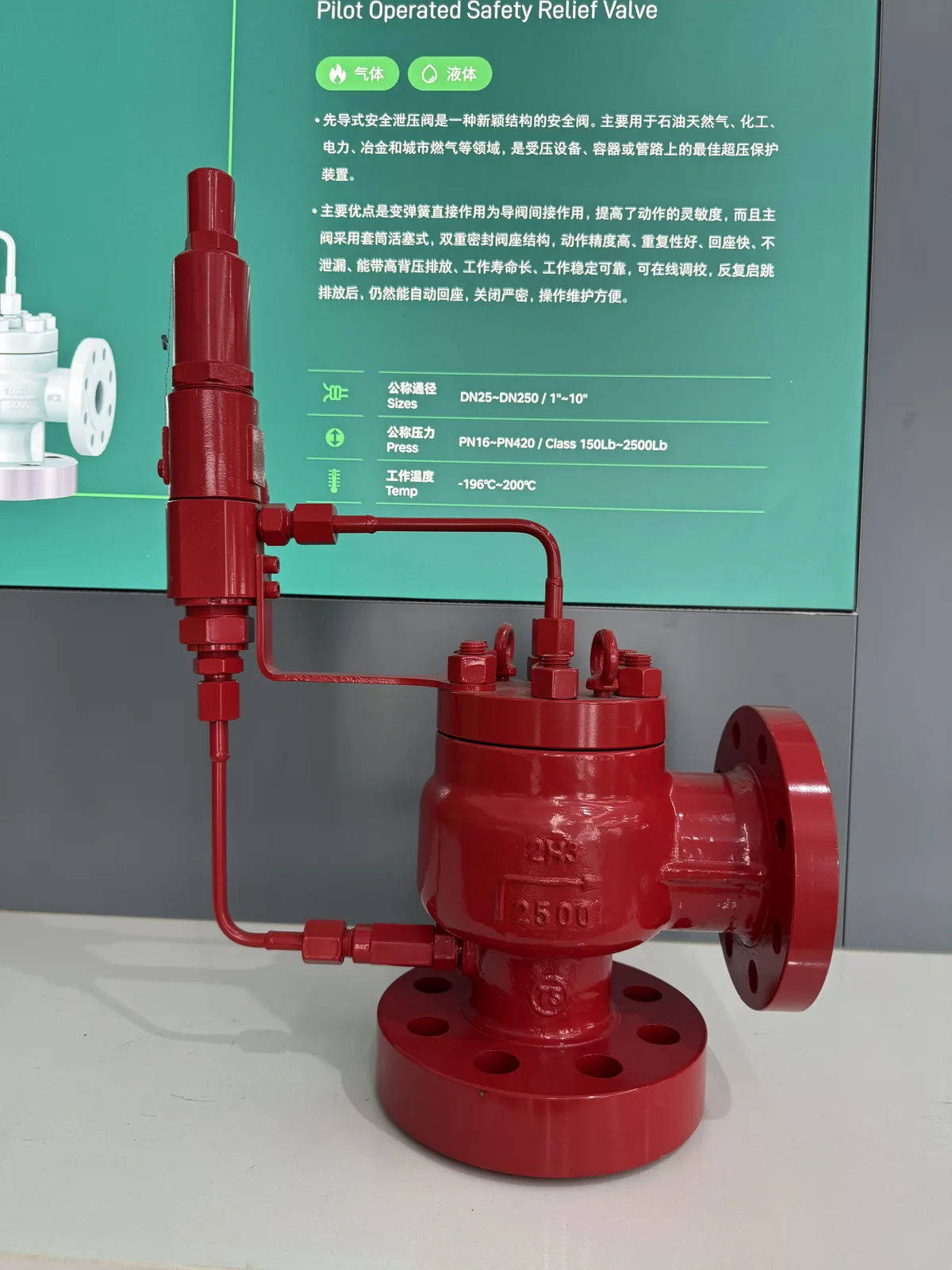
Real Production Evidence for Application Review
For High Back Pressure Safety Valves for PSV Systems | ZOBAI service, supplier review should connect valve construction to set pressure, medium, temperature, capacity, back pressure and the governing code. This actual ZOBAI photograph documents red pilot-operated safety relief valve on display. Review it with drawings, material records and pressure-test documents.