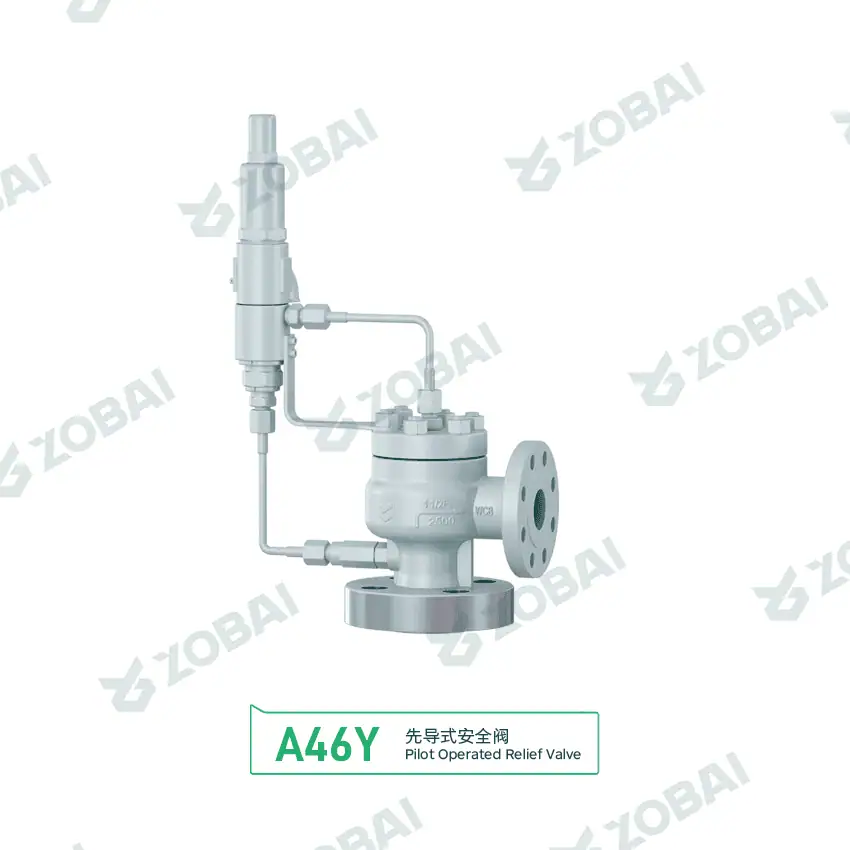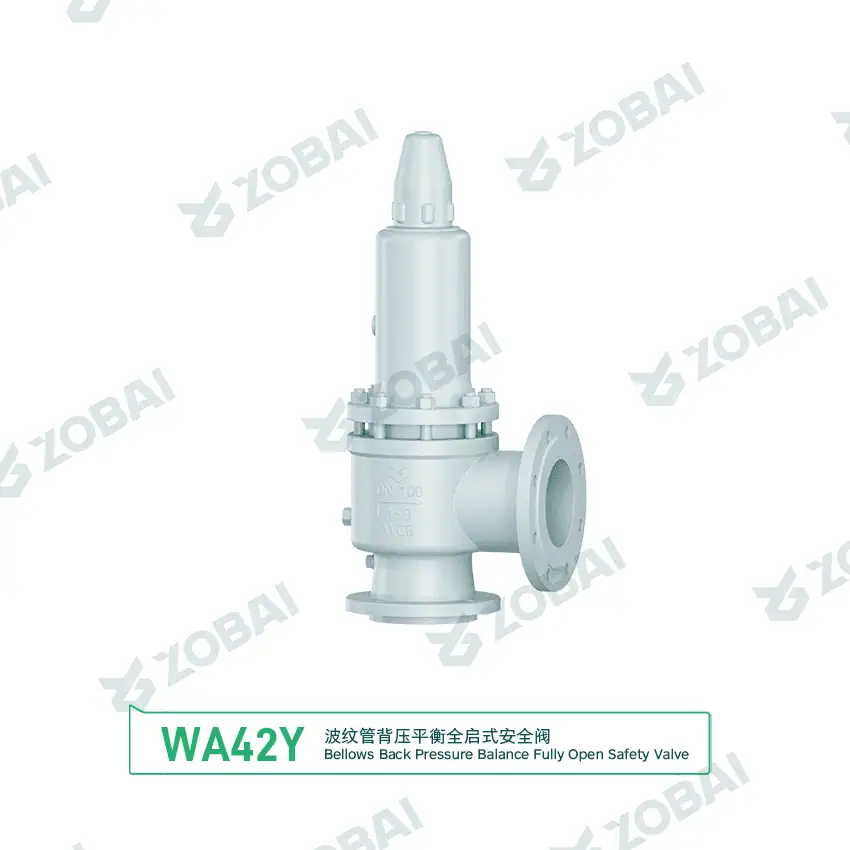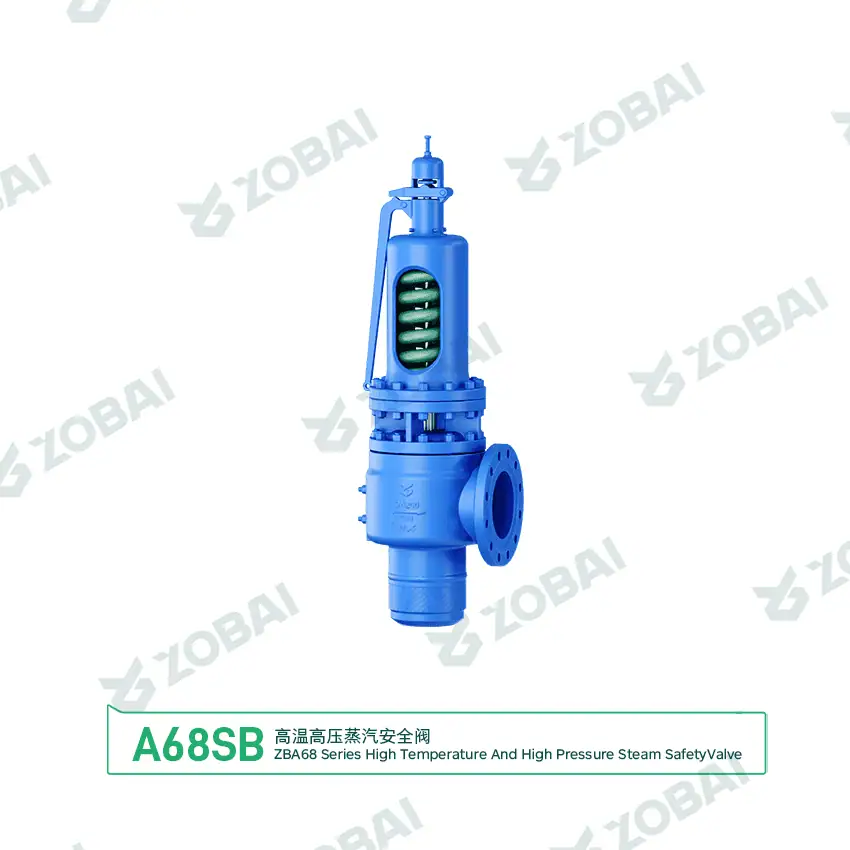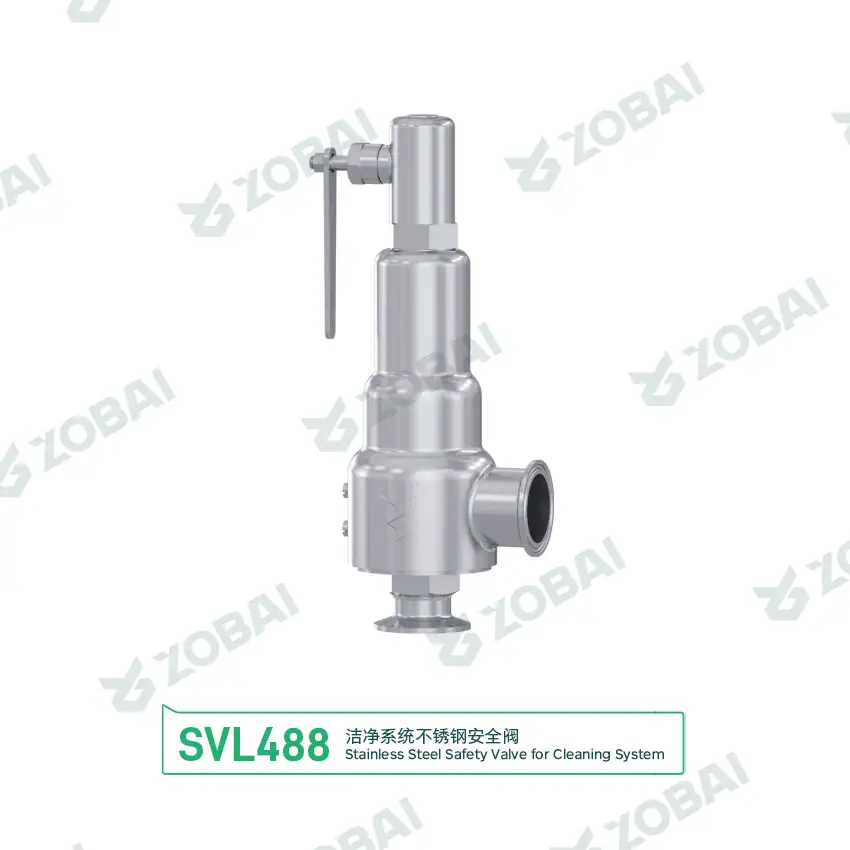
Skid System Safety Valves for Modular Process Packages, Utility Skids and Packaged Equipment
Skid system safety valves protect modular process packages, pump skids, compressor skids, gas pressure reducing skids, metering skids, filtration skids, chemical dosing skids, heat transfer skids, LNG fuel skids, nitrogen generation skids, water treatment skids and packaged pressure equipment from overpressure. Correct PSV or PRV selection starts with skid battery limits, protected equipment MAWP, piping class, set pressure, relief scenario, pump or compressor maximum flow, regulator failure flow, thermal expansion, discharge destination, back pressure, material compatibility, installation space and required project documentation.
Where Safety Valves Are Used in Skid-Mounted Systems
A skid package may include pressure vessels, pumps, compressors, regulators, filters, heat exchangers, control valves, instruments and interconnecting piping on one compact frame. The safety valve must protect the weakest pressure boundary inside the package and must also match the site discharge system outside the skid battery limit.
Pump and Chemical Injection Skids
Used on dosing, metering, transfer, fuel, glycol, methanol, amine, caustic, acid and chemical injection packages. Relief review should include pump deadhead, blocked discharge, pulsation, minimum flow, chemical compatibility and safe return or drain routing.
Compressor and Gas Booster Skids
Used on air, nitrogen, hydrogen, natural gas, CO₂, oxygen and refrigeration compressor packages. Selection should review compressor maximum flow, discharge temperature, pulsation, vibration, receiver MAWP and safe gas venting.
Fuel Gas and Pressure Reducing Skids
Used on fuel gas conditioning, gas pressure reduction, metering, regulator stations and burner gas supply packages. Regulator failure, downstream MAWP, gas capacity, seat tightness and vent stack routing are central to PSV selection.
Filtration and Separation Skids
Used on cartridge filters, coalescers, strainers, separators, scrubbers and fuel gas filters. Relief scenarios include blocked outlet, filter plugging, liquid carryover, regulator failure and vessel overpressure.
Heat Transfer and Utility Skids
Used on hot water, steam, thermal oil, glycol, refrigeration, vaporizer and heat exchanger packages. Relief review should include thermal expansion, tube rupture, utility control failure, blocked outlet and high-temperature discharge safety.
LNG, Cryogenic and Specialty Gas Skids
Used on LNG fuel gas supply, cryogenic transfer, vaporizer, nitrogen, oxygen, hydrogen and specialty gas packages. Low-temperature material, trapped liquid thermal relief, oxygen cleanliness, leakage tightness and safe venting must be reviewed.
Skid PSV Selection Starts With the Package Boundary and Overpressure Scenario
Skid systems are often delivered as packaged equipment, but the overpressure case can come from inside the skid or from upstream and downstream plant connections. The correct safety valve selection must consider the skid battery limit, protected equipment rating, piping class and how the relief discharge is handled by the site.
Pump Deadhead or Blocked Discharge
A pump can continue delivering flow against a closed downstream valve, blocked filter or isolated outlet. Relief sizing should use pump curve, maximum flow, deadhead pressure, fluid density, viscosity and return-line capacity.
Compressor Discharge or Receiver Overpressure
Compressor skids can overpressure discharge piping, aftercoolers, receivers, oil separators and interstage bottles. Selection should confirm compressor maximum capacity, receiver MAWP, pulsation, vibration and safe gas discharge.
Regulator Failure in Gas Skids
Pressure reducing regulators can fail open and expose downstream skid piping, filters, meters, burners or analyzers to high upstream pressure. Relief valves must protect the lowest-rated downstream component.
Thermal Expansion of Blocked-In Liquid
Small skid-mounted piping sections can trap liquid between isolation valves, filters, heat exchangers or check valves. Thermal relief may be required even when the trapped volume is small, especially with heat tracing, hot utility or outdoor exposure.
Filter Plugging, Separator Blockage or Vessel Protection
Skid-mounted filters, separators, coalescers and small pressure vessels can be overpressured when outlets are blocked or differential pressure rises. Vessel MAWP, cartridge plugging and maintenance isolation should be reviewed.
Utility Control Failure or Tube Rupture
Heat transfer skids may overpressure a low-pressure side if steam, hot oil, refrigerant or high-pressure process fluid leaks through a heat exchanger. Tube rupture, blocked outlet and thermal expansion should be reviewed together.
Skid System Safety Valve Application Cases with Typical RFQ Data
These cases show how skid-mounted safety valve requirements are commonly described before model selection. Final sizing must be confirmed by skid P&ID, protected equipment MAWP, piping class, process conditions, relief calculation and project inspection requirements.
Case 1: Chemical Injection Skid Pump Relief Valve
Pump DeadheadChemical injection skids often use small relief valves, but the valve must still match the pump deadhead case and chemical compatibility. Return routing should avoid tank overpressure and chemical exposure.
Case 2: Fuel Gas Pressure Reducing Skid PSV
Regulator FailureFuel gas skids should protect the lowest-rated downstream component. Relief discharge must be routed away from enclosed areas, air intakes, ignition sources and operator access points.
Case 3: Compressed Air Compressor Skid Receiver Safety Valve
Air ReceiverCompressor skid PSVs should be selected from receiver MAWP and compressor maximum flow. Compact skid layout should still allow safe venting, calibration access and valve replacement.
Case 4: Filter Coalescer Skid PSV
Blocked OutletFiltration skids can see pressure rise from plugged cartridges, blocked outlets or failed upstream control. Relief selection should protect both the pressure vessel and connected skid piping.
Case 5: Hot Water / Steam Heat Transfer Skid Relief Valve
Utility FailureHeat transfer skids may need both PSV protection and thermal relief. The high-pressure utility source and the low-pressure process side should be reviewed together.
Case 6: LNG Fuel Gas Supply Skid Thermal Relief Valve
Cryogenic ServiceLNG skids require careful review of blocked-in cryogenic liquid sections. Thermal relief valves may be small, but they protect the skid piping from severe pressure rise.
Skid System Safety Valve Data Matrix
| Skid Type | Typical Medium | Common Relief Cause | Required Engineering Check | Recommended Valve Review | Risk if Missed |
|---|---|---|---|---|---|
| Pump / chemical injection skid | Methanol, glycol, amine, acid, caustic, inhibitor, water | Pump deadhead, blocked discharge, thermal expansion | Pump curve, deadhead pressure, chemical compatibility and return pressure | Relief valve with compatible trim and safe return or drain path | Skid piping rupture, chemical release or pump damage |
| Compressor skid | Air, nitrogen, natural gas, hydrogen, CO₂, refrigerant | Blocked discharge, control failure, receiver overpressure | Compressor maximum flow, receiver MAWP, pulsation and vent routing | Gas PSV with certified capacity and supported outlet piping | Receiver overpressure, gas release or valve chatter |
| Fuel gas / PRS skid | Natural gas, fuel gas, hydrogen blend, nitrogen | Regulator failure, bypass leakage, downstream blockage | Downstream design pressure, regulator failure flow and vent dispersion | Spring-loaded or pilot operated gas relief valve depending on pressure and capacity | Downstream overpressure or unsafe flammable gas release |
| Filtration / coalescer skid | Fuel gas, diesel, solvent, process liquid, compressed gas | Filter plugging, blocked outlet, upstream pressure control failure | Vessel MAWP, differential pressure, phase behavior and maintenance isolation | PSV sized for upstream source or blocked outlet scenario | Filter housing rupture or liquid carryover release |
| Heat transfer skid | Steam, hot water, glycol, thermal oil, refrigerant, process liquid | Tube rupture, utility control failure, thermal expansion | Exchanger side MAWP, high-pressure source, flashing and back pressure | PSV or thermal relief valve based on governing case | Low-pressure side overpressure or unsafe hot discharge |
| Cryogenic / LNG skid | LNG, LN₂, LOX, liquid CO₂, cold gas vapor | Blocked-in liquid thermal expansion, heat leak, vaporizer blockage | Low-temperature material, trapped liquid volume, icing and vent route | Cryogenic safety valve or thermal relief valve with approved discharge route | Cold embrittlement, line rupture or blocked icy vent |
How to Specify a Skid System Safety Valve Correctly
1. Define the skid battery limit
Start with the skid P&ID, battery limit, upstream and downstream connection pressure, isolation philosophy and package scope. A PSV inside the skid may protect only the packaged equipment, or it may also protect downstream plant piping depending on project design.
2. Confirm the weakest protected pressure boundary
Review vessel MAWP, filter housing rating, exchanger side MAWP, tubing rating, piping class, instrument rating, regulator outlet rating and downstream user pressure limit. The set pressure should protect the weakest credible boundary.
3. Identify the governing relief scenario
Common skid relief cases include pump deadhead, compressor blocked discharge, regulator failure, blocked outlet, filter plugging, thermal expansion, tube rupture, heat input, fire case and overfilling from upstream supply.
4. Use equipment maximum capacity, not normal flow only
Pump, compressor and regulator failure cases should be based on maximum credible flow at relieving condition. Normal operating flow may be much lower than the required relief capacity for blocked-flow scenarios.
5. Review compact layout and discharge piping
Skids have limited space. Valve orientation, outlet reaction force, drainability, operator access, lifting lever access, insulation, heat tracing, vibration and discharge back pressure should be reviewed before final valve size and connection are fixed.
6. Confirm materials and handover documents
Body, trim, seat, gasket, spring and bellows materials should match the medium, temperature and cleaning requirement. Project documents should include datasheet, drawings, MTC, calibration report, pressure test, seat tightness test and tag list when specified.
Skid Safety Valves Must Be Reviewed With Package Layout, Battery Limits and Site Discharge System
Why skid-mounted installation changes valve performance
Skid systems compress multiple pressure sources, valves, instruments and vessels into a small footprint. A relief valve can be affected by short-radius piping, small tubing, vibration, high back pressure, blocked drains, maintenance isolation, shared headers and site battery-limit connections.
Skid PSV installation should review inlet pressure loss, outlet reaction force, vent or drain routing, isolation valve policy, discharge header back pressure, relief discharge into the site system, operator access, instrument clearance, vibration from rotating equipment and whether the PSV protects the intended component.
Field installation checks
- Confirm whether the PSV protects skid equipment only or downstream plant equipment as well.
- Check vessel MAWP, piping class, tubing rating and instrument pressure rating.
- Install the valve close to the protected component where practical.
- Keep inlet pressure loss within the project design limit.
- Support discharge piping without loading the valve body or skid nozzle.
- Route gas, toxic vapor, hot liquid, cryogenic vapor and corrosive media to approved safe destinations.
- Provide access for calibration, testing, maintenance, removal and nameplate reading.
Standards and Documents to Confirm Before Ordering
Common skid system references
Skid package relief specifications may reference ASME B31.3, ASME Section VIII, API 520, API 521, API 526, API 527, ISO, EN, GB, local pressure equipment regulations, owner specifications and packaged equipment standards. The applicable design basis should be confirmed before quotation.
- ASME B31.3 Process Piping for process piping inside chemical, refinery, pharmaceutical, hydrogen, cryogenic and utility skids.
- ASME safety valve standards where skid-mounted vessels, receivers, separators, filters or heat exchangers are designed as pressure equipment.
- API 520 Safety Valve Sizing for pressure-relieving device sizing and selection reference where required by the project.
- API 521 Pressure Relief Systems for system-level relief scenario, flare, vent and depressuring review in process facilities.
- API 526 Flanged Safety Valves when standardized flanged steel pressure relief valve dimensions and ratings are specified.
- API 527 Seat Tightness Test when leakage verification is required by specification.
- ISO 4126 Safety Valve Standards where general safety valve requirements are referenced for international projects.
- Owner specifications for LNG, hydrogen, oxygen, corrosive chemical, sanitary, high-pressure or high-temperature skid service.
Typical skid PSV document package
Documentation should be agreed before manufacturing, especially for modular process packages, EPC skid projects, export packages, offshore skids, LNG fuel skids, gas regulation skids and chemical dosing systems.
- Technical datasheet with tag number, model, size, orifice, set pressure and connection.
- Sizing calculation or certified relieving capacity confirmation.
- Set pressure calibration certificate.
- Pressure test report and seat tightness test report when required.
- Material certificate for pressure-retaining parts and trim when specified.
- Special cleaning, oxygen-clean, degreasing, low-temperature or corrosion-resistant record when specified.
- General arrangement drawing, weight, orientation and discharge direction.
- Inspection witness record, nameplate, tag list, spare parts list and packing record.
Skid System Safety Valve RFQ Data Checklist
| Required Data | Why It Matters | Example Input |
|---|---|---|
| Skid type and service | Defines relief scenario, medium and package boundary. | Pump skid, compressor skid, fuel gas skid, filtration skid, LNG skid, heat transfer skid |
| Protected equipment | Confirms what the valve is protecting inside the package. | Receiver, filter vessel, discharge header, heat exchanger, regulator outlet, tubing section |
| MAWP / design pressure / piping class | Defines the weakest pressure boundary and set pressure limit. | 10 barg vessel MAWP, Class 300 piping, PN40 skid header, 316SS tubing rating |
| Set pressure | Defines valve opening pressure. | Below protected vessel MAWP or downstream package pressure limit |
| Relief scenario | Determines required relieving capacity and valve type. | Pump deadhead, compressor blocked discharge, regulator failure, thermal expansion, filter plugging |
| Medium and phase | Affects sizing, material, leakage and discharge safety. | Natural gas, air, hydrogen, LNG, water, glycol, methanol, acid, caustic, steam, refrigerant |
| Required relieving capacity | Confirms whether the valve can protect the skid system. | kg/h, Nm³/h, SCFM, L/min, GPM, pump curve, compressor map, regulator failure flow |
| Relieving temperature | Affects body rating, trim, seat, spring and material selection. | -162°C LNG, ambient gas, 80°C chemical, 180°C hot water, 420°C steam |
| Operating pressure | Confirms operating margin and leakage risk. | Normal pressure, maximum operating pressure, unload pressure, blanketing pressure |
| Back pressure and discharge route | Influences valve capacity, stability and outlet design. | Atmospheric vent, flare, closed drain, tank return, suction return, BOG header, scrubber |
| Material / special service | Prevents corrosion, embrittlement, contamination or leakage. | 316SS, Hastelloy, PTFE seat, oxygen clean, low-temperature material, sour gas service |
| Required documents | Avoids procurement, inspection, FAT and commissioning delays. | Datasheet, drawing, MTC, calibration report, pressure test, seat tightness report, tag list |
Final selection must be confirmed by skid P&ID, protected equipment MAWP, piping class, package battery limit, process conditions, applicable code, verified sizing basis and engineering review.
Common Skid System Safety Valve Selection Mistakes
Buying by connection size only
A valve that fits the skid nozzle may still be undersized. Capacity must be checked against pump flow, compressor flow, regulator failure flow, thermal expansion or blocked outlet case.
Ignoring the skid battery limit
A PSV may protect only equipment inside the skid, or it may need to protect downstream plant equipment. Battery limit responsibility should be clear before sizing and document approval.
Using normal flow as relief flow
Pump deadhead, compressor blocked discharge and regulator failure can require much higher relief capacity than normal operating flow.
Forgetting compact layout effects
Short piping, tight bends, small tubing, vibration and limited maintenance access can affect valve stability, testing and replacement.
Ignoring back pressure from site headers
Skids often discharge to flare, vent, closed drain, tank return or vapor recovery systems. Back pressure can reduce capacity or require a different valve configuration.
Missing project documents
Skid packages often require FAT records, tag lists, calibration certificates, MTCs and pressure test records. Missing documents can delay shipment, inspection or commissioning.
Continue Your Skid Package Pressure Relief Review
These related pages help move from packaged skid requirements to detailed safety valve selection, sizing, equipment-specific review and project documentation preparation.
External Standards and Skid Package Pressure Relief References
Use these authority references to confirm the external code basis behind skid piping, pressure vessel protection, pressure-relief sizing, relief system design and general safety valve requirements.
Skid System Safety Valve FAQ
Prepare a Complete Skid System PSV Datasheet Before Quotation
Send the skid P&ID, protected equipment, battery limit, MAWP or piping class, set pressure, relief scenario, medium and phase, required capacity, relieving temperature, operating pressure, back pressure, discharge route, material requirement, connection standard and required documents. A complete datasheet helps avoid unsafe assumptions and speeds up engineering review.
Minimum RFQ data
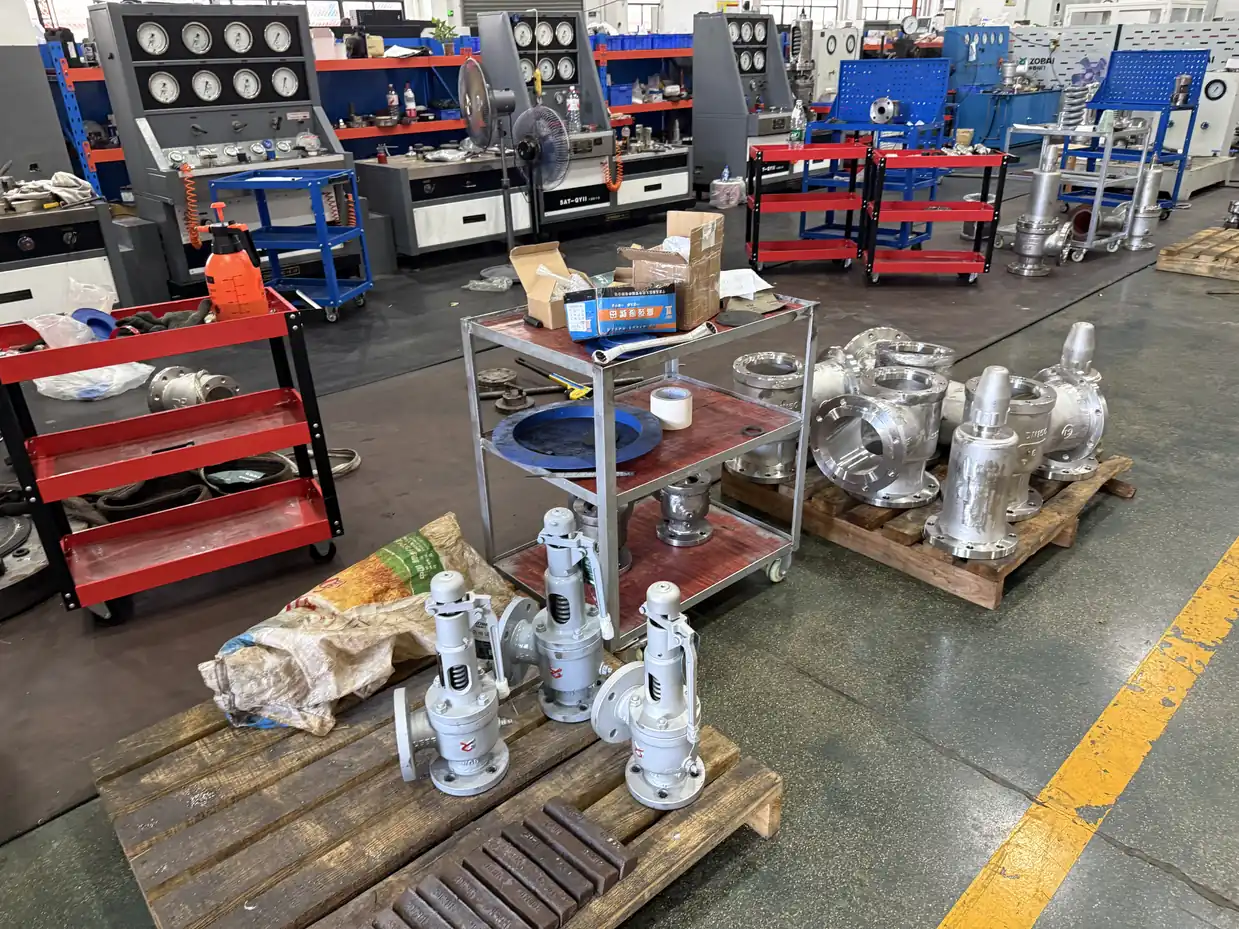
Real Production Evidence for Application Review
For Skid System Safety Valves for Modular Process Packages | ZOBAI service, supplier review should connect valve construction to set pressure, medium, temperature, capacity, back pressure and the governing code. This actual ZOBAI photograph documents safety valves staged beside pressure-test equipment. Review it with drawings, material records and pressure-test documents.