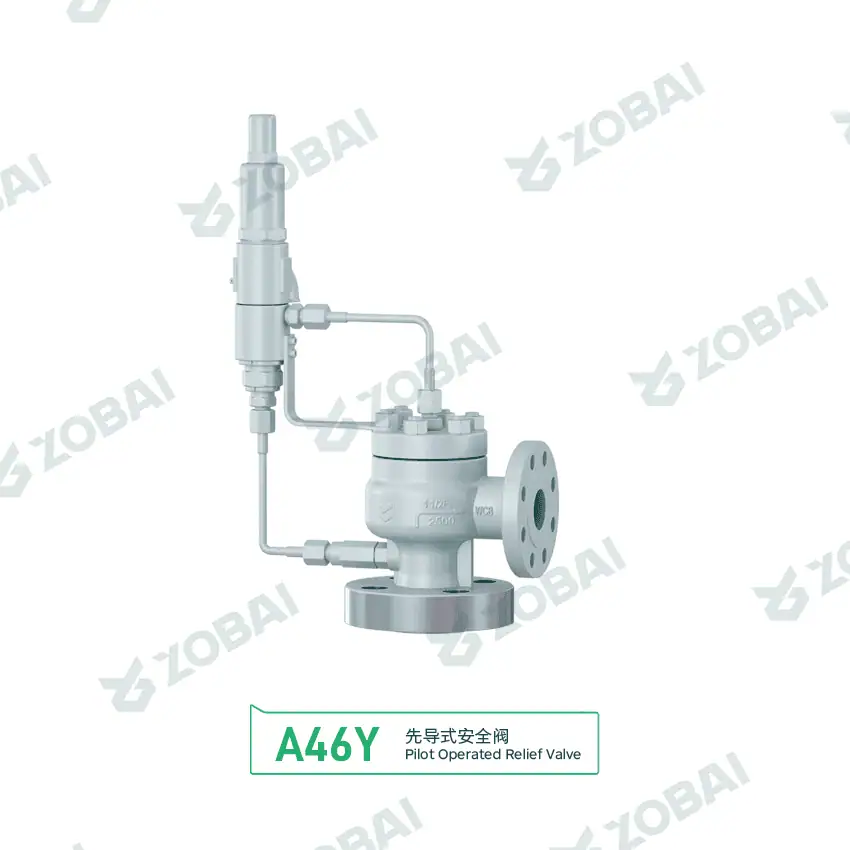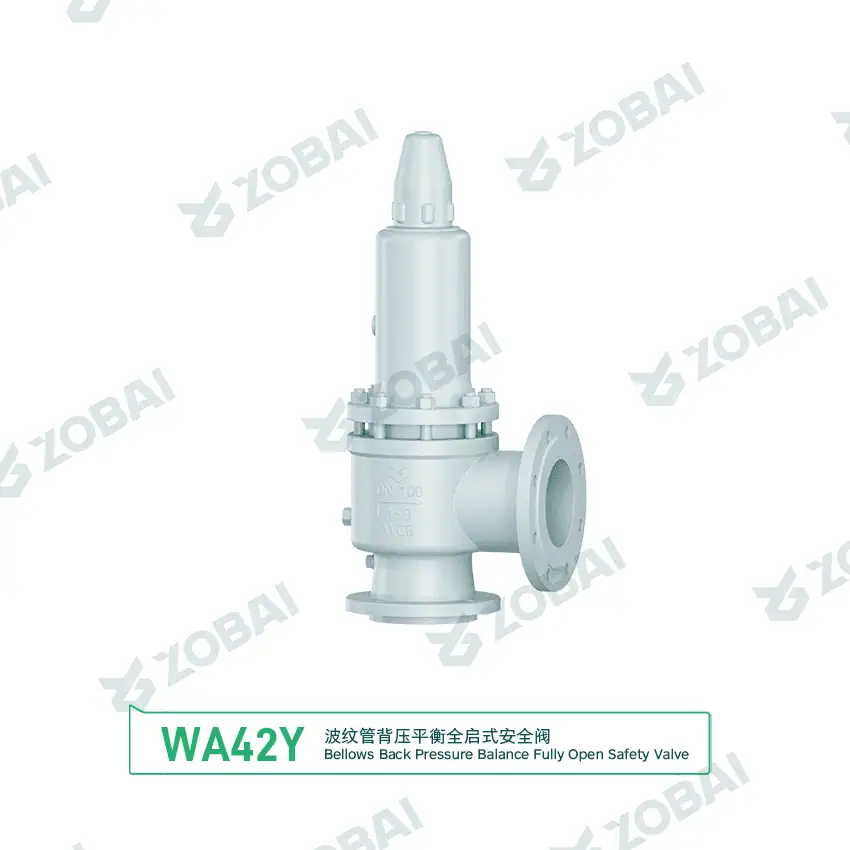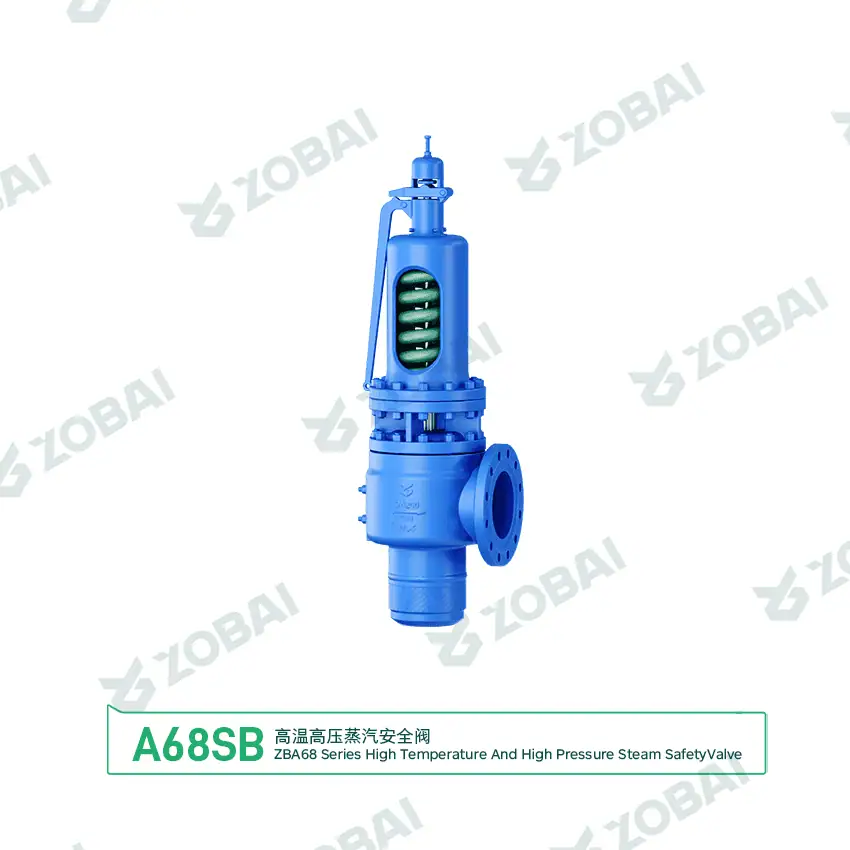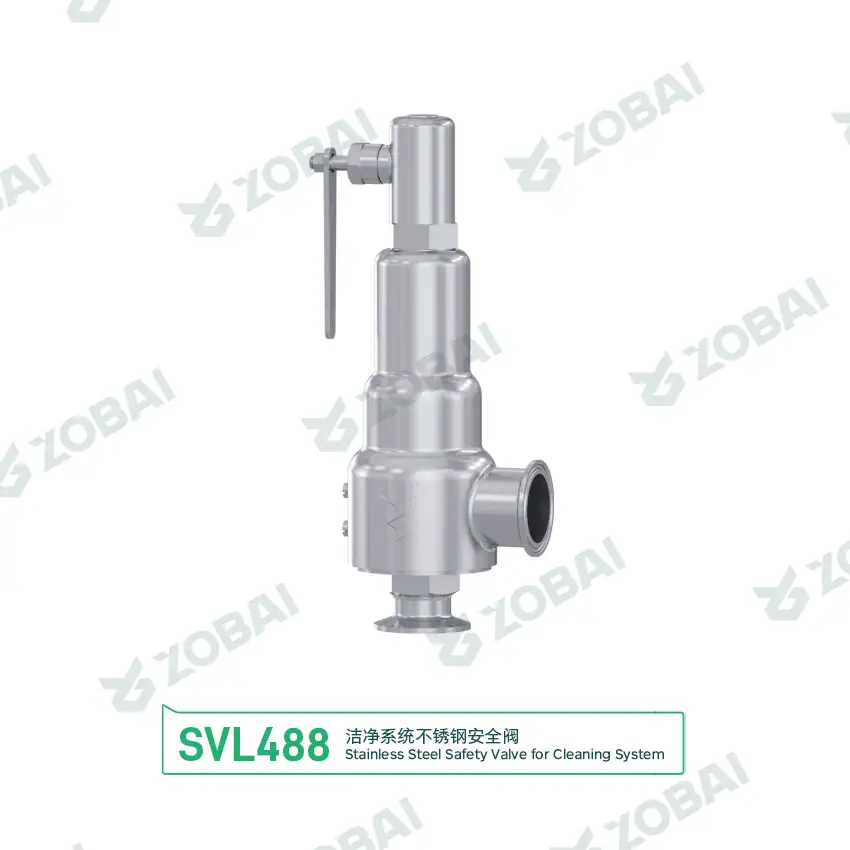
Reactor Safety Valves for Chemical, API, Hydrogenation and Polymerization Systems
Reactor safety valves protect batch reactors, continuous stirred tank reactors, API synthesis reactors, hydrogenation reactors, polymerization vessels, esterification reactors, glass-lined reactors, jacketed reactors, autoclaves, bioreactors and high-pressure process vessels from overpressure. Correct PSV or PRV selection starts with reactor MAWP, set pressure, reaction chemistry, heat release, gas generation, solvent vapor pressure, two-phase relief risk, blocked vent, cooling failure, discharge treatment, material compatibility and required test documents.
Where Safety Valves Are Used on Reactor Systems
Reactor pressure relief is more complex than ordinary vessel protection because the pressure source may come from reaction heat, gas evolution, solvent flashing, blocked vent filters, catalyst addition, cooling loss or upstream gas supply. A reactor PSV should be selected from the actual relief scenario, not only from nozzle size or normal operating pressure.
Batch Chemical Reactors
Used on multipurpose batch reactors, mixing vessels, stirred tanks and jacketed process vessels. Relief review should consider charging error, blocked vent, heat input, solvent boiling, exothermic reaction, foam and liquid carryover.
API and Fine Chemical Reactors
Used on pharmaceutical intermediate, fine chemical, crystallization and solvent synthesis systems. Key checks include toxic vapor, corrosive media, glass-lined equipment, cleaning solvents, batch documentation and closed discharge to scrubber or condenser.
Hydrogenation Reactors
Used on catalytic hydrogenation, high-pressure hydrogen addition, slurry reactors and noble metal catalyst processes. Selection should review hydrogen leakage, catalyst carryover, ignition-safe venting, material compatibility and flare or vent stack routing.
Polymerization Reactors
Used on acrylic, resin, latex, monomer and polymer slurry systems. Viscosity rise, fouling, runaway polymerization, inhibitor failure, two-phase venting and blocked relief path should be reviewed before valve selection.
Glass-Lined and Corrosion-Resistant Reactors
Used on acid, chloride, solvent and corrosive chemical processes. The valve body, trim, seat, gasket and inlet piping must match corrosion conditions and avoid damaging fragile lined equipment.
Bioreactors and Fermenters
Used on fermentation, cell culture, sterile gas sparging, seed tanks and SIP/CIP vessels. Relief review should include sterile vent filter blockage, CO₂ generation, low-pressure accuracy, cleanability and sanitary connection requirements.
Reactor PSV Selection Starts With the Reaction Relief Scenario
Reactor overpressure can develop from process chemistry, mechanical blockage, gas supply failure, heat transfer failure or external fire. The governing case decides the required relief capacity and whether a conventional PSV, bellows balanced valve, pilot operated valve, rupture disc combination or emergency vent system should be reviewed.
Runaway or Exothermic Reaction
Heat generation can exceed heat removal during wrong addition, cooling failure, catalyst error, inhibitor loss or contamination. Relief sizing may require reaction calorimetry, vapor generation rate, two-phase venting review and effluent handling design.
Blocked Vent, Blocked Outlet or Closed Valve
A reactor may continue receiving feed, gas, steam or heat while the vent or outlet is restricted. This case is common for batch reactors, sterile vent filters, condensers, scrubbers, distillation receivers and closed discharge systems.
Cooling Failure or Loss of Agitation
Cooling water failure, jacket blockage, agitator failure or poor heat transfer can increase reactor temperature and vapor pressure. The safety valve should be reviewed with heat input, solvent vapor pressure and possible foaming.
Gas Generation or Regulator Failure
Hydrogen, nitrogen, oxygen, carbon dioxide, ammonia or reaction gas can overpressure the vessel during regulator failure, gas sparging, decomposition or rapid neutralization. Seat tightness and safe gas discharge are important.
External Fire Exposure
Reactors containing solvent, monomer or hydrocarbon liquid may require fire-case relief review. Fire exposure can generate vapor quickly, and the outlet system must handle flammable or toxic relief safely.
Jacket, Coil or Tube Rupture
Steam, thermal oil, cooling water or high-pressure utility fluid can enter the reactor or jacket side after failure. Pressure differential, contamination risk and relief path must be checked.
Reactor Safety Valve Application Cases with Typical RFQ Data
These cases show how reactor safety valve requirements are commonly described before model selection. Final sizing must be confirmed by reactor datasheet, reaction hazard data, process conditions, applicable code, verified relief calculation and discharge system review.
Case 1: Solvent Batch Reactor PSV
Blocked Vent / ExothermBatch reactor relief should not be selected from normal vapor flow only. Charging errors, heat input, cooling failure and blocked vent cases may create larger relief loads than normal operation.
Case 2: Hydrogenation Reactor Safety Valve
Hydrogen ServiceHydrogenation service requires careful review of leakage, vent routing and compatibility. Catalyst or slurry carryover can also affect seat reliability and downstream effluent handling.
Case 3: Polymerization Reactor Emergency Relief
Runaway PolymerizationPolymerization relief can be highly sensitive to viscosity, foaming and plugging. A standard gas PSV may not be sufficient without reviewing two-phase relief behavior and emergency discharge equipment.
Case 4: API Glass-Lined Reactor PSV
Corrosive / API ServiceGlass-lined reactors require compatible materials and careful mechanical installation. Valve weight, nozzle load, gasket selection and corrosion resistance should be reviewed before order.
Case 5: Jacketed Reactor Thermal Oil / Steam Side Relief
Utility Side ProtectionReactor jackets and coils are sometimes overlooked because they are utility-side equipment. Their design pressure can be lower than upstream steam or thermal oil supply pressure, so independent relief review is required.
Case 6: Bioreactor Sterile Gas Relief Valve
Sterile / Low PressureBioreactor relief valves must protect low-pressure vessels without creating a contamination risk. Vent filter blockage, gas flow and SIP temperature should be reviewed together.
Reactor Safety Valve Data Matrix
| Reactor Service | Typical Medium | Common Relief Cause | Required Engineering Check | Recommended Valve Review | Risk if Missed |
|---|---|---|---|---|---|
| Batch chemical reactor | Solvent vapor, nitrogen, reaction gas, liquid carryover | Blocked vent, cooling failure, heat input, exotherm | Relief load, solvent vapor pressure, foam, two-phase potential | PSV, rupture disc combination or emergency vent review | Undersized relief or unsafe vapor release |
| Hydrogenation reactor | Hydrogen, solvent vapor, catalyst slurry | Regulator failure, reaction upset, blocked outlet | Hydrogen leakage, ignition-safe venting, catalyst carryover | High-pressure gas PSV with tight seat and compatible trim | Hydrogen leakage, ignition risk or valve fouling |
| Polymerization reactor | Monomer vapor, polymer slurry, foam, two-phase mixture | Runaway polymerization, inhibitor loss, cooling failure | DIERS-type relief data, viscosity, plugging, effluent handling | Emergency relief system and anti-plugging review | Relief path blockage or severe two-phase discharge |
| API reactor | Solvent vapor, acid gas, nitrogen, toxic process vapor | Blocked condenser, gas evolution, regulator failure | Corrosion, toxicity, batch documentation, scrubber back pressure | Corrosion-resistant PSV or rupture disc plus PSV | Corrosion failure, toxic release or documentation delay |
| Jacketed reactor | Steam, thermal oil, hot water, condensate | Utility regulator failure, trapped liquid expansion, blocked return | Jacket design pressure, utility supply pressure, temperature rating | Utility-side PSV or thermal relief valve | Jacket rupture or hidden utility-side overpressure |
| Bioreactor / fermenter | Sterile air, oxygen, nitrogen, CO₂, vapor space | Blocked vent filter, gas regulator failure, CO₂ generation | Low-pressure setting, sanitary design, CIP/SIP compatibility | Sanitary or cleanable low-pressure relief valve | Vessel damage or contamination risk |
How to Specify a Reactor Safety Valve Correctly
1. Confirm reactor MAWP and operating envelope
Start with reactor datasheet, MAWP, design pressure, design temperature, normal pressure, maximum operating pressure, batch cycle, nozzle rating and code basis. Low-pressure reactors and glass-lined reactors need special attention to set pressure accuracy and nozzle load.
2. Define the real reaction relief scenario
Review runaway reaction, blocked vent, cooling failure, gas generation, solvent boiling, fire exposure, tube rupture, jacket failure, regulator failure and wrong addition. The largest credible scenario controls valve capacity and discharge design.
3. Identify phase behavior at relieving condition
Reactor relief may be gas, vapor, liquid, flashing liquid, foam or two-phase mixture. Fluid phase determines sizing method, valve configuration, fouling risk, outlet piping and effluent handling.
4. Review material compatibility and fouling
Solvent, acid, alkali, chloride, catalyst slurry, polymer, monomer and API intermediates can corrode, plug or foul the valve. Body, trim, seat, gasket and lining material should be selected from actual process chemistry.
5. Check discharge destination and back pressure
Reactor relief often discharges to scrubber, flare, condenser, quench tank, rupture disc holder, closed collection or vent stack. Back pressure, liquid carryover, toxic vapor and flammable release must be reviewed before final valve type is chosen.
6. Confirm testing and documents before production
Reactor projects often require datasheets, sizing basis, set pressure calibration, pressure test report, seat tightness test, material certificates, corrosion notes, cleaning records and tag documentation.
Reactor Safety Valves Must Be Reviewed With Vent, Scrubber, Flare or Quench Systems
Why reactor discharge design changes valve selection
Reactor relief streams may contain solvent vapor, toxic gas, acid gas, catalyst particles, foam, polymer slurry, hot liquid or two-phase mixture. Poor outlet design can create high back pressure, plugging, liquid hammer, unsafe release or contamination of surrounding equipment.
Reactor PSV installation should review short inlet connection, no dead zones, relief path fouling, rupture disc combination, discharge line slope, drainage, scrubber pressure drop, flare back pressure, quench tank capacity, pipe support and maintenance access.
Field installation checks
- Install the valve close to the protected reactor nozzle where practical.
- Keep inlet pressure loss within the project design limit.
- Check whether a rupture disc is required for corrosion, toxicity or fouling isolation.
- Route toxic, flammable or corrosive discharge to approved treatment equipment.
- Review outlet back pressure from scrubbers, condensers, flare headers or quench tanks.
- Prevent liquid pockets, polymer deposits and blocked drains in outlet piping.
- Provide safe access for inspection, cleaning, calibration and valve replacement.
Standards and Documents to Confirm Before Ordering
Common standard references
Reactor safety valve specifications may reference ASME, API, ISO, GB, EN, DIERS, CCPS, owner standards and project-specific relief study documents. The applicable standard and calculation basis should be confirmed before quotation.
- ASME safety valve standards where the reactor is designed as a pressure vessel and ASME pressure-vessel rules are specified.
- API 520 for pressure-relieving device sizing and selection reference where required by the project.
- API 521 for pressure-relieving and depressuring system review in process facilities.
- API 526 when flanged steel pressure relief valve dimensions and ratings are specified.
- API 527 when seat tightness testing is required by specification.
- DIERS / reactive relief methodology where runaway reaction or two-phase reactive relief is part of the design basis.
- Owner specifications for toxic, corrosive, sanitary, hydrogen, oxygen, solvent, polymer or API service.
Typical reactor document package
Documentation should be agreed before manufacturing, especially for API reactors, hydrogenation units, polymerization reactors, glass-lined reactors, toxic service and closed relief systems.
- Technical datasheet with model, size, orifice, set pressure and connection.
- Sizing calculation or certified relieving capacity confirmation.
- Reaction relief basis or project relief study reference when provided by the buyer.
- Set pressure calibration certificate.
- Pressure test report and seat tightness test report when required.
- Material certificate for pressure-retaining parts and trim when specified.
- Special material, lining, oxygen cleaning, passivation or corrosion-resistance record when specified.
- Nameplate, tag number, drawing, inspection witness record and project marking confirmation.
Reactor Safety Valve RFQ Data Checklist
| Required Data | Why It Matters | Example Input |
|---|---|---|
| Reactor type | Defines process duty, fouling risk and relief scenario. | Batch reactor, CSTR, hydrogenation reactor, polymerization reactor, glass-lined reactor |
| MAWP / design pressure | Defines the pressure boundary that must be protected. | 2 barg, 6 barg, 8 barg, 30 barg, 150 psi |
| Set pressure | Defines valve opening pressure. | 1.8 barg, 5.8 barg, 7.5 barg, 28 barg |
| Reaction relief scenario | Determines required relieving capacity and valve configuration. | Runaway reaction, cooling failure, blocked vent, gas generation, solvent boiling |
| Medium and phase | Affects sizing, material, fouling and discharge design. | Solvent vapor, hydrogen, nitrogen, monomer, polymer slurry, foam, two-phase flow |
| Required relieving capacity | Confirms whether the valve can protect the reactor. | kg/h, Nm³/h, SCFM, vapor generation rate, two-phase relief load |
| Relieving temperature | Affects body rating, trim, seat, spring and corrosion behavior. | 80°C, 120°C, 180°C, 250°C, reaction upset temperature |
| Operating pressure | Confirms operating margin and leakage risk. | Normal pressure, maximum operating pressure, vacuum or nitrogen blanketing pressure |
| Discharge destination | Determines back pressure, toxicity control and outlet design. | Scrubber, condenser, flare, quench tank, closed collection, safe vent stack |
| Material / special service | Prevents corrosion, plugging, contamination or leakage. | 316L, Hastelloy, PTFE-lined, Monel, oxygen clean, hydrogen service, sanitary trim |
| Connection and rating | Ensures compatibility with reactor nozzle and piping. | RF flange, RTJ, clamp, lined flange, NPT, welded end, Class 150–2500, PN16–PN160 |
| Required documents | Avoids inspection, installation and commissioning delays. | Datasheet, drawing, MTC, calibration report, pressure test, seat tightness report |
Final selection must be confirmed by reactor datasheet, reaction hazard study, protected equipment MAWP, process conditions, applicable code, verified sizing basis and engineering review.
Common Reactor Safety Valve Selection Mistakes
Using normal vapor flow as relief flow
Reactor relief load may come from runaway reaction, cooling failure or solvent flashing. Normal vent flow is usually not enough to represent emergency relief conditions.
Ignoring two-phase relief
Foam, boiling liquid, polymer slurry or catalyst carryover can create two-phase discharge. A gas-only sizing basis can lead to unsafe undersizing or unstable operation.
Missing fouling and plugging risk
Polymer, crystals, slurry, catalyst and viscous liquid can plug inlet or outlet passages. Relief path cleanliness and maintenance access must be reviewed.
Ignoring scrubber or flare back pressure
Closed discharge systems can create back pressure that affects capacity and stability. Back pressure can change whether conventional, bellows or pilot design is suitable.
Wrong material for corrosive chemistry
Acid gas, chloride solvent, caustic, amine, catalyst and API intermediates can attack trim, seat or body material. Material selection should follow actual process chemistry.
Replacing by old nameplate only
Nameplate data helps, but reactor service may change with recipes, solvents, catalysts and batch conditions. Replacement should confirm current relief basis and material requirement.
Continue Your Reactor Pressure Relief Review
These related pages help move from reactor application requirements to detailed safety valve selection, sizing, reactive relief review, material compatibility and documentation preparation.
Recommended Internal Links for Reactor Relief Projects
Use these pages to connect this reactor application page with ZOBAI safety valve types, engineering guides, chemical service pages and standards resources. These links help buyers move from reactor relief cases to sizing, valve configuration, material selection and quotation documents.
Authoritative References for Reactor Pressure Relief Review
Reactor PSV selection should be supported by the project code basis and the owner’s process safety study. The references below are external authority sources for pressure vessels, relief systems, safety valves and reactive / two-phase emergency relief.
Reactor Safety Valve FAQ
Prepare a Complete Reactor PSV Datasheet Before Quotation
Send the reactor datasheet, MAWP, set pressure, reaction relief scenario, medium and phase, required capacity, relieving temperature, operating pressure, discharge destination, back pressure, material requirement, connection standard and required documents. A complete datasheet helps avoid unsafe assumptions and speeds up engineering review.
Minimum RFQ data
Real Production Evidence for Application Review
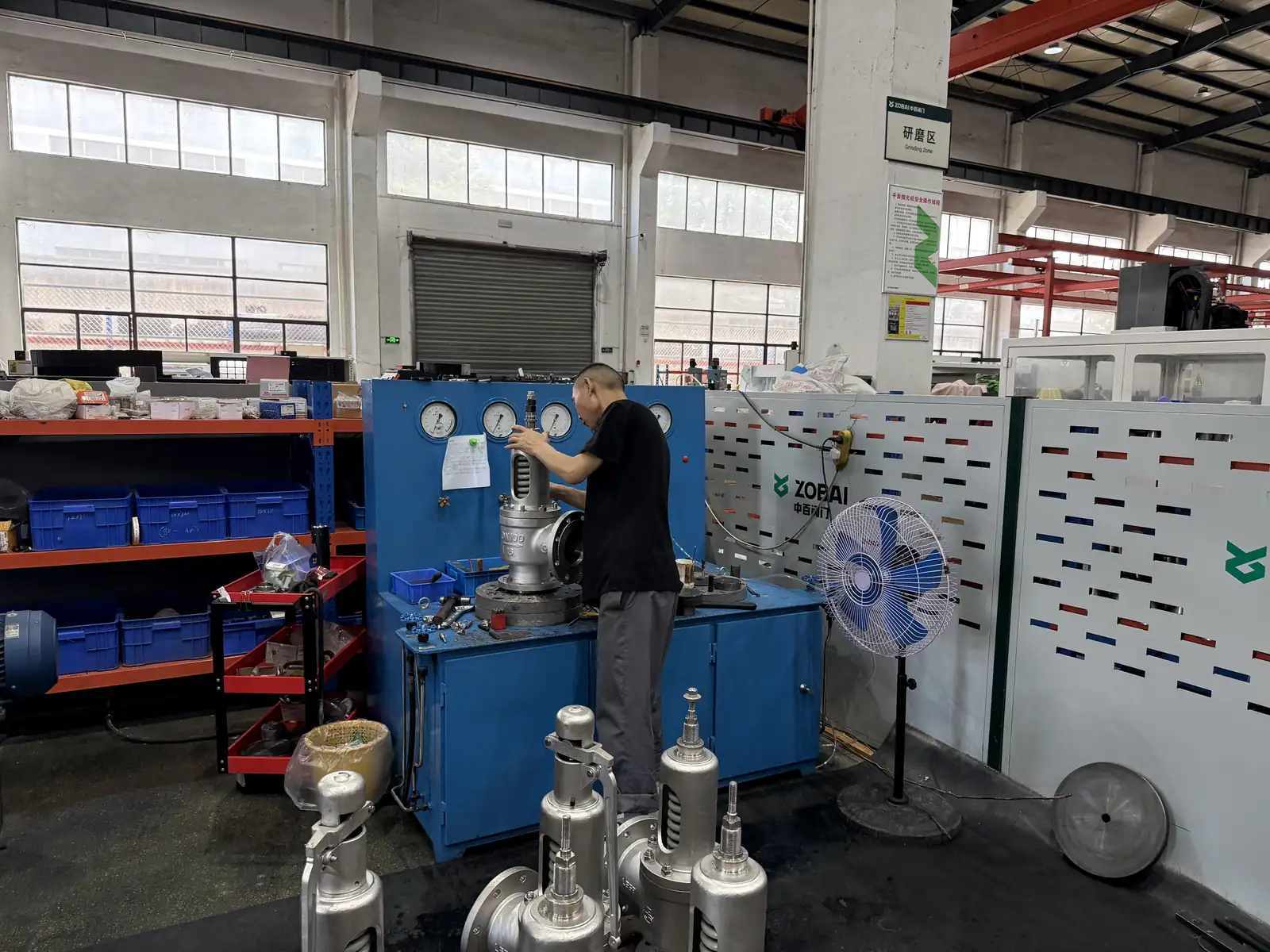
For Reactor Safety Valves for Chemical & API PSV Systems | ZOBAI service, supplier review should connect valve construction to set pressure, medium, temperature, capacity, back pressure and the governing code. This actual ZOBAI photograph documents technician calibrating a safety valve on a pressure test stand. Review it with drawings, material records and pressure-test documents.