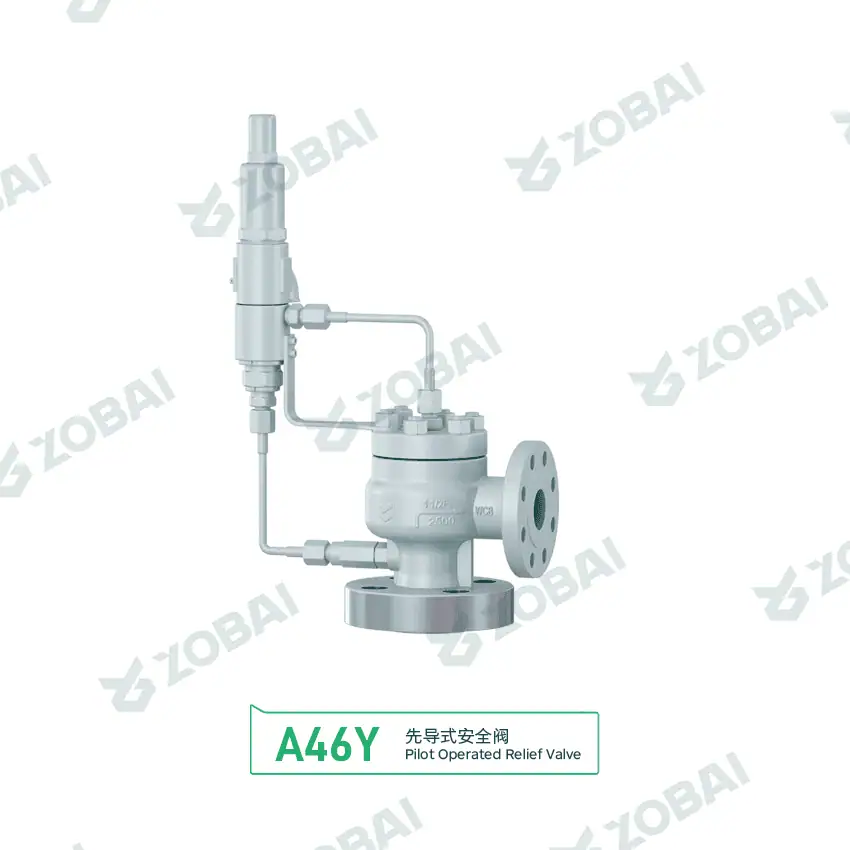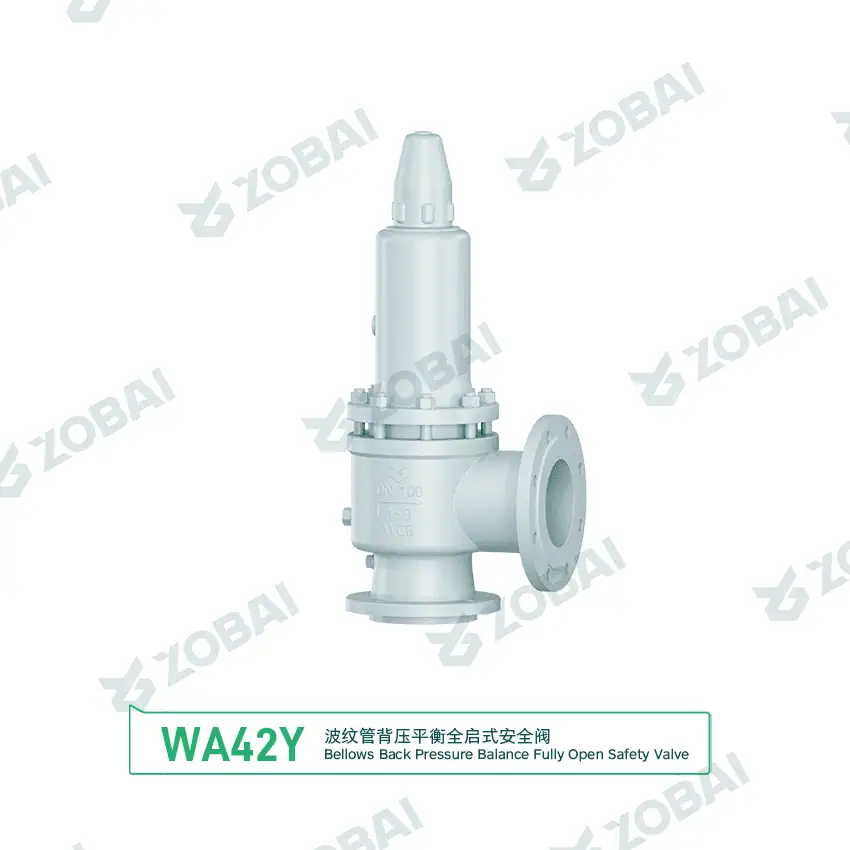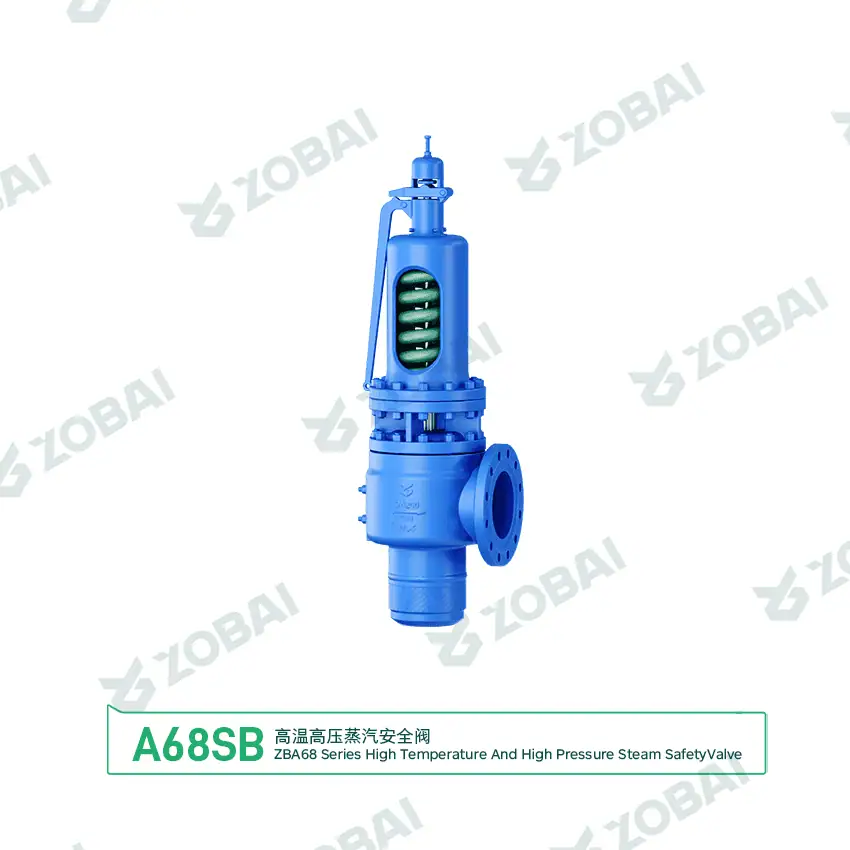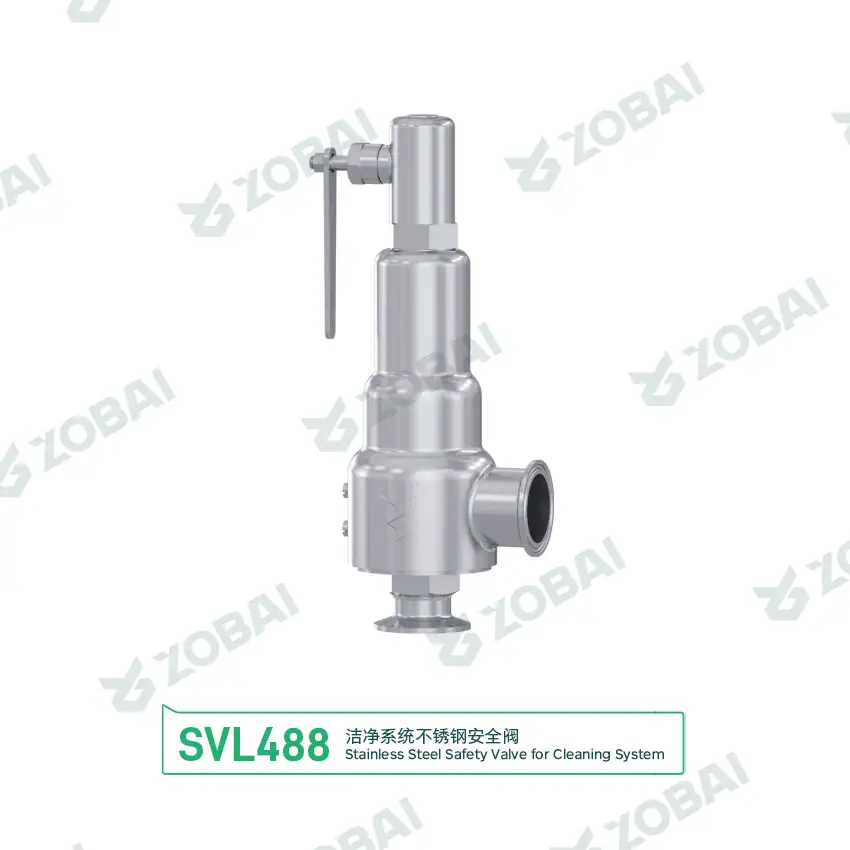
Boiler and Steam Safety Valves for Steam Generation, Headers and Process Steam Systems
Boiler and steam safety valves protect steam boilers, steam drums, superheaters, reheaters, exhaust gas economizers, steam headers, PRDS stations, clean steam generators, autoclaves, heat exchangers and steam-jacketed process equipment from overpressure. Correct selection starts with boiler MAWP, set pressure, steam capacity, accumulation allowance, relieving temperature, connection rating, discharge piping, lifting lever requirement, certification and inspection documents.
Where Safety Valves Are Used in Boiler and Steam Systems
Steam safety valves are not generic relief valves. Boiler service requires verified steam capacity, correct set pressure, stable opening, safe discharge and inspection-ready documentation. Process steam systems also need review of pressure reducing stations, clean steam users, heat exchangers and downstream low-pressure equipment.
Power and Industrial Boilers
Used on water-tube boilers, fire-tube boilers, packaged boilers, biomass boilers, waste heat boilers and auxiliary boilers. Selection should confirm MAWP, total steam generation capacity, set pressure, accumulation requirement and discharge pipe arrangement.
Steam Drums and Superheaters
Used on steam drums, superheater outlets, reheater systems and high-temperature steam lines. Temperature rating, spring material, nozzle load, drainage and discharge reaction force must be reviewed.
Steam Headers and Distribution
Used on main steam headers, plant steam distribution, utility steam manifolds and branch lines. Relief scenarios include blocked downstream demand, pressure control failure and pressure reducing station malfunction.
PRDS and Pressure Reducing Stations
Used downstream of pressure reducing valves and desuperheating stations to protect low-pressure headers and users. Regulator failure and bypass valve leakage are common selection cases.
Clean Steam and Sterilization
Used on clean steam generators, SIP headers, autoclaves, sterilizers and pharmaceutical or food-grade steam systems. Material traceability, cleanability, drainability and calibration records may be required.
Heat Exchangers and Jacketed Equipment
Used on reboilers, shell-and-tube heat exchangers, steam coils, jacketed kettles and hot water generators. Tube rupture, steam-side failure and trapped condensate expansion should be reviewed.
Boiler and Steam PSV Selection Starts With the Steam Overpressure Scenario
A steam safety valve must be selected from the governing overpressure case. The boiler or steam equipment MAWP defines the protection limit, while the required capacity comes from boiler output, pressure reducing failure, heat input, blocked demand or downstream pressure boundary.
Boiler Firing Control Failure
When fuel input continues while steam demand drops, boiler pressure can rise quickly. The safety valve must relieve enough steam to prevent pressure from exceeding the allowed accumulation limit.
Blocked Steam Demand or Closed Outlet
If downstream steam users are isolated or a main steam valve is closed, steam generation can exceed demand. The valve should be sized from maximum credible steam generation or upstream supply capacity.
Pressure Reducing Valve Failure
A failed PRV can expose a low-pressure steam header, heat exchanger or process user to high upstream pressure. The downstream safety valve must protect the lowest-rated downstream pressure boundary.
Heat Exchanger Tube Rupture
Steam can enter a low-pressure process or water side after tube rupture. The relief valve selection should review pressure differential, steam flow path, downstream capacity and safe discharge location.
Thermal Expansion of Trapped Condensate or Water
Hot water, condensate or water trapped between closed valves can expand as temperature rises. Thermal relief valves may be needed on blocked-in liquid sections near steam heating equipment.
Clean Steam or SIP Pressure Spike
Sterilization systems can see rapid pressure changes during SIP, condensate restriction or blocked users. Clean steam valves should be reviewed for drainage, repeatable reseating and documentation.
Boiler and Steam Safety Valve Application Cases with Typical RFQ Data
These cases show how boiler and steam safety valve requirements are usually described before model selection. Final sizing must be confirmed by boiler datasheet, steam capacity, applicable code, certified capacity and engineering review.
Case 1: Packaged Fire-Tube Boiler Safety Valve
Boiler MAWPBoiler safety valves must be selected from boiler maximum steam generation, not only the outlet nozzle size. The final valve should have certified steam capacity and documentation acceptable for inspection.
Case 2: Superheated Steam Header Safety Valve
High Temperature SteamHigh-temperature steam service requires more attention to material, spring stability and outlet piping load. Discharge reaction force and thermal expansion should be reviewed before installation.
Case 3: PRDS Downstream Header Protection
PRV FailurePRDS downstream protection should be based on the maximum credible steam flow through a failed regulator or bypass. The valve should protect the low-pressure equipment, not the upstream pressure rating.
Case 4: Clean Steam Generator Safety Valve
Clean SteamClean steam service may require hygienic materials, traceable documents and cleanable installation. Condensate pockets should be avoided because they can affect operation and sanitation.
Case 5: Steam Heat Exchanger Shell-Side PSV
Tube RuptureHeat exchanger protection should check whether high-pressure steam can enter a lower-pressure side. This case is often missed when selecting only by existing valve nameplate.
Case 6: Condensate Flash Tank Safety Valve
Flash SteamFlash tanks can relieve wet steam or two-phase flow during upset. Valve selection should review condensate carryover, drainage and discharge route, not only steam pressure.
Boiler and Steam Safety Valve Data Matrix
| Steam Service | Typical Medium | Common Relief Cause | Required Engineering Check | Recommended Valve Review | Risk if Missed |
|---|---|---|---|---|---|
| Steam boiler | Saturated steam | Firing control failure, blocked steam demand | Boiler MAWP, total steaming capacity, accumulation, certified capacity | Spring-loaded steam safety valve with lifting lever and test certificate | Boiler overpressure or failed inspection |
| Superheated steam header | Superheated steam | Blocked downstream outlet or control failure | Relieving temperature, material, spring range, discharge reaction force | High-temperature steam valve with suitable trim and outlet support | Seat damage, spring relaxation or unsafe discharge load |
| PRDS downstream header | Reduced-pressure steam | Pressure reducing valve failure or bypass leakage | Downstream MAWP, maximum PRV flow, back pressure and silencer data | Steam PSV sized for regulator failure capacity | Low-pressure header overpressure |
| Clean steam system | Clean steam, SIP steam | Pressure control failure, blocked user, condensate restriction | Cleanability, drainability, 316L material, calibration records | Sanitary or clean steam safety valve where required | Contamination risk, condensate pocket or validation delay |
| Steam heat exchanger | Steam, condensate, hot water | Tube rupture, trapped condensate, regulator failure | Pressure differential, tube rupture case, thermal expansion and discharge path | PSV or thermal relief valve based on governing case | Low-pressure side overpressure or unsafe flashing discharge |
| Flash tank and condensate system | Flash steam, hot condensate | Blocked vent, flash steam outlet restriction, control failure | Wet steam, two-phase potential, drainage and vessel MAWP | Steam relief valve with drainage and carryover review | Valve instability, condensate discharge or vessel overpressure |
How to Specify a Boiler or Steam Safety Valve Correctly
1. Confirm boiler MAWP or protected equipment design pressure
Start with boiler nameplate, steam drum datasheet, header design pressure, pressure vessel MAWP or downstream equipment pressure limit. The set pressure should protect the lowest-rated pressure boundary.
2. Confirm required steam relieving capacity
For boilers, use the required steam capacity basis from boiler output and applicable code. For PRDS and headers, use the maximum credible flow from failed regulators, bypass valves or upstream supply.
3. Define steam condition at relieving point
Saturated steam, superheated steam, wet steam, flash steam and clean steam all affect selection. Relieving pressure, relieving temperature, dryness and possible condensate carryover should be stated clearly.
4. Review accumulation and blowdown requirements
Boiler and steam systems require stable opening and reseating. Accumulation, blowdown, simmering, operating margin and set pressure tolerance should be reviewed against the applicable project standard.
5. Review discharge piping and reaction force
Steam discharge can create high noise, high temperature, condensate, reaction force and water hammer risk. Vent pipe support, drainage, silencer back pressure and safe outlet location are part of valve selection.
6. Confirm testing and documentation
Steam projects may require certified capacity, set pressure calibration, hydrostatic test, seat tightness test, material certificates, nameplate marking, inspection witness and repair or recalibration records.
Steam Safety Valves Must Be Reviewed With Vent Piping, Drainage and Inspection Access
Why steam discharge design matters
Steam safety valves discharge hot, high-velocity vapor. Poor outlet design can create excessive back pressure, reaction loads, noise, water hammer, condensate accumulation or unsafe release toward personnel and equipment.
Boiler and steam installations should be reviewed for short and direct inlet piping, vertical installation where required, vent pipe support, drain points, discharge outlet direction, lifting lever access, test access and safe maintenance clearance.
Field installation checks
- Install the valve directly on the boiler or protected steam equipment where required.
- Keep inlet pressure loss within the project design limit.
- Do not install unauthorized isolation valves between boiler and safety valve.
- Support discharge piping without loading the valve body.
- Provide drains to prevent condensate accumulation in outlet piping.
- Route steam discharge to a safe outdoor location or approved silencer.
- Keep lifting lever, test connection and calibration access available for inspection.
Standards and Documents to Confirm Before Ordering
Common standard references
Boiler and steam safety valve specifications may reference ASME, NBIC, API, ISO, EN, GB, local boiler regulations, insurance requirements or owner specifications. The applicable code basis should be confirmed before quotation.
- ASME Safety Valve Standards for boiler, steam, pressure vessel and overpressure-protection specification context.
- ASME BPVC when boiler, steam drum or pressure equipment code basis must be confirmed from the official ASME source.
- ASME BPVC Section XIII for overpressure protection rules where specified by the project.
- National Board NBIC for in-service pressure equipment installation, inspection, repair and alteration rules.
- API 520 Safety Valve Sizing for pressure-relieving device sizing and selection reference in industrial steam or process facilities.
- API 527 Seat Tightness Test when leakage verification is required before shipment or site acceptance.
- ISO 4126 Safety Valve Standards when excessive-pressure protection and safety valve terminology must be aligned with ISO project language.
- ASME B16.5 Flange Dimensions and Pressure-Temperature Ratings when flange class, material group and relieving temperature must be checked.
- Local boiler inspection rules and owner specifications for clean steam, high-temperature steam, boiler rooms and process steam users.
Typical document package
Documentation should be agreed before manufacturing, especially for boiler projects, steam headers, PRDS stations, clean steam systems, high-temperature steam and inspection-controlled facilities.
- Technical datasheet with model, size, orifice, set pressure and connection.
- Certified steam relieving capacity confirmation.
- Set pressure calibration certificate.
- Pressure test report and seat tightness test report when required.
- Material certificate for pressure-retaining parts and trim when specified.
- General arrangement drawing, dimension, weight and discharge orientation.
- Nameplate, tag number and project marking confirmation.
- Inspection witness record, repair certificate or recalibration record when required.
Boiler and Steam Safety Valve RFQ Data Checklist
| Required Data | Why It Matters | Example Input |
|---|---|---|
| Protected equipment | Defines the pressure boundary and applicable code basis. | Steam boiler, steam drum, header, PRDS, clean steam generator, heat exchanger |
| MAWP / design pressure | Defines the pressure limit that must be protected. | 10 barg, 16 barg, 4.2 MPa, 150 psi |
| Set pressure | Defines valve opening pressure. | 10 barg, 15.5 barg, 4.2 MPa, 145 psi |
| Steam condition | Affects capacity, material and temperature selection. | Saturated steam, superheated steam, wet steam, flash steam, clean steam |
| Required relieving capacity | Confirms whether the valve can protect the equipment. | kg/h, t/h, lb/h, boiler MCR, PRV maximum flow |
| Relieving temperature | Affects trim, spring, body rating and seal selection. | 184°C saturated steam, 250°C, 420°C superheated steam |
| Relief scenario | Determines the governing capacity basis. | Boiler firing failure, blocked outlet, PRV failure, tube rupture, SIP pressure spike |
| Operating pressure | Confirms operating margin and simmering risk. | Normal and maximum operating pressure |
| Discharge arrangement | Determines back pressure, reaction load and safety. | Open vent, silencer, vent stack, condensate drain, safe outdoor discharge |
| Connection and rating | Ensures compatibility with boiler nozzle and steam piping. | Flanged RF, RTJ, NPT, welded end, Class 150–2500, PN16–PN160 |
| Material requirement | Prevents high-temperature damage, corrosion and compatibility failure. | WCB, WC6, WC9, CF8M, stainless trim, high-temperature spring |
| Required documents | Avoids inspection, installation and commissioning delays. | Datasheet, drawing, MTC, calibration report, pressure test, capacity certificate |
Final selection must be confirmed by boiler datasheet, protected equipment MAWP, steam capacity, applicable code, certified flow data and engineering review.
Common Boiler and Steam Safety Valve Selection Mistakes
Buying by connection size only
A valve that fits the nozzle may still be undersized. Boiler safety valves must be checked against required steam relieving capacity and certified flow data.
Ignoring boiler MAWP
Set pressure should protect the boiler or steam equipment pressure boundary. It should not be selected only from normal operating pressure or old field habits.
Using saturated steam data for superheated steam
Superheated steam requires review of relieving temperature, material, capacity correction and spring stability. Treating it as saturated service can create selection errors.
Ignoring discharge pipe reaction force
Steam relief creates high reaction loads and noise. Unsupported outlet piping can damage the valve, nozzle or surrounding structure.
Allowing condensate pockets in outlet piping
Condensate trapped in discharge piping can cause water hammer, corrosion, freezing or unstable operation. Drainage should be included in installation design.
Missing inspection documents
Boiler projects often require calibration, capacity, material and pressure test records. Missing documents can delay commissioning or inspection approval.
Continue Your Boiler and Steam Pressure Relief Review
These internal links connect the boiler and steam application page to valve type selection, steam capacity review, high-temperature service, clean steam requirements, installation checks and RFQ documentation.
External Boiler, Steam and Overpressure Protection References
Use these authority references to confirm the external code basis behind boiler safety valve capacity, steam overpressure protection, inspection, installation and pressure relief documentation.
Boiler and Steam Safety Valve FAQ
Prepare a Complete Boiler or Steam Safety Valve Datasheet Before Quotation
Send the boiler or steam equipment datasheet, MAWP, set pressure, steam condition, required relieving capacity, relieving temperature, relief scenario, operating pressure, discharge arrangement, connection standard, material requirement and required documents. A complete datasheet helps avoid unsafe assumptions and speeds up engineering review.
Minimum RFQ data
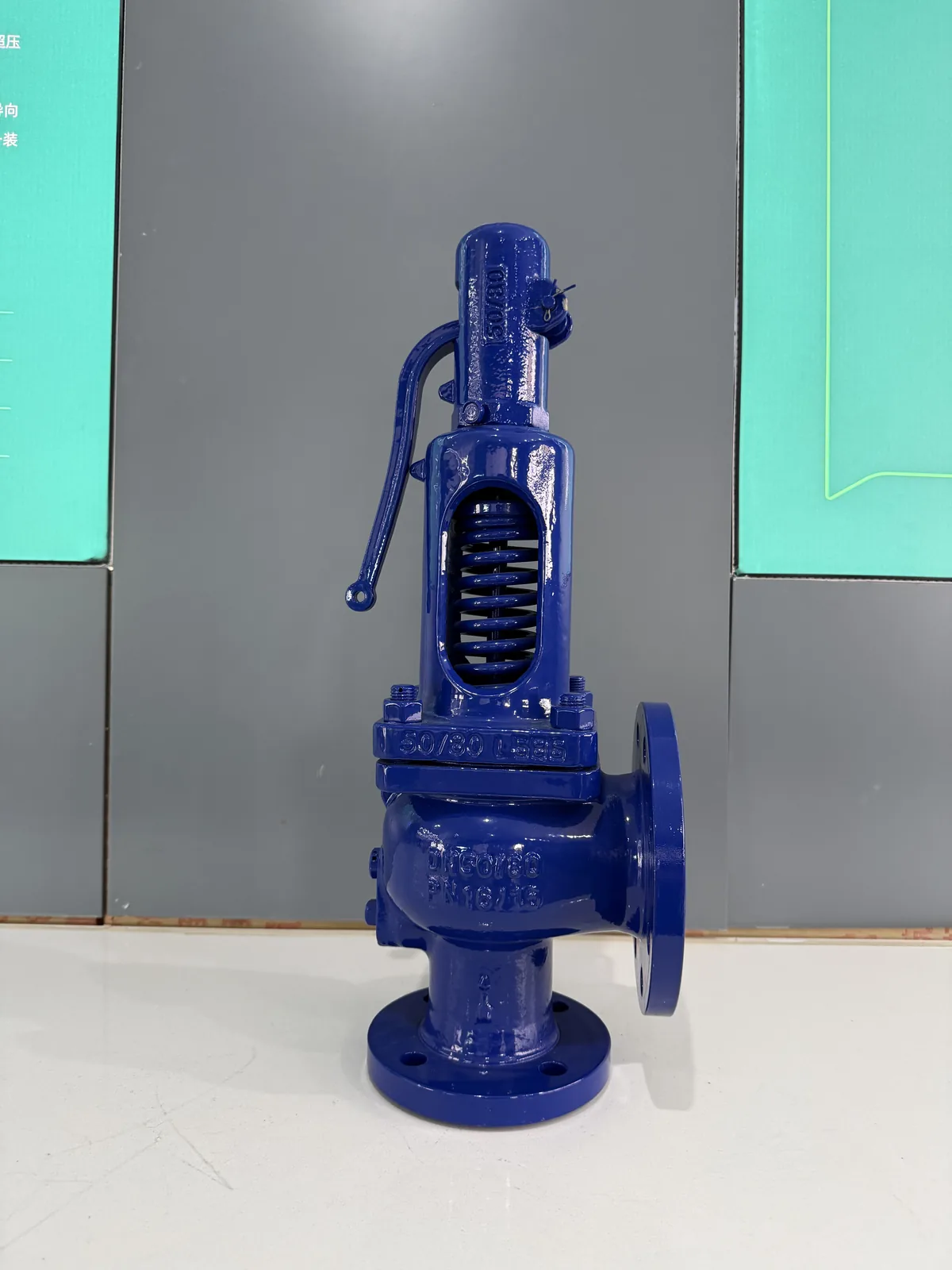
Real Production Evidence for Application Review
For Boiler & Steam Safety Valves for PSV Protection | ZOBAI service, supplier review should connect valve construction to set pressure, medium, temperature, capacity, back pressure and the governing code. This actual ZOBAI photograph documents blue open-bonnet spring-loaded safety valve on display. Review it with drawings, material records and pressure-test documents.