Industrial Gas Safety Valves for Cryogenic, Oxygen-Clean and High-Pressure Systems
Industrial gas safety valves protect oxygen, nitrogen, argon, hydrogen, helium, carbon dioxide, compressed air, mixed gas, cryogenic liquid storage, vaporizers, cylinder filling manifolds, pressure reducing stations and gas distribution skids from overpressure. The correct PSV or PRV is selected from gas properties, phase condition, set pressure, relieving capacity, temperature, cleanliness requirement, back pressure, material compatibility and discharge safety.
Where Safety Valves Are Used in Industrial Gas Systems
Industrial gas pressure relief applications vary widely. A liquid oxygen vaporizer valve, nitrogen blanketing valve, hydrogen compressor discharge PSV and CO₂ storage relief valve may all protect gas systems, but their material, cleanliness, leakage and temperature requirements are very different.
Oxygen Systems
Used on oxygen storage, vaporizers, pressure reducing stations, oxygen manifolds and process supply lines. Selection must consider oxygen cleanliness, material compatibility, ignition risk, soft seat compatibility and contamination control.
Nitrogen & Argon Systems
Used on inert gas storage, cryogenic tanks, vaporizers, blanketing systems and distribution headers. Main checks include cryogenic temperature, thermal relief, regulator failure, trapped liquid and asphyxiation-safe discharge.
Hydrogen Systems
Used on hydrogen compressors, storage bundles, tube trailers, pressure reduction skids and fuel cell supply systems. High pressure, leakage, embrittlement risk, vent routing and ignition control must be reviewed.
CO₂ Systems
Used on liquid CO₂ tanks, vaporizers, beverage gas systems, dry ice systems and process supply skids. Phase change, dry ice formation, low temperature and blocked discharge risk are important.
Cylinder Filling & Manifolds
Used on filling headers, cascade systems, pressure regulators and test manifolds. Selection should check maximum filling pressure, regulator failure, adiabatic compression and safe venting.
Air Separation & Utility Gas
Used on ASU packages, compressed air receivers, instrument air, nitrogen skids, argon recovery and gas purification systems. Utility gas still needs verified capacity, material and set pressure data.
Industrial Gas PSV Selection Starts With the Pressure Rise Cause
Industrial gas overpressure can come from trapped cryogenic liquid, vaporizer heat input, regulator failure, compressor upset, blocked outlet, external fire or liquid expansion. The governing case decides the required relieving capacity and valve configuration.
Thermal Expansion of Trapped Cryogenic Liquid
Liquid oxygen, liquid nitrogen or liquid argon trapped between closed valves can expand rapidly as heat enters the line. Thermal relief valves must be installed where blocked-in cryogenic liquid can occur.
Vaporizer Heat Input
Ambient vaporizers, steam-heated vaporizers and electric vaporizers can generate gas flow even when downstream demand is reduced. Relief sizing should check vaporizer capacity, outlet blockage and downstream pressure limit.
Pressure Regulator Failure
A failed regulator can expose low-pressure distribution piping, analyzers, laboratory lines, blanketed vessels or process users to high supply pressure. The valve must protect the weakest downstream pressure boundary.
Compressor Discharge Overpressure
Hydrogen, nitrogen, oxygen-free gas or compressed air compressors may create high discharge pressure during blocked outlet or control failure. Vibration, pulsation, heat, leakage and seat tightness should be reviewed.
Fire Exposure or External Heating
Cylinders, storage vessels, receiver tanks and gas containers exposed to external heating can experience pressure rise. Fire case review should include vessel type, gas inventory, protected volume and discharge direction.
Dry Ice or Solid Formation in CO₂ Service
CO₂ relief can involve low temperature and possible solid formation depending on pressure drop and discharge conditions. Outlet routing, material selection and blockage risk should be reviewed before quotation.
Industrial Gas Safety Valve Application Cases with Typical RFQ Data
These application cases show how industrial gas safety valve requirements are commonly described before model selection. Final sizing must be confirmed by project datasheet, applicable code, verified relief calculation and site safety review.
Case 1: Liquid Oxygen Vaporizer Outlet PSV
Oxygen CleanOxygen service must be specified with cleanliness and compatibility requirements. Oil, grease, incompatible soft materials or contaminated parts can create serious ignition risk. The RFQ should clearly state oxygen service and any cleaning, degreasing or packaging requirements.
Case 2: Liquid Nitrogen Transfer Line Thermal Relief
Cryogenic Thermal ReliefCryogenic thermal relief valves are often small, but the service is severe. Material toughness, sealing behavior, outlet icing and safe discharge location should be reviewed before selecting the valve.
Case 3: Hydrogen Compressor Discharge Safety Valve
High Pressure GasHydrogen service requires careful attention to leakage, vent routing and material behavior. The valve should not be selected only from pressure class. Seat tightness, connection standard, discharge direction and maintenance access should be reviewed together.
Case 4: CO₂ Storage Tank Relief Valve
Phase ChangeCO₂ relief can cool rapidly during expansion and may create solid formation under some discharge conditions. Outlet design should avoid blockage and route gas away from occupied or poorly ventilated areas.
Case 5: Argon Cryogenic Tank Economizer / Relief System
Inert Cryogenic GasArgon is inert but can displace oxygen in enclosed areas. Relief discharge should be routed outdoors or to a safe location. Cryogenic temperature, frost formation and maintenance access remain important.
Case 6: Cylinder Filling Manifold Safety Valve
Filling Header ProtectionCylinder filling systems require gas-specific review. Oxygen filling requires cleanliness control, while high-pressure inert or helium service may require tight leakage control and confirmed connection standards.
Industrial Gas Safety Valve Data Matrix
| Industrial Gas Service | Typical Medium | Temperature / Pressure Concern | Common Relief Cause | Required Engineering Check | Risk if Missed |
|---|---|---|---|---|---|
| Oxygen supply | O₂ gas, liquid oxygen | Oxygen-clean assembly; LOX near -183°C | Blocked outlet, regulator failure, vaporizer overpressure | Cleaning, degreasing, material compatibility, seat material and vent location | Ignition risk, contamination or incompatible soft materials |
| Nitrogen cryogenic | Liquid nitrogen, nitrogen gas | LIN near -196°C; asphyxiation hazard | Trapped liquid expansion, heat leak, regulator failure | Low-temperature material, thermal relief, vent routing and outlet icing | Line rupture, embrittlement or unsafe indoor venting |
| Argon cryogenic | Liquid argon, argon gas | LAr near -186°C; inert gas accumulation | Heat leak, blocked vent, trapped liquid expansion | Cryogenic material, frost management and safe outdoor discharge | Asphyxiation risk or low-temperature leakage |
| Hydrogen compression | Hydrogen gas | High pressure, low molecular weight, leakage sensitivity | Blocked outlet, compressor control failure | Seat tightness, material compatibility, vent stack, vibration and ignition control | Leakage, ignition risk or unstable relief |
| CO₂ storage | Liquid CO₂, CO₂ vapor | Low temperature during expansion; possible solid formation | Heat input, blocked outlet, pressure build-up | Discharge route, dry ice formation, asphyxiation risk and noise | Vent blockage or unsafe gas accumulation |
| Compressed air and utility gas | Air, nitrogen, instrument gas, mixed gas | Receiver pressure, compressor discharge temperature | Compressor overpressure, blocked outlet, regulator failure | Capacity, set pressure, seat tightness, vibration and outlet direction | Receiver overpressure or repeated leakage |
How to Specify an Industrial Gas Safety Valve Correctly
1. Identify the gas and phase
State whether the service is oxygen, nitrogen, argon, hydrogen, helium, CO₂, compressed air or mixed gas. Also state whether the valve sees gas, cryogenic liquid, flashing flow or two-phase relief.
2. Confirm the protected equipment
Identify cryogenic tank, vaporizer, compressor, receiver, cylinder manifold, regulator skid, pipeline section or low-pressure user. The weakest protected pressure boundary decides the set pressure limit.
3. Define the relief scenario
Relief may come from trapped liquid expansion, vaporizer heat input, regulator failure, compressor overpressure, blocked outlet, external fire or storage heat leak. Capacity depends on the governing case.
4. Review cleanliness and compatibility
Oxygen service requires special cleanliness control and compatible materials. Hydrogen requires leakage and material review. Cryogenic fluids require low-temperature material toughness and seal behavior review.
5. Review discharge location
Oxygen, hydrogen, CO₂ and inert gases require different discharge planning. Hydrogen needs ignition-safe venting; inert gases and CO₂ need asphyxiation-safe routing; oxygen should be vented away from combustible contamination risk.
6. Confirm tests and documents
Industrial gas projects often require datasheets, set pressure calibration, pressure test records, seat tightness test, material certificates, oxygen cleaning certificate, low-temperature material note or special packing documents.
Industrial Gas Safety Valves Must Be Reviewed With Venting and Piping
Why the outlet route matters
Industrial gases can create different hazards after relief. Oxygen enrichment can increase combustion risk. Hydrogen requires ignition-safe venting. Nitrogen, argon and CO₂ can displace oxygen in poorly ventilated spaces. Cryogenic discharge can create frost, ice, brittle material exposure and visibility reduction.
The safety valve should be reviewed with inlet pressure loss, outlet back pressure, vent stack height, weather protection, drainage, icing, pipe support, maintenance access and site ventilation.
Field installation checks
- Keep inlet pressure loss within the project design limit.
- Route hydrogen relief to an ignition-safe outdoor vent location.
- Route nitrogen, argon and CO₂ relief away from occupied or low-ventilation areas.
- Prevent oxygen relief from contacting oil, grease or combustible contamination.
- Check outlet icing, frost formation and low-temperature exposure.
- Support outlet piping without loading the valve body.
- Provide maintenance access for testing, cleaning and valve replacement.
Standards and Documents to Confirm Before Ordering
Common standard references
Industrial gas safety valve specifications may reference API, ASME, ISO, EN, GB, CGA, EIGA or owner standards depending on the equipment, region, gas type and project requirement. The applicable standard should be confirmed before quotation.
- API 520 for pressure-relieving device sizing and selection reference where required by the project.
- API 521 for pressure-relieving and depressuring system review where applicable.
- API 527 when seat tightness testing is required.
- ASME BPVC and safety valve references or local pressure vessel requirements for receivers, tanks and pressure equipment.
- ISO 4126 safety valve references when project specifications require excessive pressure protection safety valve standards.
- Oxygen cleaning, cryogenic material, hydrogen venting and gas supplier specifications where required; see the authority references below for CGA and EIGA oxygen-cleaning guidance.
Typical document package
Documentation should be agreed before manufacturing, especially for oxygen service, cryogenic service, hydrogen service, cylinder filling systems and high-pressure gas skids.
- Technical datasheet with model, size, orifice, set pressure and connection.
- Sizing calculation or certified relieving capacity confirmation.
- Set pressure calibration record.
- Pressure test report and seat tightness test report when required.
- Material certificate for pressure-retaining parts and trim when specified.
- Oxygen cleaning, degreasing or cleanliness certificate when specified.
- Low-temperature material note or cryogenic service confirmation when required.
- Nameplate, tag number and project marking confirmation.
Industrial Gas Safety Valve RFQ Data Checklist
| Required Data | Why It Matters | Example Input |
|---|---|---|
| Gas type | Determines material, cleanliness, leakage and discharge safety. | O₂, N₂, Ar, H₂, He, CO₂, compressed air, mixed gas |
| Fluid phase | Affects sizing, material and temperature requirements. | Gas, cryogenic liquid, vaporizing liquid, two-phase relief |
| Protected equipment | Defines pressure boundary and overpressure source. | Cryogenic tank, vaporizer, compressor, manifold, receiver, regulator skid |
| Relief scenario | Determines required relieving capacity. | Thermal expansion, regulator failure, blocked outlet, compressor upset |
| Set pressure | Defines valve opening pressure. | 10 barg, 20 barg, 50 barg, 250 barg |
| Operating pressure | Confirms operating margin and leakage risk. | Normal and maximum operating pressure |
| Required relieving capacity | Confirms whether the selected valve can protect the system. | Nm³/h, SCFM, kg/h, SLPM, t/h |
| Relieving temperature | Affects material, seals and pressure rating. | -196°C, -183°C, ambient, 120°C |
| Cleanliness requirement | Critical for oxygen and high-purity gas systems. | Oxygen cleaned, oil-free, degreased, special packing |
| Back pressure | Influences capacity and valve stability. | Atmospheric vent, common vent header, flare, recovery system |
| Material requirement | Prevents embrittlement, leakage and compatibility failure. | 316L, brass, bronze, Monel, low-temperature stainless steel, special trim |
| Required documents | Avoids delays after purchase order. | Datasheet, drawing, MTC, calibration report, pressure test, cleaning certificate |
Final selection must be confirmed by project datasheet, gas supplier requirements, process conditions, applicable code, verified sizing basis and engineering review.
Common Industrial Gas Safety Valve Selection Mistakes
Forgetting oxygen cleaning
Oxygen valves should be specified with cleanliness and compatible materials. A standard valve can be unsafe if oil, grease or incompatible soft parts are present.
Missing trapped cryogenic liquid relief
Cryogenic liquid trapped between isolation valves can create severe overpressure as heat enters the line. Thermal relief is required wherever blocked-in liquid can occur.
Venting inert gas indoors
Nitrogen, argon and CO₂ can displace oxygen in enclosed spaces. Relief discharge should be routed to a safe, ventilated location.
Treating hydrogen as normal air service
Hydrogen has high leakage sensitivity and ignition risk. Seat tightness, material compatibility, vent routing and connection quality must be reviewed.
Ignoring CO₂ solid formation risk
CO₂ expansion can create very low temperature and possible solid formation. Outlet blockage, vent direction and material behavior should be reviewed.
Replacing by pressure rating only
A replacement valve should match gas type, cleanliness, capacity, set pressure, temperature, material, connection, discharge arrangement and documentation requirements.
Continue Your Industrial Gas Pressure Relief Review
These related pages help move from industrial gas application requirements to detailed safety valve selection, sizing, medium-specific review and service-condition confirmation.
Related ZOBAI Pages for Industrial Gas PSV Projects
Use these internal resources to continue from industrial gas application review into valve type, medium-specific selection, sizing, installation and documentation checks.
Authoritative External References for Industrial Gas Relief Review
These external references help support sizing, installation, pressure vessel, oxygen-cleaning and gas-safety discussions. Final compliance should be confirmed against the project specification and local jurisdiction.
Industrial Gas Safety Valve FAQ
Prepare a Complete Industrial Gas PSV Datasheet Before Quotation
Send the gas type, phase, protected equipment, relief scenario, set pressure, operating pressure, required capacity, temperature, cleanliness requirement, back pressure, material requirement, connection standard and required documents. A complete datasheet helps avoid unsafe assumptions and speeds up engineering review.
Minimum RFQ data
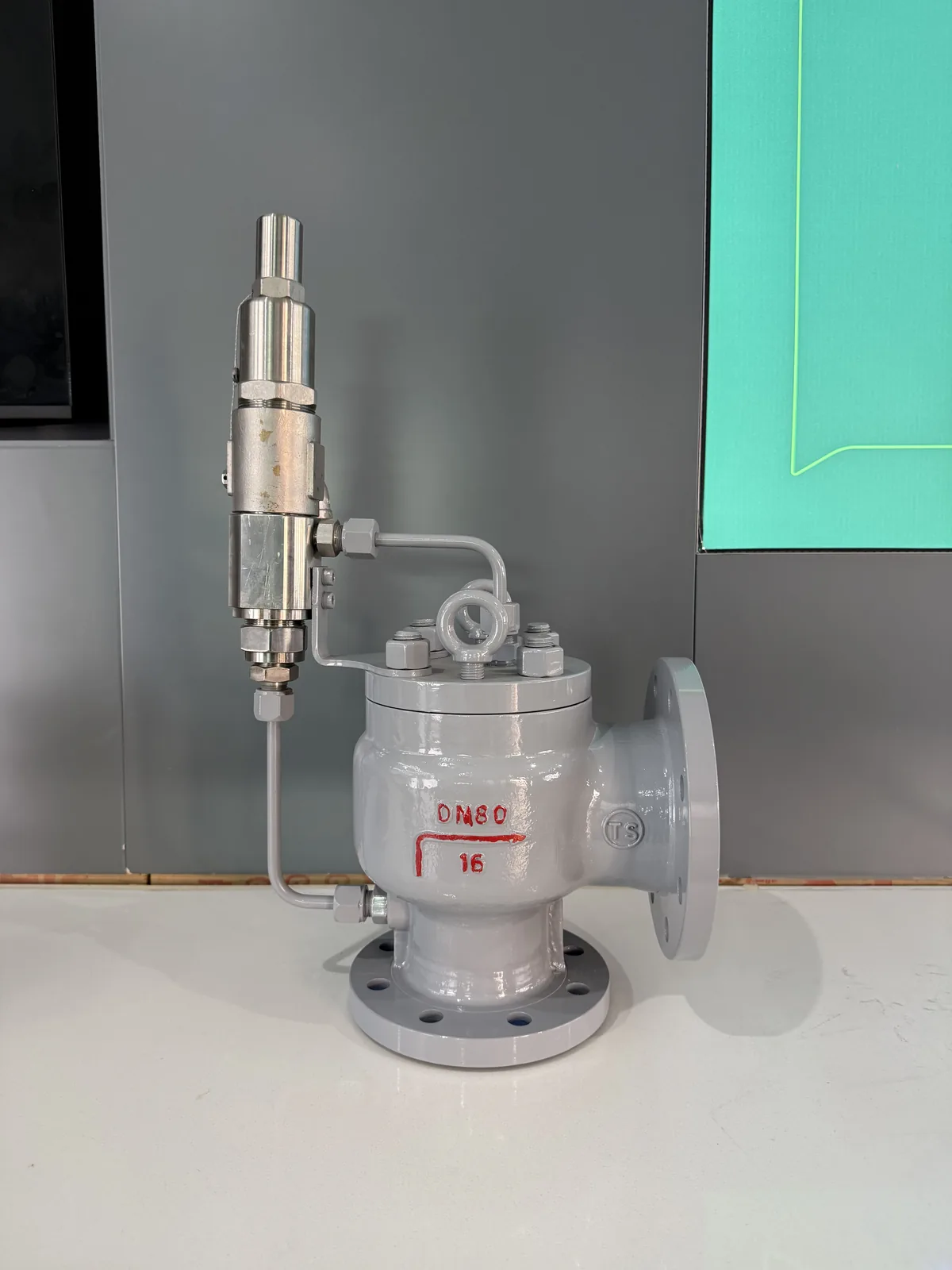
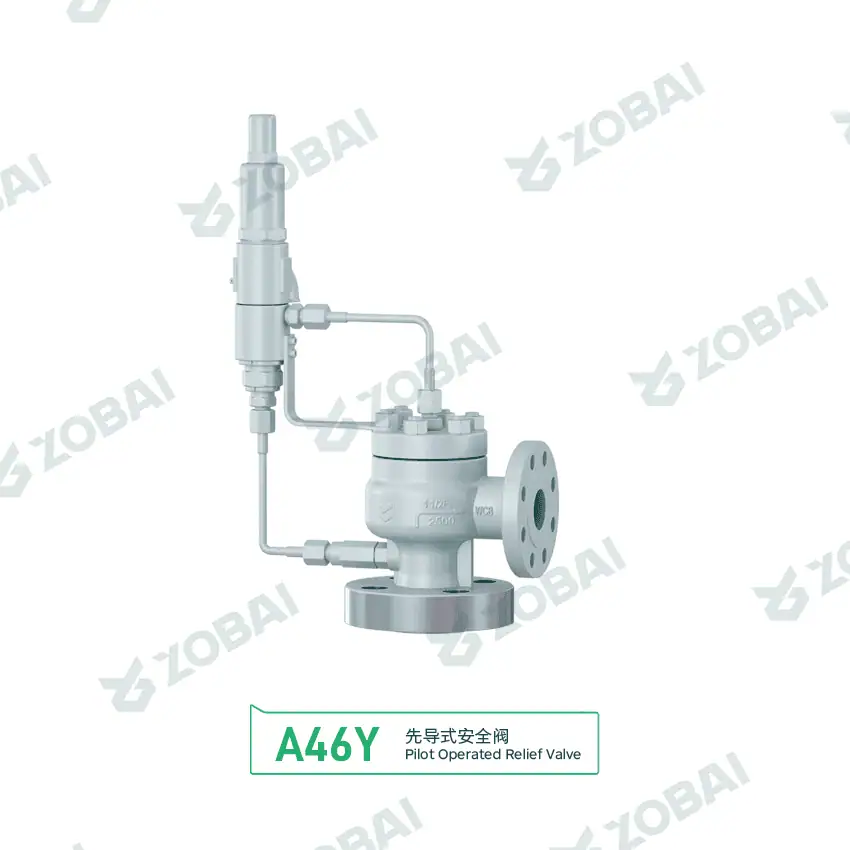
Real Production Evidence for Application Review
For Industrial Gas Safety Valves for Cryogenic & High-Pressure Gas | ZOBAI service, supplier review should connect valve construction to set pressure, medium, temperature, capacity, back pressure and the governing code. This actual ZOBAI photograph documents stainless steel pilot-operated safety relief valve on display. Review it with drawings, material records and pressure-test documents.