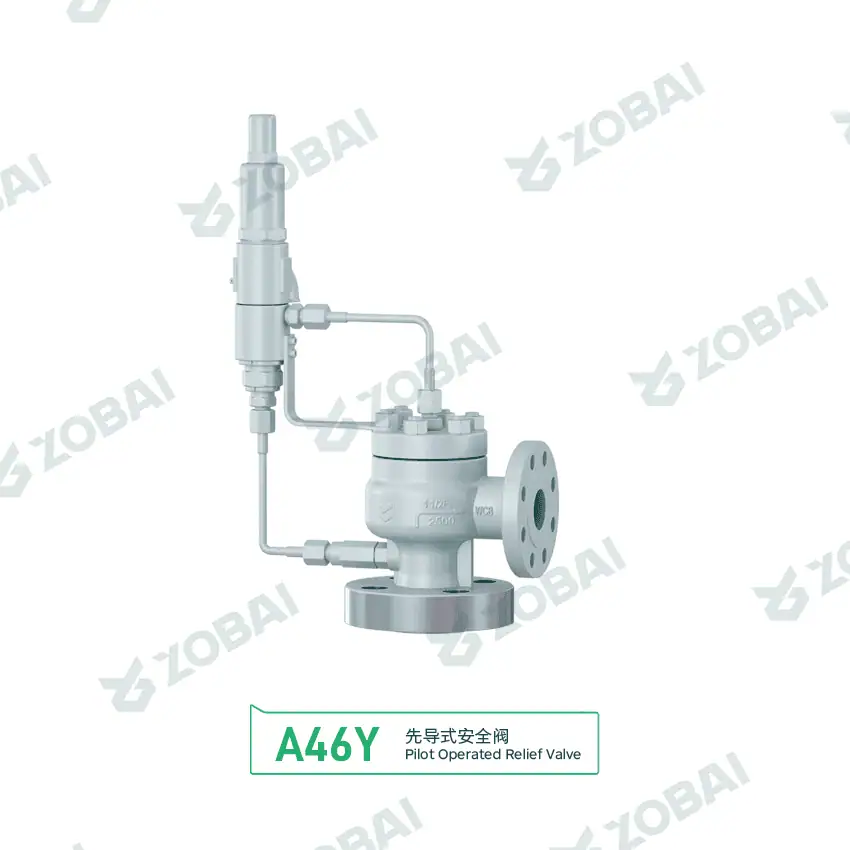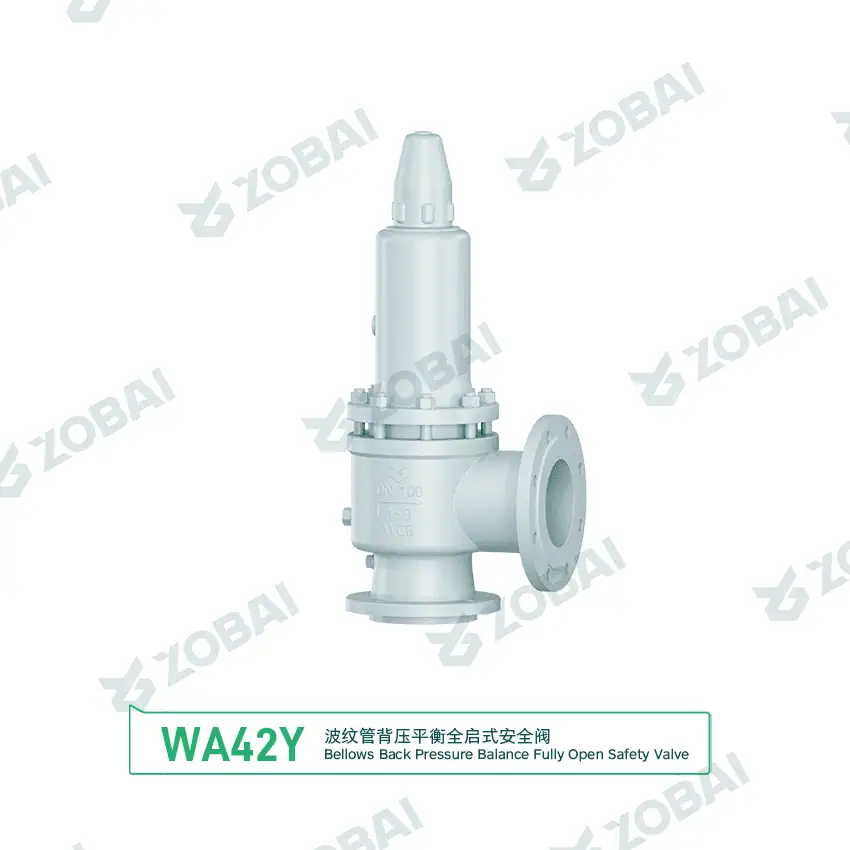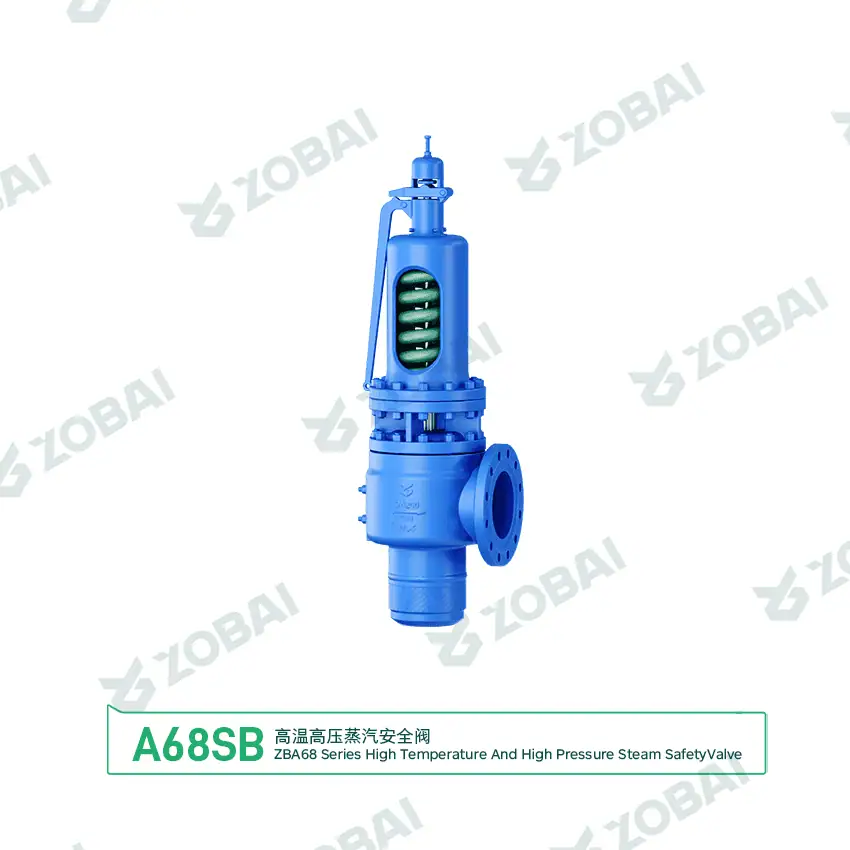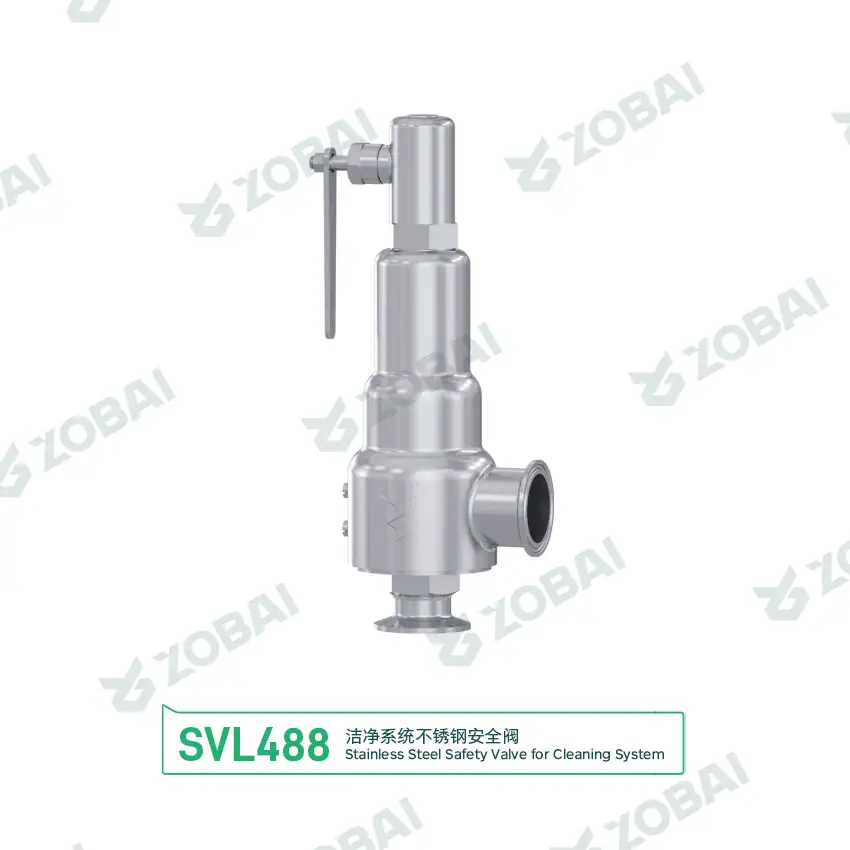
Chemical Processing Safety Valves for Corrosive, Reactive and Utility Systems
Chemical processing safety valves protect reactors, pressure vessels, mixing tanks, distillation columns, heat exchangers, solvent systems, acid and alkali service, nitrogen blanketing systems, compressed gas packages and utility lines from overpressure. The correct PSV or PRV depends on the relief scenario, chemical compatibility, fluid phase, temperature, required relieving capacity, back pressure, discharge destination, seat tightness and documentation requirements.
Where Safety Valves Are Used in Chemical Processing Plants
Chemical processing facilities include many pressure protection duties that look simple from the outside but are very different in engineering detail. A solvent thermal relief valve, acid tank PSV, batch reactor safety valve and steam utility safety valve should not be specified with one generic material or one generic sizing basis.
Batch Reactors
Used on stirred reactors, jacketed reactors, hydrogenation vessels and reaction kettles. Selection should consider exothermic reaction, gas generation, blocked vent, solvent vapor and possible two-phase relief.
Mixing Tanks & Pressure Vessels
Used on pressurized mixing vessels, storage receivers, filter housings and process tanks. Medium compatibility, operating margin, agitation, foaming and discharge destination should be checked.
Solvent & VOC Systems
Used on solvent receivers, distillation overhead systems, transfer lines and vapor recovery packages. Flammability, vapor pressure, static electricity control and closed discharge routing are important.
Acid, Alkali & Corrosive Service
Used on systems handling sulfuric acid, hydrochloric acid, caustic soda, hypochlorite, ammonia solution and other aggressive media. Body, trim, spring and soft seat compatibility must be reviewed.
Heat Exchanger & Thermal Fluid Systems
Used for tube rupture, blocked cooling, steam-side upset and hot oil thermal expansion. Temperature rating, pressure differential and discharge routing must be checked together.
Utilities & Gas Packages
Used on compressed air, nitrogen, steam, water, chilled water, vacuum protection and small gas skids. Utility service still requires set pressure, capacity and material verification.
Chemical Safety Valve Selection Starts With the Pressure Rise Cause
Chemical processing overpressure may come from reaction, heating, vapor generation, blocked flow, external fire, tube rupture, regulator failure or trapped liquid expansion. The governing case decides the required relieving capacity and valve configuration.
Reaction Upset or Gas Generation
Batch reaction, neutralization, hydrogenation, oxidation or decomposition may generate vapor or gas quickly. The review should include reaction heat, gas generation rate, solvent vaporization, foaming and possible two-phase discharge.
Blocked Outlet or Closed Valve
Downstream blockage, incorrect valve operation, filter plugging or control failure can cause pressure rise while feed, pump or gas supply continues. This case is common on vessels, filters, columns, reactors and transfer skids.
Thermal Expansion of Trapped Liquid
Solvent, acid, alkali, heat transfer oil or water trapped between closed valves can expand when heated. Thermal relief valves are often small but essential for blocked-in liquid sections.
External Fire Exposure
Flammable solvent or chemical liquid in vessels can vaporize under fire exposure. Fire-case relief requires review of wetted surface, fluid properties, pressure boundary, discharge route and downstream treatment system.
Heat Exchanger Tube Rupture
A high-pressure utility or process side can overpressure the low-pressure side after tube failure. The review should include pressure differential, exchanger geometry, fluid phase and safe relief destination.
Regulator or Utility Failure
Nitrogen, compressed air, steam or inert gas regulator failure can overpressure low-pressure equipment. Utility systems require the same discipline in set pressure, capacity and safe discharge review.
Chemical Processing Safety Valve Application Cases with Typical RFQ Data
These cases show how chemical processing safety valve requirements are usually described before model selection. Final sizing must be confirmed by project datasheet, process safety review, applicable code and verified relief calculation.
Case 1: Jacketed Batch Reactor PSV
Reaction UpsetReactor service should not be sized from normal vent flow only. Reaction upset may generate vapor, gas or foam. The valve material, seat design, discharge destination and cleaning access must match the process chemistry.
Case 2: Solvent Receiver Safety Valve
VOC / Fire CaseSolvent service requires careful outlet planning. Discharging flammable vapor directly to an unsafe area can create secondary risk. Seat tightness, soft seal compatibility and static-sensitive handling may also be specified by the project.
Case 3: Hydrochloric Acid Process Vessel
Corrosive ServiceAcid service cannot be selected from pressure and size alone. Corrosion compatibility of the wetted parts, bonnet arrangement, spring protection and downstream neutralization system should be confirmed before quotation.
Case 4: Caustic Soda Transfer Line Thermal Relief
Thermal ExpansionCaustic service may crystallize or plug small passages under certain conditions. Even when the valve is small, outlet routing and material compatibility should be treated as part of the engineering review.
Case 5: Nitrogen Blanketed Process Vessel
Regulator FailureNitrogen blanketing systems can overpressure low-pressure vessels if regulator failure is not considered. The relief device should match the vessel pressure boundary and the chemical vapor discharge destination.
Case 6: Heat Exchanger Tube Rupture Protection
Tube RuptureTube rupture cases are often missed when a replacement valve is selected by nameplate only. The current duty, pressure difference and downstream limit should be checked before selecting the valve.
Chemical Processing Safety Valve Data Matrix
| Chemical Service | Typical Medium | Common Temperature Concern | Common Pressure Concern | Required Engineering Check | Risk if Missed |
|---|---|---|---|---|---|
| Batch reaction | Solvent vapor, reaction gas, foam, two-phase mixture | Reaction heat and upset temperature | Gas generation, blocked vent, runaway reaction | Reaction relief load, phase behavior, discharge to scrubber or collection system | Undersized valve, unsafe discharge or fouling at the seat |
| Solvent processing | Ethanol, acetone, methanol, toluene, xylene, VOC vapor | Vapor pressure and fire exposure | Blocked outlet, fire case, thermal expansion | Flammability, vapor recovery, seat tightness, static-sensitive service | Flammable vapor release or wrong soft seal material |
| Acid service | HCl, H₂SO₄, nitric acid, organic acids | Corrosion rate changes with concentration and temperature | Gas blanketing failure, blocked outlet, vapor generation | Body, trim, gasket, spring protection and scrubber discharge | Corrosion leakage, sticking or unsafe acid mist release |
| Alkali service | NaOH, KOH, ammonia solution, alkaline process fluid | Crystallization or heat tracing condition | Thermal expansion and pump deadhead | Material compatibility, plugging risk, discharge to safe return point | Plugged outlet, external leakage or line overpressure |
| Compressed gas and nitrogen | N₂, air, CO₂, inert gas, process gas | Usually ambient, unless compressed discharge is hot | Regulator failure, blocked outlet, overfilling | Set pressure margin, capacity, gas cleanliness and safe venting | Low-pressure vessel overpressure or repeated leakage |
| Heat exchanger and utilities | Steam, water, hot oil, solvent, product stream | High temperature or thermal shock | Tube rupture, blocked cooling, thermal expansion | Pressure differential, temperature rating, discharge destination | Low-pressure side overpressure or unsafe discharge |
How to Specify a Chemical Processing Safety Valve Correctly
1. Define the protected equipment
Confirm whether the valve protects a reactor, vessel, filter housing, distillation system, exchanger, transfer line, gas package, storage receiver or utility system. Equipment type defines the pressure boundary and connection requirement.
2. Confirm the governing relief case
Chemical processing overpressure may come from reaction, blocked outlet, fire exposure, regulator failure, tube rupture, thermal expansion or cooling failure. The governing case decides capacity and valve configuration.
3. Check chemical compatibility
Body, nozzle, disc, guide, spring, bellows, soft seat, gasket and bolting materials should be reviewed against acid, alkali, solvent, chloride, oxidizer, ammonia or specialty chemical exposure.
4. Review phase behavior and fouling
Flashing liquid, foam, viscous media, crystallization, slurry, sticky material or deposits can affect lift, reseating and maintenance. These risks should be stated clearly in the RFQ.
5. Review discharge destination
Toxic, corrosive or flammable discharge should be routed to a scrubber, flare, recovery system, neutralization system or safe collection point as required by the process design.
6. Confirm testing and documents
Chemical processing projects often require datasheets, material certificates, set pressure calibration, pressure test reports, seat tightness test records, cleaning notes, drawings and nameplate data.
Chemical Safety Valves Must Be Reviewed With the Discharge System
Why the outlet route is part of the valve selection
Chemical processing relief streams may be flammable, toxic, corrosive, hot, odorous, condensable or reactive with air or water. The valve outlet should not be treated as a simple open discharge unless the project has confirmed it is safe.
Many chemical processing PSVs discharge to scrubbers, flare systems, vapor recovery units, neutralization tanks, closed drains or safe collection vessels. Back pressure, liquid accumulation, corrosion, crystallization and cleaning access can all affect valve performance.
Field installation checks
- Keep inlet pressure loss within the project design limit.
- Avoid dead legs where crystals, slurry or sticky media can accumulate.
- Confirm back pressure from scrubber, flare or recovery system.
- Support outlet piping without loading the valve body.
- Route corrosive or toxic relief to an approved safe destination.
- Provide maintenance access for testing, cleaning and valve removal.
- Confirm whether flushing, heating, insulation or special cleaning is required.
Standards and Documents to Confirm Before Ordering
Common standard references
Chemical processing pressure relief specifications may reference API, ASME, ISO, EN, GB or owner standards depending on the facility location, protected equipment, medium and inspection requirement. The applicable standard should be confirmed before quotation.
- API 520 for pressure-relieving device sizing and selection reference where required by the project.
- API 521 for pressure-relieving and depressuring system review where applicable.
- API 526 when flanged steel pressure relief valve dimensions and ratings are specified.
- API 527 when seat tightness testing is required.
- ASME BPVC or local pressure vessel requirements where applicable.
- ISO 4126 references when project specifications require excessive pressure protection safety valve standards.
- Safety valve material selection and owner inspection specifications for corrosive, toxic, solvent, clean or specialty chemical service.
- ASME B16.5 when flange dimensions, pressure class and facing type are part of the project specification.
Typical document package
Documentation should be agreed before manufacturing, especially for corrosive, toxic, solvent, reactor, heat exchanger and closed-discharge applications.
- Technical datasheet with model, size, orifice, set pressure and connection.
- Sizing calculation or certified relieving capacity confirmation.
- Set pressure calibration record.
- Pressure test report and seat tightness test report when required.
- Material certificate for pressure-retaining parts and trim when specified.
- General arrangement drawing, dimension and weight.
- Nameplate, tag number and project marking confirmation.
- Cleaning, degreasing, drying or special packing requirement when specified.
Chemical Processing Safety Valve RFQ Data Checklist
| Required Data | Why It Matters | Example Input |
|---|---|---|
| Protected equipment | Defines the pressure boundary and design basis. | Reactor, pressure vessel, filter, solvent receiver, heat exchanger |
| Relief scenario | Determines the governing required relieving capacity. | Reaction upset, blocked outlet, fire case, tube rupture, thermal expansion |
| Medium and concentration | Affects material selection and chemical compatibility. | HCl 20%, NaOH 30%, ethanol, acetone, ammonia, nitrogen, slurry |
| Fluid phase | Affects sizing method and discharge behavior. | Gas, vapor, liquid, flashing liquid, two-phase, foam |
| Set pressure | Defines valve opening pressure. | 3 barg, 6 barg, 10 bar, 150 psi |
| Operating pressure | Confirms operating margin and leakage risk. | Normal and maximum operating pressure |
| Required relieving capacity | Confirms whether the selected valve can protect the system. | kg/h, Nm³/h, SCFM, t/h, GPM, L/min |
| Relieving temperature | Affects material, spring, seal and pressure rating. | Ambient, 80°C, 130°C, 250°C |
| Back pressure | Influences valve stability, capacity and configuration. | Atmospheric discharge, scrubber, flare, closed collection system |
| Fouling or crystallization risk | Affects seat design, maintenance and flushing requirements. | Crystals, slurry, sticky material, polymer, solids, viscous liquid |
| Material requirement | Prevents corrosion, sticking, leakage and compatibility failure. | 316L, Hastelloy, PTFE seat, EPDM, FKM, special gasket |
| Required documents | Avoids delays after purchase order. | Datasheet, drawing, MTC, calibration report, pressure test, seat tightness report |
Final selection must be confirmed by project datasheet, chemical compatibility review, process conditions, applicable code, verified sizing basis and engineering review.
Common Chemical Processing Safety Valve Selection Mistakes
Using only generic stainless steel
Stainless steel is not automatically suitable for every acid, alkali, chloride, solvent or oxidizer. Material should be selected from concentration, temperature and chemical compatibility.
Ignoring reaction relief
Batch reactors may generate gas, vapor or foam during upset conditions. Normal vent flow does not always represent the required relief load.
Discharging toxic vapor to an unsafe area
Toxic, corrosive or flammable relief should be routed to a scrubber, neutralization system, recovery system or other approved safe destination.
Missing crystallization or plugging risk
Caustic, salt solution, slurry, polymer and sticky media can plug small passages or affect reseating. Maintenance and cleaning access should be included in the specification.
Ignoring back pressure from scrubbers
Scrubbers, recovery systems and closed headers can create back pressure. This can affect capacity and stability if it is not reviewed before valve selection.
Replacing by nameplate only
A nameplate helps, but replacement should also confirm current medium, concentration, relief case, capacity, material, seat type and discharge arrangement.
Continue Your Chemical Processing Pressure Relief Review
These related pages help move from chemical processing applications to detailed safety valve selection, sizing, service condition review and standard confirmation.
Related Chemical Processing Safety Valve Pages
These internal links connect the chemical processing page to relevant product types, equipment applications, service-condition guides and engineering resources so users and search engines can move naturally from application review to valve selection.
Authoritative External References for Chemical PSV Projects
These external references support standard verification and should open in a new tab. Use them as authority links, while keeping ZOBAI pages as the main internal conversion and engineering support path.
Chemical Processing Safety Valve FAQ
Prepare a Complete Chemical Processing PSV Datasheet Before Quotation
Send the protected equipment, relief scenario, medium name, concentration, phase, set pressure, operating pressure, required capacity, temperature, back pressure, fouling risk, material requirement, connection standard and required documents. A complete datasheet helps avoid unsafe assumptions and speeds up engineering review.
Minimum RFQ data
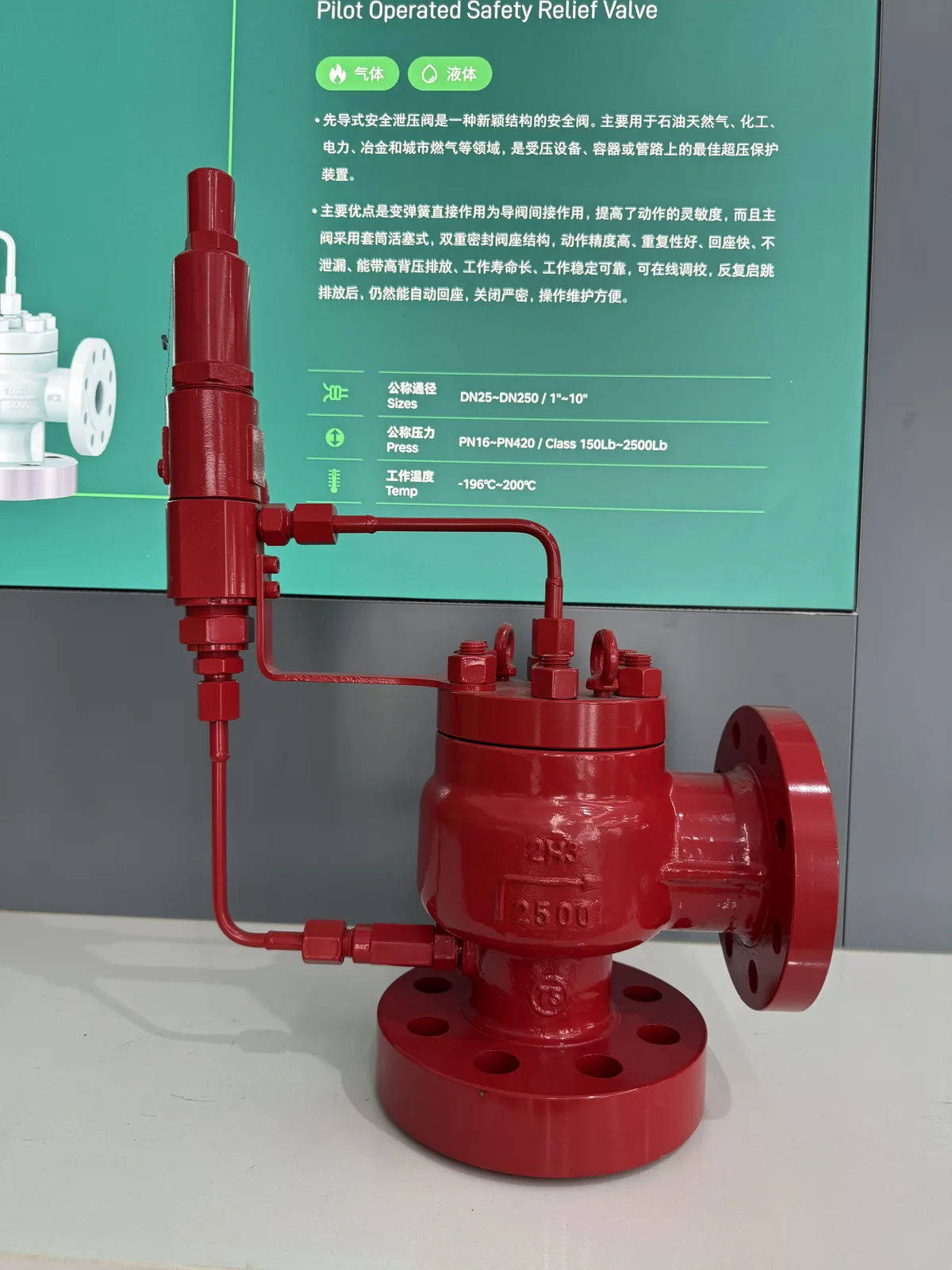
Real Production Evidence for Application Review
For Chemical Processing Safety Valves for PSV & PRV Systems | ZOBAI service, supplier review should connect valve construction to set pressure, medium, temperature, capacity, back pressure and the governing code. This actual ZOBAI photograph documents red pilot-operated safety relief valve on display. Review it with drawings, material records and pressure-test documents.