
Closed Bonnet Design • Spring Chamber Protection
Closed Bonnet Design • Spring Chamber Protection
Closed bonnet safety valves are spring loaded safety relief valves with an enclosed bonnet structure that helps protect the spring chamber and guiding components from weather, dust, corrosive atmosphere and external contamination.
ZOBAI supplies closed bonnet safety valves and closed bonnet safety relief valves for gas, vapor, liquid, outdoor process equipment, pressure vessels, compressors, storage systems and selected steam applications. Engineering support includes set pressure, certified relieving capacity, medium, temperature, bonnet type, cap type, material, back pressure, discharge condition and project documentation.
Valve Type: Closed Bonnet / Spring Loaded / Safety Relief Valve
Service: Gas / Vapor / Liquid / Outdoor / Selected Steam
Key Checks: Set Pressure / Capacity / Bonnet Type / Cap Type / Back Pressure
Applications: Pressure Vessel / Compressor / Process Skid / Storage System
Options: Plain Cap / Sealed Cap / Lifting Lever / Packed Lever
Docs: Datasheet / Test Report / Calibration Record / Material Certificatev
Closed bonnet safety valve selection should be confirmed against the actual medium, set pressure, operating pressure, required relieving capacity, temperature, bonnet design, cap type, material, back pressure, discharge arrangement and applicable code requirements.
Safety Valve Categories
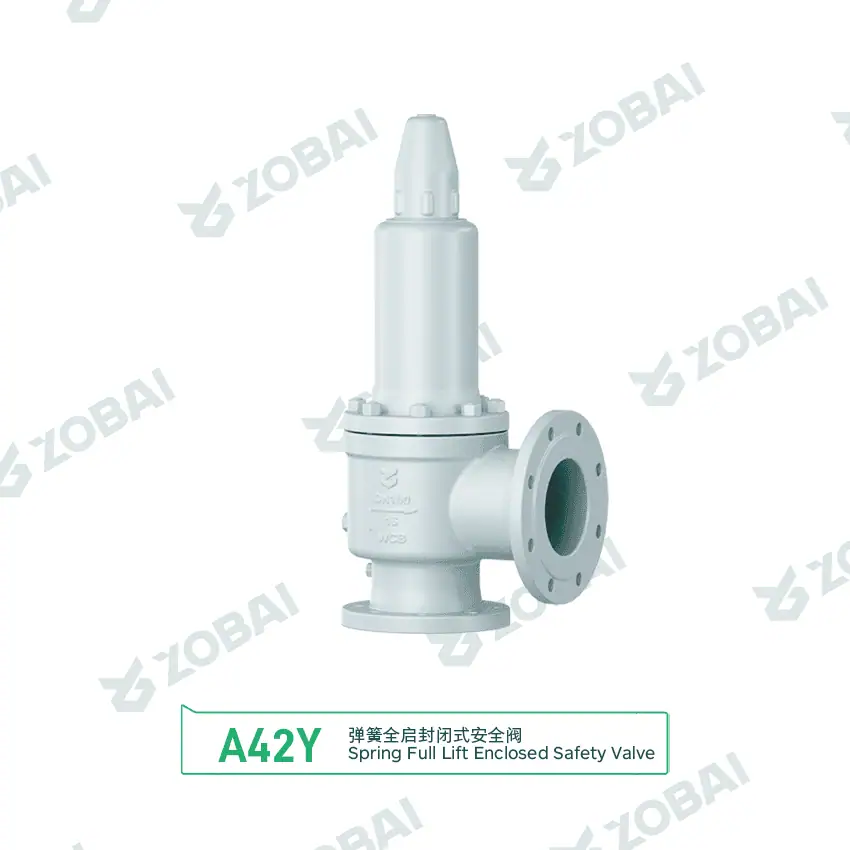
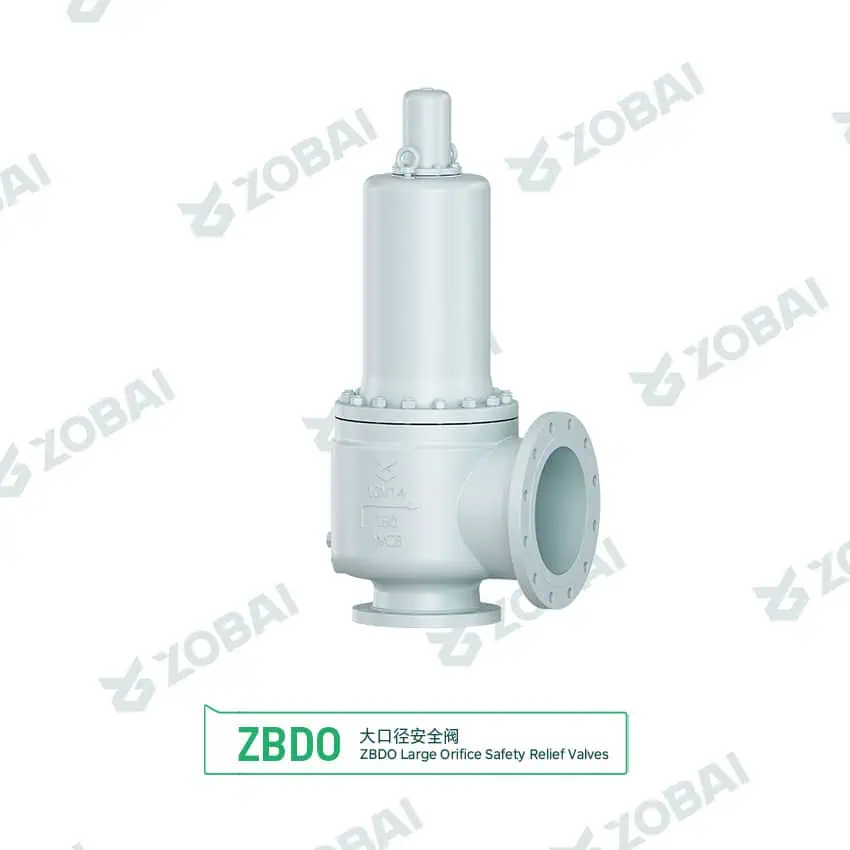
Closed Bonnet Safety Valves for Protected Spring Chamber Design
Closed bonnet safety valves are spring loaded safety relief valves with an enclosed bonnet structure around the spring chamber and guiding components. They are commonly used when the spring and internal moving parts need better protection from weather, dust, corrosion, process contamination or external operating environments.
Why closed bonnet design matters
In a safety valve, the bonnet is not only a cover. It influences how the spring chamber is protected, how heat and process vapor are managed, how maintenance access is arranged, and whether the valve is suitable for outdoor, chemical, gas, vapor, steam or general industrial service.
A closed bonnet safety valve is often selected when an open bonnet design would expose the spring to weather, dust, corrosive atmosphere or mechanical contamination. However, closed bonnet design should not be confused with bellows balancing, fugitive emission control or guaranteed leak-tight containment. The final selection still depends on medium, set pressure, temperature, back pressure, spring material, cap type, discharge arrangement and applicable code.
Selection boundary
Closed bonnet safety valves are often used for gas, vapor, liquid, outdoor and general process applications. In high-temperature steam service, open bonnet designs may sometimes be preferred to help keep the spring cooler, depending on the valve design and project standard.
The valve still needs set pressure, certified relieving capacity, medium, temperature, material, back pressure and installation checks before it can be specified safely.
How a Closed Bonnet Safety Valve Works
A closed bonnet safety valve uses the same basic spring-loaded pressure relief principle as other direct acting safety valves. The disc remains closed during normal operation. When inlet pressure reaches the set pressure, the disc lifts and the valve relieves pressure. The closed bonnet encloses the spring chamber and helps protect spring and guide parts from the surrounding environment.
Closed Position
The spring keeps the disc against the seat while pressure remains below set pressure.
Bonnet Protection
The closed bonnet shields the spring chamber from dust, weather and external contamination.
Pressure Relief
When pressure reaches the set point, the valve lifts and discharges the required relieving flow.
Reseating
After pressure falls, the valve reseats. Seat condition, back pressure and spring stability affect closing.
Open vs Closed Bonnet Safety Valve: What Is the Difference?
The choice between open bonnet and closed bonnet is not cosmetic. It affects spring exposure, cooling, environmental protection, maintenance access and suitability for specific media and installation environments.
Closed Bonnet Safety Valve
A closed bonnet safety valve encloses the spring chamber. This helps protect the spring, guide and adjusting components from rain, dust, salt spray, workshop contamination and corrosive atmosphere.
It is often preferred for outdoor installations, process gas, vapor, liquid and general industrial service where exposed spring parts would reduce reliability or increase maintenance needs.
Open Bonnet Safety Valve
An open bonnet safety valve leaves the spring area more exposed to atmosphere. In some steam applications, this can help reduce spring temperature and make visual inspection easier.
The trade-off is that the spring and guide area may be more exposed to dirt, moisture, weather or corrosive surroundings. Open bonnet selection should be reviewed against the actual environment.
Steam Service Review
Steam service requires careful review of temperature, spring stability, lifting lever requirement, discharge direction, bonnet design and seat material. An open bonnet may be used in some steam designs, while closed bonnet may be suitable in other controlled applications.
The correct choice should follow the valve design, boiler or pressure equipment requirement, inspection practice and manufacturer recommendation.
Gas, Vapor and Process Service
Closed bonnet designs are commonly considered for gas, vapor and process applications where spring chamber protection and controlled internal construction are important.
If the medium is toxic, flammable, sour, corrosive or environmentally sensitive, the valve may also require bellows, packed lever, sealed cap, special venting or project-specific leakage control. Closed bonnet alone may not be enough.
Quick Closed Bonnet Safety Valve Fit Check
Use this quick guide to identify what should be reviewed before ordering. It does not replace sizing calculation, code review or manufacturer engineering confirmation.
Select your main service condition
Click one condition below to see the engineering checks that matter most.
Parameters That Decide Whether a Closed Bonnet Safety Valve Is Suitable
Open vs Closed Bonnet Safety Valve Comparison
| Item | Closed Bonnet Safety Valve | Open Bonnet Safety Valve |
|---|---|---|
| Spring exposure | Spring chamber is enclosed and better protected from outside environment. | Spring area is more exposed to atmosphere. |
| Environmental protection | Better for outdoor, dusty, wet or corrosive surrounding conditions. | Less protected from dirt, moisture and external corrosion. |
| High-temperature steam | Requires temperature and spring stability review. | Often considered where spring cooling and visual access are useful. |
| Process gas or vapor | Commonly used when spring chamber protection is important. | Less common where process or environment exposure is a concern. |
| Inspection access | More enclosed; inspection may require removing cap or bonnet parts. | Spring area is more visible and accessible. |
| Main selection risk | Assuming closed bonnet means emission-tight or back-pressure balanced. | Using open bonnet in dirty, wet or corrosive environments without protection. |
Where Closed Bonnet Safety Valves Are Used
Outdoor pressure equipment
Closed bonnet safety valves are often used on outdoor vessels, compressors, air receivers, storage systems and process skids where the spring chamber needs protection from rain, dust, wind, salt spray or site contamination.
Gas and vapor systems
Gas and vapor services may use closed bonnet safety relief valves to keep the spring chamber enclosed and reduce external exposure. Seat tightness, discharge routing, cap type and leakage requirements should still be reviewed.
Chemical and process plants
In chemical process environments, a closed bonnet helps protect internal spring parts from corrosive atmosphere. For corrosive media or back pressure, material selection, bellows balancing and venting details may also be required.
Steam and utility service
Closed bonnet safety valves may be used in selected steam or utility services when the valve design and temperature conditions are suitable. Steam capacity, spring temperature, lever requirement and discharge safety should be confirmed.
Closed Bonnet Safety Valve Selection Table
| Service Condition | Common Requirement | Recommended Review | Key Engineering Check | Main Risk |
|---|---|---|---|---|
| Outdoor installation | Protect spring chamber from weather | Closed bonnet safety valve | Bonnet sealing, cap type, material, coating and maintenance access | Spring corrosion or dust contamination |
| Gas or vapor service | Enclosed spring chamber | Closed bonnet safety relief valve | Set pressure, capacity, seat tightness and discharge routing | Assuming closed bonnet means leak-tight containment |
| Steam service | Pressure protection under high temperature | Closed or open bonnet after temperature review | Spring temperature, steam capacity, lever requirement and seat material | Wrong bonnet design for heat exposure |
| Chemical atmosphere | Protect moving parts from corrosion | Closed bonnet with suitable material | Body material, spring material, guide material and external coating | Spring corrosion despite enclosed design |
| Back pressure service | Stable opening and reseating | Review bellows or pilot option if needed | Superimposed and built-up back pressure | Using closed bonnet instead of balanced design |
| Replacement project | Match existing valve safely | Nameplate and datasheet verification | Bonnet type, set pressure, capacity, material and cap type | Replacing open bonnet with closed bonnet without review |
This table is for preliminary engineering screening. Final selection must be confirmed against medium, set pressure, required relieving capacity, temperature, bonnet design, material, back pressure, cap type, discharge arrangement and applicable code requirements.
Common Engineering Mistakes to Avoid
Assuming closed bonnet means balanced valve
Closed bonnet construction does not automatically make a valve back-pressure balanced. If outlet back pressure is significant or variable, bellows balanced or pilot operated safety valve options may need review.
Ignoring spring temperature
In steam or high-temperature service, the bonnet style can affect spring temperature and set pressure stability. Do not change open bonnet to closed bonnet without checking temperature and manufacturer design limits.
Treating closed bonnet as emission control
A closed bonnet is not the same as sealed cap, packed lever, bellows isolation or fugitive emission control. Toxic, flammable or environmentally sensitive services need additional leakage and venting review.
Closed Bonnet Safety Valve Troubleshooting Table
| Symptom | Possible Cause | Engineering Check | Corrective Action |
|---|---|---|---|
| Valve opens at wrong pressure | Spring corrosion, temperature effect, wrong calibration or damaged spring | Check spring condition, bonnet temperature, set pressure record and nameplate | Recalibrate, repair or replace spring with suitable material |
| Seat leakage after operation | Dirt, damaged seat, operating pressure too close to set pressure or poor reseating | Inspect seat, disc, guide movement, operating margin and medium cleanliness | Clean, repair, lap, retest and verify operating pressure margin |
| Spring chamber corrosion | Outdoor exposure, chemical atmosphere, poor cap sealing or wrong material | Check bonnet condition, cap type, spring material and environment | Upgrade material, coating, bonnet/cap design or maintenance schedule |
| Valve chatters during relief | Oversizing, excessive inlet loss, high outlet back pressure or unstable flow | Review inlet piping, outlet header, actual relief flow and valve size | Recalculate sizing, reduce piping loss and review balanced design if needed |
| Unexpected leakage around cap or bonnet | Wrong cap type, gasket damage, venting issue or pressure exposure path | Confirm cap construction, gasket, bonnet design and service medium | Replace gasket, select sealed cap or review bellows/packed lever design |
Standards and Documents to Confirm Before Purchase
Standards to review
Closed bonnet safety valve specifications may reference pressure relief valve standards, boiler or pressure vessel codes, material requirements and project-specific valve construction rules. Bonnet type should be confirmed together with valve design, service condition and documentation requirements.
- ASME BPVC safety valve requirements where boiler or pressure vessel protection applies.
- API 520 safety valve sizing and installation guidance where applicable.
- ISO 4126 safety valve standards where general safety valve requirements are specified.
- API 527 seat tightness testing where the valve design and project specification use API 527; otherwise confirm the applicable leakage criterion.
- Project-specific requirements for lifting lever / packed lever designs, bellows balanced valves, sealed cap or bonnet venting.
- Material requirements for body, bonnet, spring, guide, seat and trim; review related high-temperature safety valve conditions when heat exposure is important.
Documents buyers often request
Documentation should be confirmed before quotation, especially when the valve is used in chemical plants, steam systems, outdoor skids, pressure vessels or regulated equipment.
- Valve datasheet and model specification.
- Bonnet type and cap type confirmation.
- Set pressure calibration record.
- Certified relieving capacity information.
- Material certificate when specified.
- Seat tightness test report when required.
- Pressure test report, nameplate and tagging requirements.
Related ZOBAI Pages for Closed Bonnet Safety Valve Selection
Use these related pages to connect bonnet selection with valve type, back pressure, cap design, installation and sizing review.
Core safety valve pages
- Safety Valves main product family for industrial pressure protection.
- Corrosion Resistant Safety Valves for chemical atmosphere, marine exposure and material compatibility review.
- Open Bonnet Safety Valves comparison page for exposed spring chamber and high-temperature steam review.
- Spring Loaded Safety Valves core direct-acting valve type behind most bonnet configurations.
- Pressure Relief Valves gateway for PRV, PSV and safety relief valve terminology.
- High Temperature Safety Valves for spring temperature, bonnet style and material review.
Related configurations and engineering guides
- Bellows Balanced Safety Valves when closed bonnet alone is not enough for variable back pressure.
- Pilot Operated Safety Valves for high-capacity or high operating-pressure-ratio applications.
- Lever Safety Valves when lifting lever, packed lever or cap design must be specified.
- Back Pressure and Bellows guide for outlet pressure and bellows selection logic.
- Safety Valve Installation Guide for inlet piping, outlet routing, discharge support and commissioning checks.
- Safety Valve Sizing Guide for certified capacity, orifice and replacement review.
Authoritative External References
These external references support pressure relief device code review, safety valve product requirements, certified capacity and inspection context. Use them together with the project specification and manufacturer documentation.
Codes and standards organizations
- ASME BPVC Certification for boiler and pressure vessel code-related certification context.
- API 520 Part I for sizing and selection of pressure-relieving devices.
- ISO 4126-1 for general safety valve product requirements.
Certification and testing references
- National Board NB-18 for pressure relief device certification listings.
- National Board Pressure Relief Lab for pressure-relieving device flow testing context.
- 46 CFR Pressure-Relief Devices for U.S. marine pressure vessel protective device references.
Closed Bonnet Safety Valve FAQs
These answers clarify bonnet construction, back-pressure limitations, open-versus-closed bonnet selection and the information required for quotation.
RFQ Checklist for Closed Bonnet Safety Valves
| Required Data | Why It Matters | Example Input |
|---|---|---|
| Medium | Determines sizing method, material, seat design and bonnet suitability. | Steam, air, nitrogen, natural gas, water, chemical vapor |
| Set pressure | Defines the valve opening point. | 10 bar g, 150 psi, 600 psi |
| Operating pressure | Confirms operating margin and leakage risk. | 80% of set pressure or project value |
| Required relieving capacity | Confirms whether the valve can protect the equipment. | kg/h, lb/h, Nm³/h, SCFM, GPM |
| Temperature | Affects spring, bonnet, seat and gasket selection. | Ambient, 180°C, 400°C |
| Bonnet requirement | Confirms closed bonnet, open bonnet or special bonnet design. | Closed bonnet safety valve |
| Cap or lever type | Affects inspection, sealing and leakage control. | Plain cap, sealed cap, lifting lever, packed lever |
| Back pressure | Determines whether conventional closed bonnet is enough. | Atmospheric, constant, variable, header discharge |
| Material requirement | Prevents corrosion and temperature mismatch. | WCB, CF8M, bronze, alloy option, spring material |
| Installation environment | Determines weather, corrosion and maintenance protection needs. | Outdoor, marine, chemical plant, indoor skid |
| Applicable code | Defines testing, documentation and acceptance requirements. | ASME, API, ISO, EN, GB, project specification |
| Existing drawing or nameplate | Reduces replacement selection risk. | Photo, model, bonnet type, set pressure, capacity |
Need Help Selecting a Closed Bonnet Safety Valve?
Send us your medium, set pressure, operating pressure, relieving capacity, temperature, bonnet requirement, cap type, back pressure, material, installation environment and existing datasheet. Our engineering team can review whether a closed bonnet safety valve or open bonnet design is more suitable before quotation.
Prepare these data before RFQ
TECHNICAL INSIGHTS
Related Closed Bonnet Safety Valves Articles
FAQ
Closed Bonnet Safety Valve FAQs for Open vs Closed Bonnet Selection
What is a closed bonnet safety valve?
A closed bonnet safety valve is a spring loaded safety relief valve with an enclosed bonnet structure around the spring chamber. It helps protect the spring, guide and adjusting components from weather, dust, corrosive atmosphere and external contamination.
What is the difference between open and closed bonnet safety valves?
A closed bonnet safety valve encloses the spring chamber and offers better protection from the external environment. An open bonnet safety valve exposes the spring area more directly to atmosphere and may be used in some steam applications where spring cooling or visual access is useful.
When should I choose a closed bonnet safety valve?
Choose a closed bonnet safety valve when the spring chamber needs protection from outdoor weather, dust, corrosive atmosphere or process plant contamination. It is commonly used for gas, vapor, liquid, outdoor and general process applications.
Can closed bonnet safety valves be used for steam?
They can be used in selected steam applications when the valve design, temperature, spring stability, seat material and inspection requirements are suitable. In some high-temperature steam services, open bonnet designs may be preferred, so the application should be reviewed before selection.
Does closed bonnet mean the valve is back-pressure balanced?
No. Closed bonnet construction does not automatically make a valve back-pressure balanced. If outlet back pressure is significant or variable, a bellows balanced safety valve or pilot operated safety valve may need to be reviewed.
Does closed bonnet mean the valve is emission-tight?
No. Closed bonnet is not the same as sealed cap, packed lever, bellows isolation or fugitive emission control. Toxic, flammable or environmentally sensitive services may require additional sealing, venting or bellows design.
What causes spring chamber corrosion in a closed bonnet safety valve?
Spring chamber corrosion may be caused by moisture, corrosive atmosphere, poor cap sealing, unsuitable spring material, chemical vapor exposure or insufficient maintenance. Material selection and inspection intervals should match the installation environment.
What information is needed before requesting a closed bonnet safety valve quotation?
Provide the medium, set pressure, operating pressure, required relieving capacity, temperature, bonnet type, cap or lever type, back pressure condition, material requirement, installation environment, applicable code, quantity and any existing drawing or nameplate.

Raymon Yu
“When a safety valve fails to pop on site, it’s rarely because someone can’t read a standard. It’s usually because critical operating parameters (like backpressure or relief temperature) were assumed instead of specified. I reviewed the key technical content on this page to keep it practical, API/ASME spec-aligned, and RFQ-ready. (We prefer assumptions for lunch choices.)”
What I work on daily: reviewing drawings and project specs, supporting engineer-to-engineer questions, resolving capacity calculations, material selection, and backpressure impacts so production and quoting stay consistent. (Yes—set pressure and seat tightness test records get plenty of attention.)