
Manual Lift Function • Lever Safety Valves
Lever Safety Valves Manufacturer for Boiler, Steam and Manual Test Applications
Lever safety valves are pressure relief valves equipped with a lifting lever or try lever for controlled manual function checking. They are commonly used in boiler, steam, compressed air and utility pressure systems where operators or inspectors need to confirm that the valve disc can lift freely under approved conditions.
ZOBAI supplies lever safety valves, lifting lever safety valves and packed lever safety relief valves with engineering support for set pressure, certified relieving capacity, lever configuration, cap design, seat tightness, material compatibility and project documentation.
Valve Type: Lifting Lever / Try Lever / Packed Lever
Service: Steam / Boiler / Air / Utility Gas
Key Checks: Set Pressure / Capacity / Lever Movement / Seat Tightness
Options: Open Lever / Packed Lever / Closed Cap / Full Bore
Docs: Datasheet / Test Report / Material Certificate / Calibration Record
Lever safety valve selection should be confirmed against the actual medium, set pressure, operating pressure, relieving capacity, temperature, manual lift requirement, cap design, discharge direction and applicable code requirements.
Safety Valve Categories
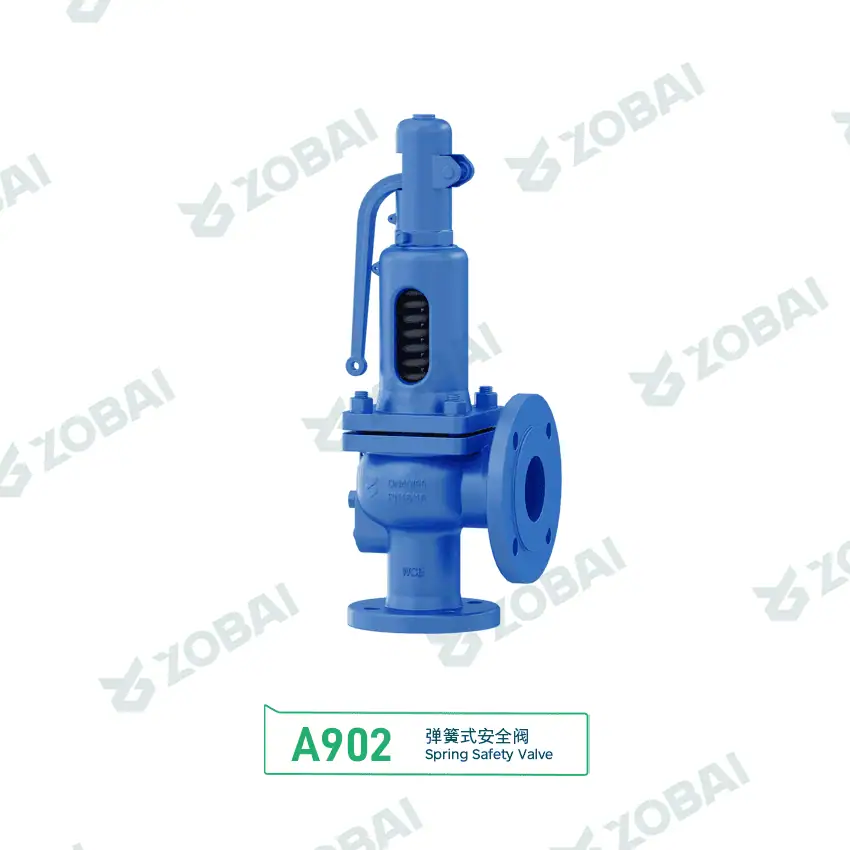
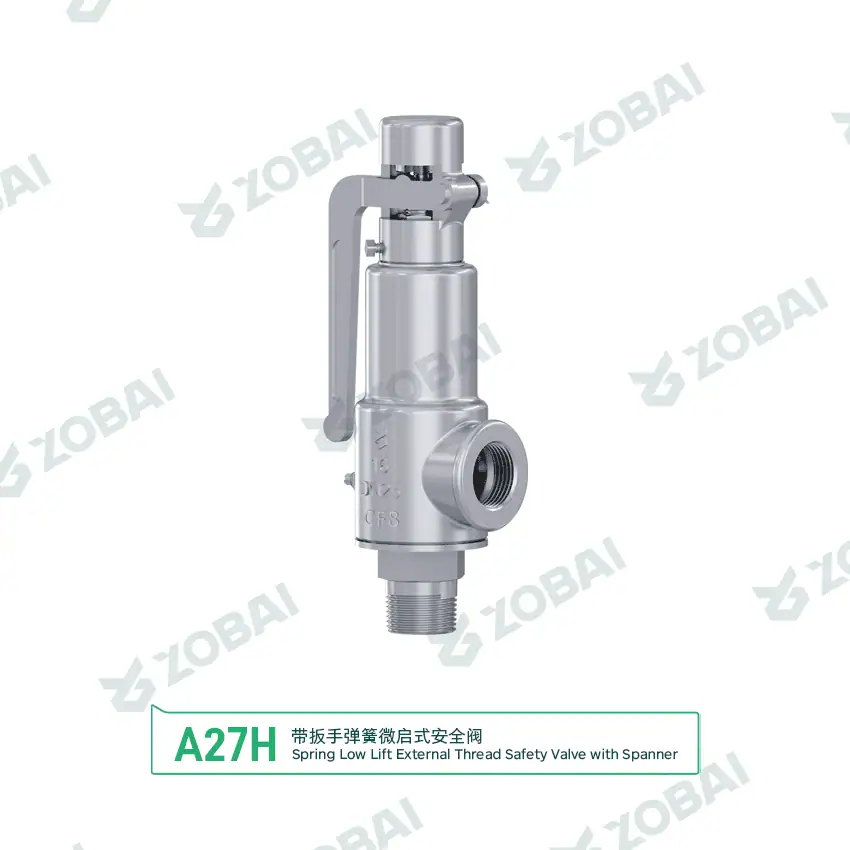
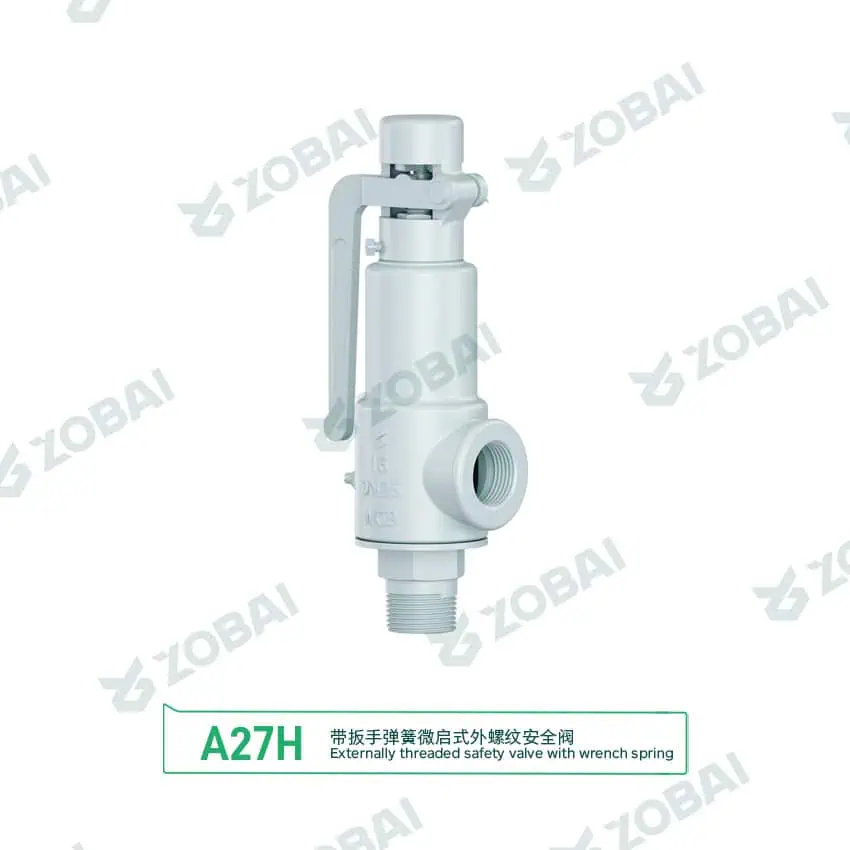
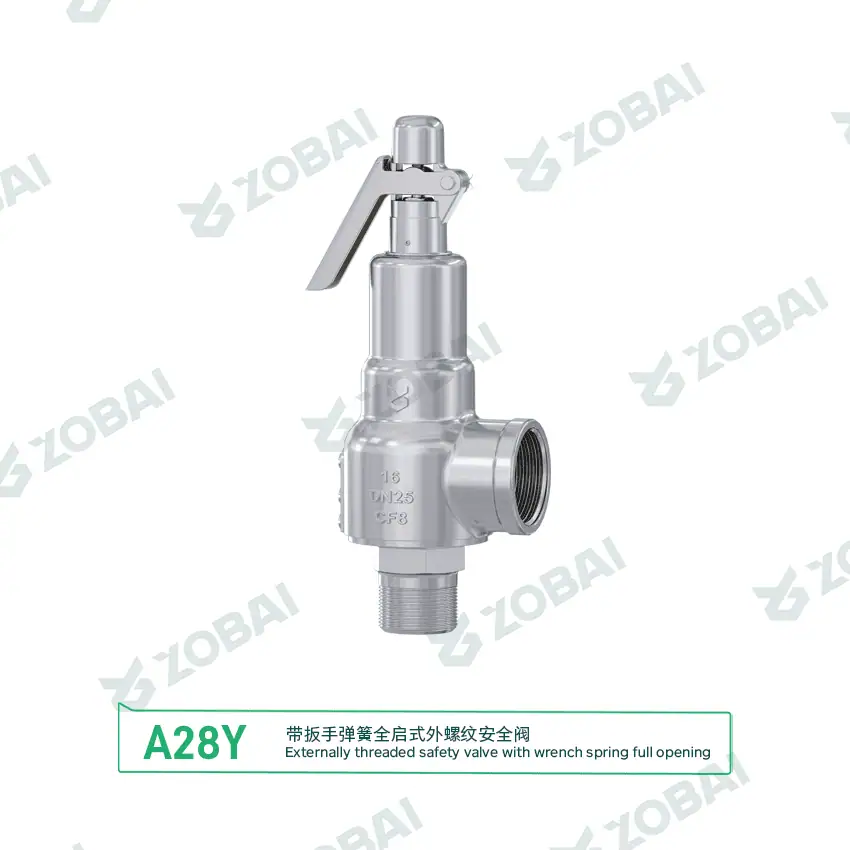
Lever Safety Valves for Boiler, Steam and Manual Test Applications
A lever safety valve usually refers to a safety valve equipped with a lifting lever or try lever, allowing authorized personnel to manually lift the valve disc for functional checking under controlled conditions. In older or low-pressure designs, the term can also refer to a lever-loaded safety valve where a lever and weight provide closing force. For modern industrial applications, the most common meaning is a spring loaded safety valve with a lifting lever for boiler, steam, utility and inspection-accessible pressure systems.
Why the lever matters in real operation
The lever is not a pressure control handle. It is a manual lifting device used for functional checking, seat release or maintenance verification where the applicable code and site procedure allow it. Pulling the lever at the wrong pressure, in dirty service, or with hazardous media can damage the seat, expose personnel to discharge risk or leave the valve leaking after the test.
Lever safety valve selection should consider the valve type, set pressure, medium, temperature, lifting mechanism, cap design, seat tightness, manual test requirement and whether a packed lever is needed to reduce leakage through the lifting mechanism.
Selection boundary
A safety valve with lever is often used where manual lifting or field function checks are required. It is common in steam and boiler service, but it is not suitable for every medium. Toxic, flammable, corrosive, high-temperature or dirty service may require a packed lever, closed cap, remote discharge arrangement or a different valve configuration.
Manual lifting can show that the disc is free to move, but it does not prove the exact set pressure, certified capacity or seat tightness. Bench testing and proper recalibration may still be required.
How a Lever Safety Valve Works
In a modern spring loaded lever safety valve, the spring keeps the disc seated during normal operation. When system pressure reaches the set pressure, the valve opens automatically to relieve pressure. The lifting lever provides a manual way to lift the spindle or disc mechanism for a controlled function check. In a traditional lever-loaded safety valve, a lever and weight create the closing force instead of a calibrated spring, but this design is less common in modern industrial pressure relief applications.
Normal Operation
The spring keeps the disc closed against the seat while operating pressure remains below set pressure.
Automatic Opening
When inlet pressure reaches set pressure, pressure force lifts the disc and the valve begins to relieve.
Manual Lift Check
The lever can be used by authorized personnel to confirm that the disc can lift freely under approved test conditions.
Reseating
After pressure drops or the lever is released, the spring pushes the disc back to the seat. Seat condition affects leakage risk.
Key Components of a Lever Safety Valve Assembly
A lever safety valve assembly should be reviewed as a pressure relief valve plus a manual lifting mechanism. The lever, cap, spindle, fork, disc, spring, nozzle, guide, seat and bonnet all affect safe operation, inspection access and leakage risk.
Lifting Lever or Try Lever
The lifting lever allows manual disc movement for functional checking. It should move freely, provide enough lift for the intended check and return without leaving the disc misaligned. The lever must be accessible, but not positioned where it can be pulled accidentally or used as a process control handle.
In boiler and steam service, the lever can help confirm that the valve is not stuck. However, the test should follow site procedures and should not be performed when discharge could endanger personnel or equipment.
Packed Lever Design
A packed lever safety relief valve uses a packed lifting mechanism to reduce leakage through the lever area. It is considered when the medium is hazardous, flammable, corrosive, hot or environmentally sensitive.
Packing condition becomes part of the maintenance scope. Poor packing, wrong material or thermal cycling can cause external leakage even when the main seat is acceptable.
Nozzle, Disc and Seat Tightness
Manual lifting can disturb dirt or deposits on the seat. If the valve is lifted in dirty steam, wet service or particulate-laden media, small particles may remain between the disc and seat, causing leakage after the test.
Seat tightness should be reviewed when the valve protects steam systems, compressed gas, clean process service or any system where leakage creates safety, energy or environmental loss.
Spring, Spindle and Guide
The spring determines the set pressure range, while the spindle and guide control vertical disc movement. If the lifting lever side-loads the spindle, or if corrosion restricts the guide, the valve may not reseat correctly after manual operation.
Inspection should include lever movement, spindle alignment, spring condition, guide wear and evidence of corrosion or deposits around moving parts.
Quick Lever Safety Valve Fit Check
Use this screening tool to identify which lever safety valve details should be reviewed before ordering. It does not replace sizing calculation, set pressure testing or code verification.
Select your main service concern
Click one condition below to see the engineering checks that matter most.
Parameters That Decide Whether a Lever Safety Valve Is Suitable
Lever Safety Valve vs Sealed Cap Safety Valve
A lever safety valve is useful when manual lifting or functional checking is required. A sealed cap or closed cap design may be more suitable where unauthorized operation, leakage, hazardous media or environmental exposure is a concern.
| Item | Lever Safety Valve | Sealed Cap / Closed Cap Safety Valve |
|---|---|---|
| Manual operation | Allows manual lifting or try lever testing where permitted. | No routine manual lift through an exposed lever. |
| Best for | Boiler, steam, utility and inspection-accessible systems. | Hazardous, corrosive, flammable or tamper-sensitive service. |
| Leakage path | Lever mechanism may need packing in sensitive service. | Reduced external exposure depending on cap design. |
| Maintenance focus | Lever movement, spindle alignment, packing, seat condition. | Cap seal, internal parts, set pressure and seat tightness. |
| Operational risk | Incorrect lifting can damage the seat or create discharge risk. | Less risk of accidental manual lifting, but harder to check manually. |
| Typical applications | Steam boilers, utility steam, compressed air and maintenance-friendly systems. | Chemical process, toxic gas, flammable media and sealed service. |
Where Lever Safety Valves Are Used
Boiler and steam service
Lever safety valves are common in boiler and steam applications where manual lifting may be required for functional checking. Selection should include set pressure, steam capacity, temperature, discharge arrangement, lever accessibility and seat tightness.
Compressed air and utility systems
In compressed air or utility service, a lifting lever may help maintenance teams check that the valve is not stuck. The discharge should still be routed safely, and the valve should not be lifted as a substitute for proper calibration.
Inspection-accessible pressure vessels
Pressure vessels that require routine field checks may use safety valves with lifting levers. The valve should be selected by certified capacity, set pressure, medium, temperature and applicable inspection requirements.
Hazardous or sensitive service
For toxic, flammable, corrosive or environmentally sensitive media, an open lever may not be appropriate. A packed lever, closed cap or another valve configuration may be required to reduce leakage and operator exposure.
Lever Safety Valve Selection Table
| Service Condition | Common Requirement | Recommended Review | Key Engineering Check | Main Risk |
|---|---|---|---|---|
| Boiler steam service | Manual lift or try lever check | Spring loaded safety valve with lifting lever | Set pressure, steam capacity, temperature and discharge path | Seat damage or unsafe steam discharge during manual lift |
| Utility compressed air | Simple field function check | Lever safety valve with suitable cap design | Capacity, pressure range, lever access and outlet direction | Using lever as a pressure control device |
| Hazardous gas or vapor | Reduce leakage through lever area | Packed lever or closed cap design | Packing material, emission risk and maintenance access | External leakage or operator exposure |
| Dirty steam or wet service | Manual lift without seat contamination | Careful test procedure and seat inspection | Medium cleanliness, seat material and drain condition | Dirt trapped on seat causing leakage |
| Replacement project | Match existing valve and lever function | Nameplate, drawing and assembly check | Set pressure, capacity, orifice, lever type and connection | Replacing by appearance but missing capacity or cap details |
| Legacy lever-loaded design | Maintain older low-pressure equipment | Engineering review before replacement | Lever ratio, weight, seat condition and code acceptance | Assuming old design equals modern certified performance |
This table is for preliminary engineering screening. Final selection must be confirmed against the medium, set pressure, operating pressure, required relieving capacity, relieving temperature, lifting lever requirement, cap design, discharge arrangement and applicable code requirements.
Common Engineering Mistakes to Avoid
Using the lever as a pressure control handle
A lifting lever is not designed for routine pressure control. Repeated manual lifting can damage the seat, disturb deposits and leave the valve leaking. The lever should only be used for approved functional checks or maintenance procedures.
Lifting the valve in dirty steam service
In dirty steam or wet service, manual lifting may carry particles or condensate across the seat. If debris remains on the sealing surface, the valve may leak after reseating. The preventive action is to follow a controlled test procedure and inspect leakage after the test.
Requesting “lever safety valve” without defining the lever type
The term can mean a spring loaded valve with lifting lever, a packed lever safety relief valve, or a legacy lever-loaded design. Buyers should define the required function, medium, leakage requirement and applicable standard before quotation.
Lever Safety Valve Troubleshooting Table
| Symptom | Possible Cause | Engineering Check | Corrective Action |
|---|---|---|---|
| Valve leaks after lever test | Dirt on seat, damaged disc, weak reseating or poor operating margin | Inspect seat, disc, medium cleanliness and operating pressure | Clean, lap, retest or recalibrate as required |
| Lever is stuck or hard to move | Corrosion, bent spindle, seized linkage or deposit build-up | Check lever mechanism, spindle alignment and guide condition | Repair linkage, clean moving parts and inspect internal damage |
| Valve does not reseat after lifting | Side load from lever, guide friction, seat damage or improper lift | Check spindle, guide, lever travel and seating surface | Repair internal parts and confirm proper lever movement |
| External leakage around lever | Packing wear, wrong packing material or high-temperature degradation | Inspect packed lever area and material compatibility | Replace packing or consider closed cap configuration |
| Set pressure is not correct | Spring drift, improper adjustment or unverified repair | Check calibration record and test bench result | Recalibrate, seal and document according to procedure |
Standards and Documents to Confirm Before Purchase
Standards to review
Lever safety valve selection may involve ASME, API, ISO, National Board, NBIC and project-specific requirements. The correct standard depends on the protected equipment, region, service medium and whether the valve is used on a boiler, pressure vessel or process system.
- ASME BPVC where boiler or pressure vessel protection requirements apply.
- ASME BPVC Section XIII for current overpressure-protection rules covering safety valves, testing and marking.
- API 520 for sizing, selection and installation guidance in process applications.
- API 521 for relief scenario, flare, vent and system-level review.
- API 526 where flanged steel pressure relief valve dimensions and orifice designation are relevant.
- API 527 when seat tightness test requirements are specified.
- ISO 4126 where international safety valve terminology and requirements are part of the project specification.
Documents buyers often request
Documentation should be confirmed before quotation, especially when the valve is used on boilers, pressure vessels, steam systems or regulated equipment. Lever configuration should be clearly stated in the datasheet.
- Datasheet and model specification.
- Set pressure calibration record.
- Certified relieving capacity information.
- Seat tightness test report when required.
- Material certificate and heat number traceability where specified.
- Lever type, cap design and packing requirement.
- Nameplate, tagging and inspection documentation.
Continue Lever Safety Valve Selection Review
These internal links help connect the lever safety valve page with ZOBAI product categories, boiler and steam applications, engineering guides and RFQ conversion pages.
Official Standards Sources for Lever Safety Valve Verification
Use ZOBAI internal pages for product selection, capacity inputs and RFQ preparation. Use the issuing-organization and government sources below when a project requires verification of boiler safety-valve rules, overpressure protection, process relief sizing, seat tightness, inspection, certified capacity or valve repair requirements.
RFQ Checklist for Lever Safety Valves
| Required Data | Why It Matters | Example Input |
|---|---|---|
| Medium | Determines sizing method, discharge risk and material selection. | Steam, air, nitrogen, hot water, clean gas |
| Set pressure | Defines the automatic opening point. | 10 bar g |
| Operating pressure | Confirms operating margin and leakage risk. | 8 bar g |
| Required relieving capacity | Confirms whether the valve can protect the equipment. | kg/h, Nm³/h, lb/h, SCFM, GPM |
| Relieving temperature | Affects material, spring and seat selection. | 180°C |
| Lever requirement | Clarifies lifting lever, try lever, packed lever or sealed cap need. | Open lever, packed lever, lifting lever |
| Service condition | Determines whether manual lifting is safe and practical. | Boiler steam, utility air, hazardous gas |
| Connection standard | Ensures piping and installation compatibility. | ASME, EN, GB, JIS |
| Material requirement | Prevents corrosion, leakage and temperature-related failure. | WCB, CF8M, bronze, alloy option |
| Applicable code | Defines documentation, test and acceptance requirements. | ASME, API, ISO, GB, project specification |
| Existing drawing or nameplate | Reduces replacement selection risk. | Photo, datasheet, model number, orifice, capacity |
Need Help Selecting a Lever Safety Valve?
Send us your medium, set pressure, operating pressure, relieving capacity, temperature, lever requirement, cap design, material requirement and existing datasheet. Our engineering team can review whether a lever safety valve, packed lever design or closed cap configuration is suitable before quotation.
Prepare these data before RFQ
TECHNICAL INSIGHTS
Related Lever Safety Valves Articles
FAQ
Lever Safety Valve FAQs for Boiler, Steam and Manual Test Applications
What is a lever safety valve?
A lever safety valve is usually a safety valve equipped with a lifting lever or try lever. The lever allows authorized personnel to manually lift the disc for functional checking under approved conditions. In older designs, the term may also refer to a lever-loaded safety valve where a lever and weight provide closing force.
What is the purpose of the lifting lever on a safety valve?
The lifting lever is used to confirm that the valve disc can move freely and is not stuck. It is not used to set pressure or control system pressure. Manual lifting should follow site procedures and should not replace formal set pressure testing or recalibration.
Can I lift a safety valve lever during operation?
A safety valve lever should only be lifted by authorized personnel under approved conditions. The medium, pressure, temperature, discharge direction and operator safety must be reviewed. Lifting the lever at the wrong time can cause leakage, seat damage or dangerous discharge.
What is a packed lever safety valve?
A packed lever safety valve uses packing around the lifting mechanism to reduce leakage through the lever area. It is often considered for hot, hazardous, flammable, corrosive or environmentally sensitive service where an open lever is not suitable.
What is the difference between a lever safety valve and a lever-loaded safety valve?
A modern lever safety valve usually means a spring loaded safety valve with a lifting lever. A lever-loaded safety valve is a traditional design where a lever and weight provide closing force. Buyers should clarify the required design before requesting a quotation.
Why does a safety valve leak after using the lever?
Leakage after using the lever may be caused by dirt on the seat, damaged sealing surfaces, poor reseating, spindle misalignment, excessive operating pressure or incorrect manual lifting. The valve should be inspected and tested if leakage continues.
Are lever safety valves used in boiler service?
Yes. Lever safety valves are commonly used in boiler and steam service where manual lift or try lever checks may be required. Selection should consider set pressure, steam capacity, temperature, discharge direction, lever accessibility and seat tightness.
What information is needed before requesting a lever safety valve quotation?
Provide the medium, set pressure, operating pressure, required relieving capacity, relieving temperature, lever type, cap design, seat requirement, connection standard, material requirement, applicable code, quantity and any existing drawing or nameplate.
What information should I provide before requesting a quotation?
Provide the medium, set pressure, operating pressure, relieving capacity, relieving temperature, inlet and outlet size, connection standard, material requirement, back pressure condition, applicable code, quantity and any existing drawing or datasheet.

Raymon Yu
“When a safety valve fails to pop on site, it’s rarely because someone can’t read a standard. It’s usually because critical operating parameters (like backpressure or relief temperature) were assumed instead of specified. I reviewed the key technical content on this page to keep it practical, API/ASME spec-aligned, and RFQ-ready. (We prefer assumptions for lunch choices.)”
What I work on daily: reviewing drawings and project specs, supporting engineer-to-engineer questions, resolving capacity calculations, material selection, and backpressure impacts so production and quoting stay consistent. (Yes—set pressure and seat tightness test records get plenty of attention.)