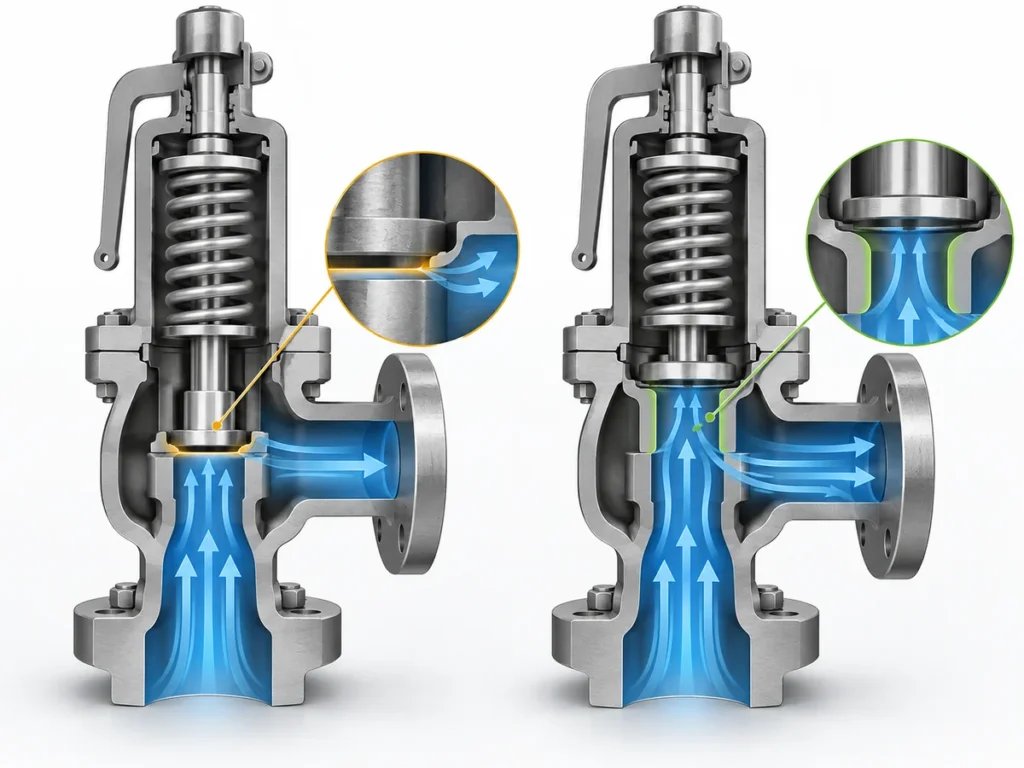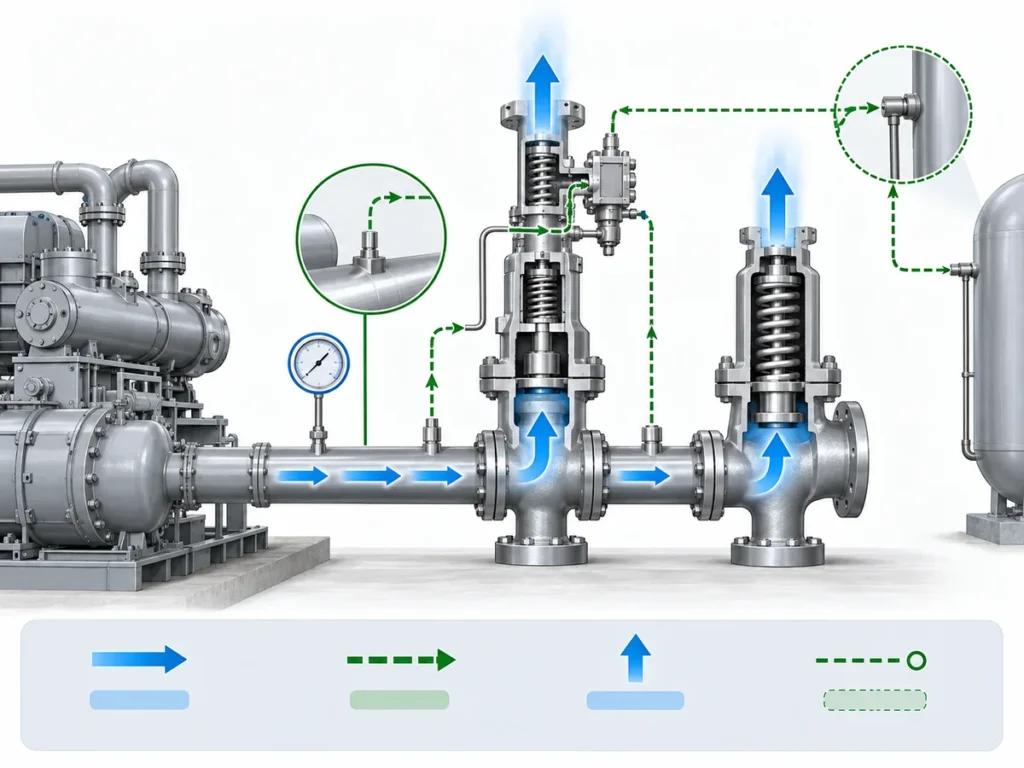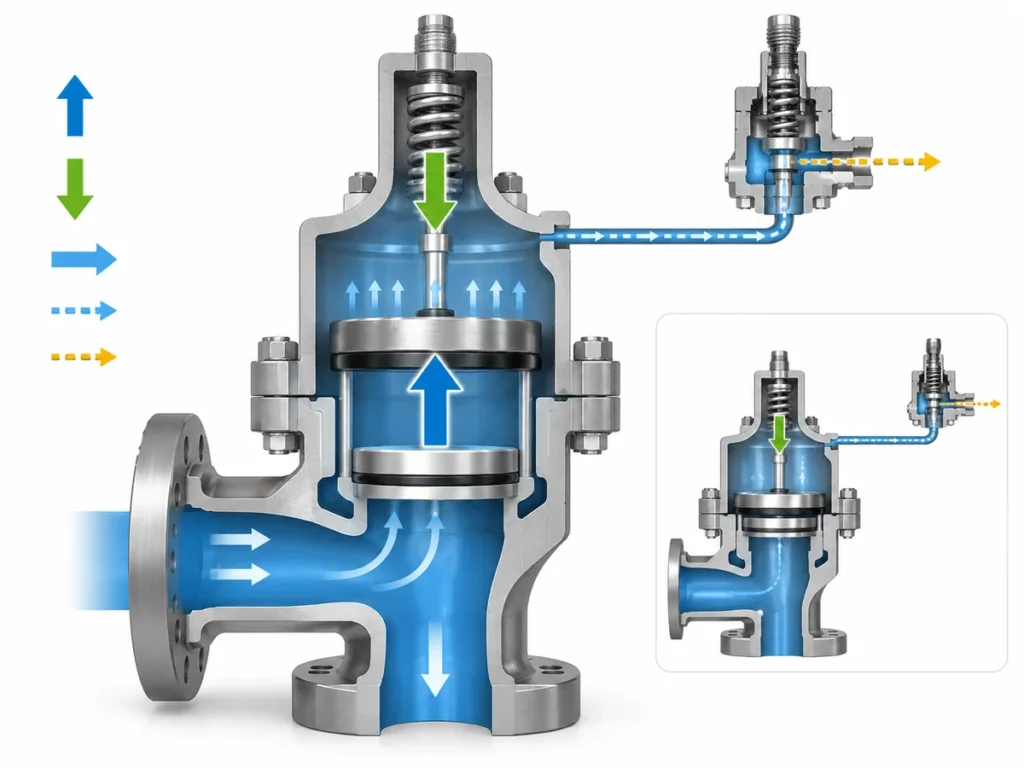
تعرّف على كيفية فحص الفلاتر وأنابيب الاستشعار والحشوات في صمامات الأمان التي تعمل بالبايلوت، ثم اربط الاختبارات الوظيفية بالأدلة المطلوبة قبل إعادة التشغيل.

لا ينبغي صيانة صمام أمان يعمل بالبايلوت كما لو كان البايلوت مجرد ملحق مثبت بمسامير على الصمام الرئيسي. فالبايلوت والمرشحات وتوصيلات الاستشعار أو التغذية والأختام والصمام الرئيسي تشكل نظام تحكم واحد. وقد يكون للتلوث أو التسرب أو الخنق أو إعادة توصيل أحد مسارات التحكم بشكل خاطئ تأثير مهم حتى عندما يبدو جسم الصمام الرئيسي نفسه صالحًا للخدمة.
الخطأ الثاني في الصيانة هو التعامل مع كل “اختبار” بعد الصيانة على أنه مكافئ لغيره. ففحص ضبط ضغط البايلوت، واختبار إحكام المقعد، والاختبار الوظيفي للمجموعة الكاملة، واختبار سعة التصريف، كل منها يجيب عن سؤال مختلف.
لذلك يتبع هذا المقال قاعدتين:
- افحص مسار البايلوت/التحكم الفعلي المركب على الصمام.
- طابق الاختبار مع الدليل الذي تحتاجه قبل إعادة التشغيل.
يستخدم هذا المقال صمام أمان يعمل بالبايلوت كمصطلح عملي. وقد تستخدم وثائق المصنع والمعايير أيضًا صمام تنفيس الضغط يعمل بالبايلوت, POSV أو POSRV. وإذا لم يكن تسلسل التشغيل نفسه واضحًا بعد، راجع كيف يعمل صمام أمان يعمل بالبايلوت . ولا تزال تعليمات الصيانة الدقيقة لصمام معين تصدر عن وثائق المصنع المعنية ومتطلبات الموقع.
قبل الصيانة، تأكد من تكوين الصمام وحالته كما هي عند الفحص
قبل تنظيف الفلتر أو فصل الأنابيب أو استبدال الحشوات،,
حدد بدقة الصمام وتكوين البايلوت الذي تعمل عليه.
قد تختلف التصميمات التي تعمل بالبايلوت في كيفية وصول ضغط النظام إلى
البايلوت، وما إذا كان الاستشعار مدمجًا أو عن بُعد، وكيفية توصيل ضغط التحكم أو ضغط القبة،
وأي المكونات يتم صيانتها أو اختبارها بشكل منفصل.
لا ينبغي نقل خطوة صيانة صالحة لأحد التكوينات
تلقائيًا إلى تكوين آخر.
ابدأ بالتأكد من:
- تعريف الصمام والبايلوت؛;
- تعليمات الصيانة المعمول بها من الشركة المصنعة؛;
- ترتيب الاستشعار، بما في ذلك الاستشعار عن بُعد عند استخدامه؛;
- وسط العملية وظروف الخدمة ذات الصلة؛;
- سبب إزالة الصمام أو فحصه أو فتحه؛;
- الحالة كما وُجدت عند الفحص؛;
- سجلات الصيانة أو الاختبار السابقة ذات الصلة، إن توفرت.
يجب أن يتبع العمل على نظام احتواء الضغط أو نظام البايلوت إجراءات العزل
وتخفيف الضغط المعمول بها في المصنع والجهة المصنعة. على
سبيل المثال،,
تعليمات صيانة Anderson Greenwood Series 727
تتطلب عزل وتخفيف الضغط عن مجموعة POSRV المعنية
قبل أعمال صيانة البايلوت المحددة. هذا المثال لا ينشئ
تسلسل عزل عامًا؛ تبقى الطريقة الدقيقة خاصة بالموقع
والطراز.
احتفظ بحالة الحالة كما وُجدت قبل أن تزيل عملية التنظيف
أدلة مفيدة. فالفلتر المسدود، أو التسريب حول وصلة البايلوت، أو
خط موصول بشكل خاطئ، أو ترسب غير متوقع، يمكن أن يساعد في تفسير سبب
عدم تصرف المجموعة كما كان متوقعًا.
لبرنامج صيانة الصمام بالكامل، وتخطيط الفحص،
وسياق الحالة كما وُجدت/كما تُركت، راجع
دليل صيانة وفحص صمامات الأمان
.
تظل هذه المقالة مركزة على مسار البايلوت/التحكم و
الأدلة المطلوبة بعد ذلك العمل.
قرار الصيانة: لا تُشخّص المكوّن قبل
مع تأكيد التكوين المحيط به.
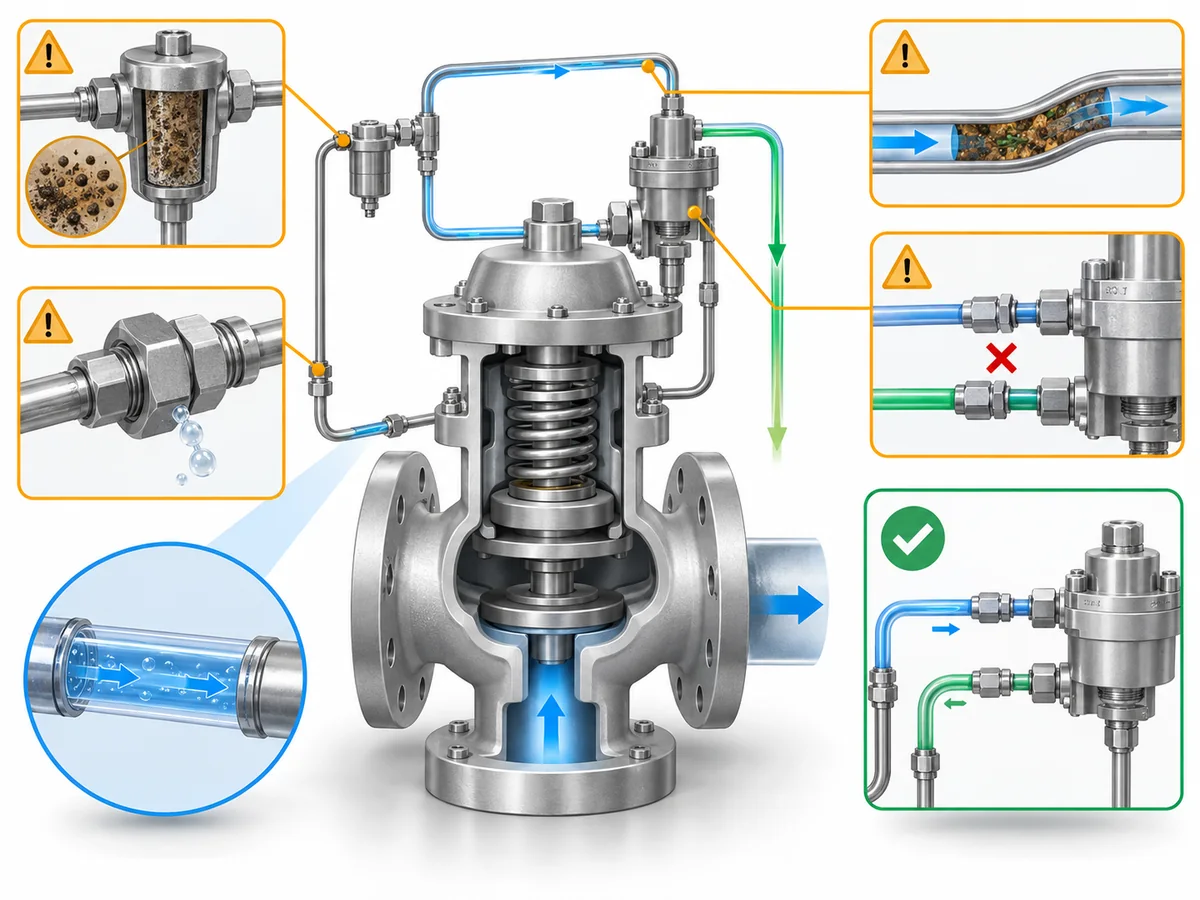
افحص الفلاتر كجزء من مسار التحكم بالبايلوت، وليس كجزء منفصل
في تصاميم الصمامات التي تعمل بالبايلوت والتي تستخدم مرشحًا في مسار الاستشعار أو مسار
التغذية للبايلوت، يمكن أن تكشف حالة المرشح عن أكثر من مجرد ما إذا كان المرشح
نفسه يحتاج إلى صيانة.
المرشح مصمم للحد من وصول الملوثات إلى ممرات البايلوت
أو مكونات التحكم المرتبطة بها في الاتجاه downstream. وإذا كان يحتوي على تلوث
كبير، فإن تنظيف أو استبدال هذا الجزء وحده قد لا يحسم
مسألة الصيانة.
والسؤال التالي هو:
هل يمكن أن يكون التلوث نفسه قد أثر على مسار
البايلوت/التحكم المتصل؟
وجود مرشح ملوث لا يحدد يثبت أن البايلوت
قد يمنع ذلك، لكنه مع ذلك يمنح مهندس الصيانة سببًا لفحص
ممرات التصريف والوصلات ذات الصلة عندما يكون مقدار أو طبيعة
التلوث يجعلان استمرار الانسداد أمرًا محتملًا.
ينبغي التعامل مع الفلتر نفسه وفقًا لإجراءات الصمام
المعمول بها. لا تدعم تعليمات المصنع المنشورة قاعدة
موحدة: فقد يمكن فحص بعض مجموعات الفلتر وإعادة استخدامها في
ظروف محددة، بينما تتطلب تصاميم أخرى استبدالها.
دورية الصيانة لها الحدود نفسها. يجب أن يعتمد الاهتمام بالفلتر على
متطلبات المصنع المعمول بها وسجل الخدمة وظروف
التلوث بدلًا من فترة زمنية اعتباطية تُطبق على
كل صمام يعمل بالبايلوت.
| نتيجة فحص الفلتر | ما الذي ينبغي تغييره |
|---|---|
| نظيف وغير تالف |
تابع ما تبقى من فحص مسار البايلوت المطلوب؛ فوجود فلتر نظيف وحده لا يثبت أن البايلوت سليم. |
| تلوث كبير |
افحص مسار التحكم المتصل بحثًا عن تلوث أو انسداد ذي صلة. |
| تالف أو غير مقبول وفق الإجراء المعمول به | اتبع متطلب الاستبدال الخاص بالموديل. |
| تلوث شديد متكرر |
راجع سبب استمرار وصول التلوث إلى نظام البايلوت بدلًا من التعامل مع كل صيانة للفلتر كحدث منفصل. |
يمكن أن تكون حالة الفلتر بالتالي دليلاً تشخيصيًا على
البيئة التي يراها نظام البايلوت، وليست مجرد بند من بنود الصيانة الروتينية.
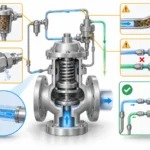
افحص أنابيب الاستشعار والتحكم بحثًا عن الانسداد والتسرب وأخطاء إعادة التجميع
ليس لكل أنبوب صغير حول صمام أمان يعمل بالبايلوت
الغرض نفسه. وفقًا للتصميم، قد تفرّق الوثائق بين
خط استشعار الضغط، وتوصيل تغذية البايلوت، وخط القبة أو التحكم،,
وتوصيل الاستشعار عن بُعد، وأنابيب بايلوت أخرى.
لذلك ينبغي تصنيف مشكلات الأنابيب حسب نمط العطل.
| إيجاد | لماذا هو مهم | فحص الصيانة |
|---|---|---|
| انسداد أو إعاقة | قد يتعرض مسار إشارة الضغط أو تغذية البايلوت المقصود للاعتراض. |
افحص الممر المتأثر والمكونات المتصلة به باستخدام الإجراء المعمول به. |
| التسريب | قد يُفقد سلامة الضغط في مسار الاستشعار أو التحكم. |
حدد الوصلة أو المكوّن الذي يوجد به تسرب وتحقق من المجموعة المُعاد تجميعها. |
| انثناء أو تآكل أو تلف ميكانيكي |
قد لا يتوافق مسار التدفق أو السلامة الميكانيكية بعد الآن مع التكوين المقصود. |
أصلح أو استبدل وفقًا للوثائق المعتمدة. |
| إعادة توصيل غير محكمة أو غير صحيحة |
قد لا يعود الصمام يستشعر الضغط أو يتحكم فيه عبر المسار المقصود. |
قارن مسار التوجيه ونقاط التوصيل مع الصمام الصحيح صالحة. |
| تعديل غير مُتحقق منه على خط استشعار عن بُعد |
قد لا تتوافق ترتيبات الاستشعار مع التصميم الهندسي بعد الآن التكوين الكامل. |
أحِل الترتيب للمراجعة الهندسية أو مراجعة الجهة المصنعة. |
التمييز بين خنق و
التسرب المسائل. يمكن أن يتعارض المسار المخنوق مع
اتصال الضغط عبر ذلك المسار. يمثل الوصل المُرتشح
مشكلة مختلفة: فقدان سلامة الضغط. الفحص و
الإجراء التصحيحي غير قابلين للتبادل.
يضيف الاستشعار عن بُعد حدودًا أخرى. توضح وثائق الجهة المصنعة
أن ترتيبات الاستشعار عن بُعد قد تعتمد على نقطة الاتصال
المقصودة وهندسة الخط الخاصة بالتصميم. لا ينبغي
نسخ تلك التفاصيل من عائلة صمامات إلى أخرى.
قاعدة الصيانة: لا تقم بتقصير أو تغيير مقاس أو إعادة توجيه أو
إعادة توصيل خط استشعار لمجرد أن الترتيب الجديد يتناسب فيزيائيًا
مع المكان. أعد التهيئة المعتمدة أو احصل على تأكيد
هندسي.
قد يبدو الأنبوب سليمًا فيزيائيًا لكنه مع ذلك خاطئ لأنه
موصول بنقطة خاطئة أو أعيد تركيبه بشكل مختلف عن الترتيب
المعتمد.
عند إغلاق أعمال الصيانة، فإن عبارة “الأنابيب تبدو جيدة” دليل أضعف من
التأكد من استعادة مسار الضغط الصحيح و
فحصه بحثًا عن أي انسداد ذي صلة وتسريب وفق الإجراء
إجراءات الصيانة.
تقييم المانعات حسب الموقع والحالة والتوافق مع الخدمة
لا ينبغي أن يبدأ قرار اختيار المانع وينتهي بسؤال: “هل يبدو حلقة O-ring هذه
تالفة؟”
قد تحتوي الصمامات التي تعمل بالبايلوت على عدة مانعات بوظائف مختلفة،,
ولا تعالج تعليمات إصلاح الجهة المصنعة بالضرورة كل
مكوّن مانع بالطريقة نفسها. قد تكون بعض المواد اللينة
عناصر استبدال إلزامية بموجب إجراء عمرة معين؛ بينما قد يكون لمكوّن آخر
قاعدة فحص أو استبدال مختلفة.
لذلك ينبغي تجنب اختصارين عامين:
إعادة استخدام كل مانع لا يزال يبدو بحالة جيدة.
و
Replace every seal on every pilot-operated valve whenever the valve is opened.
Instead, separate four questions.
1. Which seal is it?
Identify the location and function of the part. A pilot seal, main-valve
sealing element and connection seal should not automatically inherit the
same maintenance rule.
2. Is the part and material correct?
Pilot-operated valve families can use different soft-goods materials for
different configurations and services. A replacement part should match
the approved valve configuration rather than merely having the same
apparent dimensions.
For deeper material-selection context, see the
دليل اختيار مواد صمامات الأمان
.
3. Is its condition acceptable?
Inspect the component for the forms of damage or deterioration addressed
by the applicable manufacturer procedure. Appearance is useful evidence
of physical condition, but it does not establish material identity or
service compatibility.
4. Does the applicable procedure permit reuse?
This is separate from appearance. If the manufacturer procedure requires
replacement of that component during the applicable service operation, an
apparently intact seal is not evidence for ignoring the requirement.
The same distinction matters during procurement. A “similar” elastomer is
not automatically an acceptable substitute simply because it fits.
Seal decision sequence:
identity → material/configuration → condition → permitted
reuse/replacement → post-assembly verification.
Match the Functional Test to What You Need to Prove
A post-maintenance test is only as broad as its test scope.
Instead of asking only, “Did the valve pass?” ask:
Which test was performed, which variable or function did it verify, and
what remains untested?
For standards context,
API RP 576
covers inspection and repair of pressure-relieving devices including
pilot-operated pressure relief valves;
API 527
addresses seat tightness; and
ASME PTC 25
distinguishes pressure-relief-device test purposes including
flow-capacity testing from other testing activities.
A broader standards overview is available in the
دليل معايير صمامات الأمان
.
Those are not interchangeable forms of evidence.
| Check or test | What the result can support | ما لا يثبته تلقائيًا |
|---|---|---|
| الفحص البصري | Visible condition, configuration and assembly observations | Set pressure, seat tightness or rated capacity |
| Pilot/set-pressure verification |
Pilot actuation or set-pressure behavior under the approved test طريقة |
Rated flow capacity or complete installed-system acceptance |
| اختبار إحكام المقعد | Leakage performance under the applicable test basis | Complete pilot/main-valve functional performance |
| Complete-assembly functional test |
Defined operation and integrity of the assembled pilot/main valve under that procedure |
Certified flow capacity unless capacity is actually tested |
| Flow-capacity test | Flow capability under defined test conditions | Correct installation or suitability of every field-system detail |
Pilot Set-Pressure or Pilot-Function Verification
On applicable designs, a field test connection can provide a way to
verify pilot or set-pressure behavior.
That can be useful without proving everything about the assembled valve.
Some manufacturer procedures distinguish pilot-oriented artificial
actuation from actual main-valve operation. A valid pilot test can
therefore confirm the variable it was designed to check while leaving
other main-valve characteristics outside the evidence.
The same boundary applies to characteristics such as blowdown when the
test method does not fully exercise the main valve.
A useful record is not simply “Pilot test: PASS.” Record what pilot
function was verified and which required valve functions remain subject
to another acceptance basis.
Seat-Tightness and Leakage Testing
Seat-tightness testing answers the leakage question.
API 527 is specifically concerned with determining the seat tightness of
pressure relief valves within its scope, including pilot-operated designs.
A result under the applicable API 527 test basis therefore supports a
seat-leakage conclusion.
It does not automatically support the broader statement:
The entire valve has been functionally verified.
Seat tightness is one evidence category.
Complete-Valve Functional Verification
For some pilot-operated valve designs, manufacturer procedures separately
test the assembled pilot and main valve after maintenance. Such testing
can evaluate defined pilot/main-valve interaction and can include leakage
checks at relevant assembled connections.
That is broader than a pilot-only set-pressure check. It is still not
automatically a flow-capacity test.
قاعدة الأدلة: A complete-assembly functional test proves
the functions included in that approved procedure—not every
characteristic of the installed relief system.
What a Field or Functional Test Does Not Prove
The largest post-maintenance interpretation error is to expand a narrow
PASS result beyond the question that was tested.
- Pilot set-pressure verification ≠ rated capacity evidence.
- Seat-tightness PASS ≠ complete functional proof.
-
Complete-assembly functional test ≠ flow-capacity certification.
-
Bench or field valve test ≠ proof that the entire installed relief
system is correctly sized and arranged.
For maintenance records and engineering review, document enough
information to answer:
- What test was performed?
- What valve/pilot configuration was tested?
- What variable or function was evaluated?
- What acceptance basis was used?
- What did the test not evaluate?
- Does another maintenance question still remain open?
That makes the test result usable evidence instead of a generic “PASS”
label.
Decide Whether the Valve Is Ready to Return to Service
Reassembly is not the same as maintenance closure.
The return-to-service decision should combine:
- what was found;
- what was corrected;
- whether the pilot/control path was restored;
- whether parts and seals were verified;
- which tests were performed;
- what those tests actually established;
- whether any relevant question remains unresolved.
معامل PROCEED / HOLD / ESCALATE labels below are an
engineering screening framework used in this article. They are not API,
ASME, ISO or regulatory classifications and do not replace the valve
owner’s, manufacturer’s or applicable jurisdictional acceptance process.
| Screening outcome | استخدمه عندما |
|---|---|
| متابعة |
The applicable maintenance scope is complete, the approved configuration is restored, parts/materials required by that scope are verified, and the required post-maintenance checks provide acceptable evidence for the questions they were intended to answer. |
| تعليق |
Relevant contamination, blockage, leakage, incorrect configuration, uncertain seal identity, failed test response or another unresolved maintenance condition remains. |
| ESCALATE |
The correct configuration cannot be established, repeated contamination may warrant review for a broader application or system cause, test behavior conflicts with expected valve response, or the next step requires engineering/manufacturer input outside the validated maintenance scope. |
Before closeout, ask:
-
Has a contaminated filter triggered the necessary inspection of the
connected pilot path? -
Have sensing, supply and control connections been checked for relevant
restriction and leakage and restored to the approved configuration? -
Are replacement or retained seals correct for the applicable valve
configuration and maintenance procedure? -
Did the test actually examine the function that the maintenance work
could have affected? - Is each PASS result being used only within the scope of that test?
-
Does any unresolved condition still require engineering, manufacturer
or owner review?
A useful maintenance handoff contains more than “valve failed” or “valve
repaired.”
Provide, where available:
- تعريف الصمام والبايلوت؛;
- relevant service conditions;
- as-found observations;
- filter and tubing findings;
- components replaced or retained;
- seal/soft-goods identification relevant to the work;
- tests performed;
- test results and acceptance basis;
- the specific unresolved question if engineering review is still required.
That information helps the next reviewer distinguish a component
maintenance problem from a configuration, service or wider application
issue.
Closeout principle: Maintenance is not complete merely
because the last part has been reassembled. It is complete when the
relevant maintenance question has been answered by evidence appropriate
to that question.