تعرّف على كيفية تقييم إحكام مقعد صمام الأمان الذي يعمل بالبايلوت قرب ضغط الضبط، وتفسير API 527، والتحقق من حدود التسريب الخاصة بالمنتج.

في بعض التصاميم، يمكن لصمام أمان يعمل بالبايلوت الحفاظ على إغلاق محكم بينما يكون ضغط التشغيل قريبًا نسبيًا من ضغط الضبط. وهذا لا يحدد يعني أن كل صمام يعمل بالبايلوت له نفس هامش التشغيل المسموح، كما أن نتيجة إحكام المقعد وفق API 527 لا تحدد بحد ذاتها مدى قرب التشغيل الطبيعي لنظام مركّب من ضغط الضبط.
يجب أن تبقى أربع قيم منفصلة طوال المراجعة: ضغط التشغيل العادي, ضغط الضبط, ال ضغط اختبار إحكام المقعد ومعيار القبول, ، و التسرب الملاحظ في الخدمة الفعلية. قد تكون مترابطة، لكنها تجيب عن أسئلة هندسية مختلفة وليست قابلة للتبادل.
| البند | ما الذي تخبرك به | ما لا يحدده بحد ذاته |
|---|---|---|
| ضغط التشغيل العادي | ضغط العملية الفعلي أثناء الخدمة غير التنفيسية، بما في ذلك ما إذا كانت العملية مستقرة أم متغيرة دوريًا. | نتيجة اختبار API 527 للصمام، أو ضغط الضبط، أو نسبة تشغيل مسموح بها عالمية. |
| ضغط الضبط | ضبط الضغط المحدد المرتبط بسلوك التشغيل أو الفتح المحدد للصمام. | مقدار التسرب المقبول في اختبار إحكام المقعد أو في الخدمة الميدانية. |
| ضغط اختبار إحكام المقعد وفق API 527 ومعاييره | حالة اختبار مخبرية مضبوطة وأساس قبول للتسرب محددان وفق المعيار وطريقة الاختبار المعمول بهما. | The maximum normal operating pressure for every installed pilot-operated valve. |
| Observed field leakage | A real symptom at a known pressure, temperature, medium and operating state. | An API 527 pass/fail result until the leak path and the applicable controlled test basis are established. |
يجب فصل ثلاثة أسئلة:
- هل يستوفي الصمام اختبار إحكام المقعد?
- هل تصميم الصمام المحدد مخصص للعمل عند علاقة ضغط التشغيل الفعلي إلى ضغط الضبط؟
- هل يشير التسرب الملاحظ أثناء الخدمة إلى مشكلة في الصمام، أو مشكلة في مسار البايلوت/التحكم، أو مسار إحكام آخر، أو ملاحظة لا تزال بحاجة إلى تحديد موضعها؟
That distinction matters more than finding a single 95%, 97% or 98% number. Manufacturer percentages are product claims for identified designs; API 527 is a test standard; actual field leakage is an operating observation.
For an engineering review, start with the actual set pressure, normal operating pressure, valve and pilot configuration, observed leakage location, service medium, operating state, and applicable test or acceptance basis.
ماذا يعني “إحكام المقعد قرب ضغط الضبط” فعليًا؟
“إحكام المقعد قرب ضغط الضبط” ليس حالة هندسية واحدة.
ضغط الضبط يحدد ضغط الضبط المرتبط بسلوك الفتح أو التشغيل المحدد للصمام. ضغط التشغيل العادي هو ضغط العملية أثناء التشغيل. A ضغط اختبار إحكام المقعد is the controlled inlet pressure used when leakage is evaluated under a specified test procedure. The acceptance criterion is the permitted leakage under that procedure; it is not a synonym for normal process leakage.
Those pressures may be related, but they answer different questions. The current API publications catalog lists API Standard 527, Fifth Edition (2020), as إحكام مقعد صمامات تخفيف الضغط and describes it as covering conventional, bellows and pilot-operated designs. It also states that the test medium is tied to the medium used to determine set pressure. API 2025 refining publications catalog.
لا يثبت نجاح اختبار الإحكام على المنصة، بحد ذاته، الحد الأقصى لضغط التشغيل الطبيعي للنظام المركب. وبالمثل، فإن بيان المصنع بأن صمامًا معينًا يعمل بالبايلوت يمكنه العمل قريبًا من ضغط الضبط لا يحدد تلقائيًا معايير القبول لاختبار API 527.
اختبار إحكام المقعد والتشغيل المركب مسألتان مختلفتان
يسأل اختبار إحكام المقعد:
Does leakage satisfy the applicable acceptance basis under the defined test pressure, test medium, seat type, valve configuration and measurement method?
تسأل مراجعة التشغيل المركب:
Is the actual operating condition within the documented application and operating basis of this valve configuration, and is any observed leakage coming from the path being evaluated?
The second question requires more than a leakage test report. The engineer also needs the valve design, normal operating pressure, set pressure, pilot configuration, pressure history, service medium, downstream condition and the manufacturer’s documented operating envelope.
Test-basis boundary: do not convert a familiar API 527 test point into a universal operating-pressure rule. The exact current test pressure and allowable leakage must come from the controlled edition of API 527 or an OEM procedure that explicitly implements the applicable criteria. A field pressure ratio is not a substitute for that test basis.
حدد أولاً مسار التسرب الذي تتم مناقشته
“Valve leakage” is too broad for a useful diagnosis. A pilot-operated valve has more than one possible path that can be mistaken for main-seat leakage.
| الملاحظة | ما قد يشير إليه | ما الذي لا يثبته بمفرده |
|---|---|---|
| التدفق الملاحظ عند المخرج الرئيسي | تدفق داخلي عبر مسار إحكام الصمام الرئيسي | أن المقعد الرئيسي وحده تالف |
| تدفق أو تسرب عند مسار تهوية/تحكم البايلوت | تشغيل البايلوت أو تسرب البايلوت/التحكم، حسب التصميم والحالة | تسرب مقعد الصمام الرئيسي |
| تسرب عند الأنابيب أو الوصلات أو الوصلات الخارجية | مشكلة في الوصلة الخارجية أو الإحكام | فشل داخلي في المقعد الرئيسي |
| لا يمكن تحديد موقع التسرب | معلومات التشخيص غير مكتملة | أي عيب محدد في الصمام |
يجب توضيح هذا التمييز قبل مناقشة الإصلاح أو الرفض أو هامش التشغيل.
لماذا يمكن أن يبقى الصمام الذي يعمل بالبايلوت محكم الإغلاق مع اقتراب الضغط من ضغط الضبط؟
تكمن الإجابة في ترتيب قوى الإغلاق في التصميم المحدد للصمام الذي يعمل بالبايلوت.
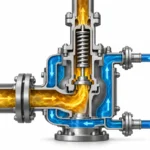
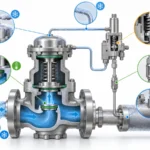
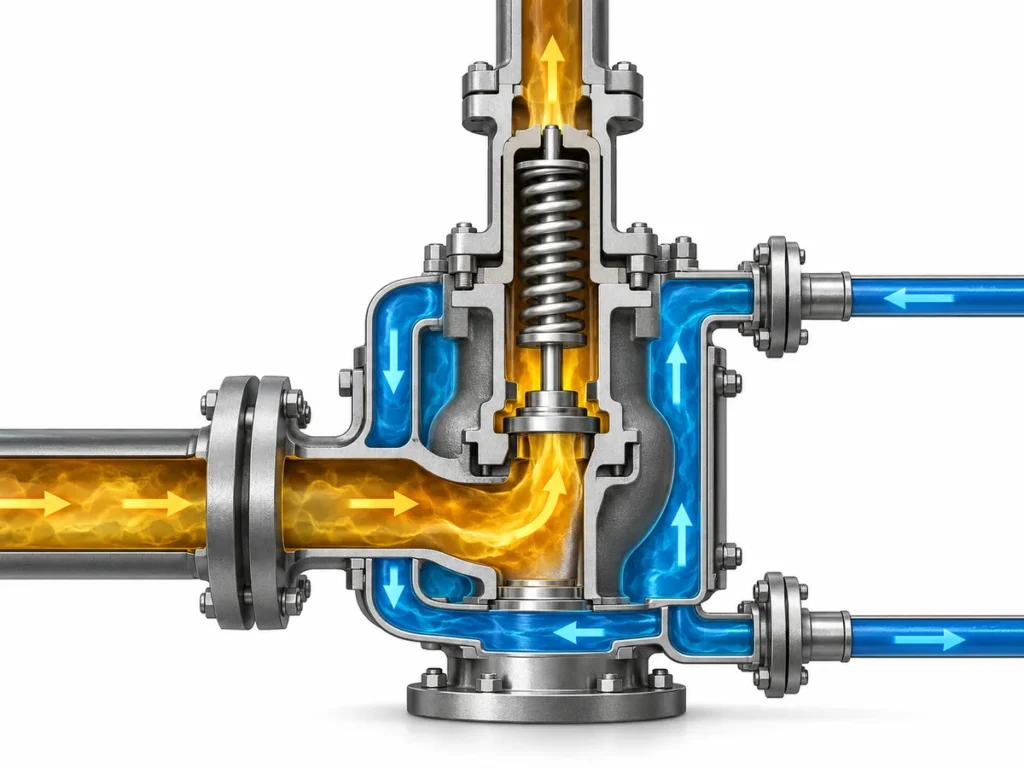
In a common piston-type arrangement, system pressure is routed to a dome or control chamber above the main piston. When pressure acts over a larger effective closing area than the area producing the opening force at the seat, the resulting force balance can hold the main valve closed while the pilot maintains the required dome pressure.
For this type of architecture, increasing inlet pressure can therefore continue to contribute to net seating force rather than reducing seating force in the same way as a conventional direct spring-loaded arrangement. The actual behavior still depends on the pilot architecture, seals, sensing arrangement, main-valve geometry and manufacturer design.
LESER explains its High Efficiency pilot-operated design using this differential-area principle and publishes near-set operating capability for identified products. The mechanism is useful for understanding why near-set tightness can be possible, but its exact pressure limits remain product-specific. معلومات LESER الفنية عن POSV عالي الكفاءة.
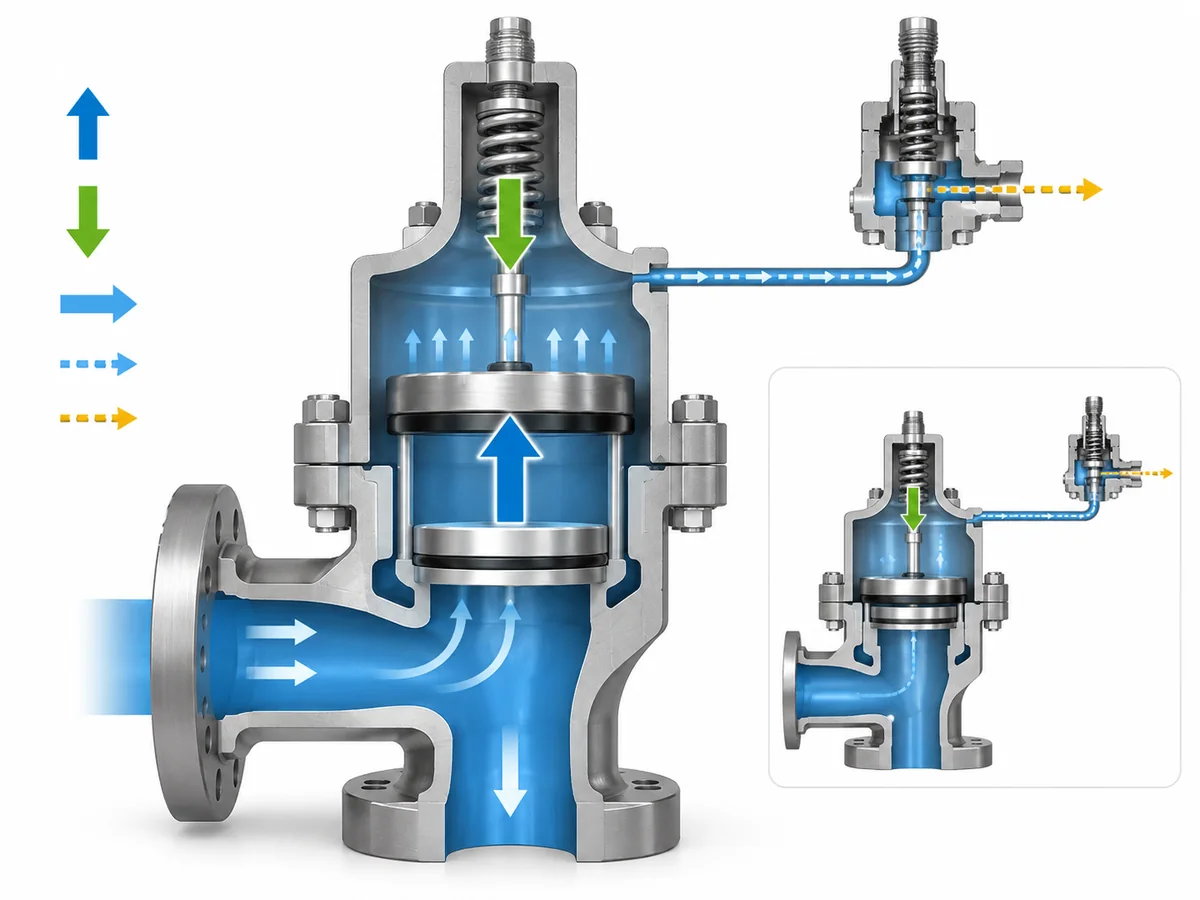
لمزيد من التفاصيل حول تسلسل التشغيل الكامل وليس فقط آلية إحكام المقعد، راجع كيف يعمل صمام الأمان الذي يعمل بالبايلوت.
عمل البايلوت وفتح الصمام الرئيسي ليسا دائمًا حدثًا واحدًا
Pilot-operated designs differ in how pressure is controlled as the system approaches set pressure. A pop-action pilot and a modulating pilot do not necessarily change dome pressure in the same sequence, and the presence of pilot vent flow does not by itself prove that the main valve seat is passing.
A modulating pilot may begin changing the control pressure before the main valve reaches a fully relieving state. Other pilot arrangements can follow different sequences. The manufacturer operating description for the exact pilot must therefore be used when interpreting vent flow or pressure changes near set pressure.
لهذا السبب، لا ينبغي التعامل مع نشاط البايلوت وتدفق تنفيس البايلوت وتسرب مقعد الصمام الرئيسي على أنها مصطلحات مترادفة.
استخدم سلوك التشغيل الموثق لتكوين البايلوت والصمام الرئيسي الفعلي، وليس افتراضًا عامًا ينطبق على جميع الصمامات التي تعمل بالبايلوت.
هل يُعد 95% أو 98% من ضغط الضبط قاعدة عامة لإحكام المقعد؟
لا. إن قيمة 95% أو 97% أو 98% ليست قاعدة عامة تنطبق على جميع صمامات الأمان التي تعمل بالبايلوت.
يوضح التفاوت بين منشورات المصنعين الأصليين سبب ذلك. تشير سلسلة Anderson Greenwood Series 200 من Emerson إلى إحكام كامل للصمام حتى 95% من ضغط الضبط for that series. LESER’s current High Efficiency pilot-operated product group advertises operating pressures up to 97% من ضغط الضبط, while individual valve-type pages publish their own limits. Baker Hughes states main-valve and pilot-seat tightness up to 98% من ضغط الضبط for its Consolidated pilot-operated valves. These are manufacturer- and product-specific claims, not API 527 test-pressure definitions and not category-wide operating rules.
المصادر: سلسلة Emerson Anderson Greenwood 200, صمام أمان يعمل بالبايلوت عالي الكفاءة من LESER, ، و صمام تنفيس ضغط يعمل بالبايلوت من Baker Hughes Consolidated.
| Published statement | ما يمكن أن يدعمه | What it cannot support |
|---|---|---|
| Anderson Greenwood Series 200: total valve tightness to at least 95% of set pressure | A product-family performance statement for that identified Series 200 design | A universal 95% POSV rule or the API 527 test pressure |
| LESER High Efficiency POSV group: operating pressures up to 97% of set pressure | A manufacturer operating-envelope statement at the product-group level; exact type still requires confirmation | A promise that every LESER POSV or every POSV from any maker operates at 97% |
| Baker Hughes Consolidated POSRV: main-valve and pilot-seat tightness up to 98% of set pressure | A manufacturer-specific tightness capability for the stated product family | An API 527 acceptance criterion or an industry-wide 98% requirement |
أربعة أسئلة يجب طرحها قبل استخدام أي نسبة مئوية
- من يملك الرقم؟ Is it the exact valve manufacturer and product family, a project specification, a controlled test procedure or another source?
- ماذا تصف النسبة المئوية؟ Normal operating pressure, a manufacturer’s seat-tightness capability, API 527 test pressure, pilot actuation behavior and blowdown are different parameters.
- ما هو تكوين الصمام الذي تنطبق عليه؟ Confirm the series, pilot type, main-seat design, sensing method and relevant options.
- تحت أي ظرف تنطبق؟ A bench test, a product performance statement and an installed operating recommendation are not automatically equivalent.
يمنع هذا خطأ توريد شائعًا: العثور على أعلى نسبة مئوية منشورة من مورد واحد واستخدامها لتقييم صمام مختلف.
لا تحوّل قدرة منتج إلى قاعدة صناعية
A statement such as “tight to 98% of set pressure” can be meaningful when it belongs to the exact valve family being evaluated and the stated conditions are understood.
تصبح غير موثوقة تقنيًا عند إعادة صياغتها على النحو التالي:
يمكن لجميع صمامات الأمان التي تعمل بالبايلوت أن تعمل عند 98% من ضغط الضبط دون تسرب.
لا تدعم الأدلة هذا التعميم.
For ZOBAI product discussions, do not assign an unverified 95%, 97% or 98% near-set operating claim to a valve simply because another manufacturer publishes that number. Use the exact proposed model documentation and the applicable test basis.
اختبار إحكام المقعد وفق API 527 مقابل التشغيل الفعلي قرب ضغط الضبط
المعيار API 527 يحمل تحديدًا العنوان إحكام مقعد صمامات تخفيف الضغط. API’s current standards plan and publications catalog list Standard 527 as the fifth edition issued in 2020. خطة معايير API.
The official API publications catalog describes API 527 as covering seat-tightness methods for metal- and soft-seated pressure-relief valves, including conventional, bellows and pilot-operated designs. It also states that maximum acceptable leakage rates are defined within the standard and that the seat-tightness test medium is tied to the medium used to determine set pressure. API Standard 527 description in the API publications catalog.
The current API 527 scope is also indexed by standards distributors, including the existing reference retained here: قائمة نطاق API STD 527 الحالي. For the actual test-pressure table, leakage limits and procedural details, the controlled API document or an approved OEM test procedure is the governing source—not a secondary summary.
وهذا يجعل API 527 وثيقة الصلة مباشرة بهذا المقال — ولكن فقط للوظيفة التي يؤديها فعليًا.
ما يمكن أن يثبته دليل API 527
An applicable API 527 test can provide evidence that the valve met the relevant seat-tightness acceptance basis under the prescribed bench-test conditions. The evidence is only meaningful when the test pressure, test medium, seat type, valve configuration, stabilization/observation method and leakage criterion are the ones required by the applicable procedure.
For procurement and QA, that is useful because it gives the buyer and supplier a defined basis for discussing leakage acceptance. It should be recorded as test evidence, not rewritten as a normal operating-pressure recommendation.
لمعالجة أعمق للاختبار نفسه، راجع دليل اختبار إحكام المقعد وفق API 527.
| سؤال | Primary evidence to use |
|---|---|
| What is the API 527 test pressure and allowable leakage for this test case? | The controlled current edition of API 527, plus the approved test procedure implementing it |
| How close to set pressure may this valve normally operate? | The exact manufacturer’s operating envelope and project operating basis |
| What behavior is expected from the pilot and main valve near set pressure? | The OEM operating/IOM documentation for the exact pilot-main-valve configuration |
| Does the valve meet the required overpressure-protection code basis? | The applicable project code and device certification/marking evidence; ASME BPVC Section XIII is one current overpressure-protection framework |
| What general product requirements apply to a pilot-operated safety valve under ISO? | ISO 4126-4 for product requirements; ISO states that Part 4 is not an application standard |
ASME BPVC القسم XIII covers overpressure-protection rules including pressure-relief-valve design, testing, marking, capacity certification and installation. That broader code role should not be confused with API 527’s seat-tightness acceptance function.
ما لا يحدده بحد ذاته
نتيجة API 527 لا يحدد, ، بحد ذاتها، تثبت:
- أقصى ضغط تشغيل طبيعي للعملية المركّبة؛;
- حد تشغيل عالمي بنسبة 95% أو 97% أو 98%؛;
- ضمان عدم وجود تسرب ميداني تحت أي ظرف خدمة؛;
- أن البايلوت أو الاستشعار أو الأختام الخارجية أو ظروف المصب لا يمكن أن تساهم في مشكلة تسرب؛;
- أن كل صمام يعمل بالبايلوت ويشير إلى API 527 له نفس هامش التشغيل.
ISO 4126-4 reinforces the need to separate product requirements from application decisions. ISO describes Part 4 as a product standard for pilot-operated safety valves and states that it is not an application standard; the current 2013 edition was reviewed and confirmed by ISO in 2025. ISO 4126-4.
تجنب تحويل مرجع اختبار إلى ادعاء اعتماد
إذا ذكر كتالوج أو مستند اختبار أن الإحكام مطابق لـ API 527 أو مُختبر باستخدامه، فاحتفظ بهذا النطاق كما هو.
لا تعد صياغته ضمنيًا على النحو التالي:
الصمام معتمد وفق API 527.
A test-standard reference, a completed seat-tightness test, a product capability statement, a code stamp and project approval are different forms of evidence.
إذا ظهر تسرب قرب ضغط الضبط، حدد مسار التسرب قبل تشخيص الصمام
التسرب قرب ضغط الضبط هو عَرَض, ، وليس تشخيصًا للسبب الجذري.
السؤال المفيد الأول هو:
أين يُلاحظ التسرب فعليًا، وما كان الضغط وحالة التشغيل عند ظهوره؟
Only after that observation is clear should the engineer begin narrowing the possible cause. Manufacturer maintenance procedures reinforce this separation: for example, Emerson’s Anderson Greenwood Series 727 instructions check pilot vent leakage, manual blowdown leakage, field-test connection leakage and the main-valve outlet as distinct points during an internal leak test. تعليمات صيانة Anderson Greenwood Series 727.
ابدأ بالملاحظة، لا بالإصلاح
| ما الذي تلاحظه | ما يجب التحقق منه بعد ذلك | لماذا |
|---|---|---|
| التسرب عند المخرج الرئيسي | الضغط الفعلي، وضغط الضبط، وأساس الإحكام المطبق، وحالة الصمام | تدفق المخرج وحده لا يحدد مسار الإحكام الداخلي الدقيق |
| التدفق عند مسار تنفيس/تحكم البايلوت | نوع البايلوت، وحالة التشغيل، وسلوك البايلوت الموثق | نشاط البايلوت لا يثبت تلقائيًا وجود تسرب في المقعد الرئيسي |
| تسرب عند وصلة خارجية أو وصلة أنابيب | حالة التوصيل والإحكام الخارجي | إنه مسار مختلف عن التسرب من المقعد الرئيسي |
| يظهر التسرب فقط قرب ضغط الضبط | علاقة ضغط التشغيل الفعلي بضغط الضبط وأساس التشغيل الخاص بالمنتج | قد تكون هامش التشغيل الموثق للصمام مهمًا |
| يظهر التسرب بعد حدث رفع أو صيانة | Event history and applicable OEM inspection/test basis | قد تتغير الفحوصات ذات الصلة بعد حدث تنفيس أو خدمة |
| مسار التسرب لا يزال غير معروف | تحسين المراقبة أو تصعيد المراجعة | التشخيص دون معرفة المسار تخمين |
ثم افصل بين ظروف النظام وظروف الصمام
ممكن متغيرات النظام أو التشغيل يتضمن:
- الضغط الفعلي بالنسبة إلى ضغط الضبط؛;
- steady versus transient or cycling pressure;
- الضغط الخلفي أو ضغط الجانب السفلي عند الاقتضاء؛;
- internal versus remote sensing arrangement;
- temperature and medium state where they affect the selected valve;
- dirty, wet, contaminated, polymerizing or particulate-laden service where the pilot/control path may be sensitive.
ممكن متغيرات الصمام/التكوين يتضمن:
- pilot type and action;
- حالة المقعد الرئيسي أو السداد؛;
- حالة مسار البايلوت/التحكم؛;
- filter, sensing line or small control passage condition where fitted;
- relevant internal seals and soft goods;
- the documented main-valve and pilot leakage test points.
هذه فئات تحقيق وليست أسبابًا جذرية تلقائية.
A high operating pressure does not prove the valve is defective. Contaminated service does not prove contamination caused the leakage. A pilot vent does not prove the main seat is leaking. Conversely, a previous API 527 pass does not prove that every later in-service leak observation is acceptable.
توقف قبل أن يتحول التشخيص العام إلى نصيحة ضبط غير آمنة
لا ينبغي لمقال عام أن يوجّه القارئ إلى تغيير:
- ضبط الضغط؛;
- ضبط البايلوت؛;
- البلوداون؛;
- إعدادات النابض أو السيل الداخلية؛;
- تكوين الاستشعار.
Those actions require the correct valve procedure and qualified review because they can affect the protection function and can invalidate the comparison between observed field behavior and the original test basis.
إذا تعارض السلوك الملاحظ مع أساس OEM أو أساس الاختبار المعمول به، أو تعذّر تحديد مسار التسرب بأمان، فانتقل إلى مراجعة هندسية أو خدمية خاصة بالمنتج بدلًا من الاستمرار بناءً على الافتراض.
ما الذي يجب التحقق منه قبل قبول الصمام أو رفضه أو تصعيده؟
A technically useful supplier inquiry should allow the engineer to reconstruct the condition in which the leakage was observed and compare it with the correct test or operating basis.
إرسال فقط:
صمام أمان يعمل بالبايلوت يتسرب قرب ضغط الضبط — يرجى الإفادة.
يترك متغيرات كثيرة دون حل.
1. حالة الضغط
يرجى تقديم:
- ضغط الضبط المحدد؛;
- ضغط التشغيل الطبيعي الفعلي؛;
- الضغط الذي يظهر عنده التسرب؛;
- ما إذا كان الضغط ثابتًا أم متزايدًا أم متناقصًا أم متذبذبًا؛;
- ضغط المخرج/الضغط الخلفي حيث ينطبق ذلك.
The pressure ratio only becomes useful when compared against documentation for the actual valve. Do not compare a field operating ratio directly with an API 527 test-pressure ratio unless the governing procedure explicitly makes that comparison.
2. تكوين الصمام والبايلوت الدقيق
حدد:
- الجهة المصنعة؛;
- سلسلة/طراز الصمام؛;
- نوع البايلوت؛;
- ترتيب الفتح السريع أو التعديلي حيث ينطبق؛;
- تركيب المقعد/العنصر المحكم إذا كان ذا صلة؛;
- ترتيب استشعار الضغط؛;
- الخيارات أو الملحقات ذات الصلة.
Configuration matters because near-set behavior is not a category-wide property. ZOBAI’s current pilot-operated safety-valve page, for example, distinguishes multiple pilot actions, sensing methods and seat/seal options rather than one universal arrangement. That product-page taxonomy is useful for defining an RFQ, but it is not evidence for an unlisted near-set tightness percentage.
إذا انتقلت المهمة من التشخيص إلى اختيار المنتج، راجع صمامات الأمان التي تعمل بالبايلوت من ZOBAI.
3. سياق الخدمة والاختبار
وضّح ما إذا لوحظ التسريب أثناء:
- اختبار إحكام المقعد على منصة الاختبار؛;
- التحقق الميداني؛;
- التشغيل العادي للمصنع؛;
- بدء التشغيل أو أي حالة عابرة أخرى؛;
- حالة بعد رفع الصمام.
Include the medium, relevant phase/state, temperature, contamination condition, and whether the test medium and procedure match the required acceptance basis.
4. وصف التسريب نفسه
سجّل:
- مكان ملاحظته؛;
- how it was observed or measured;
- whether it is continuous, intermittent or associated with pilot action;
- the pressure at which it begins or stops, if known;
- whether the main outlet, pilot vent and external joints were distinguished.
“تسرب عند المخرج الرئيسي عند ضغط تشغيل معروف” أكثر قابلية للتنفيذ من “الصمام يتسرب”.”
5. تحديد أساس القبول
قدّم ما ينطبق:
- متطلب الإحكام الخاص بالمشروع؛;
- controlled API 527 edition and test basis where used;
- إجراء اختبار الجهة المصنعة الأصلية (OEM)؛;
- مواصفات المشتري؛;
- available supplier test report, including test medium, test pressure and acceptance result;
- manufacturer operating-pressure claim for the exact valve, if one is being relied upon.
بدون أساس قبول، لا يمكن تحويل الملاحظة بشكل موثوق إلى “ناجح” أو “فاشل” استنادًا فقط إلى نسبة مئوية عامة على الإنترنت.
قرار فرز هندسي عملي
واصل التقييم عندما تكون هوية الصمام وحالة الضغط ومسار التسرب وأساس القبول المعمول به معروفة.
أوقف الحكم when a critical input is still unknown—for example, if “leakage” has not been localized or if the only available percentage belongs to another valve family.
صعّد للمراجعة الخاصة بالمنتج when the observed behavior conflicts with documented valve or test requirements, when the exact API 527/OEM acceptance basis cannot be reconstructed, or when diagnosis would require OEM-specific inspection or adjustment.
These are article-level engineering screening labels, not API, ASME, ISO or regulatory classifications.
مثال على القرار: مقارنة بين تصميمين متوازنين
If near-set leakage leads a project to compare a pilot-operated valve with a balanced spring-loaded alternative, keep the comparison tied to the actual leakage problem. The question is not which architecture is “better”; it is which design can document the required operating margin, seat-tightness basis and leak-path behavior for the service.
| عامل القرار | Pilot-operated question | Balanced-bellows alternative question |
|---|---|---|
| Near-set operating claim | What operating-pressure-to-set-pressure relationship is documented for the exact pilot and main-valve configuration? | What normal operating margin and seat-tightness behavior are documented for the exact spring-loaded design? |
| Leak-path diagnosis | Can the main outlet, pilot vent, sensing path and external joints be distinguished during the review? | Can main-seat leakage be separated from bonnet/bellows vent or external leakage paths? |
| Contamination sensitivity | Can the service foul the pilot, filter, sensing line or control passages and thereby affect closing pressure or pilot behavior? | Can deposits or corrosion affect the seat, guide, bellows movement or vent condition? |
| دليل إحكام المقعد | What API 527 or OEM procedure applies to the assembled pilot/main-valve configuration? | What API 527 or OEM procedure applies to the spring-loaded valve and its seat type? |
| Maintenance after leakage | What OEM procedure governs inspection of the main seat, pilot seats, seals and sensing components? | What OEM procedure governs seat condition, bellows integrity, guide condition and recalibration? |
| Acceptance decision | Can the supplier demonstrate both the required operating envelope and the applicable leakage-test result? | Can the supplier demonstrate the required operating margin and applicable seat-tightness result without relying on a generic architecture claim? |
If a bellows design is being considered because a pilot-operated valve cannot document the required near-set operating behavior or service suitability, also review متى لا يكون الصمام المتوازن بمنفاخ هو الحل المناسب. That comparison should be treated as a separate architecture decision, not as a workaround for an unresolved API 527 or leak-path question.
Frequently Asked Questions About Pilot-Operated Safety Valve Seat Tightness Near Set Pressure
Is API 527 test pressure the same as normal operating pressure?
No. API 527 defines controlled seat-tightness testing, while normal operating pressure is the real process pressure during service. A test pressure used for API 527 acceptance should not be reused as a plant operating recommendation unless the applicable valve documentation explicitly supports that operating condition.
Does “tight to 98% of set pressure” mean every pilot-operated safety valve can operate there?
No. Near-set percentages published by manufacturers belong to identified product families and conditions. They do not create a universal POSV operating rule and they are not automatically the API 527 test-pressure criterion.
Can a pilot-operated safety valve pass API 527 and still leak in service?
Yes, because a controlled bench test and installed operation are different conditions. A field leak still has to be localized and reviewed against the actual pressure history, service medium, pilot state, downstream condition, valve condition and OEM operating envelope.
Does flow from the pilot vent prove the main valve seat is leaking?
No. Pilot vent flow can be associated with pilot operation or a pilot/control-path leak depending on the design and operating state. Main-seat leakage should be confirmed at the main outlet or by the applicable controlled test procedure.
What information should be recorded before judging near-set leakage?
Record the valve manufacturer and model, pilot type, set pressure, actual operating pressure, pressure trend, service medium and temperature, back pressure where relevant, leak location, operating state, seat/seal configuration, and the exact API 527, OEM or project acceptance basis being used.
Should set pressure or pilot adjustment be changed to stop leakage?
Not from a general article or a percentage comparison. Adjustment can change the protection function and must follow the correct OEM procedure, applicable project requirements and qualified engineering or service review.