
Поиск и устранение неисправностей предохранительных клапанов с пилотным управлением. Предохранительные клапаны с пилотным управлением могут стать ненадежными в условиях загрязненной, воскообразной, загрязняющей или полимеризующейся среды, поскольку пилотный контур зависит от небольших каналов восприятия давления, фильтров, дросселей, седел пилота и каналов давления в куполе. Для создания серьезной проблемы защиты от давления не обязательно, чтобы отложение блокировало сопло основного клапана. Если пилот не может воспринимать давление…

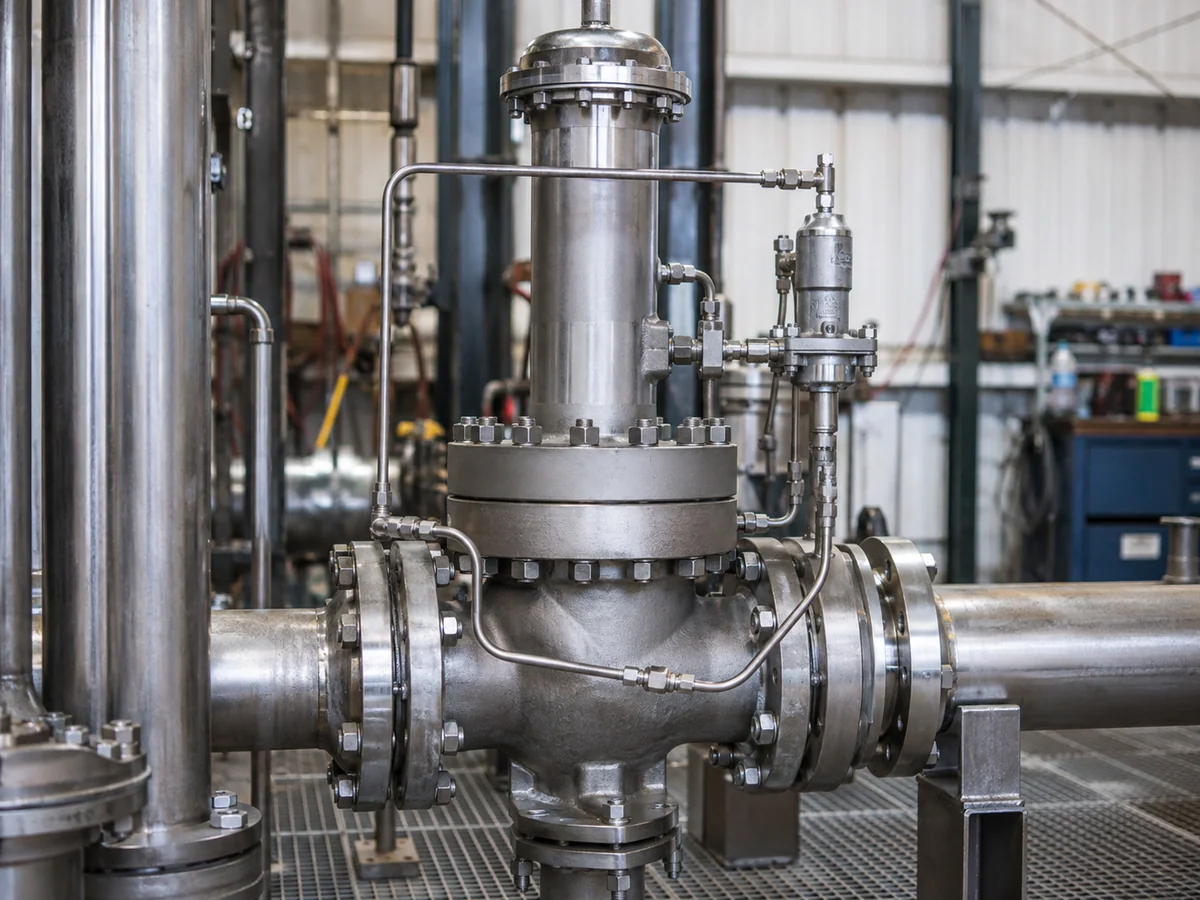
Поиск и устранение неисправностей предохранительных клапанов с пилотным управлением
Предохранительные клапаны с пилотным управлением могут стать ненадежными в условиях загрязненной, воскообразной, загрязняющей или полимеризующейся среды, поскольку пилотный контур зависит от небольших каналов восприятия давления, фильтров, дросселей, седел пилота и каналов давления в куполе. Для создания серьезной проблемы защиты от давления не обязательно, чтобы отложение блокировало сопло основного клапана.
Если пилот не может правильно воспринимать давление, заряжать или сбрасывать давление в куполе в нужный момент или чисто закрываться, основной клапан может открываться с опозданием, работать нестабильно, пропускать или не закрываться. Самый важный вопрос — не называется ли клапан пилотным, а может ли выбранный пилотный контур оставаться работоспособным в реальных условиях эксплуатации.
Это не означает, что предохранительный клапан с пилотным управлением автоматически непригоден для любых загрязненных сред. Это означает, что перед оформлением заказа или заменой необходимо проверить условия эксплуатации на предмет типа загрязнений, образования воска или полимеров, температурного режима, данных о давлении, требуемой пропускной способности, противодавления, возможности установки и обслуживания.
Краткий ответ: Почему загрязненная среда создает особый риск для предохранительных клапанов с пилотным управлением
Предохранительный клапан с пилотным управлением использует пилотную систему для управления давлением над диском или поршнем основного клапана. В чистой среде это может обеспечить высокое рабочее давление, плотную посадку и контролируемое открытие. В загрязненной, воскообразной или полимеризующейся среде тот же контур управления может стать слабым местом.
Основной риск заключается не только в “грязи в клапане”. Инженерный вопрос заключается в том, может ли пилот по-прежнему передавать, сбрасывать и восстанавливать управляющее давление с требуемым для расчетного сценария сброса давления временем.
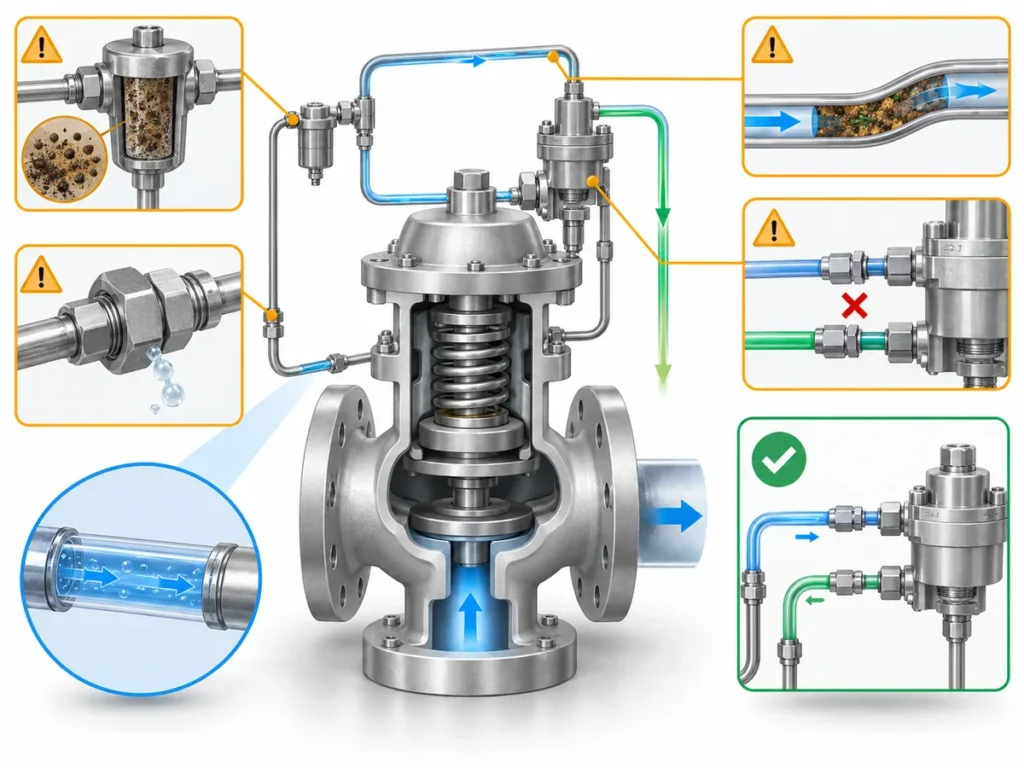
Главный клапан может быть чистым, а пилотный контур уже нарушен
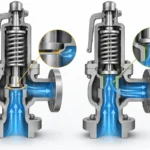
Частая ошибка при диагностике — проверять только седло, сопло и выход главного клапана, а затем считать клапан исправным, поскольку основной проход не имеет видимых засоров. В конструкции с пилотным управлением главный клапан и пилотный контур выполняют разные функции.
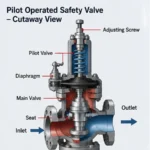
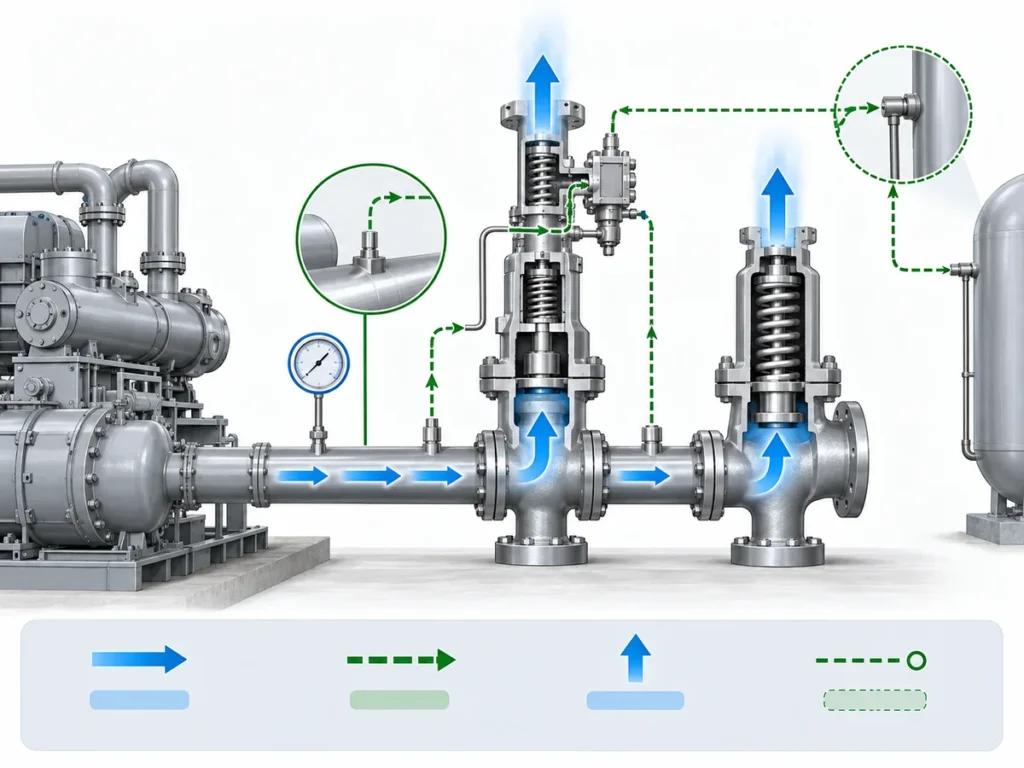
Главный клапан обеспечивает путь сброса давления. Пилотный контур определяет, когда и как главному клапану разрешено открываться и закрываться. Если импульсная линия или дроссель пилота частично засорены, пилот может не получать фактическое давление сосуда или трубопровода достаточно быстро. Если путь сброса из купола ограничен, главный клапан может не открыться должным образом. Если путь зарядки купола ограничен после сброса, клапан может закрываться медленно или продолжать пропускать среду.
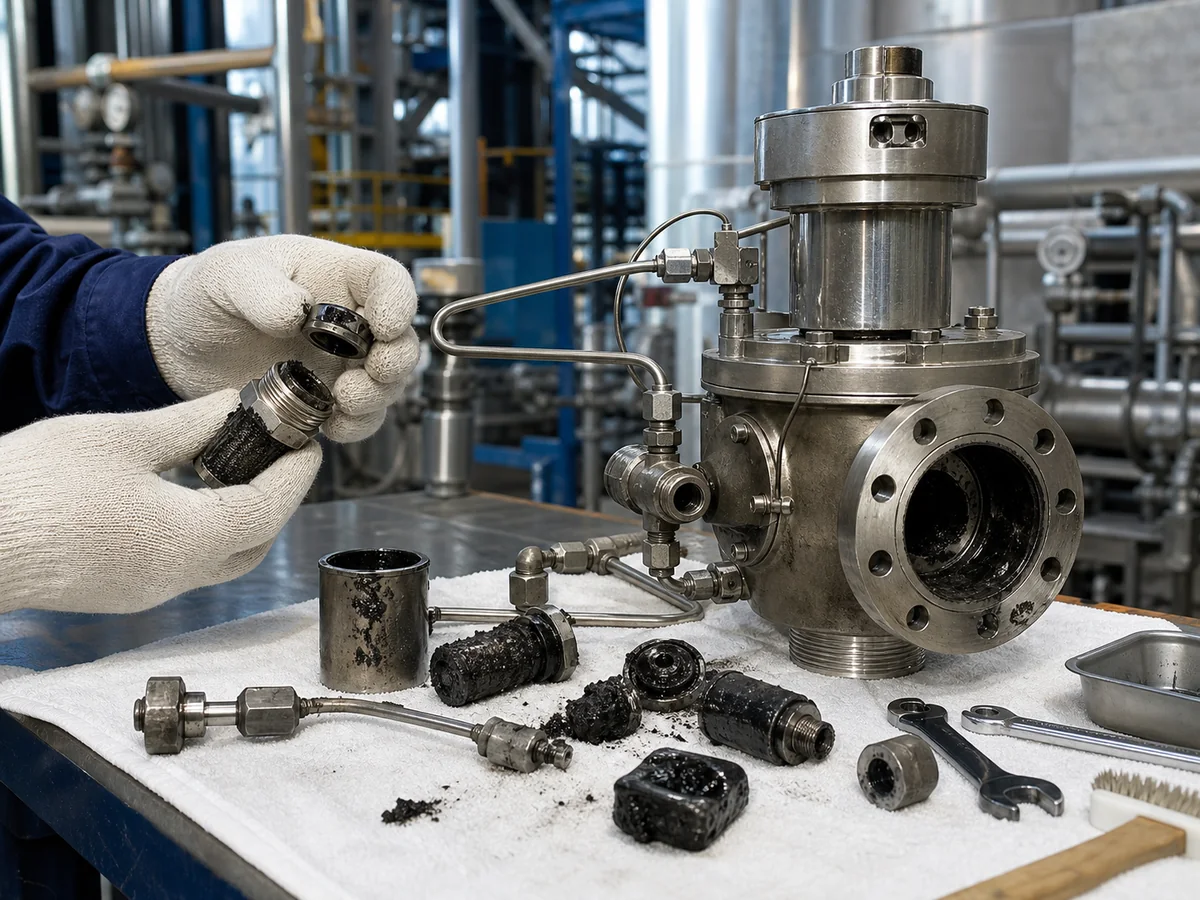
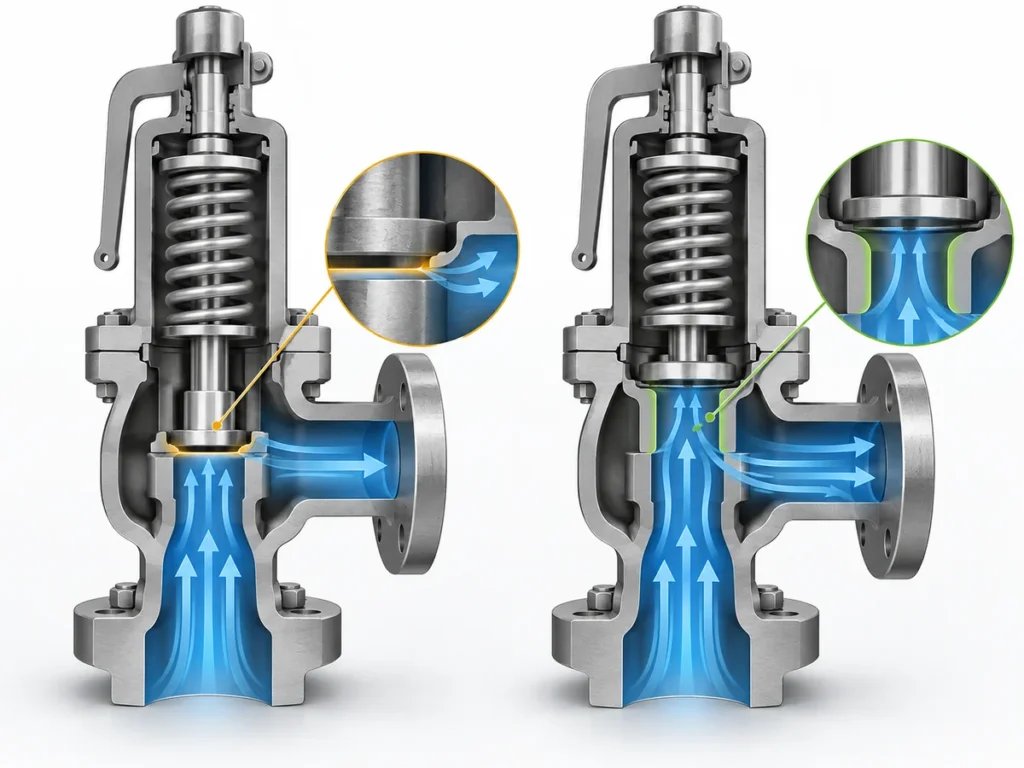
Упрощенная инженерная иллюстрация; не является производственным чертежом или сертифицированным сечением модели.
Цепочка отказов: загрязнение процесса попадает или образуется внутри малого прохода → проход становится суженным, липким или забитым → передача давления или сброс из купола изменяются → реакция пилота изменяется → открытие главного клапана, стабильность или повторная посадка становятся ненадежными.
Вот почему предохранительные клапаны с пилотным управлением в условиях загрязненной среды должны рассматриваться как полные системы управления, а не только корпуса главного клапана.
Элементы пилотного контура, требующие отдельного рассмотрения
| Зона пилотного контура | Риск при загрязненной среде | Инженерная проверка |
|---|---|---|
| Линия импульса | Забит, частично ограничен, охлажден, покрыт воском или заполнен отложениями | Трассировка, уклон, длина, риск изоляции, потери тепла и обнаруженные отложения |
| Вход пилота / ограничитель | Твердые частицы или липкие отложения замедляют реакцию пилота | Чистота, состояние фильтра и геометрия прохода в соответствии с конструкцией производителя |
| Седло пилота | Частицы или отложения препятствуют плотной посадке пилота | Состояние седла, история утечек, протокол очистки и совместимые мягкие уплотнения |
| Канал зарядки купола | Медленное восстановление давления в куполе после сброса | Восстановление давления в куполе, отложения и состояние трубопровода пилота |
| Канал сброса / выпуска купола | Главный клапан может открываться медленно или не достигать ожидаемого поведения открытия | Чистота канала сброса, трассировка и одобренная производителем схема |
| Фильтр или сетка | Защищает каналы пилота, но может стать точкой ограничения | Интервал осмотра, состояние элемента, влияние давления и доступ для обслуживания |
Не все загрязненные среды отказывают одинаково
Загрязненные частицами, воскообразные и полимеризующиеся среды не следует относить к одной общей категории “загрязненная среда”. Каждый механизм воздействует на пилотную схему по-разному, и каждый из них меняет инженерное решение.
| Механизм эксплуатации | Типичное место отказа | Что меняет решение |
|---|---|---|
| Загрязнение твердыми частицами | Фильтр, импульсная линия, вход пилота, дроссель, седло пилота | Загрузка частицами, источник загрязнений, схема фильтрации, чистота при пуске и доступ для обслуживания |
| Отложение восков или тяжелых углеводородов | Охлаждаемые линии малого диаметра, застойные участки трубопровода, каналы пилота с малым расходом | Температурный профиль, температура начала кристаллизации воска, условия останова, температура окружающей среды и теплопотери |
| Полимеризующаяся или реакционноспособная среда | Канал управления с малым расходом, застойная полость, седло пилота или трубопровод | Время пребывания, химический состав, зависимость от ингибитора, температурный диапазон и повторяемость после очистки |
| Неизвестное поведение загрязнений | Не может быть принято без проверки | Не завершайте выбор до определения рабочей среды, отложений и истории технического обслуживания |
Среда с твердыми частицами: как твердые частицы засоряют или ограничивают контур управления
Среда с твердыми частицами может включать ржавчину, окалину, катализаторную пыль, мусор из трубопровода, продукты коррозии, песок, технологические твердые частицы или вынос из вышестоящего оборудования. Эти частицы могут быть периодическими, а не постоянными. Клапан может пройти первоначальную проверку и все же стать ненадежным после пуска, технического обслуживания, очистки линии, замены катализатора или нарушения технологического режима на вышестоящем оборудовании.
Задержка передачи сигнала
Частично засоренная линия передачи сигнала может задержать передачу сигнала давления к пилоту. Клапан может выглядеть исправным при статической проверке, но реагировать слишком медленно во время реального события.
Загрязнение фильтра
Фильтр пилота может защитить нижележащие каналы, но он становится элементом технического обслуживания. Если он забивается твердыми частицами, он может стать следующей точкой ограничения.
Ошибка давления в полости над мембраной
Ограниченная зарядка или сброс могут привести к тому, что главный клапан сработает в неправильное время, откроется медленно, закроется с опозданием или будет протекать после срабатывания.
Частичное ограничение часто труднее диагностировать, чем полную закупорку. Полностью закупоренная линия может быть обнаружена при проверке. Частично ограниченный путь может все еще пропускать некоторое давление, но недостаточно быстро для стабильного защитного действия во время реального сброса давления.
Важное замечание: Фильтрация не является эквивалентом квалификации для работы в среде с твердыми частицами. Фильтр может уменьшить количество твердых частиц до фильтра, но он не может автоматически предотвратить выпадение воска, образование полимеров, липкие отложения на седле пилота, неправильную прокладку линии передачи сигнала или неподходящее температурное воздействие.
Среда с воскообразными и тяжелыми углеводородами: отложения могут зависеть от температуры
Воскообразная среда отличается от обычной загрязненной среды. Жидкость может выглядеть приемлемой при нормальной рабочей температуре, но затем откладывать воск при снижении температуры в чувствительной линии малого диаметра, трубке пилота, внешнем соединении или застойной зоне.
Основная технологическая линия может оставаться горячей и с потоком, в то время как контур пилота испытывает более низкую скорость и другие тепловые условия. Это может привести к локальному отложению, даже если защищаемое оборудование не выглядит сильно загрязненным. Для нагретых, вязких или застывающих сред, предохранительные клапаны с рубашкой обогрева может быть частью более широкого анализа условий эксплуатации, но они не являются автоматической заменой оценки POSV для загрязненных сред.
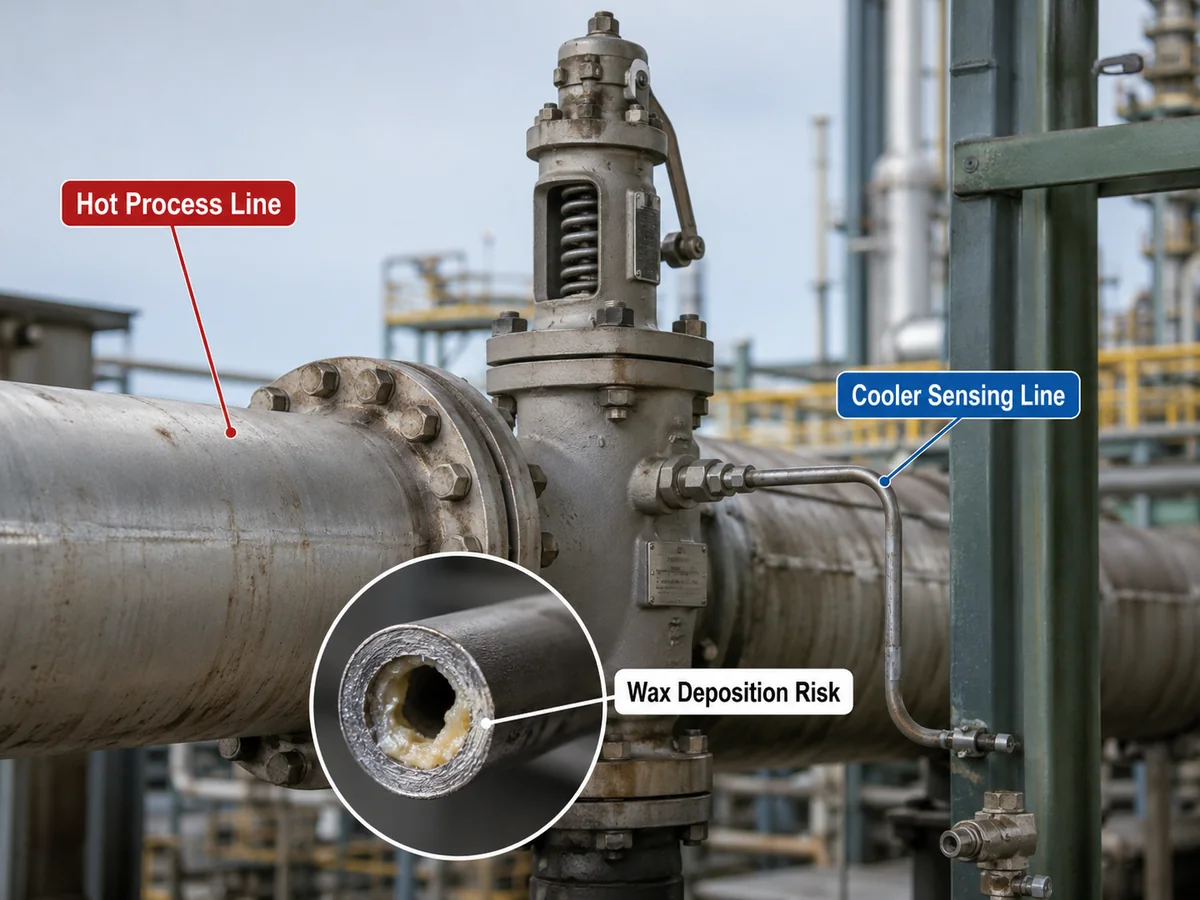
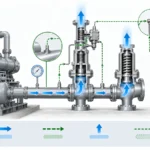
Концептуальный инженерный рисунок; температура и поведение воска должны быть подтверждены для фактической технологической среды.
Важные моменты для проверки включают нормальную рабочую температуру, температуру сброса, температуру при пуске и остановке, минимальную температуру окружающей среды, потери тепла из линий чувствительности малого диаметра, застойные зоны или тупиковые участки, трассировку и уклон трубопроводов, требования к изоляции или тепловому сопровождению, а также то, охлаждается ли среда ниже температуры появления воска или условий отложения.
Изоляция или тепловое сопровождение не должны рассматриваться как автоматическое решение. Их необходимо проверять с учетом технологической среды, конструкции клапана, схемы чувствительности, доступа для обслуживания и требований безопасности проекта. В некоторых случаях наиболее тяжелым условием является не нормальная эксплуатация, а холодный пуск, остановка, простой, зимняя эксплуатация или периодический режим работы.
Полимеризующаяся среда: небольшое сужение может стать растущим отложением
Полимеризующаяся среда требует еще более тщательной проверки, поскольку отложение может образовываться внутри контура пилота, а не просто поступать в виде грязи из вышестоящего трубопровода. Если технологическая среда может полимеризоваться при определенных температуре, времени пребывания, воздействии кислорода, катализаторе, ингибиторе, давлении или условиях застоя, малые проходные каналы становятся зонами высокого риска.
Наиболее важное отличие — прогрессирование. Небольшое количество полимерных отложений может изменить реакцию на давление. Это изменение может увеличить время пребывания или уменьшить промывку. Сужение со временем может усиливаться.
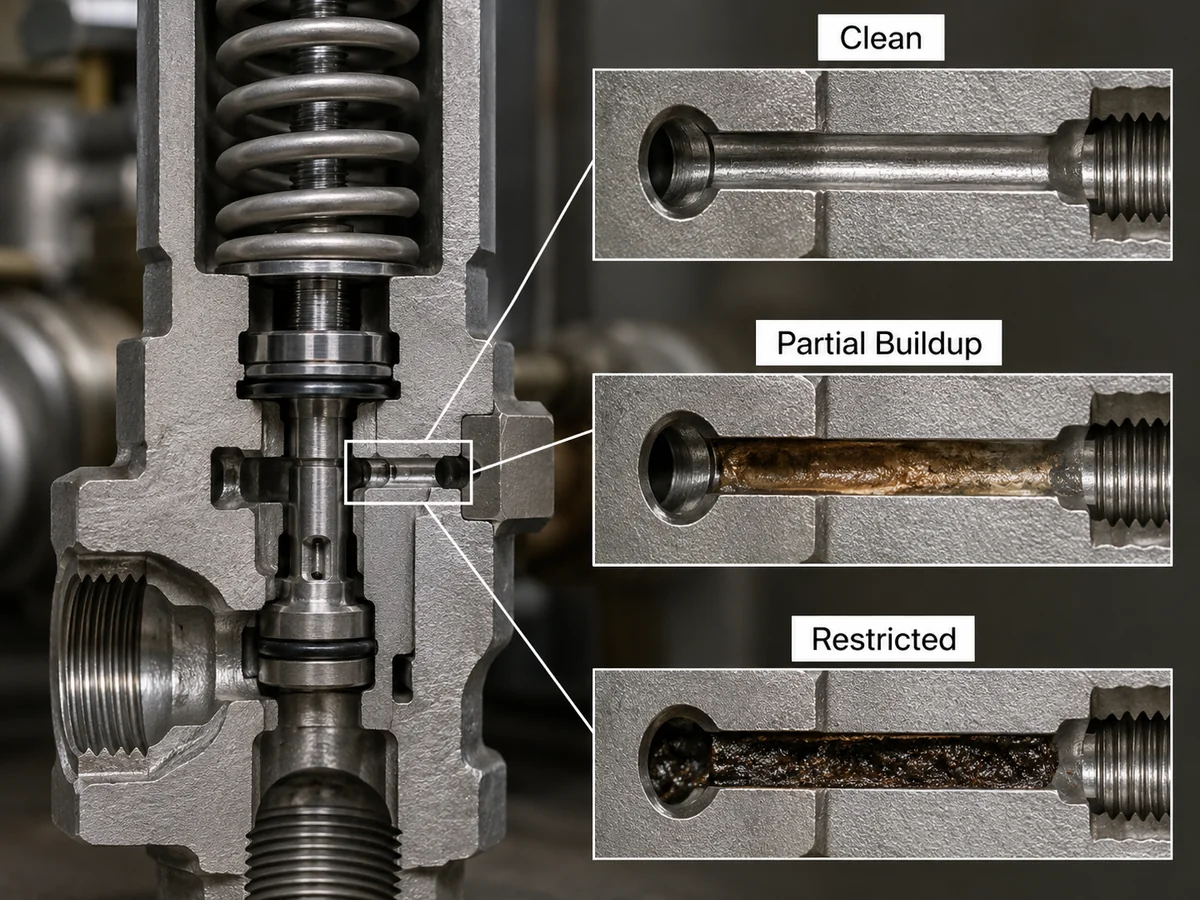
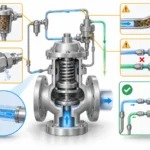
Упрощенная инженерная иллюстрация; фактический риск полимеризации зависит от химии процесса и условий эксплуатации.
Повторяющийся цикл очистки и возврата в эксплуатацию является предупреждающим признаком. Если очистка пилота временно восстанавливает работу, но симптомы повторяются, корневая причина может быть не в плохом обслуживании. Возможно, выбранная схема пилота создает или обнажает застойную зону, где среда нестабильна.
Для полимеризующихся сред при запросе предложения или замене не следует ограничиваться только размером клапана, давлением настройки и фланцевым исполнением. Необходимо учитывать состав среды, механизм полимеризации, зависимость от ингибиторов, температурный диапазон, чувствительность к застойным зонам, историю обслуживания и подтверждение производителя для предлагаемой конфигурации пилота.
Какое поведение при отказе следует ожидать инженерам?
Загрязненная, воскообразная или полимеризующаяся среда может вызывать несколько наблюдаемых симптомов. Эти симптомы сами по себе не доказывают корневую причину, но указывают, где следует начать проверку.
- задержка открытия;
- нестабильное поведение при настройке в процессе эксплуатации;
- нестабильная модуляция или цикличность, если пилот модулирует;
- открытие основного клапана медленнее, чем ожидалось;
- неполная разрядка полости над мембраной;
- медленное восстановление давления в полости над мембраной;
- утечка после срабатывания;
- отсутствие чистого повторного закрытия;
- увеличение частоты технического обслуживания;
- повторное загрязнение после очистки;
- различное поведение после остановки, в холодную погоду или при изменении состава технологической среды.
| Наблюдаемый симптом | Возможный механизм загрязнения | Что проверить в первую очередь | Не предполагайте |
|---|---|---|---|
| Задержка срабатывания | Зауженная импульсная линия или вход пилота | Чистота импульсной линии, состояние фильтра и трассировка | Неправильное давление настройки |
| Медленное открытие главного клапана | Зауженный сброс из купола или выхлоп пилота | Путь сброса из купола, выхлоп пилота и каналы управления | Заужено главное сопло |
| Негерметичность посадки | Загрязнение седла пилота или медленная репрессуризация купола | Пилотное седло, канал зарядки купола и отложения | Повреждено только основное седло |
| Прерывистая утечка | Отложения на пилотном седле или нестабильное пилотное управление | Состояние пилота, уплотнения и история обслуживания | Причина только в материале седла |
| Циклирование или нестабильность | Сочетание загрязнения, потери давления на входе, противодавления или неправильного расчета | Пилотный контур, потеря давления на входе, выходная система и расчет клапана | Загрязненная среда — единственная причина |
| Увеличение периодичности технического обслуживания | Прогрессирующее загрязнение, отложения воска или образование полимеров | Тип отложений, записи по очистке и рабочий цикл | Сокращение интервала технического обслуживания является постоянным решением |
| Проблемы после холодной остановки | Отложение воска или тяжелой жидкости в линиях малого диаметра | Температурный профиль, трассировка трубопровода и застойные участки | Нормальная рабочая температура подтверждает пригодность |
| Повторное загрязнение после очистки | Отложение внутри контура управления | Склонность к полимеризации, застойный объем и химия процесса | Очистка сама по себе решает проблему |
Не диагностируйте загрязнение пилота, пока не исключите причины на уровне системы
Загрязнение пилота — лишь одно из возможных объяснений. Устройство сброса давления является частью установленной системы. Прежде чем решить, что загрязненная среда вызвала отказ, инженеры должны также рассмотреть причины на уровне системы.
Потеря давления на входе
Чрезмерная потеря давления между защищаемым оборудованием и входом клапана может вызвать нестабильную работу. Ограниченный контур пилота может создавать аналогичный симптом, поэтому необходимо проверить оба. руководство по установке предохранительного клапана следует проверять, если входное соединение, место отбора импульса, опоры трубопровода или схема сброса могут влиять на поведение клапана.
Противодавление на выходе
Противодавление может изменять поведение предохранительного клапана в зависимости от типа клапана, конструкции и системы сброса. Постоянное противодавление и противодавление, создаваемое при сбросе, следует рассматривать отдельно. Клапан с пилотным управлением не решает автоматически любую проблему противодавления, а загрязненная среда не отменяет необходимости проверки сбросного трубопровода и сопротивления выходной системы. Для справки ознакомьтесь с противодавление и сильфон.
Расчет запаса и рабочий диапазон
Клапан завышенного размера, недостаточный стабильный расход, плохой рабочий диапазон или неправильно выбранное проходное сечение также могут вызывать нестабильную работу. Давление настройки — это не пропускная способность. Размер присоединения не является сертифицированной или задокументированной пропускной способностью. Клапан может быть физически подключен к системе и при этом не соответствовать требуемой нагрузке сброса. Основание пропускной способности следует проверять по расчету предохранительных клапанов и сертифицированной пропускной способности.
Проверка системы сброса
Если симптом может быть связан с сбросным трубопроводом, депрессуризацией, потерей давления на входе, определением сценария сброса или взаимодействием системы, проверка не должна ограничиваться корпусом клапана. Более широкий Системы сброса давления API 521 контекст может быть важен при оценке того, поддерживает ли установленная система по-прежнему предполагаемую защитную функцию.
Проблемы обслуживания или сборки
После ремонта или очистки ошибка сборки, поврежденные уплотнения, неправильные мягкие уплотнения, забитые трубки, неправильная настройка пилота или неполные испытания могут создавать симптомы, похожие на загрязнение технологической среды. Проверьте записи о состоянии до и после ремонта, прежде чем принимать решение о замене.
Опасные упрощения, которых следует избегать при замене ПОСВ в условиях загрязненной среды
Не заменяйте только по размеру фланца
Размер присоединения подтверждает только физическое соединение. Он не подтверждает выбранное проходное сечение, коэффициент, сертифицированную пропускную способность, среду или пригодность для governing сценария сброса.
Не путайте давление настройки с пропускной способностью
Давление настройки определяет параметр настройки клапана. Оно не подтверждает требуемую пропускную способность, номинальную производительность, поведение двухфазной среды или пригодность после изменения технологического процесса.
Не добавляйте фильтр без проверки
Фильтр может помочь, но также может стать ограничением. Важны размер фильтра, доступ, состояние элемента, интервал технического обслуживания и одобрение производителя.
Не изменяйте импульсные линии пилота неофициально
Место отбора давления, трассировка трубок, вентиляция, продувка, обогрев и подача чистого воздуха влияют на защитную функцию и не должны изменяться на месте без инженерной проверки.
Продувка, дистанционный отбор давления, подача чистого воздуха, обогрев и другие меры требуют проектной проработки
Существуют возможные стратегии для некоторых загрязненных, вязких или полимеризующихся сред, но они должны быть реализованы как инженерные решения, а не как полевые импровизации.
Чистый или внешний источник питания пилота
Это может снизить воздействие загрязнений на контур пилота, но совместимость с конструкцией клапана и функцией защиты по давлению должна быть подтверждена.
Продувка или дистанционный отбор давления
Система продувки не должна ухудшать точность измерения, а линия дистанционного отбора давления должна по-прежнему отражать давление защищаемого оборудования.
Контроль температуры
Теплоспутник или изоляция могут быть актуальны для вязких сред, но это должно быть проверено с учетом поведения жидкости, требований безопасности и доступа для обслуживания.
Другие направления проверки могут включать одобренные производителем фильтры пилота, альтернативную прокладку импульсных линий, минимизацию застойных объемов, специальные компоновки пилота для конкретных условий эксплуатации, доступные точки осмотра и определенные доказательства технического обслуживания на основе фактической истории эксплуатации.
Не изменяйте пилотный контур на месте без одобрения инженерной службы. Несогласованные изменения импульсных линий, фильтров, вентиляционных отверстий, чистого источника питания, продувки или обогрева могут нарушить защитную функцию.
Доказательства производителя и ограничения
Документация производителя на предохранительные клапаны с пилотным управлением обычно показывает, что для определенных семейств продукции могут существовать специальные аксессуары или конфигурации для конкретных условий эксплуатации. Примеры включают дистанционное измерение давления, фильтрацию пилота, схемы с чистым источником среды, варианты для загрязненных сред и другие модификации пилотного контура. Это подтверждает необходимость проверки производителем, но не делает фильтрацию, продувку, дистанционное измерение давления или обогрев универсальным решением для всех загрязненных сред.
- Документация Emerson Anderson Greenwood по предохранительным клапанам с пилотным управлением показывает варианты семейства продукции, такие как дистанционное измерение давления. Это специфические для продукции опции, а не общее одобрение для всех условий эксплуатации.
- Документация Baker Hughes Consolidated 3900 POSRV включает контекст опций для загрязненных сред / осаждения / вязких жидкостей для определенного семейства продукции POSRV. Это следует использовать как доказательство, специфичное для производителя, а не как заявление о модели ZOBAI.
Для рассмотрения запроса котировки ZOBAI это означает, что покупатель должен предоставить фактическую технологическую среду, фазу, загрязняющие вещества, температурный профиль, данные о давлении, требуемую пропускную способность, противодавление, схему измерения давления и доказательства технического обслуживания. Окончательная конфигурация должна быть подтверждена в соответствии с выбранной серией клапанов, данными производителя, применимой редакцией кодекса, проектной спецификацией и местными нормативными требованиями.
Когда следует пересмотреть использование предохранительного клапана с пилотным управлением?
Предохранительный клапан с пилотным управлением может по-прежнему подходить для некоторых загрязненных сред, если механизм загрязнения понятен и одобренная производителем конфигурация устраняет риск. Его следует пересмотреть, когда существует высокая вероятность засорения, отложения, роста полимеров или отказа обслуживания в контуре управления.
| Условие эксплуатации | Направление проверки ПОК | Основная проблема |
|---|---|---|
| Чистый газ или пар | Обычная проверка ПОК | Стандартные параметры давления, пропускной способности, противодавления и материалов |
| Эпизодические мелкие твёрдые частицы | Специальная проверка пилота и фильтра | Доказательства ограничения и обслуживания |
| Высокая загрузка твёрдыми частицами | Проверка с высоким риском | Быстрое засорение фильтра или проходных сечений |
| Воскообразный углеводород | Проверка температуры и отложений | Малопроходные холодные зоны и застойные участки |
| Полимеризующаяся среда | Специализированная проверка обслуживания | Рост отложений в каналах управления с малым расходом |
| Неизвестный механизм загрязнения | Не завершайте выбор | Недостаточное определение условий эксплуатации |
| Частое повторное загрязнение | Пересмотр конфигурации клапана | Очистка может не устранить первопричину |
| Ответственный режим с ограниченным доступом | Тщательная проверка надежности | Осмотр и техническое обслуживание могут быть затруднены |
Итоговое направление выбора: сохранить, пересмотреть или пересмотреть
Сохранить путь проверки POSV
Используйте обычный маршрут проверки POSV только в том случае, если среда достаточно чистая, пилотная схема совместима с условиями эксплуатации, требуемая пропускная способность и противодавление подтверждены, а доступ для технического обслуживания реален.
Требуется специальный анализ ПОСВ
Используйте этот маршрут при периодическом наличии твердых частиц, склонности к отложению парафина, риске засорения фильтра, неопределенности в импульсных линиях или истории эксплуатации, показывающей перемежающееся загрязнение, но не неконтролируемый рост отложений.
Пересмотреть конфигурацию
Пересмотрите конфигурацию клапана сброса давления, если в рабочей среде есть обильные твердые частицы, повторяющиеся парафиновые закупорки, рост полимеров, неизвестные отложения, плохой доступ для обслуживания или повторные отказы после очистки. Более широкий выбор клапанов можно затем рассмотреть через руководство по выбору предохранительных клапанов.
Альтернативные конфигурации следует оценивать с учетом фактического сценария сброса, требуемой пропускной способности, противодавления, совместимости материалов, монтажа и применимых норм. Их не следует выбирать только потому, что среда описана как загрязненная.
Данные осмотра и технического обслуживания, которые следует проанализировать
Для существующего клапана наиболее полезными данными обычно является состояние при обнаружении. Перед заказом замены соберите информацию, показывающую, где начинается цепочка отказов.
- фотографии состояния фильтра пилота;
- отложения, обнаруженные в импульсных линиях;
- загрязнение седла пилота;
- состояние трубки купола;
- частота очистки;
- дата и состояние после последнего технического обслуживания;
- давление настройки в состоянии до и после срабатывания;
- результаты испытаний на герметичность седла, если применимо;
- история утечек;
- история рабочих температур;
- история остановок или холодной погоды;
- изменения состава технологической среды;
- события технического обслуживания или загрязнения на входе;
- существующий паспорт и заводская табличка;
- ранее замененные детали и уплотнения;
- записи об изменениях в управлении.
Испытание давления настройки само по себе не доказывает, что установленный клапан подходит для работы с загрязненной средой. Герметичность седла, реакция пилота, пропускная способность, монтаж трубопровода и загрязнение рабочей среды должны быть проверены отдельно.
Данные для запроса котировки и замены для сред с загрязнениями, воском или полимеризацией
Перед запросом котировки или рекомендации по замене предоставьте достаточно данных для определения функции защиты и риска загрязнения.
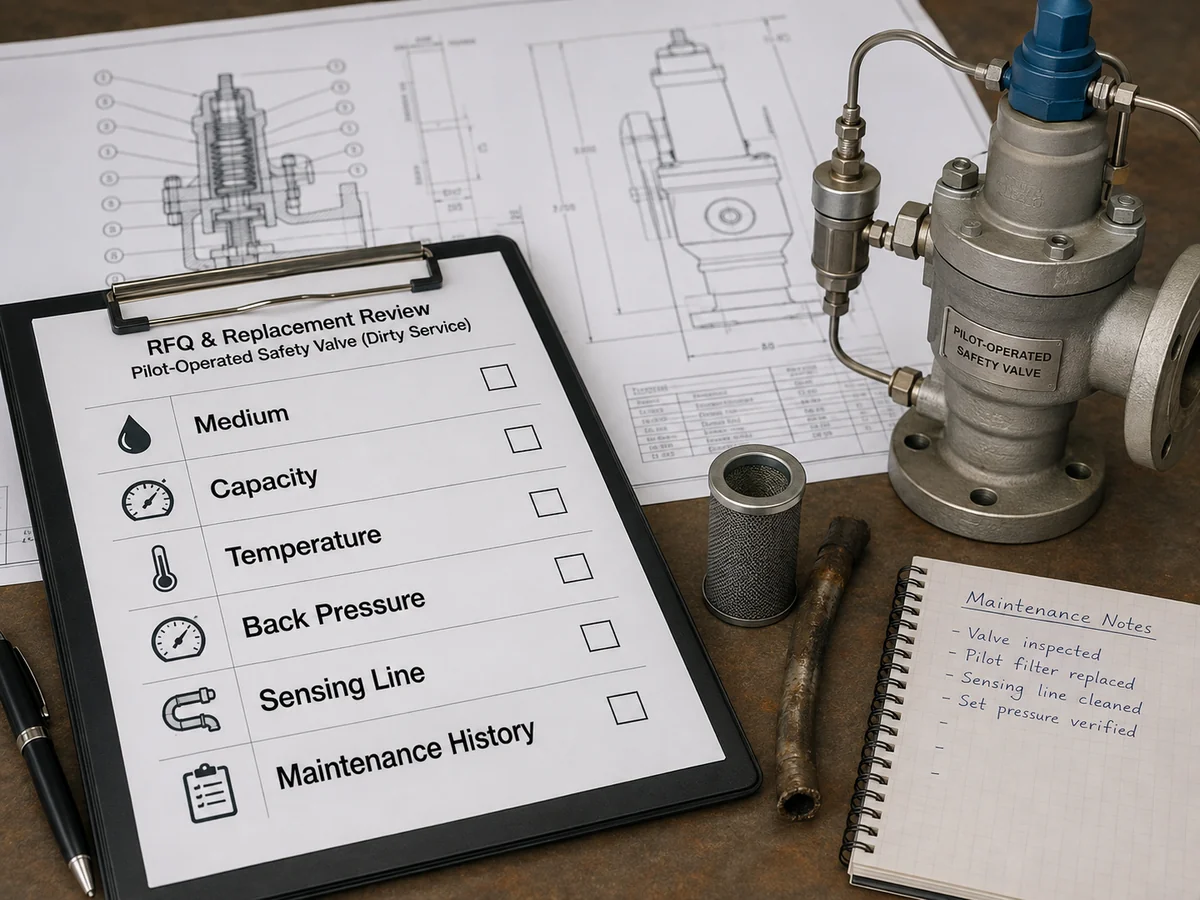
Контрольный список носит справочный характер и не заменяет инженерную экспертизу проекта.
| Требуемые данные | Почему это важно |
|---|---|
| Защищаемое оборудование | Подтверждает, что необходимо защитить |
| Управляющий сценарий сброса давления | Определяет, почему клапан должен сбрасывать давление |
| Среда и состав | Выявляет риски загрязнения, воска или полимеризации |
| Фазовый состав | Газовые, паровые, жидкостные и двухфазные среды не взаимозаменяемы |
| Описание твердых частиц или загрязнений | Определяет риск засорения и забивки фильтра |
| Склонность к отложению воска или осадка | Определяет риск загрязнения, связанный с температурой |
| Склонность к полимеризации | Определяет риск роста отложений в застойных каналах |
| Рабочее давление / Максимальное рабочее давление / давление настройки | Разделяет нормальную эксплуатацию, предел защищаемого оборудования и настройку клапана |
| Требуемая производительность сброса и основа для расчета производительности | Подтверждает расходную нагрузку, подлежащую защите |
| Температура сброса | Влияет на материал, отложения и основу расчета |
| Наложенное и нарастающее противодавление | Влияет на поведение клапана до и во время сброса |
| Схема подводящего и отводящего трубопроводов и импульсной линии | Помогает оценить потери на входе, эффекты сброса и геометрию, склонную к загрязнению |
| Существующая схема фильтра, продувки или подачи чистого агента | Показывает текущую стратегию контроля загрязнений |
| Материалы и эластомерные уплотнения | Подтверждает совместимость с рабочей средой и температурой |
| Существующая табличка, паспорт и история технического обслуживания | Исключает замену только по внешнему виду |
| Применимый стандарт и документы | Определяет основу приемки проекта |
Основной риск при выборе — замена клапана только по внешнему виду, размеру фланца или уставке давления на шильдике. Размер присоединения сам по себе не подтверждает пропускную способность, а уставка давления сама по себе не гарантирует, что выбранный клапан защитит расчетный режим сброса.
Для проверки расчета см. руководство ZOBAI по Расчет предохранительных клапанов по API 520.
Порядок расследования отказа перед заменой
- Подтвердите защищаемое оборудование и соответствующий сценарий сброса давления. Не диагностируйте клапан отдельно от системы, которую он защищает.
- Зафиксируйте данные до вмешательства. Сфотографируйте фильтр пилота, импульсную линию, отложения, трубки, седло пилота и результаты обслуживания до очистки.
- Определите механизм загрязнения. Разделите твердые частицы, отложения парафина, рост полимеров, унос жидкости и неизвестные загрязнения.
- Проверьте влияние системы. Проверьте потери на входе, противодавление на выходе, запас по рабочему давлению, расчет клапана и сбросной трубопровод, прежде чем обвинять только пилот.
- Проверьте схемы, одобренные производителем. Подтвердите, поддерживаются ли для выбранной конструкции клапана фильтр, продувка, подача чистого воздуха, дистанционное измерение давления или обогрев.
- Повторно проверьте пропускную способность и нормативную базу. Требуемая пропускная способность, сертифицированная/документированная пропускная способность, фаза рабочей среды и принятая редакция стандарта должны быть подтверждены.
- Определите, допустима ли замена на клапан того же типа. Если механизм отказа остается невыясненным, повторение той же конфигурации клапана может привести к повторению отказа.
Комплексные инженерные сценарии
Следующие сценарии являются иллюстративными учебными примерами. Они не являются случаями клиентов ZOBAI и не должны рассматриваться как подтверждение характеристик продукции.
Комбинированный сценарий 1: Загрязнение твердыми частицами после технического обслуживания вышестоящего оборудования
Клапан с пилотным управлением начинает срабатывать нестабильно после вскрытия вышестоящего оборудования для технического обслуживания. Седло основного клапана выглядит приемлемо, но в линии передачи давления и в фильтре пилота обнаружены посторонние частицы. Вероятная цепочка отказа: миграция частиц, частичное засорение пилота и задержка передачи давления.
Корректирующее действие не сводится к простому сбросу клапана. Необходимо проверить линию передачи давления, фильтр пилота, седло пилота и чистоту вышестоящего оборудования. Меры предотвращения могут включать контроль чистоты при пуске, проверку фильтрации и требования к документальному подтверждению технического обслуживания.
Комбинированный сценарий 2: Воскообразный углеводород после холодной остановки
Клапан работает приемлемо при нормальной работе в горячем режиме, но становится ненадежным после холодной остановки. При осмотре обнаружены воскообразные отложения в наружном соединении линии передачи давления малого диаметра. Вероятная цепочка отказа: падение температуры, отложение воска и ограничение передачи давления.
Проверка должна включать минимальную температуру окружающей среды, условия остановки, трассировку трубопроводов, застойные зоны и одобренные производителем варианты контроля температуры. Не следует предполагать, что только изоляция решит проблему.
Комбинированный сценарий 3: полимеризующаяся среда с повторной очисткой
Клапан возвращается к нормальной работе после очистки пилота, но аналогичные симптомы появляются снова после периода эксплуатации. Цепочка отказов может быть связана с образованием полимера в канале пилота с низким расходом или в застойном контрольном объеме.
Повторная очистка может восстановить кратковременную работу, не устраняя корневую причину. Химический состав среды, время пребывания, схема пилота и пригодность конфигурации клапана должны быть рассмотрены перед выбором той же конструкции замены.
Стандарты и инженерные границы
Предохранительные клапаны с пилотным управлением могут быть определены и проверены в соответствии с принятыми в проекте стандартами сброса давления и нормами на оборудование под давлением. ISO 4126-4 является стандартом на продукцию для предохранительных клапанов с пилотным управлением и не должен рассматриваться как одобрение применения для каждой грязной, воскообразной или полимеризующейся среды. ZOBAI также предоставляет внутренний обзор Стандарты ISO 4126 для предохранительных клапанов для покупателей, которым нужен более широкий контекст стандартов. API 520 Часть I является справочником по расчету и выбору устройств сброса давления для нефтеперерабатывающей промышленности. API 521 рассматривает системы сброса давления и разгрузки. ASME BPVC Раздел XIII является справочником по правилам защиты от превышения давления.
Принятая редакция, требования юрисдикции, данные производителя и спецификация проекта должны быть проверены для каждого проекта. Эта статья не заменяет расчет системы сброса давления, проверку производителем или местное нормативное одобрение.
Часто задаваемые вопросы
Можно ли использовать предохранительные клапаны с пилотным управлением в средах с загрязнениями?
Иногда, но не по умолчанию. Загрязненная среда требует анализа механизма загрязнения, пилотной цепи, линии отбора давления, системы фильтрации или продувки, доступа для обслуживания, температурных условий и конфигурации, одобренной производителем.
Может ли фильтр пилота предотвратить отказ клапана с пилотным управлением?
Фильтр может снизить загрязнение твердыми частицами, поступающими в контур пилота, но он также может стать ограничением. Он не предотвращает автоматически отложение воска, образование полимеров, липкие отложения на седле пилота или неправильную прокладку импульсной линии.
Почему в импульсных линиях пилота накапливается воск?
Воск может оставаться подвижным в горячей технологической линии, но откладываться при охлаждении линий малого диаметра или трубок пилота. Низкая скорость потока, застойные участки, холодная остановка и плохая трассировка могут увеличить риск отложений.
Почему полимеризующаяся среда сложна для клапана с пилотным управлением?
Полимеризующаяся среда может образовывать отложения в каналах управления с низким расходом или в застойных зонах. Даже небольшое накопление отложений может изменить реакцию пилота, сброс давления из полости над мембраной или поведение при повторной посадке клапана.
Может ли загрязненная среда привести к позднему открытию клапана с пилотным управлением?
Да. Если линия отбора давления, вход пилота, фильтр или дросселирующее отверстие управления частично засорены, давление может не поступать к пилоту корректно или достаточно быстро. Реакция клапана может быть замедленной или нестабильной.
Как определить, вызвана ли нестабильность загрязнением пилота или трубопроводом?
Проверьте оба параметра. Потеря давления на входе, противодавление на выходе, выбор клапана завышенного размера, недостаточный рабочий запас и влияние нагнетательного трубопровода также могут вызывать нестабильность. Загрязнение пилота следует подтвердить данными осмотра.
Когда следует рассмотреть другую конфигурацию предохранительного клапана?
Рассмотрите другую конфигурацию, если рабочая среда содержит большое количество твердых частиц, наблюдается повторное отложение парафина, образование полимеров, затруднен доступ для обслуживания, неизвестно поведение загрязнений или происходит повторное засорение пилота, несмотря на очистку и анализ со стороны производителя.
Запросить инженерную проверку перед заменой POSV для грязных сред
Если предохранительный клапан с пилотным управлением используется в среде с загрязнениями, воскообразными или полимеризующимися веществами, перед выбором заменяющего клапана отправьте технологические условия. Правильный анализ должен определить, можно ли спроектировать пилотный контур для данной среды, или следует рассмотреть другую конфигурацию сброса давления.
Укажите защищаемое оборудование, определяющий сценарий сброса, рабочую среду и фазу, описание загрязнений, рабочее давление, MAWP или расчетное давление, давление настройки, требуемую пропускную способность, температуру сброса, противодавление, входной и выходной трубопроводы, схему импульсных линий, материалы, существующий паспорт, заводскую табличку и историю обслуживания.
Комментарии
Kesari Alloys
Акцент на рассмотрении предохранительных клапанов с пилотным управлением как целостных систем управления, а не только на основном клапане, имеет решающее значение. В статье справедливо подчеркивается, что частично зауженная импульсная линия может привести к медленной реакции на давление, что может быть катастрофическим во время сброса давления. Наблюдали ли вы конкретные примеры, когда недостаточная оценка пилотной цепи приводила к отказам клапанов? Было бы интересно узнать, насколько распространена эта проблема в различных отраслях.