Test, manutenzione e risoluzione dei problemi Il cedimento del soffietto in una valvola di sicurezza bilanciata significa che non si può più fare affidamento sul soffietto per svolgere la sua funzione prevista di isolamento o bilanciamento della pressione, ma non dovrebbe essere diagnosticato da un solo sintomo. Lo scarico dello sfiato, un comportamento modificato della valvola o la contaminazione dell'area del cappello possono giustificare un'indagine, mentre la conferma dipende da un'ispezione fisica…

Test, manutenzione e risoluzione dei problemi
Il cedimento del soffietto in una valvola di sicurezza bilanciata significa che non si può più fare affidamento sul soffietto per svolgere la sua funzione prevista di
isolamento o bilanciamento della pressione, ma non dovrebbe essere diagnosticato da un solo sintomo. Lo scarico dello sfiato,
un comportamento modificato della valvola o la contaminazione dell'area del cappello possono giustificare un'indagine, mentre la conferma dipende da
un'ispezione fisica più le condizioni di servizio effettive. Prima di decidere se riparare o sostituire, confermare
l'apparecchiatura protetta e lo scenario di scarico, il fluido e la fase, la pressione di esercizio, la MAWP/pressione di progetto, la pressione di taratura,
la capacità di scarico richiesta, la temperatura di scarico, la contropressione sovrapposta e accumulata, la disposizione dello sfiato,
il materiale del soffietto e la recente cronologia di servizio. Se questi dati sono incompleti, trattare la diagnosi come provvisoria
e inviare la targhetta disponibile, le foto di ispezione e i dati di servizio per la revisione tecnica.
Risposta rapida: cosa significa la rottura del soffietto in una valvola di sicurezza
La rottura del soffietto significa che non si può più presumere che il soffietto metallico svolga la sua funzione di isolamento
e di bilanciamento della pressione. A seconda della costruzione della valvola e delle condizioni di servizio, il danno fisico
può modificare la comunicazione della pressione e l'equilibrio delle forze che il soffietto intatto doveva sostenere.
Un sintomo non equivale a una rottura confermata. La presenza di fluido di processo allo sfiato del cappello, un comportamento anomalo della valvola,
la corrosione o un risultato di prova alterato possono essere prove importanti, ma l'indagine dovrebbe verificare la
configurazione della valvola, il percorso di sfiato, le condizioni di servizio effettive e lo stato fisico del soffietto prima di
attribuire una causa principale.
Sintomo ≠ rottura confermata del soffietto
Superamento della prova di pressione di taratura ≠ prova di integrità del soffietto
Perdita dalla sede ≠ diagnosi automatica di rottura del soffietto
Danno fisico ≠ causa principale confermata
Dati preliminari per la diagnosi prima di attribuire la causa alla rottura del soffietto
Apparecchiatura protetta e scenario di scaricoConfermare quale apparecchiatura è protetta e se lo scenario di scarico principale o la configurazione di processo sono cambiati.
Fluido, fase e temperaturaRegistrare il fluido effettivo, la fase, i contaminanti, la temperatura di esercizio e la temperatura di scarico rilevanti per corrosione o depositi.
Base di pressioneTenere separate la pressione di esercizio, la pressione di progetto/MAWP e la pressione di taratura. Una deviazione in una di esse non identifica automaticamente un danno al soffietto.
Capacità richiestaTenere separato il carico di scarico richiesto dalla dimensione dell'attacco e dalla base di capacità certificata o documentata della valvola.
Contropressione e tubazioniVerificare la contropressione sovrapposta, la contropressione accumulata, le variazioni del collettore di scarico, la perdita di carico in ingresso, i supporti e la cronologia delle vibrazioni.
Costruzione della valvola e registrazioniConfermare il materiale/configurazione del soffietto, il percorso di sfiato del cappello, le informazioni su sede/molla/trim, le riparazioni precedenti e la condizione di ispezione come trovata.
Regola di escalation: se i dati di servizio e le evidenze fisiche indicano direzioni diverse,
non forzare una conclusione sulla causa principale. Preservare la condizione come trovata ed escalare a un'ispezione interna controllata,
revisione del produttore/riparatore autorizzato o revisione più ampia del sistema di scarico, a seconda dei casi.
non forzare una conclusione sulla causa principale. Preservare la condizione come trovata ed escalare a un'ispezione interna controllata,
revisione del produttore/riparatore autorizzato o revisione più ampia del sistema di scarico, a seconda dei casi.
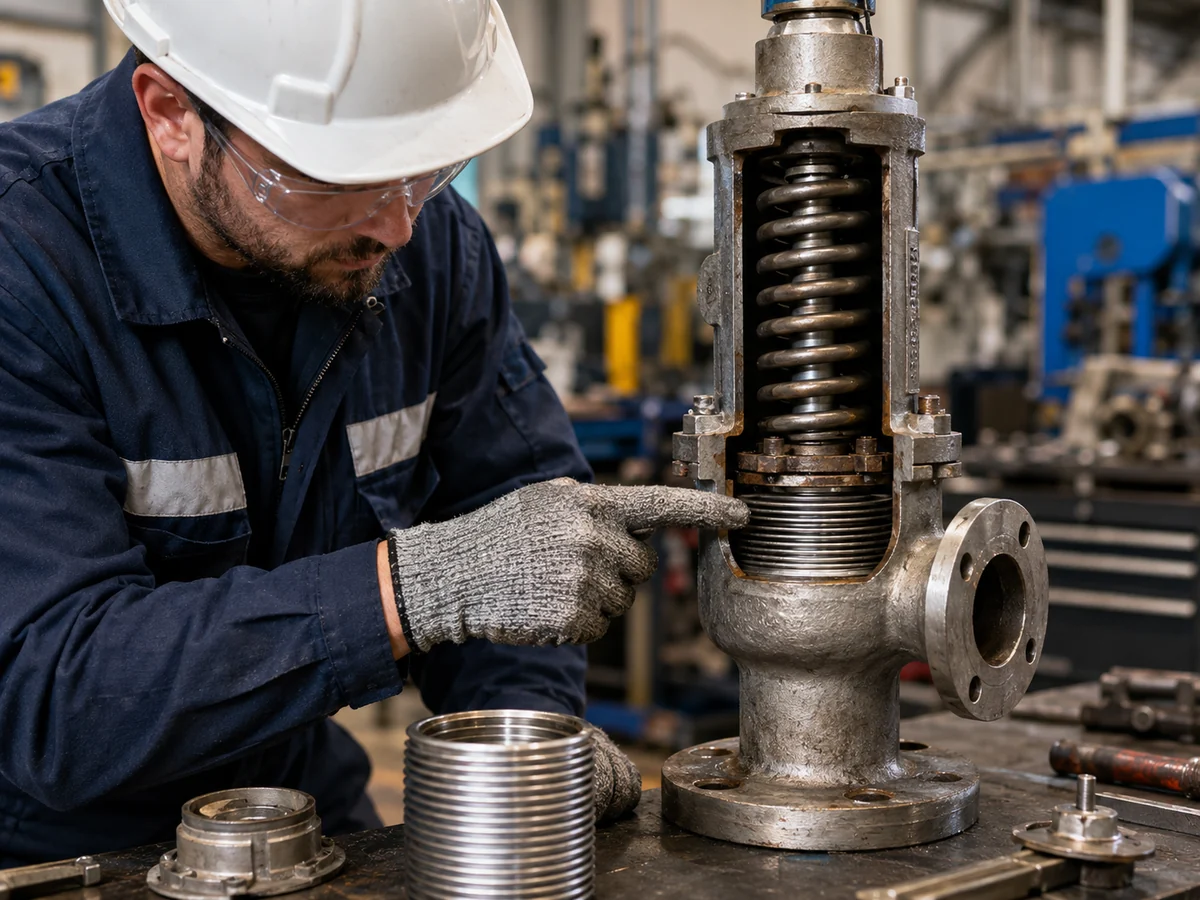
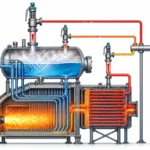
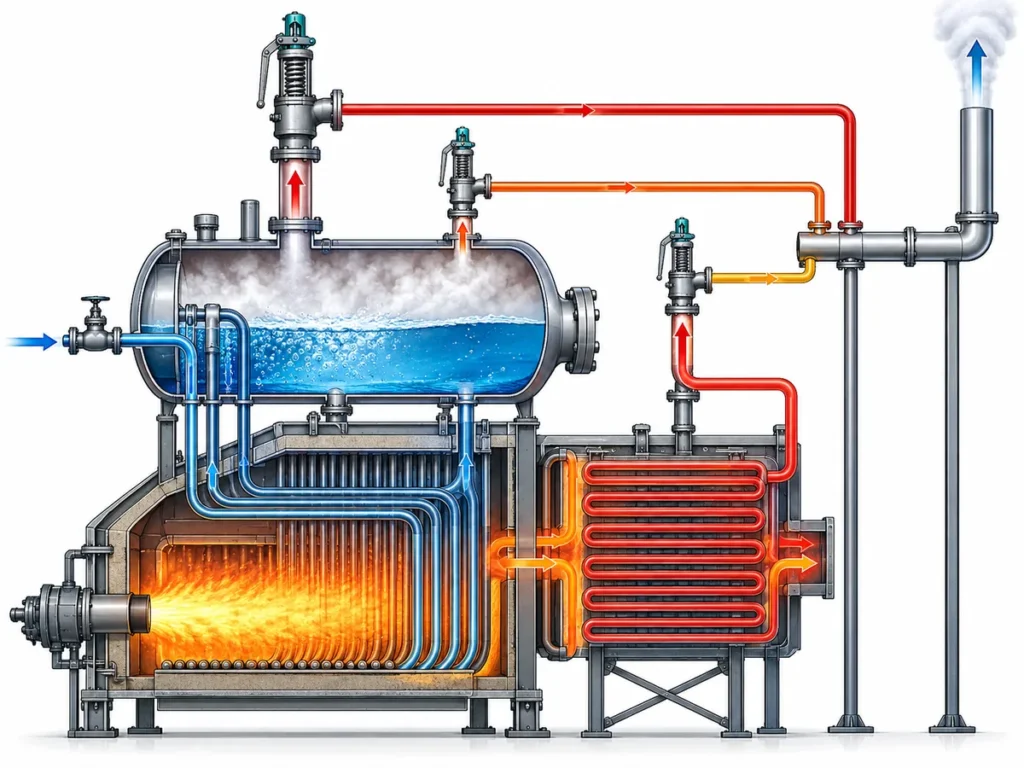
Illustrazione industriale concettuale; non è un registro di ispezione del cliente né un'immagine di certificazione del prodotto.
Scopo del Soffietto
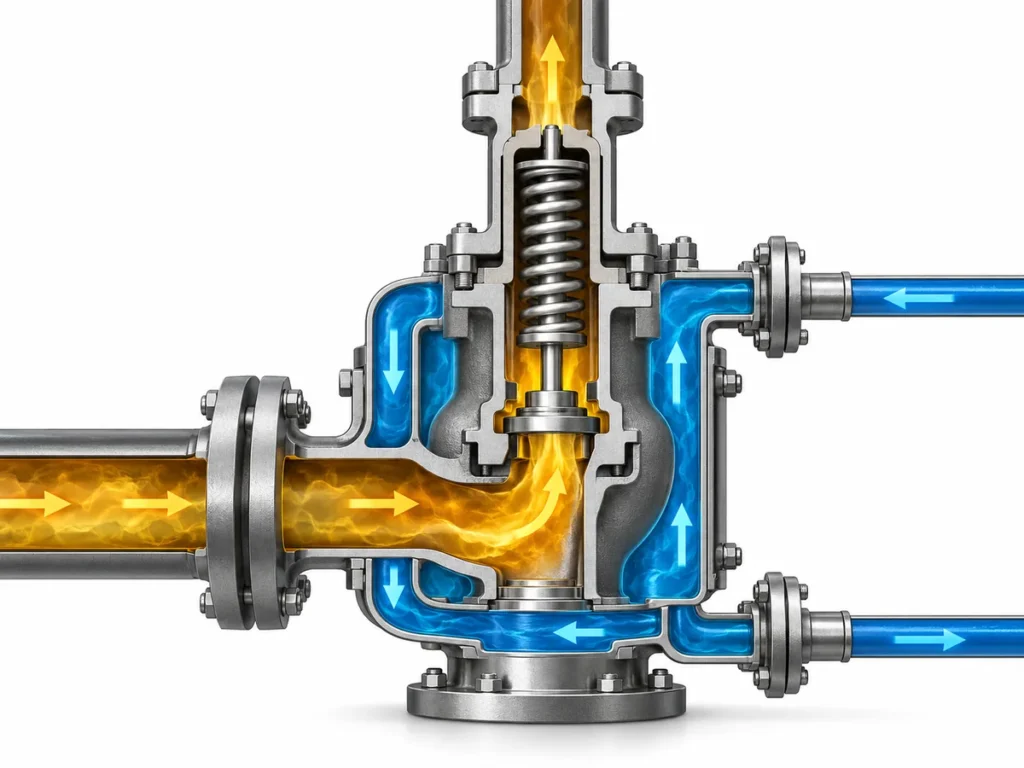
A valvola di sicurezza bilanciata a soffietto
utilizza un soffietto metallico come parte del suo sistema di bilanciamento della pressione e di isolamento. Il soffietto non è un
componente decorativo e non deve essere trattato come intercambiabile con la molla principale.
Isolamento della pressione e bilanciamento delle forze
In un tipico sistema a soffietto bilanciato, il soffietto contribuisce a ridurre le forze selezionate della pressione di uscita che agiscono
sull'insieme mobile. L'area effettiva esatta, la contropressione ammissibile, i limiti del materiale e quelli meccanici
dipendono dal progetto della valvola selezionata e dai dati del produttore.
Perché l'integrità del soffietto è importante
Se il soffietto è danneggiato, le ipotesi originali di isolamento della pressione e di bilanciamento potrebbero non essere più valide.
Ciò non significa automaticamente che la valvola abbia perso tutta la capacità di scarico della pressione, ma significa che le
ipotesi di prestazione installata dovrebbero essere riviste piuttosto che accettate solo sulla base della specifica originale.
Conseguenza del guasto specifica del progetto: alcuni progetti di valvole a soffietto bilanciato utilizzano un pistone ausiliario
o di riserva. In questi progetti, l'effetto della rottura del soffietto sul bilanciamento della pressione può differire
da un progetto senza tale caratteristica. Non dare per scontato che ogni soffietto guasto produca la stessa risposta operativa;
conferma la costruzione della valvola selezionata e i dati del produttore prima di attribuire la conseguenza delle prestazioni.
o di riserva. In questi progetti, l'effetto della rottura del soffietto sul bilanciamento della pressione può differire
da un progetto senza tale caratteristica. Non dare per scontato che ogni soffietto guasto produca la stessa risposta operativa;
conferma la costruzione della valvola selezionata e i dati del produttore prima di attribuire la conseguenza delle prestazioni.
Per il contesto più ampio del bilanciamento delle forze e della pressione di uscita, consulta
Contropressione e soffietto.
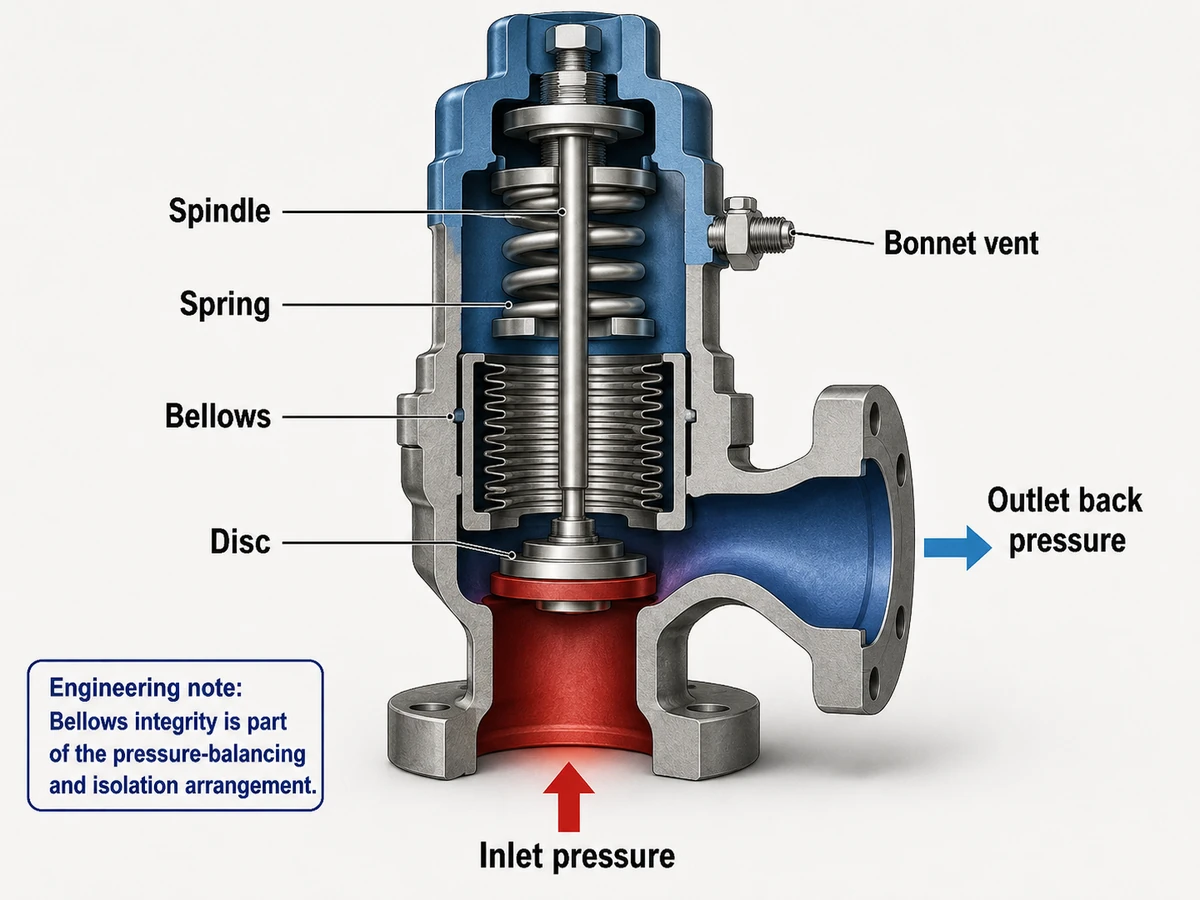
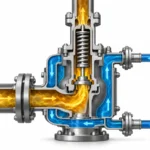
Illustrazione tecnica semplificata; verifica il progetto del produttore selezionato prima di applicare i dettagli a una valvola specifica.
Cause comuni di guasto del soffietto
Un soffietto danneggiato non dovrebbe essere attribuito a una sola causa principale basandosi solo sull'aspetto. Le prove fisiche necessitano
da correlare con il mezzo effettivo, la fase, la temperatura di esercizio, la temperatura di scarico, la pressione
ciclaggio, contropressione, vibrazioni e storico di installazione e manutenzione.
Fatica e ciclaggio ripetuto
Il soffietto flette ripetutamente durante il movimento dell'assemblaggio. Eventi di scarico frequenti, funzionamento instabile o altri
movimenti meccanici ripetuti possono contribuire al danneggiamento per fatica. La posizione della cricca, i modelli di deformazione ripetuta
e lo storico di servizio devono essere esaminati insieme prima di accettare la fatica come causa principale.
Corrosione e attacco chimico
Il soffietto è un componente metallico sottile, quindi corrosione, vaiolatura o perdita localizzata di spessore possono diventare significative
anche quando componenti più pesanti della valvola appaiono accettabili. Il solo grado del materiale non prova l'idoneità:
composizione del mezzo, contaminanti, concentrazione, fase e temperatura sono tutti fattori rilevanti.
Danno meccanico, disallineamento e vibrazioni
Strofinamento, usura da sfregamento, deformazione laterale o attacchi danneggiati possono indicare che il movimento non avveniva
come previsto. In tal caso, l'indagine deve includere lo stelo, la guida, le parti adiacenti, le condizioni di
assemblaggio e i possibili carichi delle tubazioni, piuttosto che sostituire il soffietto isolatamente.
Condizioni di temperatura e pressione anomale
La pressione nominale del corpo e i limiti del soffietto sono questioni ingegneristiche diverse. La temperatura effettiva del soffietto,
la pressione differenziale e l'esposizione alla contropressione devono essere verificate rispetto alla valvola selezionata e alla
base di progettazione specifica del produttore.
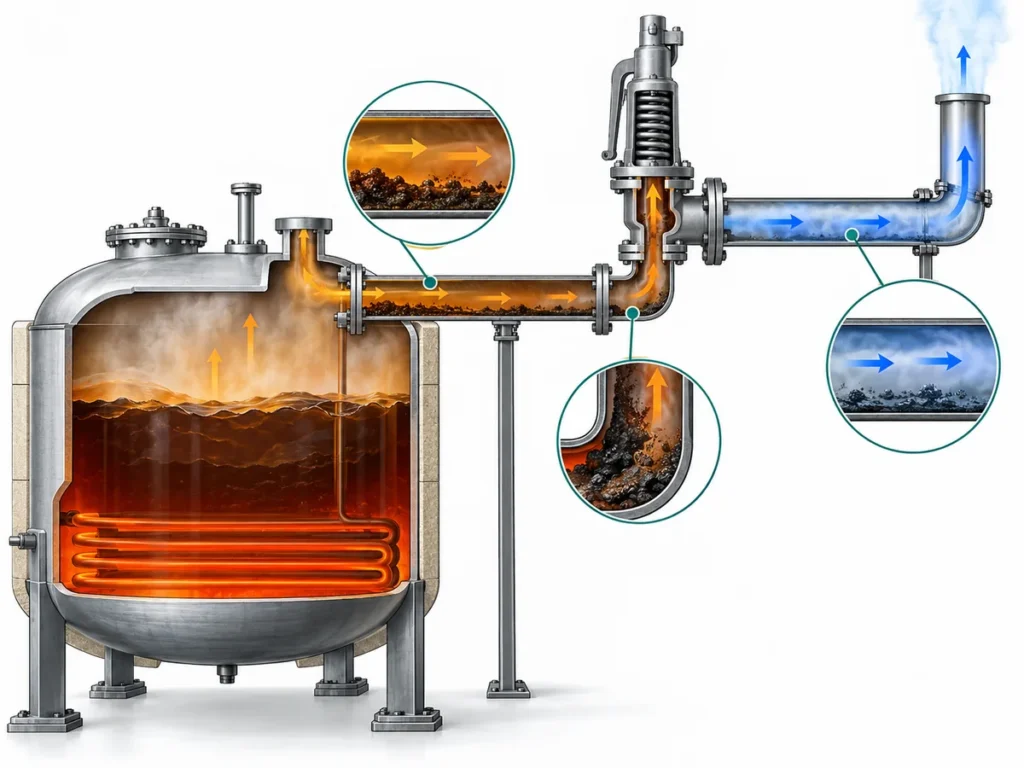
Depositi e contaminazione
I depositi possono trattenere materiale corrosivo contro superfici sottili, limitare il movimento libero, nascondere vaiolature e aumentare
carico meccanico irregolare. Il servizio con sporcizia, polimerizzazione o formazione di depositi richiede pertanto l'ispezione di
soffietto insieme alla guida circostante, stelo, premistoppa e passaggio di sfiato.
| Meccanismo di guasto | Evidenza fisica tipica | Fattori di servizio da verificare | Cosa non prova |
|---|---|---|---|
| Fatica ciclica | Cricche nelle zone flesse ripetutamente, schema di deformazione | Frequenza degli eventi di scarico, ciclaggio, instabilità, vibrazioni | La causa sistemica iniziale |
| Corrosione | Pitting, assottigliamento, scolorimento, prodotti di corrosione | Fluido, contaminanti, fase, temperatura, depositi | Se si è già verificata una perdita |
| Contatto meccanico | Strofinamento, micro-usura, deformazione localizzata | Allineamento, stato della guida, carico della tubazione, vibrazioni | Se il soffietto da solo è la causa principale |
| Pressione/temperatura anomala | Distorsione, degrado accelerato, danni agli attacchi | Differenziale di pressione effettivo, contropressione, temperatura | Accettabilità del progetto senza dati del produttore |
| Depositi/contaminazione | Depositi nelle ondulazioni, attacco localizzato o movimento limitato | Pulizia del servizio, chimica, storico della manutenzione | Se il soffietto è perforato |
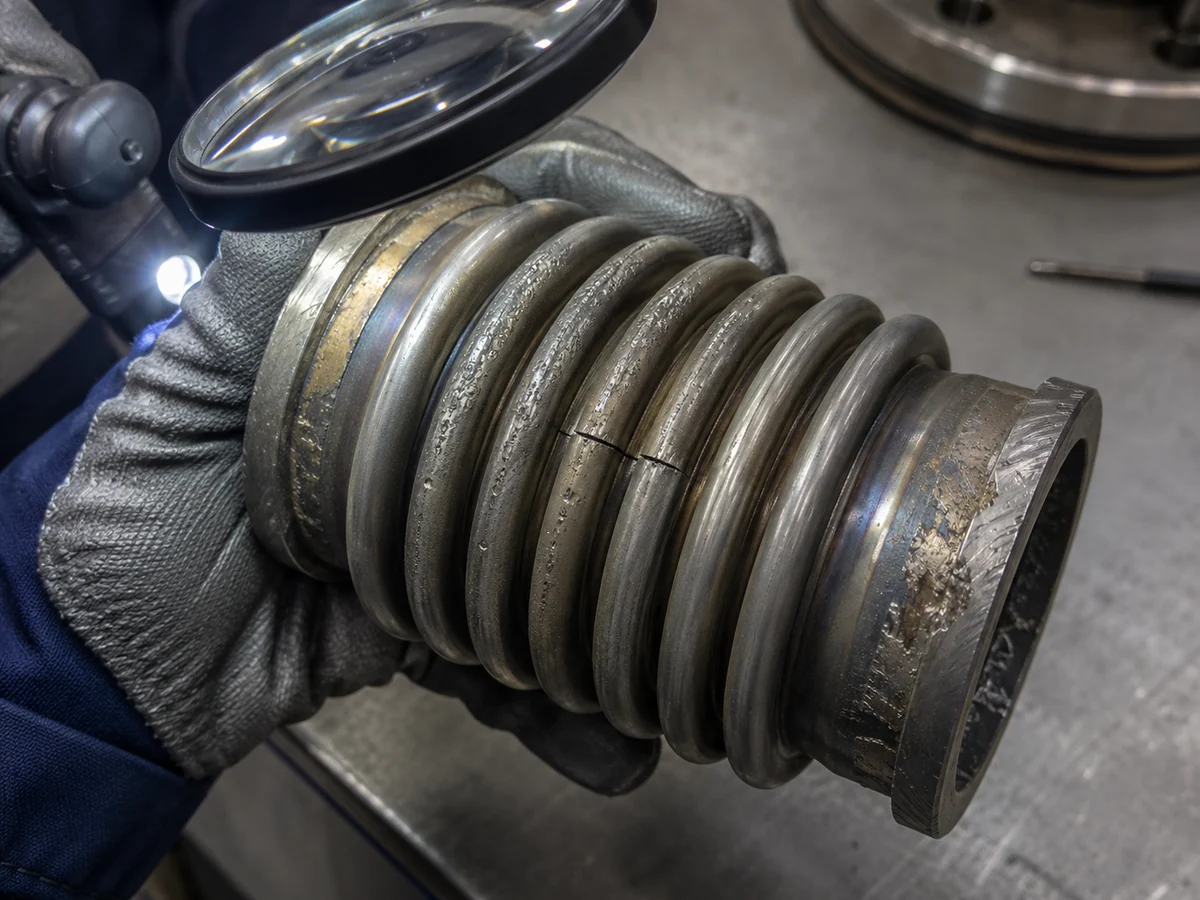
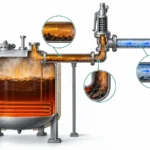
Illustrazione concettuale dell'ispezione; non prova di un guasto reale del cliente.
Sintomi che possono indicare un guasto del soffietto
I sintomi sono utili perché indicano al team di manutenzione cosa indagare successivamente. Non dovrebbero essere
trattati come una diagnosi completa senza verificare la costruzione della valvola e le condizioni fisiche del soffietto.
Evidenze dallo sfiato del cappello
Fluido di processo, vapore, condensa, macchie o residui ricorrenti inattesi allo sfiato del premistoppa possono essere un
importante segnale di avvertimento. Prima di concludere che il soffietto sia guasto, confermare che l'apertura sia effettivamente
lo sfiato del soffietto/premistoppa, capire dove è indirizzato ed escludere contaminazione esterna evidente o un'altra fonte di perdita.
Cambiamenti nel comportamento della valvola
Cambiamenti nella storia di apertura, richiusura, stabilità o perdite possono giustificare un'indagine, specialmente dopo modifiche
a un collettore di scarico o al sistema di uscita. Tuttavia, perdita di pressione in ingresso, contropressione eccessiva, condizioni di molla o guida,
problemi alla sede e carichi delle tubazioni possono produrre sintomi sovrapposti.
Corrosione esterna, residui o contaminazione
Corrosione concentrata attorno al premistoppa o allo sfiato, o contaminazione inattesa sopra il limite di isolamento
previsto, aumenta la necessità di ispezione interna. L'aspetto esterno da solo potrebbe non mostrare se il
soffietto presenta un foro di spillo, una spaccatura, un attacco incrinato o un altro difetto.
Limite diagnostico: chiedersi “Cosa dovrebbe farci ispezionare questo sintomo?” piuttosto che
“Quale componente è sicuramente guasto?”
“Quale componente è sicuramente guasto?”
Matrice di risoluzione dei problemi sintomo-controllo
Lo stesso sintomo visibile può derivare da danni al soffietto, da un altro componente della valvola o dal sistema installato.
Utilizzare il sintomo per scegliere il controllo successivo piuttosto che per chiudere la diagnosi.
| Sintomo Osservato | Possibilità correlata al soffietto | Causa concorrente da escludere | Prossimo controllo |
|---|---|---|---|
| Fluido di processo o residuo allo sfiato del cappello | La perdita di integrità del soffietto può consentire l'ingresso di pressione o fluido nella zona del cappello | Contaminazione esterna, condensa, perdite da guarnizioni/componenti adiacenti, identificazione errata dello sfiato | Confermare la costruzione della valvola e il percorso dello sfiato, preservare le prove del residuo, quindi ispezionare il soffietto e le interfacce di tenuta adiacenti |
| Comportamento modificato di apertura o richiusura | La perdita del bilanciamento/isolamento previsto può modificare il comportamento in servizio | Regolazione della pressione di taratura, attrito della guida, condizioni della sede, perdita di carico all'ingresso, contropressione eccessiva o instabilità | Esaminare i dati delle prove a valle, le tubazioni di ingresso/uscita e le parti mobili interne prima di attribuire la modifica al soffietto |
| Corrosione o depositi nell'area del cappello | L'esposizione al fluido di processo attraverso un soffietto danneggiato è plausibile | Ambiente esterno, lavaggio, condensa o altra fonte di perdita | Identificare il deposito/fonte e ispezionare il soffietto, il passaggio di sfiato e le parti interne del cappello |
| Cricche o deformazioni ripetute del soffietto | Fatica, pressione differenziale anomala o danni da contatto | Disallineamento, vibrazioni, carico della tubazione, funzionamento instabile o sistema di scarico modificato | Correlare il danno fisico con cicli, vibrazioni, contropressione e storico di assemblaggio prima di specificare una sostituzione |
| Il test di pressione di taratura supera | Il danno al soffietto potrebbe ancora esistere | Nessuno — questo è un problema di confine delle evidenze | Utilizzare evidenze separate di ispezione/integrità del soffietto piuttosto che trattare l'accettazione della pressione di taratura come prova |
Matrice di evidenze per l'ispezione dei guasti del soffietto
| Osservazione | Cosa può indicare | Forza dell'evidenza | Cosa non prova | Controllo successivo raccomandato |
|---|---|---|---|---|
| Residuo o fluido allo sfiato del cappello | Possibile perdita di integrità del soffietto | Da moderata a forte, a seconda della costruzione | Posizione esatta del difetto o causa principale | Verificare la configurazione di valvola/sfiato e ispezionare il soffietto |
| Corrosione nell'area del cappello | Esposizione al processo o attacco ambientale | Da bassa a moderata | Rottura del soffietto | Ispezionare lo sfiato, l'interno del cappello e il soffietto |
| Comportamento di apertura/richiusura modificato | Contropressione, attrito o modifica meccanica | Bassa | Guasto specifico del soffietto | Esaminare i dati di prova, la tubazione e le condizioni interne |
| Depositi sul soffietto rimosso | Contaminazione del servizio | Moderato | Se il soffietto è perforato | Pulire e ispezionare secondo la procedura approvata |
| Pitting o assottigliamento | Degrado per corrosione | Forte evidenza fisica di danno | Vita residua ammissibile o causa principale | Revisione materiale/servizio e decisione di riparazione |
| Convoluzioni deformate | Sovraccarico meccanico o movimento anomalo | Forte | Meccanismo di innesco esatto | Controllare allineamento, vibrazioni e storico della pressione |
| Segni di sfregamento/abrasione | Contatto o disallineamento | Forte | Presenza di perdite | Ispezionare guida, mandrino e parti adiacenti |
| Cricca, foro o spaccatura | Perdita di integrità fisica | Danno molto grave / confermato | Causa principale | Riparazione/sostituzione e analisi della causa principale |
| Danno da saldatura o da attacco | Problema meccanico o di riparazione/fabbricazione | Molto forte | Causa senza storico di supporto | Rivedere i requisiti del produttore/riparazione |
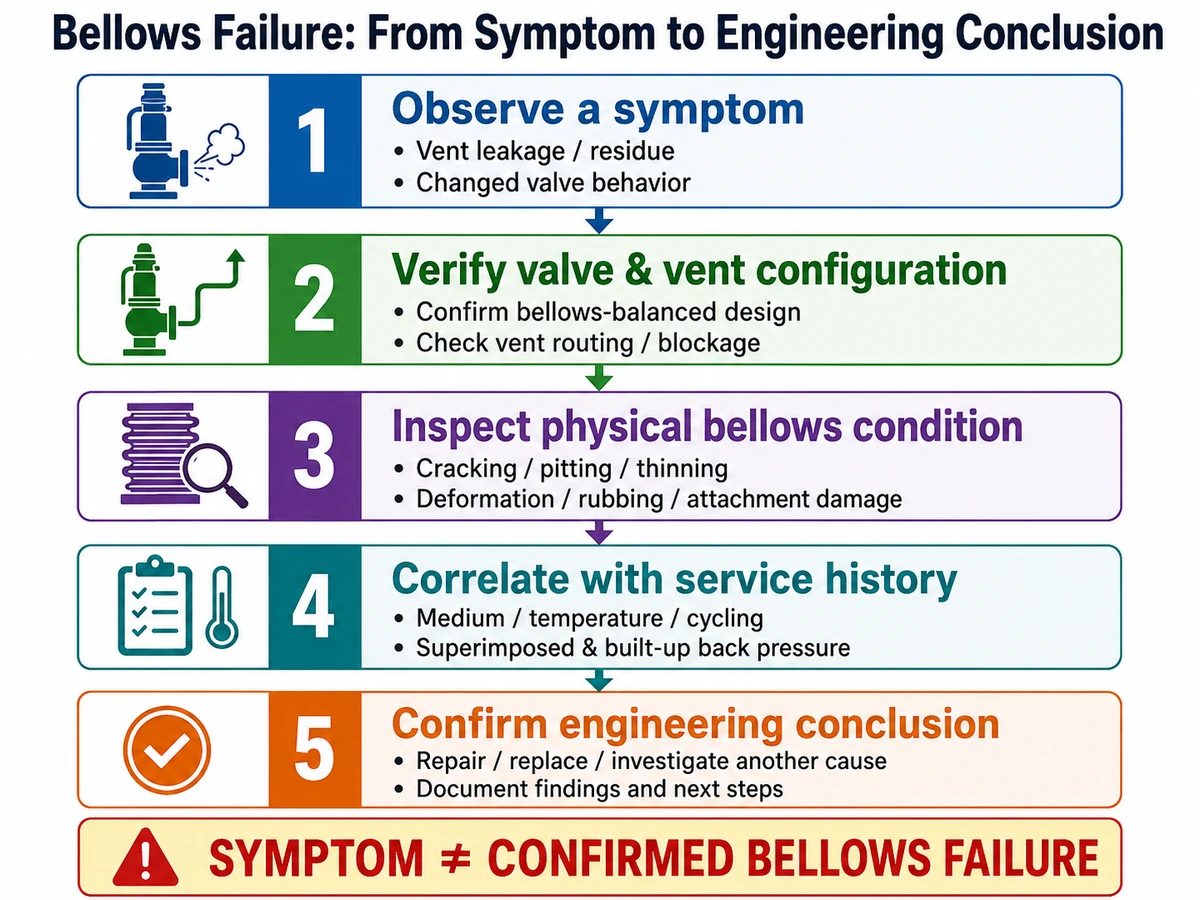
Flusso di lavoro ingegneristico semplificato per la revisione diagnostica.
Cosa i segni dello sfiato del cappello possono e non possono dirvi
In una costruzione di valvola in cui un soffietto intatto isola il cappello dalla zona di pressione pertinente,
uno scarico anomalo del fluido di processo dallo sfiato può essere una forte evidenza che l'isolamento previsto è
stato perso. Non identifica comunque se il difetto è un foro, una cricca, una spaccatura o un guasto dell'attacco,
e non stabilisce la causa principale.
Sfiato bloccato, limitato o non corretto
Uno sfiato bloccato, limitato o instradato in modo errato crea un problema ingegneristico separato perché
la pressione può accumularsi dove il progetto presuppone una condizione di sfiato. Non tappare una perdita dallo sfiato inspiegabile
semplicemente per fermare il sintomo visibile.
Anche la tubazione di uscita, la resistenza allo scarico, il drenaggio e il supporto meccanico devono essere esaminati quando il comportamento
della valvola è anomalo. Il
guida all'installazione delle valvole di sicurezza
copre il confine più ampio del sistema installato.
Cosa ispezionare dopo la rimozione della valvola
Superficie del soffietto e convoluzioni
- crepe, fori di spillo e spaccature;
- corrosione localizzata o perdita generale di spessore della parete;
- prodotti di corrosione e depositi;
- convoluzioni appiattite, stirate o irregolari;
- segni di sfregamento o usura da contatto;
- evidenza di esposizione a temperature anomale.
Saldature, attacchi e connessioni terminali
Ispezionare le aree di attacco, gli anelli terminali e i punti di connessione per verificare la presenza di crepe, piegature, distorsioni o precedenti
indicazioni di riparazione. Non inventare un limite di accettazione universale: utilizzare il produttore della valvola selezionata,
la procedura di riparazione autorizzata, i requisiti di progetto applicabili e la base normativa adottata.
Componenti adiacenti
Controllare lo stelo, la guida, la molla, il disco/portello, gli interni del cappello, il passaggio di sfiato e i componenti vicini per
evidenze che spieghino il motivo del danneggiamento del soffietto. Sostituire un soffietto senza correggere il problema
di allineamento, vibrazione o carico delle tubazioni sottostante può ripetere il meccanismo di guasto.
Per la sequenza di ispezione più ampia, i registri di manutenzione e i limiti di escalation, consultare il
Guida alla manutenzione e all'ispezione delle valvole di sicurezza.
Cosa non possono dimostrare i test di pressione di taratura e di tenuta al seggio sull'integrità del soffietto
Test di pressione di taratura
Un test di pressione di taratura verifica la risposta di pressione definita nelle condizioni di prova applicabili. Non
dimostra automaticamente che il soffietto sia fisicamente integro, privo di corrosione o adatto all'installazione
condizione di contropressione.
Prova di tenuta della sede
La prova di tenuta della sede verifica le perdite attraverso la sede chiusa. Non deve essere considerata come un test di
integrità del soffietto. Se la questione è la perdita dalla sede stessa, utilizzare le
API 527 test di tenuta sede
linee guida come categoria di evidenza separata.
Evidenza di capacità
La capacità di scarico richiesta deriva dall'apparecchiatura protetta e dallo scenario di scarico prevalente. La valvola
selezionata deve quindi avere una base di capacità certificata o documentata appropriata per il mezzo e le condizioni
di scarico. Il danneggiamento del soffietto non dimostra di per sé che la capacità certificata sia inadeguata, ma può rendere
inaffidabili le ipotesi di prestazione installata finché il difetto e le condizioni del sistema non vengono risolti.
Selezione dei materiali e verifica del servizio prima di riutilizzare la vecchia specifica del soffietto
Quando si riscontrano corrosione, depositi o danni legati alla temperatura, non dare per scontato che il materiale del vecchio soffietto debba essere ripetuto.
La revisione per la sostituzione richiede l'ambiente di servizio effettivo; un'etichetta del materiale da sola non è una valutazione di compatibilità.
Utilizzare la guida alla selezione dei materiali per valvole di sicurezza
per la revisione più ampia di corpo, trim, soffietto, molla, sede e compatibilità con il servizio.
| Input di screening | Perché è Importante | Decisione richiesta |
|---|---|---|
| Mezzo, fase e contaminanti | Possono modificare corrosione, depositi e meccanismo di attacco | Confermare la compatibilità utilizzando le linee guida sui materiali del produttore/progetto per il servizio effettivo |
| Temperatura operativa e di sfioro | Può influire sulla resistenza del materiale, sulla velocità di corrosione e sul comportamento meccanico del soffietto | Confermare che il soffietto selezionato e il trim adiacente siano adatti alle temperature rilevanti |
| Storico di pulizia, vapore o perturbazioni di processo | L'esposizione di breve durata può differire dal funzionamento normale | Includere l'esposizione credibile a perturbazioni/pulizia nella base di sostituzione dove applicabile |
| Depositi e solidi | Possono intrappolare specie corrosive o limitare il movimento del soffietto | Affrontare sia la compatibilità del materiale sia la fonte dei depositi, non solo il materiale |
| Materiale di riparazione/sostituzione precedente | Le sostituzioni passate potrebbero non corrispondere alla configurazione approvata originale | Verificare la tracciabilità e i requisiti del produttore/riparatore autorizzato prima del riutilizzo |
Come lo storico del servizio aiuta a identificare il probabile meccanismo di guasto
L'ispezione fisica indica cosa è accaduto al soffietto. La cronologia di servizio aiuta a spiegare perché potrebbe essere accaduto.
La conclusione più solida sulla causa principale combina normalmente prove fisiche, cronologia operativa e informazioni di progettazione.
| Dati di servizio | Perché è Importante |
|---|---|
| Fluido e fase | Contesto di corrosione, contaminazione e servizio meccanico |
| Pressione operativa | Cronologia normale della pressione |
| Pressione massima di progetto / Pressione di progetto | Base di pressione dell'apparecchiatura protetta, non condizione del soffietto da sola |
| Pressione di taratura | Punto di funzionamento della valvola e contesto di prova |
| Temperatura di sfioro | Materiale e condizione meccanica del soffietto |
| Contropressione sovrapposta | Pressione di uscita che può esistere prima dell'apertura |
| Contropressione accumulata | Pressione di uscita creata durante il flusso di scarico |
| Frequenza degli eventi di scarico | Indagine su cicli/fatica |
| Cronologia delle vibrazioni | Indagine su fatica meccanica o sfregamento |
| Modifiche al collettore di scarico | Possibile modifica alle condizioni di contropressione |
| Materiale/configurazione del soffietto | Revisione di compatibilità e progettazione |
| Risultati di precedenti ispezioni/riparazioni | Tendenza al degrado e meccanismo ricorrente |
Scenari di ingegneria compositi per la formazione
Scenario ingegneristico composito per formazione
Residuo di sfiato senza rottura confermata del soffietto
Problema osservato: si riscontra residuo ricorrente attorno allo sfiato del cappello identificato.
Cause plausibili: la perdita del soffietto è credibile, ma non sono ancora state escluse condensa, contaminazione esterna, perdita da una guarnizione vicina o identificazione errata dello sfiato.
Azione correttiva: verificare la costruzione della valvola e il percorso dello sfiato, preservare la condizione come trovata, identificare il residuo dove praticabile, quindi ispezionare il soffietto e le interfacce di tenuta adiacenti secondo la procedura di manutenzione approvata.
Prevenzione / follow-up: documentare il percorso dello sfiato e la sua condizione nelle ispezioni future e correggere qualsiasi disposizione dello sfiato bloccata, instradata in modo errato o non sicura, piuttosto che mascherare il sintomo visibile.
Scenario ingegneristico composito per formazione
Soffietto corrosi dopo la rimozione
Problema osservato: dopo la rimozione, sono visibili vaiolature localizzate e depositi su diverse pieghe del soffietto.
Cause plausibili: sono possibili contaminanti corrosivi, attacco favorito da depositi, esposizione a temperature o disallineamento materiale/servizio; la fatica può anche aver contribuito se sono presenti cricche.
Azione correttiva: documentare il quadro del danno, rivedere fluido/fase/contaminanti e temperatura effettiva, ispezionare i componenti adiacenti, quindi rivalutare materiale e configurazione del soffietto prima dell'approvazione della sostituzione.
Prevenzione / follow-up: aggiornare la richiesta di offerta e la registrazione di manutenzione con la chimica e la temperatura di servizio effettive invece di ripetere la vecchia specifica del materiale senza revisione.
Scenario ingegneristico composito per formazione
La pressione di taratura supera la prova ma si riscontra un danno al soffietto
Problema osservato: la valvola dimostra la risposta di pressione richiesta durante la prova al banco applicabile, ma l'ispezione interna successiva identifica un danno fisico al soffietto.
Causa plausibile: il risultato non è contraddittorio; la verifica della pressione di taratura e la verifica dell'integrità del soffietto rispondono a domande ingegneristiche diverse.
Azione correttiva: risolvere il danno al soffietto, indagare il meccanismo di guasto e riconfermare i requisiti effettivi di contropressione, sfiato e sostituzione prima della rimessa in servizio.
Prevenzione / follow-up: mantenere registrazioni di accettazione separate per pressione di taratura, tenuta della sede, integrità del soffietto e condizioni del sistema installato invece di ridurle a un unico stato generico di SUPERAMENTO.
Riparare o sostituire? Il confine decisionale ingegneristico
Quando l'ispezione deve passare alla revisione della riparazione
Cricche, fori, spaccature, corrosione o assottigliamento significativi, deformazione, sfregamento, attacchi danneggiati o
esposizione al processo confermata nell'area del premistoppa devono far intensificare l'indagine. La riparabilità dipende da
il progetto effettivo della valvola, i requisiti del produttore o della riparazione autorizzata, la specifica di progetto e
la giurisdizione applicabile.
Escalation critica per la sicurezza: quando il sospetto danno al soffietto è accompagnato da rilascio di processo
incontrollato, perdita di contenimento confermata o incertezza che la valvola possa ancora soddisfare la funzione di
protezione dalla sovrapressione richiesta dell'apparecchiatura protetta, seguire la procedura approvata di arresto, isolamento o
rimozione dal servizio del proprietario-utente. Non continuare l'esercizio solo per raccogliere ulteriori prove e non isolare
un percorso di scarico richiesto a meno che la protezione dalla sovrapressione non sia mantenuta da un'alternativa approvata o da un piano di arresto.
incontrollato, perdita di contenimento confermata o incertezza che la valvola possa ancora soddisfare la funzione di
protezione dalla sovrapressione richiesta dell'apparecchiatura protetta, seguire la procedura approvata di arresto, isolamento o
rimozione dal servizio del proprietario-utente. Non continuare l'esercizio solo per raccogliere ulteriori prove e non isolare
un percorso di scarico richiesto a meno che la protezione dalla sovrapressione non sia mantenuta da un'alternativa approvata o da un piano di arresto.
Quando la sostituzione richiede una nuova verifica tecnica
Una sostituzione non dovrebbe essere approvata semplicemente perché ha la stessa dimensione di attacco o la stessa pressione di taratura. Confermare
l'apparecchiatura protetta, lo scenario di scarico prevalente, il fluido e la fase, la pressione di esercizio, la MAWP/pressione di progetto,
la capacità di scarico richiesta, la temperatura di scarico, la contropressione sovrapposta e accumulata, il materiale del soffietto,
sede/tenuta, molla/trim, valori nominali di ingresso/uscita, disposizione dello sfiato e documenti richiesti.
La dimensione della connessione non equivale alla capacità di scarico. Se il soffietto è stato danneggiato perché il servizio effettivo
è cambiato, installare un'altra valvola secondo la vecchia specifica può riprodurre lo stesso problema.
è cambiato, installare un'altra valvola secondo la vecchia specifica può riprodurre lo stesso problema.
Se lo scenario di scarico prevalente o il carico richiesto è cambiato, riconfermare la base di dimensionamento utilizzando il
dimensionamento della valvola di sicurezza e alla capacità di sfioro certificata
flusso di lavoro anziché presumere che la dimensione di attacco precedente o il modello di valvola rimangano adeguati.
Flusso di lavoro per la verifica della sostituzione
- Conservare le prove del guasto: registrare il soffietto, lo sfiato, i depositi, la posizione del danno e le condizioni dei componenti adiacenti come trovati, prima che la pulizia distrugga prove utili.
- Rivalidare la base di servizio: confermare l'apparecchiatura protetta, lo scenario di scarico, fluido/fase, pressioni, temperatura di scarico e le condizioni attuali del sistema di scarico.
- Ricalcolare o riconfermare la capacità richiesta dove lo scenario di scarico è cambiato: non utilizzare la dimensione di attacco o il modello di valvola precedente come calcolo della capacità.
- Valutare la configurazione della valvola: confermare se un design bilanciato a soffietto rimane appropriato per la contropressione sovrapposta/accumulata effettiva, la disposizione dello sfiato e l'ambiente di processo.
- Verificare materiali e dettagli meccanici: soffietto, corpo/trim, sede/tenuta, molla e accessori pertinenti devono corrispondere al servizio effettivo e ai requisiti del produttore/progetto.
- Verificare le interfacce di installazione: le portate di ingresso/uscita, i carichi sulle tubazioni, la perdita di carico in ingresso, il supporto allo scarico e il percorso di drenaggio e sfiato non devono riprodurre il meccanismo di guasto sospetto.
- Colmare il divario documentale: definire la scheda tecnica richiesta, le prove di capacità, i registri di collaudo/riparazione, la tracciabilità e i documenti di progetto/codice prima del rilascio.
Informazioni da registrare prima di riparazione, sostituzione o richiesta di preventivo
Le carenze nei dati tecnici di ingresso devono essere evidenziate da confermare, non dedotte dal vecchio
diametro di collegamento, dall'aspetto esterno o da un singolo risultato di prova.
- Apparecchiatura protetta
- Scenario di sfioro dominante
- Fluido e fase
- Pressione operativa
- Pressione massima di progetto / Pressione di progetto
- Pressione di taratura
- Capacità di sfioro richiesta e base
- Temperatura di sfioro
- Contropressione sovrapposta
- Contropressione accumulata
- Collegamenti di ingresso/uscita
- Modello/targhetta della valvola esistente
- Materiale del soffietto
- Corpo / guarnizioni / sede / molla
- Instradamento dello sfiato del cappello
- Fotografie dei danni
- Rapporto di ispezione come trovato
- Storico riparazioni precedenti
- Codice/standard di progetto applicabile
- Documenti di ispezione/certificazione richiesti
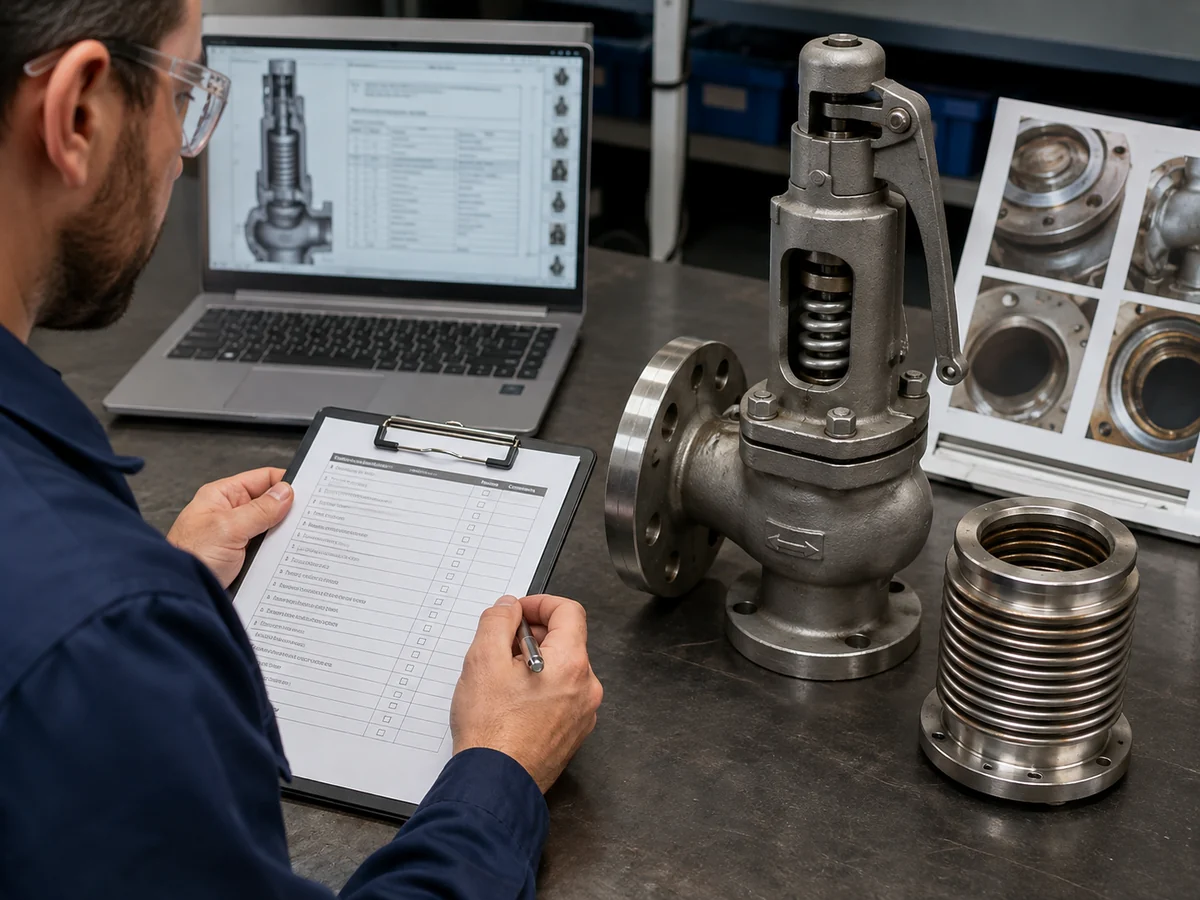
Scena concettuale di revisione ingegneristica; la documentazione e le apparecchiature mostrate sono illustrative e non rappresentano registrazioni reali dei clienti.
Domande Frequenti
Quali sono i segni più comuni di guasto del soffietto in una valvola di sicurezza?
Possibili segnali di allarme includono scarico anomalo o residui allo sfiato del cappello, comportamento modificato della valvola,
contaminazione dell'area del cappello o evidenza interna diretta di danni al soffietto. Questi segnali hanno diversa
forza probatoria. Una crepa, un foro, una spaccatura o una perdita di integrità confermata è un'evidenza molto più forte di un
solo sintomo operativo.
Il fluido di processo allo sfiato del cappello dimostra che il soffietto si è rotto?
Quando la costruzione effettiva della valvola utilizza un soffietto intatto per isolare il cappello dalla relativa
regione di pressione, la perdita dallo sfiato può essere una forte evidenza di perdita di integrità del soffietto. La costruzione della valvola,
il percorso dello sfiato e le possibili fonti alternative di perdita dovrebbero comunque essere verificati prima di attribuire il
difetto fisico o la causa principale.
Una valvola di sicurezza può superare un test di pressione di taratura con un soffietto danneggiato?
Potenzialmente sì. Una prova di pressione di taratura e un'ispezione dell'integrità del soffietto rispondono a diverse domande
ingegneristiche. Un risultato positivo della prova di taratura non dovrebbe essere automaticamente utilizzato come evidenza che il soffietto
sia fisicamente intatto.
La perdita dalla sede può essere causata dal cedimento del soffietto?
Il danneggiamento del soffietto può modificare le condizioni della valvola, ma la perdita dalla sede può avere diverse cause, tra cui
contaminazione, danneggiamento della sede, disallineamento e problemi alle guide. La perdita dalla sede non deve essere attribuita al
soffietto senza prove a sostegno.
Cosa dovrebbe essere ispezionato dopo la rimozione di una valvola di sicurezza bilanciata a soffietto?
Ispezionare le convoluzioni del soffietto, crepe o fori passanti, vaiolatura, assottigliamento, deformazione, sfregamento, depositi,
saldature e attacchi. Ispezionare anche lo stelo, la guida, il passaggio di sfiato, la camera della molla e i componenti
adiacenti per individuare elementi che spieghino il danno al soffietto.
Un soffietto danneggiato può essere riparato, oppure la valvola deve essere sostituita?
Non esiste una risposta universale. La riparabilità dipende dal design specifico della valvola, dal produttore o dai
requisiti di riparazione autorizzati, dal tipo di danno, dai materiali, dalla base normativa e dai requisiti di progetto. Danni gravi o
non riparabili possono richiedere la sostituzione, ma anche la sostituzione richiede una verifica tecnica.
Quali informazioni sono necessarie per selezionare una valvola di sicurezza bilanciata a soffietto di ricambio?
Confermare l'apparecchiatura protetta, lo scenario di scarico, il fluido e la fase, la pressione di esercizio, la MAWP/pressione di
progetto, la pressione di taratura, la capacità di scarico richiesta, la temperatura di scarico, la contropressione sovrapposta e
accumulata, le connessioni, i materiali del soffietto e delle parti interne, la disposizione dello sfiato, le norme applicabili e la documentazione richiesta.
Riferimenti tecnici ufficiali
Le seguenti fonti primarie attuali supportano il quadro di riferimento per l'ispezione, la protezione da sovrappressione e l'ingegneria dei soffietti
utilizzato in questo articolo. Sono punti di riferimento, non prove che una specifica valvola ZOBAI sia dotata di una
particolare certificazione o che un'edizione si applichi a ogni progetto. Verificare sempre l'edizione adottata dalla
specifica del proprietario-utilizzatore, dal codice dell'apparecchiatura protetta e dalla giurisdizione.
-
API RP 576 — Ispezione dei dispositivi di scarico della pressione, 5a edizione (settembre 2024)
— Il foglio delle pubblicazioni di ricertificazione attuali di API elenca questa edizione per l'ispezione dei dispositivi di scarico della pressione. -
ASME BPVC Sezione XIII — Regole per la protezione da sovrappressione (2025)
— La Sezione XIII attuale di ASME copre i requisiti di protezione da sovrappressione per apparecchiature in pressione e dispositivi di scarico della pressione. -
ISO 4126-1:2013 — Valvole di sicurezza
— ISO elenca questo standard di prodotto come corrente a seguito della sua revisione 2025; non si tratta di uno standard applicativo. -
Spirax Sarco — Tipi di valvola di sicurezza / Progetto a soffietto bilanciato
— riferimento tecnico di ingegneria del produttore di prima parte per il bilanciamento del soffietto, lo sfiato del cappello e il confine del pistone ausiliario specifico del progetto.
Gli standard e i riferimenti del produttore supportano l'interpretazione tecnica; non sostituiscono l'effettivo scenario di scarico,
i dati della valvola selezionata, i risultati delle ispezioni, la procedura di riparazione o i requisiti giurisdizionali.
Norme e limitazioni ingegneristiche
I requisiti di ispezione, riparazione e sostituzione delle valvole di sicurezza dipendono dall'apparecchiatura protetta, dalla costruzione della valvola,
dalla giurisdizione, dall'edizione del codice adottata, dalla procedura del proprietario-utilizzatore, dai requisiti del produttore e
dalla specifica di progetto.
I nomi delle norme spiegano solo l'ambito ingegneristico. Non stabiliscono che ogni valvola ZOBAI sia automaticamente
approvata, né sostituiscono i requisiti di ispezione o riparazione specifici del produttore. L'accettazione finale
dovrebbe basarsi sulla pubblicazione/edizione ufficiale adottata, sui dati del produttore della valvola selezionata, sulla
procedura del proprietario-utilizzatore/progetto e sulla giurisdizione applicabile, piuttosto che su un riepilogo secondario.
Hai bisogno di aiuto per esaminare un sospetto guasto al soffietto?
Invia l'apparecchiatura protetta, lo scenario di scarico, il fluido e la fase, la pressione di esercizio, la MAWP/pressione di progetto,
la pressione di taratura, la capacità di scarico richiesta, la temperatura di scarico, la contropressione sovrapposta e accumulata,
le connessioni di ingresso/uscita, il materiale del soffietto, la targhetta della valvola, la disposizione di sfiato, le foto di ispezione e
i precedenti registri di riparazione per la revisione ingegneristica.