Selezione Tipo di Valvola e Connessione Cos'è una Valvola di Sicurezza Filettata? Una valvola di sicurezza filettata è una valvola di sicurezza o valvola di sfioro con connessioni filettate invece di connessioni flangiate, saldate o a morsetto. La connessione può essere pratica su apparecchiature compatte e sistemi di utilità più piccoli, ma “filettata” descrive solo l'interfaccia di tubazione. Essa non ...

Selezione Tipi di Valvole e Connessioni
Cos'è una valvola di sicurezza filettata?
Una valvola di sicurezza filettata è una valvola di sicurezza o valvola di sfioro con connessioni filettate invece di connessioni flangiate, saldate o a morsetto. La connessione può essere pratica su apparecchiature compatte e sistemi di utilità più piccoli, ma “filettata” descrive solo l'interfaccia di tubazione. Non prova lo standard della filettatura, la classificazione pressione-temperatura, la pressione di taratura, la capacità di sfioro richiesta o certificata, la tenuta del sedile, la compatibilità dei materiali o l'accettazione secondo le norme. Prima di richiedere un preventivo o una sostituzione, confermare l'apparecchiatura protetta, lo scenario di sfioro governante, il fluido e la fase, la pressione operativa, la pressione massima di progettazione (MAWP) o la pressione di progetto, la pressione di taratura, la base di sovrapressione o accumulo, la capacità richiesta, la temperatura di sfioro, la contropressione, la designazione esatta della filettatura, il metodo di tenuta, i materiali e la documentazione.
Definizione principale
Un dispositivo di sfioro con connessioni terminali filettate.
Rischio principale per l'acquirente
Sostituzione basata solo sulla dimensione della filettatura, sull'aspetto o sui dati parziali della targhetta.
Priorità RFQ
Confermare forma della filettatura, dati di pressione, capacità richiesta, fluido e documenti.
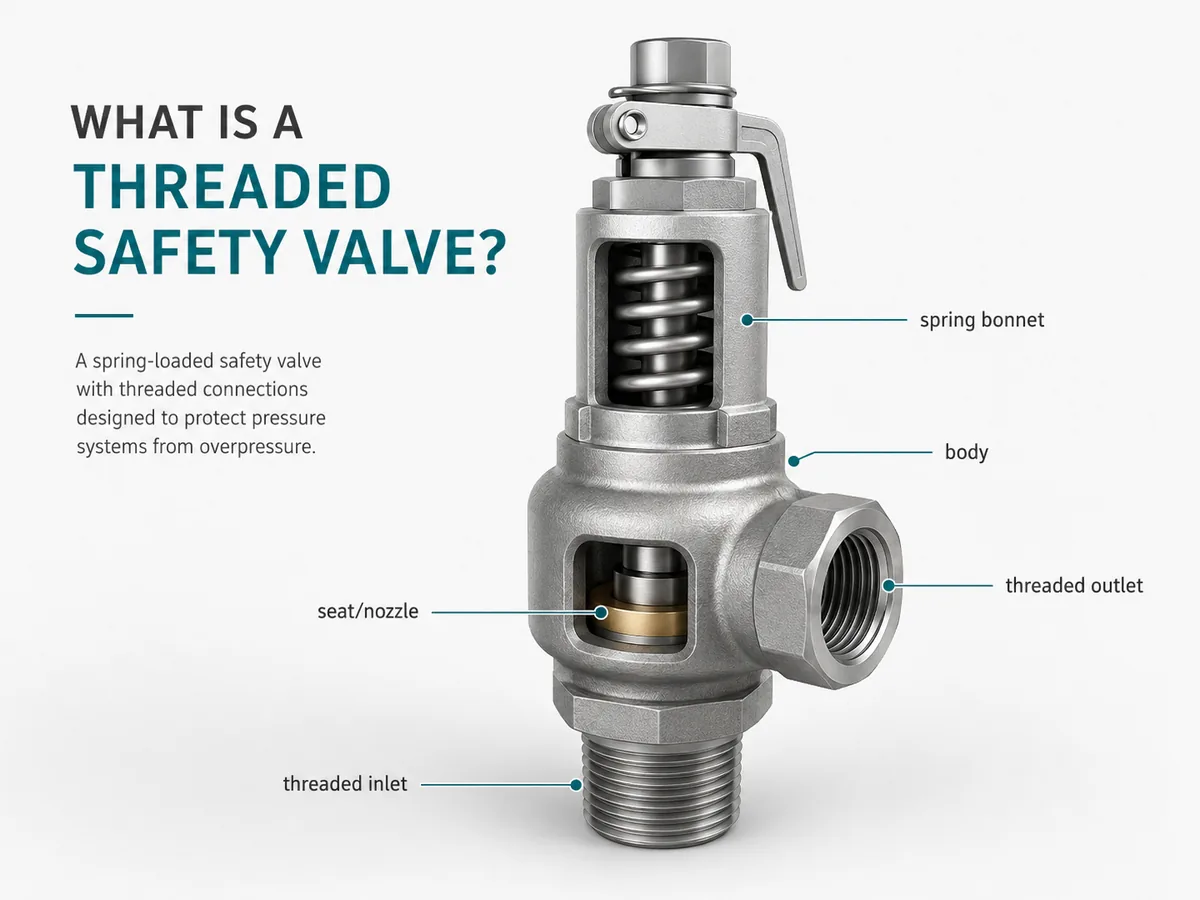
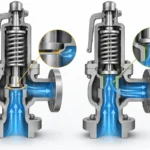
Visualizzazione ingegneristica generata dall'IA solo a scopo illustrativo dell'articolo. L'aspetto finale del prodotto, il tipo di filettatura, il materiale, la pressione di taratura e la capacità devono essere confermati rispetto al modello selezionato e alle specifiche del progetto.
Risposta rapida: Cos'è una valvola di sicurezza filettata?
A valvola di sicurezza filettata è una valvola di sicurezza o valvola di sfioro pressione con connessioni terminali filettate. Gli acquirenti possono anche descriverla come valvola di sicurezza avvitata, valvola di sfioro filettata, PSV filettata o PRV filettata.
La connessione filettata può essere pratica per apparecchiature compatte, serbatoi più piccoli, sistemi di utilità, skid, compressori o applicazioni di sostituzione in cui la connessione dell'apparecchiatura è già filettata. Ma lo stile di connessione è solo una parte della specifica. Una richiesta corretta deve ancora confermare l'apparecchiatura protetta, lo scenario di sfioro, il fluido e la fase, la pressione operativa, la MAWP o la pressione di progetto, la pressione di taratura, la capacità di sfioro richiesta, la temperatura di sfioro, la contropressione, il tipo di filettatura, il materiale, i requisiti di sede/tenuta e la documentazione.
Per le opzioni di famiglia di prodotti, consultare ZOBAI valvole di sicurezza filettate. Per la revisione ingegneristica, inviare i dati operativi e di connessione prima del preventivo o della sostituzione.
Parti principali e caratteristiche di connessione di una valvola di sicurezza filettata
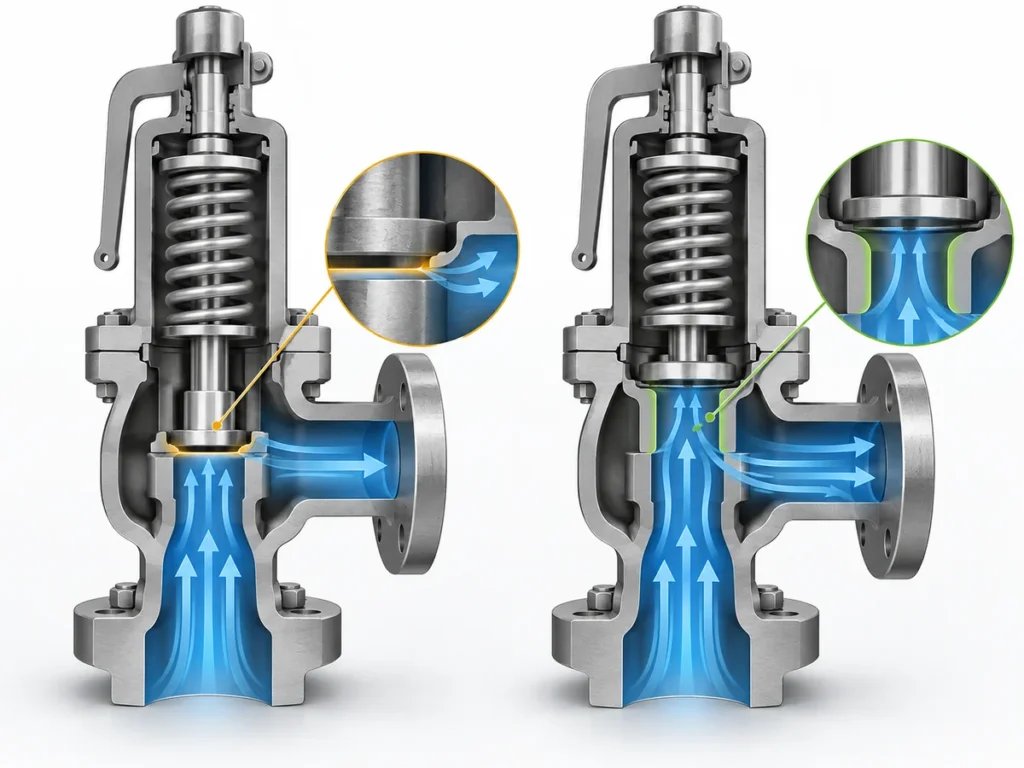
Una valvola di sicurezza filettata è prima di tutto un dispositivo di protezione dalla pressione. La filettatura è solo il metodo di connessione. La valvola deve comunque aprirsi, sfogare, passare la capacità richiesta e richiudersi correttamente nelle condizioni di servizio specificate.
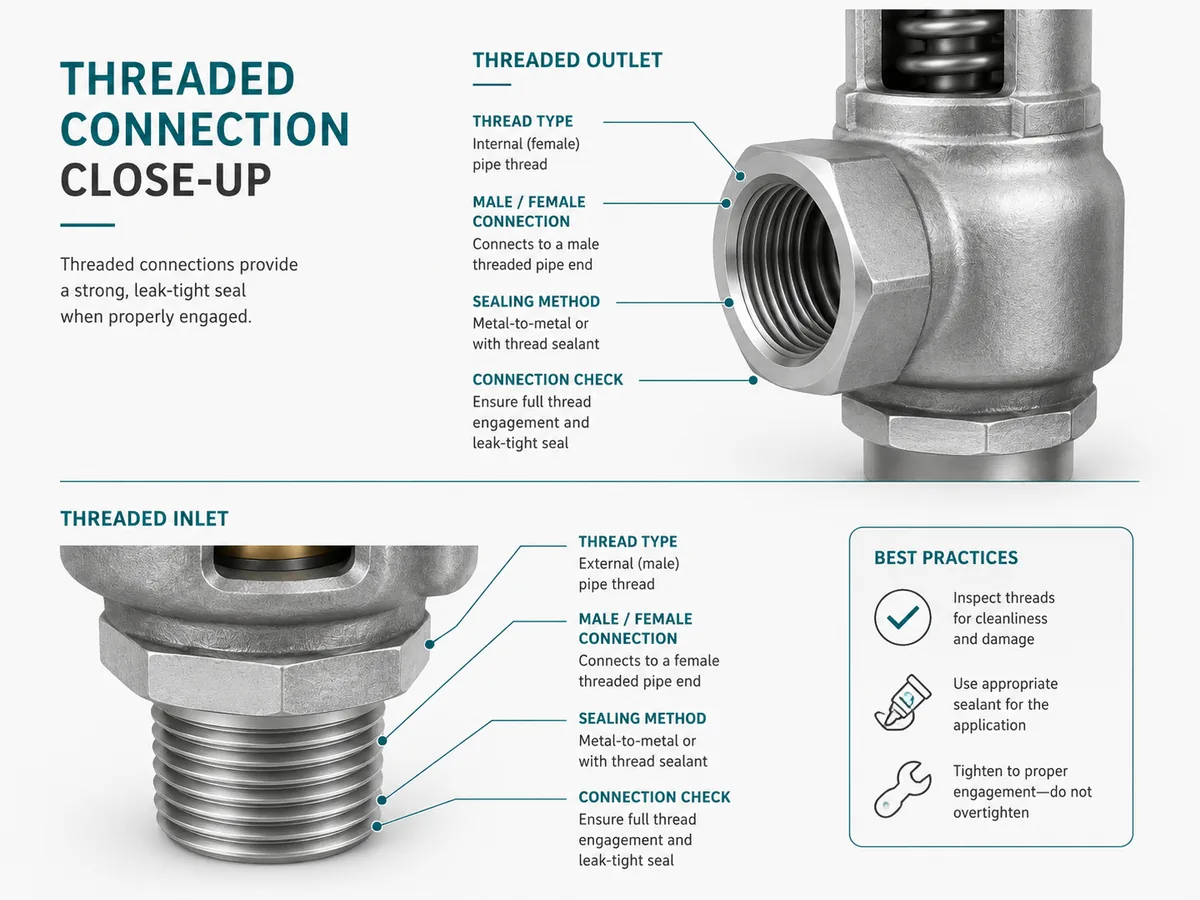
Visualizzazione ingegneristica generata dall'IA solo per l'identificazione della connessione; non è una tabella delle dimensioni standard delle filettature.
Ingresso filettato
L'ingresso collega la valvola all'attrezzatura protetta o alla tubazione a monte. Il tipo di filettatura, il genere, il metodo di tenuta, la restrizione in ingresso e la perdita di pressione in ingresso devono essere esaminati. Una connessione di ingresso filettata non deve creare eccessiva restrizione, flusso bloccato, intrusione di sigillante o perdita di pressione in ingresso che influenzi il comportamento di apertura o la stabilità della valvola.
Percorso di scarico e uscita
L'uscita deve scaricare in sicurezza e non deve essere utilizzata per supportare tubazioni a valle pesanti senza una revisione ingegneristica.
Sede, molla e corpo
I materiali del corpo, del trim, della sede, della guarnizione e della molla devono corrispondere al fluido, alla temperatura, alla pressione, al rischio di corrosione e ai requisiti documentali.
| Elemento di specifica | Cosa Confermare | Perché è Importante |
|---|---|---|
| Tipo di filettatura | NPT, BSP, G, Rc o filettatura specifica del progetto. | Previene errori di accoppiamento, perdite e danni alla filettatura. |
| Dimensione filettatura | Dimensione nominale ingresso e uscita. | Necessario per l'abbinamento delle connessioni, ma non per la prova di capacità. |
| Pressione di taratura | Pressione di apertura richiesta in condizioni di prova specificate. | Definisce la pressione di impostazione, non la capacità di sfioro. |
| Capacità richiesta | Carico di sfioro richiesto e base di capacità. | Conferma la capacità di protezione dalla pressione. |
| Materiale | Corpo, garnitura, sede, tenuta e molla. | Influisce sulla resistenza alla corrosione, sull'idoneità alla temperatura e sulla documentazione. |
| Documenti | Scheda tecnica, targhetta, registri di prova, registri materiali e ambito di ispezione. | Supporta un acquisto sicuro e la verifica della sostituzione. |
Tipi comuni di filettatura: NPT, BSP, G e Rc
Le valvole di sicurezza filettate possono essere descritte come NPT, BSP, G, Rp, Rc o R. Queste designazioni non sono intercambiabili. ASME B1.20.1 copre le forme comuni di filettatura per tubi in pollici, inclusa la NPT. ISO 7-1 copre le filettature per tubi dove le giunzioni a tenuta di pressione sono realizzate sulla filettatura, incluse le designazioni R/Rc/Rp. ISO 228-1 copre le filettature parallele G destinate ad assemblaggi dove la tenuta di pressione non è realizzata sulla filettatura stessa. La designazione esatta, la dimensione, il genere, la tolleranza, la superficie di tenuta e la base di misurazione dovrebbero provenire dal disegno approvato, dalla porta dell'apparecchiatura o dalla specifica della tubazione.
BSP non è una designazione di filettatura precisa
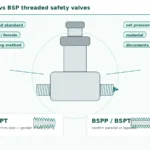
“BSP” è frequentemente usato come abbreviazione di acquisto, ma può riferirsi a una filettatura conica nella famiglia ISO 7 o a una filettatura parallela G nella famiglia ISO 228. Queste connessioni utilizzano principi di tenuta diversi. Una filettatura conica può realizzare la giunzione a tenuta di pressione sulla filettatura, mentre una filettatura parallela G necessita normalmente di una superficie di tenuta separata, guarnizione, rondella incollata o altro arrangiamento di tenuta specificato. Una richiesta di preventivo che indica solo “BSP 1/2 pollice” è quindi incompleta.
| Termine Acquirente | Direzione di riferimento ufficiale | Significato ingegneristico tipico | Cosa deve ancora essere confermato |
|---|---|---|---|
| NPT | ASME B1.20.1 | Filettatura per tubi conica in pollici per uso generale; la geometria della filettatura e le tolleranze sono definite dallo standard. | Dimensioni, forma interna/esterna, ingaggio, procedura di sigillatura e accettazione del progetto. |
| R / Rc / Rp | ISO 7-1 | Famiglia di filettature per tubi utilizzata dove le giunzioni a tenuta di pressione sono realizzate sulle filettature. | Designazione esatta esterna/interna, filettatura di accoppiamento, sigillante e verifica del calibro. |
| G / BSPP | ISO 228-1 | Filettatura di fissaggio parallela; lo standard afferma che la tenuta di pressione non è realizzata sulla filettatura stessa. | Piano di tenuta, guarnizione o rondella, geometria della porta e metodo di serraggio. |
| “Solo ”BSP” | Descrizione acquisto incompleta | Può essere utilizzato informalmente per diversi sistemi di filettatura di forma Whitworth. | Non rilasciare l'ordine finché la designazione esatta dello standard non è confermata. |
Confine standard filettatura: ASME B1.20.1, ISO 7-1 e ISO 228-1 definiscono la geometria della filettatura, la designazione e i relativi requisiti di verifica. Non stabiliscono la capacità di sfioro, la pressione di taratura, la classe di pressione o la certificazione secondo codice della valvola di sicurezza.
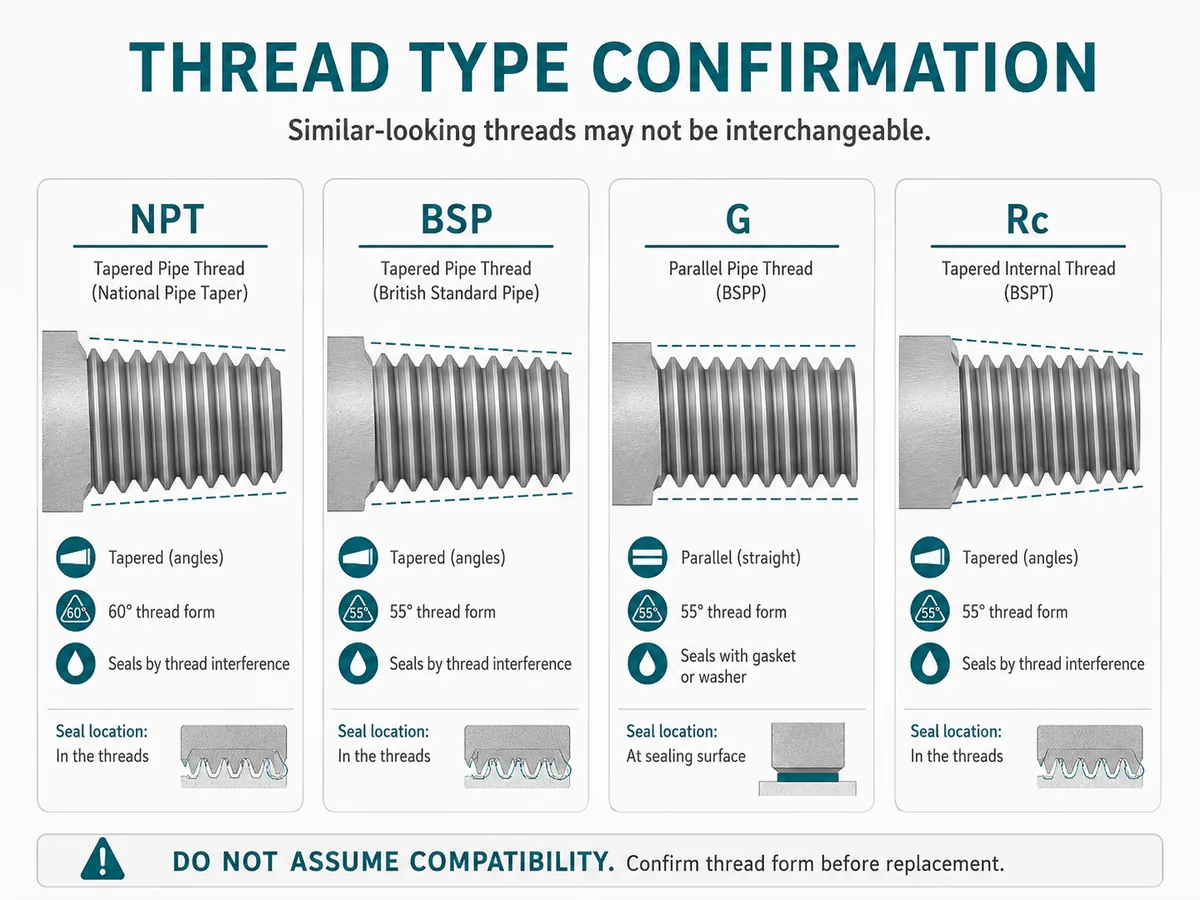
Illustrazione ingegneristica semplificata generata dall'IA; non sostituisce gli standard di filettatura, i disegni o la verifica tramite calibro.
Perché filettature dall'aspetto simile potrebbero non essere intercambiabili
Un errore comune nella sostituzione è presumere che filettature dall'aspetto simile siano intercambiabili. Potrebbero non esserlo. Una valvola filettata NPT non deve essere considerata automaticamente intercambiabile con filettature BSP, G o Rc. L'angolo della filettatura, il cono, il passo e il metodo di tenuta possono differire.
Filettatura maschio/femmina e metodo di tenuta
Le connessioni filettate possono essere maschio o femmina. Alcune connessioni sigillano sulla filettatura, mentre altre possono fare affidamento su una superficie di tenuta, una guarnizione, una rondella o un altro accorgimento. Il metodo di tenuta deve essere confermato piuttosto che presunto.
La perdita dalla connessione filettata non è la stessa della perdita dalla sede valvola, del simmer o dell'errore di pressione di taratura. Se si osserva una perdita, l'ispezione dovrebbe distinguere tra l'accoppiamento della filettatura, la condizione del sigillante o della guarnizione, lo stress di installazione, il danno alla sede, il comportamento della pressione di taratura e la contaminazione del fluido prima di decidere la sostituzione. Per il contesto del test di tenuta della sede, consultare il flusso di lavoro di verifica della filettatura di ZOBAI API 527 test di tenuta sede guida.
Flusso di lavoro di verifica della filettatura
Identificare le marcature visibili
Raccogliere la targhetta, le marcature sul corpo, la vecchia scheda tecnica e qualsiasi disegno di progetto.
Confermare la forma della filettatura
Verificare la filettatura NPT, BSP, G, Rc o altra filettatura definita dal progetto utilizzando prove attendibili.
Confermare i dettagli della connessione
Registrare la dimensione della filettatura, la connessione maschio/femmina, la disposizione ingresso/uscita e il metodo di tenuta.
Verifica la funzione della valvola
Non finalizzare la sostituzione finché non vengono verificati pressione di taratura, capacità, fluido e materiale.
| Domanda sulla filettatura | L'acquirente deve fornire | Perché è necessaria |
|---|---|---|
| Che tipo di filettatura è richiesta? | NPT, BSP, G, Rc o disegno di progetto. | Impedisce la selezione di connessioni incompatibili. |
| La connessione è maschio o femmina? | Genere dell'ingresso e dell'uscita. | Impedisce errori di installazione. |
| Come avviene la tenuta della connessione? | Tenuta filettata, guarnizione, faccia di tenuta o metodo di progetto. | Separa la perdita dalla connessione dalla perdita dalla sede. |
| È una sostituzione? | Foto della valvola esistente, targhetta e vecchia scheda tecnica, se disponibili. | Supporta la revisione dell'intercambiabilità oltre la dimensione della filettatura. |
| La filettatura esistente è danneggiata o incerta? | Foto ravvicinate, risultato del calibro filettatura o nota di manutenzione. | Impedisce la ripetizione di una condizione di installazione fallita o danneggiata. |
I termini di pressione e capacità non devono essere confusi
La selezione delle valvole di sicurezza filettate spesso fallisce quando gli acquirenti trattano la dimensione della filettatura, la pressione di taratura e la capacità come se descrivessero la stessa cosa. Non è così. La connessione filettata definisce come la valvola si collega all'attrezzatura o alla tubazione. Non definisce il carico di sfioro richiesto o la base della capacità della valvola selezionata.
| Termine | Cosa significa | Perché è importante per le valvole di sicurezza filettate |
|---|---|---|
| Pressione operativa | Pressione normale durante il funzionamento. | Mostra il margine operativo al di sotto della pressione di taratura e il rischio di simulazione o perdita. |
| Pressione massima di progetto / Pressione di progetto | Base di pressione dell'apparecchiatura protetta o progettazione del sistema. | Definisce il limite di protezione dalla pressione e non deve essere sostituito solo dalla classificazione della filettatura. |
| Pressione di taratura | Pressione alla quale la valvola è regolata per iniziare ad aprirsi in condizioni specificate. | Definisce il punto di apertura, non la capacità di sfioro richiesta. |
| Capacità di sfioro richiesta | Portata richiesta per controllare lo scenario di sfioro dominante. | Deve essere calcolata o specificata dal caso di sfioro; la sola dimensione della filettatura non è sufficiente. |
| Base di calcolo della capacità valvola selezionata | Base di calcolo supportata o documentata dal produttore per la valvola selezionata. | Deve corrispondere alle condizioni effettive di fluido, pressione, temperatura e contropressione. |
| Pressione-temperatura nominale | Limite di pressione ammissibile del materiale/connessione alla temperatura, a seconda della base di rating applicabile. | La connessione filettata e il materiale del corpo devono essere verificati rispetto alla temperatura di servizio e alle specifiche di progetto. |
| Pressione di sfioro | Pressione utilizzata per la valutazione della capacità di sfioro secondo il caso di riferimento. | Deve essere coerente con il codice selezionato, la sovrapressione ammissibile e la base di dimensionamento effettiva. |
| Sovrapressione | Aumento di pressione al di sopra della pressione di taratura durante lo sfioro. | Influenza la pressione di pilotaggio disponibile, lo sviluppo dell'alzata e la capacità; non è definita dalla dimensione della filettatura. |
| Accumulo | Aumento di pressione al di sopra del limite di pressione dell'apparecchiatura protetta durante l'evento, come definito dalla base di codice applicabile. | Determina il limite ammissibile del sistema di pressione e deve essere collegato allo scenario di sfioro di riferimento. |
| Blowdown / richiusura | Differenza tra il comportamento di apertura e richiusura dopo l'evento. | Influisce sul ciclo, sulla tenuta e sulla stabilità operativa, ma non sostituisce la verifica della capacità. |
| Perdita di pressione in ingresso | Caduta di pressione tra l'apparecchiatura protetta e l'ingresso della valvola durante lo sfioro. | Adattatori filettati, intrusione di sigillante, nippli lunghi e passaggi ristretti possono contribuire a instabilità o vibrazioni. |
| Contropressione | Pressione agente sull'uscita prima o durante lo scarico. | Può influenzare l'apertura, l'alzata, la capacità e la richiusura; la costruzione filettata non elimina questo effetto. |
Attenzione alla capacità: Un filetto da 1/2 pollice, 3/4 di pollice o 1 pollice non garantisce la capacità di sfioro richiesta. Lo scenario di sfioro dominante, le proprietà del fluido, la pressione di sfioro, la temperatura di sfioro e la contropressione devono comunque essere esaminati. Per il contesto di dimensionamento focalizzato sugli standard, consultare il sito ZOBAI API 520 dimensionamento valvole di sicurezza guida.
Capacità e prove di collaudo sono approvazioni separate.
ISO 4126-1 fornisce requisiti generali di prodotto per le valvole di sicurezza e si identifica esplicitamente come uno standard di prodotto piuttosto che uno standard di progettazione applicativa. Per applicazioni di raffineria e correlate nel suo ambito, API 520 Parte I tratta il dimensionamento e la selezione. Nessuna delle due fonti consente all'acquirente di dedurre la capacità dalla dimensione della connessione NPT, BSP, G o Rc.
| Evidenza | Cosa supporta | Cosa non dimostra da solo |
|---|---|---|
| Disegno della filettatura o registro di calibro | Forma, dimensione e base di accoppiamento della connessione. | Pressione di taratura, capacità di sfioro o idoneità del materiale. |
| Registrazione del test di pressione di taratura | Regolazione dell'apertura in condizioni di prova registrate. | Capacità richiesta, capacità certificata o stabilità installata. |
| Rapporto di tenuta al sedile | Perdite in chiusura secondo il metodo di prova specificato. | Integrità del giunto filettato, capacità o scenario di sfioro corretto. |
| Dati di capacità certificati/documentati | Capacità di flusso supportata per un modello e condizioni definite. | Che il calcolo di sfioro dell'impianto, la linea di ingresso e il sistema di uscita siano corretti. |
| Pressione-temperatura nominale | Confine materiale/connessione ammissibile alla temperatura. | Capacità o compatibilità con ogni mezzo di processo. |
Scenario ingegneristico tipico: una valvola di ricambio può superare i test di pressione di taratura e di tenuta del sedile ma rimanere non sicura se il suo orifizio interno o la capacità documentata è inferiore al carico di sfioro di governo. La correzione consiste nel confrontare la capacità richiesta attuale con le prove di capacità specifiche del modello prima di accettare una sostituzione con la stessa filettatura.
Dove vengono comunemente utilizzate le valvole di sicurezza filettate?
Le valvole di sicurezza filettate sono spesso considerate laddove la connessione dell'apparecchiatura o il sistema di tubazioni utilizza porte filettate e dove la capacità richiesta, la classe di pressione, la condizione di servizio e le specifiche di progetto consentono una connessione filettata.
Skid compatti e apparecchiature OEM
Le valvole filettate possono essere utilizzate dove lo spazio, il layout delle tubazioni e le porte delle apparecchiature sono già definiti da un design skid o OEM.
Piccoli serbatoi e sistemi di utilità
Possono essere considerate per selezionati sistemi ad aria, gas, acqua, vapore o ausiliari quando sono specificate tubazioni filettate.
Applicazioni di sostituzione e per distributori
I distributori ricevono spesso foto di valvole obsolete o dati parziali della targhetta, ma la sostituzione non deve basarsi solo sull'aspetto.
Matrice di selezione preliminare
| Condizione | Perché le valvole filettate possono essere considerate | Dati ancora necessari |
|---|---|---|
| L'attrezzatura ha una porta filettata | La connessione può corrispondere all'interfaccia dell'attrezzatura. | Tipo di filettatura, dimensione, genere, metodo di tenuta, classe di pressione e tipo di servizio. |
| Skid compatto o pacchetto OEM | La connessione filettata può adattarsi a spazi limitati e tubazioni di pacchetto. | Scenario di sfioro, capacità richiesta, vibrazioni, percorso di scarico e accesso per la manutenzione. |
| Richiesta di sostituzione distributore | Le valvole filettate vengono spesso sostituite da foto esistenti o registrazioni parziali. | Targhetta, vecchia scheda tecnica, prove di filettatura, fluido, pressione di taratura e base di capacità. |
| Servizio aria di utilità, gas, acqua o vapore | La connessione filettata può essere utilizzata dove le specifiche di progetto lo consentono. | Fluido/fase, temperatura, materiale, sede/tenuta, sicurezza di scarico e documenti. |
Confine ingegneristico: La praticità non è un criterio di selezione. Capacità, classe di pressione, temperatura, contropressione, materiali e sicurezza di scarico rimangono necessari.
Quando una valvola di sicurezza filettata potrebbe non essere adatta
Una valvola di sicurezza filettata potrebbe non essere adatta quando il carico di sfioro richiesto, le specifiche della tubazione, le vibrazioni, le pratiche di manutenzione, le condizioni di pressione-temperatura o la documentazione di progetto richiedono un altro tipo di connessione.
Limiti di capacità e classe di pressione
La dimensione della connessione filettata non dimostra la capacità di sfioro. Un acquirente non dovrebbe presumere che una filettatura più grande significhi automaticamente capacità sufficiente o che una valvola di ricambio filettata di pari dimensioni possa gestire la stessa portata. Per decisioni relative alla capacità, rivedere dimensionamento valvole di sicurezza e capacità certificata.
Vibrazioni, manutenzione e tubazione di scarico
Le connessioni filettate possono essere sensibili alla qualità dell'installazione, alla rimozione ripetuta, alle vibrazioni, alle pratiche di sigillatura e allo stress della tubazione. Se l'apparecchiatura vibra, la tubazione di scarico è pesante o la valvola deve essere rimossa frequentemente per l'ispezione, la connessione e l'installazione devono essere attentamente valutate.
Quando una connessione flangiata può essere considerata
A valvola di sicurezza flangiata può essere considerata quando il sistema richiede una rimozione più semplice, una connessione di dimensioni maggiori, una tubazione più pesante, un allineamento formale della classe di tubazione, maggiori aspettative di documentazione o una specifica di progetto che richieda connessioni flangiate.
Valutare attentamente le connessioni filettate quando
- La capacità di sfioro richiesta non è ancora stata calcolata o documentata.
- La linea di scarico è pesante, vibrante, ristretta o collegata a un collettore.
- La forma della filettatura è incerta o la vecchia valvola è danneggiata.
- Il fluido è corrosivo, sporco, ad alta temperatura, congelante o polimerizzante.
Non dare per scontato
- Non dare per scontato che la dimensione della filettatura garantisca la capacità.
- Non dare per scontato che NPT, BSP, G e Rc siano intercambiabili.
- Non dare per scontato che acciaio inossidabile o ottone siano automaticamente adatti al fluido.
- Non dare per scontato che un nome standard garantisca la conformità finale.
Valvola di Sicurezza Filettata vs Valvola di Sicurezza Flangiata
La differenza tra una valvola di sicurezza filettata e una valvola di sicurezza flangiata risiede principalmente nel tipo di connessione finale. Entrambe possono svolgere funzioni di sfioro della pressione, ma l'installazione, la manutenzione, la documentazione e l'interfaccia con la tubazione possono essere diverse.
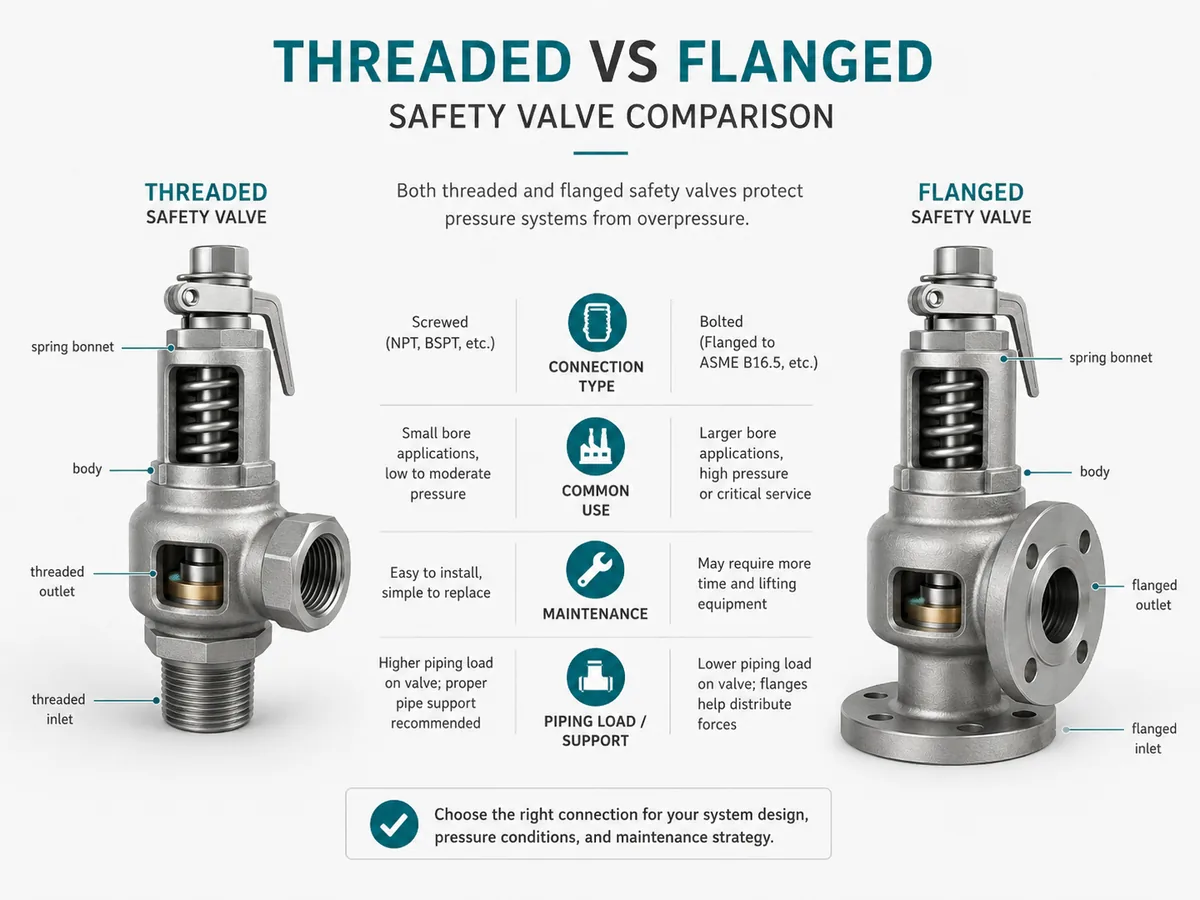
Illustrazione generata dall'IA dei limiti di selezione, non una classifica universale dei tipi di connessione.
| Fattore di Selezione | Valvola di sicurezza filettata | Valvola di sicurezza flangiata |
|---|---|---|
| Connessione tipica | Connessione filettata. | Connessione flangiata imbullonata. |
| Uso comune | Apparecchiature compatte, skid, piccoli recipienti e sistemi di utilità. | Sistemi di tubazioni più grandi, linee di processo formali e tubazioni di scarico più pesanti. |
| Assunzione di capacità | La dimensione della filettatura non dimostra la capacità. | La dimensione della flangia non dimostra la capacità. |
| Manutenzione | Richiede la revisione della filettatura e della sigillatura durante la rimozione e la reinstallazione. | Spesso più facile da rimuovere e reinstallare nei sistemi di tubazioni. |
| Specifiche di progetto | Adatto solo se consentito dai requisiti di progetto. | Spesso specificato dalla classe di tubazioni o dallo standard di progetto. |
| Documentazione | Deve comunque confermare datasheet, materiale, test e base di capacità. | Potrebbe allinearsi più direttamente con la documentazione della classe di tubazioni e dello standard delle flange. |
Verifiche ingegneristiche prima della selezione di una valvola di sicurezza filettata
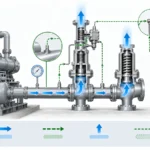
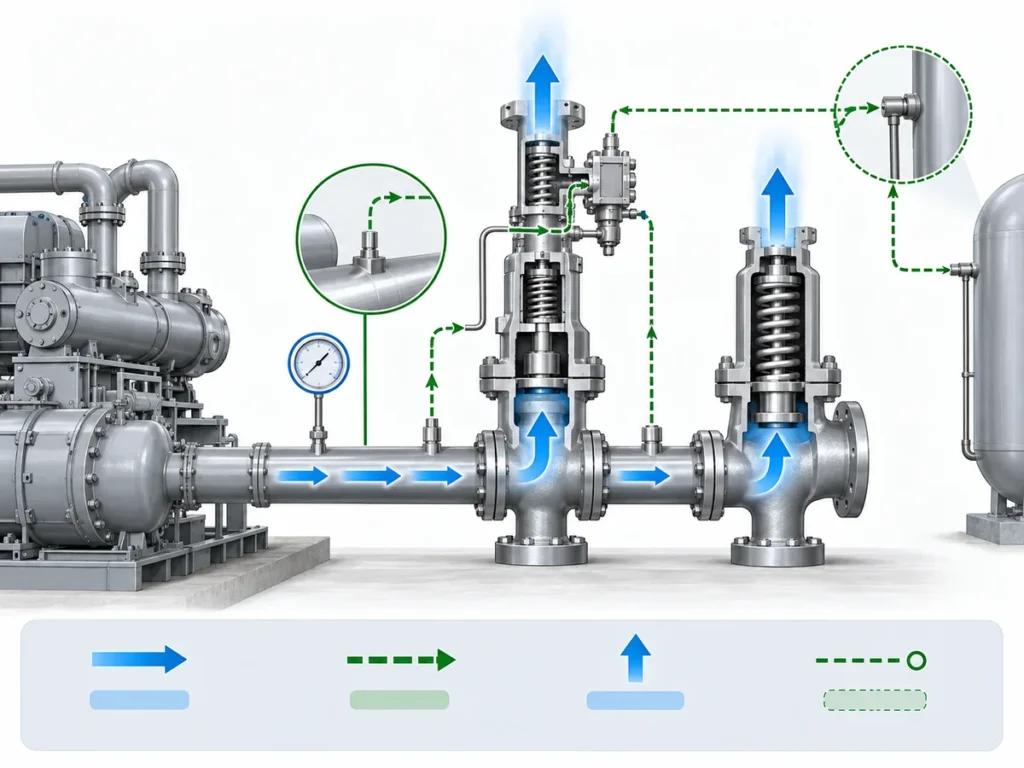
Prima di selezionare una valvola di sicurezza filettata, esaminare la connessione come parte del sistema completo di protezione dalla pressione. La valvola, il percorso di ingresso, il percorso di uscita, il metodo di tenuta, il mezzo, la base di capacità e i documenti influenzano tutti la decisione. La guida ufficiale all'installazione per i dispositivi di scarico della pressione nell'ambito API è fornita da API 520 Parte II; il suo focus sull'installazione non rende ogni raccomandazione API automaticamente applicabile a ogni settore o giurisdizione.
Revisione della contropressione e della tubazione di uscita
| Articolo | Cosa controllare | Perché è Importante |
|---|---|---|
| Percorso di ingresso filettato | Ingaggio della filettatura, posizione del sigillante, restrizione a monte e perdita di carico in ingresso. | Restrizioni eccessive o intrusione di sigillante possono influire sul comportamento di apertura, sulla stabilità e sulla capacità della valvola. |
| Contropressione sovrapposta | Pressione presente all'uscita prima dell'apertura della valvola. | Può influire sul comportamento di apertura, sulla capacità o sulla configurazione selezionata. |
| Contropressione accumulata | Pressione creata nella tubazione di uscita durante il flusso di scarico. | Può ridurre la capacità o creare instabilità se il percorso di scarico è ristretto. |
| Carico della tubazione di uscita | Peso della tubazione, vibrazioni, movimenti termici e supporto. | Una uscita filettata non deve essere utilizzata come supporto strutturale per tubazioni pesanti. |
| Direzione di scarico | Sfogo, drenaggio e instradamento sicuri lontano da pericoli per il personale o le attrezzature. | La connessione filettata non elimina la necessità di una progettazione sicura dello scarico. |
Per una terminologia più approfondita sulla contropressione e sul contesto del soffietto bilanciato, consultare il sito ZOBAI guida contropressione e soffietto.
Selezione di fluidi e materiali
| Condizione di servizio | Rischio principale | Cosa Confermare |
|---|---|---|
| Servizio con vapore o ad alta temperatura | Il materiale di sede, molla, guarnizione e corpo può essere limitato dalla temperatura. | Temperatura di sfioro, classificazione del materiale, configurazione del cappello/coperchio e condizione di scarico. |
| Mezzo corrosivo | Corpo, trim, molla, area filettata e guarnizione possono corrodersi in modo diverso. | Composizione del fluido, concentrazione, temperatura e compatibilità dei materiali. |
| Servizio con fluidi sporchi o contenenti particelle | Possono verificarsi danni alla sede, perdite o blocco del percorso di flusso. | Pulizia del fluido, filtrazione, accesso alla manutenzione e materiale della sede. |
| Servizio con liquidi o bifase | Il dimensionamento e il comportamento di scarico differiscono dal servizio gas/vapore. | Fase, densità, viscosità, contropressione e base dello scenario di sfioro. |
| Servizio all'aperto o in condizioni di gelo | La connessione filettata, l'uscita o il percorso di scarico possono congelare o limitare lo scarico. | Condizioni ambientali, isolamento, drenaggio, orientamento e idoneità dei materiali. |
Revisione dei materiali a livello di componente
| Componente | Rischio valvola filettata | Revisione prima dell'approvazione |
|---|---|---|
| Corpo e raccordo filettato | Serraggio eccessivo, corrosione, grippaggio del filetto, fessurazione o riduzione della parete alla connessione. | Grado del materiale, limiti pressione-temperatura, accoppiamento, metodo di serraggio e meccanismo di corrosione. |
| Ugello, disco e sede | Particelle o sigillante possono danneggiare le superfici di tenuta e causare perdite. | Materiale del trim, tipo di sede, pulizia del processo e base di accettazione del test. |
| Guida e stelo | Disallineamento dovuto a carichi della tubazione o depositi può limitare l'alzata e la richiusura. | Gioco della guida, orientamento, vibrazioni, storico di manutenzione e abbinamento dei materiali. |
| Molla | Temperatura, corrosione o rilassamento possono alterare la pressione di taratura. | Intervallo della molla, materiale, ambiente del cappello e temperatura di servizio. |
| Sede morbida, guarnizione o rondella. | Gonfiore, indurimento, estrusione o geometria errata della faccia possono causare perdite. | Composto esatto, temperatura, fluido, design della faccia di tenuta e tracciabilità della sostituzione. |
| Attacco di uscita | Tubazioni pesanti possono ruotare o sovraccaricare il collegamento del corpo filettato. | Supporto indipendente, movimento termico, forza di reazione e instradamento sicuro dello scarico. |
Lista di controllo installazione: da fare / da non fare
Fare
- Confermare la forma, la dimensione, il genere e il metodo di tenuta della filettatura prima dell'installazione.
- Mantenere il percorso di ingresso corto, pulito e coerente con la base di perdita di pressione del progetto.
- Supportare la tubazione di scarico in modo che il corpo valvola non sopporti il peso della tubazione.
- Confermare lo scarico sicuro, il drenaggio e l'accesso per la manutenzione.
- Registrare la targhetta, la scheda tecnica e la documentazione di prova per la cronologia delle sostituzioni.
Non
- Non forzare filettature non compatibili per adattarle.
- Non utilizzare sigillante in eccesso che potrebbe entrare nel percorso del flusso.
- Non selezionare solo in base alla dimensione della filettatura e alla pressione di taratura.
- Non ignorare vibrazioni, carico di scarico o rimozione ripetuta.
- Non dichiarare la conformità senza il modello selezionato e la revisione della documentazione.
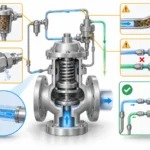
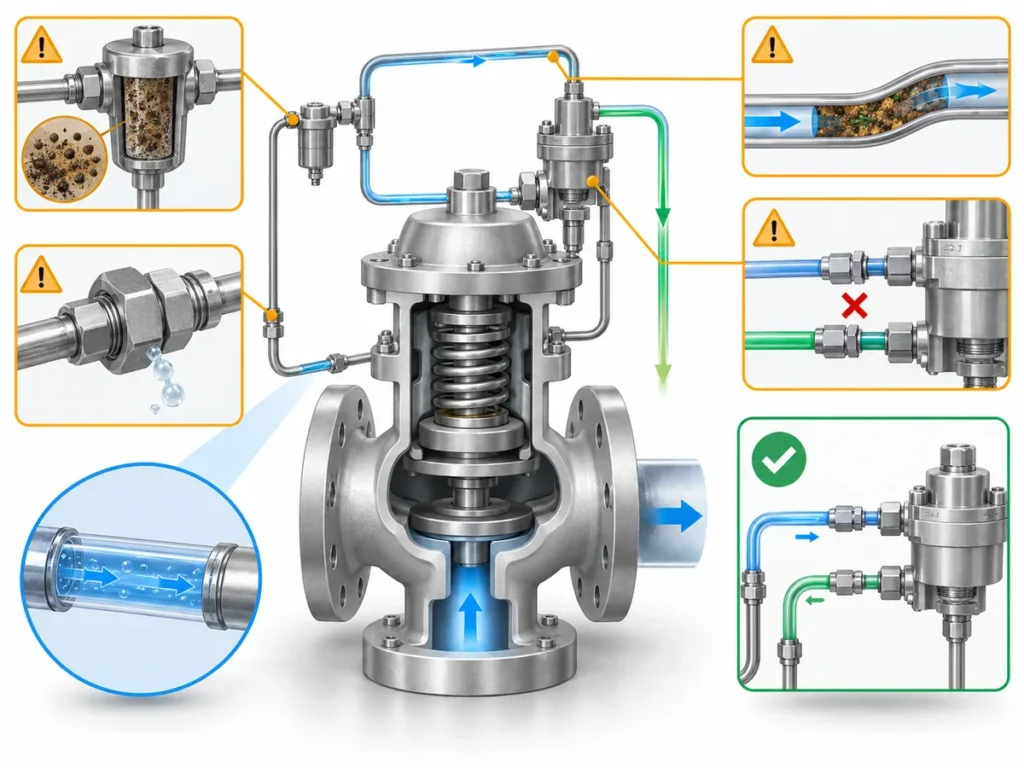
Scenario ingegneristico tipico: un'eccessiva quantità di nastro o pasta in PTFE applicata a una valvola può causare il distacco di materiale nell'ingresso o la proiezione di sigillante nel percorso del flusso. Il problema osservato può essere una perdita dalla sede, un'alzata ritardata o un funzionamento instabile, piuttosto che una perdita esterna del giunto. L'azione corretta consiste nel rimuovere la valvola, ispezionare l'ingresso e la sede, ripristinare la procedura di sigillatura approvata e verificare la pressione di taratura e le condizioni della sede dopo l'intervento prima del riavvio in servizio.
Per considerazioni più ampie sulla tubazione di ingresso/uscita e sullo scarico, consultare il guida all'installazione delle valvole di sicurezza.
Dati di selezione richiesti prima della richiesta di preventivo (RFQ)
Una richiesta per valvola di sicurezza filettata deve includere sia i dati di sfioro che i dati di connessione. Senza entrambi, il preventivo potrebbe essere incompleto o tecnicamente insicuro.
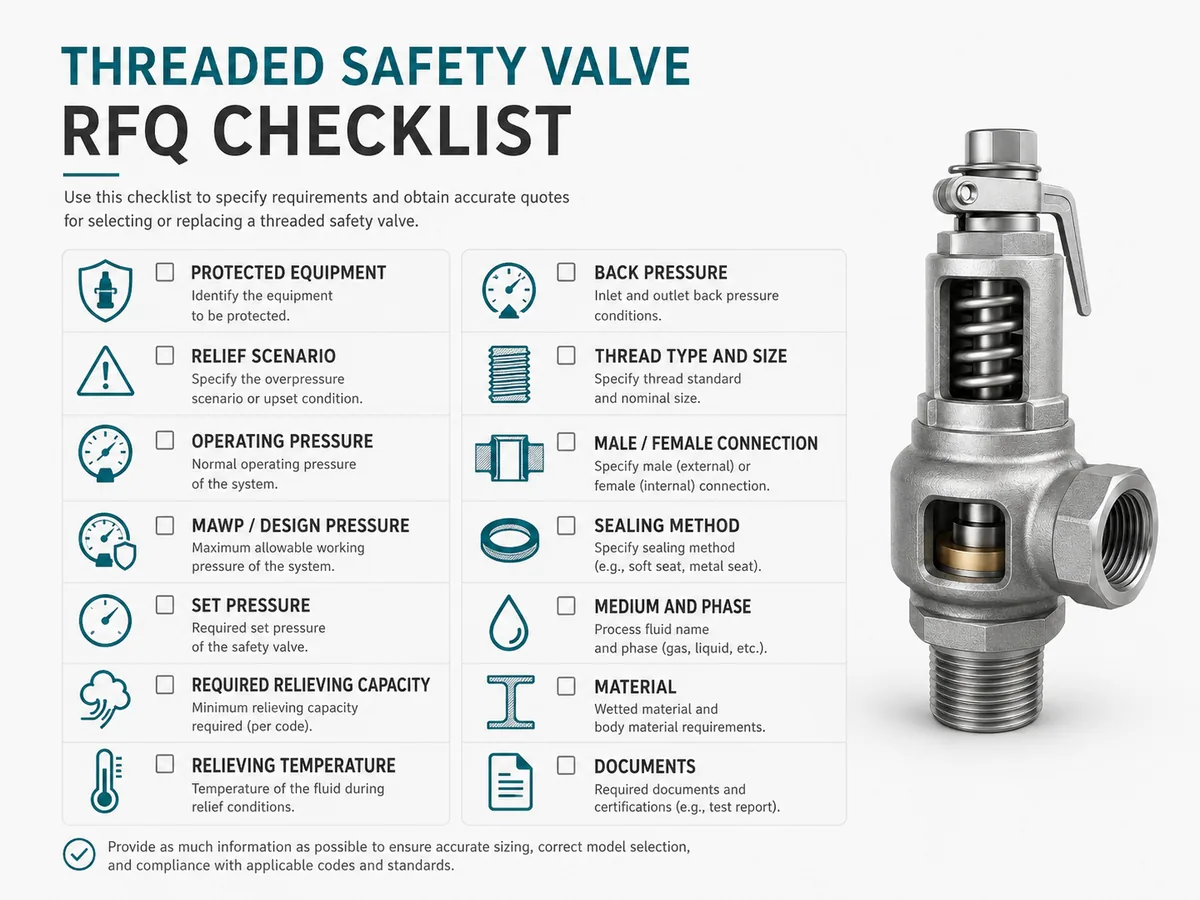
Illustrazione RFQ generata dall'IA. Un preventivo o una revisione di sostituzione non dovrebbe basarsi solo sulla dimensione della filettatura, sulla pressione di taratura o sulle foto.
| Gruppo Dati | Input richiesto | Perché è Importante |
|---|---|---|
| Apparecchiatura protetta | Serbatoio, cisterna, skid, compressore, condotta, impianto di servizio o attrezzatura OEM. | Definisce il sistema protetto e la base di progettazione. |
| Scenario di sfioro | Uscita bloccata, caso incendio, espansione termica, guasto regolatore o altro caso. | Determina il carico di sfioro richiesto. |
| Dati di pressione | Pressione operativa, MAWP/pressione di progetto, pressione di taratura e base di sovrapressione ammissibile. | Previene errori nella definizione della pressione. |
| Dati di capacità | Portata richiesta di scarico, proprietà del fluido e base di capacità. | Impedisce la selezione basata solo sulla dimensione della filettatura. |
| Dati filettatura | Tipo di filettatura, dimensione, connessione maschio/femmina, dettagli ingresso/uscita e metodo di tenuta. | Previene errori di corrispondenza durante l'ordine o la sostituzione. |
| Contropressione e tubazioni | Pressione di scarico, percorso di scarico, supporto tubazioni, restrizione e drenaggio. | Influenza capacità, stabilità, perdite e scarico sicuro. |
| Materiali/documenti | Corpo, garnitura, sede, tenuta, molla, certificati, test e ambito di ispezione. | Supporta la revisione di approvvigionamento e conformità. |
Matrice di test e documentazione
| Documento / Verifica | Cosa supporta | Cosa non dimostra da solo |
|---|---|---|
| Scheda tecnica | Modello, taglia, connessione, pressione di taratura, materiale e base di servizio. | Non sostituisce il calcolo di sfioro o l'approvazione del progetto. |
| Targhetta | Identificazione e informazioni chiave della valvola. | Non dimostra l'intercambiabilità se capacità, forma della filettatura o materiale non sono chiari. |
| Test pressione di taratura | Pressione di apertura in condizioni di prova specificate. | Non dimostra la capacità di sfioro richiesta. |
| Test di tenuta sede | Prestazioni di tenuta rispetto a un metodo di prova definito e base di accettazione. | Non dimostra che la connessione filettata non perderà se installata in modo errato. |
| Registri dei materiali | Tracciabilità per parti specificate ove richiesto. | Non dimostra la compatibilità di servizio senza revisione di fluido e temperatura. |
| Base di calcolo della capacità | Se la valvola selezionata può soddisfare il carico di sfioro richiesto. | Deve comunque corrispondere al fluido effettivo, alla pressione di sfioro, alla temperatura e alla contropressione. |
API 527 descrive i metodi di prova di tenuta della sede per valvole di sicurezza con sede metallica e morbida applicabili. Non verifica il giunto filettato, la capacità di sfioro richiesta o l'installazione nell'impianto. Ove sia richiesta la certificazione ASME/National Board, la database National Board NB-18 può essere utilizzata per esaminare produttori, assemblatori e informazioni sui dispositivi certificati; l'elenco deve comunque essere confrontato con il modello e la configurazione esatti acquistati.
Per il contesto pressione-temperatura, consultare la guida di ZOBAI. limiti di pressione-temperatura Per differenze terminologiche più ampie, consultare Valvola di sfioro vs Valvola di sicurezza vs Valvola di sicurezza vs Valvola di sfioro.
Errori comuni nell'acquisto o nella sostituzione di valvole di sicurezza filettate
Gli errori nelle valvole di sicurezza filettate si verificano spesso perché la connessione visibile è facile da identificare, mentre la funzione di protezione dalla pressione è più difficile da verificare.
| Errore | Perché è rischioso | Controllo corretto |
|---|---|---|
| Selezione basata solo sulla dimensione della filettatura | La stessa dimensione della filettatura potrebbe non significare la stessa capacità o costruzione. | Confermare tipo di filettatura, pressione di taratura, capacità, materiale e documenti. |
| Confusione tra NPT/BSP/G/Rc | Aspetti simili possono nascondere forme di filettatura diverse. | Confermare lo standard esatto della filettatura, il tipo (maschio/femmina) e il metodo di tenuta. |
| Ignorare la capacità | La dimensione della filettatura non è l'area dell'orifizio. | Confermare la capacità di sfioro richiesta e la base della capacità della valvola selezionata. |
| Ignorando il fluido | Il materiale e la sede potrebbero non essere idonei. | Confermare fluido, fase, temperatura e rischio di corrosione. |
| Ignorando la tubazione di scarico | Lo scarico può creare contropressione, vibrazioni o carichi meccanici. | Confermare percorso di scarico, supporto, drenaggio e scarico sicuro. |
| Sostituzione in base all'aspetto | Valvole dall'aspetto simile potrebbero non essere intercambiabili. | Verificare targhetta, datasheet, tipo di filettatura e dati di servizio. |
| Utilizzo di più sigillante per forzare un disallineamento | Il sigillante non può correggere una geometria di filettatura incompatibile e può entrare nell'ingresso della valvola. | Interrompere l'installazione, identificare lo standard della filettatura e ispezionare entrambi i componenti accoppiati. |
| Presupporre che la classe di pressione della filettatura corrisponda alla classe di pressione della valvola | Il limite ammissibile dipende dal progetto completo della valvola, dal materiale e dalla temperatura, non solo dall'etichetta della filettatura. | Utilizzare la scheda tecnica del modello selezionato e la base di pressione-temperatura approvata. |
| Ignorare le evidenze riscontrate dopo la rimozione | La pulizia o la regolazione possono cancellare le prove di deriva della pressione di taratura, depositi o perdite. | Registrare le condizioni riscontrate prima della pulizia o della ricalibrazione. |
Flusso di lavoro per la verifica della sostituzione
Per una richiesta di sostituzione, il flusso di lavoro più sicuro è verificare sia la connessione che la funzione di protezione dalla pressione. Una foto chiara può aiutare, ma non può sostituire pressione di taratura, capacità, materiale e dati di servizio.
Raccogliere prove esistenti
Inviare foto complete della valvola, targhetta, primi piani delle filettature di ingresso/uscita, foto di installazione e datasheet precedente, se disponibile.
Conferma connessione
Verificare il tipo di filettatura, la dimensione, la connessione maschio/femmina, il metodo di tenuta e qualsiasi condizione di filettatura danneggiata.
Confermare il servizio
Rivedere l'attrezzatura protetta, lo scenario di sfioro, la pressione di taratura, la pressione massima di esercizio consentita (MAWP)/pressione di progetto e la capacità richiesta.
Conferma documenti
Verificare i registri dei materiali, i requisiti di prova, la base di capacità, l'ambito di ispezione e le specifiche del progetto.
Scenari ingegneristici compositi per la formazione
I seguenti esempi sono scenari ingegneristici compositi per la formazione. Non descrivono un progetto cliente reale, una prova di prodotto, un test di capacità certificato, un rapporto di incidente o una capacità garantita del modello ZOBAI.
Sostituzione di un serbatoio di aria compresso compatto
Un acquirente invia una foto di una vecchia valvola di sicurezza filettata da un serbatoio di aria compresso, ma la targhetta non è chiara. ZOBAI avrebbe comunque bisogno della pressione di taratura, della MAWP/pressione di progetto del serbatoio, della capacità richiesta, del tipo di filettatura, del fluido, della temperatura e della disposizione dell'uscita.
Pacco compressore vibrante
Una valvola filettata potrebbe adattarsi alla porta, ma le vibrazioni, il supporto dell'uscita, la perdita di pressione in ingresso e l'accesso alla manutenzione potrebbero modificare la decisione sulla connessione.
Confusione nella sostituzione BSP/NPT
Un distributore richiede una valvola filettata di pari dimensioni, ma la vecchia attrezzatura potrebbe utilizzare una forma di filettatura diversa. Lo standard della filettatura e il metodo di tenuta devono essere verificati prima del preventivo.
La tubazione di scarico ruota il corpo valvola filettato
Una piccola valvola filettata è collegata a una linea di scarico non supportata. Il movimento termico e il peso della tubazione ruotano la valvola, danneggiano il giunto filettato e trasmettono il carico al sedile e alla guida. La correzione consiste nel supportare lo scarico indipendentemente, ispezionare il corpo e le parti interne, sostituire le parti filettate danneggiate e ritestare la valvola. La prevenzione consiste nel trattare lo scarico come un componente del sistema di sicurezza da sovrapressione piuttosto che come un comodo punto di supporto per la tubazione.
Controlli di ripristino in servizio dopo riparazione o sostituzione
| Passo | Controllo minimo | Motivo |
|---|---|---|
| Identificazione | La targhetta, il numero di serie, il modello, la forma della filettatura, la pressione di taratura e il servizio corrispondono al record approvato. | Previene installazioni errate e sostituzioni con filettature sbagliate. |
| Registrazione condizioni pre-riparazione / post-riparazione | Deriva della pressione di taratura, perdite, depositi, parti danneggiate e ambito della riparazione sono documentati. | Preserva le prove per la revisione dell'intervallo e della causa principale. |
| Verifica finale | Pressione di taratura, tenuta del sedile e controlli funzionali richiesti sono completati secondo la procedura approvata. | Conferma le condizioni del banco di prova dopo la riparazione; non sostituisce l'approvazione della capacità o dell'installazione. |
| Filettatura e guarnizione | La filettatura di accoppiamento, l'innesto, il metodo di tenuta e la procedura di coppia di serraggio per l'installazione sono corretti. | Controlla perdite esterne, cricche, grippaggi e intrusione di sigillante. |
| Tubazioni | Ingresso non ristretto; uscita supportata in modo indipendente, scaricata e instradata in sicurezza. | Riduce il rischio di vibrazioni, carichi meccanici e contropressione. |
| Tracciabilità | Targhetta, sigillo e documenti di collaudo finale vengono conservati. | Supporta le decisioni successive di ispezione, riparazione e sostituzione. |
Cosa deve esaminare ZOBAI per una richiesta di valvola di sicurezza filettata
Per una nuova richiesta di valvola di sicurezza filettata, inviare i dettagli dell'attrezzatura protetta, lo scenario di sfioro, il fluido e la fase, la pressione operativa, la pressione massima di esercizio (MAWP) o la pressione di progetto, la pressione di taratura, la capacità di scarico richiesta, la temperatura di scarico, la contropressione, i dettagli della filettatura di ingresso e uscita, i requisiti dei materiali, lo standard applicabile e i documenti richiesti.
Per una richiesta di sostituzione, inviare anche foto della valvola esistente, della targhetta, della filettatura di ingresso, della filettatura di uscita, della posizione di installazione e della tubazione circostante. Se il vecchio datasheet è disponibile, includerlo.
- Attrezzatura protetta e scenario di sfioro governativo
- Fluido, fase, pressione operativa, MAWP/pressione di progetto e pressione di taratura
- Capacità di sfioro richiesta e base di calcolo della capacità
- Temperatura di sfioro e contropressione
- Tipo di filettatura, dimensione della filettatura, connessione maschio/femmina e metodo di tenuta
- Requisiti per corpo, trim, sede, guarnizione, molla, standard e documenti
- Datasheet esistente, targhetta e foto di installazione per la sostituzione
FAQ sulle valvole di sicurezza filettate
Cosa significa valvola di sicurezza filettata?
Una valvola di sicurezza filettata è una valvola di sicurezza o valvola di sfioro con connessioni filettate all'ingresso, all'uscita o a entrambi. Lo stile di connessione non definisce la pressione di taratura, la capacità, i materiali o l'accettazione secondo le normative.
Una valvola di sicurezza filettata è la stessa di una valvola di sfioro filettata?
I termini possono sovrapporsi nella comunicazione con gli acquirenti, ma la terminologia corretta dipende dal fluido, dal comportamento operativo, dal contesto normativo e dalle pratiche regionali. Confermare l'apparecchiatura protetta, lo scenario di sfioro, la funzione della valvola e il percorso di certificazione.
Posso sostituire una valvola di sicurezza filettata solo in base alla dimensione della filettatura?
La dimensione della filettatura non indica la forma della filettatura, il genere, il metodo di tenuta, la pressione di taratura, l'orifizio, la capacità di scarico, il materiale, il design del sedile o la documentazione. Utilizzare la scheda tecnica originale, la targhetta e le condizioni di servizio attuali.
Qual è la differenza tra valvole di sicurezza filettate NPT e BSP?
NPT è coperto da ASME B1.20.1. “BSP” è un termine di acquisto impreciso che può riferirsi a filettature coniche della famiglia ISO 7 o a filettature parallele G secondo ISO 228-1. Non devono essere considerate intercambiabili.
Il BSP è uguale al filetto G o Rc?
G è una filettatura parallela ISO 228-1 in cui la tenuta a pressione è normalmente realizzata da una guarnizione separata o da una faccia di tenuta. Rc è una filettatura interna conica della famiglia ISO 7-1 in cui il giunto può essere sigillato sulla filettatura.
L'uso di più nastro in PTFE può rendere sicure le filettature non compatibili?
La sigillatura non può correggere una geometria di filettatura incompatibile. Nastro o pasta eccessivi possono danneggiare le filettature, mascherare un accoppiamento scadente o entrare nell'ingresso della valvola contaminando la sede.
Quando scegliere una valvola flangiata invece di una filettata?
Una valvola flangiata può essere preferita quando il progetto richiede una maggiore capacità di flusso, tubazioni di uscita più pesanti, rimozione ripetuta, allineamento con la classe di tubazione, un più facile accesso per l'ispezione o una connessione flangiata specificata.
La dimensione della filettatura determina la capacità di sfioro?
La capacità dipende dallo scenario di sfioro di riferimento, dall'orifizio selezionato, dalle proprietà del fluido, dalla pressione di sfioro, dalla temperatura, dall'alzata e dalla contropressione. La dimensione della connessione descrive solo l'interfaccia di tubazione.
Un raccordo filettato determina la classe di pressione della valvola?
No. Il limite di pressione-temperatura ammissibile appartiene al progetto completo della valvola selezionata, ai materiali e ai dati del produttore. Una designazione della filettatura di per sé non è una classificazione di pressione della valvola.
Come influisce la contropressione su una valvola di sicurezza filettata?
La contropressione può influenzare l'apertura, l'alzata, la capacità e la richiusura, proprio come avviene per le valvole flangiate. La costruzione filettata non rende una valvola convenzionale bilanciata rispetto alla pressione di uscita.
Perché una valvola di sicurezza filettata può perdere dopo l'installazione?
La perdita può provenire dal giunto filettato, dalla sede valvola, dalla guarnizione o dalla superficie di tenuta. Le cause includono forma filettatura errata, accoppiamento insufficiente o eccessivo, sigillante inadeguato, carico sulla tubazione, contaminazione, danno alla sede o funzionamento troppo vicino alla pressione di taratura.
Quali materiali devono essere controllati?
Controllare corpo, sede filettata, ugello, disco, sede, guida, stelo, molla, guarnizioni e componenti esterni. Il materiale del corpo da solo non garantisce la compatibilità con il fluido, la temperatura o l'ambiente circostante.
L'API 527 dimostra che una valvola di sicurezza filettata ha una capacità sufficiente?
La norma API 527 tratta il collaudo di tenuta del sede per le valvole di sicurezza applicabili. Non dimostra la capacità richiesta, la capacità certificata, la compatibilità delle filettature o le prestazioni del sistema installato.
Quali standard ufficiali definiscono le filettature per tubi NPT, Rc e G?
ASME B1.20.1 copre filettature per tubi in pollici NPT e correlate. ISO 7-1 copre le designazioni di filettatura a tenuta di pressione R, Rc e Rp. ISO 228-1 copre le filettature parallele G dove la tenuta di pressione non è garantita dalla filettatura.
Quali informazioni devo inviare prima di una richiesta di preventivo?
Inviare attrezzatura protetta, scenario di sfioro, fluido e fase, pressione operativa, MAWP o pressione di progetto, pressione di taratura, capacità richiesta, temperatura di sfioro, contropressione, designazione esatta della filettatura, dimensioni, genere, metodo di tenuta, materiali, standard e documenti.
Le valvole di sicurezza filettate possono essere utilizzate per vapore, gas o liquidi?
Possono essere utilizzate in servizi selezionati se il design della valvola, la capacità, la classe di pressione-temperatura, i materiali, la sede o la guarnizione e la disposizione di scarico sono idonei. La fase del fluido deve essere definita prima del dimensionamento e della selezione.
Cosa controllare dopo la riparazione o la reinstallazione?
Verificare l'identità della valvola, i registri "as-found" e "as-left", la pressione di taratura, la tenuta del sede, le condizioni della filettatura, il metodo di sigillatura, la pulizia dell'ingresso, il supporto dell'uscita, lo scarico, la targhetta e il sigillo finale prima del ripristino in servizio.
La norma National Board NB-18 dimostra che qualsiasi valvola di pari dimensione è intercambiabile?
Il documento NB-18 fornisce informazioni sulla certificazione per produttori, assemblatori e dispositivi certificati. L'approvazione richiede ancora la corrispondenza esatta tra produttore, modello, design, capacità e percorso di certificazione del progetto.
Riferimenti Tecnici
Le seguenti fonti ufficiali supportano l'identificazione della filettatura, i requisiti del prodotto per le valvole di sicurezza, il dimensionamento, l'installazione, il collaudo e il contesto di certificazione. Un riferimento non prova che un modello ZOBAI specifico sia certificato o idoneo; l'approvazione deve essere legata al modello selezionato, alle condizioni di servizio, al calcolo di sfioro e ai requisiti di progetto.
| Riferimento Ufficiale | Cosa supporta | Utilizzo Limite |
|---|---|---|
| ASME B1.20.1 — Filettature per tubi, uso generale, pollici | Dimensioni e calibri delle filettature per tubi NPT e relative filettature in pollici. | Non stabilisce la capacità della valvola, l'idoneità del materiale o la certificazione secondo codice. |
| ISO 7-1 — Filettature per tubi dove le giunzioni a tenuta di pressione sono realizzate sulle filettature | Designazioni, dimensioni e tolleranze delle filettature R/Rc/Rp. | Non prova che una connessione “BSP” non specificata sia compatibile. |
| ISO 228-1 — Filettature per tubi parallele | Forma di filettatura parallela G per assemblaggi in cui la tenuta alla pressione non è garantita dalla filettatura. | Richiede un separato sistema di tenuta; la filettatura da sola non è la guarnizione. |
| ISO 4126-1 — Valvole di sicurezza | Requisiti generali di prodotto per le valvole di sicurezza. | ISO dichiara che si tratta di uno standard di prodotto, non di uno standard di progettazione applicativa. |
| API 520 Parte I — Dimensionamento e selezione | Dimensionamento e selezione dei dispositivi di sfioro della pressione nell'ambito correlato alla raffineria. | Non rende la dimensione della connessione una prova di capacità né si applica automaticamente a tutti i settori. |
| API 520 Parte II — Installazione | Revisione dell'installazione e analisi ingegneristica per i PRD rientranti nel suo ambito. | Non corregge una valvola sottodimensionata o una connessione filettata errata. |
| API 527 — Tenuta del sedile delle valvole di sfioro | Metodi di tenuta del sedile per PRV applicabili con sedile metallico e morbido. | Non dimostra la capacità certificata, la stabilità sul campo o l'integrità del giunto filettato. |
| ASME BPVC Sezione XIII — Regole per la Protezione da Sovrapressione | Quadro di protezione da sovrapressione ASME e requisiti PRD nel contesto applicabile del BPVC. | L'adozione del progetto, la sezione dell'attrezzatura e la giurisdizione richiedono ancora conferma. |
| ASME PTC 25 — Dispositivi di scarico della pressione | Terminologia delle prestazioni e contesto di prova per i dispositivi di scarico della pressione. | Non sostituisce il codice selezionato, la certificazione di capacità o il calcolo di scarico dell'impianto. |
| National Board NB-18 — Certificazione dei dispositivi di scarico della pressione | Informazioni sul produttore, assemblatore e dispositivo certificato nel programma National Board. | L'elenco deve corrispondere esattamente al produttore, modello, design e percorso di certificazione. |
Nota su standard e limitazioni ingegneristiche
La selezione delle valvole di sicurezza filettate può coinvolgere standard di filettatura per tubi, standard di prodotto per valvole di sicurezza, codici di protezione da sovrapressione, metodi di dimensionamento, linee guida per l'installazione e standard di prova. Questi riferimenti servono a scopi diversi. ASME B1.20.1, ISO 7-1 e ISO 228-1 definiscono i sistemi di filettatura; non certificano una valvola di sicurezza. ISO 4126-1 affronta i requisiti di prodotto delle valvole di sicurezza ma non la progettazione completa dell'applicazione.
La selezione finale dipende dalle reali condizioni di servizio, dallo scenario di sfioro governante, dai dati del produttore selezionato, dalla versione della norma applicabile, dalle specifiche di progetto e dai requisiti normativi locali. Questo articolo è destinato alla comunicazione ingegneristica e alla preparazione delle richieste di offerta (RFQ); non sostituisce il dimensionamento formale di sfioro, le schede tecniche del modello selezionato, la verifica della capacità, la revisione del codice applicabile o l'approvazione dell'autorità di progetto.
Nota di revisione tecnica
Questo articolo è preparato per acquirenti, utenti di ricambi, team di manutenzione e ingegneri che necessitano di comprendere i requisiti di connessione delle valvole di sicurezza filettate prima della quotazione o della sostituzione. Non si afferma che ogni valvola di sicurezza filettata sia adatta a ogni fluido, pressione, temperatura, capacità o giurisdizione.
Copertura: definizione della connessione filettata, limiti NPT/R/Rc/Rp/G, terminologia di pressione e capacità, contropressione, materiali, installazione, prove, verifica sostituzione e dati RFQ. La pubblicazione dovrebbe comunque ricevere una revisione tecnica e di conformità specifica del progetto prima di essere utilizzata come specifica di selezione.