دليل صمام الأمان للبخار: ما هو صمام الأمان للبخار؟ صمام الأمان للبخار هو جهاز تلقائي للحماية من الضغط الزائد للغلايات، ومجمعات البخار، وأوعية الضغط، والمبادلات الحرارية، وخطوط أنابيب البخار. يفتح عندما يصل ضغط البخار إلى ضغط الضبط، ويقوم بتصريف البخار، ويساعد في الحفاظ على المعدات المحمية ضمن حدود الضغط المسموح بها. تشرح هذه الصفحة…

ما هو صمام الأمان للبخار؟
صمام الأمان للبخار هو جهاز تلقائي للحماية من الضغط الزائد للغلايات، ومجمعات البخار، وأوعية الضغط، والمبادلات الحرارية، وخطوط أنابيب البخار. يفتح عندما يصل ضغط البخار إلى ضغط الضبط، ويقوم بتصريف البخار، ويساعد في الحفاظ على المعدات المحمية ضمن حدود الضغط المسموح بها. تشرح هذه الصفحة ما يفعله الصمام، وكيف يعمل في خدمة البخار المشبع أو المحمص، وأين تحدث أخطاء الاختيار، وما هي البيانات التي يجب على المشتري إرسالها قبل طلب عرض السعر. الحد الرئيسي هو السعة: حجم الأنبوب، أو فئة الفلنجة، أو مظهر الصمام القديم لا يثبت سعة تخفيف البخار. قم بتأكيد المعدات المحمية، وسيناريو التنفيس، وضغط التشغيل، أو الحد الأقصى لضغط التشغيل الآمن (MAWP)، أو ضغط التصميم، وضغط الضبط، وسعة التنفيس المطلوبة، ودرجة حرارة التنفيس، والضغط الخلفي، والتوصيل، وترتيب التفريغ، والمواد، والكود المطبق، والمستندات المطلوبة قبل الاختيار النهائي.
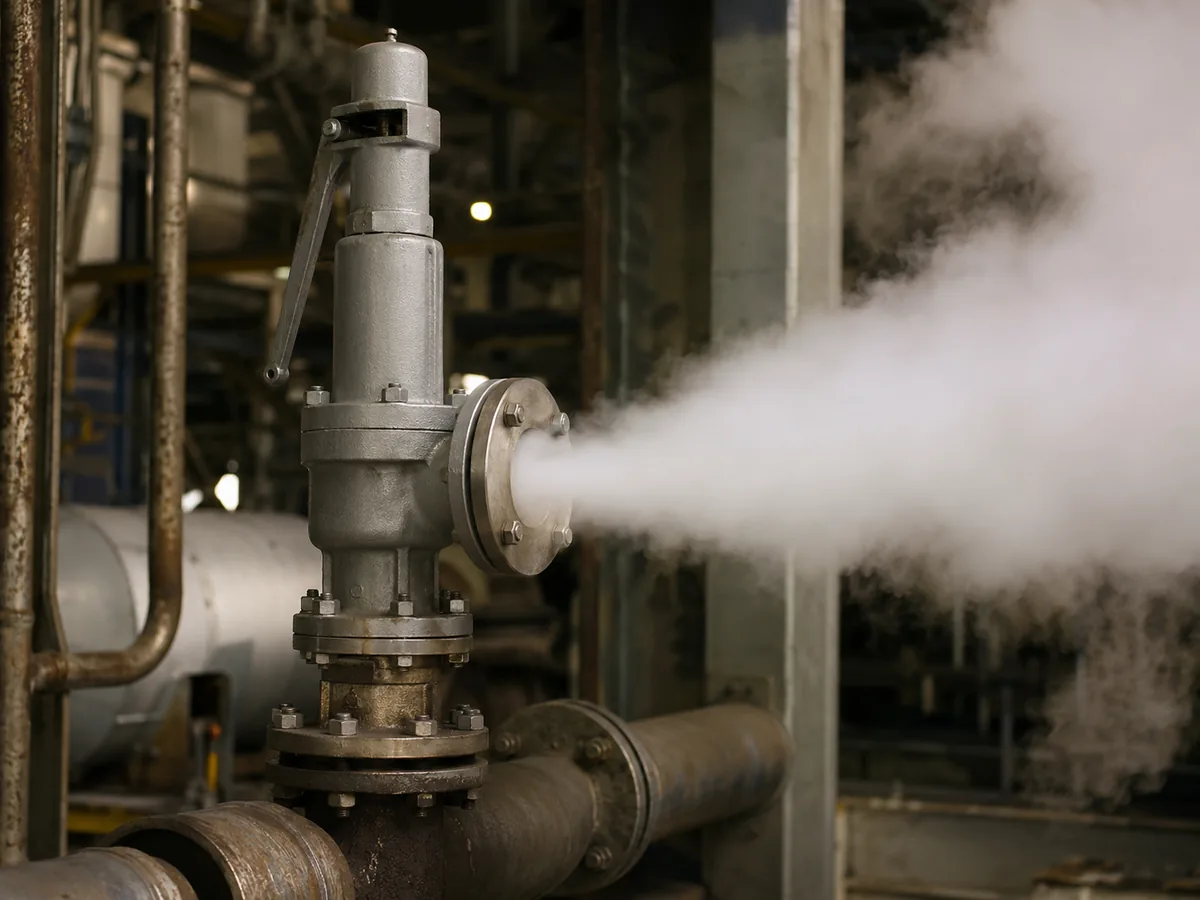
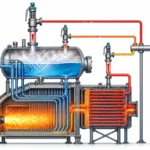
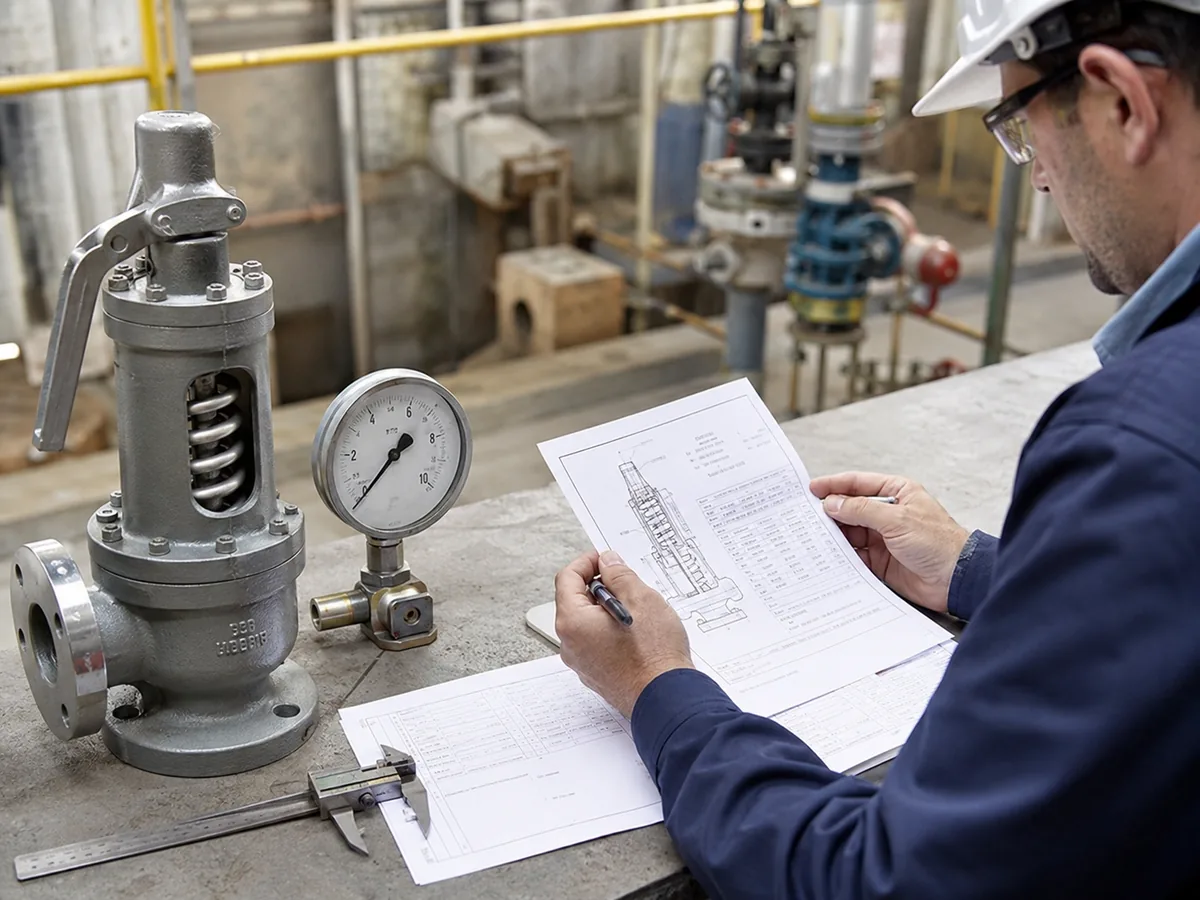
صورة مفاهيمية صناعية؛ يجب تأكيد تفاصيل المنتج النهائية مقابل صور المنتج الحقيقية، أو أوراق بيانات الصمام المختارة، أو الرسومات المعتمدة.
إجابة سريعة
صمام الأمان للبخار ليس صمام تحكم، أو صمام إغلاق، أو صمام تخفيض ضغط. إنه جهاز حماية يبقى مغلقًا أثناء التشغيل العادي ويفتح تلقائيًا عندما يصل ضغط البخار إلى الضغط المحدد. يُستخدم عندما تحتاج الغلايات، أو مواسير البخار الرئيسية، أو المبادلات الحرارية، أو خطوط أنابيب البخار، أو محطات تخفيض الضغط، أو معدات ضغط البخار إلى حماية تلقائية من الضغط الزائد. الخطر الرئيسي في الاختيار هو استخدام مقاس DN، أو مقاس NPS، أو فئة الفلنجة، أو صورة صمام قديم كاختصار لحساب السعة. يتطلب الاختيار الصحيح بيانات المعدات المحمية، وسيناريو التنفيس، وطور البخار، وضغط التشغيل، أو أقصى ضغط تشغيل مسموح به (MAWP)، أو ضغط التصميم، والضغط المحدد، وسعة التنفيس المطلوبة، ودرجة حرارة التنفيس، والضغط الخلفي المتراكب والمتراكم، وأنابيب الدخول والخروج، والمواد، والمقعد، والنابض، والكود المطبق والمستندات. أرسل هذه البيانات للمراجعة الهندسية قبل طلب عرض السعر.
ما هو صمام الأمان للبخار؟
الفتح التلقائي
تفريغ البخار
حماية الضغط
بيانات مطلوبة لطلب عرض سعر
تعريف أساسي
صمام الأمان للبخار هو جهاز لتنفيس الضغط مصمم ليفتح تلقائيًا عندما يصل ضغط البخار إلى ضغط محدد. الغرض منه هو إطلاق البخار من المعدات المحمية حتى لا يستمر الضغط في الارتفاع بما يتجاوز الضغط الزائد المسموح به أو حد التراكم المحدد بواسطة الكود المطبق وتصميم المعدات ومتطلبات المشروع.
في العديد من أنظمة البخار، يكون الصمام محملًا بنابض. يثبت النابض القرص على المقعد أثناء التشغيل العادي. مع ارتفاع ضغط البخار الداخل، يؤثر ضغط القوة تحت القرص. عندما تتغلب هذه القوة على حمل النابض عند الضغط المحدد، يبدأ الصمام في الارتفاع وتفريغ البخار عبر المخرج. للحصول على شرح أوسع للآلية، راجع كيفية عمل صمام الأمان المحمل بنابض.
ما الذي يحميه
تُستخدم صمامات الأمان للبخار بشكل شائع لحماية غلايات البخار، وأسطوانات الغلايات، ومواسير البخار الرئيسية، والمبادلات الحرارية، ومحطات تخفيض الضغط، ووحدات البخار الصناعية، ومعدات ضغط البخار. الصمام لا يحمي “البخار” بشكل عام. إنه يحمي حدود ضغط محددة ضمن سيناريو تنفيس محدد.
ما ليس عليه
لا ينبغي استخدام صمام الأمان للبخار لتنظيم ضغط العملية العادي. صمام تخفيض الضغط يتحكم في ضغط البخار في المخرج أثناء التشغيل العادي. يبقى صمام الأمان للبخار مغلقًا أثناء التشغيل العادي ويفتح فقط عندما يصل الضغط إلى حالة الضغط المحدد.
لا تستخدم هذه المقالة كحساب للمقاسات. تشرح منطق الاختيار وإعداد طلب عرض السعر (RFQ). يعتمد الاختيار النهائي على سيناريو التنفيس الفعلي، وحمل تنفيس البخار المطلوب، وبيانات الصمام المختارة، وإصدار المعيار المطبق، ووثائق الشركة المصنعة، ومواصفات المشروع، والمتطلبات التنظيمية المحلية.
| البند | المعنى العملي |
|---|---|
| الوظيفة الرئيسية | حماية تلقائية من الضغط الزائد لمعدات البخار. |
| الحالة الطبيعية | مغلق أثناء ضغط التشغيل العادي. |
| محفز الفتح | يصل ضغط البخار إلى الضغط المحدد. |
| أساس السعة | حمل تنفيس البخار المطلوب والسعة الموثقة للصمام المختار، وليس حجم الوصلة فقط. |
| مخاطر الاختيار الرئيسية | لا يمكن لحجم الأنبوب، أو فئة الفلنجة، أو مظهر الصمام القديم إثبات السعة، أو ملاءمة المواد، أو نطاق التوثيق. |
لماذا تتطلب خدمة البخار مراجعة مخصصة لصمام الأمان
البخار المشبع والبخار المحمص
لا يمكن معاملة خدمة البخار على أنها هواء مضغوط عام. يتصرف البخار المشبع والبخار المحمص بشكل مختلف من حيث درجة الحرارة، والكثافة، والمحتوى الحراري، وخصائص التفريغ. تؤثر هذه الاختلافات على حساب مقاسات الصمامات، والمواد، واختيار المقاعد، والتعرض لغرفة الزنبرك، وتصميم الغطاء، وأنابيب التفريغ، ومتطلبات الاختبار.
درجة الحرارة، التكثيف، ومخاطر التفريغ
يمكن أن يكون تفريغ البخار ساخنًا وصاخبًا وقويًا. يجب مراجعة أنابيب المخرج لاتجاه التفريغ الآمن، والصرف، والتمدد الحراري، والدعم، وقوة رد الفعل. يمكن لخط التفريغ الذي يحبس المكثفات، أو يفرض وزنًا مفرطًا على جسم الصمام، أو يوجه البخار نحو الأفراد أن يخلق مخاطر جسيمة تتعلق بالسلامة والموثوقية.
حالة البخار وفحص المواد
تؤثر حالة البخار على مراجعة مادة الجسم، والتشذيب، والمقعد، والنابض، والحشية، والغطاء. درجة المادة وحدها لا تثبت ملاءمة الخدمة. يجب فحص الصمام المختار مقابل درجة حرارة التنفيس،, تصنيفات الضغط ودرجة الحرارة, ظروف التآكل أو التآكل، تأثيرات العزل، سهولة الوصول للصيانة، وبيانات الشركة المصنعة للطراز المحدد.
| ظروف البخار | تأثير الاختيار | ما يجب تأكيده |
|---|---|---|
| بخار مشبع | قد يصبح تكثف السوائل، التصريف، وإحكام إغلاق المقعد أمرًا مهمًا. | التصريف، توجيه التفريغ، هامش التشغيل، اختبار ضغط الضبط وحالة المقعد. |
| البخار فائق التسخين | درجة حرارة التنفيس الأعلى يمكن أن تؤثر على مراجعة غرفة النابض، الغطاء، التريم، المقعد والحشية. | درجة حرارة التنفيس، حدود المواد، تصميم الغطاء، تعرض النابض وبيانات الموديل المختار. |
| بخار مع تكثف محتمل | تراكم السائل قد يؤثر على مسار التفريغ واستقرار الصمام. | النقاط المنخفضة، المصارف، توجيه المخرج وما إذا كان التكثف يمكن أن يتجمع عند الصمام أو خط التفريغ. |
| بخار متسخ أو ملوث | قد يحدث تلف في المقعد، أو تسريب، أو التصاق. | جودة البخار، التلوث في المنبع، تاريخ الصيانة، مادة المقعد وخطة الفحص. |
لماذا يجب التحقق من سعة البخار
حجم الوصلة لا يثبت سعة البخار. قد يكون للصمامين بنفس حجم المدخل مساحات فتحة مختلفة، وخصائص رفع مختلفة، وسعات موثقة مختلفة، وتصنيفات ضغط مختلفة، وحدود خدمة قابلة للتطبيق مختلفة. لأساسيات السعة، راجع حساب مقاسات صمامات الأمان وسعة التنفيس المعتمدة.
الحد الهندسي: وصلة أكبر لا تعني تلقائيًا اختيار صمام أمان بخار أكثر أمانًا. يجب مراجعة سعة التنفيس المطلوبة، وسعة الصمام المختار، وتصنيف الضغط، وظروف التركيب بشكل منفصل.
كيف يعمل صمام أمان البخار؟
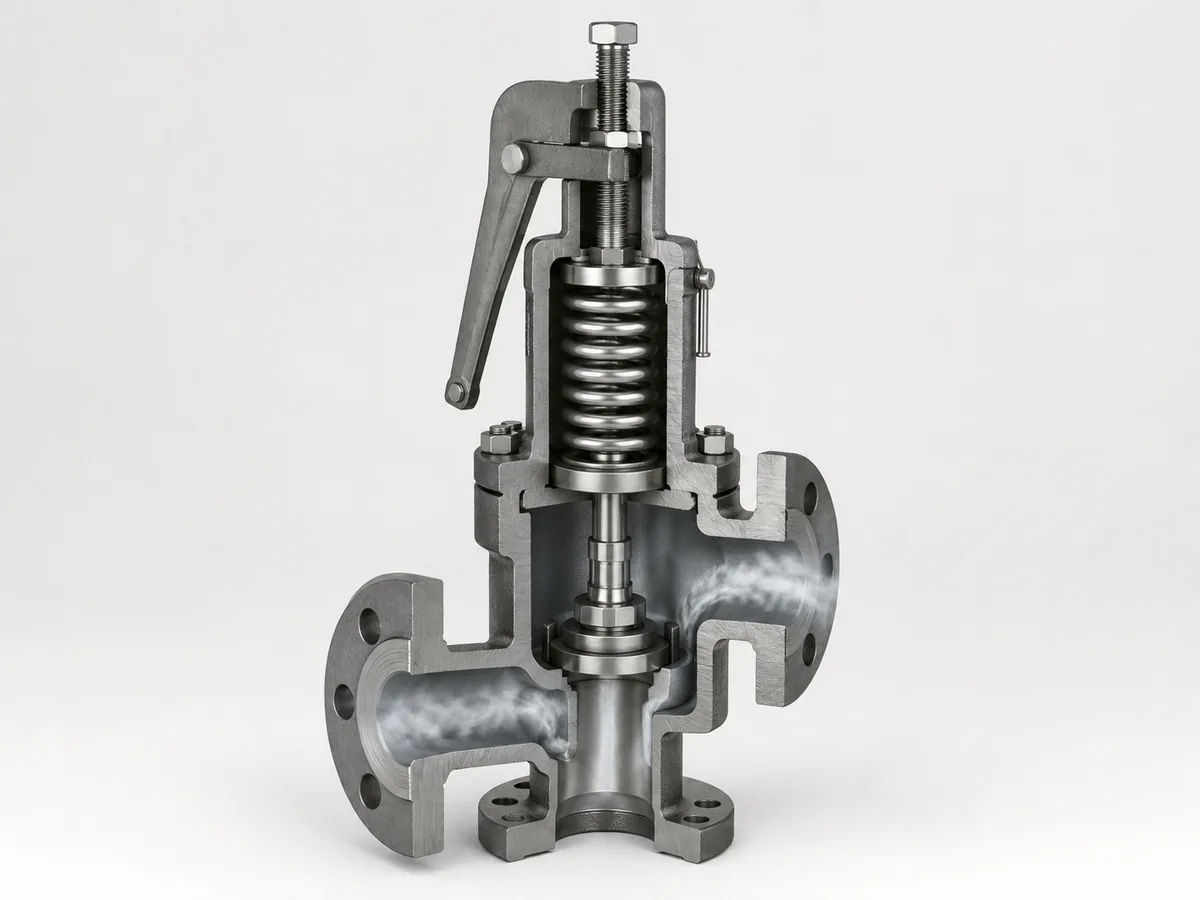
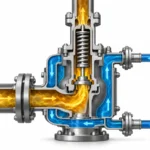
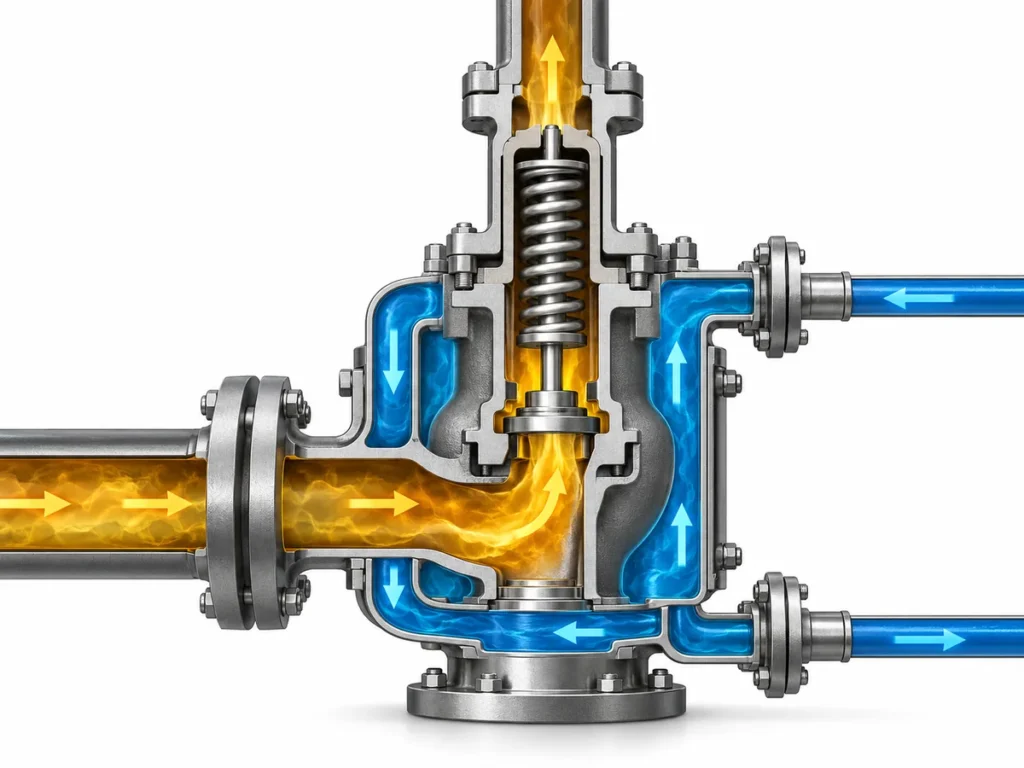
رسم توضيحي هندسي مبسط؛ ليس رسمًا تصنيعيًا، أو مقطعًا عرضيًا معتمدًا، أو إثباتًا للسعة خاصًا بالنموذج.
التشغيل العادي
أثناء التشغيل العادي، يبقى قرص الصمام في وضعه المغلق. يدفع حمل النابض القرص مقابل الفوهة أو المقعد، بينما يؤثر ضغط البخار لأعلى على القرص. يجب أن يظل ضغط التشغيل العادي أقل من ضغط الضبط بهامش مناسب.
الفتح عند ضغط الضبط
ضغط الضبط هو الضغط الذي يتم ضبط الصمام عنده ليبدأ في الفتح تحت ظروف اختبار أو خدمة محددة. إنه ليس نفس ضغط التشغيل، أو أقصى ضغط تشغيل آمن (MAWP)، أو ضغط التصميم، أو التراكم، أو السعة.
الرفع، التفريغ، وإعادة الإغلاق
عندما يرتفع الصمام، يتدفق البخار من المدخل عبر الفوهة ويخرج من مخرج الصمام. يجب أن يفرغ الصمام كمية كافية من البخار للحد من زيادة الضغط الإضافية ضمن النطاق المسموح به للمعدة المحمية. بعد التحكم في الحدث وانخفاض ضغط النظام، يعود الصمام إلى وضعه المغلق.
الارتداد والاستقرار
يُعد الارتداد (Blowdown) أمرًا مهمًا لأنه يؤثر على المدة التي يظل فيها الصمام مفتوحًا ومتى يعود إلى وضعه المغلق. قد يحدث اهتزاز أو فتح وإغلاق سريع عندما يكون الصمام كبيرًا جدًا، أو يكون فقدان ضغط المدخل مفرطًا، أو لم يتم مراجعة الضغط الخلفي للمخرج بشكل صحيح، أو تكون ديناميكيات النظام غير مستقرة.
| مصطلح الضغط | ما يعنيه في مراجعة صمامات البخار | خطأ شائع |
|---|---|---|
| ضغط التشغيل | الضغط الطبيعي أثناء الخدمة. | التشغيل بالقرب الشديد من ضغط الضبط مما يسبب الغليان أو التسريب. |
| ضغط التشغيل الأقصى المسموح به (MAWP) / ضغط التصميم | حدود الضغط للمعدة المحمية. | استخدامه كسعة الصمام أو افتراض أنه يساوي ضغط الضبط. |
| ضغط الضبط | الضغط الذي يتم ضبط الصمام ليبدأ عنده بالفتح. | الخلط بينه وبين ضغط إعادة الغلق أو السعة المطلوبة. |
| الضغط الزائد / التراكم | الزيادة المسموح بها في الضغط أثناء حدث التنفيس، وفقًا للكود وأساس المشروع. | تجاهل الحد المسموح به عند التحقق من سيناريو التنفيس. |
| فرق الضغط بين الفتح وإعادة الإغلاق (Blowdown) | الفرق بين سلوك الفتح وسلوك إعادة الغلق. | بافتراض أن الصمام يعود إلى وضعه الأصلي بالضبط عند ضغط الضبط. |
| الضغط الخلفي | الضغط عند المخرج الناتج عن أنابيب التفريغ، أو المجمع، أو نظام المصب. | بافتراض أن مسار المخرج لا يؤثر على استقرار الصمام. |
أين تُستخدم صمامات الأمان للبخار؟
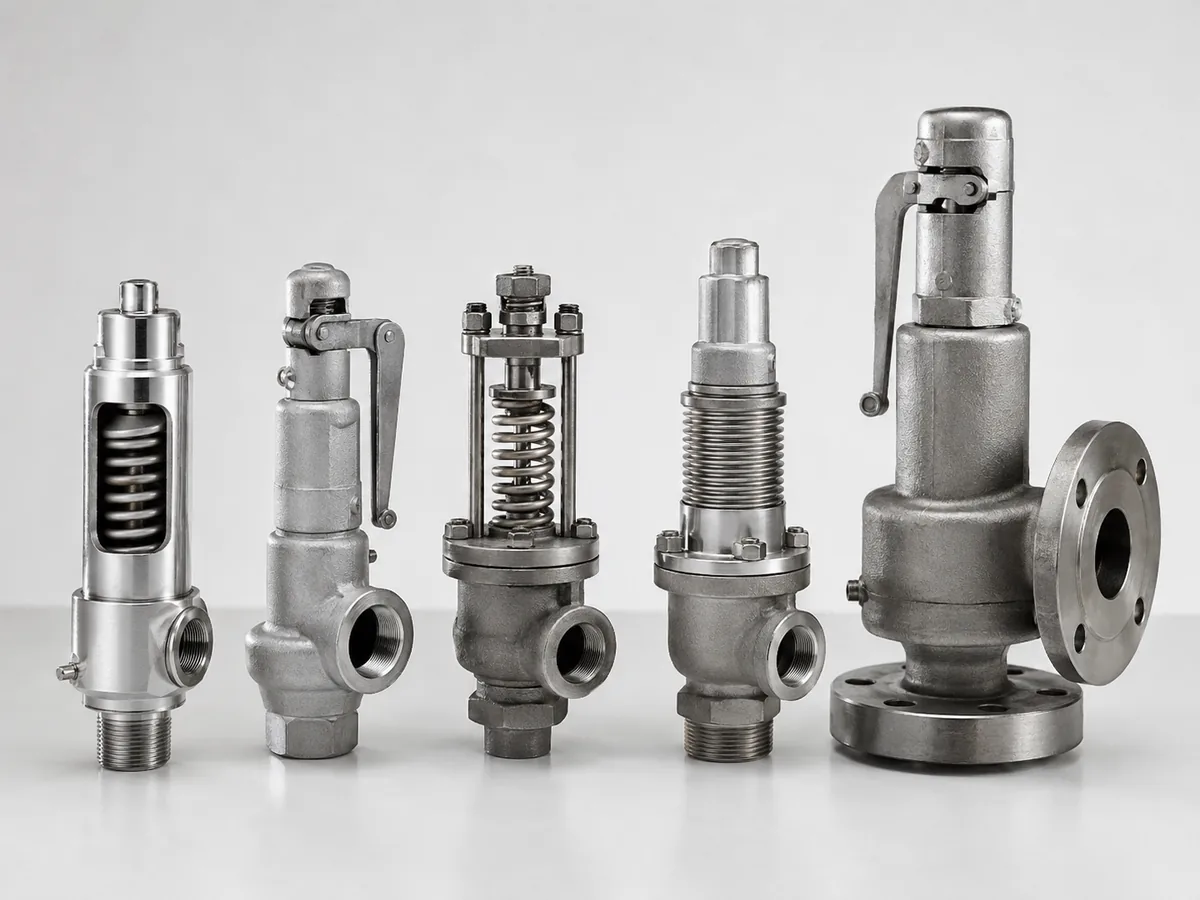
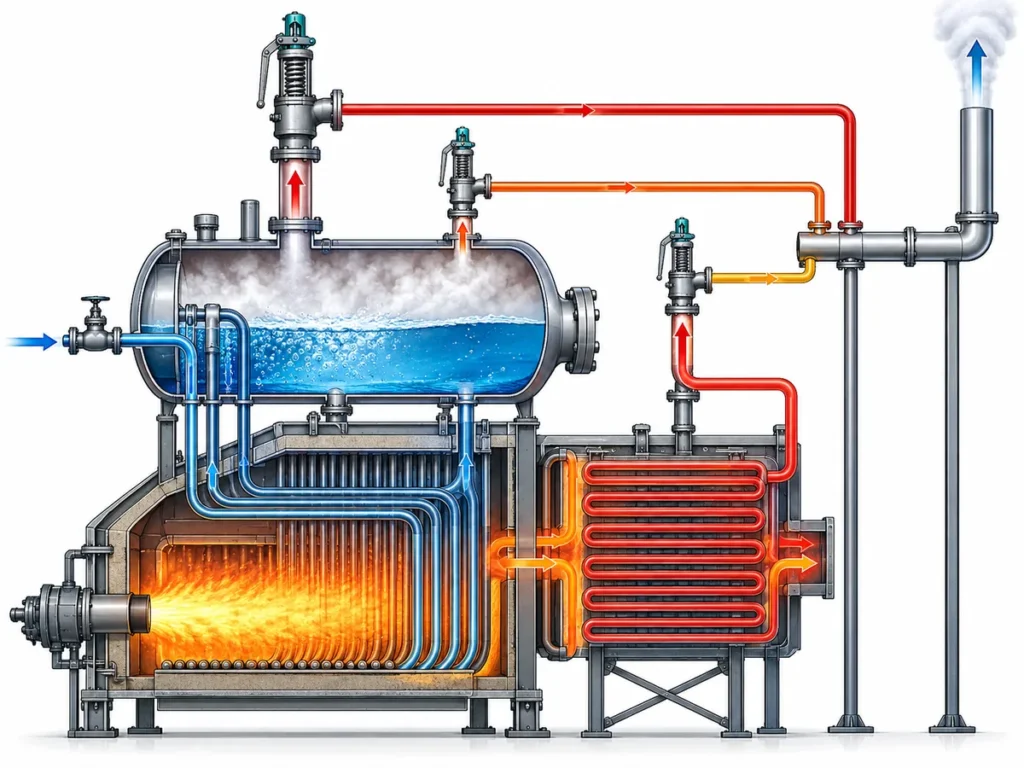
خريطة تطبيق مبسطة لتوجيه طلبات عروض الأسعار؛ تعتمد مواقع الصمامات الفعلية على تصميم المشروع، وسيناريو التنفيس، ومراجعة الكود.
الغلايات وأسطوانات البخار
تُعد غلايات البخار من أكثر التطبيقات شيوعًا. يحمي الصمام الغلاية أو أسطوانة البخار من تجاوز الضغط للحد المسموح به. عادةً ما يتم التحكم في الحد الأقصى لضغط تشغيل الغلاية (MAWP)، وترتيب ضغط الضبط، وأساس السعة، والتركيب، والاختبار وفقًا للقواعد المعمول بها والمتطلبات المحلية.
رؤوس البخار وخطوط التوزيع
توزع مجمعات البخار البخار إلى مستخدمين متعددين. قد يحدث الضغط الزائد بسبب فشل التحكم في المنبع، أو خطأ في العزل، أو مخرج مسدود، أو اضطراب تشغيلي آخر.
المبادلات الحرارية ومعدات العمليات
قد تتطلب المبادلات الحرارية ومعدات العمليات حماية من الضغط الزائد من جانب البخار أو جانب العملية اعتمادًا على مصدر الضغط، وضغط التصميم، وسيناريوهات الفشل المحتملة.
محطات تخفيض الضغط
في حالة فشل جهاز تخفيض الضغط في الفتح، قد يرتفع الضغط في المصب فوق الحد المسموح به. يمكن لصمام الأمان للبخار حماية النظام في المصب عند اختياره لحالة الفشل المحتملة.
المعدات المحمية أولاً: قد يظهر نفس اسم الصمام على غلاية، أو رأس بخار، أو محطة تخفيض ضغط، ولكن حالة التنفيس الحاكمة، والسعة المطلوبة، وأساس ضغط الضبط، والتوثيق قد تكون مختلفة.
الأنواع الرئيسية والتكوينات المستخدمة في خدمة البخار
العديد من صمامات الأمان للبخار هي تصاميم ذاتية العمل محملة بنابض، ولكن “محمل بنابض” وحده لا يكمل المواصفات. لا يزال المشتري بحاجة إلى تأكيد ضغط الضبط، والسعة، وتصميم الرفع، والمادة، والمقعد، والغطاء، والتوصيل، وحالة التفريغ، والمعيار المطبق.
تصاميم محملة بنابض
تستخدم تصاميم صمامات الأمان المباشرة للبخار قوة النابض للإغلاق وضغط البخار الداخل للفتح. يجب فحص نطاق النابض، وتصميم المقعد، وحالة الدليل، وسلوك الرفع مقابل النموذج المحدد.
تصاميم بذراع وغطاء مفتوح
ذراع و صمامات أمان بغطاء مفتوح يمكن استخدامها اعتمادًا على الخدمة، وممارسة الفحص، والمتطلبات المحلية، وبيانات الشركة المصنعة. يجب مراجعة اختيار الغطاء المفتوح مع درجة حرارة البخار الفعلية ومتطلبات المشروع.
خيارات الفلنجة، واللولب، والرفع الكامل، والرفع المنخفض
يؤثر تكوين التوصيل والرفع على مراجعة التركيب والسعة. وصف الرفع وحده لا يثبت الملاءمة.
للمراجعة التجارية للمنتج، افتح صفحة منتج ZOBAI بعد تأكيد بيانات الخدمة. صمامات أمان للبخار صفحة المنتج بعد تأكيد بيانات الخدمة.
مصفوفة الاختيار المبدئي لمراجعة صمام أمان البخار
هذه المصفوفة ليست أداة لاختيار الموديل. إنها تساعد المشتري على تحديد ما يجب توضيحه قبل أن يتمكن المورد من مراجعة عائلة الصمامات الصحيحة، أساس السعة، ونطاق الوثائق.
| سؤال | لماذا يغير القرار | ماذا ترسل قبل طلب عرض سعر (RFQ) |
|---|---|---|
| ما هي المعدات التي تحتاج للحماية؟ | قد يكون لخدمة الغلايات، رؤوس البخار، أوعية الضغط، والمبادلات الحرارية أساسات أكواد وسيناريوهات تنفيس مختلفة. | نوع المعدات، وثيقة التصميم، أقصى ضغط تشغيل آمن / ضغط التصميم، واتصال الفوهة. |
| ما هو سيناريو التنفيس السائد؟ | قد تؤدي الحرارة المدخلة، انسداد المخرج، فشل المنظم، أو تمزق الأنبوب إلى معدلات تنفيس مطلوبة مختلفة. | وصف حالة التنفيس وأساس الحساب من المهندس المسؤول. |
| هل البخار مشبع أم فائق التسخين؟ | تؤثر درجة الحرارة على مراجعة جسم الصمام، الحشوة، المقعد، النابض، الحشية، والغطاء. | حالة البخار ودرجة حرارة التنفيس. |
| إلى أين يتم تصريف الصمام؟ | التفريغ الجوي، مدخنة التهوية، كاتم الصوت، الأنبوب الطويل، أو رأس مشترك يغير مراجعة الضغط الخلفي وقوة رد الفعل. | تخطيط المخرج، وجهة التفريغ، الضغط الخلفي المتراكب / المتراكم المتوقع. |
| هل هذا استبدال؟ | قد لا يثبت حجم الصمام القديم ما يعادله من حيث السعة أو المواد أو الوثائق. | صورة لوحة الاسم، ورقة البيانات، رسم التجميع العام (GA drawing)، تاريخ الخدمة، وسبب الاستبدال. |
متى لا يجب المتابعة بالاستبدال السريع: لا تختر بناءً على المظهر فقط عندما تكون لوحة الاسم مفقودة، أو أساس السعة غير معروف، أو تغيرت درجة حرارة البخار، أو تغيرت أنابيب التفريغ، أو كان للنظام تاريخ من الاهتزاز/التسرب، أو تم تعديل واجب المعدات المحمية.
ما يجب على المشترين تأكيده قبل اختيار صمام أمان للبخار
أهم بيانات طلب عرض السعر هي الضغط والسعة. لا يمكن اختيار صمام أمان للبخار بأمان بناءً على حجم التوصيل وحده. يحدد ضغط التشغيل متى يفتح الصمام. تحدد سعة التنفيس المطلوبة كمية البخار التي يجب تفريغها. يحدد الحد الأقصى لضغط التشغيل الآمن (MAWP) أو ضغط التصميم حدود الضغط للمعدات المحمية.
| البيانات المطلوبة | لماذا هو مهم |
|---|---|
| المعدات المحمية | يحدد حدود الضغط التي يجب حمايتها. |
| سيناريو التنفيس | يحدد حالة التنفيس المطلوبة. |
| ظروف البخار | البخار المشبع أو المحمص يؤثر على مراجعة درجة الحرارة والمواد. |
| ضغط التشغيل | يتحقق من الهامش الطبيعي تحت ضغط التشغيل. |
| ضغط التشغيل الأقصى المسموح به (MAWP) / ضغط التصميم | يحدد حدود المعدات المحمية. |
| ضغط الضبط | يحدد نقطة فتح الصمام. |
| سعة التنفيس المطلوبة | يحدد ما إذا كانت سعة الصمام المختارة كافية. |
| درجة حرارة التنفيس | يؤثر على اختيار جسم الصمام، والبطانة، والمقعد، والنابض، والحشية. |
| الضغط الخلفي | يؤثر على الاستقرار وتكوين الصمام المحتمل. |
| أنابيب الدخول / الخروج | يؤثر على فقدان الضغط، وسلامة التفريغ، وقوة رد الفعل. |
| الكود / المستندات المطبقة | يحدد نطاق الاختبار والفحص والتوثيق. |
السعة المطلوبة ليست نفس حجم الصمام المختار
| البند | المعنى | مخاطر الاختيار في حالة عدم وجودها |
|---|---|---|
| سعة التنفيس المطلوبة | معدل تدفق البخار المطلوب لحماية المعدات في ظل سيناريو التنفيس الحاكم. | قد يكون الصمام صغيرًا جدًا حتى لو كان حجم الوصلة مناسبًا. |
| فتحة الصمام المختارة / مساحة التدفق | الهندسة الفعالة للتنفيس لتصميم الصمام المختار. | قد لا يكون للصمامين بنفس الوصلة نفس السعة. |
| أساس السعة الموثق أو المعتمد | دليل السعة المتعلق بالجهة المصنعة أو بالكود للصمام والخدمة المحددة. | لا يمكن للمشتري التحقق مما إذا كان الصمام يحمي الحالة المطلوبة. |
| حجم الوصلة وتصنيفها | الملاءمة الميكانيكية وملاءمة الضغط ودرجة الحرارة. | قد يكون الصمام ذو الملاءمة الميكانيكية خاطئًا من حيث السعة أو الخدمة. |
لسياق حساب المقاسات، راجع حساب مقاسات صمامات الأمان API 520. لمراجعة سياق المعايير في مشاريع الغلايات والأوعية، راجع معايير صمامات الأمان ASME.
مراجعة الضغط الخلفي والتصريف في خدمة البخار
لا يتم حل الضغط الخلفي بمجرد تسمية نوع الصمام. يجب مراجعته مقابل نظام المخرج، وجهة التصريف، التدفق المتوقع، ضغط الرأس، وتصميم الصمام المختار. للحصول على دليل هندسي مفصل، انظر الضغط الخلفي والمنفاخ.
| حالة التفريغ | مراجعة التركيز | إجراء محتمل للمشتري |
|---|---|---|
| التصريف إلى الغلاف الجوي | اتجاه التصريف الآمن، حماية الأفراد، قوة رد الفعل، الضوضاء، والتكثيف. | أرسل اتجاه المخرج، متطلبات مدخنة التهوية أو كاتم الصوت، وقيود الموقع. |
| أنبوب مخرج طويل | الضغط الخلفي المتراكم، دعم الأنابيب، التمدد الحراري، والصرف. | أرسل حجم أنبوب المخرج، الطول، الأكواع، الارتفاع، وخطة الدعم. |
| مجمع تصريف مشترك | الضغط الخلفي المتراكب والمتغير، حالات التنفيس المتزامنة، وسعة المجمع. | أرسل بيانات ضغط المجمع، الصمامات المتصلة، وسيناريو التنفيس الحاكم. |
| كاتم الصوت أو مدخنة التهوية | انخفاض ضغط إضافي، تصريف التكثيف، والدعم الهيكلي. | أرسل ورقة بيانات كاتم الصوت / المدخنة ورسم التخطيط إذا كان متاحًا. |
أخطاء شائعة في اختيار صمامات الأمان للبخار
| خطأ | المخاطر | ما الذي يجب التحقق منه |
|---|---|---|
| الاختيار حسب DN / NPS فقط | سعة غير كافية أو غير مؤكدة. | السعة المطلوبة للتنفيس وبيانات الشركة المصنعة. |
| اعتبار ضغط الضبط كحد أقصى لضغط التشغيل الآمن (MAWP) | أساس حماية خاطئ. | وثائق تصميم المعدات ومتطلبات الكود. |
| تجاهل درجة حرارة البخار | عدم تطابق المادة أو حجرة النابض. | درجة حرارة التنفيس وشرط الخدمة. |
| تجاهل الضغط الخلفي | عدم استقرار أو انخفاض الأداء. | نظام المخرج ورأس التفريغ. |
| أنابيب مخرج غير مدعومة | إجهاد الصمام وحمل رد الفعل غير الآمن. | دعم الأنابيب والحركة الحرارية. |
| الاستبدال حسب المظهر | سعة خاطئة، أو مادة خاطئة، أو ضبط خاطئ. | لوحة الاسم، ورقة البيانات، رسم التخطيط العام والسجلات. |
استكشاف أعراض المشاكل قبل الاستبدال
| العرض | الأسباب المحتملة | الفحوصات قبل طلب قطعة بديلة | اختصار غير آمن لتجنبه |
|---|---|---|---|
| التسريب أو الأزيز | ضغط التشغيل قريب جدًا من ضغط الضبط، تلف المقعد، تلوث، تشوه حراري أو ظروف اختبار خاطئة. | هامش التشغيل، سجل ضغط الضبط، حالة المقعد، جودة البخار وسجل الصيانة. | طلب نفس المقاس دون التحقق من سبب تسرب الصمام القديم. |
| ارتجاج | الحجم الزائد، فقدان ضغط مدخل مفرط، مصدر تنفيس غير مستقر، ضغط خلفي للمخرج أو مشكلة في أنابيب التفريغ. | تخطيط المدخل، السعة المطلوبة، نظام المخرج، الضغط الخلفي وسجل الأحداث. | افتراض أن الارتجاج هو دائمًا بسبب زنبرك معيب. |
| الفتح المتكرر | عدم استقرار التحكم، ضغط التشغيل مرتفع جدًا، ضغط ضبط خاطئ أو اضطراب في العملية. | اتجاه التشغيل، ضغط الضبط، معدات التحكم في الضغط وسيناريو التنفيس. | رفع ضغط الضبط دون مراجعة المعدات/الكود. |
| إعادة إغلاق ضعيفة | عدم تطابق التفريغ (Blowdown)، تلوث، تلف المقعد، تكثف أو ديناميكيات التركيب. | سلوك التفريغ (Blowdown)، أنابيب التفريغ، تصريف التكثف وسجل الفحص. | تغيير الأجزاء الداخلية بدون بيانات الموديل المحدد. |
تحذير الاستبدال: إذا كان الصمام القديم يسرب، أو يصدر ضوضاء اهتزازية، أو يفتح بشكل متكرر، يجب أن يشمل الاستبدال مراجعة السبب الجذري. قد تتعلق المشكلة بهامش التشغيل، أو فقدان الضغط عند المدخل، أو أنابيب التفريغ، أو الضغط الخلفي، أو التكثف، أو التلوث، أو الحجم الزائد، أو حالة الصيانة.
فحص تركيب صمام الأمان للبخار وتفريغه
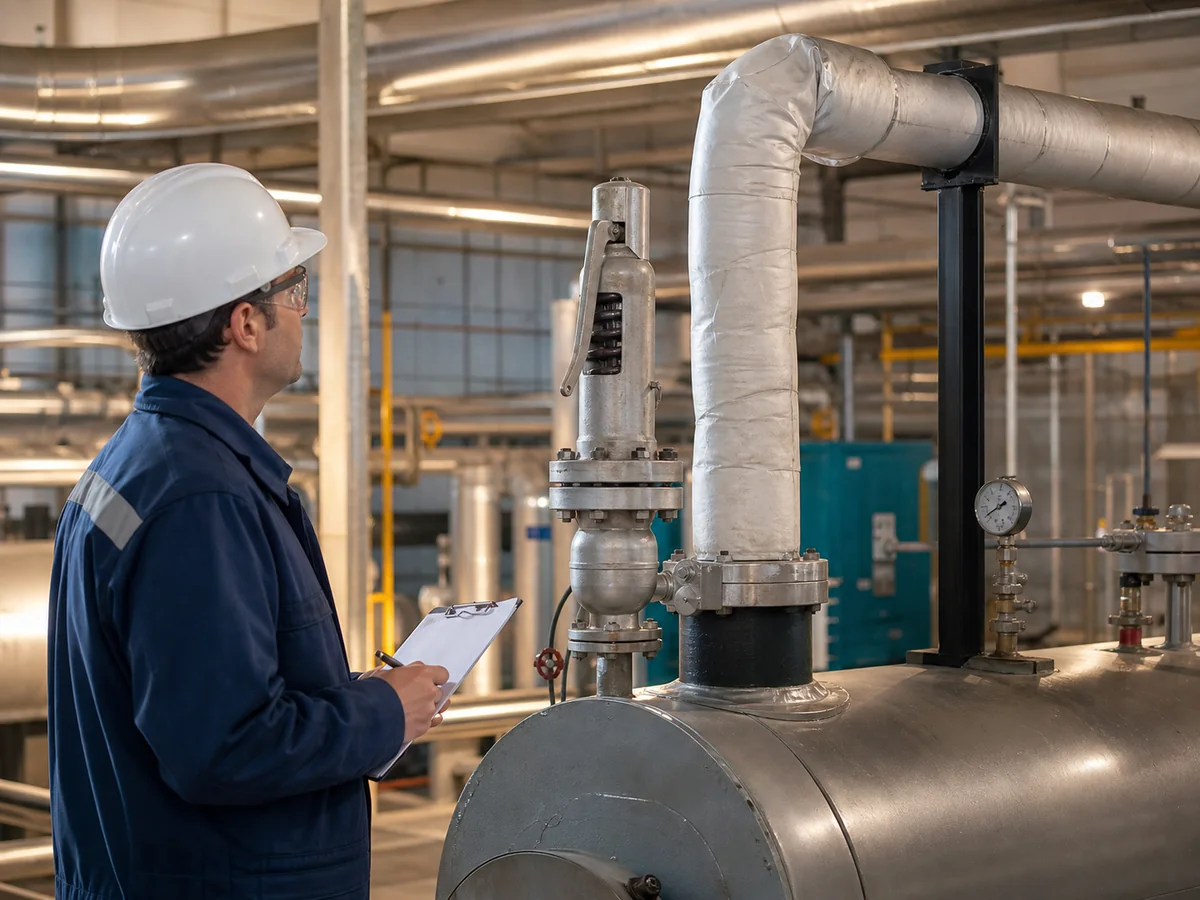
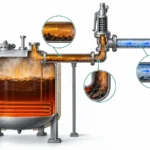
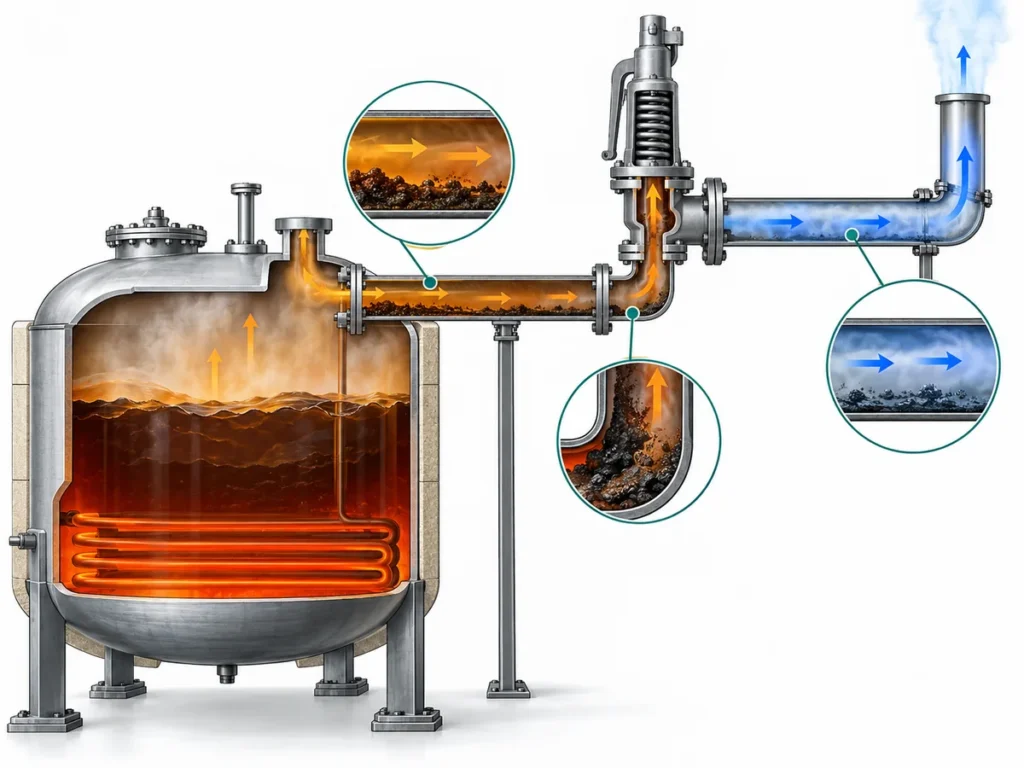
رسم توضيحي مبسط للتركيب؛ يجب أن يتبع التركيب النهائي تعليمات النموذج المحدد، ومواصفات المشروع، والكود المطبق.
أنابيب الدخول
يجب مراجعة خط المدخل لفقدان الضغط، والقطر، والطول، والتجهيزات، والقرب من المعدات المحمية. يمكن أن يؤدي فقدان الضغط المفرط عند المدخل إلى تقليل استقرار الصمام وقد يساهم في حدوث ضوضاء اهتزازية.
تفريغ المخرج وقوة رد الفعل
يمكن أن يؤدي تفريغ البخار إلى سرعة عالية وضوضاء وحرارة وقوة رد فعل. يجب دعم أنابيب المخرج بشكل مستقل بحيث لا يتحمل جسم الصمام وزن أو حركة حرارية لنظام التفريغ. للحصول على إرشادات تركيب أعمق، راجع دليل تركيب صمامات الأمان.
التصريف والتهوية وإمكانية الوصول للصيانة
لا ينبغي أن يتراكم التكثف بطريقة تسد التفريغ أو تتلف الصمام. يجب مراجعة التصريف والتهوية وإمكانية الوصول للصيانة أثناء تصميم التركيب. لا ينبغي سد فتحات الغطاء أو الأغطية أو المصارف أو تعديلها دون مراجعة هندسية.
قائمة ما يجب فعله وما لا يجب فعله عند التركيب
| افعل | لا | لماذا هو مهم |
|---|---|---|
| اجعل مسار المدخل قصيرًا ومناسبًا للصمام المحدد وأساس الكود. | لا تقم بتركيب أنابيب مدخل طويلة مخفضة دون مراجعة هندسية. | يمكن أن يؤدي فقدان الضغط الزائد عند المدخل إلى زعزعة استقرار الصمام. |
| ادعم أنابيب الخروج بشكل مستقل. | لا تدع خط تفريغ ثقيل يتدلى من جسم الصمام. | يؤدي تفريغ البخار إلى توليد قوة رد فعل وحركة حرارية. |
| توجيه تصريف البخار إلى موقع آمن. | لا توجه تصريف البخار نحو الأفراد أو الممرات أو المعدات الكهربائية. | يمكن أن يكون تصريف البخار ساخنًا وصاخبًا وقويًا. |
| وفر تصريفًا حيث يمكن أن يتجمع التكثيف. | لا تنشئ مسار مخرج محبوس أو مملوء بالسائل. | يمكن أن يؤثر التكثيف على التصريف ويتلف المكونات. |
| اتبع تعليمات الطراز المحدد لترتيب الغطاء (Bonnet) والغطاء (Cap) والذراع (Lever) والتهوية (Vent). | لا تسد فتحات الغطاء (Bonnet) أو تعدل الأغطية (Caps) دون مراجعة. | يمكن أن تؤثر تغييرات التكوين على السلامة والاستقرار. |
الاختبار والتوثيق للتأكيد قبل الشراء
يجب على قسم المشتريات تحديد نطاق المستندات قبل تقديم عرض الأسعار. تعتمد سجلات الاختبار والشهادات المطلوبة على الصمام المحدد، ومواصفات المشروع، والمعيار المطبق، وخطة الفحص. لا تفترض أن كل طراز صمام يتضمن تلقائيًا كل مستند أو شهادة.
| عنصر المستند أو الاختبار | ما يدعمه | ملاحظة المشتري |
|---|---|---|
| ورقة بيانات | ضغط الضبط، الوصلة، المادة، حالة الخدمة، والتكوين المحدد. | استخدمه كأساس للمراجعة الفنية. |
| أساس السعة | ما إذا كانت سعة الصمام المختارة تتطابق مع حمل تنفيس البخار المطلوب. | اسأل عن كيفية توثيق السعة للطراز المحدد والخدمة. |
| سجل اختبار ضغط الضبط | معايرة ضغط الفتح في ظل ظروف محددة. | تأكيد شرط الاختبار ومتطلبات التفاوت. |
| متطلبات إحكام المقعد | توقع التسرب بعد إغلاق الصمام. | تأكيد طريقة الاختبار المطبقة وأساس القبول إذا لزم الأمر. |
| سجلات المواد | إمكانية التتبع للجسم، والتشذيب، والنابض، والحشية، أو الأجزاء الأخرى عند تحديدها. | تحديد وثائق المواد المطلوبة قبل عرض السعر. |
| نطاق الفحص أو الشهادة. | متطلبات ضمان الجودة للمشروع والإصدار. | حدد متطلبات الفحص من طرف ثالث أو فحص العميل أو فحص المصنع مبكرًا. |
لسياق تسرب المقعد، يتضمن السجل الدليل الداخلي بشأن اختبار إحكام المقعد API 527. استخدم ذلك كمرجع للاختبار، وليس كادعاء تلقائي لكل طراز صمام بخار.
سير عمل التحقق من الاستبدال
استبدال صمام أمان البخار ليس مجرد مطابقة الوصلة القديمة. استخدم سير عمل تحقق قبل طلب صمام جديد.
حدد المعدات المحمية.
تأكيد الغلاية، أو رأس البخار، أو وعاء الضغط، أو المبادلة الحرارية، أو محطة تخفيض الضغط، أو المعدات الأخرى المحمية.
اقرأ لوحة الاسم الموجودة وصحيفة البيانات.
التقط ضغط الضبط، الحجم، المادة، الطراز، علامة المعيار حيثما وجدت، أساس السعة، ومعلومات الرقم التسلسلي / العلامة إذا كانت قابلة للقراءة.
تأكيد سيناريو التنفيس الحاكم.
لا تفترض أن الصمام القديم تم اختياره بشكل صحيح. أكد سبب الحاجة إلى الصمام وما هي حالة الضغط الزائد التي يجب أن يخففها.
قارن السعة، وليس فقط الوصلة.
تحقق من سعة تخفيف البخار المطلوبة مقابل السعة الموثقة للصمام المحدد ومنطقة الفتحة / التدفق المحددة.
مراجعة التغييرات في التركيب والتفريغ.
تحقق من فقدان الضغط عند المدخل، ودعم المخرج، ونقاط التصريف، واتجاه التفريغ الآمن، والرأس المشترك، والضغط الخلفي.
تحديد متطلبات الاختبار والتوثيق.
اذكر صحيفة البيانات، وسجل الاختبار، وسجل المواد، وفحص الشهود، ووثائق الإصدار قبل تقديم عرض السعر.
سيناريو هندسي مركب للتدريب: يستبدل مصنع صمام أمان لرأس البخار بعد تكرار الاهتزاز. حجم المدخل القديم مرئي، لكن أساس السعة القديم مفقود. قبل طلب صمام يبدو مشابهًا، يجب على الفريق مراجعة هامش ضغط التشغيل، وضغط الضبط، والسعة المطلوبة، وفقدان ضغط المدخل، والضغط الخلفي لرأس المخرج، وتصريف التفريغ. هذا سيناريو تدريبي افتراضي ولا يمثل حالة عميل أو إثباتًا للمنتج.
صمام أمان البخار مقابل صمام تنفيس الضغط مقابل الصمام العادي
صمام الأمان مقابل صمام تنفيس الضغط
قد يتم استخدام مصطلحات صمام الأمان، وصمام تنفيس الأمان، وصمام تنفيس الضغط، و PSV بشكل مختلف حسب المنطقة والصناعة والمعيار. في خدمة البخار والغلايات، يشير “صمام الأمان” عادةً إلى صمام تلقائي يستخدم لتفريغ البخار عند وصول الضغط إلى ضغط الضبط.
صمام الأمان مقابل صمام التحكم
يتحكم صمام التحكم في البخار أو صمام تخفيض الضغط في ضغط العملية أثناء التشغيل العادي. يحمي صمام أمان البخار من الضغط الزائد عند فشل التحكم العادي أو ظروف التشغيل. يجب تحديد هذه الأجهزة بشكل منفصل.
قائمة تدقيق بيانات طلب عرض سعر صمام أمان البخار
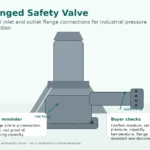
رسم توضيحي لقائمة مراجعة طلب عرض السعر؛ يعتمد الاختيار النهائي للصمام على بيانات الخدمة الفعلية، وثائق الشركة المصنعة، ومراجعة المشروع/الكود.
قبل طلب عرض سعر، أرسل ظروف العمل الحقيقية بدلاً من مجرد حجم صمام أو صورة صمام قديم.
المعدات المحمية وسيناريو التنفيس
حالة البخار المشبع أو المحمص
ضغط التشغيل والحد الأقصى لضغط التشغيل الآمن / ضغط التصميم
أساس ضغط الضبط والضغط الزائد المسموح به
سعة التنفيس المطلوبة وأساس الحساب
درجة حرارة التنفيس
الضغط الخلفي ووجهة التفريغ
وصلة الدخول / الخروج وتصنيف الضغط ودرجة الحرارة
متطلبات الجسم، والتشذيب، والمقعد، والنابض، والحشية
متطلبات المعايير والاختبار والوثائق المطبقة
متى تطلب مراجعة هندسية
تعتبر المراجعة الهندسية مهمة بشكل خاص عندما تكون لوحة اسم الصمام القديم مفقودة أو غير قابلة للقراءة، أو يتسرب الصمام القديم أو يصدر صوتًا، أو تكون درجة حرارة البخار عالية أو مُحمّصًا، أو يدخل التفريغ إلى موزع، أو قد يكون الضغط الخلفي متغيرًا، أو تم تعديل النظام، أو يقوم المشتري بتغيير العلامة التجارية أو الطراز، أو تكون وثائق الفحص مطلوبة.
صمام الأمان للبخار هو جهاز وقائي، وليس قطعة تركيب أنابيب سلعية. يجب أن يعتمد الاختيار النهائي على سيناريو التنفيس الفعلي، والسعة المطلوبة، وحالة البخار، وبيانات الشركة المصنعة، وإصدار المعيار المطبق، ومواصفات المشروع، وعملية الموافقة التنظيمية المحلية.
أسئلة شائعة
ما هو الغرض من صمام الأمان للبخار؟
صمام الأمان للبخار يحمي الغلايات، ومجمعات البخار، وأوعية الضغط، والمبادلات الحرارية، وخطوط أنابيب البخار من الضغط الزائد. يفتح تلقائيًا عند ضغط التشغيل المحدد ويقوم بتصريف البخار للمساعدة في الحد من ارتفاع الضغط.
هل صمام الأمان للبخار هو نفسه صمام تنفيس الضغط؟
قد تتداخل المصطلحات اعتمادًا على المنطقة والصناعة والمعيار. في خدمة البخار والغلايات، يشير “صمام الأمان” عادةً إلى صمام حماية تلقائي من الضغط الزائد للبخار. يجب على المشترين تأكيد المصطلحات مقابل مواصفات المشروع والرمز المطبق.
هل يمكنني اختيار صمام أمان للبخار حسب حجم الأنبوب فقط؟
لا يثبت حجم الأنبوب أو حجم التوصيل قدرة تنفيس البخار. يجب أن يعتمد الاختيار على المعدات المحمية، وسيناريو التنفيس، وضغط الضبط، وسعة التنفيس المطلوبة، وحالة البخار، ودرجة الحرارة، والضغط الخلفي، والتوصيل، وبيانات الشركة المصنعة.
ما هي البيانات المطلوبة قبل اختيار صمام أمان للبخار؟
كحد أدنى، قم بتوفير المعدات المحمية، سيناريو التنفيس، حالة البخار المشبع أو المحمص، ضغط التشغيل، الحد الأقصى لضغط التشغيل الآمن (MAWP) أو ضغط التصميم، ضغط الضبط، سعة التنفيس المطلوبة، درجة حرارة التنفيس، الضغط الخلفي، وصلة الدخول والخروج، متطلبات المواد، المعيار المطبق والمستندات المطلوبة.
لماذا يعتبر انخفاض الضغط مهمًا في خدمة البخار؟
يؤثر انخفاض الضغط (Blowdown) على فرق الضغط بين الفتح وإعادة الغلق. يؤثر على فقدان البخار، واستقرار الصمام، وخطر التسرب، واستعادة ضغط النظام بعد التفريغ.
هل تحتاج جميع صمامات الأمان للبخار إلى غطاء مفتوح أو ذراع؟
قد تُستخدم تصميمات الغطاء المفتوح والذراع في تطبيقات بخار معينة، ولكنها ليست متطلبات عالمية. يعتمد التكوين الصحيح على درجة حرارة البخار، ومتطلبات الكود، وممارسات الفحص، والتركيب، وطراز الصمام، ومواصفات المشروع.
ما الذي يسبب تسرب أو اهتزاز صمام الأمان للبخار؟
تشمل الأسباب المحتملة أن يكون ضغط التشغيل قريبًا جدًا من ضغط الضبط، أو تلف المقعد، أو التلوث، أو فقدان ضغط المدخل المفرط، أو الضغط الخلفي، أو أن يكون الصمام كبيرًا جدًا، أو تكثف في خط أنابيب التفريغ، أو تركيب غير صحيح، أو حالة صيانة سيئة.
متى يجب على المهندس مراجعة صمام الأمان للبخار؟
يوصى بمراجعة هندسية للأنظمة البخارية الجديدة، وتطبيقات الغلايات، والبخار المحمص، والاستبدال بدون بيانات لوحة الاسم الكاملة، والتصريف إلى رأس مشترك، والضغط الخلفي المتغير، والتسرب المتكرر، والاهتزاز، أو نقص أساس السعة، أو المشاريع التي تتطلب وثائق فحص رسمية.
المعايير وحدود الاختيار
تعتمد متطلبات المعايير والرموز لصمامات الأمان للبخار على المعدات المحمية، والاختصاص القضائي، ومواصفات المشروع، والإصدار المطبق. تشرح هذه المقالة منطق الاختيار الهندسي وإعداد طلب عرض الأسعار (RFQ). لا تتضمن نص المعيار المحمي بحقوق الطبع والنشر ولا تنص على أن أي طراز صمام معين يتوافق تلقائيًا مع متطلبات ASME أو API أو ISO أو EN أو GB أو المتطلبات التنظيمية المحلية.
للحصول على إرشادات داخلية ذات صلة، راجع معايير صمامات الأمان ASME, حساب مقاسات صمامات الأمان API 520 و أنظمة تنفيس الضغط API 521.
مراجع فنية
يتم توفير الصفحات الرسمية التالية كنقاط انطلاق مرجعية فقط. لا تحل محل نص المعيار المشتراة، أو مواصفات المشروع، أو المراجعة التنظيمية المحلية، أو بيانات الشركة المصنعة، أو موافقة المهندس المسؤول.
هل تحتاج إلى مراجعة صمام أمان للبخار؟
أرسل ظروف تشغيل البخار الخاصة بك، والمعدات المحمية، وضغط الضبط، وسعة التنفيس المطلوبة، ودرجة حرارة التنفيس، والضغط الخلفي، ومتطلبات التوصيل، والمعيار المطبق للمراجعة.