Руководство по паровым предохранительным клапанам. Что такое паровой предохранительный клапан? Паровой предохранительный клапан — это автоматическое устройство защиты от избыточного давления для котлов, паропроводов, сосудов под давлением, теплообменников и паровых трубопроводов. Он открывается, когда давление пара достигает установленного давления, сбрасывает пар и помогает поддерживать защищаемое оборудование в пределах допустимого предела давления. Эта страница…

Что такое предохранительный клапан для пара?
Паровой предохранительный клапан — это автоматическое устройство защиты от избыточного давления для котлов, паропроводов, сосудов под давлением, теплообменников и паровых трубопроводов. Он открывается, когда давление пара достигает установленного давления, сбрасывает пар и помогает поддерживать защищаемое оборудование в пределах допустимого предела давления. На этой странице объясняется, что делает клапан, как он работает в среде насыщенного или перегретого пара, где возникают ошибки при выборе и какие данные должен предоставить покупатель перед запросом ценового предложения (RFQ). Основной критерий — производительность: размер трубы, класс фланца или внешний вид старого клапана не подтверждают производительность сброса пара. Перед окончательным выбором подтвердите защищаемое оборудование, сценарий сброса, рабочее давление, максимальное допустимое рабочее давление (MAWP) или расчетное давление, установленное давление, требуемую производительность сброса, температуру сброса, противодавление, тип присоединения, схему сброса, материалы, применимый стандарт и необходимые документы.
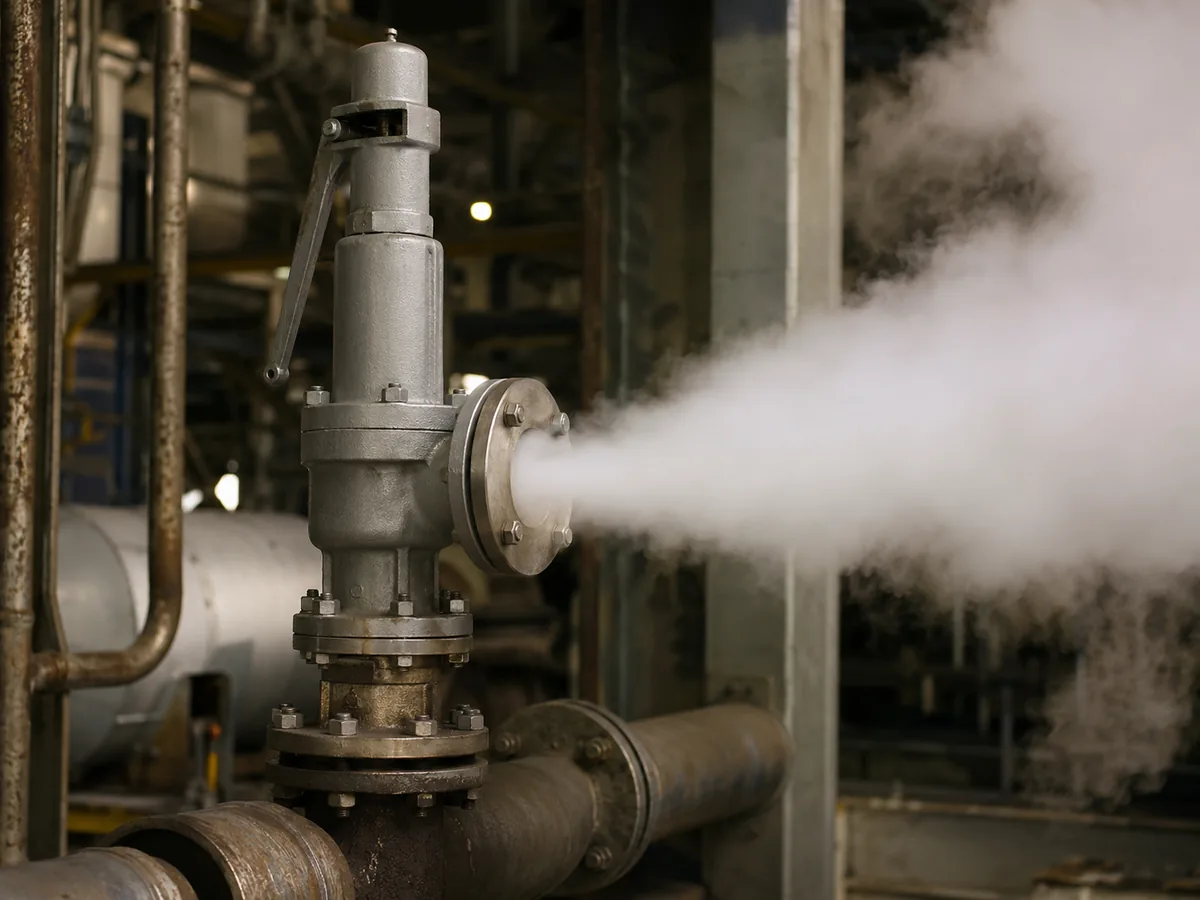
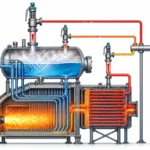
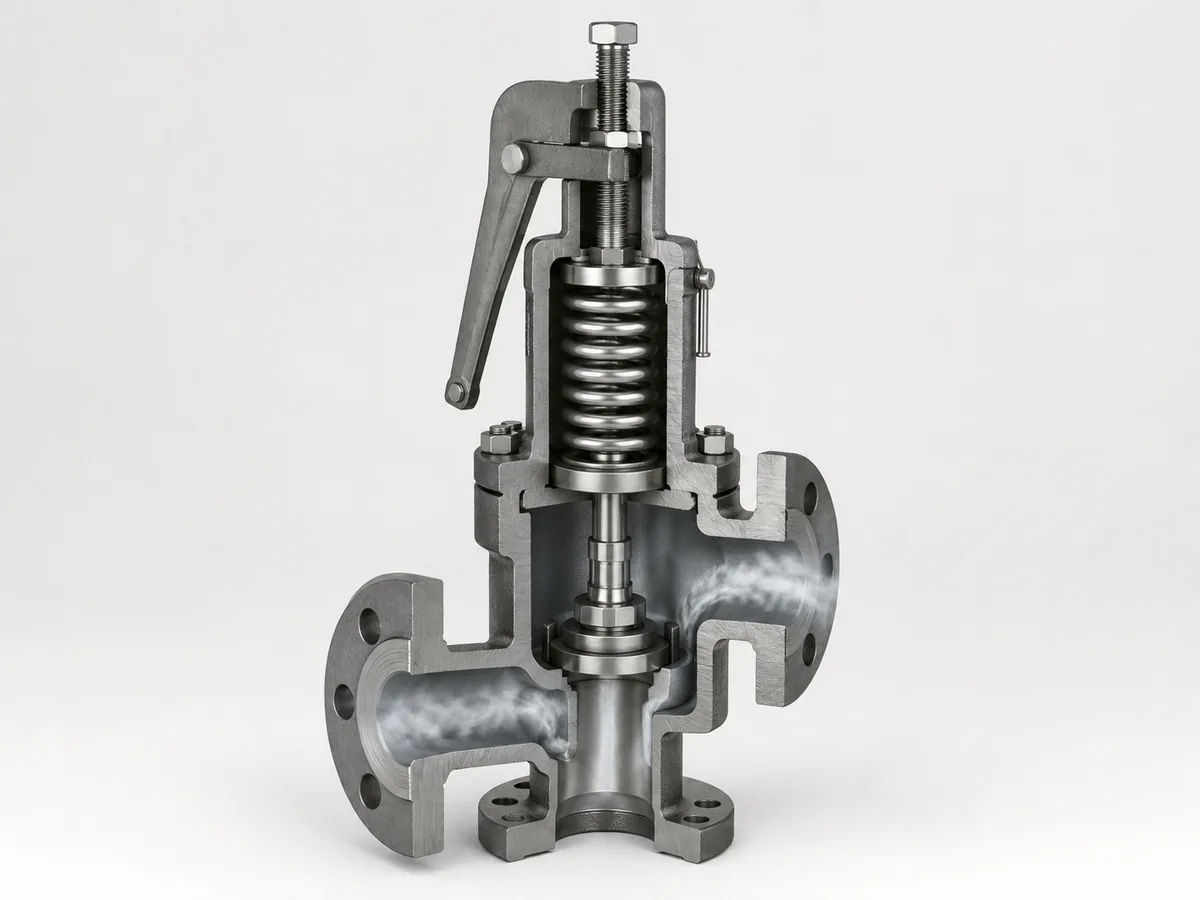
Концептуальное изображение устройства; детали конечного продукта должны быть подтверждены по реальным фотографиям продукта, выбранным спецификациям клапанов или утвержденным чертежам.
Быстрый ответ
Паровой предохранительный клапан — это не регулирующий, запорный или редукционный клапан. Это защитное устройство, которое остается закрытым во время нормальной работы и автоматически открывается, когда давление пара достигает заданного давления срабатывания. Он используется, когда котел, паровой коллектор, теплообменник, паропровод, станция редуцирования давления или оборудование для работы с паром нуждается в автоматической защите от избыточного давления. Основной риск при выборе — использование размера DN, размера NPS, класса фланца или старой фотографии клапана в качестве сокращения для определения производительности. Правильный выбор требует данных о защищаемом оборудовании, сценарии сброса, фазе пара, рабочем давлении, максимальном допустимом рабочем давлении (MAWP) или расчетном давлении, давлении срабатывания, требуемой производительности сброса, температуре сброса, наложенном и нарастающем противодавлении, входном и выходном трубопроводе, материалах, седле, пружине, применимом коде и документах. Отправьте эти данные для инженерного рассмотрения перед запросом цены.
Что такое предохранительный клапан для пара?
Автоматическое открытие
Сброс пара
Защита от избыточного давления
Требуемые данные для запроса цены
Базовое определение
Паровой предохранительный клапан — это устройство сброса давления, предназначенное для автоматического открытия, когда давление пара достигает определенного заданного давления срабатывания. Его назначение — сбрасывать пар из защищаемого оборудования, чтобы давление не продолжало расти за пределы допустимого избыточного давления или предельного накопления, определенного применимым кодом, конструкцией оборудования и требованиями проекта.
Во многих паровых системах клапан имеет пружинный привод. Пружина удерживает диск на седле во время нормальной работы. По мере повышения давления входящего пара под диск действует сила давления. Когда эта сила превышает нагрузку пружины при заданном давлении срабатывания, клапан начинает подниматься и сбрасывать пар через выходное отверстие. Для более подробного объяснения механизма см. как работает пружинный предохранительный клапан.
Что защищает
Паровые предохранительные клапаны обычно используются для защиты паровых котлов, барабанов котлов, паровых коллекторов, теплообменников, станций редуцирования давления, технологических установок для работы с паром и оборудования для работы с паром под давлением. Клапан не защищает “пар” в целом. Он защищает определенную границу давления при определенном сценарии сброса.
Чем он не является
Паровой предохранительный клапан не следует использовать для регулирования нормального технологического давления. Редукционный клапан контролирует давление пара на стороне низкого давления во время нормальной работы. Паровой предохранительный клапан остается закрытым во время нормальной работы и открывается только тогда, когда давление достигает условия заданного давления срабатывания.
Не используйте эту статью для расчета размеров. В ней объясняется логика выбора и подготовка запроса на коммерческое предложение. Окончательный выбор зависит от реального сценария сброса давления, требуемой производительности сброса пара, данных выбранного клапана, применимой версии стандарта, документации производителя, проектной спецификации и местных нормативных требований.
| Элемент | Практическое значение |
|---|---|
| Основная функция | Автоматическая защита от избыточного давления для парового оборудования. |
| Нормальное состояние | Закрыт при нормальном рабочем давлении. |
| Триггер открытия | Давление пара достигает установленного давления. |
| Основа расчета производительности | Требуемая производительность сброса пара и документированная производительность выбранного клапана, а не только размер присоединения. |
| Ключевой риск при выборе | Размер трубопровода, класс фланца или внешний вид старого клапана не могут подтвердить производительность, пригодность материала или объем документации. |
Почему паровая служба требует отдельного рассмотрения предохранительных клапанов
Насыщенный пар и перегретый пар
Паровая служба не может рассматриваться как обычный сжатый воздух. Насыщенный и перегретый пар ведут себя по-разному по температуре, плотности, теплосодержанию и характеристикам истечения. Эти различия влияют на расчет размеров клапана, выбор материалов, выбор седла, воздействие на камеру пружины, конструкцию крышки, трубопровод истечения и требования к испытаниям.
Температура, конденсат и риск истечения
Пар на выходе может быть горячим, шумным и мощным. Трубопровод на выходе должен быть проверен на безопасное направление сброса, дренаж, тепловое расширение, опоры и реактивную силу. Линия сброса, которая задерживает конденсат, создает чрезмерную нагрузку на корпус клапана или направляет пар на персонал, может представлять серьезную опасность и снижать надежность.
Параметры пара и подбор материалов
Состояние пара влияет на выбор материала корпуса, седельного клапана, седла, пружины, прокладки и крышки. Только марка материала не доказывает пригодность для эксплуатации. Выбранный клапан должен быть проверен на соответствие температуре сброса, рейтинги давления-температуры, коррозионным или эрозионным условиям, влиянию теплоизоляции, доступности для обслуживания и данным производителя для конкретной модели.
| Паровые условия | Влияние выбора | Что подтвердить |
|---|---|---|
| Насыщенный пар | Конденсат, дренаж и герметичность седла могут стать важными факторами. | Дренаж, направление сброса, рабочий запас, испытание на давление срабатывания и состояние седла. |
| Перегретый пар | Более высокая температура сброса может повлиять на выбор камеры пружины, крышки, седельного клапана, седла и прокладки. | Температура сброса, предельные значения материалов, конструкция крышки, воздействие пружины и данные выбранной модели. |
| Пар с возможным конденсатом | Накопление жидкости может повлиять на путь сброса и стабильность клапана. | Низкие точки, дренажи, направление выхода и возможность сбора конденсата у клапана или в линии сброса. |
| Загрязненный пар | Может произойти повреждение седла, утечка или заедание. | Качество пара, загрязнение на входе, история обслуживания, материал седла и план инспекции. |
Почему необходимо проверять производительность паровых клапанов
Размер присоединения не подтверждает производительность по пару. Два клапана с одинаковым входным размером могут иметь разные площади проходного сечения, характеристики подъема, документированную производительность, номинальные давления и применимые ограничения по эксплуатации. Для ознакомления с основами производительности, см. расчету предохранительных клапанов и сертифицированной пропускной способности.
Инженерные ограничения: Большее присоединение не означает автоматически более безопасный выбор парового предохранительного клапана. Необходимо отдельно рассматривать требуемую производительность сброса, производительность выбранного клапана, номинальное давление и условия установки.
Как работает паровой предохранительный клапан?
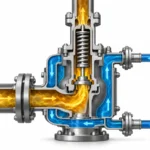
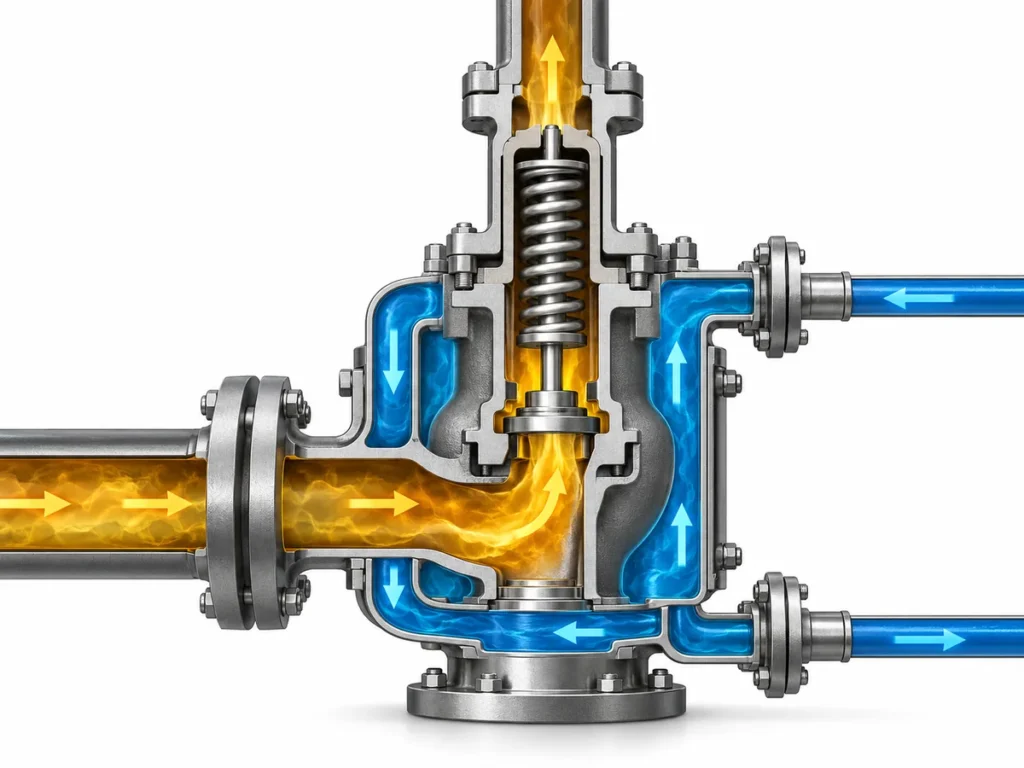
Упрощенная инженерная иллюстрация; не производственный чертеж, сертифицированное сечение или доказательство производительности для конкретной модели.
Нормальная работа
Во время нормальной эксплуатации диск клапана остается в закрытом положении. Нагрузка от пружины прижимает диск к соплу или седлу, в то время как давление пара действует вверх на диск. Нормальное рабочее давление должно оставаться ниже давления срабатывания с соответствующим запасом.
Открытие при давлении срабатывания
Давление срабатывания — это давление, при котором клапан настроен на начало открытия в определенных условиях испытаний или эксплуатации. Оно отличается от рабочего давления, максимального допустимого рабочего давления (MAWP), расчетного давления, давления накопления или производительности.
Подъем, сброс и закрытие
По мере подъема диска пар проходит из входа через сопло и выходит через выход клапана. Клапан должен сбрасывать достаточное количество пара, чтобы ограничить дальнейшее повышение давления в допустимых пределах для защищаемого оборудования. После контроля аварийной ситуации и падения давления в системе клапан закрывается.
Дренаж и стабильность
Дренаж важен, так как он влияет на то, как долго клапан остается открытым и когда он закрывается. Вибрация или быстрое открытие и закрытие могут возникнуть, когда клапан имеет избыточный размер, чрезмерные потери давления на входе, неправильно учтенное противодавление на выходе или нестабильная динамика системы.
| Термин давления | Что это означает при рассмотрении парового клапана | Распространенная ошибка |
|---|---|---|
| Рабочее давление | Нормальное давление во время эксплуатации. | Работа слишком близко к давлению срабатывания, вызывающая шипение или утечку. |
| Максимальное допустимое рабочее давление / расчетное давление | Граница давления защищаемого оборудования. | Использование его в качестве пропускной способности клапана или предположение, что оно совпадает с давлением срабатывания. |
| Давление настройки | Давление, при котором клапан настроен на начало открытия. | Путаница с давлением закрытия или требуемой пропускной способностью. |
| Перенапряжение / накопление давления | Допустимое повышение давления во время события сброса согласно коду и проектным условиям. | Игнорирование допустимого предела при проверке сценария сброса. |
| Продувка | Разница между поведением при открытии и закрытии. | Предполагается, что клапан закрывается точно при давлении настройки. |
| Противодавление | Давление на выходе, вызванное напорным трубопроводом, коллектором или нижестоящей системой. | Предполагается, что выходной тракт не влияет на стабильность клапана. |
Где используются предохранительные клапаны для пара?
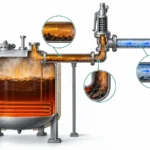
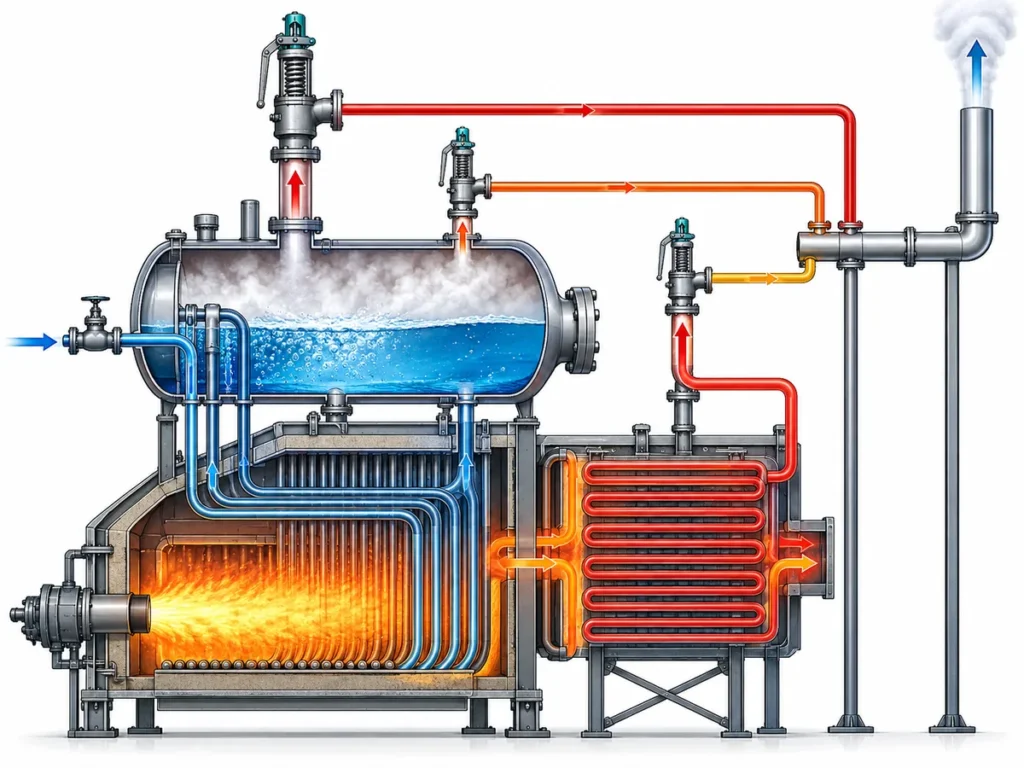
Упрощенная карта применения для ориентации при запросе коммерческого предложения; фактическое расположение клапанов зависит от проектного решения, сценария сброса и проверки нормативных требований.
Котлы и паровые барабаны
Паровые котлы являются одним из наиболее распространенных применений. Клапан защищает котел или паровой барабан от превышения допустимого давления. Максимальное допустимое рабочее давление котла (MAWP), схема установки давления, основа для расчета производительности, монтаж и испытания обычно регулируются применимыми нормами и местными требованиями.
Паровые коллекторы и распределительные линии
Паровые коллекторы распределяют пар для нескольких потребителей. Превышение давления может возникнуть из-за отказа регулирующего устройства выше по потоку, ошибки изоляции, заблокированного выхода или другого нарушения рабочего режима.
Теплообменники и технологическое оборудование
Теплообменники и технологическое оборудование могут требовать защиты от превышения давления со стороны пара или технологической среды в зависимости от источника давления, расчетного давления и возможных сценариев отказа.
Станции редуцирования давления
Если редукционное устройство выйдет из строя в открытом положении, давление после него может превысить допустимый предел. Предохранительный клапан для пара может защитить систему, если он выбран с учетом возможного сценария отказа.
Защищаемое оборудование в первую очередь: Одно и то же наименование клапана может встречаться на котле, паровой магистрали или установке редуцирования давления, но определяющий случай сброса, требуемая производительность, основа для установки давления срабатывания и документация могут отличаться.
Основные типы и конфигурации, используемые для работы с паром
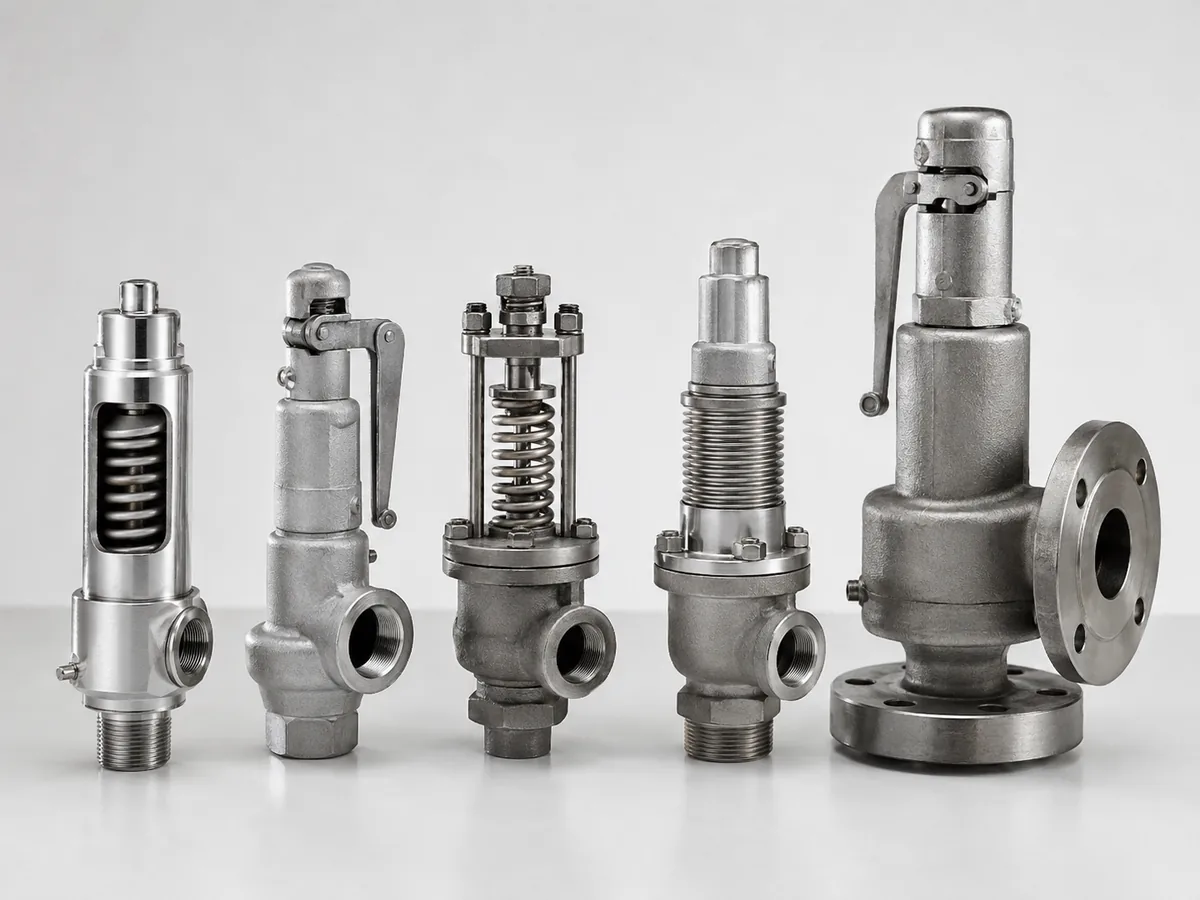
Многие предохранительные клапаны для пара представляют собой прямодействующие пружинные конструкции, но одного лишь указания “пружинный” недостаточно для полной спецификации. Покупателю по-прежнему необходимо подтвердить давление срабатывания, производительность, конструкцию подъема, материал, седло, крышку, присоединение, условия сброса и применимый стандарт.
Пружинные конструкции
Распространенные прямодействующие конструкции предохранительных клапанов для пара используют силу пружины для закрытия и давление пара на входе для открытия. Диапазон настройки пружины, конструкция седла, состояние направляющих и поведение подъема должны быть проверены в соответствии с выбранной моделью.
Рычажные и открытые конструкции
Рычажные и предохранительные клапаны с открытой крышкой могут использоваться в зависимости от условий эксплуатации, практики инспекции, местных требований и данных производителя. Выбор открытой конструкции крышки должен быть рассмотрен с учетом фактической температуры пара и требований проекта.
Фланцевые, резьбовые, полноподъемные и малоподъемные варианты
Конфигурация присоединения и подъема влияет на установку и анализ производительности. Одно лишь описание подъема не подтверждает пригодность.
Для коммерческого обзора продукта откройте предохранительные клапаны для пара страницу продукта ZOBAI после подтверждения данных эксплуатации.
Предварительная матрица выбора для анализа паровых предохранительных клапанов
Эта матрица не является селектором моделей. Она помогает покупателю определить, что необходимо уточнить, прежде чем поставщик сможет рассмотреть правильное семейство клапанов, основу для расчета производительности и объем документации.
| Вопрос | Почему это меняет решение | Что отправить перед запросом ценового предложения (RFQ) |
|---|---|---|
| Какое оборудование защищается? | Эксплуатация котлов, паровых коллекторов, сосудов под давлением и теплообменников может иметь различные нормативные основы и сценарии сброса давления. | Тип оборудования, проектная документация, максимальное допустимое рабочее давление (MAWP) / расчетное давление и тип присоединения к трубопроводу. |
| Каков основной сценарий сброса? | Тепловая мощность, блокировка выходного патрубка, отказ регулятора или разрыв трубы могут создавать различные требуемые скорости сброса. | Описание сценария сброса и основание для расчета от ответственного инженера. |
| Пар насыщенный или перегретый? | Температура влияет на корпус, седло, пружину, прокладку и крышку. | Состояние пара и температура сброса. |
| Куда сбрасывает клапан? | Сброс в атмосферу, вентиляционная труба, глушитель, длинный трубопровод или общий коллектор изменяют противодавление и реактивную силу. | Схема выходного патрубка, место сброса, ожидаемое наложенное / накопленное противодавление. |
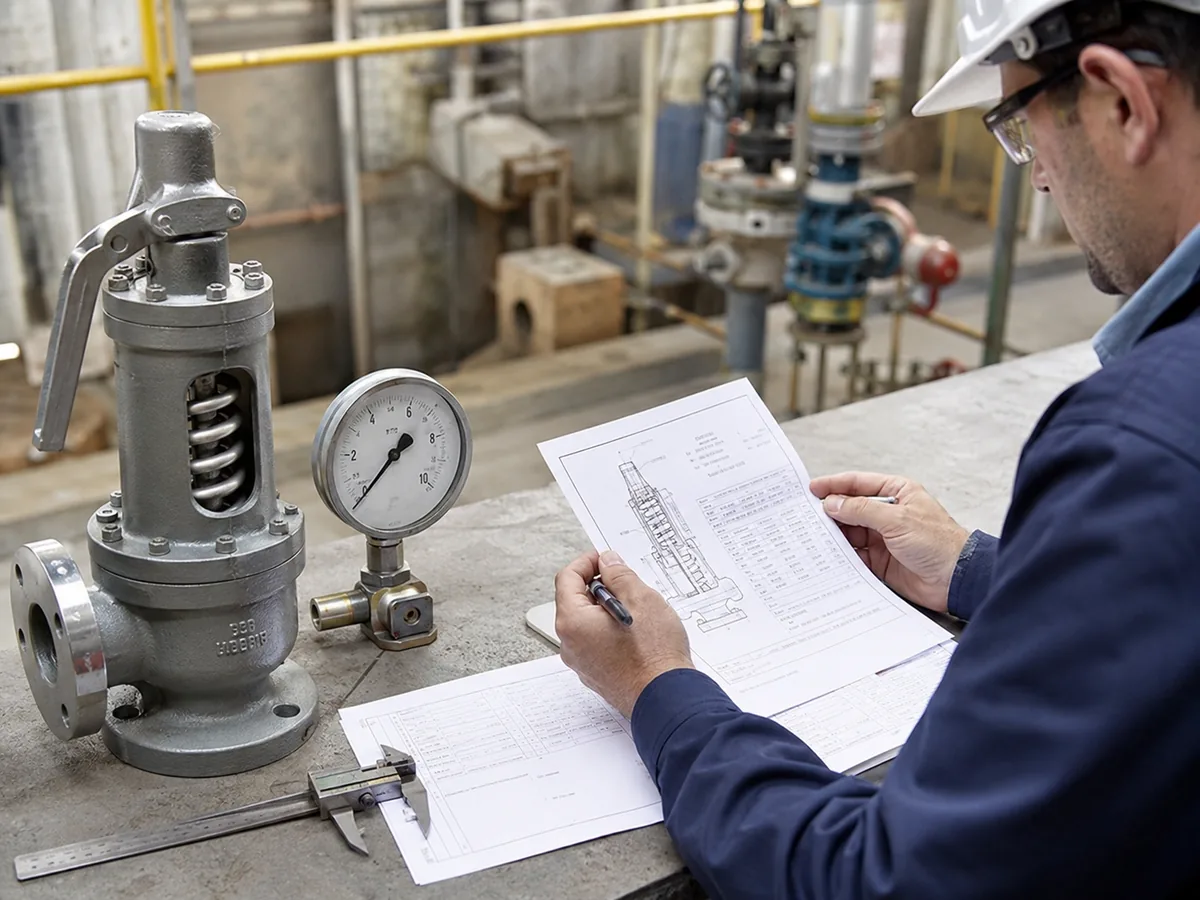
| Является ли это заменой? | Старый размер клапана может не подтверждать эквивалентность по производительности, материалу или документации. | Фото шильдика, технический паспорт, сборочный чертеж, история эксплуатации и причина замены. |
Когда не следует выполнять быструю замену: Не выбирайте клапан только по внешнему виду при отсутствии шильдика, неизвестной базе расчета производительности, изменении температуры пара, изменении напорного трубопровода, наличии истории дребезга/утечек в системе или изменении режима работы защищаемого оборудования.
Что покупатели должны подтвердить перед выбором предохранительного клапана для пара
Наиболее важными данными для запроса коммерческого предложения являются давление и производительность. Предохранительный клапан для пара не может быть безопасно выбран только по размеру присоединения. Уставка давления определяет, когда клапан открывается. Требуемая пропускная способность определяет, сколько пара должно быть сброшено. Максимальное допустимое рабочее давление (MAWP) или расчетное давление определяет границу давления защищаемого оборудования.
| Необходимые данные | Почему это важно |
|---|---|
| Защищаемое оборудование | Определяет, какую границу давления необходимо защищать. |
| Сценарий сброса давления | Определяет требуемый режим сброса. |
| Паровые условия | Насыщенный или перегретый пар влияет на температурный режим и выбор материала. |
| Рабочее давление | Проверяет нормальный запас ниже давления срабатывания. |
| Максимальное допустимое рабочее давление / расчетное давление | Определяет предел защищаемого оборудования. |
| Давление настройки | Определяет точку открытия клапана. |
| Требуемая пропускная способность | Определяет, достаточна ли выбранная производительность клапана. |
| Температура сброса | Влияет на выбор корпуса, седла, пружины и прокладки. |
| Противодавление | Влияет на стабильность и возможную конфигурацию клапана. |
| Входной / выходной трубопровод | Влияет на потери давления, безопасность сброса и реактивную силу. |
| Применимый код / документы | Определяет объем испытаний, инспекций и документации. |
Требуемая производительность не соответствует выбранному размеру клапана.
| Элемент | Значение | Риск выбора при отсутствии данных. |
|---|---|---|
| Требуемая пропускная способность | Требуемый расход пара для защиты оборудования при расчетном сценарии сброса. | Клапан может быть слишком мал, даже если присоединение подходит. |
| Выбранное проходное сечение / площадь потока клапана. | Эффективная геометрия сброса выбранной конструкции клапана. | Два клапана с одинаковым присоединением могут иметь разную пропускную способность. |
| Документально подтвержденная или сертифицированная основа пропускной способности | Данные производителя или нормативные данные о пропускной способности для выбранного клапана и условий эксплуатации. | Закупщик не может проверить, защищает ли клапан требуемый случай. |
| Размер и класс присоединения | Механическая совместимость и соответствие температурно-давленческим параметрам. | Клапан, подходящий по механическим параметрам, все равно может не подходить по пропускной способности или условиям эксплуатации. |
Для контекста подбора размера, ознакомьтесь с Расчет предохранительных клапанов по API 520. Для контекста стандартов в проектах котлов и сосудов рассмотрите Стандарты ASME для предохранительных клапанов.
Анализ противодавления и сброса в паровых системах
Противодавление не решается простым указанием типа клапана. Его необходимо анализировать с учетом выходной системы, места сброса, ожидаемого расхода, давления в коллекторе и конструкции выбранного клапана. Подробное руководство по проектированию см. в разделе противодавление и сильфон.
| Условие сброса | Фокус обзора | Возможные действия покупателя |
|---|---|---|
| Сброс в атмосферу | Безопасное направление сброса, защита персонала, реактивная сила, шум и конденсат. | Укажите ориентацию выходного патрубка, требования к вентиляционному стояку или глушителю, а также ограничения площадки. |
| Длинный выходной трубопровод | Накопленное противодавление, опорные конструкции трубопровода, тепловое расширение и дренаж. | Укажите размер выходного трубопровода, длину, количество отводов, высоту и план опор. |
| Общий выпускной коллектор | Наложенное и переменное противодавление, одновременные случаи сброса и производительность коллектора. | Предоставьте данные о давлении в коллекторе, подключенных клапанах и управляющем сценарии сброса. |
| Глушитель или вентиляционная труба | Дополнительное падение давления, дренаж конденсата и конструктивная поддержка. | При наличии предоставьте технические характеристики глушителя/трубы и монтажный чертеж. |
Распространенные ошибки при выборе предохранительных клапанов для пара
| Ошибка | Риск | Что проверить |
|---|---|---|
| Выбор только по DN / NPS | Недостаточная или непроверенная производительность. | Требуемая производительность сброса и данные производителя. |
| Рассмотрение установочного давления как максимального рабочего давления сосуда (MAWP) | Неверная основа защиты. | Документация по проектированию оборудования и требования норм. |
| Игнорирование температуры пара | Несоответствие материала или пружинной камеры. | Температура сброса и условия эксплуатации. |
| Игнорирование противодавления | Нестабильность или снижение производительности. | Выпускная система и напорный коллектор. |
| Неподдерживаемый выходной трубопровод | Напряжение в клапане и небезопасная реактивная нагрузка. | Опорные конструкции трубопровода и тепловое расширение. |
| Замена по внешнему виду | Неправильная производительность, материал или настройка. | Паспорт, технический паспорт, габаритный чертеж и записи. |
Устранение неисправностей перед заменой
| Неисправность | Возможные причины | Проверки перед заказом замены | Опасный путь для избежания |
|---|---|---|---|
| Утечка или шипение | Рабочее давление слишком близко к давлению настройки, повреждение седла, загрязнение, термическое искажение или неправильные условия испытаний. | Рабочий запас, запись давления настройки, состояние седла, качество пара и история обслуживания. | Заказ клапана того же размера без проверки причины утечки старого клапана. |
| Дребезг | Неправильный выбор размера, чрезмерные потери на входе, нестабильный источник сброса, противодавление на выходе или проблема с напорным трубопроводом. | Схема входного тракта, требуемая производительность, выходная система, противодавление и история событий. | Предположение, что дребезг всегда вызван дефектной пружиной. |
| Частые открытия | Нестабильность управления, слишком высокое рабочее давление, неправильное давление настройки или сбой процесса. | Тенденция рабочего давления, давление настройки, оборудование контроля давления и сценарий сброса. | Повышение давления настройки без пересмотра оборудования/кода. |
| Неправильное закрытие | Несоответствие значения сброса давления, загрязнение, повреждение седла, конденсат или динамика установки. | Поведение сброса давления, напорный трубопровод, дренаж конденсата и запись осмотра. | Изменение внутренних частей без данных выбранной модели. |
Предупреждение о замене: Если старый клапан протекает, издает стук или часто открывается, замена должна включать анализ первопричин. Проблема может быть связана с запасом по давлению, потерями на входе, напорным трубопроводом, противодавлением, конденсатом, загрязнением, завышенными размерами или состоянием технического обслуживания.
Установка и проверка сброса давления для предохранительного клапана для пара

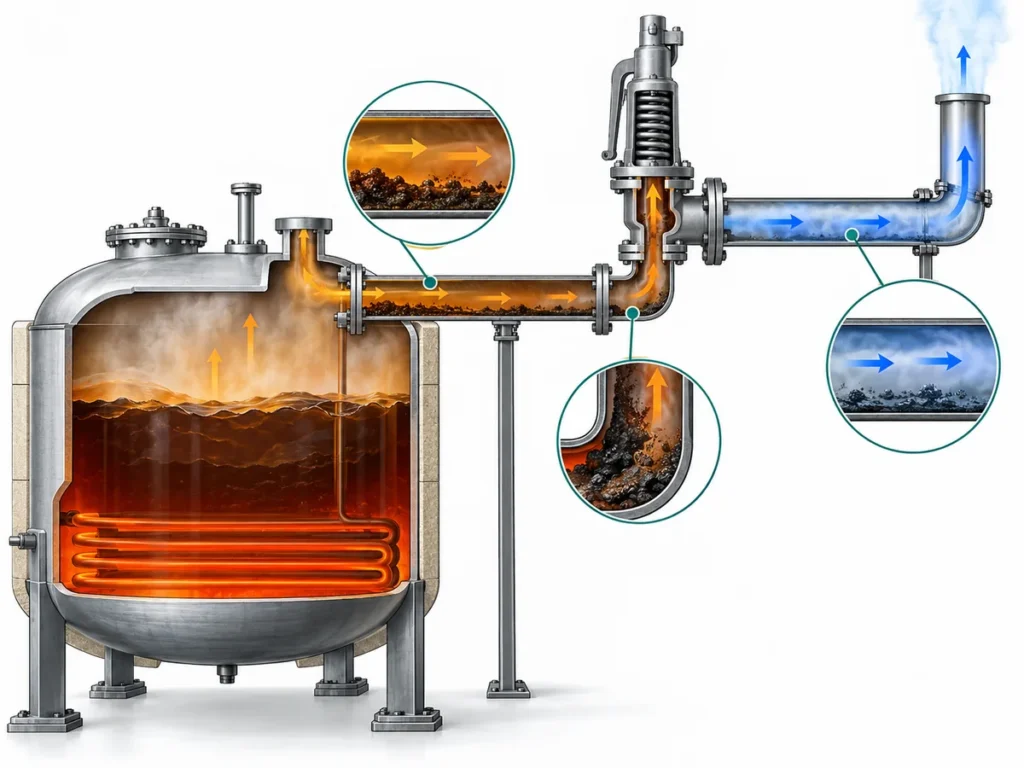
Упрощенная иллюстрация установки; окончательная установка должна соответствовать инструкциям выбранной модели, спецификации проекта и применимым нормам.
Входной трубопровод
Входная линия должна быть проверена на потери давления, диаметр, длину, фитинги и близость к защищаемому оборудованию. Чрезмерные потери давления на входе могут снизить стабильность клапана и способствовать возникновению стука.
Сброс давления и реактивная сила на выходе
Сброс пара может создавать высокую скорость, шум, тепло и реактивную силу. Напорный трубопровод должен быть независимо закреплен так, чтобы корпус клапана не нес вес или тепловое смещение системы сброса. Для более подробных рекомендаций по установке ознакомьтесь с руководство по установке предохранительного клапана.
Дренаж, вентиляция и доступ для обслуживания
Конденсат не должен накапливаться таким образом, чтобы блокировать сброс или повредить клапан. Дренаж, вентиляция и доступ для обслуживания должны быть рассмотрены при проектировании установки. Вентиляционные отверстия, колпачки и дренажные отверстия на крышке не должны быть заблокированы или изменены без инженерной проверки.
Список рекомендаций по установке (что делать и чего не делать)
| Делать | Не | Почему это важно |
|---|---|---|
| Сохраняйте входной тракт коротким и подходящим для выбранного клапана и нормативной базы. | Не добавляйте длинные переходные входные трубопроводы без инженерной проверки. | Чрезмерные потери на входе могут привести к дестабилизации клапана. |
| Поддерживайте выходной трубопровод независимо. | Не позволяйте тяжелой линии сброса висеть на корпусе клапана. | Сброс пара создает реактивную силу и термическое смещение. |
| Направляйте сброс в безопасное место. | Не направляйте сброс пара в сторону персонала, проходов или электрооборудования. | Сброс пара может быть горячим, шумным и мощным. |
| Обеспечьте дренаж там, где может скапливаться конденсат. | Не создавайте ловушку или заполненный жидкостью путь сброса. | Конденсат может повлиять на сброс и повредить компоненты. |
| Следуйте инструкциям выбранной модели для конфигурации крышки, колпачка, рычага и вентиляционного отверстия. | Не блокируйте вентиляционные отверстия крышки и не модифицируйте колпачки без согласования. | Изменения конфигурации могут повлиять на безопасность и стабильность. |
Тестирование и документация для подтверждения перед покупкой
Отдел закупок должен определить объем документации перед запросом ценового предложения. Требуемые протоколы испытаний и сертификаты зависят от выбранного клапана, спецификации проекта, применимого стандарта и плана инспекции. Не предполагайте, что каждая модель клапана автоматически включает каждый документ или сертификат.
| Документ или пункт испытаний | Что поддерживается | Примечание для покупателя |
|---|---|---|
| Паспорт изделия | Уставка давления, присоединение, материал, условия эксплуатации и выбранная конфигурация. | Используйте это как основу для технического рассмотрения. |
| Основа расчета производительности | Соответствует ли выбранная производительность клапана требуемой производительности сброса пара. | Спросите, как документируется производительность для выбранной модели и условий эксплуатации. |
| Запись испытаний давления срабатывания | Калибровка давления открытия в заданных условиях. | Подтвердите условия испытаний и требования к допускам. |
| Требование к герметичности седла | Ожидаемая герметичность после закрытия клапана. | Подтвердите применимый метод испытаний и критерии приемки, если требуется. |
| Материалы | Прослеживаемость корпуса, седла, пружины, прокладки или других частей, где это указано. | Определите требуемые документы на материалы перед запросом цены. |
| Объем инспекции или присутствия при испытаниях. | Требования проекта по обеспечению качества и приемке. | Заранее определите требования к инспекции третьей стороной, инспекции заказчиком или заводской инспекции. |
Для контекста герметичности седла Реестр включает внутреннее руководство по Испытание на герметичность седел API 527. Используйте это как ориентир для испытаний, а не как автоматическое утверждение для каждой модели парового клапана.
Рабочий процесс проверки замены
Замена парового предохранительного клапана — это не просто подбор старого присоединения. Используйте рабочий процесс проверки перед заказом нового клапана.
Определите защищаемое оборудование.
Подтвердите котел, паровой коллектор, сосуд под давлением, теплообменник, станцию редуцирования давления или другое защищаемое оборудование.
Прочтите существующую паспортную табличку и технические данные.
Зафиксируйте установочное давление, размер, материал, модель, маркировку стандарта (при наличии), основу производительности и серийный номер / идентификатор, если они читаемы.
Подтвердите управляющий сценарий сброса давления.
Не предполагайте, что старый клапан был выбран правильно. Уточните, почему клапан требуется и какой случай избыточного давления он должен сбрасывать.
Сравнивайте производительность, а не только присоединение.
Проверьте требуемую производительность сброса пара по отношению к документированной производительности выбранного клапана и выбранному проходному сечению / площади потока.
Просмотрите изменения в установке и сбросе.
Проверьте потери на входе, опору на выходе, точки дренажа, направление безопасного сброса, общий коллектор и противодавление.
Определите требования к испытаниям и документации.
Укажите технические условия, протокол испытаний, карту материалов, инспекцию с участием заказчика и документы для отгрузки перед оформлением коммерческого предложения.
Комплексный инженерный сценарий для обучения: На установке заменяют предохранительный клапан парового коллектора после многократных случаев дребезга. Виден старый размер входа, но отсутствует информация о предыдущей базе расчета производительности. Перед заказом внешне похожего клапана команде следует проанализировать запас по рабочему давлению, давление срабатывания, требуемую производительность, потери давления на входе, противодавление в выходном коллекторе и дренаж сброса. Это гипотетический учебный сценарий, который не представляет собой реальный случай заказчика или подтверждение характеристик продукта.
Предохранительный клапан для пара против клапана сброса давления против обычного клапана
Предохранительный клапан против клапана сброса давления
Термины “предохранительный клапан”, «предохранительный клапан сброса давления», «клапан сброса давления» и «PSV» могут использоваться по-разному в зависимости от региона, отрасли и стандарта. В паровых и котловых установках «предохранительный клапан» обычно относится к автоматическому клапану, используемому для сброса пара при достижении давлением заданного значения.
Предохранительный клапан против регулирующего клапана
Паровой регулирующий клапан или редукционный клапан контролирует давление технологического процесса во время нормальной эксплуатации. Паровой предохранительный клапан защищает от избыточного давления при отказе нормального регулирования или рабочих условий. Эти устройства должны специфицироваться отдельно.
Чек-лист данных для запроса коммерческого предложения на паровой предохранительный клапан
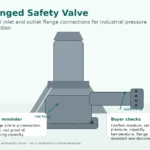
Графика контрольного списка запроса; окончательный выбор клапана зависит от реальных данных эксплуатации, документации производителя и проверки проекта/кода.
Перед запросом коммерческого предложения предоставьте реальные рабочие условия, а не только размер клапана или фотографию старого клапана.
Защищаемое оборудование и сценарий сброса давления
Состояние насыщенного или перегретого пара
Рабочее давление и максимальное допустимое рабочее давление / расчетное давление
Давление срабатывания и допустимое избыточное давление
Требуемая производительность сброса и основа расчета
Температура сброса
Противодавление и место сброса
Входной/выходной патрубок и номинальные параметры давления-температуры
Требования к корпусу, плунжеру, седлу, пружине и прокладке
Применимые требования к стандартам, испытаниям и документации
Когда следует запрашивать инженерный обзор
Инженерный анализ особенно важен, когда табличка старого клапана отсутствует или нечитаема, старый клапан пропускает или издает посторонние звуки (болтается), температура пара высокая или перегретая, сброс давления поступает в общий коллектор, противодавление может быть переменным, система была модифицирована, покупатель меняет марку или модель, или требуются документы для инспекции.
Паровой предохранительный клапан — это защитное устройство, а не стандартная трубопроводная арматура. Окончательный выбор должен основываться на реальном сценарии сброса давления, требуемой производительности, состоянии пара, данных производителя, применимой версии стандарта, спецификации проекта и процессе местного нормативного утверждения.
Часто задаваемые вопросы
Каково назначение предохранительного клапана для пара?
Паровой предохранительный клапан защищает котлы, паровые коллекторы, сосуды под давлением, теплообменники и паропроводы от избыточного давления. Он автоматически открывается при заданном давлении и сбрасывает пар, чтобы ограничить повышение давления.
Является ли предохранительный клапан для пара тем же, что и клапан сброса давления?
Термины могут пересекаться в зависимости от региона, отрасли и стандарта. В паровых системах и котельных “предохранительный клапан” обычно относится к автоматическому клапану защиты от избыточного давления для пара. Покупатели должны подтвердить терминологию в соответствии со спецификацией проекта и применимым кодом.
Могу ли я выбрать предохранительный клапан для пара только по размеру трубы?
Размер трубы или присоединения сам по себе не определяет пропускную способность для сброса пара. Выбор должен основываться на защищаемом оборудовании, сценарии сброса, давлении настройки, требуемой пропускной способности, параметрах пара, температуре, противодавлении, типе присоединения и данных производителя.
Какие данные необходимы перед выбором предохранительного клапана для пара?
Как минимум, предоставить защищаемое оборудование, сценарий сброса, условие насыщенного или перегретого пара, рабочее давление, максимальное допустимое рабочее давление (MAWP) или расчетное давление, давление настройки, требуемую пропускную способность, температуру сброса, противодавление, присоединение по входу и выходу, требования к материалам, применимый стандарт и необходимые документы.
Почему важен перепад давления при закрытии (blowdown) для паровых систем?
Дифференциал между давлением открытия и закрытия (blowdown) влияет на потери пара, стабильность клапана, риск утечек и восстановление давления в системе после сброса.
Нужен ли всем предохранительным клапанам для пара открытый корпус или рычаг?
Конструкции с открытым колпаком и рычагом могут использоваться в определенных паровых установках, но не являются универсальными требованиями. Правильная конфигурация зависит от температуры пара, требований кодов, практики инспекции, установки, модели клапана и спецификации проекта.
Что вызывает утечку или дребезжание парового предохранительного клапана?
Возможные причины включают: рабочее давление слишком близко к давлению настройки, повреждение седла, загрязнение, чрезмерная потеря давления на входе, противодавление, клапан слишком большого размера, конденсат в напорном трубопроводе, неправильная установка или плохое техническое состояние.
Когда следует проводить проверку парового предохранительного клапана инженером?
Рекомендуется инженерный анализ для новых паровых систем, котлов, перегретого пара, замены без полных данных таблички, сброса в коллектор, переменного противодавления, повторяющихся утечек, дребезга, отсутствия данных по производительности или проектов, требующих официальной инспекционной документации.
Стандарты и границы выбора
Требования стандартов и кодексов для паровых предохранительных клапанов зависят от защищаемого оборудования, юрисдикции, спецификации проекта и применимой редакции. В этой статье объясняется логика выбора с точки зрения инженерии и подготовка запроса на коммерческое предложение (RFQ). Она не воспроизводит текст стандартов, защищенный авторским правом, и не утверждает, что какая-либо конкретная модель клапана автоматически соответствует требованиям ASME, API, ISO, EN, GB или местных нормативных актов.
Для получения соответствующей внутренней информации ознакомьтесь с Стандарты ASME для предохранительных клапанов, Расчет предохранительных клапанов по API 520 и Системы сброса давления API 521.
Технические ссылки
Следующие официальные страницы предоставляются только в качестве справочных материалов. Они не заменяют приобретенный текст стандарта, спецификацию проекта, рассмотрение местных нормативных требований, данные производителя или одобрение ответственным инженером.
Нужен обзор парового предохранительного клапана?
Отправьте ваши рабочие параметры паровой системы, защищаемое оборудование, давление настройки, требуемую пропускную способность, температуру сброса, противодавление, требования к присоединению и применимый стандарт для рассмотрения.