استكشاف أخطاء صمام الأمان وإصلاحها يمكن أن يبدأ صمام الأمان في التسرب بعد اختبار ذراع الرفع أو ذراع المحاولة عندما يؤدي الفتح اليدوي إلى إزعاج الواجهة بين القرص والمقعد. الفحوصات الأولى هي الحطام المحتجز، وسطح المقعد الهامشي بالفعل، وعدم اكتمال عودة القرص أو العمود أو الدليل أو آلية الرفع. التسرب بعد الاختبار لا يثبت بحد ذاته أن ...

استكشاف أخطاء صمام الأمان وإصلاحها
يمكن أن يبدأ صمام الأمان في التسرب بعد اختبار ذراع الرفع أو ذراع المحاولة عندما يؤدي الفتح اليدوي إلى إزعاج الواجهة بين القرص والمقعد. الفحوصات الأولى هي الحطام المحتجز، وسطح المقعد الهامشي بالفعل، وعدم اكتمال عودة القرص أو العمود أو الدليل أو آلية الرفع. التسرب بعد الاختبار لا يثبت بحد ذاته أن ضغط الضبط قد تغير. إذا لم تفسر هذه الأجزاء المتأثرة مباشرةً الأعراض، فوسّع المراجعة لتشمل ضغط التشغيل، وظروف المدخل، والضغط الخلفي للتفريغ، وأحمال الأنابيب.
إجابة سريعة:
بعد اختبار ذراع الرفع المتعمد، شخّص المقعد والتجميع المتحرك أولاً. تحقق من وجود حطام، أو أسطح مقعد تالفة أو هامشية، وعدم اكتمال العودة الميكانيكية. لا تضبط الزنبرك بناءً على التسرب وحده. استخدم فحوصات ضغط التشغيل والأنابيب فقط كمرحلة تشخيصية تالية، ثم استخدم الاختبار المتحكم به المناسب قبل اتخاذ قرار الإصلاح أو الاستبدال.
بعد اختبار ذراع الرفع المتعمد، شخّص المقعد والتجميع المتحرك أولاً. تحقق من وجود حطام، أو أسطح مقعد تالفة أو هامشية، وعدم اكتمال العودة الميكانيكية. لا تضبط الزنبرك بناءً على التسرب وحده. استخدم فحوصات ضغط التشغيل والأنابيب فقط كمرحلة تشخيصية تالية، ثم استخدم الاختبار المتحكم به المناسب قبل اتخاذ قرار الإصلاح أو الاستبدال.
حدود الصفحة:
يغطي هذا الدليل التسرب الذي يبدأ بعد الرفع اليدوي المتعمد.
التسرب بعد حدث تخفيف الضغط التلقائي
يتضمن مجموعة أوسع من الأسباب الديناميكية والأسباب المتعلقة بالنظام المركب ويجب تشخيصه كحالة استكشاف أخطاء منفصلة.
يغطي هذا الدليل التسرب الذي يبدأ بعد الرفع اليدوي المتعمد.
التسرب بعد حدث تخفيف الضغط التلقائي
يتضمن مجموعة أوسع من الأسباب الديناميكية والأسباب المتعلقة بالنظام المركب ويجب تشخيصه كحالة استكشاف أخطاء منفصلة.
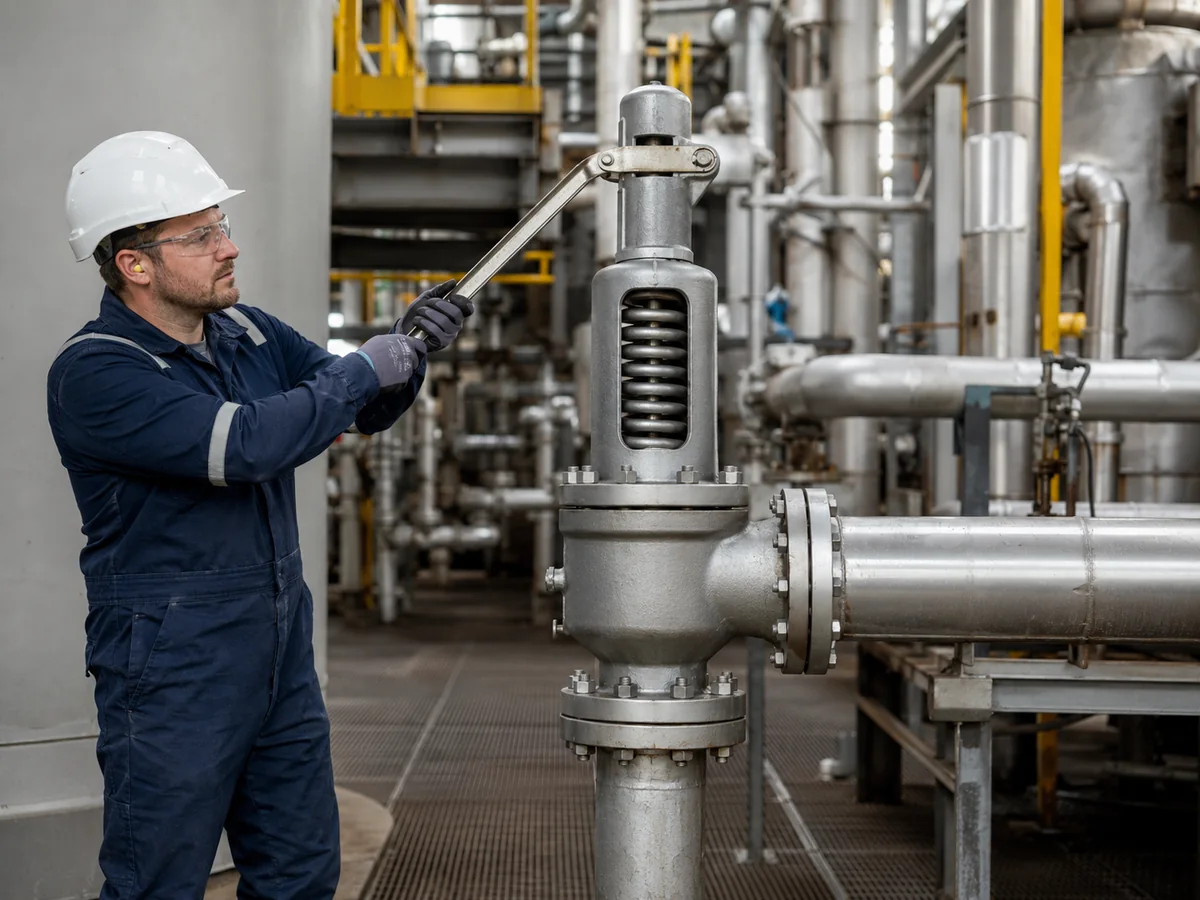
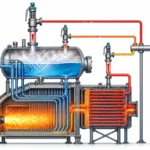
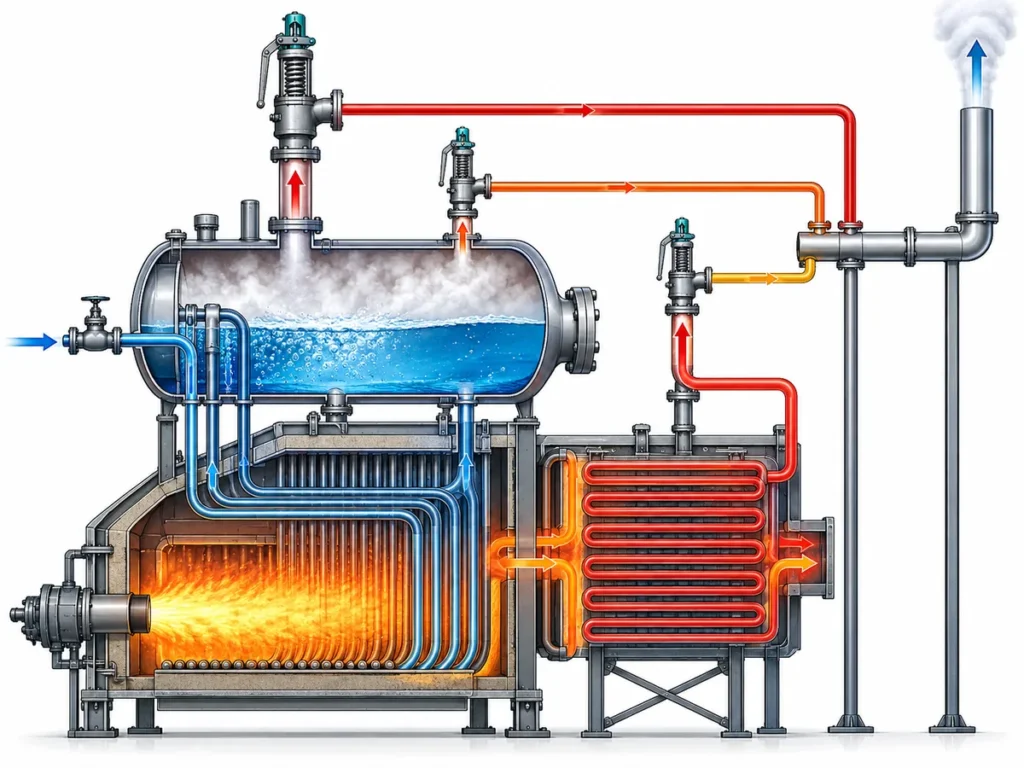
مشهد صناعي توضيحي؛ ليس تركيباً محدداً لشركة ZOBAI أو سجل اختبار أو صورة اعتماد منتج.
ابدأ بالأدلة: أولوية التشخيص بعد تسرب اختبار الرافعة
الخطأ الرئيسي في استكشاف الأخطاء وإصلاحها هو الانتقال مباشرة من “الصمام يتسرب” إلى “إعداد الزنبرك خاطئ”. عندما يبدأ التسرب فورًا بعد الرفع اليدوي المتعمد، يجب أن تظل الطبقة التشخيصية الأولى قريبة مما تم إزعاجه فعليًا: واجهة الإحكام، والتجميع المتحرك، وآلية الرفع.
| الأولوية | ما يجب إثباته | لماذا هو مهم | افتراض غير آمن يجب تجنبه |
|---|---|---|---|
| 1 | متى بدأ التسرب بالضبط | يؤكد ما إذا كان العرض قد ظهر فورًا بعد الرفع اليدوي. | افتراض أن الاختبار غيّر ضغط الضبط بشكل دائم. |
| 2 | ما إذا كانت الرافعة والتجميع المتحرك قد عادا بشكل طبيعي | يساعد في فحص الاحتكاك أو التداخل أو عدم إعادة الإحكام بشكل كامل. | افتراض أن موضع الرافعة الخارجي يثبت موضع القرص الداخلي. |
| 3 | ما إذا كانت الخدمة يمكن أن تحمل قشورًا أو مواد صلبة أو رواسب | يزيد أو يقلل من احتمالية وجود حطام محتجز عند المقعد. | افتراض أن تشغيل الرافعة المتكرر سينظف المقعد بأمان. |
| 4 | ما إذا كان هناك تلف معروف في المقعد أو إصلاح سابق | قد يصبح المقعد الهامشي متسربًا بشكل واضح بعد إزعاجه. | افتراض أن اختبار الرافعة تسبب في كل الأضرار الموجودة. |
| 5 | ما إذا كانت أدلة المقعد والميكانيكية تفسر التسرب | إذا لم يكن الأمر كذلك، يمكن أن يتوسع التحقيق بعد ذلك ليشمل ظروف العملية والأنابيب. | البدء بإعادة تصميم كاملة للنظام قبل فحص الأجزاء المضطربة مباشرة. |
قاعدة الأدلة:
لا تقم بضبط الزنبرك، أو تغيير ضبط الضغط، أو تحديد بديل حتى يتم فصل العَرَض الملاحَظ عن متطلبات الحماية الأصلية للضغط.
لا تقم بضبط الزنبرك، أو تغيير ضبط الضغط، أو تحديد بديل حتى يتم فصل العَرَض الملاحَظ عن متطلبات الحماية الأصلية للضغط.
ما الذي يتغير داخل الصمام أثناء اختبار ذراع الرفع؟
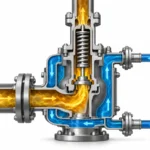
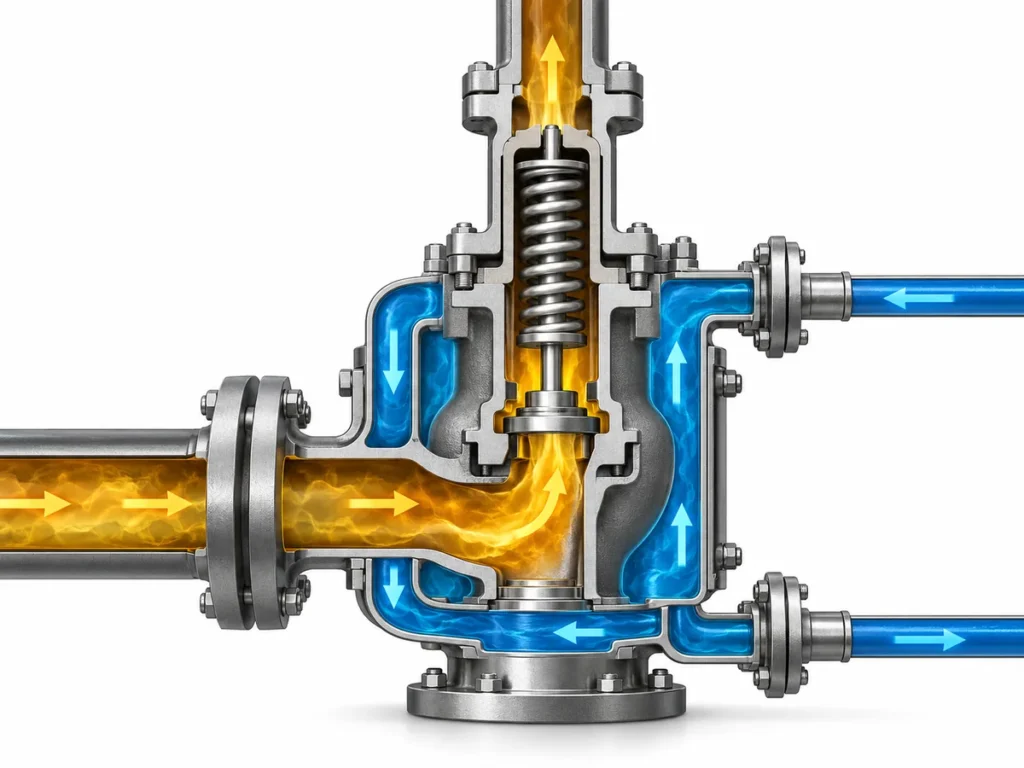
في صمام الأمان النموذجي المُحمَّل بزنبرك والمزوَّد بجهاز رفع، يوفر الذراع وسيلة ميكانيكية لتحريك العمود ورفع القرص بعيدًا عن مقعد الفوهة. ثم يعبر مائع العملية سطح التلامس قبل أن يعود التجميع المتحرك نحو الوضع المغلق.
يعتمد الإغلاق الموثوق على أكثر من مجرد عودة الذراع المرئي إلى وضعه الأصلي. يجب أن يتحرك العمود والموجّه بحرية، ويجب أن يعود القرص نحو وضع الجلوس المقصود، ويجب أن تكون أسطح الجلوس نظيفة وغير تالفة بما يكفي لإعادة إنشاء التلامس الفعال.
لتسلسل قوة الزنبرك الأوسع، ورفع القرص، وإعادة الجلوس، انظر
كيف يعمل صمام الأمان المحمل بنابض.
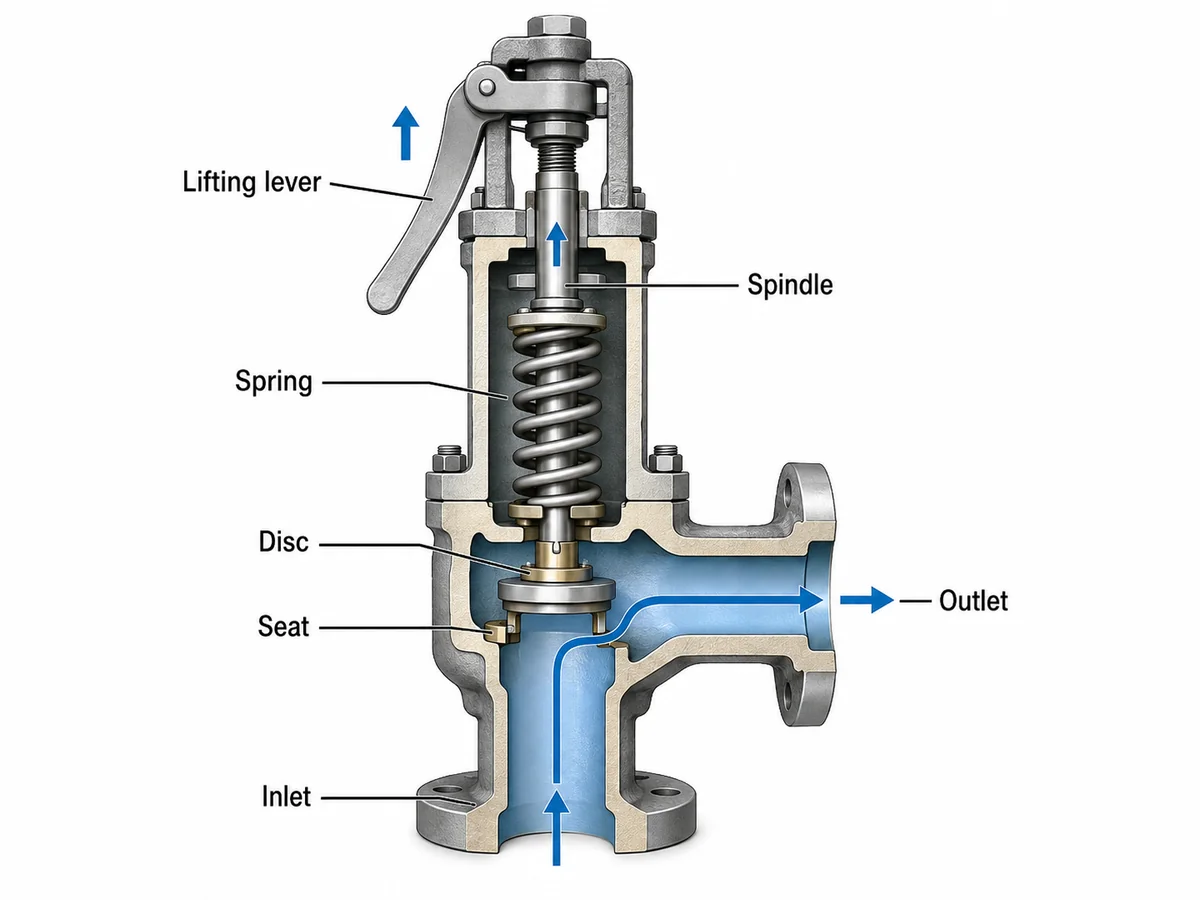
رسم توضيحي هندسي مبسّط. يختلف شكل المكونات حسب تصميم الصمام.
الحد الهندسي:
يوفر جهاز الرفع فحصًا وظيفيًا محدودًا فقط في ظل الظروف المطلوبة حسب تصميم الصمام المعمول به، والكود، وتعليمات الشركة المصنعة، وإجراءات الموقع. لا يثبت تحريك الذراع اليدوي ضغط الضبط، أو قبول إحكام المقعد، أو سعة التفريغ.
يوفر جهاز الرفع فحصًا وظيفيًا محدودًا فقط في ظل الظروف المطلوبة حسب تصميم الصمام المعمول به، والكود، وتعليمات الشركة المصنعة، وإجراءات الموقع. لا يثبت تحريك الذراع اليدوي ضغط الضبط، أو قبول إحكام المقعد، أو سعة التفريغ.
السبب 1 — الأوساخ أو القشور أو الرواسب العملية المتبقية على المقعد
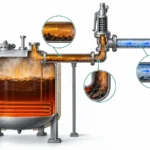
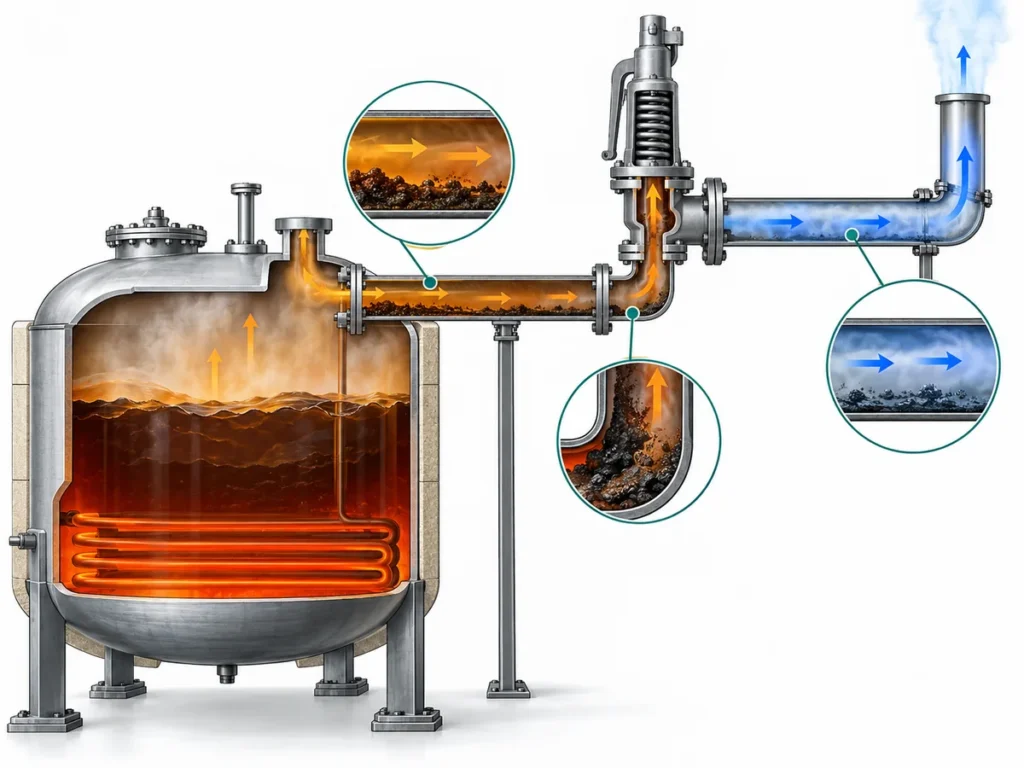
يُعد تلوث سطح الإغلاق أحد أول الحالات التي يجب أخذها في الاعتبار عندما يبدأ التسرب فورًا بعد عملية رفع يدوي. فتح الصمام يسمح لسائل العملية بالتحرك عبر سطح التلامس الذي ربما ظل مغلقًا لفترة طويلة.
يمكن أن تنتقل جزيئات الصدأ، والقشور، ومنتجات التآكل، أو المواد الصلبة، أو الرواسب الناتجة عن العملية مع السائل. إذا بقيت الملوثات بين القرص والفوهة أثناء إغلاق الصمام، فقد لا يتم استعادة التلامس الكامل للإغلاق.
تزداد احتمالية حدوث ذلك عندما يكون الوسيط قادرًا على حمل المواد الصلبة، أو منتجات التآكل، أو المواد المتبلورة، أو الرواسب اللزجة، أو المواد البلمرة، أو المكثفات. لا يزال الخطر الدقيق يعتمد على تصميم الصمام، والوسط، والطور، ودرجة الحرارة، وظروف العملية.
سيناريو هندسي مركب للتدريب
كان صمام أمان البخار المحمّل بنابض محكمًا أثناء الخدمة العادية. بعد فحص الرفع اليدوي المجدول، أصبح تسرب صغير مستمر مسموعًا. إحدى الآليات المعقولة هي أن القشور أو حطام التآكل عبرت سطح التلامس وبقيت بين القرص والفوهة أثناء الإغلاق.
الخطوة التالية المفيدة هي توثيق ضغط التشغيل، وحالة الاختبار، وسلوك التسرب، وتحديد ما إذا كان الفحص الخاضع للرقابة أو اختبار التسرب مطلوبًا. تغيير ضغط الزنبرك لن يعالج الحطام المحتجز.
السبب 2 — كانت أسطح الإغلاق هامشية بالفعل أو أصبحت تالفة
ليس كل تسرب بعد الاختبار ناتجًا عن حطام سائب. قد تكون أسطح تلامس القرص والفوهة قد تعرضت بالفعل للتآكل، أو التآكل السطحي، أو الخدوش، أو التلامس غير المتساوي، أو أضرار الصيانة السابقة.
قد يبدو الصمام محكمًا قبل الاختبار لأن مكونات الإغلاق استقرت في وضع تلامس معين واحد. بمجرد رفع القرص وإعادته، قد لا يتم استعادة نفس التلامس غير المثالي.
لذلك قد يؤدي اختبار ذراع الرفع إلى تسرب مرئي دون أن يكون هو السبب الجذري الأصلي لحالة سطح الإغلاق.
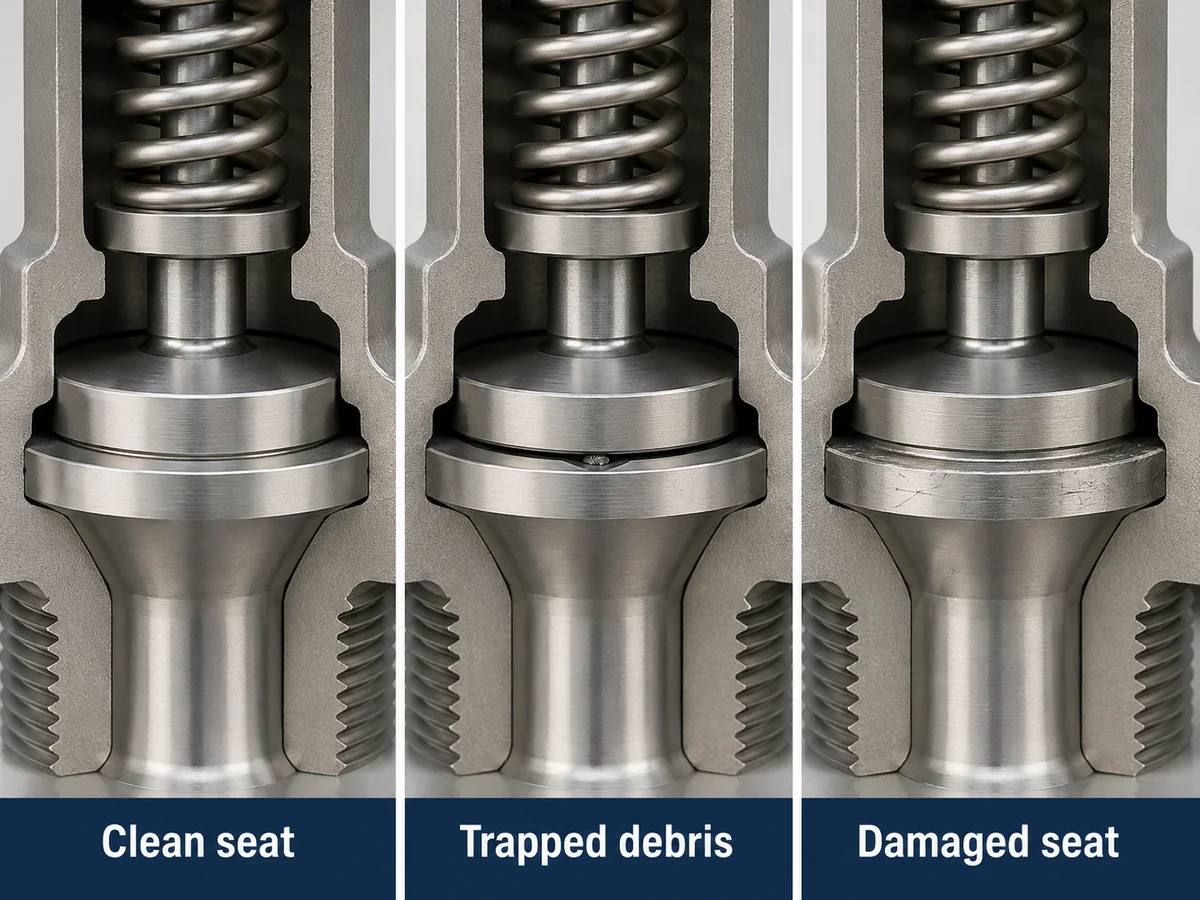
رسم توضيحي هندسي مبسط لأغراض التعليم حول استكشاف الأخطاء وإصلاحها.
ما الدليل الذي يدعم تشخيص تلف سطح الإغلاق؟
يمكن أن يدعم التسرب المستمر بعد استقرار ظروف التشغيل، أو تاريخ التآكل أو التآكل السطحي المعروف، أو إصلاح سطح الإغلاق السابق، أو التلف المرئي أثناء الفحص المؤهل، أو اختبار التسرب الخاضع للرقابة خارج أساس القبول المطبق، تشخيص حالة سطح الإغلاق.
التسرب الخارجي وحده لا يكفي لتحديد ما إذا كان الإصلاح الصحيح هو التنظيف، أو التجليخ، أو استبدال المكون، أو استبدال الصمام بالكامل. تعتمد طريقة الإصلاح المسموح بها على تصميم الصمام المحدد، وحالة المكون، ومتطلبات الشركة المصنعة، وضوابط الإصلاح المطبقة.
السبب 3 — آلية القرص أو العمود أو الذراع لا تعود بحرية
قد تكون أسطح الإغلاق مقبولة ومع ذلك يمكن أن يتسرب الصمام إذا فشل التجميع المتحرك في العودة إلى وضع الإغلاق المقصود بعد الرفع اليدوي.
المساهمون الميكانيكيون المحتملون
- تلوث أو تآكل الدليل
- احتكاك أو تشوه العمود
- تداخل ميكانيكي
- اختلال المحاذاة
- تركيب سابق غير صحيح
- مشاكل في عودة وصلة الرفع
أدلة تستحق الفحص
- عودة غير طبيعية للرافعة
- سجل عمرة سابقة
- تآكل حول الأجزاء المتحركة
- التصاق لوحظ أثناء الفحص المتحكم فيه
- تسرب متكرر بعد الصيانة
عودة الرافعة إلى وضع السكون لا تثبت أن القرص والموجه والعمود قد عادوا بالكامل داخليًا. إذا كانت الحركة غير مؤكدة، يجب إجراء الفحص وفقًا لإجراءات الشركة المصنعة والموقع والإصلاح المؤهل المعمول بها.
للاطلاع على سياق المنتج حول الصمامات المحملة بنابض والمزودة بجهاز رفع يدوي، انظر
صمامات أمان الرافعة.
سيناريو هندسي مركب للتدريب
يبدأ الصمام في التسرب فورًا بعد فحص الرافعة اليدوية. تبدو الرافعة الخارجية وكأنها تعود بشكل طبيعي، لكن الصمام له سجل عمرة حديث. يجب أن يشمل التحقيق التالي محاذاة الموجه وحالة العمود وحرية الحركة الداخلية بدلاً من افتراض أن النابض قد ضعف.
إذا تم تأكيد الالتصاق أو اختلال المحاذاة، فإن الإجراء التصحيحي يقع ضمن عملية إصلاح مؤهلة والتحقق بعد الإصلاح.
فحص تصعيدي ثانوي — ضغط التشغيل وظروف إعادة الإغلاق
إذا لم يفسر تلوث المقعد وتلف سطح الإغلاق ومشاكل العودة الميكانيكية الأعراض بشكل كافٍ، فوسّع التحقيق ليشمل حالة التشغيل.
يعتمد سلوك صمام الأمان على العلاقة بين ضغط التشغيل العادي وضبط الضغط والضغط الزائد والتراكم وضغط إعادة الإغلاق والفرق بينهما. التشغيل بالقرب من منطقة الإغلاق المستقرة للصمام يمكن أن يساهم في التبخير أو التسرب المستمر، لكن هذه مسألة أوسع تتعلق بظروف التشغيل وليست آلية فريدة لاختبار رافعة الرفع.
سجّل ضغط التشغيل الفعلي وتقلب العملية قبل استخلاص النتائج. يعتمد هامش التشغيل المقبول على تصميم الصمام والوسط واستقرار الخدمة وبيانات الشركة المصنعة والكود المعمول به ومتطلبات المشروع.
افصل بين مصطلحات الضغط:
ضغط العمل الأقصى المسموح ليس ضبط الضغط؛ الضغط الزائد والتراكم يستخدمان ضغوطًا مرجعية مختلفة؛ الفرق بين الفتح وإعادة الإغلاق يصف العلاقة بين الفتح وإعادة الإغلاق؛ ولا تثبت أي من هذه القيم بمفردها قدرة التصريف.
ضغط العمل الأقصى المسموح ليس ضبط الضغط؛ الضغط الزائد والتراكم يستخدمان ضغوطًا مرجعية مختلفة؛ الفرق بين الفتح وإعادة الإغلاق يصف العلاقة بين الفتح وإعادة الإغلاق؛ ولا تثبت أي من هذه القيم بمفردها قدرة التصريف.
سيناريو هندسي مركب للتدريب
يبدأ التسرب بعد اختبار الرافعة اليدوية ثم يرتفع وينخفض مع تقلبات ضغط العملية الطبيعية. بمجرد فحص تلوث المقعد والعودة الميكانيكية، فإن هذا السلوك المعتمد على الضغط هو سبب لمراجعة هامش التشغيل وسلوك إعادة الإغلاق بدلاً من نسب الأعراض تلقائيًا إلى تلف دائم في المقعد.
فحص التصعيد الثانوي — التركيب، الضغط الخلفي وأنابيب التفريغ
عندما لا يفسر المقعد المضطرب مباشرة والمكونات المتحركة التسرب المستمر، راجع النظام المركب. يمكن أن يؤثر فقدان الضغط عند المدخل، والمقاومة عند المخرج، والضغط الخلفي، والتصريف، وحمل الأنابيب على سلوك الصمام وإعادة الإغلاق، ولكن هذه عوامل نظام عامة وليست أسبابًا ناتجة تحديدًا عن التشغيل اليدوي للرافعة.
مراجعة جانب المدخل
- فقدان ضغط المدخل
- نظافة الأنابيب
- المحاذاة الميكانيكية
- التعديلات الحديثة على الأنابيب
مراجعة جانب المخرج
- الضغط الخلفي المضاف قبل الفتح
- الضغط الخلفي المتراكم الناتج عن تدفق التنفيس
- دعم أنابيب التفريغ
- التصريف والتجمعات السائلة
- الحمل الميكانيكي على جسم الصمام
راجع
دليل تركيب صمامات الأمان
لإجراء مراجعة تفصيلية للمدخل والمخرج والدعم والتصريف.
للتمييز بين ضغط المخرج المضاف والمتراكم وحدود التصاميم المتوازنة، انظر
الضغط الخلفي والمنفاخ.
التسرب الفوري مقابل التسرب المستمر — ما يمكن أن يخبرك به التوقيت
يساعد توقيت التسرب في تحديد ما إذا كانت المرحلة التشخيصية الأولى يجب أن تظل مركزة على اضطراب المقعد والعودة الميكانيكية أو ما إذا كان التحقيق يحتاج إلى التوسع. التوقيت دليل على تحديد الأولويات، وليس دليلاً على السبب الجذري.
| الملاحظة | الاتجاه الأول | الأدلة التي يجب جمعها | لا تستنتج بعد |
|---|---|---|---|
| يبدأ التسرب فورًا بعد الرفع اليدوي | تلوث المقعد أو عدم اكتمال إعادة الإغلاق | نظافة الخدمة، وعودة الذراع، وتوقيت الحدث | أن الضبط قد تغير |
| يستمر التسرب بشكل مستمر | حالة المقعد أو العودة الميكانيكية | اختبار خاضع للرقابة وفحص مؤهل | أن التجليخ مطلوب تلقائيًا |
| يتغير التسرب مع ضغط التشغيل | الترقية إلى مراجعة ظروف التشغيل | ضغط التشغيل، والضبط، واستقرار العملية | أن الزنبرك ضعيف |
| يتزامن التسرب مع تغييرات في الأنابيب أو المجمع الرئيسي | الترقية إلى مراجعة النظام المثبت | الضغط الخلفي، والدعم، والتصريف، وأحمال الأنابيب | الرفع اليدوي هو سبب مشكلة النظام |
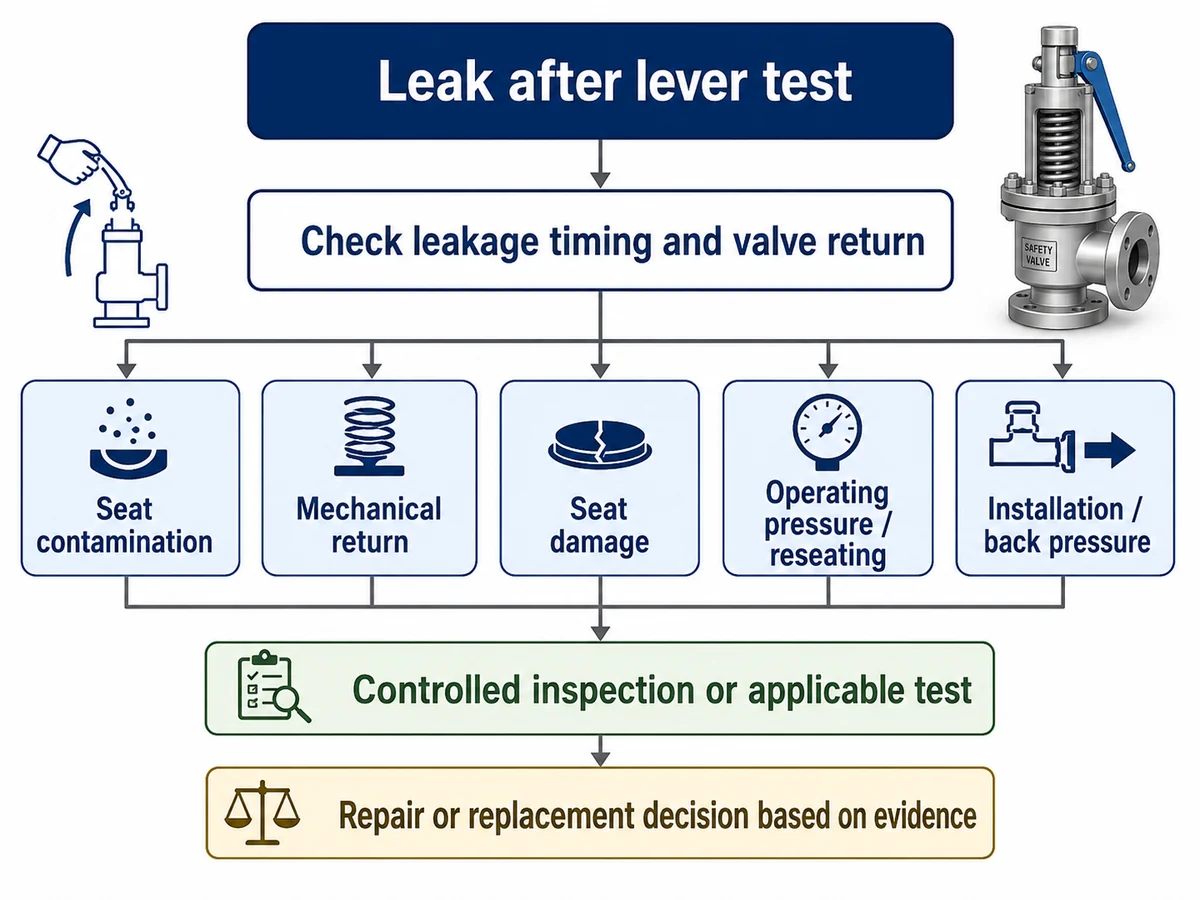
مخطط عمل مبسط لاتخاذ القرار. تعتمد خطوات الفحص الفعلية على الصمام والعملية والإجراء المطبق.
ما يمكن وما لا يمكن لاختبار رفع الذراع التحقق منه
جهاز الرفع هو فحص وظيفي محدود في ظل الظروف المطلوبة حسب تصميم الصمام المطبق والكود وتعليمات الشركة المصنعة وإجراءات الموقع. لا ينبغي التعامل معه كبديل عن اختبار الضغط المتحكم فيه أو اختبار التسرب أو اختبار السعة.
| سؤال | هل يمكن للتشغيل اليدوي للذراع إثبات ذلك؟ | ما المطلوب بدلاً من ذلك؟ |
|---|---|---|
| هل يمكن لآلية الرفع ذات الصلة أن تتحرك؟ | مؤشر وظيفي محدود فقط | إجراء الفحص المطبق وتعليمات الشركة المصنعة |
| هل ضبط الضغط الفعلي صحيح؟ | لا | التحقق المتحكم فيه من ضبط الضغط |
| هل يفي الصمام بمعيار قبول إحكام المقعد؟ | لا | اختبار إحكام المقعد المتحكم فيه المطبق |
| هل سعة التفريغ الموثقة كافية؟ | لا | بيانات السعة من الشركة المصنعة أو الشهادة في ظل ظروف محددة |
| هل السعة المطلوبة كافية لسيناريو التخفيف الحاكم؟ | لا | تحديد حمل التخفيف بالإضافة إلى التحقق من السعة |
يجب تحديد سعة التصريف المطلوبة من سيناريو التصريف الحاكم والتحقق منها مقابل أساس السعة الموثق أو المعتمد للصمام المختار. يثبت حجم الوصلة التوافق الفيزيائي، وليس سعة الحماية. كما أن دليل السعة خاص بالوسط والظروف: لا ينبغي تبادل أسس سعة البخار والغاز والسائل والطورين دون البيانات الهندسية وبيانات الشركة المصنعة المعمول بها.
للاطلاع على التمييز الأوسع في تحديد المقاس، انظر
حساب مقاسات صمامات الأمان وسعة التنفيس المعتمدة.
متى يصبح اختبار إحكام المقعد ضروريًا
التسرب المرئي أو المسموع من صمام مركب هو ملاحظة تشغيلية. يُجرى اختبار إحكام المقعد المتحكم فيه في ظروف محددة ويجيب عن سؤال مختلف.
يتناول API 527 إحكام مقعد صمامات تخفيف الضغط حيث يكون هذا المعيار جزءًا من أساس الاختبار المعمول به. لا تزال الطبعة المعتمدة وتصميم الصمام ووسط الاختبار والضغط وبنية المقعد ومعايير القبول بحاجة إلى تأكيد للمشروع الفعلي.
للاطلاع على نطاق اختبار المقعد التفصيلي وتفسير طلب عرض السعر، انظر
اختبار إحكام المقعد API 527.
لا تخلط بين الأدلة:
إحكام المقعد ليس سعة تصريف، واختبار ضغط الضبط ليس اختبار سعة.
إحكام المقعد ليس سعة تصريف، واختبار ضغط الضبط ليس اختبار سعة.
ما لا يجب فعله بعد بدء تسرب الصمام
- لا تغير فورًا ضغط الزنبرك أو ضبط ضغط الضبط.
- لا تفترض أن تشغيل الذراع بشكل متكرر آمن لكل صمام وكل خدمة.
- لا تقم بإعاقة أو تغطية أو عزل مسار التفريغ بشكل غير صحيح لوقف التسرب المرئي.
- لا تفترض أن نجاح حركة الذراع يثبت سعة التفريغ.
- لا تستبدل الصمام بناءً على حجم الوصلة فقط.
- لا تقم بنسخ ضبط الضغط الحالي إلى صمام بديل دون مراجعة المعدات المحمية وأساس التصميم.
- لا تقم بإجراء إصلاح داخلي غير خاضع للرقابة على صمام مركب.
يجب أن تحافظ قرارات العزل والإصلاح في الموقع على وظيفة الحماية من الضغط المطلوبة. لا ينبغي ببساطة عزل الصمام المتسرب إذا كان ذلك يزيل مسار التفريغ المطلوب؛ يجب أن يحدد الإجراء المعتمد للمصنع والسلطة الهندسية المسؤولة الترتيب الآمن.
قائمة التحقق لاستكشاف الأخطاء وإصلاحها قبل إزالة الصمام أو استبداله
قبل اختيار الإصلاح أو الاستبدال، اجمع أدلة اختبار الذراع وبيانات الحماية من الضغط الأصلية. يجب أن تظل المدخلات الهندسية المفقودة “قيد التأكيد” بدلاً من استنتاجها من حجم الوصلة أو لوحة الاسم الجزئية.
حدث اختبار الذراع والأدلة الفورية
- هل كان الصمام محكمًا قبل الاختبار؟
- كيف تم تشغيل جهاز الرفع؟
- هل بدأ التسرب فورًا؟
- هل عاد الذراع إلى وضعه الطبيعي؟
- هل الخدمة متسخة أو مكونة للقشور أو الرواسب؟
- هل يوجد تاريخ سابق للمقعد أو الإصلاح؟
بيانات الحماية والنظام
- المعدات المحمية وسيناريو التنفيس الحاكم
- الوسط والطور
- ضغط التشغيل
- أقصى ضغط تشغيل آمن (MAWP) أو ضغط التصميم
- ضغط الضبط
- السعة المطلوبة للتنفيس وأساس السعة
- درجة حرارة التنفيس
- الضغط الخلفي المتراكب والمتزايد
- أنابيب الدخول والخروج
- لوحة الاسم وسجلات الصيانة
- الكود المعمول به والطبعة المعتمدة ومواصفات المشروع
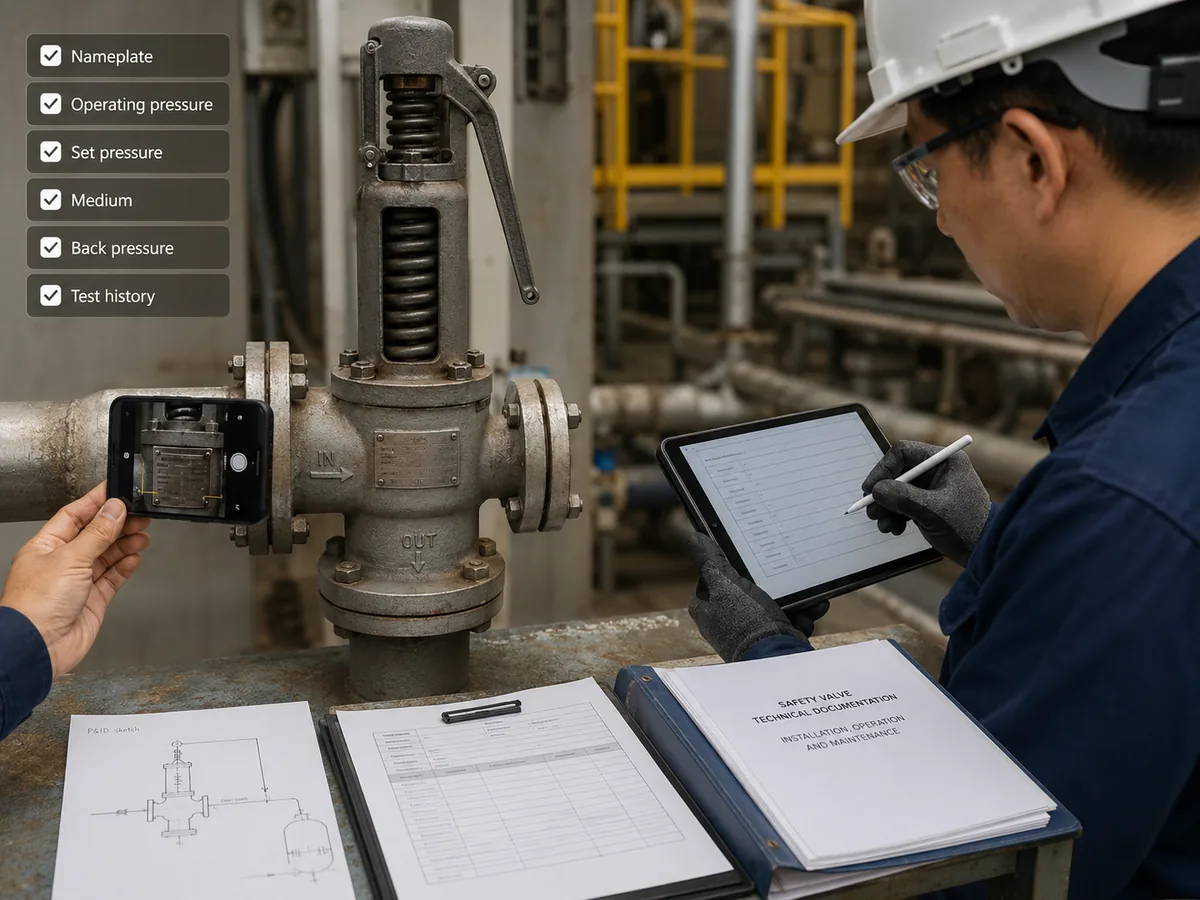
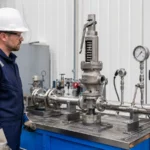
مشهد فحص توضيحي؛ المستندات والقيم المعروضة ليست دليلاً على مشروع أو نتيجة اختبار محدد لشركة ZOBAI.
إصلاح أم استبدال؟ أكمل التشخيص قبل اختيار الحل
بالنسبة لوضع الفشل المحدد هذا، يجب أن يأتي الإصلاح أو الاستبدال فقط بعد فحص الأسباب الخاصة بالصمام. إذا تم تأكيد وجود حطام محاصر أو تلف في المقعد أو عدم اكتمال العودة الميكانيكية، يمكن أن يركز قرار الإصلاح على حالة الصمام المتأثر. إذا لم تفسر هذه الفحوصات التسرب، فيجب معالجة الأسباب الأوسع المتعلقة بالتشغيل والنظام المركب قبل افتراض أن استبدال الصمام سيحل المشكلة.
| دليل | التوجيه الهندسي | ما الذي لا يزال بحاجة إلى تأكيد |
|---|---|---|
| اشتباه في التلوث، دون تأكيد تلف المكونات | مسار فحص أو تنظيف خاضع للرقابة حيثما يُسمح بذلك | حالة المقعد واختبار ما بعد الصيانة المطلوب |
| تأكيد تلف المقعد أو الفوهة | مراجعة الإصلاح المؤهل أو استبدال المكونات | حدود الإصلاح وهوية المكون والتحقق النهائي |
| انحشار دليل أو عمود أو آلية الرفع | إصلاح ميكانيكي والتحقق بعد الإصلاح | سبب الانحشار، التجميع الصحيح وحرية الحركة |
| لا يوجد سبب مرتبط بالذراع يفسر التسرب المستمر | الرفع إلى مراجعة ضغط التشغيل والضغط الخلفي والنظام المركب | ظروف العملية وخطوط الأنابيب الفعلية |
| حالة الصمام أو إمكانية التتبع أو قابلية الإصلاح غير مقبولة | تطوير مواصفات استبدال كاملة | أساس الحماية الأصلي وسعة الاستبدال الموثقة |
عندما تتطلب الخدمة العادية المستمرة تصعيدًا
يجب أن يؤدي التسرب المستمر، أو العودة غير الطبيعية للذراع أو العمود، أو الاشتباه في تلف سطح الإغلاق، أو تاريخ الإصلاح غير المؤكد، أو دليل على الانحشار، أو عدم القدرة على التحقق من الصمام مقابل أساس الحماية المطلوب إلى قرار هندسي وتفتيش تحت سيطرة الموقع. يعتمد إجراء الإخراج من الخدمة أو العزل المحدد على المعدات المحمية والوسائل المعتمدة للحفاظ على الحماية المطلوبة من الضغط.
فحوصات مواد الاستبدال جزء من مراجعة الحماية
لا تعامل مادة الجسم وحدها كدليل على ملاءمة الخدمة. تأكد من القرص المبلل والفوهة والدليل والعمود والتجهيزات الداخلية؛ وبيئة الزنبرك؛ ومادة المنفاخ حيثما كانت مركبة؛ وسطح الإغلاق أو الختم مقابل الوسط الفعلي والطور ودرجة حرارة التشغيل ودرجة حرارة التنفيس والتآكل والتآكل الناتج عن التدفق والترسبات ومتطلبات المشروع.
حجم التوصيلة ≠ سعة التفريغ.
يجب أن يحافظ الاستبدال على أساس الحماية الفعلية من الضغط، وليس فقط ملاءمة التوصيلات الحالية للمدخل والمخرج.
يجب أن يحافظ الاستبدال على أساس الحماية الفعلية من الضغط، وليس فقط ملاءمة التوصيلات الحالية للمدخل والمخرج.
ملخص القرار الهندسي
- تأكد من أن التسرب بدأ بعد الرفع اليدوي المتعمد.
- افحص تلوث سطح الإغلاق وأسطح الإغلاق المضطربة أولاً.
- افحص حالة عودة الذراع والعمود والدليل والقرص.
- استخدم الفحص أو الاختبار المتحكم به عندما لا يمكن تحديد حالة سطح الإغلاق من الخارج.
- فقط بعد ذلك قم بتوسيع التشخيص ليشمل ضغط التشغيل والضغط الخلفي وظروف خطوط الأنابيب إذا لزم الأمر.
- لا تعتبر تشغيل الذراع دليلاً على ضغط الضبط أو إحكام المقعد أو السعة.
- استند في الإصلاح أو الاستبدال إلى الأدلة ومتطلبات حماية الضغط الأصلية.
- عند الاستبدال، أعد تأكيد الوسط والطور والسعة المطلوبة ودرجة حرارة التصريف والضغط الخلفي والمواد والأنابيب وأساس المشروع/الكود المطبق.
الهدف ليس مجرد إيقاف التسرب المرئي. الهدف هو استعادة الثقة في أن جهاز تخفيف الضغط يمكن أن يظل محكمًا بشكل مقبول أثناء التشغيل العادي ويوفر وظيفة حماية الضغط المطلوبة عند الحاجة.
الأدلة الفنية والمراجع الرسمية
تدعم المصادر التالية حدود غرض الاختبار وآلية الفشل المستخدمة في تسلسل استكشاف الأخطاء وإصلاحها هذا. وهي لا تثبت شهادة أو امتثال صمام ZOBAI محدد.
API 527 — إحكام المقعد
تحدد قائمة المعايير المنشورة لـ API المعيار API القياسي 527،, إحكام مقعد صمامات تخفيف الضغط, ، كمعيار لإحكام المقعد. استخدم الإصدار المعتمد من قبل المشروع الفعلي بدلاً من افتراض أن كل تركيب يستخدم نفس أساس القبول.
ASME PTC 25 — اختبار الأداء
يتناول ASME PTC 25 اختبار أداء أجهزة تخفيف الضغط، بما في ذلك اختبار سعة التدفق والاختبار أثناء الخدمة أو على منصة الاختبار. وهذا النطاق يختلف عن مجرد تحريك ذراع الرفع اليدوي.
المجلس الوطني — آليات التسرب والإصلاح
تحدد المواد الفنية للمجلس الوطني المواد الغريبة بين القرص والمقعد، وسوء إعداد سطح الجلوس، ومشاكل المغزل أو الموجه، والتجميع غير الصحيح كآليات يمكن أن تساهم في التسرب أو الالتصاق أو ضعف وظيفة الصمام.
حدود الكود الحالي
المقال الفني الصادر عن المجلس الوطني المذكور هنا هو إرشادات هندسية تاريخية وليس بديلاً عن NBIC الحالي، أو ASME Code، أو تعليمات الشركة المصنعة، أو المتطلبات القضائية. تحقق من المتطلبات المطبقة على الصمام والتركيب الفعليين.
- معهد البترول الأمريكي — المعايير المنشورة / API 527
- ASME — PTC 25 أجهزة تخفيف الضغط
- المجلس الوطني — الإصلاحات غير السليمة النموذجية لصمامات الأمان
توضح المعايير والمراجع الفنية نطاق الاختبار والآليات الهندسية؛ ولا تثبت أن كل طراز من طرازات ZOBAI يحمل كل علامة كود أو شهادة أو موافقة مشروع.
أسئلة متكررة
لماذا بدأ صمام الأمان الخاص بي بالتسرب فورًا بعد اختبار ذراع الرفع؟
الرفع اليدوي يفصل القرص عن مقعده. قد تعلق الحطام على أسطح الجلوس، أو قد يظهر عيب موجود في المقعد، أو قد تفشل المجموعة المتحركة في إعادة الجلوس بالكامل. يجب التحقق من السبب الفعلي قبل الضبط.
هل يمكن أن تسبب الأوساخ على المقعد تسربًا بعد اختبار ذراع المحاولة؟
نعم. يمكن أن تمنع المواد الغريبة بين القرص والمقعد التلامس الكامل وقد تساهم في مزيد من الضرر لسطح الجلوس.
هل يعني التسرب بعد اختبار الرافعة أن ضغط الضبط قد تغير؟
لا. التسرب بعد الرفع اليدوي لا يثبت بحد ذاته أن الضبط قد تغير. التحقق من الضبط يتطلب الاختبار المنضبط والإجراء المناسب.
هل يمكنني تشغيل ذراع الرفع مرة أخرى لإيقاف التسرب؟
لا تعامل التشغيل المتكرر للرافعة كطريقة تنظيف عامة. يعتمد ما إذا كانت عملية يدوية أخرى مناسبة على تصميم الصمام، ووسط الخدمة، والضغط، وتعليمات الشركة المصنعة، وإجراءات الموقع، والكود المعمول به.
هل يثبت اختبار رافعة الرفع سعة تخفيف كافية؟
لا. الحركة اليدوية لا تثبت السعة التصريفية المطلوبة أو المعتمدة. يجب التحقق من السعة مقابل سيناريو التنفيس الحاكم، والوسط، وظروف التنفيس، والفوهة المختارة، والبيانات الموثقة من الشركة المصنعة أو بيانات الاعتماد.
متى يجب اختبار إحكام المقعد؟
قد يكون اختبار إحكام المقعد المتحكم به مناسبًا عندما يستمر التسرب أو عندما تتطلب متطلبات الفحص أو الإصلاح أو المشروع أو الكود تقييمًا محددًا للتسرب. يجب تأكيد الإجراء المعمول به وأساس القبول للصمام والمشروع.
متى يجب إزالة صمام الأمان المتسرب للفحص أو الإصلاح؟
التسرب المستمر، أو ضعف العودة الميكانيكية، أو الاشتباه في تلف المقعد، أو التآكل، أو عدم اليقين بشأن تاريخ الإصلاح، أو الفشل في تلبية أساس الاختبار المطبق يمكن أن يبرر الفحص أو الإصلاح المؤهل.
حدود الهندسة والمعايير
فحص رافعة الرفع، والتحقق من ضغط الضبط، واختبار إحكام المقعد، والتحقق من سعة التصريف تخدم أغراضًا مختلفة ويجب ألا تُعامل كأدلة قابلة للتبادل.
تعتمد قرارات الإصلاح أو الاستبدال النهائية على المعدات المحمية، وسيناريو التصريف الحاكم، والوسط والطور، وضغط التشغيل، وMAWP أو ضغط التصميم، وضغط الضبط، وسعة التصريف المطلوبة، ودرجة حرارة التصريف، والضغط الخلفي المتراكب والمتراكم، وأنابيب الدخول والخروج، والمواد المبللة، وحالة الزنبرك والمنفاخ حيثما ينطبق ذلك، وبنية المقعد أو الختم، وبيانات الشركة المصنعة، وطبعة المعيار المطبقة، ومواصفات المشروع، والمتطلبات التنظيمية المحلية.
هل تحتاج إلى تشخيص التسرب بعد اختبار الرافعة؟
أرسل المعدات المحمية، وسيناريو التصريف، والوسط والطور، وضغط التشغيل، وMAWP أو ضغط التصميم، وضغط الضبط، والسعة المطلوبة والأساس إن وجد، ودرجة حرارة التصريف، والضغط الخلفي، وأنابيب الدخول/الخروج، ولوحة بيانات الصمام، ومعلومات المواد والمقعد إن كانت معروفة، وسجل الصيانة، ووصفًا لوقت بدء التسرب.