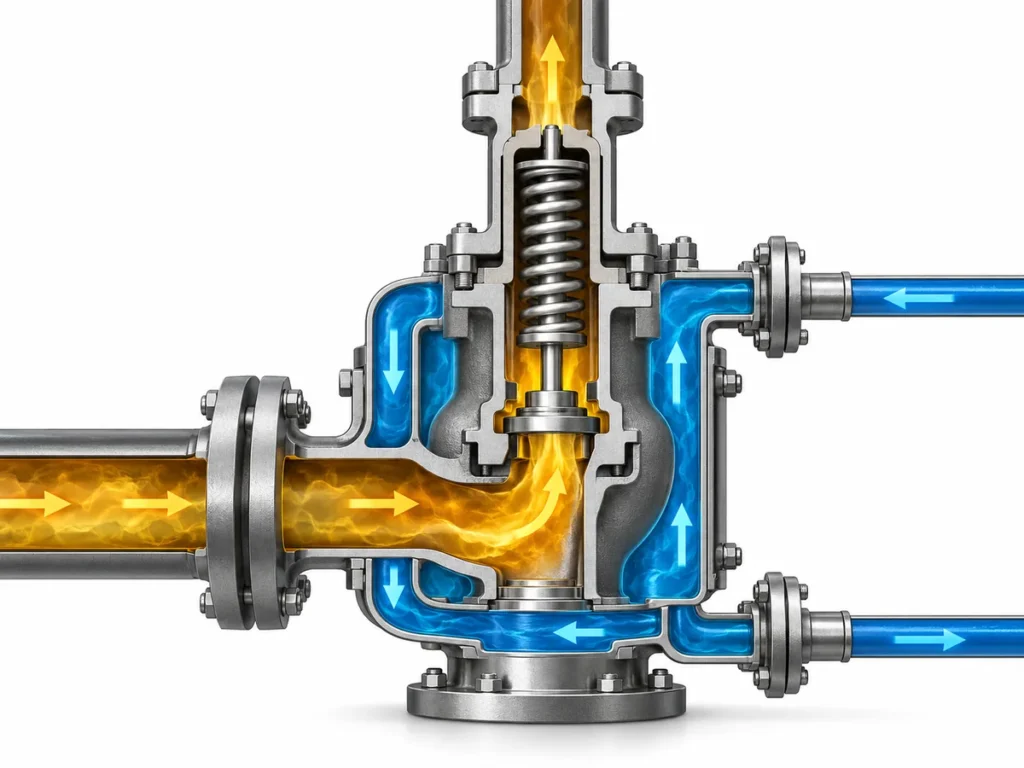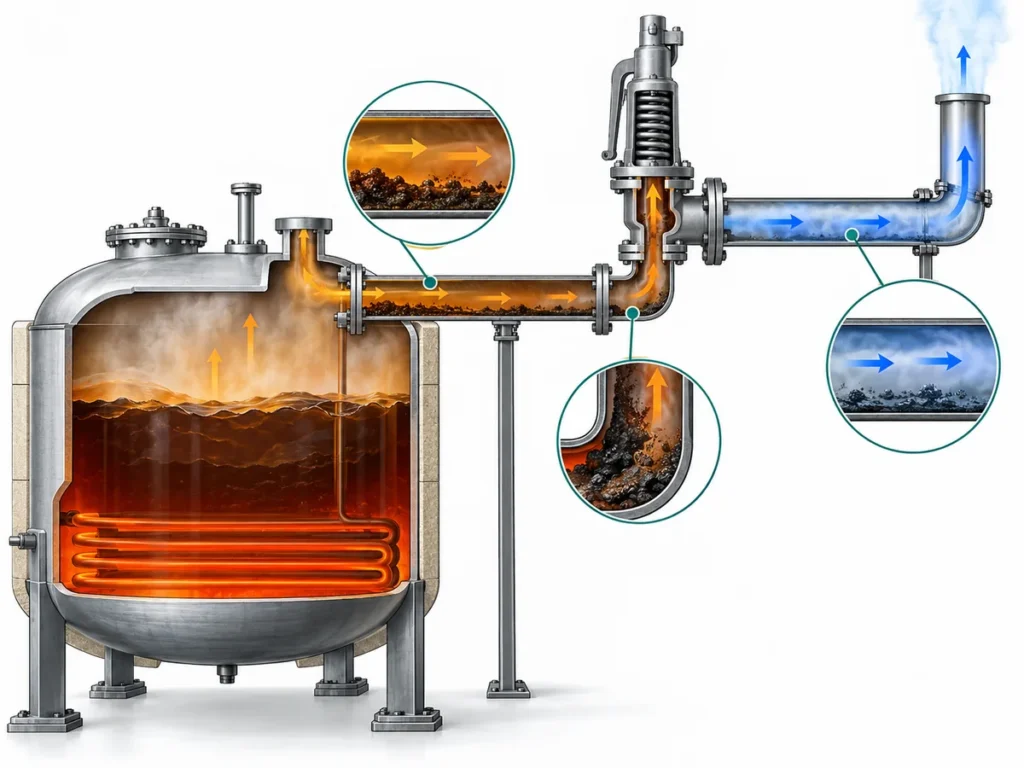
مدونة صمامات الأمان الفنية: ما هو صمام الأمان للضغط العالي؟ لا يتم اختيار صمام الأمان للضغط العالي بناءً على تصنيف الضغط وحده. يجب على المشترين تأكيد ضغط الضبط، وسعة التنفيس المطلوبة، والوسط، ودرجة الحرارة، والضغط الخلفي، وتصنيف الوصلة، والمواد، والوثائق قبل تقديم طلب عرض سعر (RFQ) أو الاستبدال. السؤال الأساسي: ماذا يعني “ضغط عالٍ” في اختيار صمام الأمان؟

مدونة صمامات الأمان الفنية
ما هو صمام الأمان للضغط العالي؟
لا يتم اختيار صمام الأمان للضغط العالي بناءً على تصنيف الضغط وحده. يجب على المشترين تأكيد ضغط الضبط، وسعة التنفيس المطلوبة، والوسط، ودرجة الحرارة، والضغط الخلفي، وتصنيف الوصلة، والمواد، والوثائق قبل تقديم طلب عرض سعر (RFQ) أو الاستبدال.
السؤال الأساسي
ماذا يعني “ضغط عالٍ” في اختيار صمام الأمان؟
المخاطر الرئيسية
الخلط بين تصنيف الضغط وضغط الضبط وسعة التنفيس.
الخطوة التالية
إعداد بيانات خدمة كاملة للمراجعة الهندسية.
إجابة سريعة: ما هو صمام الأمان للضغط العالي؟
صمام الأمان للضغط العالي هو جهاز حماية الضغط المستخدم للمساعدة في حماية المعدات أو الأنابيب أو أنظمة العمليات من تجاوز حد الضغط المسموح به. في الخدمة، يُتوقع من الصمام أن يفتح عند ضغط محدد، ويفرغ تدفقًا كافيًا لحالة التنفيس الحاكمة، ثم يعيد الإغلاق عندما يعود ضغط النظام إلى مستوى مقبول.
من منظور هندسي، ومع ذلك، فإن عبارة “صمام أمان للضغط العالي” ليست مواصفات كاملة. فهي لا تؤكد بحد ذاتها المعدات المحمية، أو سيناريو التنفيس، أو الوسط، أو سعة التنفيس المطلوبة، أو درجة حرارة التنفيس، أو الضغط الخلفي، أو المادة، أو تصميم المقعد، أو تصنيف التوصيل، أو متطلبات الوثائق. قد يوصف الصمام بأنه للضغط العالي، ولكن لا يزال يتعين التحقق منه مقابل ظروف التشغيل الفعلية وبيانات الشركة المصنعة للطراز المحدد.
بالنسبة للمشترين، النقطة الرئيسية بسيطة: لا تطلب فقط “صمام ضغط عالي” وحجم توصيل. قبل طلب عرض سعر أو الاستبدال، قم بتأكيد ضغط التشغيل، أو الحد الأقصى لضغط التشغيل الآمن (MAWP)، أو ضغط التصميم، أو ضغط الضبط، أو سعة التنفيس المطلوبة، أو تصنيف درجة الحرارة والضغط، أو توصيل المدخل والمخرج، أو متطلبات المواد، أو المعيار المطبق، والوثائق المطلوبة. لسياق عائلة المنتجات، راجع ZOBAI صمامات أمان للضغط العالي; لسياق الخدمة، يرجى المراجعة تطبيقات الضغط العالي.
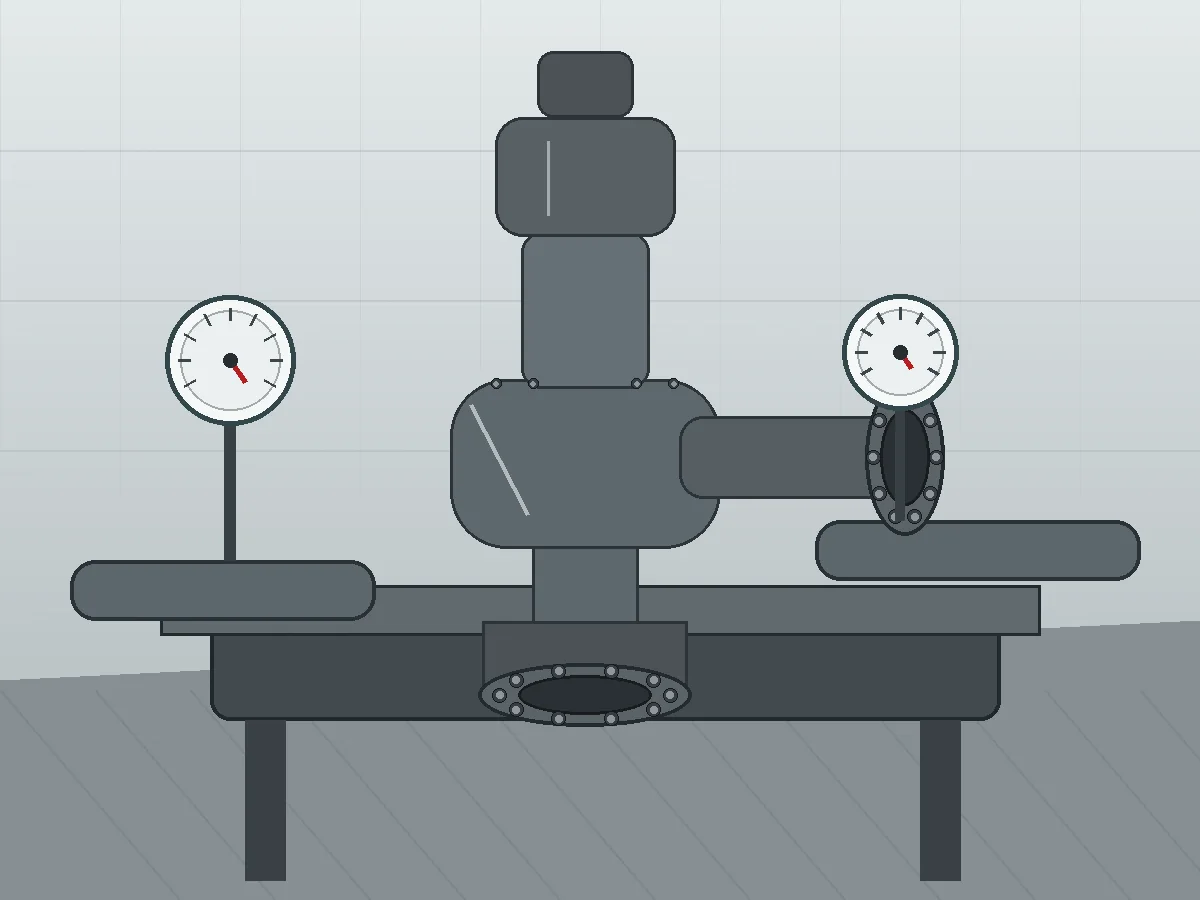
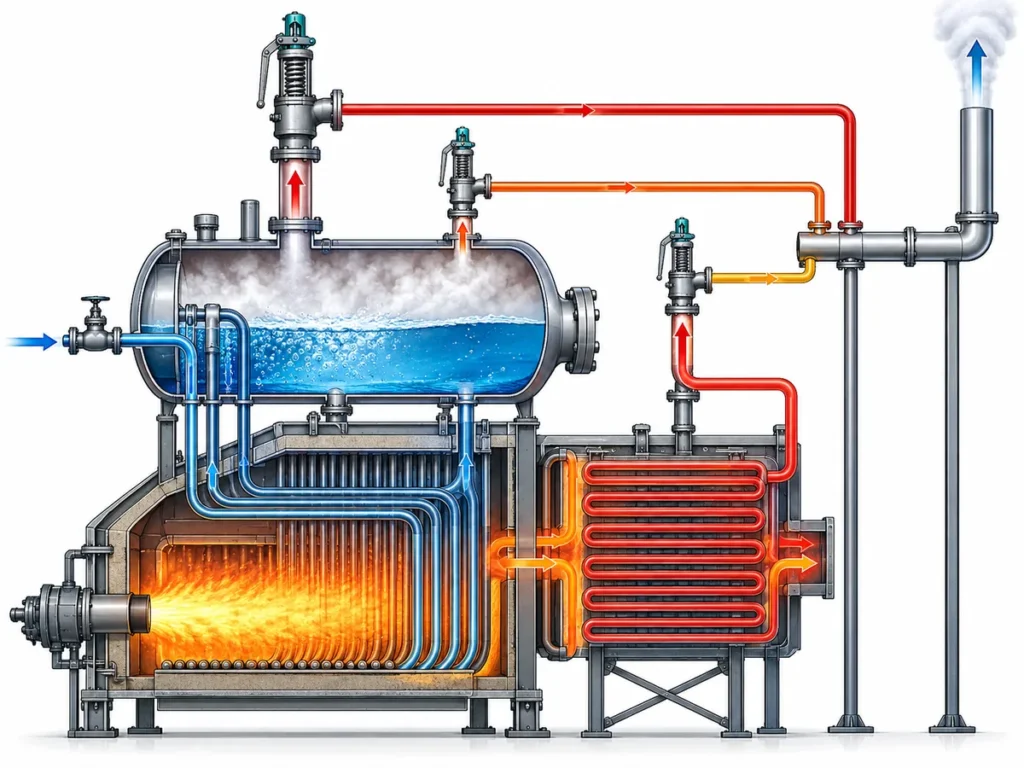
صورة WebP معتمدة. المرئيات هي لتوضيح مقال تقني وليست دليلاً على طراز معين، أو شهادة، أو سعة، أو نتيجة اختبار.
حدود الاختيار: ما يقرره هذا المقال وما لا يقرره
يساعد هذا المقال المهندسين وفرق المشتريات ومستخدمي الصيانة على فهم ما يجب تأكيده قبل اختيار أو طلب صمام أمان للضغط العالي. إنه دليل لتأكيد المعلمات، وليس حسابًا نهائيًا للمقاسات، وليس كتالوج منتجات، وليس بديلاً عن المراجعة الهندسية المسؤولة للمشروع.
يشرح المقال لماذا لا يكفي مصطلح “الضغط العالي” وحده. يجب مراجعة الصمام المناسب مقابل المعدات المحمية، وسيناريو التنفيس الحاكم، والوسط والمرحلة، وضغط التشغيل، أو الحد الأقصى لضغط التشغيل الآمن (MAWP) أو ضغط التصميم، وضغط الضبط، وسعة التنفيس المطلوبة، ودرجة حرارة التنفيس، والضغط الخلفي، والتوصيل المدخل والمخرج، والمواد، ومتطلبات المقعد والحشوة، والمعيار المطبق والمستندات المطلوبة.
ملاحظة الاختيار: يعتمد الاختيار النهائي على ظروف التشغيل الفعلية، وبيانات الشركة المصنعة، وإصدار المعيار المطبق، ومواصفات المشروع، والمتطلبات التنظيمية المحلية.
عند الحاجة إلى سعة معتمدة أو موثقة، يجب ذكر هذا المتطلب قبل تقديم عرض السعر.
صمام الأمان القياسي مقابل صمام الأمان للضغط العالي: ما الذي يجب على المشترين التحقق منه
لا يختلف صمام الأمان للضغط العالي فقط بسبب ارتفاع قيمة الضغط. تصبح مراجعة الاختيار أكثر حساسية لأن الأخطاء الصغيرة في هامش الضغط، أو تصنيف درجة الحرارة، أو أنابيب المخرج، أو أساس السعة يمكن أن تخلق مخاطر أكبر تتعلق بالسلامة، والتسرب، والاستقرار، والتوثيق.
في الخدمة العامة، قد يركز المشترون على حجم الصمام، وضغط الضبط، ونوع التوصيل. في خدمة الضغط العالي، لا تزال هذه العناصر مهمة، لكنها غير كافية. يحتاج المشتري أيضًا إلى التأكد من كيفية تصرف الصمام أثناء حدث التنفيس، وما إذا كان تصنيف التوصيل يظل مناسبًا عند درجة الحرارة الفعلية، وما إذا كانت سعة التنفيس المطلوبة مدعومة بالفتحة المختارة أو أساس السعة، وما إذا كان نظام المخرج يخلق ضغطًا خلفيًا غير مقبول.
| فحص المشتري | مراجعة صمام الأمان العام | مراجعة صمام الأمان للضغط العالي |
|---|---|---|
| ضغط الضبط | تأكيد ضغط الفتح | تأكيد العلاقة بضغط التشغيل، وضغط العمل الأقصى الآمن (MAWP)/ضغط التصميم، والضغط الزائد المسموح به |
| السعة | التحقق من التدفق المطلوب إذا كان متاحًا | تأكيد سعة التنفيس المطلوبة، والفتحة المختارة، وأساس السعة المعتمد أو الموثق حيثما ينطبق |
| درجة الحرارة | التحقق من درجة حرارة الخدمة العادية | التحقق من درجة حرارة التنفيس وتصنيف درجة حرارة وضغط التشغيل |
| التوصيل | تأكيد المقاس والنوع | تأكيد فئة الفلنجة، تصنيف PN أو معيار اللولب عند الضغط ودرجة الحرارة الفعليين |
| المادة | مطابقة الوسط العام | التحقق من حدود الجسم، الحشوات، النابض، المقعد، مانع التسرب وحدود التآكل المحتملة، درجات الحرارة العالية أو المنخفضة |
| الضغط الخلفي | مراجعة مسار المخرج بشكل عام | تقييم الضغط الخلفي المتراكب والمتراكم، وظروف المخرج الثابتة أو المتغيرة وحدود التكوين |
| إحكام المقعد | مراجعة متطلبات التسرب إذا تم تحديدها | التحقق من تصميم المقعد، وظروف الخدمة ومتطلبات اختبار التسرب المطبقة حيثما تم تحديدها |
| التركيب | التحقق من الاتجاه الأساسي والتوصيل | مراجعة فقدان المدخل، دعم المخرج، التصريف، قوة رد الفعل ومسار التفريغ الآمن |
| التوثيق | قد تكون ورقة البيانات الأساسية كافية | قد تكون ورقة البيانات، وسجل المعايرة، وسجل المواد، وأساس السعة، ونطاق الفحص مطلوبة حسب المشروع |
يتمثل خطر الاختيار الرئيسي في افتراض أن “الضغط العالي” يصف الصمام بالكامل. هذا غير صحيح. إنه يبدأ المراجعة فقط.
مصطلحات الضغط الرئيسية: ضغط التشغيل، أقصى ضغط تشغيل آمن، ضغط الضبط، والضغط الزائد
يتطلب اختيار صمام الأمان للضغط العالي استخدام مصطلحات الضغط بعناية. قد تظهر عدة قيم في نفس الاستفسار، لكنها لا تعني نفس الشيء. يمكن أن يؤدي الخلط بين هذه المصطلحات إلى ضغط ضبط خاطئ، أو سعة غير كافية، أو هامش تشغيل ضعيف، أو استبدال غير مناسب.
| مصطلح الضغط | ماذا يعني ذلك | لماذا هو مهم لصمامات الأمان للضغط العالي |
|---|---|---|
| ضغط التشغيل | ضغط النظام الطبيعي أثناء التشغيل | يحدد هامش التشغيل تحت ضغط الضبط ويساعد في تقييم مخاطر التسرب أو الغليان الخفيف |
| ضغط التشغيل الأقصى المسموح به (MAWP) / ضغط التصميم | أساس الضغط للمعدة المحمية أو تصميم المشروع | يحدد متطلبات حماية الضغط ويجب عدم الخلط بينه وبين ضغط التشغيل العادي |
| ضغط الضبط | الضغط الذي يتم ضبط الصمام عنده ليبدأ بالفتح في ظل ظروف محددة | يحدد نقطة الفتح ولكنه لا يثبت سعة التنفيس |
| الضغط الزائد / التراكم | ارتفاع الضغط أثناء حدث التنفيس، يخضع للكود المطبق أو أساس المشروع | يؤثر على أساس حساب ضغط التنفيس والسعة |
| الضغط التفاضلي عند إعادة الغلق / الضغط التفاضلي عند إعادة الإغلاق | سلوك الإغلاق بعد أن يفتح الصمام | يؤثر على الاستقرار، ومخاطر التسرب، واستعادة العملية بعد التنفيس |
ضغط التشغيل هو الضغط العادي الذي يعمل به النظام. قد يكون ضغط التشغيل الأقصى قريبًا من ضغط ضبط الصمام، ولكن لا ينبغي الخلط بينه وبين نقطة فتح الصمام. إذا كان ضغط التشغيل قريبًا جدًا من ضغط الضبط، فقد يكون الصمام أكثر عرضة للوميض، أو التسرب، أو عدم الاستقرار، أو التشغيل المتكرر، اعتمادًا على الخدمة وتصميم الصمام.
MAWP، أو أقصى ضغط تشغيل مسموح به، يتعلق بحد الضغط المسموح به للمعدة المحمية. قد تستخدم بعض المشاريع ضغط التصميم أو أساس ضغط آخر خاص بالمشروع. هذه القيمة حاسمة لأن صمام الأمان يجب أن يحمي المعدة ضمن متطلبات الكود والمشروع المعمول بها.
ضغط الضبط هو الضغط الذي يتم ضبط صمام الأمان ليفتحه عنده في ظل ظروف محددة. إنه ليس نفس السعة. قد يظل الصمام ذو ضغط الضبط الصحيح غير مناسب إذا لم يتمكن من تصريف حمل التنفيس المطلوب.
يصف الضغط الزائد والتراكم ارتفاع الضغط المسموح به أثناء حدث التنفيس. يصف انخفاض الضغط (Blowdown) وضغط إعادة الإغلاق سلوك الإغلاق بعد التفريغ. تؤثر هذه القيم على الاستقرار، وخطر التسرب، وهامش التشغيل، خاصة في أنظمة الضغط العالي.
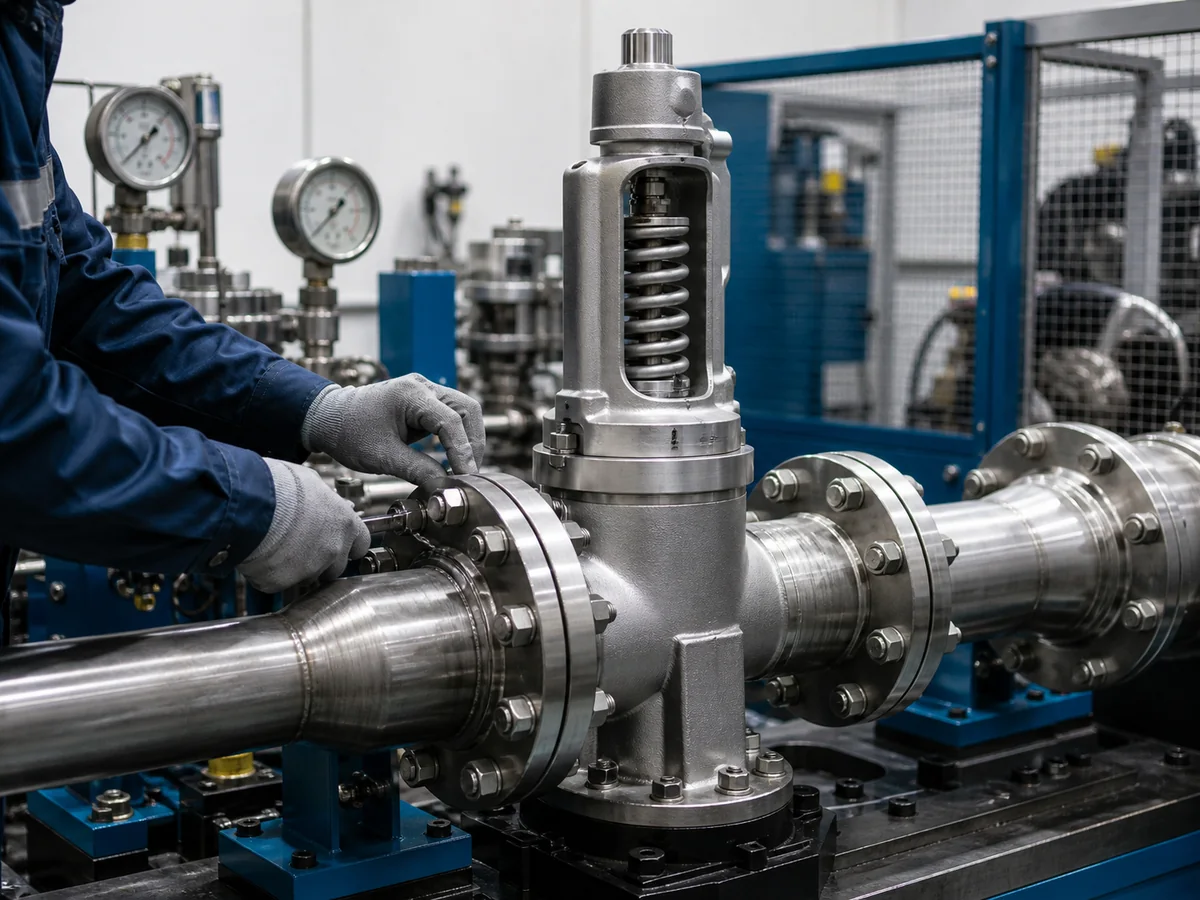
رسم توضيحي هندسي مبسط للشرح فقط؛ ليس رسمًا تصنيعيًا أو مقطعًا معتمدًا.
سعة التنفيس المطلوبة: لماذا لا يكفي حجم الوصلة وحدها؟
أحد أكثر أخطاء المواصفات شيوعًا هو اختيار صمام أمان للضغط العالي بناءً على حجم الوصلة فقط. تخبرك وصلة DN أو NPS بكيفية توصيل الصمام بالنظام. لا تثبت المساحة الداخلية للتدفق، أو الفتحة المختارة، أو معامل التفريغ، أو السعة المعتمدة، أو سعة التنفيس المطلوبة.
تعتمد سعة التنفيس المطلوبة على سيناريو التنفيس الحاكم. قد تتطلب حالة انسداد المخرج، أو حالة الحريق، أو فشل المنظم، أو حدث التمدد الحراري، أو حالة تمزق الأنبوب، أحمال تنفيس مختلفة. تعتمد السعة المطلوبة أيضًا على الوسط والطور، مثل البخار، أو الغاز، أو الأبخرة، أو السائل، أو التدفق ثنائي الطور. يؤثر ضغط التنفيس، ودرجة حرارة التنفيس، وخصائص السائل على كل شيء.
على سبيل المثال، يجب ألا يقتصر استفسار صمام أمان بخار الضغط العالي على “بخار، ضغط عالي، حجم DN”. يجب على المشتري تقديم بيانات الغلاية أو الرأس، MAWP أو ضغط التصميم، ضغط الضبط، سعة البخار المطلوبة للتنفيس، درجة حرارة التنفيس، معيار الوصلة، وترتيب التفريغ. بدون هذه المعلومات، يمكن تسعير الصمام فقط كاستفسار تقريبي، وليس التحقق منه بالكامل للخدمة.
يجب التحقق من الصمام المختار مقابل بيانات الشركة المصنعة وأساس المشروع أو الكود المعمول به. حيث تكون السعة المعتمدة أو الموثقة مطلوبة، يجب ذكر هذا المطلب قبل تقديم عرض السعر. لا يجوز افتراض السعة من حجم فلنجة الدخول، أو حجم المخرج، أو تصنيف الضغط وحده. لشرح أعمق، راجع دليل ZOBAI لـ حساب مقاسات صمامات الأمان وسعة التنفيس المعتمدة و حساب مقاسات صمامات الأمان API 520 صفحة المرجع.
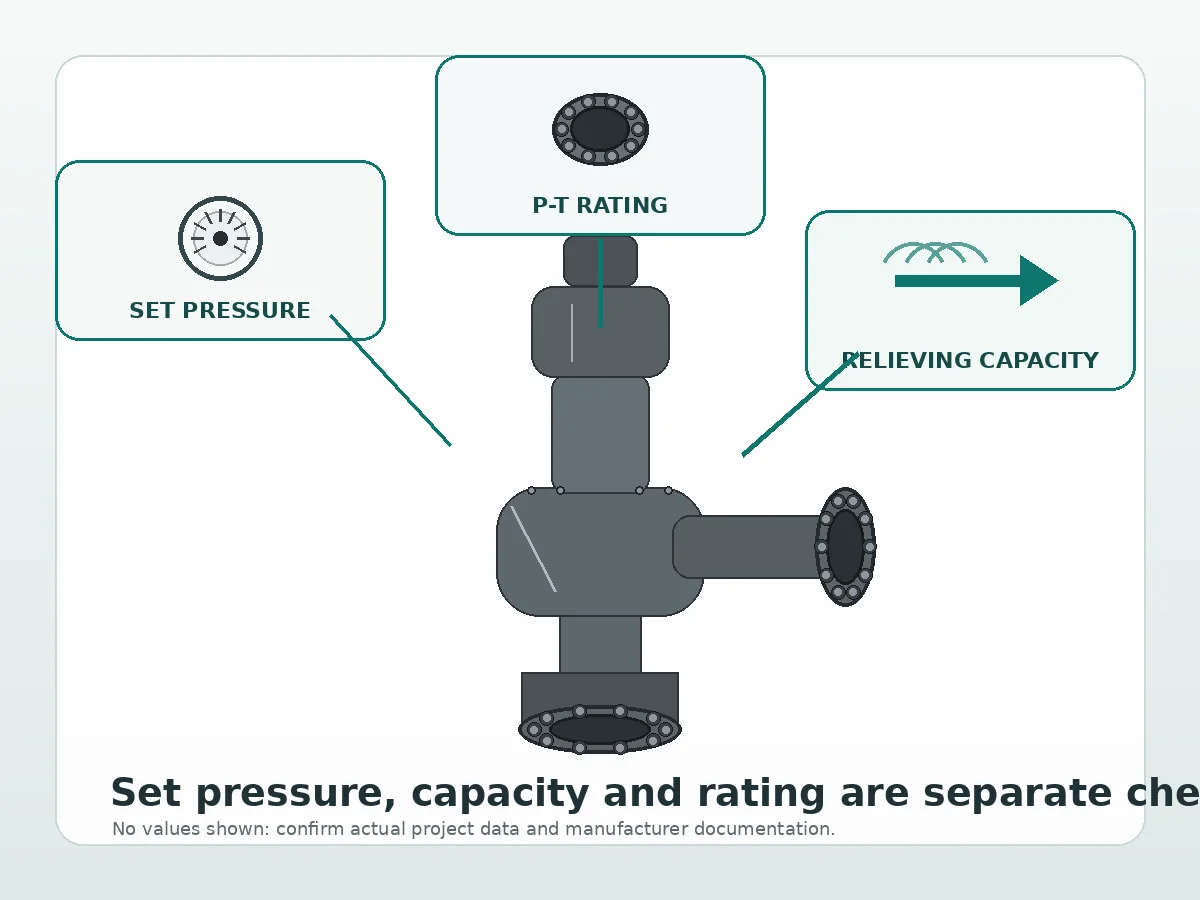
رسم تخطيطي هندسي مفاهيمي؛ يجب تأكيد القيم الفعلية من بيانات المشروع ووثائق الشركة المصنعة.
الوسط، درجة الحرارة، وتصنيف الضغط ودرجة الحرارة
تختلف خدمة الضغط العالي بشكل كبير اعتمادًا على الوسط. البخار، الغاز النظيف، الغاز المسبب للتآكل، السائل، السائل الحراري، والتدفق ثنائي الطور لا تتصرف بنفس الطريقة أثناء التنفيس. قد تتطلب طرق حساب مقاسات مختلفة، ومواد تشذيب مختلفة، وتصميمات مقاعد مختلفة، ومواد زنبرك مختلفة، ومواد جسم مختلفة، ومتطلبات فحص مختلفة.
درجة الحرارة مهمة بنفس قدر الضغط. قد يكون لتركيب الصمام أو مادة الجسم تصنيف ضغط واحد في درجة حرارة الغرفة وتصنيف مسموح به مختلف في درجة حرارة مرتفعة. لهذا السبب تصنيفات الضغط ودرجة الحرارة يجب التحقق منه مع مجموعة المواد، أو فئة الفلنجة أو تصنيف PN، أو معيار اللولب، أو الحشية، أو المسامير، أو مواصفات المشروع.
بالنسبة لصمامات أمان البخار للضغط العالي، قد يشمل المراجعة سعة البخار، وضغط الضبط، وسلوك التفريغ، وتصميم الغطاء، ومتطلبات الذراع عند الاقتضاء، وأنابيب التفريغ، وتأثيرات درجة الحرارة على المواد. بالنسبة لخدمة الغاز أو البخار للضغط العالي، قد تصبح إحكام المقعد، وتوقع التسرب، والضغط الخلفي، والتشغيل المستقر أكثر أهمية. بالنسبة للسوائل، يتطلب التمدد الحراري، وقوة رد الفعل، وتوجيه التفريغ مراجعة منفصلة.
اسم المادة وحده لا يثبت الملاءمة. يجب التحقق من مواد الجسم، والتشذيب، والزنبرك، والمقعد، والحشية، والمانع المختارة مقابل الوسط، ودرجة الحرارة، وخطر التآكل، والنظافة، ومتطلبات التسرب، والمعيار المطبق. إذا كان الوسط مسببًا للتآكل، أو متسخًا، أو بوليمريًا، أو مبردًا، أو شديد الحرارة، أو ثنائي الطور، فيجب إجراء مراجعة للمواد والتكوين قبل اعتبار عرض السعر نهائيًا.
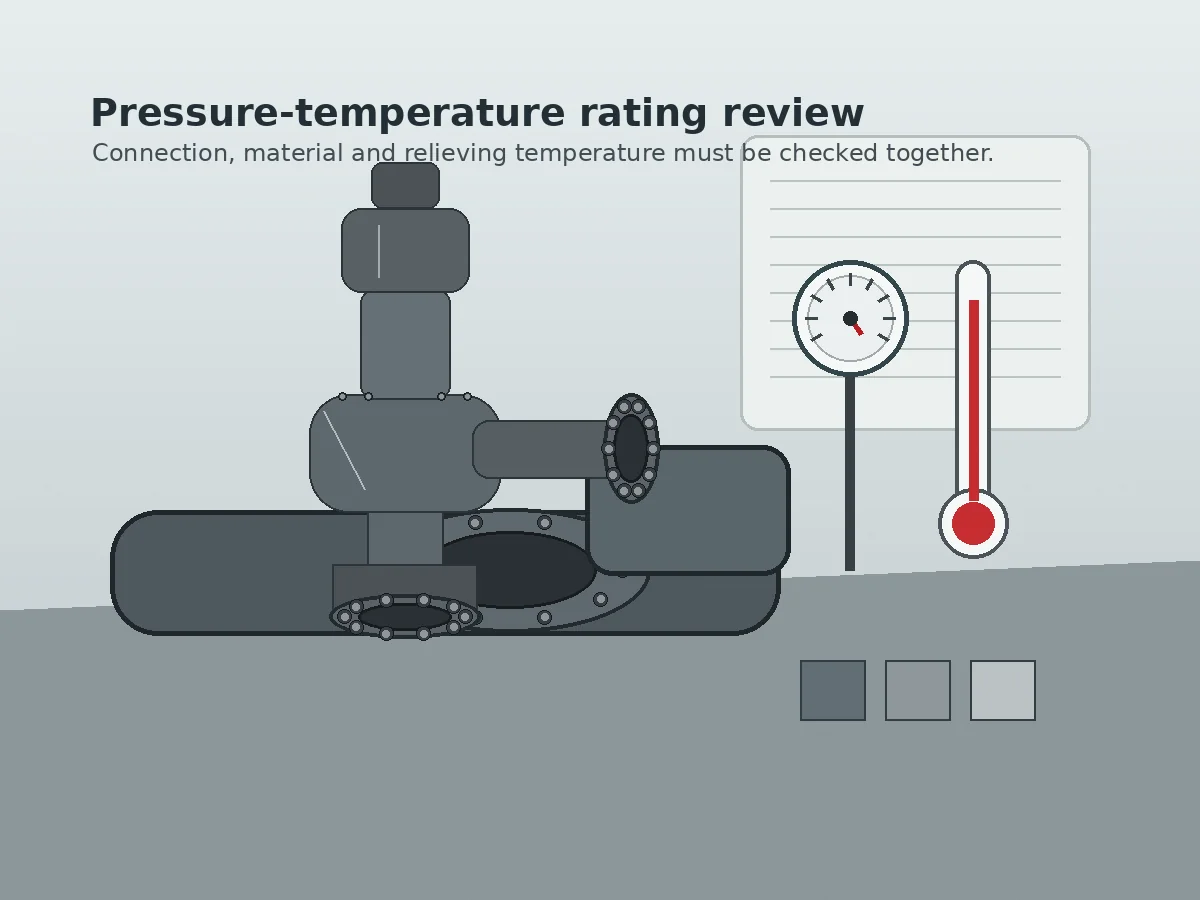
توضيح مرئي فقط؛ يعتمد التصنيف النهائي على المادة المختارة، ومعيار الاتصال، ومتطلبات المشروع المطبقة.
تكوين الصمام: محمل بنابض، متوازن بمنفاخ، أم يعمل بالبايلوت؟
قد يكون صمام الأمان للضغط العالي محملًا بنابض، أو متوازنًا بمنفاخ، أو يعمل بالبايلوت، اعتمادًا على ظروف الخدمة ومتطلبات المشروع. لا يمكن اختيار التكوين الصحيح فقط من كلمة “ضغط عالي”.”
محمل بنابض
صمامات أمان محملة بنابض هي صمامات ذاتية التشغيل وتستخدم على نطاق واسع، ولكن خدمة الضغط العالي لا تزال تتطلب مراجعة ضغط الضبط، ونطاق النابض، وهامش التشغيل، وتصميم المقعد، والاستقرار.
متوازن بمنفاخ
صمامات أمان متوازنة بمنفاخ يمكن النظر فيها عندما يؤثر الضغط الخلفي على الأداء، ولكن يجب فحص مادة المنفاخ، ودرجة الحرارة، والإجهاد، والتآكل، وتهوية الغطاء.
يعمل بالبايلوت
صمامات أمان تعمل بالبايلوت قد تكون مناسبة لبعض الخدمات، ولكن نظام البايلوت يتطلب مراجعة نظافة الوسط، وترتيب خط الاستشعار، والأنابيب، والصيانة.
حدود التكوين
النهج الأكثر أمانًا للاختيار هو تحديد المعدات المحمية وحالة التنفيس أولاً، ثم تأكيد متطلبات الضغط، والسعة، والوسط، ودرجة الحرارة، والضغط الخلفي، والتوثيق.
الضغط الخلفي، وفقدان الضغط عند المدخل، وتخطيط التركيب
يتأثر أداء صمام الأمان للضغط العالي ليس فقط بجسم الصمام ولكن أيضًا بنظام الأنابيب المحيط به. يمكن أن يؤثر فقدان الضغط عند المدخل، والضغط الخلفي عند المخرج، وقوة رد الفعل عند التفريغ، وتخطيط التركيب على الاستقرار والسعة.
يجب مراجعة خط المدخل لتجنب فقدان الضغط المفرط بين المعدات المحمية ومدخل الصمام. يمكن أن يساهم فقدان الضغط المفرط عند المدخل في حدوث اهتزاز، أو انخفاض السعة، أو تشغيل غير مستقر. يجب أن يكون وصلة المدخل متوافقة مع فوهة المعدات ومصنفة للضغط ودرجة الحرارة الفعليين.
الضغط الخلفي مهم أيضًا. يوجد ضغط خلفي فائق قبل فتح الصمام، بينما يتطور الضغط الخلفي المتراكم أثناء التفريغ. قد يكون الضغط الخلفي ثابتًا أو متغيرًا، اعتمادًا على نظام التفريغ. إذا لم تتم مراجعة الضغط الخلفي، فقد لا يحقق الصمام المختار الرفع المتوقع أو الاستقرار أو السعة.
يجب دعم أنابيب المخرج بشكل صحيح. لا ينبغي أن تضع أنابيب التفريغ الثقيلة أحمالًا ضارة على جسم صمام الأمان. يجب أن يتجنب مسار التفريغ المخارج المسدودة، وتراكم السوائل، والتفريغ غير الآمن باتجاه الأفراد، وأحمال رد الفعل غير المدعومة. يجب مراجعة الصرف، والتهوية، ومعالجة تهوية الغطاء، وموقع التفريغ الآمن وفقًا لنوع الصمام، وظروف الخدمة، ومواصفات المشروع. لإجراء فحوصات تفصيلية للنظام، راجع دليل تركيب صمامات الأمان و الدليل الخاص بـ الضغط الخلفي والمنفاخ.
التوثيق والاختبار لمراجعة صمامات الأمان للضغط العالي
لخدمات الضغط العالي، يجب مناقشة الوثائق قبل تقديم الطلب، وليس بعد التصنيع أو الشحن. تعتمد حزمة الوثائق المطلوبة على المشروع، والمعايير المطبقة، وخطة الفحص، ومتطلبات المشتري.
قد يشمل المراجعة النموذجية ورقة بيانات الصمام، ومعلومات لوحة الاسم، وسجل معايرة ضغط الضبط (Set Pressure)، وسجل اختبار ضغط الغلاف أو الجسم حيثما ينطبق، ومتطلبات اختبار إحكام المقعد، وسجلات المواد، وأساس السعة، ووثائق إطلاق الفحص. إذا كان المشروع يتطلب اختبار بحضور طرف ثالث، أو فحص من طرف ثالث، أو تنسيقات شهادات محددة، فيجب ذكر ذلك في طلب عرض السعر (RFQ).
| وثيقة / تحقق | ماذا يدعم | متى يتم التأكيد عليه |
|---|---|---|
| ورقة بيانات الصمام | الموديل، ضغط الضبط، الوصلة، المادة، الخدمة، والخيارات | قبل عرض السعر ومرة أخرى قبل تأكيد الطلب |
| بيانات لوحة الاسم | مقارنة الاستبدال وتحديد الصمام المثبت | قبل اختيار الاستبدال |
| سجل معايرة ضغط التشغيل | تعديل ضغط الفتح وأساس الاختبار | قبل الشحن أو إطلاق الفحص عند الحاجة |
| متطلبات اختبار إحكام المقعد | توقعات التسرب ونطاق الاختبار | قبل الطلب إذا كان المشروع يتطلب اختبار تسرب محدد |
| سجل المواد | تتبع المواد للجسم أو الحشوة أو المواد الحاملة للضغط عند الحاجة | قبل الطلب إذا كانت مواصفات المشروع تتطلب ذلك |
| أساس السعة | السعة المطلوبة للتنفيس، الفتحة المختارة، والسعة الموثقة/المعتمدة عند الاقتضاء | قبل الاختيار النهائي للصمام |
لأعمال الاستبدال، يجب على المشتري تقديم لوحة الاسم للصمام الحالي، صور، ورقة بيانات قديمة، تفاصيل التوصيل، ضغط الضبط، أساس السعة، وسط الخدمة، وتاريخ التشغيل. استبدال صمام أمان للضغط العالي بناءً على المظهر أو حجم التوصيل وحده ليس ممارسة هندسية آمنة.
يمكن لـ ZOBAI مراجعة المعلمات المقدمة والمساعدة في تحديد المعلومات التي لا تزال مفقودة قبل تقديم عرض السعر. القبول النهائي لا يزال يعتمد على بيانات الخدمة الفعلية، حدود الطراز المختار، وثائق الشركة المصنعة، إصدار المعيار المطبق، مواصفات المشروع، والمتطلبات التنظيمية المحلية.
قائمة مرجعية لمتطلبات عروض الأسعار / اختيار صمامات الأمان للضغط العالي
عرض سعر كامل يسمح للمورد وفريق الهندسة بتقييم الصمام بدقة أكبر. يمكن استخدام القائمة المرجعية التالية قبل طلب عرض السعر. بالنسبة لخدمة الضغط العالي، الهدف ليس فقط الحصول على سعر، بل التأكد من أن عرض السعر يستند إلى بيانات هندسية كافية لمناقشة نوع الصمام، التوصيل، المادة، السعة، ومتطلبات التوثيق.
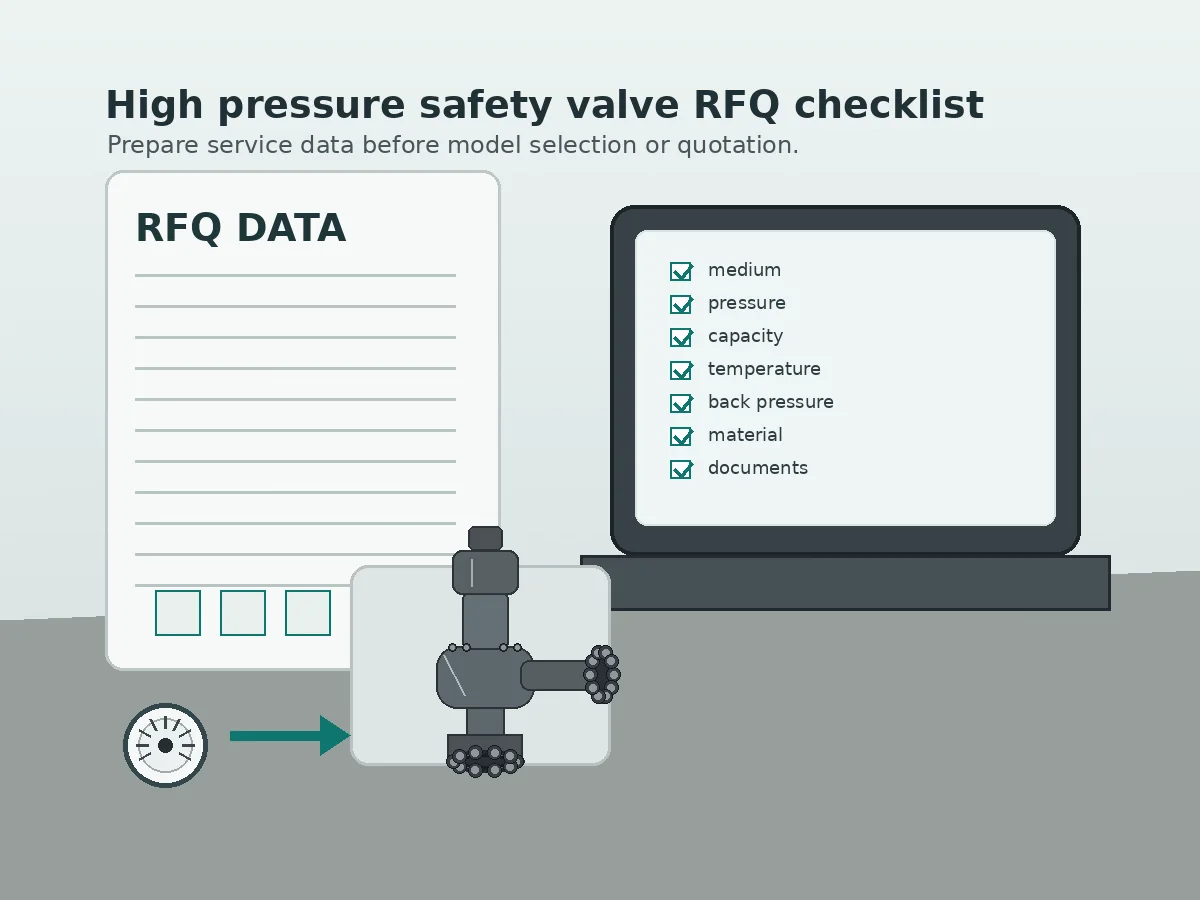
قائمة مرجعية مرئية لإعداد الاستفسار؛ يتطلب الاختيار الفعلي للصمام بيانات المشروع ومراجعة الشركة المصنعة.
| معلمة طلب عرض سعر | لماذا هو مهم | مطلوب مدخلات المشتري |
|---|---|---|
| المعدات المحمية | يحدد وظيفة الأمان | غلاية، وعاء، مفاعل، ضاغط، خط أنابيب، وحدة تركيب (سكيد)، مبادل حراري أو معدات أخرى |
| سيناريو التنفيس | يحدد السعة المطلوبة | منفذ مسدود، حالة حريق، فشل المنظم، تمدد حراري، تمزق أنبوب أو حالة تحكم أخرى |
| الوسط والطور | يغير المقاسات والمواد ونوع الصمام | خدمة بخار، غاز، بخار سائل، سائل، طورين، مادة مسببة للتآكل، خدمة نظيفة أو متسخة |
| ضغط التشغيل | يحدد الهامش تحت ضغط الضبط | ضغط التشغيل العادي والأقصى |
| ضغط التشغيل الأقصى المسموح به (MAWP) / ضغط التصميم | يحدد حد المعدات المحمية | الحد الأقصى لضغط التشغيل الآمن للمعدة (MAWP)، ضغط التصميم أو أساس ضغط المشروع |
| ضغط الضبط | يحدد نقطة فتح الصمام | ضغط الضبط المطلوب وأساس التفاوت المطبق |
| سعة التنفيس المطلوبة | يحدد مساحة التدفق وأساس السعة | معدل التدفق، الوحدات، أساس الحساب وأساس الكود المطلوب عند الاقتضاء |
| درجة حرارة التنفيس | يؤثر على المادة وتصنيف الضغط ودرجة الحرارة | درجة الحرارة عند حالة التنفيس، وليس فقط التشغيل العادي |
| الضغط الخلفي | يؤثر على الاستقرار والتكوين | الضغط الخلفي المتراكب والمتزايد؛ ثابت أو متغير |
| وصلة الدخول | يؤكد الملاءمة والتصنيف | DN/NPS، فئة الفلنجة، تصنيف PN، معيار اللولب، الوجه والمادة |
| وصلة الخروج | يؤكد ترتيب التفريغ | حجم الخرج، معيار الفلنجة/اللولب، مسار التفريغ ودعم الأنابيب |
| المادة / المقعد / الحشوة | يؤثر على التوافق والتسرب | متطلبات مواد الجسم، والبطانة، والنابض، والمقعد، والحشية، والمانع، ومواد المشروع |
| المعيار المطبق | يحدد أساس التصميم والتوثيق | متطلبات ASME، API، ISO، EN/DIN، GB أو متطلبات خاصة بالمشروع حسب الاقتضاء |
| المستندات | يحدد نطاق الفحص والتسليم | ورقة البيانات، سجل المعايرة، سجل المواد، أساس السعة، تقرير الاختبار، متطلبات الفحص |
| بيانات الاستبدال | يمنع الاستبدال غير الآمن | لوحة الاسم، الصور، ورقة البيانات القديمة، تاريخ الخدمة وتفاصيل التركيب الحالية |
هذه القائمة المرجعية لا تحل محل حسابات الحجم الرسمية أو موافقة المشروع. إنها نقطة انطلاق عملية لإعداد طلب عرض سعر ومراجعة هندسية.
أخطاء شائعة عند تحديد صمام أمان للضغط العالي
الاختيار حسب فئة الضغط فقط
تصنيف الفلنجة، أو تصنيف PN، أو ملصق الضغط لا يؤكد ملاءمة ضغط الضبط، أو السعة، أو تصنيف درجة الحرارة، أو توافق المواد.
استخدام حجم الوصلة كدليل على السعة
قد لا يكون للصمامين بنفس وصلة الدخول والخروج نفس الفتحة، أو الرفع، أو السعة المعتمدة، أو أساس السعة الموثق.
تجاهل درجة حرارة التنفيس
قد يحتاج تصنيف الوصلة أو المادة التي تبدو مناسبة في درجة الحرارة المحيطة إلى مراجعة إضافية عند درجة حرارة تنفيس عالية.
تجاهل الضغط الخلفي وأنابيب المخرج
قد يصبح الصمام الذي يبدو صحيحًا في ورقة البيانات غير مستقر إذا تسبب نظام التفريغ في تأثيرات ضغط غير مقبولة أو أحمال ميكانيكية.
معاملة الاسم القياسي كمواصفات كاملة
قد يكون الإشارة إلى ASME، API، ISO، EN، DIN أو GB مهمًا، ولكن لا يزال يتعين على المشتري تحديد المعدات، وحالة التنفيس، والوسط، والضغط، ودرجة الحرارة، والسعة، والمواد، ونطاق المستندات.
الاستبدال حسب المظهر
يجب مقارنة الصمامات القديمة والجديدة بناءً على ضغط الضبط، أساس السعة، تصنيف التوصيل، المواد، حالة الخدمة، تخطيط التركيب، ومتطلبات التوثيق.
طلب مراجعة هندسية لصمام أمان الضغط العالي
اطلب من ZOBAI مراجعة المعلمات الهندسية عندما تكون الخدمة ذات ضغط عالٍ، أو تكون السعة المطلوبة غير واضحة، أو يكون الوسط بخارًا، غازًا، بخارًا، سائلًا أو ثنائي الطور، أو تكون درجة حرارة التنفيس عالية، أو قد يتسبب نظام المخرج في ضغط خلفي، أو يتطلب المشروع مستندات محددة.
قبل طلب نموذج نهائي أو عرض سعر، أرسل المعدات المحمية، وسيناريو التنفيس، والوسط والطور، وضغط التشغيل، أو الحد الأقصى لضغط التشغيل الآمن (MAWP) أو ضغط التصميم، وضغط الضبط، وسعة التنفيس المطلوبة، ودرجة حرارة التنفيس، والضغط الخلفي، وتوصيل المدخل والمخرج، ومتطلبات المواد، والمعيار المطبق، ونطاق المستندات.
- المعدات المحمية وسيناريو التنفيس
- الوسط، الطور، ودرجة حرارة التنفيس
- ضغط التشغيل، أقصى ضغط تشغيل آمن/ضغط التصميم، وضغط الضبط
- سعة التنفيس المطلوبة وأساس الحساب
- الضغط الخلفي وترتيب التفريغ
- التوصيل، المواد، المقعد/الإحكام، والمستندات
يمكن لـ ZOBAI مراجعة معلومات الاستعلام والمساعدة في تحديد ما إذا كان طلب عرض السعر (RFQ) كاملاً بما يكفي لمناقشة نوع الصمام، والتكوين، والمواد، والتوصيل، والمستندات. يجب تأكيد الاختيار النهائي بناءً على بيانات الخدمة الفعلية، وبيانات الشركة المصنعة، وإصدار المعيار المطبق، ومواصفات المشروع، والمتطلبات التنظيمية المحلية.
مراجع فنية للمراجعة الإضافية
المراجع التالية هي اتجاهات مفيدة للمهندسين وفرق المشتريات عند مراجعة متطلبات أجهزة تنفيس الضغط. تم إدراجها للتوجيه الفني فقط. تعتمد متطلبات المشروع النهائية على إصدار المعيار المطبق، ومواصفات المشروع، وبيانات الشركة المصنعة، والمراجعة التنظيمية المحلية.
| اتجاه المرجع | لماذا هو مهم | كيفية استخدامه في مراجعة طلبات عروض الأسعار |
|---|---|---|
| ASME BPVC القسم XIII | يوفر إطارًا معترفًا به للحماية من الضغط الزائد ومتطلبات أجهزة تنفيس الضغط في سياقات معدات الضغط المطبقة. | استخدمه لتوضيح توقعات المشروع لأساس التصميم، والفحص، والاختبار، ووضع العلامات، والتوثيق حيث يحدد المشروع المتطلبات المتعلقة بـ ASME. |
| API 520 الجزء 2 | يوفر إرشادات متعلقة بالتركيب لأجهزة تنفيس الضغط في أنظمة المصافي والبتروكيماويات والصناعات التحويلية المطبقة. | استخدمه كمرجع توجيهي عند مناقشة فقدان المدخل، وأنابيب المخرج، والضغط الخلفي، وتوجيه التفريغ، ومراجعة التركيب. |
| التوجيه الفني للمجلس الوطني بشأن اعتبارات درجة الحرارة | يساعد في شرح سبب تأثير درجة حرارة الخدمة والضغط الخلفي على كيفية مراجعة ضغط الضبط وأداء صمام الأمان في الخدمة. | استخدمه لدعم المناقشات الهندسية حول درجة حرارة الخدمة، والضغط الخلفي المتراكب، والضغط الخلفي المتراكم، ومراجعة الاستبدال. |
حد المرجع: يتم توفير هذه الروابط لأغراض التوجيه المرجعي الفني فقط. لا تعيد هذه المقالة نص المعيار ولا تنص على أن زوباي تمتثل تلقائيًا لكل معيار أو شهادة أو متطلب قضائي مدرج. يجب تأكيد أساس الكود المطبق ونطاق المستند ومتطلبات الفحص لكل مشروع قبل الاختيار النهائي.
أسئلة شائعة
ما الذي يعتبر صمام أمان للضغط العالي؟
صمام الأمان للضغط العالي هو صمام أمان مخصص للحماية من الضغط في الخدمة ذات الضغط الأعلى، ولكن لا يوجد قرار اختيار عالمي يعتمد فقط على عبارة “الضغط العالي”. تعتمد الملاءمة على المعدات المحمية، وسيناريو التنفيس، وضغط الضبط، والسعة المطلوبة، ودرجة الحرارة، والوسط، وتصنيف التوصيل، والمواد، ومتطلبات المشروع المطبقة.
هل ضغط الضبط هو نفسه ضغط التشغيل؟
ضغط التشغيل هو ضغط النظام الطبيعي. ضغط الضبط هو الضغط الذي يتم ضبط صمام الأمان عنده ليفتح تحت ظروف محددة. في الخدمة ذات الضغط العالي، يجب مراجعة الهامش بين ضغط التشغيل وضغط الضبط لتجنب التسرب أو الغليان أو التشغيل غير المستقر.
هل يمكنني اختيار صمام أمان للضغط العالي حسب حجم الوصلة؟
لا يثبت حجم الوصلة قدرة التنفيس. يجب فحص الصمام مقابل قدرة التنفيس المطلوبة، الفتحة المختارة أو مساحة التدفق، بيانات الشركة المصنعة وأي أساس معتمد أو موثق للقدرة مطلوب للمشروع.
ما هي المعلومات المطلوبة لحساب مقاسات صمامات الأمان للضغط العالي؟
يجب على المشتري توفير المعدات المحمية، وسيناريو التنفيس، والوسط وحالته (سائل/غاز)، وضغط التشغيل، وأقصى ضغط تشغيل آمن (MAWP) أو ضغط التصميم، وضغط الضبط (Set Pressure)، وسعة التنفيس المطلوبة، ودرجة حرارة التنفيس، والضغط الخلفي (Back Pressure)، وتفاصيل التوصيل، ومتطلبات المواد، والمعيار المطبق أو مواصفات المشروع.
هل تتطلب خدمة الضغط العالي دائمًا صمام أمان يعمل بالبايلوت؟
قد تُعتبر جميع التصميمات المحملة بنابض، والمتوازنة بمنفاخ، والتي تعمل بالبايلوت مناسبة اعتمادًا على الخدمة. يعتمد التكوين الصحيح على هامش الضغط، ونقاء الوسط، والضغط الخلفي، ودرجة الحرارة، ومتطلبات الصيانة، وقبول المشروع، وحدود الشركة المصنعة.
لماذا يعتبر تصنيف الضغط ودرجة الحرارة مهمًا؟
يوضح تصنيف الضغط ودرجة الحرارة ما إذا كان التصنيف المحدد للمادة والتوصيل يظل مناسبًا عند درجة الحرارة ذات الصلة. قد يحتاج تصنيف الصمام أو الفلنجة الذي يبدو مقبولاً عند درجة حرارة معينة إلى مراجعة إضافية عند درجة حرارة التنفيس الفعلية.
ما الذي يجب أن أرسله إلى ZOBAI قبل طلب عرض السعر؟
أرسل نوع المعدات، سيناريو التنفيس، الوسط، ضغط التشغيل، ضغط التصميم أو MAWP، ضغط الضبط، سعة التنفيس المطلوبة، درجة حرارة التنفيس، الضغط الخلفي، وصلة الدخول والخروج، متطلبات المواد، المعيار المطبق، المستندات المطلوبة، الكمية وأي ورقة بيانات موجودة أو لوحة اسم للاستبدال.