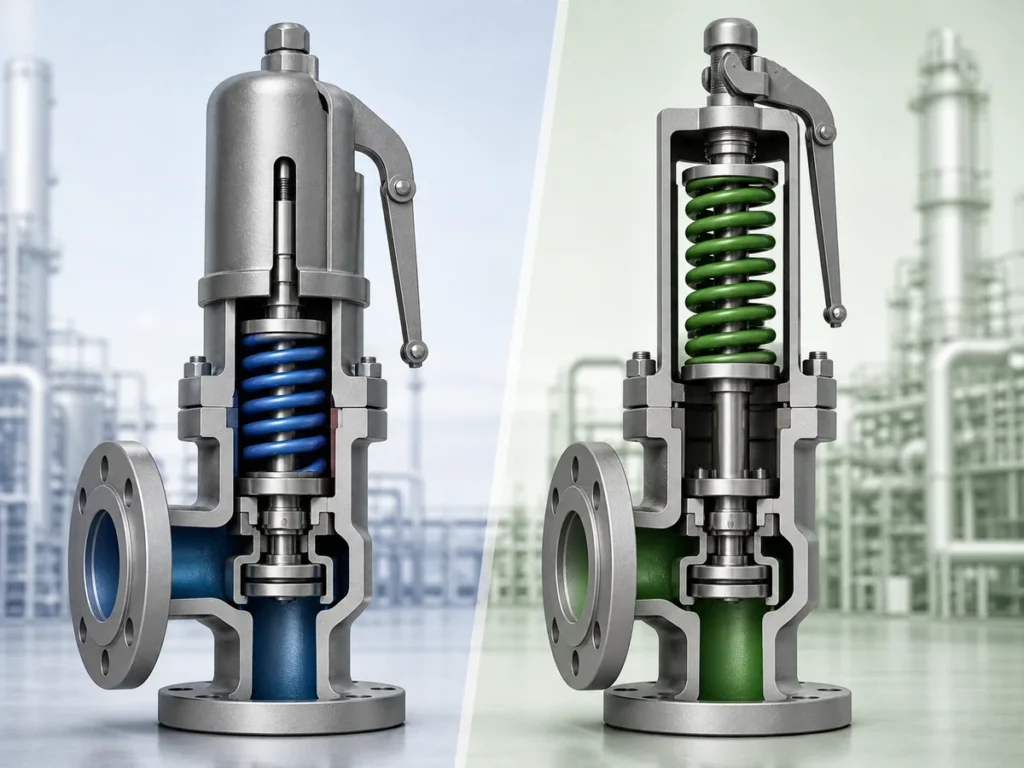
Blog Técnico de Válvulas de Seguridad: ¿Qué es una Válvula de Seguridad de Alta Presión? Una válvula de seguridad de alta presión no se selecciona solo por su clasificación de presión. Los compradores deben confirmar la presión de tarado, la capacidad de alivio requerida, el fluido, la temperatura, la contrapresión, la clasificación de la conexión, el material y la documentación antes de solicitar una cotización (RFQ) o realizar un reemplazo. Pregunta clave: ¿Qué significa “alta presión” en la selección de válvulas de seguridad?

Blog Técnico de Válvulas de Seguridad
¿Qué es una válvula de seguridad de alta presión?
Una válvula de seguridad de alta presión no se selecciona solo por su clasificación de presión. Los compradores deben confirmar la presión de tarado, la capacidad de alivio requerida, el fluido, la temperatura, la contrapresión, la clasificación de la conexión, el material y la documentación antes de solicitar una cotización (RFQ) o realizar un reemplazo.
Pregunta clave
¿Qué significa “alta presión” en la selección de válvulas de seguridad?
Riesgo principal
Confusión entre clasificación de presión, presión de tarado y capacidad de alivio.
Siguiente paso
Preparar datos de servicio completos para revisión de ingeniería.
Respuesta Rápida: ¿Qué es una Válvula de Seguridad de Alta Presión?
Una válvula de seguridad de alta presión es un dispositivo de protección contra sobrepresión utilizado para ayudar a proteger equipos, tuberías o sistemas de proceso contra la superación de un límite de presión admisible. En servicio, se espera que la válvula se abra a una presión de tarado definida, descargue suficiente caudal para el caso de alivio que rige y luego se cierre cuando la presión del sistema vuelva a un nivel aceptable.
Desde una perspectiva de ingeniería, sin embargo, la frase “válvula de seguridad de alta presión” no es una especificación completa. No confirma por sí sola el equipo protegido, el escenario de alivio, el medio, la capacidad de alivio requerida, la temperatura de alivio, la contrapresión, el material, el diseño del asiento, la clasificación de la conexión o los requisitos de documentación. Una válvula puede describirse como de alta presión, pero aún así debe verificarse según la condición operativa real y los datos del fabricante del modelo seleccionado.
Para los compradores, el punto principal es simple: no solicite solo una “válvula de alta presión” y un tamaño de conexión. Antes de solicitar una cotización o reemplazo, confirme la presión de operación, la MAWP o presión de diseño, la presión de tarado, la capacidad de alivio requerida, la clasificación de presión-temperatura, la conexión de entrada y salida, los requisitos de material, la norma aplicable y la documentación requerida. Para el contexto de la familia de productos, revise ZOBAI válvulas de seguridad de alta presión; para contexto de servicio, revise aplicaciones de alta presión.
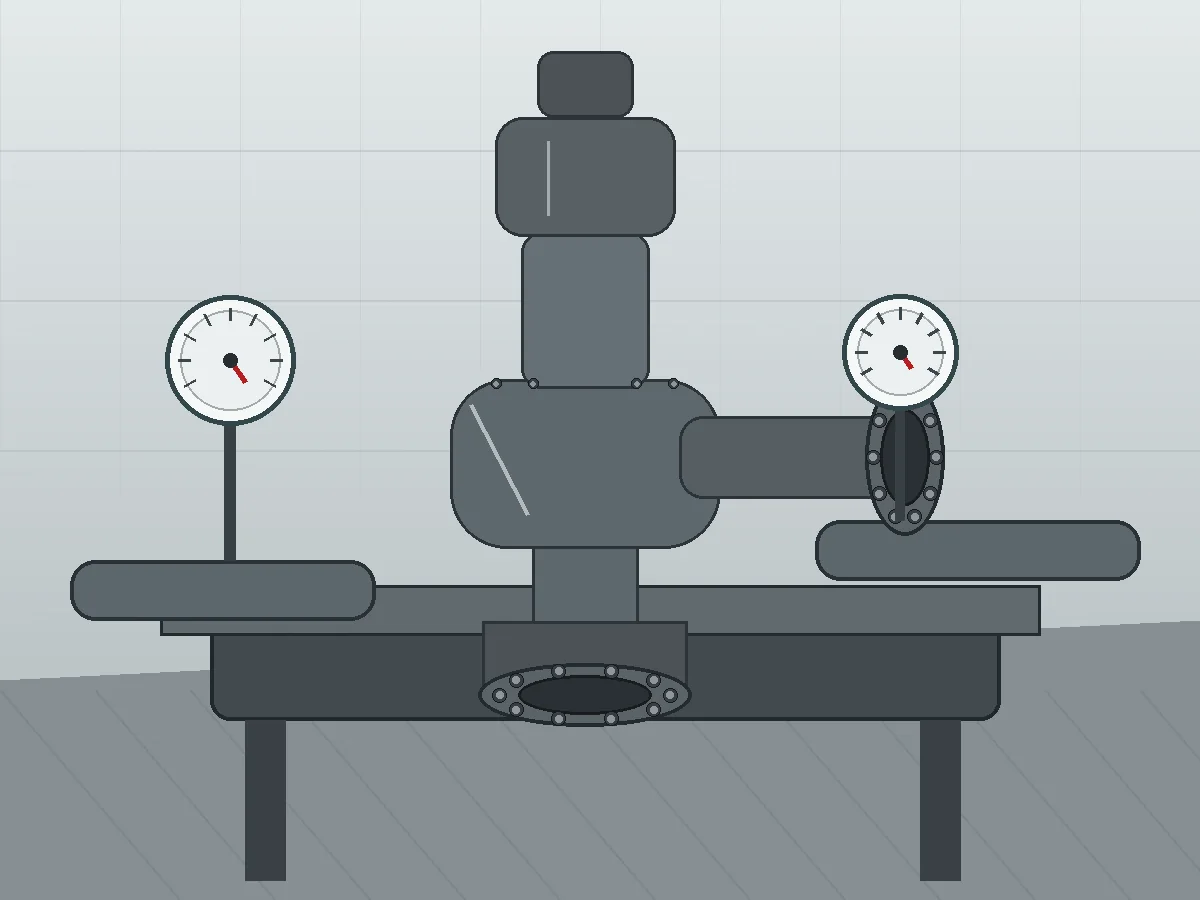
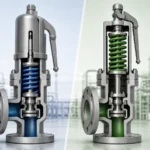
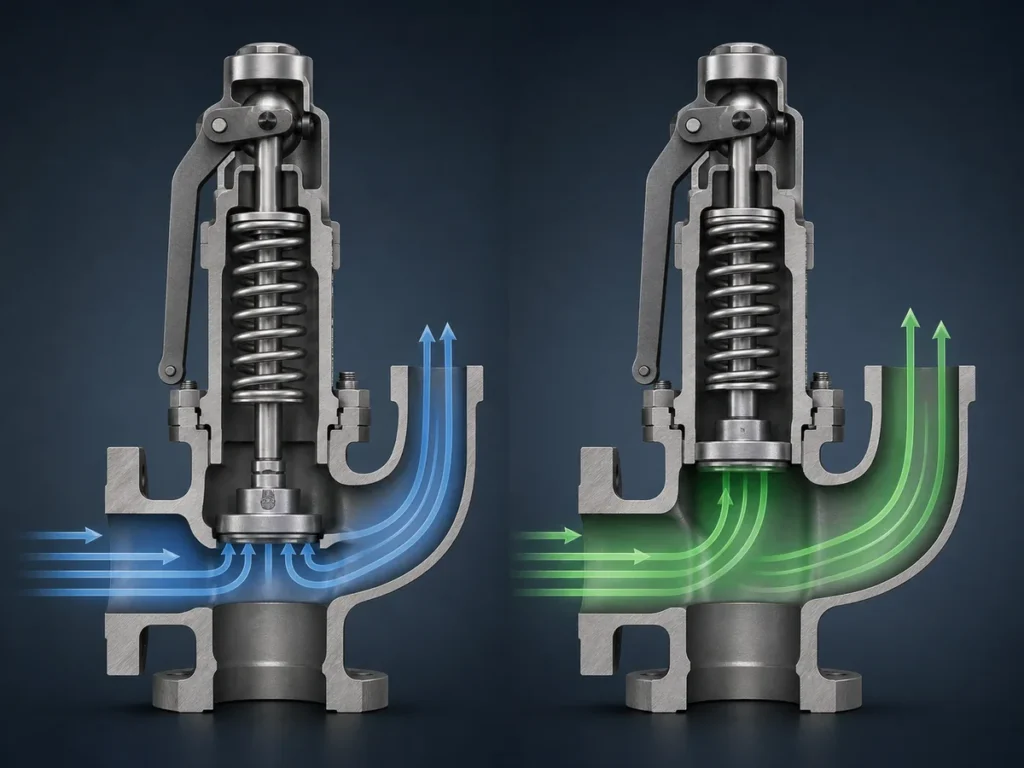
Imagen WebP verificada. La visualización es para la ilustración de un artículo técnico y no es prueba de un modelo específico, certificación, capacidad o resultado de prueba.
Límite de selección: Lo que este artículo decide y lo que no decide
Este artículo ayuda a ingenieros, equipos de compras y usuarios de mantenimiento a comprender qué se debe confirmar antes de seleccionar o solicitar una válvula de seguridad de alta presión. Es una guía de confirmación de parámetros, no un cálculo de dimensionamiento final, no un catálogo de productos y no reemplaza la revisión de ingeniería responsable de un proyecto.
El artículo explica por qué “alta presión” por sí sola no es suficiente. Una válvula adecuada debe revisarse en función del equipo protegido, el escenario de alivio que rige, el medio y la fase, la presión de operación, la MAWP o presión de diseño, la presión de ajuste, la capacidad de alivio requerida, la temperatura de alivio, la contrapresión, la conexión de entrada y salida, el material, los requisitos de asiento y sello, el estándar aplicable y los documentos requeridos.
Nota de selección: La selección final depende de las condiciones reales de operación, los datos del fabricante, la versión de la norma aplicable, las especificaciones del proyecto y los requisitos regulatorios locales.
Cuando se requiera una capacidad certificada o documentada, ese requisito debe indicarse antes de la cotización.
Válvula de seguridad estándar vs. Válvula de seguridad de alta presión: Qué deben verificar los compradores
Una válvula de seguridad de alta presión no es diferente solo porque el valor de presión es mayor. La revisión de selección se vuelve más sensible porque pequeños errores en el margen de presión, la clasificación de temperatura, la tubería de salida o la base de capacidad pueden crear mayores riesgos de seguridad, fugas, estabilidad y documentación.
En servicio general, los compradores pueden centrarse en el tamaño de la válvula, la presión de ajuste y el tipo de conexión. En servicio de alta presión, estos elementos siguen siendo importantes, pero no son suficientes. El comprador también debe confirmar cómo se comportará la válvula durante el evento de alivio, si la clasificación de la conexión sigue siendo adecuada a la temperatura real, si la capacidad de alivio requerida está respaldada por el orificio seleccionado o la base de capacidad, y si el sistema de salida crea una contrapresión inaceptable.
| Verificación del comprador | Revisión general de válvulas de seguridad | Revisión de válvulas de seguridad de alta presión |
|---|---|---|
| Presión de tarado | Confirmar la presión de apertura | Confirmar la relación con la presión de operación, la MAWP/presión de diseño y la sobrepresión admisible |
| Capacidad | Verificar el flujo requerido si está disponible | Confirmar la capacidad de alivio requerida, el orificio seleccionado y la base de capacidad certificada o documentada cuando corresponda |
| Temperatura | Verificar la temperatura normal de servicio | Verificar la temperatura de alivio y la clasificación de temperatura y presión |
| Conexión | Confirmar tamaño y tipo | Confirmar clase de brida, clasificación PN o estándar de rosca a la presión y temperatura reales |
| Material | Adaptar al medio general | Confirmar límites de cuerpo, asiento, resorte, sello y posibles límites de corrosión, alta temperatura o baja temperatura |
| Contrapresión | Revisar la ruta de salida en general | Evaluar contrapresión superpuesta y acumulada, condiciones de salida constantes o variables y límites de configuración |
| Estanqueidad del asiento | Revisar el requisito de estanqueidad si se especifica | Confirmar el diseño del asiento, la condición de servicio y el requisito de prueba de estanqueidad aplicable donde se especifica |
| Instalación | Verificar orientación básica y conexión | Revisar pérdida de entrada, soporte de salida, drenaje, fuerza de reacción y enrutamiento seguro de descarga |
| Documentación | La hoja de datos básica puede ser suficiente | La hoja de datos, el registro de calibración, el registro de materiales, la base de capacidad y el alcance de la inspección pueden ser requeridos por el proyecto |
El riesgo clave en la selección es asumir que “alta presión” describe la válvula completa. No es así. Solo inicia la revisión.
Términos clave de presión: Presión de operación, MAWP, Presión de ajuste y Sobrepresión
La selección de válvulas de seguridad de alta presión requiere el uso cuidadoso de la terminología de presión. Varios valores pueden aparecer en la misma consulta, pero no significan lo mismo. Confundir estos términos puede llevar a una presión de ajuste incorrecta, capacidad insuficiente, un margen operativo deficiente o un reemplazo inadecuado.
| Término de presión | Qué significa | Por qué es importante para las válvulas de seguridad de alta presión |
|---|---|---|
| Presión de operación | Presión normal del sistema durante la operación | Determina el margen operativo por debajo de la presión de ajuste y ayuda a evaluar el riesgo de fugas o silbidos. |
| Presión Máxima de Trabajo Admisible / Presión de diseño | Base de presión del equipo protegido o diseño del proyecto. | Define el requisito de protección de presión y no debe confundirse con la presión de operación normal. |
| Presión de tarado | Presión a la que se ajusta la válvula para abrirse en condiciones especificadas. | Define el punto de apertura, pero no demuestra la capacidad de alivio. |
| Sobrepresión / acumulación | Aumento de presión durante un evento de alivio, sujeto al código aplicable o base del proyecto. | Afecta la base de cálculo de la presión de alivio y la capacidad. |
| Desahogo / presión de cierre | Comportamiento de cierre después de que la válvula se ha abierto. | Afecta la estabilidad, el riesgo de fugas y la recuperación del proceso después del alivio. |
La presión de operación es la presión normal a la que funciona el sistema. La presión máxima de operación puede estar cerca de la presión de ajuste de la válvula, pero no debe confundirse con el punto de apertura de la válvula. Si la presión de operación está demasiado cerca de la presión de ajuste, la válvula puede ser más vulnerable a la evaporación, fugas, inestabilidad u operación frecuente, dependiendo del servicio y el diseño de la válvula.
La MAWP, o presión máxima de trabajo admisible, está relacionada con el límite de presión admisible del equipo protegido. Algunos proyectos pueden utilizar la presión de diseño u otra base de presión específica del proyecto. Este valor es crítico porque la válvula de seguridad debe proteger el equipo dentro de los requisitos del código y del proyecto aplicables.
La presión de ajuste es la presión a la que se ajusta la válvula de seguridad para que se abra en condiciones especificadas. No es lo mismo que la capacidad. Una válvula con la presión de ajuste correcta aún puede ser inadecuada si no puede descargar la carga de alivio requerida.
La sobrepresión y la acumulación describen el aumento de presión permitido durante un evento de alivio. La contrapresión y la presión de cierre describen el comportamiento de cierre después de la descarga. Estos valores afectan la estabilidad, el riesgo de fugas y el margen operativo, especialmente en sistemas de alta presión.
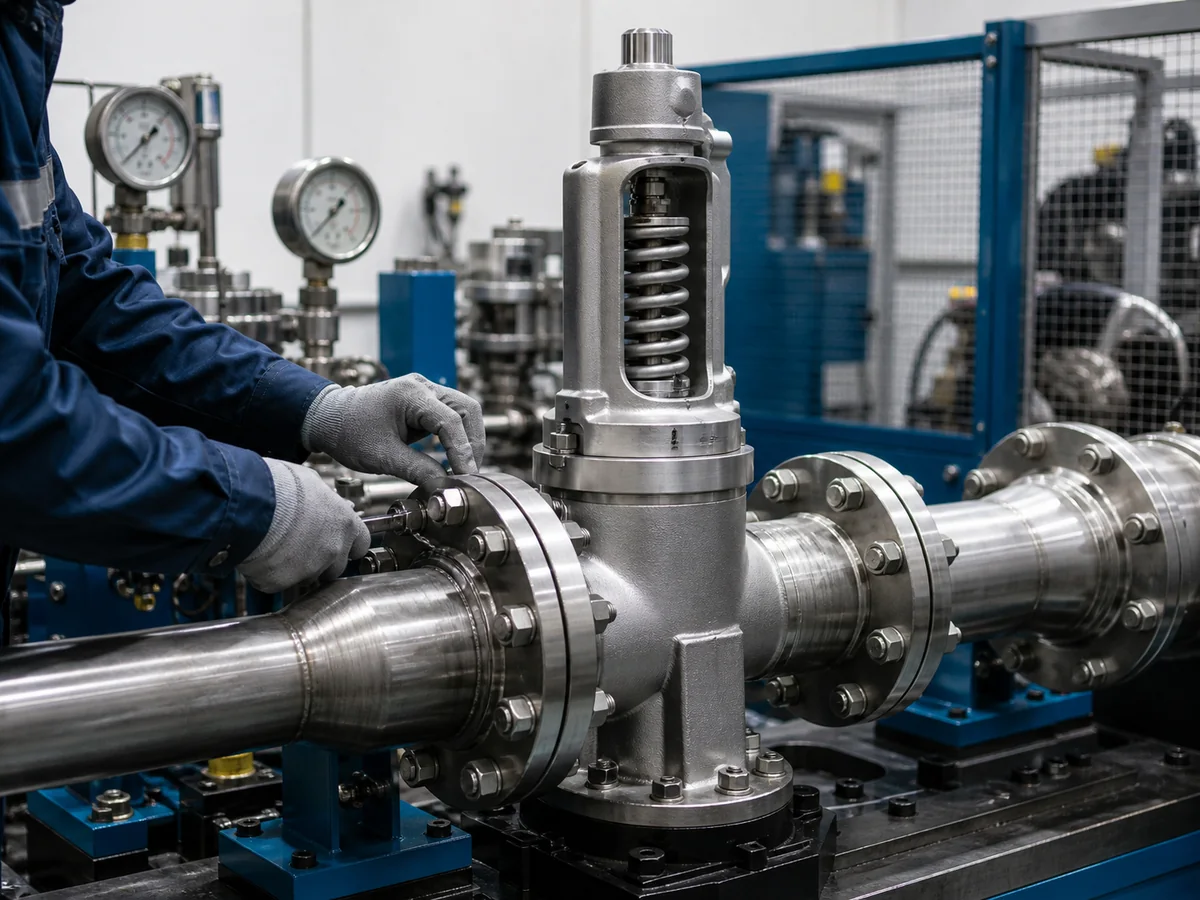
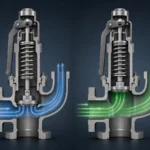
Ilustración de ingeniería simplificada solo para explicación; no es un dibujo de fabricación ni una vista en sección certificada.
Capacidad de Alivio Requerida: Por qué el tamaño de la conexión por sí solo no es suficiente
Uno de los errores de especificación más comunes es seleccionar una válvula de seguridad de alta presión basándose únicamente en el tamaño de la conexión. Una conexión DN o NPS le indica cómo se conecta la válvula al sistema. No demuestra el área de flujo interna, el orificio seleccionado, el coeficiente de descarga, la capacidad certificada o la capacidad de alivio requerida.
La capacidad de alivio requerida depende del escenario de alivio que rige. Un caso de salida bloqueada, un caso de incendio, una falla del regulador, un evento de expansión térmica o un caso de ruptura de tubo pueden requerir diferentes cargas de alivio. La capacidad requerida también depende del medio y la fase, como vapor, gas, vapor, líquido o flujo bifásico. La presión de alivio, la temperatura de alivio y las propiedades del fluido son importantes.
Por ejemplo, una consulta de válvula de seguridad de vapor de alta presión no solo debe decir “vapor, alta presión, tamaño DN”. El comprador debe proporcionar datos de la caldera o cabezal, MAWP o presión de diseño, presión de ajuste, capacidad de alivio de vapor requerida, temperatura de alivio, estándar de conexión y disposición de descarga. Sin esta información, la válvula solo puede cotizarse como una consulta aproximada, no completamente validada para el servicio.
La válvula seleccionada debe verificarse con los datos del fabricante y la base del proyecto o código aplicable. Donde se requiera capacidad certificada o documentada, ese requisito debe indicarse antes de la cotización. La capacidad no debe asumirse solo por el tamaño de la brida de entrada, el tamaño de salida o la clasificación de presión. Para una explicación más profunda, consulte la guía de ZOBAI sobre dimensionamiento de válvulas de seguridad y capacidad de alivio certificada y la Dimensionamiento de válvulas de seguridad API 520 página de referencia.
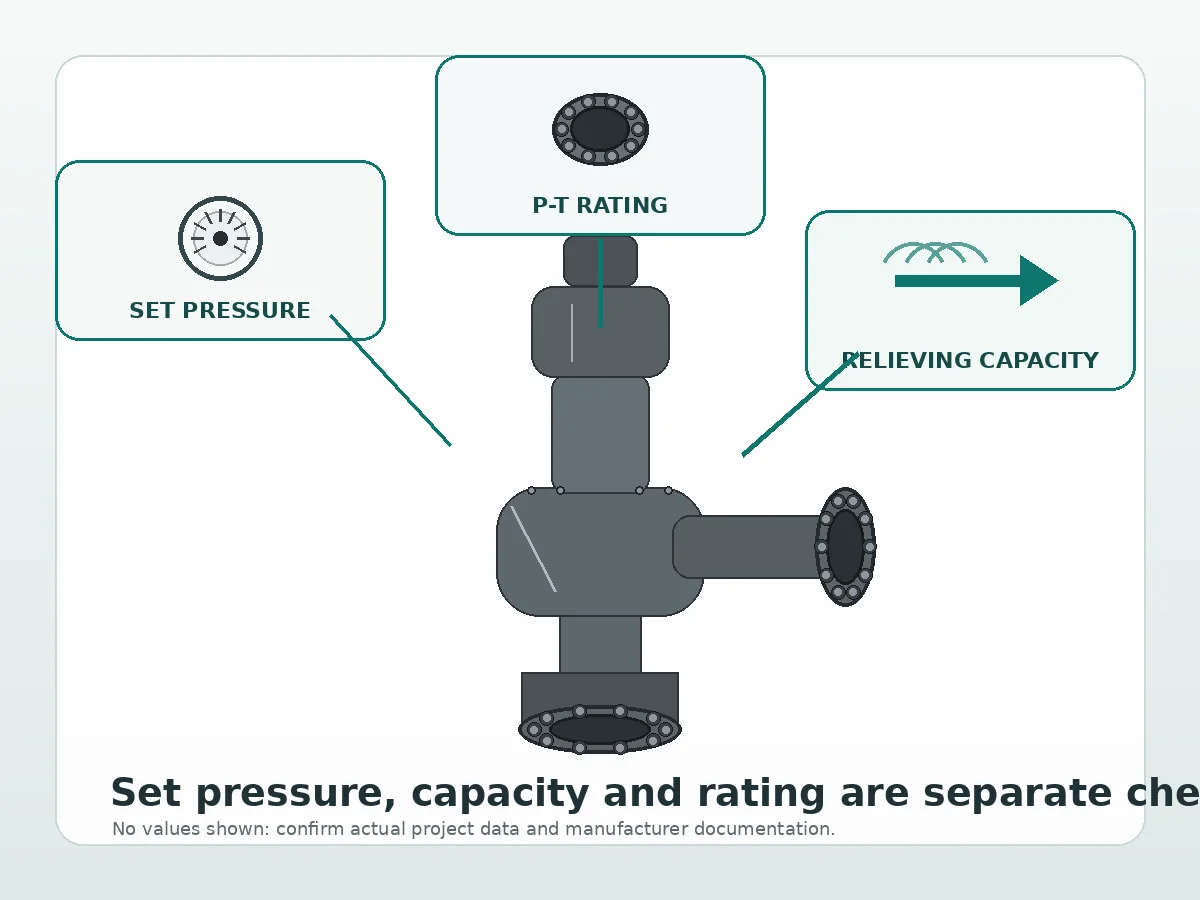
Diagrama de ingeniería conceptual; los valores reales deben confirmarse a partir de los datos del proyecto y la documentación del fabricante.
Medio, Temperatura y Índice de Presión-Temperatura
El servicio de alta presión varía significativamente según el medio. El vapor, el gas limpio, el gas corrosivo, el líquido, el fluido térmico y el flujo bifásico no se comportan de la misma manera durante el alivio. Pueden requerir diferentes métodos de dimensionamiento, materiales de asiento, diseños de asiento, materiales de resorte, materiales de cuerpo y requisitos de inspección.
La temperatura es tan importante como la presión. Una conexión o material de cuerpo de válvula puede tener un índice de presión a temperatura ambiente y un índice admisible diferente a temperatura elevada. Es por eso que clasificaciones de presión-temperatura deben verificarse junto con el grupo de materiales, la clase de brida o el índice PN, el estándar de rosca, la junta, los tornillos y la especificación del proyecto.
Para válvulas de seguridad de vapor de alta presión, la revisión puede incluir la capacidad de vapor, la presión de tarado, el comportamiento de soplado (blowdown), el diseño del bonete, los requisitos de palanca cuando sea aplicable, la tubería de descarga y los efectos de la temperatura en el material. Para servicio de gas o vapor de alta presión, la estanqueidad del asiento, la expectativa de fugas, la contrapresión y la operación estable pueden volverse más importantes. Para líquidos, la expansión térmica, la fuerza de reacción y el enrutamiento de descarga requieren una revisión separada.
Un nombre de material por sí solo no prueba su idoneidad. Los materiales seleccionados para el cuerpo, asiento, resorte, obturador, sello y junta deben verificarse según el medio, la temperatura, el riesgo de corrosión, la limpieza, el requisito de estanqueidad y el estándar aplicable. Si el medio es corrosivo, sucio, polimerizante, criogénico, muy caliente o bifásico, la revisión de materiales y configuración debe realizarse antes de que una cotización se considere definitiva.
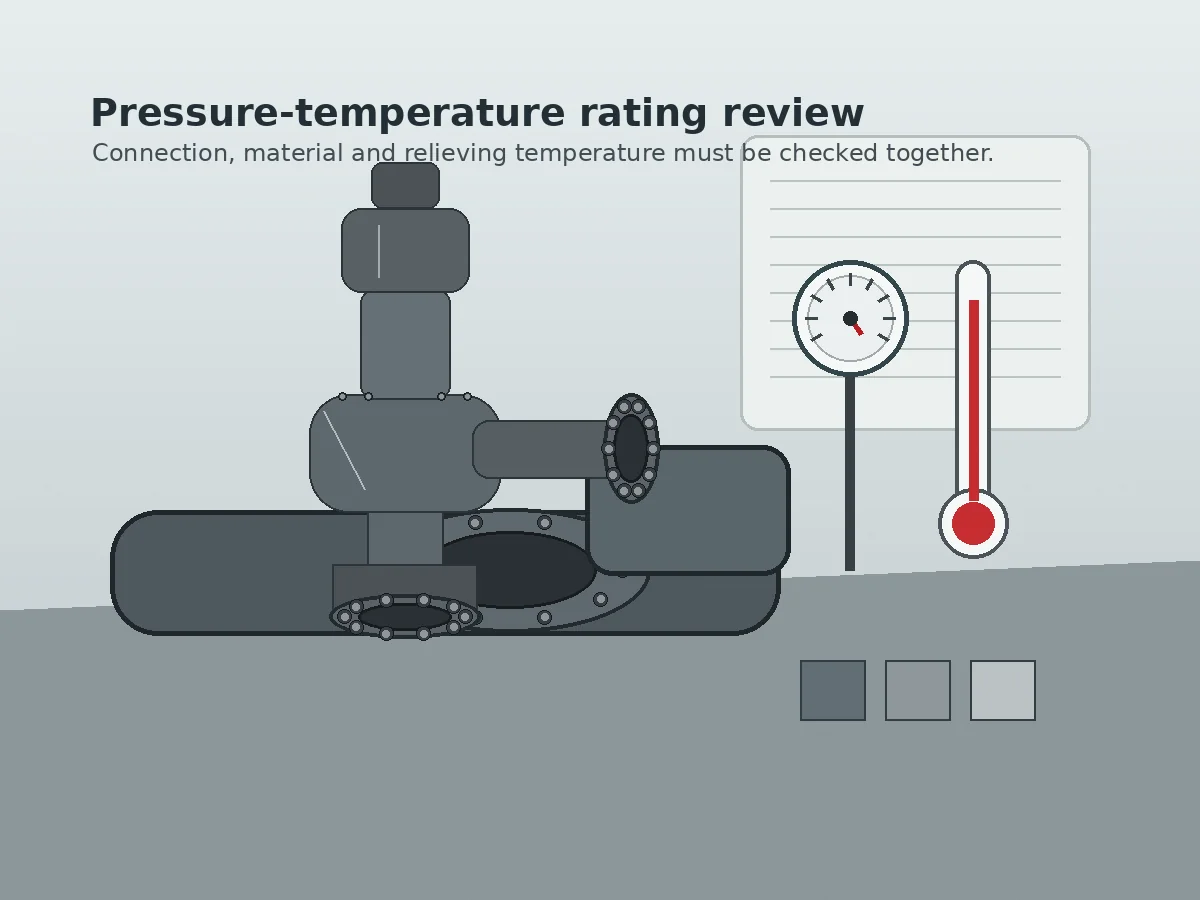
Solo explicación visual; el índice final depende del material seleccionado, el estándar de conexión y los requisitos aplicables del proyecto.
Configuración de la válvula: ¿Accionada por resorte, equilibrada por fuelle o pilotada?
Una válvula de seguridad de alta presión puede ser accionada por resorte, equilibrada por fuelle o pilotada, dependiendo de la condición de servicio y los requisitos del proyecto. La configuración correcta no se puede seleccionar solo por la palabra “alta presión”.”
Accionada por resorte
Válvulas de seguridad accionadas por resorte son de acción directa y ampliamente utilizadas, pero el servicio de alta presión aún requiere una revisión de la presión de ajuste, el rango del resorte, el margen operativo, el diseño del asiento y la estabilidad.
Equilibrada por fuelle
Válvulas de seguridad equilibradas por fuelle pueden considerarse cuando la contrapresión afecta el rendimiento, pero se deben verificar el material del fuelle, la temperatura, la fatiga, la corrosión y la ventilación del bonete.
Pilotada
Válvulas de seguridad pilotadas pueden ser adecuadas para algunos servicios, pero el sistema piloto requiere la revisión de la limpieza del medio, la disposición de la línea de detección, la tubería y el mantenimiento.
Límite de configuración
El enfoque de selección más seguro es definir primero el equipo protegido y el caso de alivio, luego confirmar los requisitos de presión, capacidad, medio, temperatura, contrapresión y documentación.
Contrapresión, pérdida de entrada y disposición de instalación
El rendimiento de las válvulas de seguridad de alta presión se ve afectado no solo por el cuerpo de la válvula sino también por el sistema de tuberías que la rodea. La pérdida de entrada, la contrapresión de salida, la fuerza de reacción de descarga y la disposición de instalación pueden influir en la estabilidad y la capacidad.
La línea de entrada debe revisarse para evitar una pérdida de presión excesiva entre el equipo protegido y la entrada de la válvula. Una pérdida de entrada excesiva puede contribuir a vibraciones (chatter), reducción de la capacidad o funcionamiento inestable. La conexión de entrada debe ser compatible con la boquilla del equipo y estar clasificada para la presión y temperatura reales.
La contrapresión también es importante. La contrapresión superpuesta existe antes de que la válvula se abra, mientras que la contrapresión acumulada se desarrolla durante la descarga. La contrapresión puede ser constante o variable, dependiendo del sistema de descarga. Si la contrapresión no se revisa, la válvula seleccionada puede no lograr la elevación, la estabilidad o la capacidad esperadas.
La tubería de salida debe estar debidamente soportada. Las tuberías de descarga pesadas no deben ejercer cargas perjudiciales sobre el cuerpo de la válvula de seguridad. La ruta de descarga debe evitar salidas bloqueadas, acumulación de líquidos, descargas inseguras hacia el personal y cargas de reacción sin soporte. Se deben revisar el drenaje, la ventilación, el tratamiento de la ventilación del bonete y la ubicación segura de la descarga de acuerdo con el tipo de válvula, la condición de servicio y las especificaciones del proyecto. Para verificaciones detalladas del sistema, revise guía de instalación de válvulas de seguridad y la guía para Contrapresión y fuelle.
Documentación y pruebas para la revisión de válvulas de seguridad de alta presión
Para servicio de alta presión, la documentación debe discutirse antes de la colocación del pedido, no después de la fabricación o el envío. El paquete de documentos requerido depende del proyecto, las normas aplicables, el plan de inspección y los requisitos del comprador.
Una revisión típica puede incluir la hoja de datos de la válvula, la información de la placa de características, el registro de calibración de la presión de ajuste, el registro de prueba de presión de la carcasa o el cuerpo donde sea aplicable, el requisito de prueba de estanqueidad del asiento, los registros de materiales, la base de capacidad y los documentos de liberación de inspección. Si un proyecto requiere pruebas presenciales, inspección por terceros o formatos de certificado específicos, esto debe indicarse en la RFQ.
| Documento / Comprobar | Qué soporta | Cuándo Confirmarlo |
|---|---|---|
| Ficha técnica de la válvula | Modelo, presión de ajuste, conexión, material, servicio y opciones | Antes de la cotización y nuevamente antes de la confirmación del pedido |
| Datos de placa de características | Comparación de reemplazo e identificación de la válvula instalada | Antes de la selección del reemplazo |
| Registro de calibración de la presión de ajuste | Ajuste de la presión de apertura y base de prueba | Antes del envío o la liberación de la inspección, cuando sea necesario |
| Requisito de prueba de estanqueidad del asiento | Expectativa de fuga y alcance de la prueba | Antes de realizar el pedido si el proyecto requiere una prueba de fugas específica |
| Registro de materiales | Trazabilidad del material del cuerpo, asiento o de las partes que retienen presión, cuando sea requerido | Antes de realizar el pedido si la especificación del proyecto lo requiere |
| Base de capacidad | Capacidad de alivio requerida, orificio seleccionado y capacidad documentada/certificada cuando sea aplicable | Antes de la selección final de la válvula |
Para trabajos de reemplazo, el comprador debe proporcionar la placa de características de la válvula existente, fotos, hoja de datos antigua, detalles de conexión, presión de tarado, base de capacidad, medio de servicio e historial operativo. Reemplazar una válvula de seguridad de alta presión basándose únicamente en la apariencia o el tamaño de la conexión no es una práctica de ingeniería segura.
ZOBAI puede revisar los parámetros enviados y ayudar a identificar qué información falta antes de la cotización. La aceptación final aún depende de los datos reales del servicio, los límites del modelo seleccionado, la documentación del fabricante, la versión aplicable de la norma, la especificación del proyecto y los requisitos regulatorios locales.
Lista de verificación de parámetros para solicitud de cotización (RFQ) / selección de válvulas de seguridad de alta presión
Una RFQ completa permite al proveedor y al equipo de ingeniería evaluar la válvula con mayor precisión. La siguiente lista de verificación se puede utilizar antes de solicitar una cotización. Para servicio de alta presión, el objetivo no es solo obtener un precio, sino asegurarse de que la cotización se base en suficientes datos de ingeniería para discutir el tipo de válvula, la conexión, el material, la capacidad y los requisitos de documentación.
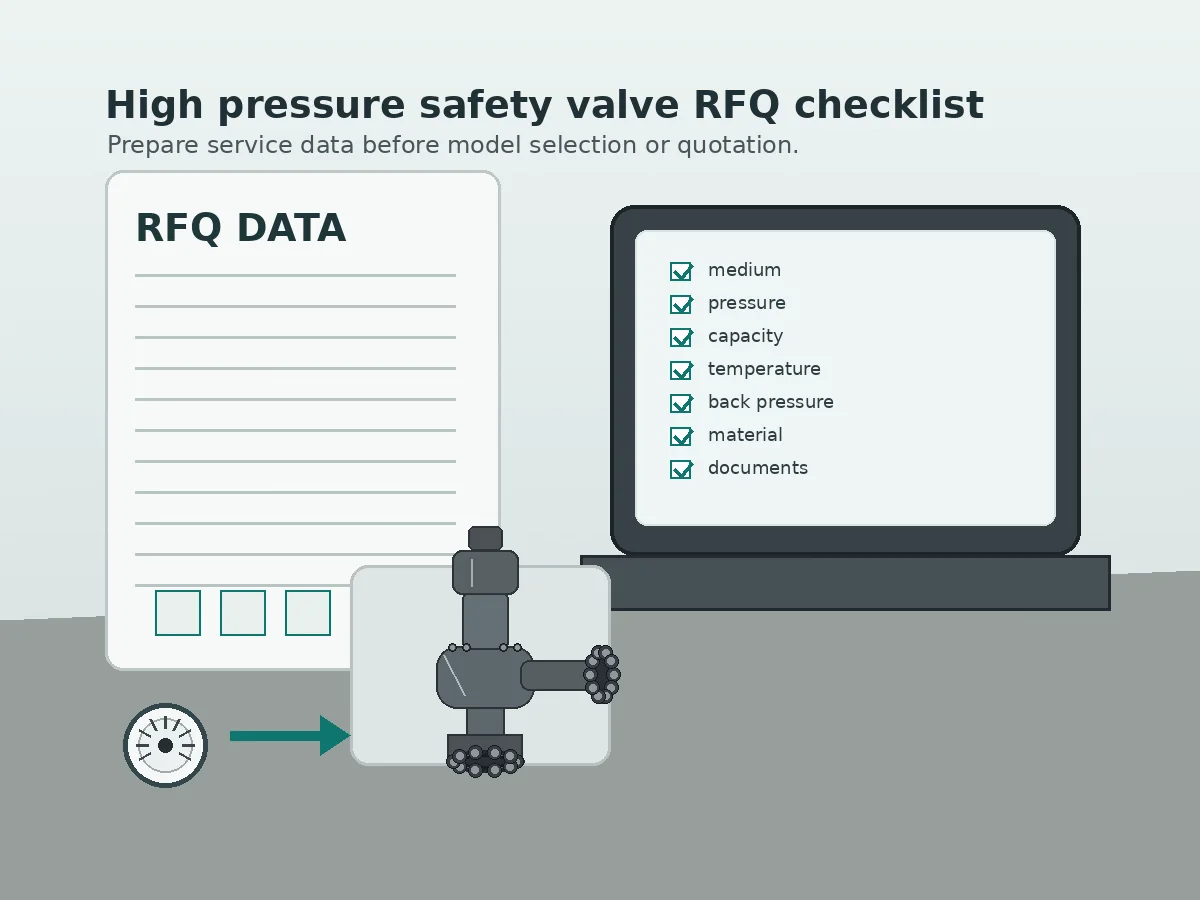
Lista de verificación visual para la preparación de consultas; la selección real de la válvula requiere datos del proyecto y revisión del fabricante.
| Parámetro de RFQ | Por qué es importante | Se necesita entrada del comprador |
|---|---|---|
| Equipo protegido | Define la función de seguridad | Caldera, vaso, reactor, compresor, tubería, skid, intercambiador de calor u otro equipo |
| Escenario de alivio | Determina la capacidad requerida | Salida bloqueada, caso de incendio, fallo del regulador, expansión térmica, rotura de tubo u otro caso determinante |
| Medio y fase | Cambia el dimensionamiento, los materiales y el tipo de válvula | Servicio de vapor, gas, vapor, líquido, bifásico, corrosivo, limpio o sucio |
| Presión de operación | Determina el margen por debajo de la presión de ajuste | Presión de operación normal y máxima |
| Presión Máxima de Trabajo Admisible / Presión de diseño | Define el límite del equipo protegido | Presión máxima de trabajo admisible (MAWP) del equipo, presión de diseño o base de presión del proyecto |
| Presión de tarado | Define el punto de apertura de la válvula | Presión de tarado requerida y base de tolerancia aplicable |
| Capacidad de alivio requerida | Determina el área de flujo y la base de capacidad | Caudal, unidades, base de cálculo y base de código aplicable cuando corresponda |
| Temperatura de alivio | Afecta al material y a la clasificación de presión-temperatura | Temperatura en la condición de alivio, no solo en operación normal |
| Contrapresión | Afecta a la estabilidad y configuración | Contrapresión superpuesta y acumulada; constante o variable |
| Conexión de entrada | Confirma el ajuste y la clasificación | DN/NPS, clase de brida, clasificación PN, estándar de rosca, cara y material |
| Conexión de salida | Confirma la disposición de descarga | Tamaño de salida, estándar de brida/rosca, ruta de descarga y soporte de tubería |
| Material / asiento / sello | Afecta a la compatibilidad y a las fugas | Requisitos de materiales para cuerpo, internos, resorte, asiento, sello, junta y proyecto |
| Norma aplicable | Define la base de diseño y documentación | Requisito ASME, API, ISO, EN/DIN, GB o específico del proyecto, cuando sea aplicable |
| Documentos | Define el alcance de la inspección y la entrega | Ficha técnica, registro de calibración, registro de materiales, base de capacidad, informe de prueba, requisitos de inspección |
| Datos de reemplazo | Evita sustituciones inseguras | Placa de identificación, fotos, hoja de datos antigua e historial de servicio y detalles de la instalación existente |
Esta lista de verificación no reemplaza el dimensionamiento formal ni la aprobación del proyecto. Es un punto de partida práctico para la preparación de RFQ y la revisión de ingeniería.
Errores comunes al especificar una válvula de seguridad de alta presión
Selección por clase de presión solamente
Una clase de brida, clasificación PN o etiqueta de presión no confirma la idoneidad de la presión de ajuste, la capacidad, la clasificación de temperatura o la compatibilidad del material.
Uso del tamaño de conexión como prueba de capacidad
Dos válvulas con la misma conexión de entrada y salida pueden no tener el mismo orificio, elevación, capacidad certificada o base de capacidad documentada.
Ignorar la temperatura de alivio
Una clasificación de conexión o material que parece adecuado a temperatura ambiente puede requerir una revisión adicional a alta temperatura de alivio.
Ignorando la contrapresión y la tubería de descarga
Una válvula que parece correcta en una hoja de datos puede volverse inestable si el sistema de descarga crea efectos de presión o cargas mecánicas inaceptables.
Tratar un nombre de norma como especificación completa
Hacer referencia a ASME, API, ISO, EN, DIN o GB puede ser importante, pero el comprador aún necesita definir el equipo, el caso de alivio, el medio, la presión, la temperatura, la capacidad, el material y el alcance de la documentación.
Reemplazar por apariencia
Las válvulas antiguas y nuevas deben compararse según la presión de tarado, la base de cálculo de capacidad, la clasificación de conexión, el material, la condición de servicio, la disposición de instalación y los requisitos de documentación.
Solicitar una revisión de ingeniería de válvula de seguridad de alta presión
Consulte a ZOBAI para la revisión de parámetros de ingeniería cuando el servicio sea de alta presión, la capacidad requerida no esté clara, el medio sea vapor, gas, vapor, líquido o bifásico, la temperatura de alivio sea alta, el sistema de descarga pueda crear contrapresión o el proyecto requiera documentos específicos.
Antes de solicitar un modelo final o una cotización, proporcione el equipo protegido, el escenario de alivio, el medio y la fase, la presión de operación, la MAWP o presión de diseño, la presión de tarado, la capacidad de alivio requerida, la temperatura de alivio, la contrapresión, la conexión de entrada y salida, los requisitos de material, la norma aplicable y el alcance de la documentación.
- Equipo protegido y escenario de alivio
- Medio, fase y temperatura de alivio
- Presión de operación, MAWP/presión de diseño y presión de tarado
- Capacidad de alivio requerida y base de cálculo
- Contrapresión y disposición de descarga
- Conexión, material, asiento/sello y documentos
ZOBAI puede revisar la información de la consulta y ayudar a identificar si la RFQ es lo suficientemente completa para discutir el tipo de válvula, la configuración, el material, la conexión y la documentación. La selección final aún debe confirmarse con los datos de servicio reales, los datos del fabricante, la versión de la norma aplicable, la especificación del proyecto y los requisitos regulatorios locales.
Referencias técnicas para revisión posterior
Las siguientes referencias son direcciones útiles para ingenieros y equipos de compras al revisar los requisitos de los dispositivos de alivio de presión. Se enumeran solo para orientación técnica. Los requisitos finales del proyecto dependen de la edición estándar aplicable, la especificación del proyecto, los datos del fabricante y la revisión regulatoria local.
| Dirección de referencia | Por qué es importante | Cómo usarlo en la revisión de RFQ |
|---|---|---|
| ASME BPVC Sección XIII | Proporciona un marco reconocido para los requisitos de protección contra sobrepresión y dispositivos de alivio de presión en contextos de equipos a presión aplicables. | Úselo para aclarar las expectativas del proyecto para la base de diseño, inspección, pruebas, marcado y documentación donde el proyecto especifica requisitos relacionados con ASME. |
| API 520 Parte 2 | Proporciona orientación relacionada con la instalación para dispositivos de alivio de presión en sistemas aplicables de refinería, petroquímica y de procesos. | Úselo como dirección de referencia al discutir la pérdida de entrada, la tubería de salida, la contrapresión, el enrutamiento de descarga y la revisión de la instalación. |
| Orientación técnica de National Board sobre consideraciones de temperatura | Ayuda a explicar por qué la temperatura de servicio y la contrapresión pueden afectar la forma en que se revisan la presión de ajuste y el rendimiento de la válvula de seguridad en servicio. | Úselo para respaldar la discusión de ingeniería sobre la temperatura de servicio, la contrapresión superpuesta, la contrapresión acumulada y la revisión de reemplazo. |
Limitación de referencia: Estos enlaces se proporcionan únicamente como referencia técnica. Este artículo no reproduce el texto de las normas y no declara que ZOBAI cumpla automáticamente con cada norma, certificado o requisito jurisdiccional enumerado. La base de código aplicable, el alcance del documento y los requisitos de inspección deben confirmarse para cada proyecto antes de la selección final.
Preguntas frecuentes
¿Qué se considera una válvula de seguridad de alta presión?
Una válvula de seguridad de alta presión es una válvula de seguridad destinada a la protección contra sobrepresión en servicios de mayor presión, pero no existe una decisión de selección universal basada únicamente en la frase “alta presión”. La idoneidad depende del equipo protegido, el escenario de alivio, la presión de tarado, la capacidad requerida, la temperatura, el fluido, la clasificación de la conexión, el material y los requisitos aplicables del proyecto.
¿La presión de tarado es la misma que la presión de operación?
N.º La presión de operación es la presión normal del sistema. La presión de ajuste es la presión a la que se ajusta la válvula de seguridad para que se abra en condiciones especificadas. En servicio de alta presión, se debe revisar el margen entre la presión de operación y la presión de ajuste para evitar fugas, silbidos o funcionamiento inestable.
¿Puedo elegir una válvula de seguridad de alta presión por el tamaño de la conexión?
El tamaño de la conexión no demuestra la capacidad de alivio. Una válvula debe verificarse según la capacidad de alivio requerida, el orificio seleccionado o el área de flujo, los datos del fabricante y cualquier base de capacidad certificada o documentada requerida por el proyecto.
¿Qué información se necesita para el dimensionamiento de válvulas de seguridad de alta presión?
El comprador debe proporcionar el equipo protegido, el escenario de alivio, el medio y su fase, la presión de operación, la presión máxima de diseño (MAWP) o presión de diseño, la presión de tarado, la capacidad de alivio requerida, la temperatura de alivio, la contrapresión, los detalles de la conexión, los requisitos de material y la norma aplicable o especificación del proyecto.
¿El servicio de alta presión siempre requiere una válvula de seguridad pilotada?
N.º. Los diseños de resorte, equilibrado por fuelle y pilotado pueden ser considerados dependiendo del servicio. La configuración correcta depende del margen de presión, la limpieza del medio, la contrapresión, la temperatura, los requisitos de mantenimiento, la aceptación del proyecto y los límites del fabricante.
¿Por qué es importante la clasificación de presión-temperatura?
La clasificación de presión-temperatura indica si la clasificación del material y la conexión seleccionados siguen siendo adecuados a la temperatura relevante. Una clasificación de válvula o brida que parezca aceptable a una temperatura puede requerir una revisión adicional a la temperatura de alivio real.
¿Qué debo enviar a ZOBAI antes de solicitar una cotización?
Envíe el tipo de equipo, el escenario de alivio, el medio, la presión de operación, la presión de diseño o MAWP, la presión de ajuste, la capacidad de alivio requerida, la temperatura de alivio, la contrapresión, la conexión de entrada y salida, los requisitos de material, el estándar aplicable, los documentos requeridos, la cantidad y cualquier hoja de datos o placa de identificación existente para reemplazo.