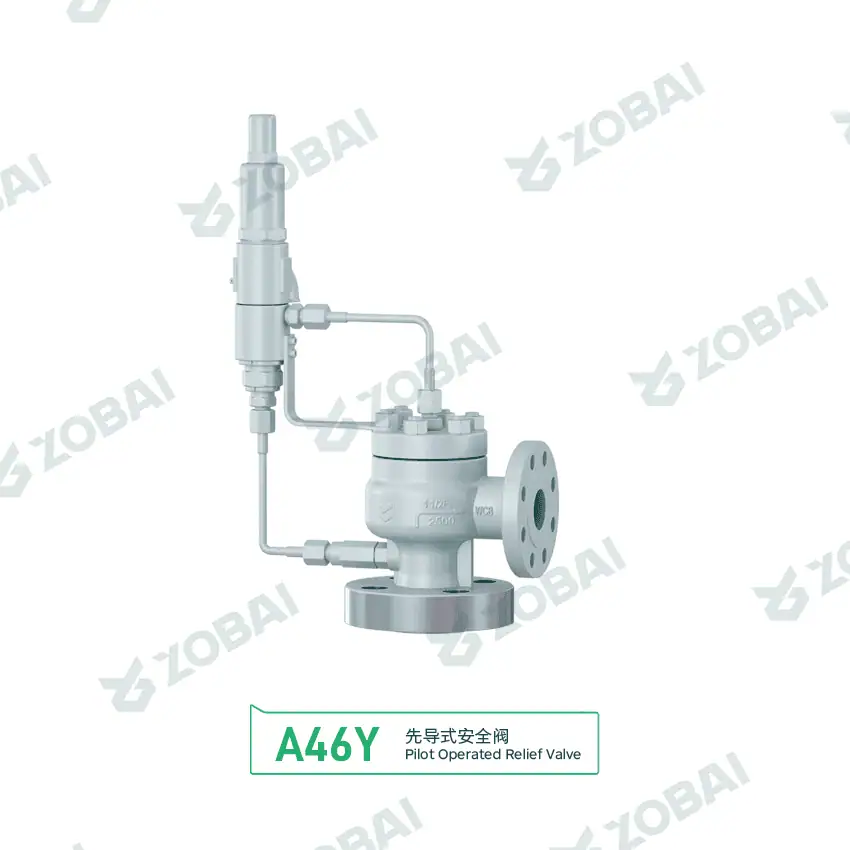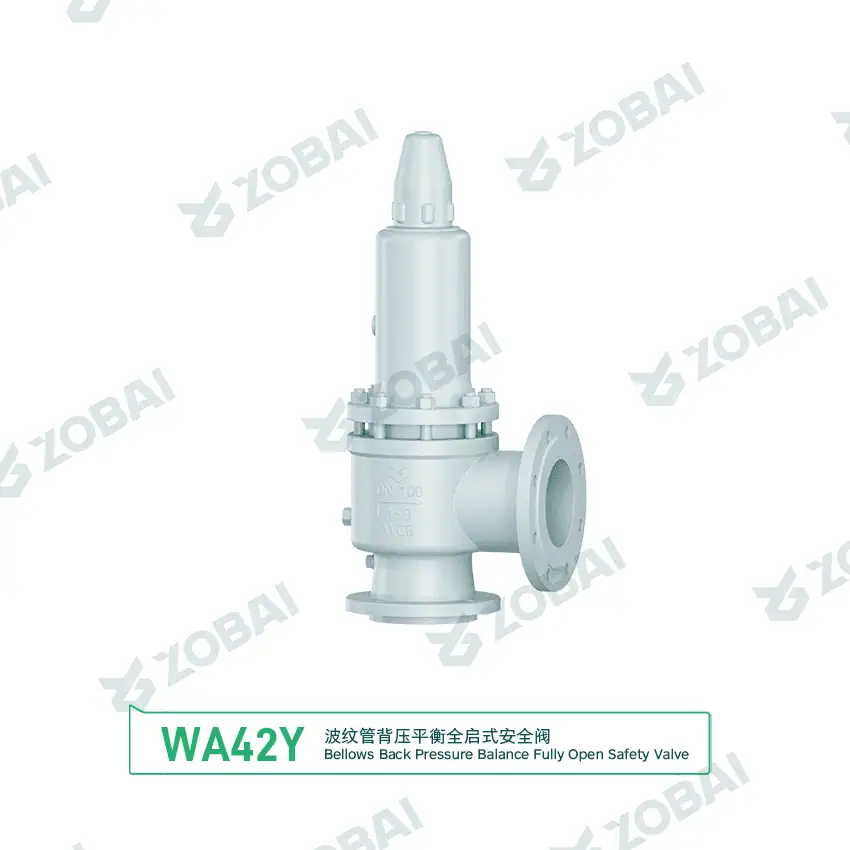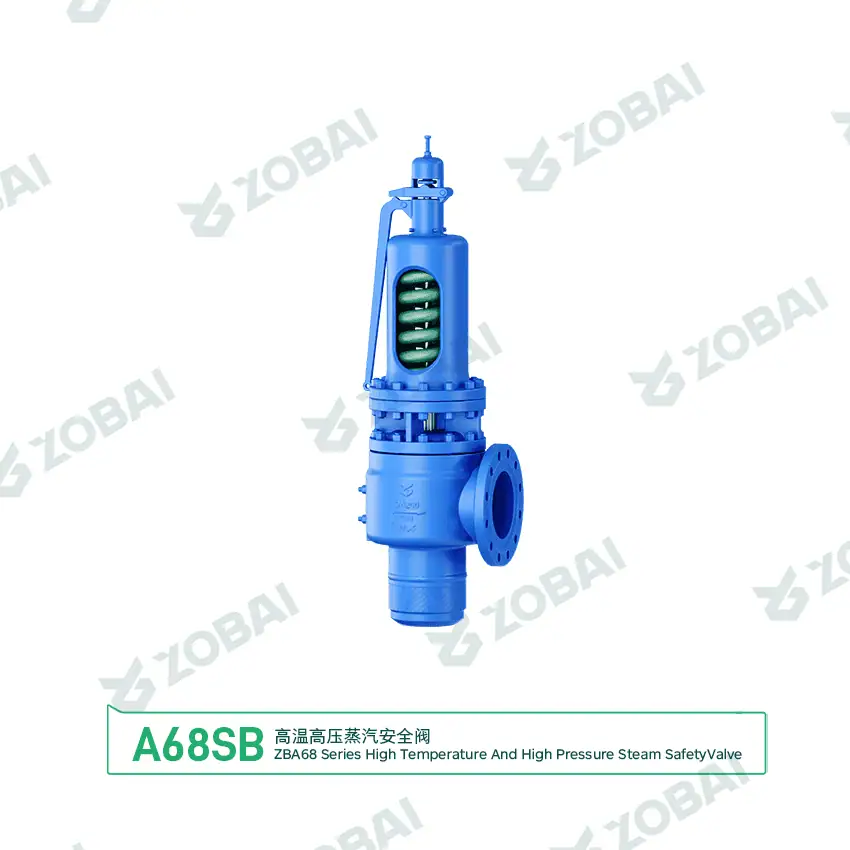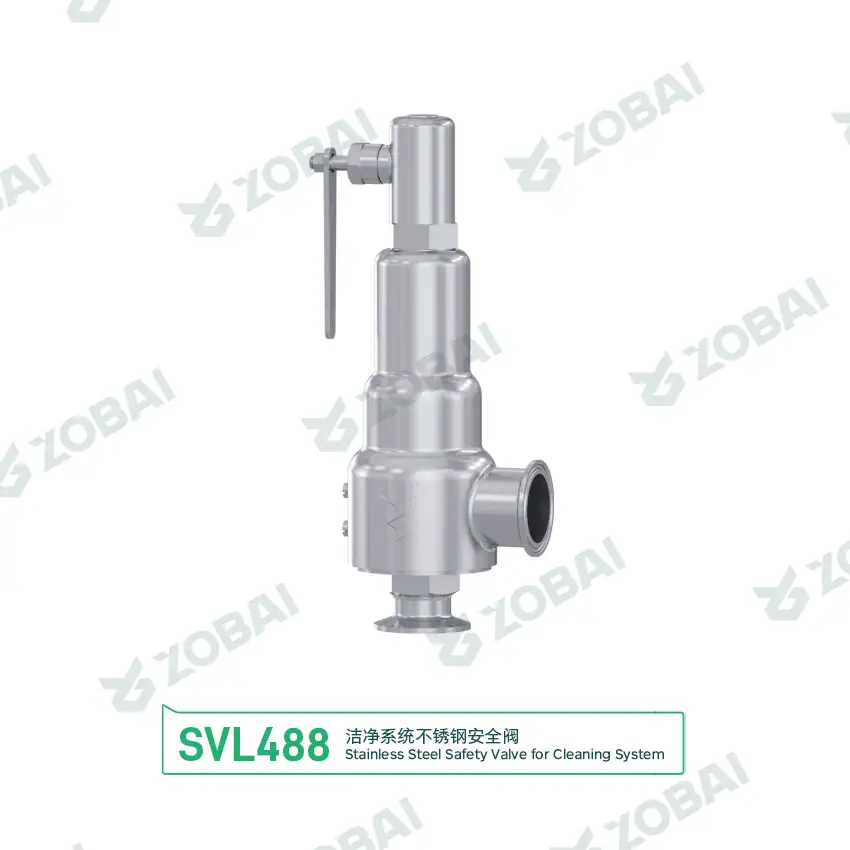
Válvulas de seguridad para oxígeno en tuberías de O2, tanques LOX, compresores, gases medicinales y sistemas de oxígeno industrial
Válvulas de seguridad para oxígeno en tuberías de O2, tanques LOX, compresores, gases medicinales y sistemas de oxígeno industrial
Las válvulas de seguridad para oxígeno protegen tuberías de oxígeno industrial, ramales de oxígeno gaseoso, tanques de almacenamiento de LOX, vaporizadores criogénicos de oxígeno, compresores de oxígeno, generadores de oxígeno PSA / VPSA, sistemas de suministro de oxígeno medicinal, estaciones de corte y soldadura de oxígeno, cabezales de oxígeno de plantas siderúrgicas, unidades de oxidación química, sistemas de oxigenación de aguas residuales, sistemas de prueba aeroespacial y skids de llenado de cilindros de oxígeno contra sobrepresión. La selección correcta comienza con la concentración de oxígeno, fase gaseosa o líquida, presión de tarado, MAWP del equipo protegido, capacidad de alivio requerida, requisito de limpieza para oxígeno, riesgo de ignición, compresión adiabática, impacto de partículas, compatibilidad de materiales, diseño del asiento, estanqueidad, contrapresión, destino de descarga y documentos de inspección requeridos.
Dónde se utilizan las válvulas de seguridad para oxígeno
El servicio de alivio de oxígeno no es un servicio ordinario de aire o gas inerte. El oxígeno favorece fuertemente la combustión, y la contaminación, los materiales inadecuados, la velocidad excesiva, la compresión adiabática, el impacto de partículas o una limpieza deficiente pueden crear riesgo de ignición. La selección de la válvula debe combinar el dimensionamiento de alivio de presión con la compatibilidad y el control de limpieza para oxígeno.
Tuberías y cabezales de oxígeno industrial
Se utilizan en cabezales de oxígeno de plantas siderúrgicas, distribución de O2 en plantas químicas, ramales de gasoductos, estaciones de reducción de presión y redes de suministro de oxígeno de alto caudal. La selección debe revisar la presión de la tubería, el caudal del regulador en caso de fallo abierto, el control de velocidad, la limpieza, la ubicación del venteo y el límite de presión aguas abajo.
Tanques de almacenamiento de LOX y sistemas criogénicos de oxígeno
Se utiliza en tanques de almacenamiento de oxígeno líquido, cajas frías, líneas aisladas al vacío, bombas criogénicas, vaporizadores y sistemas de transferencia de LOX. La revisión del alivio debe incluir expansión de líquido bloqueado, ebullición, exposición al fuego, materiales a baja temperatura y descarga de oxígeno frío.
Compresores de oxígeno y patines (skids) de refuerzo
Se utiliza en compresores de oxígeno, paquetes de refuerzo, compresores de llenado de cilindros, recipientes de descarga y recipientes intermedios. La selección debe revisar el mapa del compresor, descarga bloqueada, temperatura de descarga, vibración, pulsación, construcción limpia para oxígeno y ventilación segura.
Sistemas generadores de oxígeno PSA / VPSA
Se utiliza en salidas de generadores de oxígeno, recipientes de producto, recipientes de reserva, paquetes de tamiz molecular y patines (skids) de oxígeno aguas abajo. Los casos de alivio incluyen salida bloqueada, fallo del control de presión, sobrepresión del recipiente y fallo del regulador aguas abajo.
Sistemas de oxígeno medicinal y gases para la salud
Se utiliza en colectores de oxígeno medicinal, sistemas de suministro de oxígeno a granel, vaporizadores, reguladores de línea y distribución de oxígeno hospitalario. Los requisitos pueden incluir limpieza estricta, control de presión, trazabilidad, estanqueidad del asiento, etiquetado y documentos de verificación específicos del proyecto.
Sistemas de proceso y combustión de oxígeno
Se utiliza en quemadores de oxicombustible, sistemas de corte, reactores de oxidación, unidades de gasificación, oxigenación de aguas residuales, sistemas de soporte de generación de ozono y bancos de pruebas. La selección debe revisar el servicio oxidante, alta pureza, ciclos de presión, control de contaminación y separación de fuentes de ignición.
La selección de válvulas de seguridad para oxígeno comienza con el escenario de alivio, la limpieza y el riesgo de ignición
Los sistemas de oxígeno pueden sobrepresurizarse por fallo del regulador, descarga bloqueada del compresor, bloqueo de la salida del vaporizador, expansión de oxígeno líquido bloqueado, sobrepresión del recipiente PSA, aporte de calor o exposición al fuego. La válvula seleccionada debe proporcionar la capacidad certificada y permanecer compatible con el servicio de oxígeno.
Regulador de presión fallido abierto
Un regulador de oxígeno que falle abierto puede exponer tuberías, acumuladores o equipos de proceso de menor clasificación a una presión superior de la línea de entrada. La válvula de seguridad aguas abajo debe dimensionarse según el caudal de fallo abierto y la presión de diseño aguas abajo.
Descarga bloqueada del compresor de oxígeno
Los compresores de oxígeno pueden sobrepresurizar las tuberías de descarga y los acumuladores si una válvula aguas abajo se cierra o falla la lógica de control. El dimensionamiento debe revisar el caudal máximo del compresor, la temperatura de descarga, la pureza del oxígeno, la pulsación, la vibración y la presión del venteo de salida.
Expansión térmica LOX con línea bloqueada
El oxígeno líquido atrapado entre válvulas cerradas puede crear un rápido aumento de presión a medida que el calor se filtra en la línea. Se debe revisar el alivio térmico en líneas de transferencia de LOX, líneas de bombas criogénicas, entradas de vaporizadores y secciones líquidas aisladas.
Bloqueo de salida del vaporizador
Los vaporizadores de oxígeno pueden continuar generando oxígeno gaseoso mientras el flujo aguas abajo está restringido. La revisión del alivio debe incluir la tasa de alimentación de LOX, la carga del vaporizador, la presión de salida, la temperatura del gas, la contrapresión y la dispersión segura del venteo.
Sobrepresión del receptor de producto PSA / VPSA
Los receptores de generadores de oxígeno y los vasos de reserva pueden sobrepresurizar si las válvulas de salida se cierran, fallan los controles o los reguladores aguas abajo restringen el flujo. La válvula de alivio debe proteger el receptor y el límite de presión del skid aguas abajo.
Contaminación, impacto de partículas y compresión adiabática
El servicio con oxígeno puede encender contaminantes, materiales blandos inadecuados o partículas bajo una presurización rápida. La especificación de la válvula debe incluir materiales compatibles con oxígeno, preparación limpia para oxígeno, control de limpieza del embalaje e instalación.
Casos de aplicación de válvulas de seguridad para oxígeno con datos típicos de RFQ
Estos casos muestran cómo se describen comúnmente los requisitos de las válvulas de seguridad para oxígeno antes de la selección del modelo. El dimensionamiento final debe confirmarse según la fase del oxígeno, la pureza, la hoja de datos del equipo protegido, el escenario de alivio, el requisito de limpieza, la revisión del sistema de descarga y el estándar del proyecto.
Caso 1: Válvula de seguridad para estación PRV de oxígeno aguas abajo
Fallo del reguladorEl alivio de la estación PRV de oxígeno debe dimensionarse a partir de la condición de fallo abierto. El equipo aguas abajo no debe protegerse basándose únicamente en la demanda normal de oxígeno.
Caso 2: Sistema de alivio para tanque de almacenamiento de LOX y vaporizador
Oxígeno criogénicoEl servicio de LOX requiere una revisión tanto del material criogénico como de la compatibilidad con el oxígeno. El manejo limpio del oxígeno y el embalaje protegido deben definirse antes del envío.
Caso 3: Válvula de seguridad de descarga de compresor de oxígeno
Protección de compresoresLas válvulas de alivio para compresores de oxígeno deben seleccionarse con los datos del compresor y los requisitos de limpieza para servicio con oxígeno. Se deben excluir aceite, grasa y materiales blandos incompatibles de las partes mojadas.
Caso 4: Válvula de seguridad para receptor de generador de oxígeno PSA
Generador de oxígenoLos sistemas PSA y VPSA pueden producir gas enriquecido con oxígeno en lugar de oxígeno puro, pero la limpieza compatible con oxígeno y la revisión de materiales aún pueden ser requeridas por el proyecto.
Caso 5: Válvula de seguridad para manifold de oxígeno médico
Gas medicinalEl servicio de oxígeno medicinal normalmente requiere un control de documentación más riguroso que el servicio de gas industrial general. La limpieza, el embalaje y la trazabilidad deben alinearse con la especificación del proyecto.
Caso 6: Reactor de Proceso de Oxígeno o Skid de Oxidación Válvula de Seguridad (PSV)
Oxígeno de ProcesoEl alivio de oxígeno de proceso puede implicar gas oxidante mezclado con vapores combustibles. La selección de la válvula debe integrarse con el estudio de alivio de proceso y la revisión de compatibilidad de materiales.
Matriz de Datos de Válvulas de Seguridad para Oxígeno
| Servicio de Oxígeno | Medio típico | Causa común de alivio | Verificación de ingeniería requerida | Revisión recomendada de la válvula | Riesgo si se omite |
|---|---|---|---|---|---|
| Estación de Válvula de Alivio de Presión para Oxígeno | Oxígeno industrial, O2 de alta pureza, gas enriquecido con oxígeno | Regulador fallido abierto, fuga en bypass, bloqueo aguas abajo | Flujo de apertura en fallo, presión de diseño aguas abajo, velocidad, limpieza para oxígeno y ubicación de ventilación | Válvula de seguridad para gas con limpieza para oxígeno, con asiento y trim compatibles | Sobrepresión aguas abajo, riesgo de ignición o liberación insegura de oxígeno |
| Almacenamiento y vaporizador de LOX | Oxígeno líquido, vapor de oxígeno frío, oxígeno en ebullición | Evaporación, líquido bloqueado, bloqueo de salida del vaporizador, fuga de calor | Material criogénico, fuga de calor, volumen atrapado, ebullición, formación de hielo y venteo seguro en frío | Válvula de seguridad criogénica para oxígeno o válvula de alivio térmico para oxígeno | Sobrepresión rápida, fallo frágil, atmósfera enriquecida con oxígeno o riesgo de quemadura por frío |
| Descarga de compresor de oxígeno | Oxígeno gaseoso comprimido | Descarga bloqueada, fallo de control, cierre de válvula aguas abajo | Mapa del compresor, temperatura de descarga, pulsación, vibración y montaje con limpieza para oxígeno | PSV con limpieza para oxígeno, materiales cualificados y revisión de estanqueidad del asiento | Sobrepresión del paquete del compresor, ignición, fuga o traqueteo |
| Receptor de oxígeno PSA / VPSA | Gas enriquecido con oxígeno o oxígeno de producto | Bloqueo de salida, fallo de control de presión, sobrepresión del receptor | Concentración de oxígeno, MAWP del receptor, flujo del generador y limpieza de partículas | Válvula de seguridad con limpieza para oxígeno en servicio con enriquecimiento de oxígeno | Sobrepresión del receptor, contaminación o rechazo de documentos del proyecto |
| Sistema de oxígeno medicinal | Oxígeno medicinal | Fallo del regulador, sobrepresión del vaporizador, bloqueo aguas abajo | Limpieza, trazabilidad, etiquetado, verificación de presión de tarado y venteo aprobado | Válvula limpia para oxígeno con documentación de gas medicinal donde se especifique | Incumplimiento, contaminación, fugas o venteo inseguro cerca de áreas ocupadas |
| Unidad de proceso de oxígeno / oxidación | Mezcla de vapor de proceso de oxígeno / gas | Salida bloqueada, alteración de la reacción, fallo de control, caso de incendio | Concentración de O2, mezcla combustible, comportamiento de fase, contrapresión y compatibilidad | PSV de proceso con materiales compatibles con oxígeno y documentación completa | Dimensionamiento de fase incorrecto, riesgo de ignición o descarga insegura del proceso |
Cómo especificar correctamente una válvula de seguridad para oxígeno
1. Confirmar la concentración, fase y pureza del oxígeno
Especificar oxígeno gaseoso, oxígeno líquido, gas enriquecido con oxígeno, oxígeno medicinal, oxígeno industrial, oxígeno de alta pureza o mezcla de proceso de oxígeno. La concentración y fase del oxígeno controlan los requisitos de limpieza, material, dimensionamiento y descarga.
2. Defina la MAWP del equipo protegido y la presión de ajuste
Comience con la presión de diseño de la tubería, la MAWP del receptor, la clasificación del vaporizador, la presión del paquete del compresor, la clasificación de la tubería de distribución de gas medicinal o el límite del skid del proceso aguas abajo. La válvula debe proteger el límite de presión creíble de menor clasificación.
3. Dimensionamiento según el escenario de alivio dominante
Revisar regulador fallido abierto, descarga de compresor bloqueada, bloqueo de salida de vaporizador, sobrepresión en receptor PSA, expansión de LOX bloqueada, exposición al fuego y alivio de reacción de proceso. El caso más creíble controla la capacidad de la válvula.
4. Especificar materiales compatibles con oxígeno
El cuerpo, bonete, tobera, disco, vástago, resorte, junta, asiento y componentes blandos deben ser adecuados para la concentración de oxígeno, presión, temperatura y condición de flujo. Las piezas no metálicas requieren una revisión especial en servicio con oxígeno.
5. Definir limpieza, embalaje y etiquetado de oxígeno
Las válvulas limpias para oxígeno deben limpiarse, secarse, inspeccionarse, taparse, embolsarse y etiquetarse según el requisito de limpieza del proyecto. El manejo en campo debe preservar la limpieza hasta la instalación.
6. Revisar la ruta de descarga, la velocidad y el control de ignición
La descarga de alivio de oxígeno debe dirigirse a una ubicación segura y bien ventilada, alejada de materiales combustibles, aceite, grasa, exposición del personal y fuentes de ignición. Se deben revisar los riesgos de contrapresión, ruido y atmósfera enriquecida con oxígeno.
Las válvulas de alivio de oxígeno deben revisarse en cuanto a limpieza, materiales, ventilación, velocidad y riesgo de ignición.
Por qué los controles de instalación de las válvulas de seguridad de oxígeno garantizan la seguridad real.
El rendimiento de la válvula de seguridad de oxígeno depende de la instalación completa. Una válvula de tamaño correcto aún puede crear riesgo si la entrada está contaminada, la salida se ventila hacia materiales combustibles, la válvula se instala con contaminación de aceite o grasa, la línea de descarga crea una contrapresión excesiva o la manipulación en campo destruye la preparación limpia para oxígeno. .
La instalación debe revisar la pérdida de presión de entrada, la orientación de la válvula, las tapas y bolsas limpias para oxígeno, la preservación de la limpieza, las herramientas desengrasadas, los selladores compatibles, el soporte de salida, la dirección de la chimenea de ventilación, el riesgo de atmósfera enriquecida con oxígeno, la separación de materiales combustibles, la contrapresión, la tasa de aumento de presión, el control de partículas, las condiciones de baja temperatura, el acceso de mantenimiento y los procedimientos seguros de reemplazo de la válvula.
Comprobaciones de instalación en campo
- Confirmar la presión de tarado, la MAWP y la concentración de oxígeno antes de la instalación.
- Mantener las válvulas limpias de oxígeno tapadas, selladas y protegidas hasta la instalación.
- Utilizar juntas, selladores y procedimientos de instalación compatibles con oxígeno.
- Mantener el aceite, la grasa, el polvo, las virutas metálicas y los lubricantes incompatibles alejados de las partes mojadas.
- Dirigir la descarga de oxígeno a una ubicación exterior segura y bien ventilada.
- Comprobar la contrapresión de salida de la chimenea de ventilación, el colector de alivio o el sistema de descarga conectado.
- Proporcionar acceso seguro para la calibración, inspección, pruebas de asiento y sustitución de la válvula.
Normativas y Documentación a Confirmar Antes de Realizar el Pedido
Referencias comunes de alivio de oxígeno
Las especificaciones de las válvulas de seguridad de oxígeno pueden hacer referencia a ASTM, CGA, NFPA, ASME, API, ISO, EN, GB, normativas de gases medicinales, normas de limpieza de oxígeno del propietario y filosofía de alivio del proyecto. La base de diseño aplicable debe confirmarse antes de la cotización.
- ASTM G88 para la guía de diseño de sistemas de oxígeno cuando se especifique en el proyecto.
- ASTM G93 / G93M para niveles de limpieza y métodos de limpieza para equipos enriquecidos con oxígeno cuando se especifique.
- CGA G-4.4 para los requisitos del sistema de tuberías y cañerías de oxígeno cuando se especifique.
- NFPA 55 cuando el almacenamiento, uso o manejo de gases comprimidos o fluidos criogénicos formen parte del proyecto.
- NFPA 99 cuando el oxígeno medicinal o los sistemas de gases de instalaciones sanitarias formen parte del alcance del proyecto.
- API 520 para la referencia de dimensionamiento y selección de dispositivos de alivio de presión cuando sea necesario.
- API 521 para la revisión de alivio de presión, despresurización y descarga a nivel de sistema cuando sea requerido.
- ASME BPVC Sección VIII cuando los receptores de oxígeno, recipientes de almacenamiento, vaporizadores o recipientes de proceso sean recipientes a presión.
- ASME B31.3 donde se especifica tuberías de oxígeno de proceso o tuberías de skid.
Paquete típico de documentación para válvulas de oxígeno
La documentación debe acordarse antes de la fabricación, especialmente para sistemas LOX, oxígeno medicinal, skids de compresores de oxígeno, plantas PSA, cabezales de oxígeno de plantas siderúrgicas, oxígeno de alta pureza y proyectos de exportación EPC.
- Ficha técnica con número de placa, modelo, tamaño, orificio, presión de tarado y conexión.
- Cálculo de dimensionamiento o confirmación de capacidad de alivio certificada.
- Concentración de oxígeno, fase, pureza, temperatura de operación y temperatura de alivio como base.
- Certificado de limpieza de oxígeno, declaración de limpieza o registro del procedimiento de limpieza donde se especifique.
- Registros de embalaje protegido, tapado, embolsado y etiquetado con limpieza para oxígeno donde se requiera.
- Certificado de material para cuerpo, bonete, tobera, disco, asiento, resorte y piezas que retienen presión.
- Certificado de calibración de presión de tarado, informe de prueba de presión e informe de prueba de estanqueidad del asiento.
- Dibujo de disposición general con dimensiones, peso, orientación de salida y espacio libre de mantenimiento.
Fuentes oficiales de normas para la revisión de válvulas de alivio de oxígeno
Utilice las páginas internas de ZOBAI para obtener orientación sobre aplicaciones, preparación de RFQ y selección de productos. Utilice las páginas del editor oficial a continuación cuando las especificaciones del proyecto requieran diseño de sistemas de oxígeno, limpieza de oxígeno, tuberías de oxígeno, gas comprimido, gas medicinal, dimensionamiento de alivio de presión o identificación de normas de recipientes a presión.
Lista de verificación de datos para solicitud de cotización de válvula de seguridad de oxígeno
| Datos Requeridos | Por qué es importante | Ejemplo de entrada |
|---|---|---|
| Equipo protegido | Define el límite de la frontera de presión, la base del código y el límite de presión de tarado. | Tubería de O2, tanque LOX, vaporizador, receptor de compresor, receptor PSA, manifold de gas medicinal |
| Presión Máxima de Trabajo Admisible / Presión de diseño | Define la presión máxima que la válvula debe proteger. | 6 barg, 16 barg, 40 barg, 100 barg, Clase 300, MAWP de vaso, límite del sistema de gas medicinal |
| Presión de tarado | Define la presión de apertura de la válvula y la base de capacidad. | Valor de protección del receptor, valor de protección aguas abajo del regulador, presión de ajuste de alivio térmico LOX |
| Concentración y pureza del oxígeno | Afecta la limpieza, la compatibilidad, el riesgo de ignición y la revisión de materiales. | Oxígeno PSA 93%, oxígeno industrial, oxígeno médico, oxígeno 99.5%, gas enriquecido con oxígeno |
| Fase del oxígeno | Afecta el dimensionamiento, el material, la temperatura y el diseño de descarga. | Oxígeno gaseoso, oxígeno líquido, vapor de oxígeno frío, gas de proceso enriquecido con oxígeno, LOX en expansión |
| Escenario de alivio | Determina la capacidad requerida y la configuración de la válvula. | Regulador fallido abierto, descarga bloqueada del compresor, bloqueo de salida del vaporizador, LOX bloqueado, sobrepresión del receptor PSA |
| Capacidad requerida | Confirma si la válvula puede proteger el sistema de oxígeno. | kg/h, Nm³/h, SCFM, diagrama del compresor, caudal de fallo abierto del regulador, caudal del vaporizador, base de expansión térmica |
| Temperatura de operación y alivio | Controla el material, el asiento, la junta y la revisión criogénica. | Oxígeno ambiental, temperatura de descarga del compresor, oxígeno gaseoso frío, temperatura del oxígeno líquido |
| Contrapresión y ruta de descarga | Influye en la capacidad, la estabilidad, el riesgo de atmósfera enriquecida con oxígeno y la configuración de la válvula. | Ventilación atmosférica, chimenea de venteo de oxígeno, cabezal de alivio, descarga segura al exterior, sistema de tratamiento |
| Requisito de limpieza y embalaje | Evita la contaminación y el rechazo en la instalación. | Limpieza para oxígeno, desengrasado, tapado, doble embolsado, limpieza para servicio de oxígeno, nivel de limpieza del proyecto |
| Requisito de material y asiento | Evita problemas de ignición, fugas y compatibilidad. | Guarnición de acero inoxidable, asiento de PTFE / PCTFE cuando sea adecuado, asiento metálico, junta compatible con oxígeno, material criogénico |
| Documentos requeridos | Evita retrasos en la adquisición, inspección y puesta en marcha. | Hoja de datos, dibujo, MTC, informe de dimensionamiento, certificado de limpieza para oxígeno, informe de calibración, prueba de presión, prueba de asiento |
La selección final debe confirmarse según la concentración de oxígeno, la fase, la hoja de datos del equipo protegido, la presión de ajuste, el escenario de alivio, la capacidad requerida, la norma aplicable, el requisito de limpieza para oxígeno, el cálculo de contrapresión, la capacidad certificada de la válvula y la revisión de ingeniería.
Errores comunes en la selección de válvulas de seguridad para oxígeno
Tratar el oxígeno como aire comprimido ordinario
El servicio de oxígeno tiene una mayor sensibilidad a la ignición. Los materiales de la válvula, la limpieza, el embalaje, la manipulación, el diseño del asiento y la ruta de descarga deben revisarse para verificar la compatibilidad con el oxígeno.
Requisitos de limpieza para oxígeno no cumplidos
Una válvula puede tener el tamaño correcto pero ser inadecuada si no se limpia, seca, tapa, embolsa y protege para el servicio de oxígeno según los requisitos del proyecto.
Uso de materiales blandos incompatibles
Los materiales del asiento, la junta y el elastómero deben verificarse en cuanto a concentración de oxígeno, presión y temperatura. Los materiales blandos estándar pueden no ser aceptables.
Ignorar el riesgo de presurización rápida
La presurización rápida puede crear calentamiento adiabático. Los sistemas de oxígeno deben revisar la velocidad de aumento de presión, el comportamiento del regulador, la dinámica de apertura de la válvula y las prácticas de instalación limpia.
Descarga de oxígeno cerca de materiales combustibles
La descarga de oxígeno puede crear una atmósfera enriquecida en oxígeno. Las salidas de ventilación deben ubicarse lejos de aceite, grasa, materiales combustibles, áreas cerradas y zonas de trabajo del personal.
Olvidar las condiciones criogénicas de LOX
Los sistemas de LOX necesitan revisión de materiales a baja temperatura, alivio térmico para líquido bloqueado, enrutamiento de descarga en frío, espacio libre de aislamiento y preservación de limpieza criogénica.
Continúe su revisión de selección de válvulas de seguridad para oxígeno
Estas páginas relacionadas ayudan a pasar de los requisitos de alivio de oxígeno a la selección detallada de válvulas, dimensionamiento, revisión criogénica, servicio de gas a alta presión, compatibilidad de materiales y preparación completa de la solicitud de cotización (RFQ).
Preguntas frecuentes sobre válvulas de seguridad para oxígeno
Prepare una hoja de datos completa de la válvula de seguridad de oxígeno antes de la cotización
Envíe la hoja de datos del equipo protegido, MAWP o presión de diseño, presión de ajuste, concentración de oxígeno, fase de oxígeno, pureza, escenario de alivio, capacidad requerida, presión de operación, temperatura de operación, temperatura de alivio, datos del compresor o datos de regulador con apertura forzada donde sea aplicable, contrapresión, ruta de descarga, requisito de material, requisito de asiento, requisito de limpieza para oxígeno, requisito de embalaje, estándar de conexión y documentos requeridos. Una hoja de datos completa ayuda a confirmar el dimensionamiento correcto de O2, la compatibilidad con oxígeno, la construcción limpia y la descarga segura de gas oxidante.
Datos mínimos para RFQ
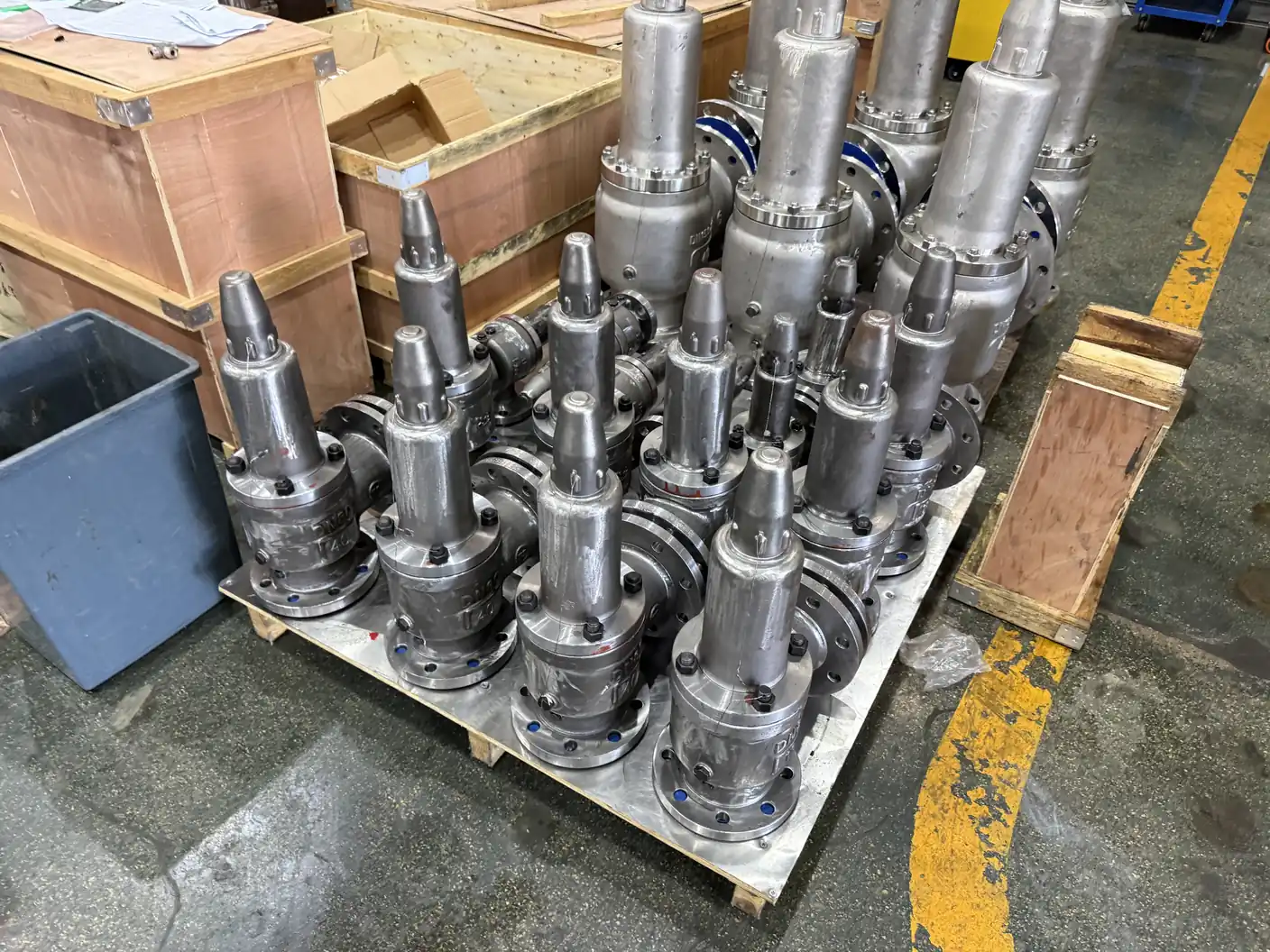
Evidencia de Producción Real para Revisión de Aplicaciones
Para Válvulas de Seguridad para Oxígeno en Sistemas de O2 y LOX | ZOBAI, la revisión del servicio y del proveedor debe conectar la construcción de la válvula con la presión de ajuste, el medio, la temperatura, la capacidad, la contrapresión y el código aplicable. Esta fotografía real de ZOBAI documenta grandes válvulas de seguridad de acero inoxidable agrupadas en un palé. Revísela junto con los planos, los registros de materiales y los documentos de prueba de presión.