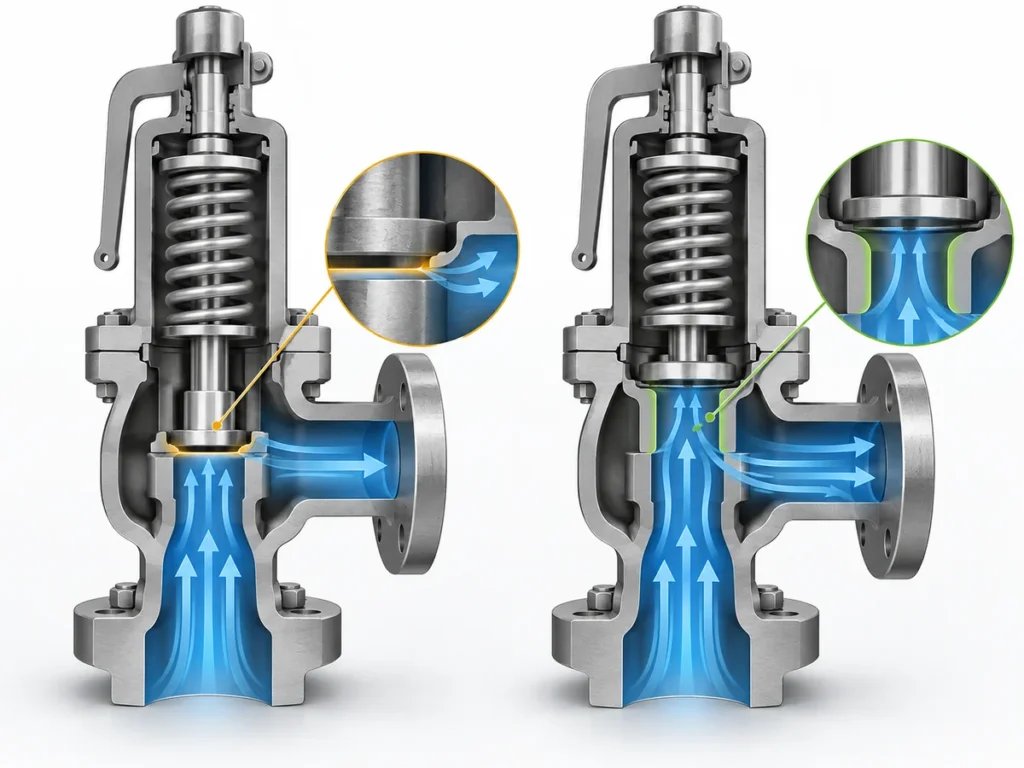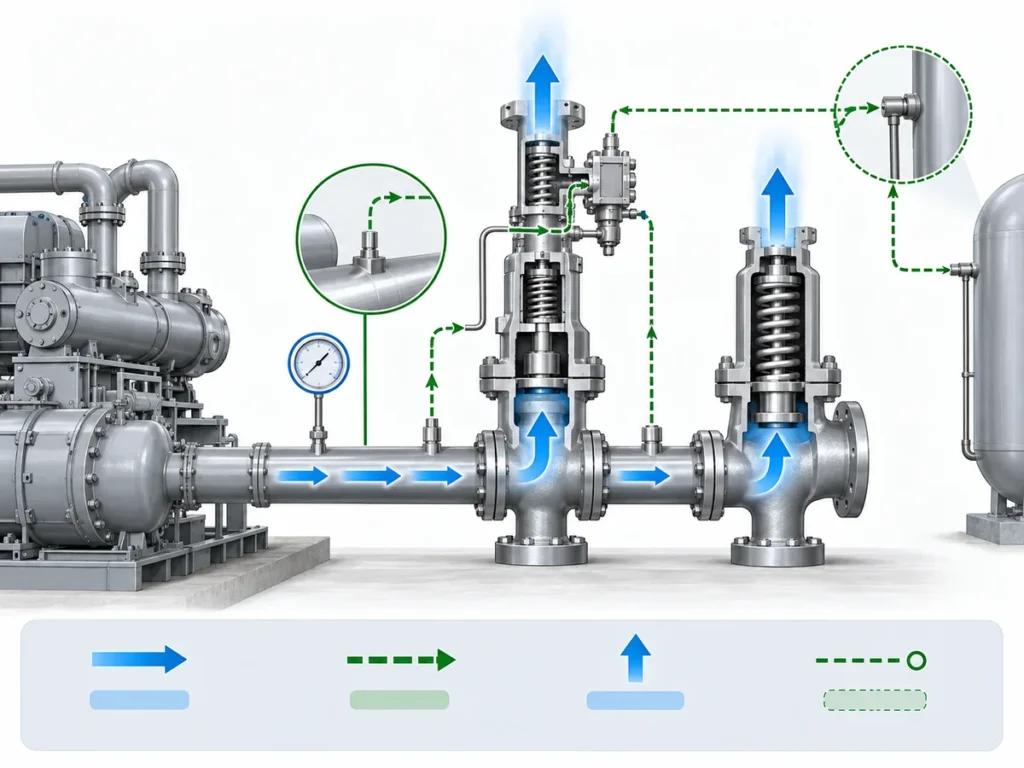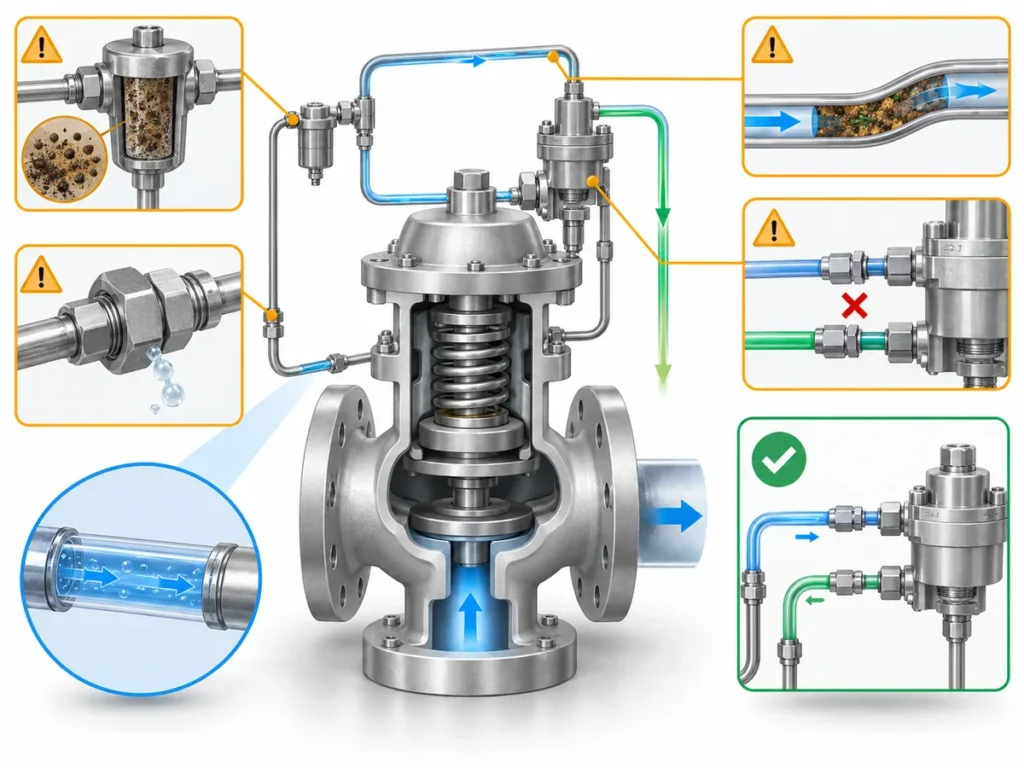
دليل الاختيار الهندسي دليل اختيار صمام الأمان لدرجات الحرارة العالية اختر بناءً على سيناريو التنفيس الحاكم، وليس بناءً على تصنيف درجة حرارة عام. راجع درجة حرارة التنفيس، السعة، تصنيف الضغط ودرجة الحرارة، تعرض المكونات، الضغط الخلفي، الأنابيب الساخنة، الاختبار، والتوثيق كنظام واحد لحماية الضغط. درجة حرارة التنفيس أساس السعة المواد والمقعد الضغط الخلفي بيانات طلب عرض السعر في هذه الصفحة سريع …

دليل الاختيار الهندسي
دليل اختيار صمامات الأمان لدرجات الحرارة العالية
اختر بناءً على سيناريو التنفيس الحاكم، وليس بناءً على تصنيف درجة حرارة عام. راجع درجة حرارة التنفيس، السعة، تصنيف الضغط ودرجة الحرارة، تعرض المكونات، الضغط الخلفي، الأنابيب الساخنة، الاختبار، والتوثيق كنظام واحد لحماية الضغط.
إجابة سريعة: كيف تختار صمام أمان لدرجات الحرارة العالية؟
اختر صمام أمان لدرجات الحرارة العالية بناءً على سيناريو التنفيس الحاكم، وليس من تصنيف درجة حرارة عام. تأكد من المعدات المحمية والوسط والطور، وضغط التشغيل، وMAWP أو ضغط التصميم، وضبط الضغط، والسعة المطلوبة للتنفيس وأساسها، ودرجة حرارة التنفيس، والضغط الخلفي المتراكم والمضاف، وترتيب خطوط الدخول والخروج.
ثم تحقق من تصنيف ضغط ودرجة حرارة جسم الصمام والفلنجة، والفتحة المختارة، والسعة الموثقة أو المعتمدة، وتعرض كل مكون محدد لدرجة الحرارة، بما في ذلك المقعد، والنابض، والمنفاخ، والحشية، والختم، والبايلوت ونظام الاستشعار إذا كان موجودًا. حجم التوصيل، وفئة الضغط، ومادة الجسم، أو المقعد المعدني أو الغطاء المفتوح لا يثبت وحده الملاءمة. إذا كانت بيانات السيناريو أو السعة أو درجة حرارة التنفيس أو الضغط الخلفي مفقودة، يبقى الاختيار النهائي ليتم تأكيده وفقًا لبيانات الشركة المصنعة ومواصفات المشروع وإصدار الكود المعتمد.
سياق عائلة المنتج: صمامات أمان لدرجات الحرارة العالية.
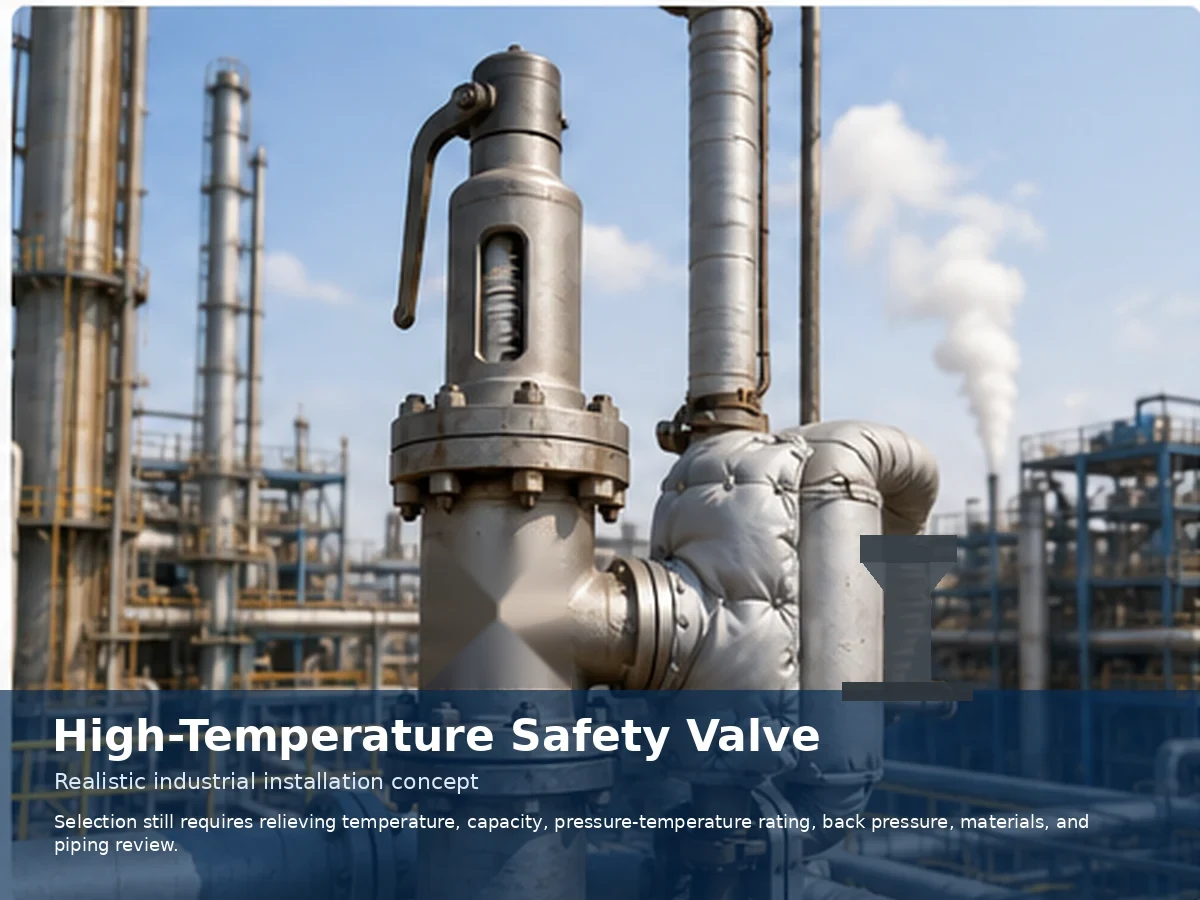
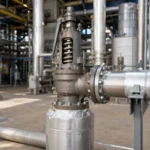
تصور صناعي واقعي. يجب تأكيد التكوين النهائي للصمام والمواد والتصنيف والتركيب وفقًا للطراز المحدد والمشروع.
ما الذي يُعتبر خدمة بدرجة حرارة عالية لصمام الأمان؟
لا يوجد حدّ موحد لدرجة الحرارة لجميع صمامات الأمان. تصبح الخدمة حرجة من ناحية الحرارة عندما تغيّر الحرارة حساب السعة أو تصنيف الضغط أو ملاءمة المكونات أو سلوك ضغط الضبط أو مخاطر التسرب أو أحمال الأنابيب أو طريقة الصيانة. يجب مراجعة التعرض المستمر والتعرض القصير أثناء التنفيس كلٌّ على حدة، لأن أعلى درجة حرارة للمائع قد لا تمثل أطول مدة تعرض للمكونات.
| مشغل لمراجعة درجات الحرارة العالية | ما الذي يتغير | الأدلة المطلوبة |
|---|---|---|
| يصبح تخفيض الضغط ودرجة الحرارة مرتبطًا بالمادة | قد ينخفض الضغط المسموح به للجسم أو الفلنجات أو البراغي أو الأنابيب المتصلة. | مجموعة المواد، درجة حرارة المعدن، جدول التصنيف، والنسخة المعتمدة. |
| خصائص التنفيس تختلف عن التشغيل العادي | الكثافة، الانضغاطية، اللزوجة، التبخير، أو السلوك ثنائي الطور يمكن أن يغير المساحة المطلوبة. | ضغط التنفيس، درجة الحرارة، الطور، والخصائص الفيزيائية الخاصة بالسيناريو. |
| المكونات الداخلية تصبح مقيدة | المقعد، الدليل، النابض، المنفاخ، الحشية، الختم، البايلوت، أو خط الاستشعار قد يتحكم في التجميع. | مواد مكونات الطراز المحدد وحدود درجة حرارة الشركة المصنعة. |
| الدورة الحرارية أو التشبع الحراري كبير | الخلوصات، المحاذاة، تحميل الحشية، تعرض النابض، وأحمال الأنابيب الخارجية يمكن أن تتغير. | دورة التشغيل، مدة التعرض، حدود العزل، وتخطيط التركيب. |
| أنبوب التفريغ يصبح حملًا حراريًا ميكانيكيًا | التمدد، قوة رد الفعل، المكثف، الضغط الخلفي، والدعم يمكن أن تؤثر على التشغيل. | حساب المخرج، مفهوم الدعم، التصريف، وبيانات المجمع الرئيسي. |
التعرض المستمر مقابل التعرض للتنفيس
قد يظل الصمام المركب على مجمّع ساخن متشبعًا بالحرارة أثناء التشغيل العادي من دون أن يفتح. وقد يبقى صمام آخر باردًا نسبيًا إلى أن يتسبب اضطراب قصير في مرور مائع أشد حرارة عبر الفوهة والمخرج. يجب أن يحدد طلب عرض السعر الحالتين ومدتهما وعدد دورات التشغيل المتوقعة.
عندما لا يكون وصف “درجة الحرارة العالية” العام كافيًا
- لا تختار بناءً على أقصى درجة حرارة في الكتالوج دون التأكد من السلسلة والتكوين الدقيقين.
- لا تستنتج درجة حرارة النابض من درجة حرارة سائل الدخول.
- لا تفترض أن سيناريو أعلى درجة حرارة يتحكم أيضًا في سعة التنفيس.
- لا تستخدم مادة الجسم كدليل على أن المقاعد أو الحشيات أو المنفاخ أو البايلوت أو الأختام مناسبة.
- لا تعتمد موافقة على بديل بناءً على الحجم والفئة والمظهر فقط.
ما درجة الحرارة التي يجب استخدامها للاختيار؟
استخدم خريطة لدرجات الحرارة بدلاً من قيمة واحدة غير محددة لـ«درجة الحرارة القصوى». ويجب أن تربط الخريطة كل سيناريو تنفيس بدرجة حرارة المائع عند مدخل الصمام، ودرجة حرارة معدن الجسم والشفة المتوقعة، والتعرض الحراري المحتمل لحجرة النابض أو مكونات الطيار.
| إدخال درجة الحرارة | استخدام هندسي | خطأ شائع |
|---|---|---|
| درجة حرارة التشغيل | التعرض المستمر للحرارة أثناء الخدمة العادية. | استخدامه كدرجة الحرارة الوحيدة في طلب عرض السعر. |
| درجة حرارة التصميم | مراجعة حدود التصميم وتصنيف المعدات أو خطوط الأنابيب. | استبدالها تلقائيًا لدرجة حرارة التنفيس. |
| درجة حرارة التنفيس | خصائص المائع، حساب المقاس، التعرض الداخلي، وسلوك التفريغ لحالة تنفيس محددة. | توفير قيمة دون تحديد السيناريو. |
| درجة حرارة معدن الجسم / الفلنجة | تصنيف الضغط ودرجة الحرارة للأجزاء والوصلات المحتوية على الضغط. | التحقق من فئة الضغط دون مجموعة المواد ودرجة حرارة المعدن. |
| درجة حرارة حجرة النابض / الغطاء | مادة النابض، تصحيح ضبط الضغط، السدادات، الموجهات، والاستقرار طويل الأمد. | بافتراض أنها تساوي درجة حرارة السائل الداخل. |
| التعرض للحرارة المحيطة / الخارجية | حالة الحريق، الحرارة الإشعاعية، الطقس، العزل، أو البيئة الحرارية المحلية عند الاقتضاء. | تجاهل الحرارة الخارجية أو انسداد التهوية. |
خريطة درجة الحرارة الدنيا لورقة البيانات
- قم بتسمية كل سيناريو تخفيف محتمل وتحديد الحالة التي تتحكم في السعة.
- اذكر درجة حرارة التشغيل والتصميم والتخفيف كحقول منفصلة.
- حدد ما إذا كان المائع بخارًا أو غازًا أو بخارًا سائلًا أو ثنائي الطور عند ظروف التنفيس.
- اذكر مدة التعرض المتوقعة وتكرار الدورات الحرارية.
- حدد درجة حرارة جسم الصمام وحجرة النابض كما تم قياسها أو حسابها أو تقديرها أو بانتظار التأكيد.
- تحديد العزل، التتبع الحراري، الأغلفة، التعرض للحريق، والمجمعات الرئيسية الساخنة المشتركة.
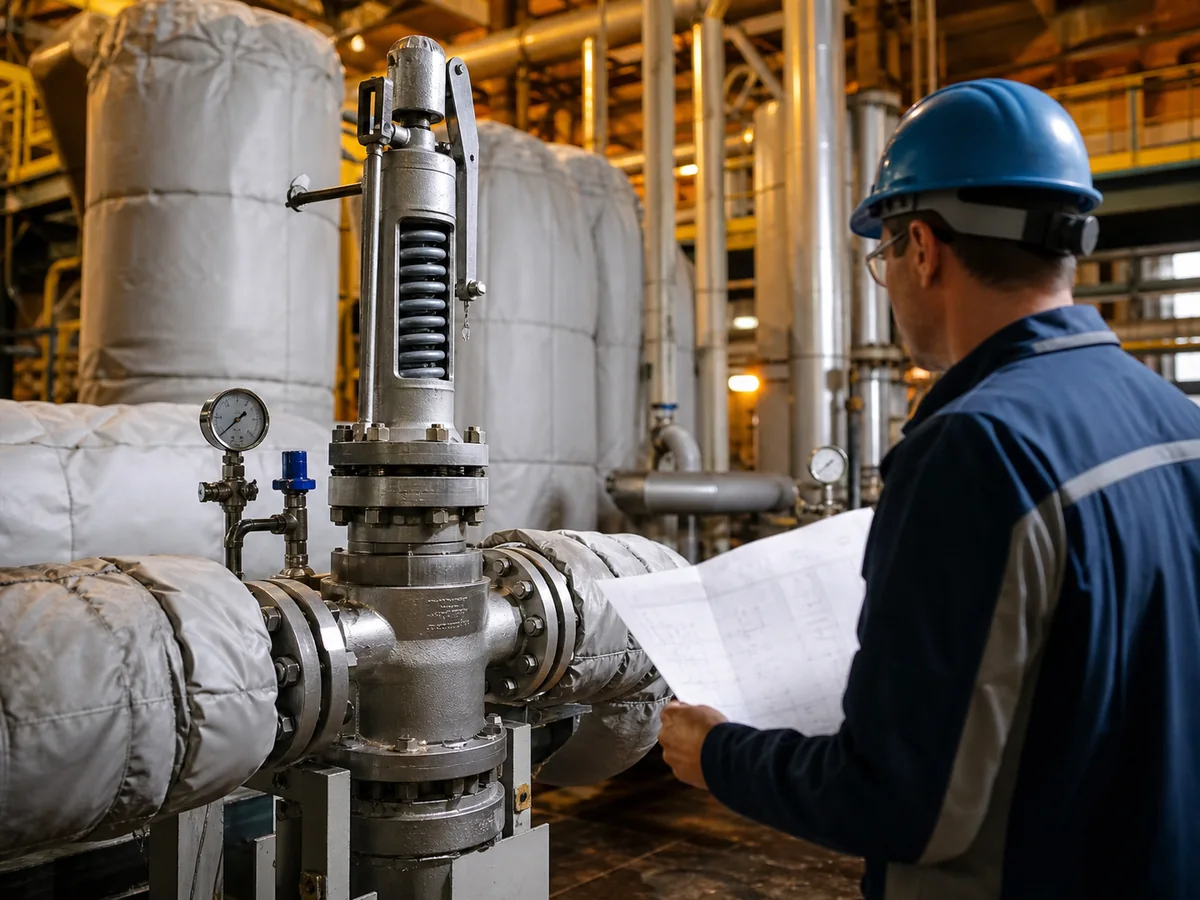
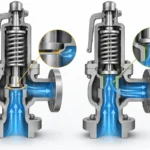
رسم توضيحي هندسي مبسط. تعتمد درجات حرارة المكونات الفعلية على تصميم الصمام والتركيب والعزل وسيناريو التنفيس وبيانات الشركة المصنعة.
سير عمل اختيار صمام الأمان لدرجات الحرارة العالية
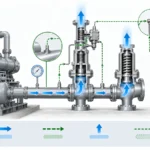
سير العمل تسلسلي. يمكن للمورد تقديم تكوين أولي بمعلومات غير مكتملة، ولكن يجب أن تظل النتيجة محددة بوضوح على أنها مؤقتة حتى يتم تأكيد المدخلات المفقودة. استخدم أنظمة تنفيس الضغط API 521 دليل عند تحديد سيناريوهات التنفيس، وأنظمة التخلص، وسياق الشعلة أو فتحة التهوية، وواجهات خفض الضغط ضمن نطاق التطبيق الخاص به.
| الخطوة | قرار | الحد الأدنى للإدخال | شرط الإيقاف / التأكيد |
|---|---|---|---|
| 1 | تحديد المعدات المحمية وسيناريو التنفيس | P&ID، الحدود المحمية، وصف السيناريو | الحدود أو الحالة المعقولة غير واضحة |
| 2 | تأكيد الوسيط والطور | التركيب وطور حالة التنفيس | السلوك ثنائي الطور أو التفاعلي أو المتفحم أو المسبب للتآكل غير محدد |
| 3 | تأكيد أساس الضغط والسعة | ضغط التشغيل، MAWP/ضغط التصميم، ضغط الضبط، المعدل المطلوب | لا توجد حسابات سعة معتمدة |
| 4 | تحديد درجة حرارة التنفيس الحاكمة | الضغط ودرجة الحرارة والخصائص الخاصة بالسيناريو | تم توفير درجة حرارة التشغيل العادية فقط |
| 5 | التحقق من تصنيف الضغط ودرجة الحرارة | مجموعة المواد، الفئة/PN، درجة حرارة المعدن، معيار التصنيف | لا يمكن إثبات التصنيف |
| 6 | فحص المكونات والتكوين | الجسم، المشغّل، المقعد، النابض، الغطاء، المنفاخ/البايلوت/الأختام | أي مكون مقيد غير مُتحقق منه |
| 7 | راجع مدخل ومخرج وضغط الخلفي | بيانات فقدان الضغط، الضغط الخلفي، الدعم، التصريف، التمدد الحراري | لم يتم تقييم الثبات أو الأحمال الميكانيكية |
| 8 | تأكيد الاختبارات والمستندات | أساس الاختبار، دليل السعة، الرسومات، سجلات المواد، الموافقات | الدليل المطلوب غير متفق عليه |
مصفوفة الاختيار الأولية
| الحالة الملاحظة | الاتجاه المحتمل للمراجعة | ما لا يثبته |
|---|---|---|
| ضغط خلفي مرتفع أو متغير عند المخرج | راجع خيارات المنفاخ المتوازن أو التشغيل بالبايلوت حيث تسمح حدود الموديل. | أن كلا التصميمين مناسب تلقائيًا عند درجة الحرارة المطلوبة. |
| بخار ساخن مع قلق بشأن تعرض النابض | راجع ترتيب الغطاء، ودرجة حرارة حجرة النابض، والتصريف، وقواعد الغلايات والأوعية المعمول بها. | أن الغطاء المفتوح إلزامي. |
| سائل لزج أو متفحم أو متجمد | راجع سعة السائل، والرواسب، والتصريف، والتسخين، أو احتياجات الغلاف. | أن كل صمام أمان للزيت الحراري يتطلب غلافًا. |
| متطلب إحكام الإغلاق | حدد بناء المقعد واختبار إحكام المقعد المطلوب. | أن المقعد المعدني يوفر تسربًا صفريًا. |
| استبدال بسجلات محدودة | أعد بناء أساس التصميم الأصلي قبل اختيار بديل. | تطابق الأبعاد أو فئة الضغط يثبت التكافؤ. |
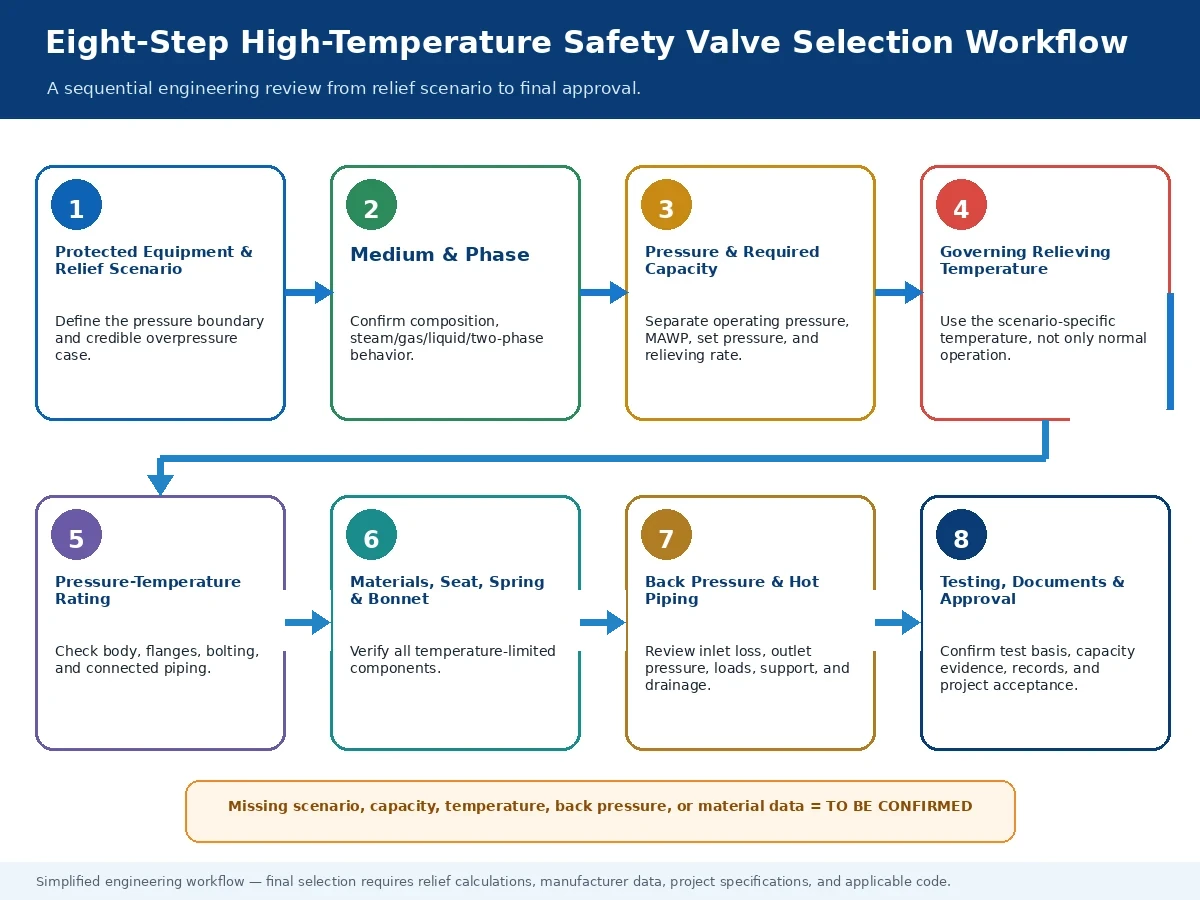
مسار هندسي مبسط. الاختيار النهائي يتطلب حساب التنفيس الفعلي وبيانات الشركة المصنعة ومواصفات المشروع وإصدار الكود المعمول به والمتطلبات المحلية.
تحقق من تصنيف الضغط ودرجة الحرارة والسعة المطلوبة للتنفيس
مرجع التصنيف: تصنيفات الضغط ودرجة الحرارة.
مرجع السعة: حساب مقاسات صمامات الأمان وسعة التنفيس المعتمدة.
سياق طريقة الحساب: مسار عمل حساب الحجم وفق API 520 لترجمة أساس الحساب والاختيار المعمول به إلى مدخلات طلب عرض السعر؛ يجب على المشروع تأكيد الإصدار المعتمد والنطاق وبيانات الصمام الدقيقة.
التصنيف والسعة فحصان منفصلان. استخدم معيار الفلنجة المعمول به للتحقق من الفلنجات والتوصيلات ذات الفلنجة ضمن نطاق ذلك المعيار المعلن. تحقق من حدود الضغط ودرجة الحرارة لجسم الصمام والتجميع الكامل من أساس تصميم الصمام المختار وبيانات الشركة المصنعة. سعة التنفيس مسألة منفصلة: فهي تتعلق بكمية السائل التي يمكن لتكوين الصمام الدقيق تفريغها وفقًا لأساس السيناريو المعتمد.
مصطلحات الضغط التي يجب أن تبقى منفصلة
| المصطلح | المعنى الهندسي | حدود الاختيار |
|---|---|---|
| ضغط التشغيل | الضغط الطبيعي للنظام أثناء التشغيل المقصود. | لا يحدد ضبط الضغط أو MAWP أو سعة التنفيس. |
| ضغط التصميم | الضغط المستخدم كأساس لتصميم المعدات أو خطوط الأنابيب. | يجب ألا يُعامل تلقائيًا كأقصى ضغط عمل مسموح به أو كضغط تنفيس. |
| MAWP | أقصى ضغط عمل مسموح به للمعدات المحمية عند درجة حرارة التشغيل، كما هو محدد في أساس التصميم المعمول به. | يخص المعدات المحمية؛ وهو ليس قيمة لسعة الصمام. |
| ضغط الضبط | ضغط المدخل المحدد الذي يبدأ عنده صمام الأمان في الفتح وفقًا لأساس الاختبار أو التشغيل المعمول به. | لا يثبت سعة التنفيس المطلوبة أو الموثقة. |
| الضغط الزائد | زيادة الضغط فوق ضبط الصمام أثناء التنفيس. | استخدم أساس المشروع والقوانين المعمول بها؛ ولا تفترض نسبة مئوية عامة. |
| ضغط التنفيس | ضغط مدخل الصمام المستخدم مع سيناريو التنفيس المعتمد لحساب المقاس والتحقق من السعة. | يجب ربطه بالوسط والطور ودرجة حرارة التنفيس وافتراضات السيناريو. |
| التراكم | زيادة الضغط فوق أقصى ضغط عمل مسموح به للمعدات المحمية أثناء حدث الضغط الزائد. | يتعلق بالنظام المحمي ولا يمكن استبداله بضغط تجاوز الصمام. |
| ضغط التفريغ / ضغط إعادة الإغلاق | الفرق بين ضبط الضغط وضغط إعادة الإغلاق، أو الضغط الذي يُغلق عنده الصمام بعد الفتح. | يعتمد على تصميم الصمام، والخدمة، وحدود الضبط، وأساس القبول المطبق. |
| البند | سؤال هندسي مطلوب | الدليل المقبول للقبول |
|---|---|---|
| معدل التنفيس المطلوب | ما معدل التدفق الكتلي أو الحجمي الذي يجب أن ينفّسه النظام في الحالة المسيطرة؟ | حساب التنفيس المعتمد وأساس الخصائص الفيزيائية. |
| المساحة المطلوبة | ما المساحة الناتجة عن طريقة التحديد والمدخلات السيناريو المطبقة؟ | ورقة حساب تتضمن الضغط ودرجة الحرارة والوسط والطور وأساس التصحيح. |
| الفتحة المختارة | هل تفي الفتحة المختارة بالمساحة المطلوبة أو تتجاوزها دون الاعتماد على حجم الوصلة؟ | بيانات الفتحة من الشركة المصنعة للطراز المحدد. |
| السعة الموثقة / المعتمدة | هل يوفر تكوين الصمام المحدد السعة المطلوبة في الظروف المذكورة؟ | وثائق السعة الخاصة بالشركة المصنعة وأساس الاعتماد المطلوب للمشروع. |
| تصنيف الضغط ودرجة الحرارة | هل يمكن لجسم الصمام وفلنجات المدخل/المخرج والمسامير والحشية وخط الأنابيب المتصل تحمل الضغط عند درجة حرارة المعدن؟ | مجموعة المواد ومصدر تصنيف الضغط ودرجة الحرارة المعتمد. |
| تأثير الضغط الخلفي | هل يغير ضغط المخرج السعة أو الفتح أو الاستقرار أو إعادة الإغلاق؟ | حدود الضغط الخلفي لحساب النظام والطراز المختار. |
لا يُعد قطر DN/NPS وحجم المدخل وحجم المخرج والفئة Class وPN ومادة الجسم والأبعاد الخارجية وحدها مؤشرًا على سعة التنفيس.
مراجعة السعة قبل الاستبدال
قارن السعة المطلوبة الأصلية، وفتحة التصريف المختارة، وضغط الضبط، والضغط الزائد المسموح به، والمائع، ودرجة حرارة التنفيس، والضغط الخلفي، بالبديل المقترح. وعندما لا تتوفر الحسابات الأصلية أو سجلات السعة، يظل الاستبدال إعادة تقييم هندسية، وليس شراء بديل مماثل بصورة مباشرة.
اختر مواد الجسم، القطع الداخلية، المقعد، النابض، المنفاخ، ومواد الختم
يجب التعامل مع الصمام باعتباره تجميعًا متكاملًا. فقد يكون أدنى حد موثّق لأحد المكونات هو العامل الحاكم حتى عندما تبدو مادة الجسم وفئة الضغط مقبولتين.
| المكون | فحص درجة الحرارة العالية | التأكيد مطلوب |
|---|---|---|
| الجسم / الغطاء / الفلنجات | الإجهاد المسموح، الأكسدة، التآكل، الدورة الحرارية، وتصنيف الضغط ودرجة الحرارة. | المواصفة الدقيقة للمادة، درجة حرارة المعدن، الفئة/PN، وحدود الموديل. |
| الفوهة / القرص / العمود / الدليل | التشوه، التآكل، التآكل الكيميائي، الترسبات، التمدد التفاضلي، والاحتكاك. | تركيبة القطع، الصلادة أو المعالجة السطحية عند الاقتضاء، وتوافق المائع. |
| مقعد | درجة حرارة المقعد الفعلية، متطلبات التسرب، التلوث، الدورات، والتعرض للحريق/الاضطراب. | البناء بمقعد معدني أو لين، وسط الاختبار، ضغط الاختبار، ومعيار القبول. |
| نابض | درجة حرارة حجرة النابض الفعلية، خطر الاسترخاء، نطاق الضبط، وتصحيح ضغط الضبط. | مادة النابض، أساس درجة حرارة المصنع، وإجراء الاختبار. |
| المنفاخ — إذا كان مركبًا | ظروف التشغيل: درجة الحرارة، الضغط، التآكل، الإجهاد، التنفيس، والضغط الخلفي. | مادة المنفاخ، أساس الدورة، ترتيب التنفيس، وحدود الموديل. |
| البايلوت / الأختام / خط الاستشعار — إذا كان مركبًا | حدود الأختام، الغشاء، المكبس، الأنابيب، التكثيف، الانسداد، أو التسخين التتبعي. | نظام البايلوت الدقيق وجميع المكونات المحدودة بدرجة الحرارة. |
| الحشوات / التعبئة / الأختام | التدهور الحراري، البثق، التسرب، وتوافق الوسيط. | درجة حرارة المكوّن الفعلية والمادة المعتمدة. |
المقعد المعدني مقابل المقعد الناعم
غالبًا ما يُراجع المقعد المعدني لدرجات الحرارة المرتفعة، لكن ذلك لا يعني عدم وجود تسرب. قد يكون المقعد اللين مقبولًا فقط عندما يتم التحقق من المادة الدقيقة، ودرجة حرارة المقعد، والضغط، والوسط، ودورات التشغيل، وحدود الشركة المصنعة. يجب أن يحدد مواصفات الشراء الطريقة المطلوبة اختبار إحكام المقعد API 527 أو طريقة اختبار معتمدة من المشروع، ووسط الاختبار، والضغط، وأساس القبول بدلاً من الاعتماد على وصف عام للمقعد.
شروط إيقاف اختيار المواد
- التركيب أو الطور عند ظروف التنفيس غير معروف.
- حدود النابض أو الختم أو المنفاخ أو البايلوت للطراز المحدد غير متوفرة.
- يمكن أن يتكون فحم أو يتبلمر أو يتبلور أو يتآكل أو يترسب مواد صلبة في المائع، ولا توجد استراتيجية تنظيف محددة.
- تم التحقق من تصنيف الجسم/الفلنجة، لكن مواد القطع الداخلية والحشية لا تزال غير محددة.
- يتم تطبيق نطاق درجة حرارة لعائلة منتجات على طراز فردي غير مؤكد.
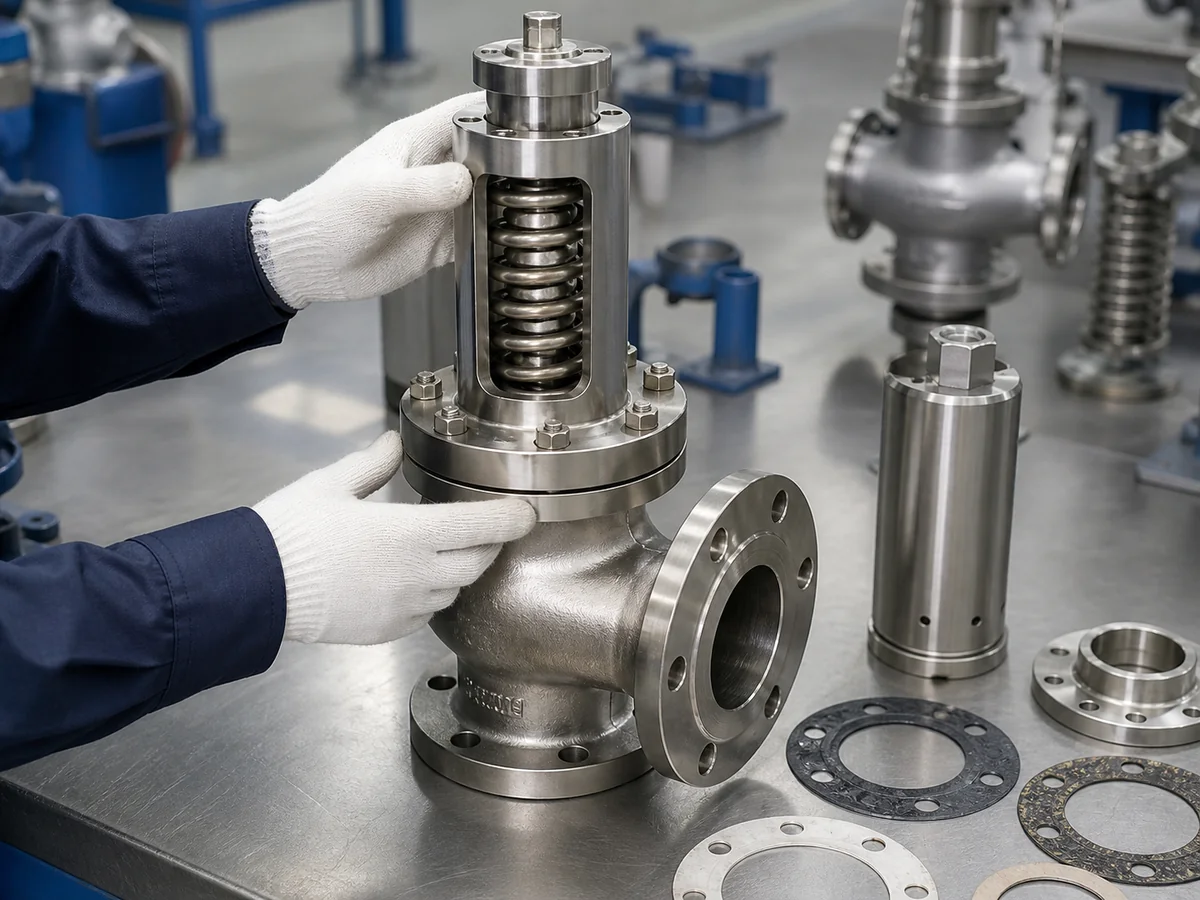
رسم توضيحي هندسي مبسط، وليس رسمًا معتمدًا للتصنيع. يختلف ترتيب المكونات حسب تصميم الصمام.
اختر تكوين الصمام حسب الوسط والخدمة
تُضيّق درجة الحرارة نطاق التصاميم المقبولة، لكن الوسط والطور وهامش التشغيل والضغط الخلفي ومتطلبات الإحكام وطريقة الصيانة ونطاق الكود هي التي تحدد مراجعة التكوين.
في سياق عائلة منتجات البخار المشبع أو شديد السخونة، راجع صمامات أمان للبخار; ؛ يظل الغطاء والذراع والمكونات الداخلية والنابض والسعة وأساس الاختبار النهائي خاصًا بالطراز والمشروع.
| الخدمة | مدخلات الاختيار الأساسية | أسئلة التكوين | لا تفترض |
|---|---|---|---|
| بخار مشبع / شديد السخونة | سعة البخار، درجة حرارة التنفيس، نطاق الكود، التصريف، تعرض النابض، قوة رد الفعل. | الغطاء، الذراع، المكونات الداخلية، ترتيب التصريف، وأساس الاختبار. | الغطاء المفتوح أو تصميم صمام بخار واحد إلزامي في كل حالة. |
| غاز ساخن / بخار | التركيب، قابلية الانضغاط، درجة حرارة التنفيس، الضغط الخلفي للشعلة/المشعب، السمية والتخلص. | تصميم تقليدي أو متوازن أو يعمل بالبايلوت ضمن حدود الطراز. | التشغيل بالبايلوت يعني تلقائيًا أداءً أفضل في درجات الحرارة العالية. |
| الزيت الحراري / السائل الساخن | السعة السائلة، اللزوجة، التبخر، التفحم/الترسبات، التمدد الحراري المحبوس، التصريف. | مكونات السائل، المقعد، نظام التجميع، التدفئة أو الغلاف فقط عند الحاجة. | كل سائل ساخن يتطلب صمامًا بغلاف. |
| خدمة ثنائية الطور / تفاعلية | طريقة السيناريو المعتمدة، فصل الأطوار، حرارة التفاعل، الترسبات، نظام التصريف. | مراجعة ثبات الطراز المحدد، المواد، ونظام التخلص. | طريقة عامة لاختيار الغاز أو السائل كافية. |
متى لا يتم الاختيار حسب درجة الحرارة فقط
- الضغط الخلفي المتغير قد يحدد الاختيار بين التصميمات التقليدية والمتوازنة والتي تعمل بالبايلوت.
- الوسائط السامة أو القابلة للاشتعال قد تحدد الغطاء، والتنفيس، والتعبئة، واحتواء التصريف.
- السوائل اللزجة أو المكونة للرواسب قد تحكم التصريف والتسخين والتنظيف وترتيب المدخل.
- قد تحكم سلطة الاختصاص للغلاية أو الوعاء أو خط الأنابيب في البناء والذراع والاختبار والتوثيق.
- قد تؤدي الدورات المتكررة إلى التحكم في الأدلة والينابيع والحشيات والمنفاخ وفترات الفحص.
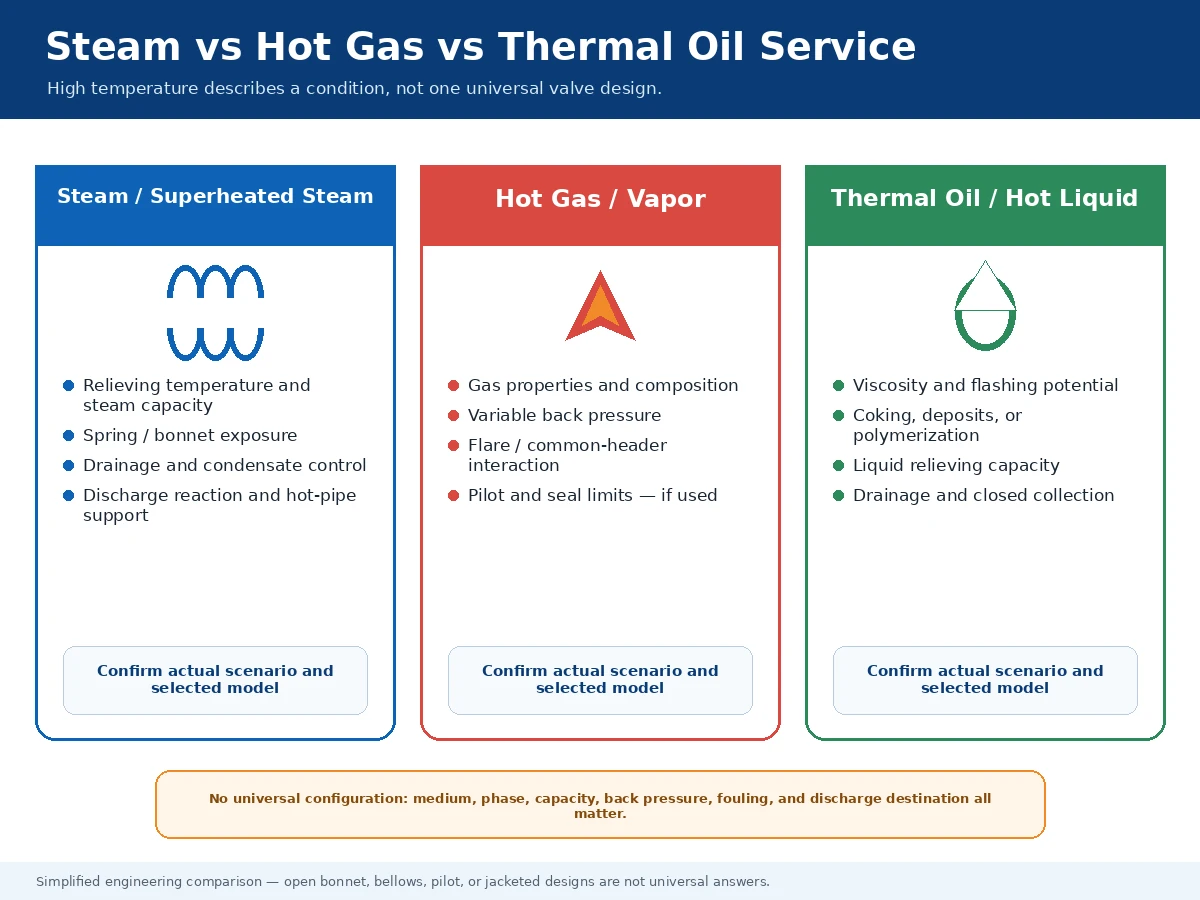
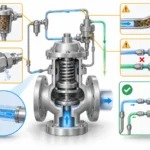
مقارنة هندسية مبسطة. يعتمد التكوين النهائي على الوسيط الفعلي، وسيناريو التنفيس، وكود المشروع، وحدود طراز الشركة المصنعة.
راجع الضغط الخلفي، فقدان المدخل، وأنابيب التفريغ الساخنة
الدليل الهندسي ذو الصلة: الضغط الخلفي والمنفاخ.
قد يظل الصمام المناسب حراريًا غير مستقر أو صغير الحجم أو محملاً ميكانيكيًا بشكل زائد عندما لا تتم مراجعة أنظمة المدخل والمخرج كجزء من مسار التنفيس.
لتوجيه المدخل، ودعم المخرج، والتصريف، والاتجاه، والتنفيس، ومراجعة التفريغ الآمن، استخدم دليل تركيب صمام الأمان.
| الحالة الملاحظة | التأثير الهندسي | الإجراء المطلوب |
|---|---|---|
| الضغط الخلفي المضاف قبل الفتح | يمكن أن يغير ظروف الفتح الفعالة وملاءمة الصمام التقليدي. | اذكر القيم العادية والقصوى وما إذا كانت ثابتة أو متغيرة. |
| الضغط الخلفي المتولد أثناء التفريغ | يمكن أن يؤثر على السعة والاستقرار والتفريغ وتحميل المخرج. | احسب عند التدفق المطلوب وقارن مع حدود الطراز الدقيقة. |
| رأس تفريغ مشترك | يمكن للأجهزة الأخرى أن تخلق ضغطًا متغيرًا وتفاعلًا. | قدم افتراضات التخفيف المتزامن وحساب المجمع. |
| فقدان ضغط المدخل المفرط | يمكن أن يقلل ضغط مدخل الصمام أثناء التدفق ويعزز عدم الاستقرار أو الاهتزاز. | احسب فقدان المدخل للتدفق المطلوب باستخدام أساس المشروع المطبق. |
| التمدد الحراري للمخرج الساخن | يمكن أن يفرض أحمال انحناء وفلنجة وفوهة على الصمام. | توفير دعم مستقل ومرونة ومراجعة قوة رد الفعل. |
| مكثفات أو سائل محتجز | يمكن أن يضيف ضغطًا خلفيًا أو تآكلًا أو مطرقة مائية أو تجمدًا أو تفريغًا غير آمن. | تحديد التصريف والنقاط المنخفضة والتهوية والتجميع الآمن. |
| عزل حول الغطاء أو الفتحات أو البايلوت | يمكن أن يرفع درجة حرارة المكونات أو يسد الفتحات المطلوبة. | تأكيد حدود العزل المعتمدة من الشركة المصنعة. |
إرشادات التركيب (افعل / لا تفعل)
| افعل | ممنوع |
|---|---|
| إبقاء المدخل مباشرًا ومقاسًا وفقًا لحساب فقد الضغط. | تقليل أو إطالة المدخل دون التحقق من الاستقرار والسعة. |
| دعم أنابيب المخرج الثقيلة بشكل مستقل. | استخدام جسم الصمام كمرساة للأنابيب. |
| توفير مرونة حرارية ودعم لتفاعل التفريغ. | إجبار محاذاة الفلنجة أو نقل أحمال التمدد إلى الصمام. |
| توفير التصريف وحماية الفتحات المطلوبة. | احتجاز المكثفات أو تغطية فتحات الغطاء/المنفاخ بالعزل. |
| تأكيد التفريغ الآمن وحماية الأفراد. | توجيه التفريغ الساخن بعيدًا عن الممرات والمنصات ومناطق الصيانة. |
ما الذي يمكن أن يحدث خطأ في خدمة درجات الحرارة العالية؟
يجب تتبع أعراض الأعطال إلى سيناريو التنفيس، والسعة، وخريطة درجات الحرارة، والمواد، والضغط الخلفي، والتركيب—وليس معاملتها كعيوب معزولة في الصمام.
| العرض أو الخطر | السبب المحتمل | الفحص الهندسي الأول |
|---|---|---|
| الصمام يهتز أو يدور أثناء التنفيس. | فقدان ضغط المدخل، ضغط خلفي زائد/متغير، صمام كبير الحجم، أو هامش تشغيل غير مناسب. | حسابات المدخل/المخرج، السعة المطلوبة، الفتحة المختارة، وحدود استقرار الطراز. |
| تسرب المقعد يزداد بعد الخدمة الساخنة. | تشوه حراري، رواسب، تآكل، تلوث، أو عدم تطابق متطلبات الاختبار. | حالة المقعد، نظافة المائع، درجة حرارة المقعد الفعلية، وأساس الإحكام المحدد. |
| تغيرات ضبط الضغط | درجة حرارة حجرة النابض، ارتخاء النابض، تصحيح غير صحيح، احتكاك، أو معايرة ضعيفة. | درجة حرارة النابض، طريقة تصحيح المصنع، سجلات الاختبار، وحالة الدليل. |
| ارتفاع حرارة الغطاء أو البايلوت أو الأختام | حدود العزل، التوصيل الحراري، المحيط الحار، التسرب، أو تعرض خط الاستشعار. | خريطة درجات حرارة المكونات وحدود الشركة المصنعة. |
| تسرب الفلنجة أو تشوه الجسم | عدم تطابق تصنيف الضغط ودرجة الحرارة، أو مشكلة في الحشية/المسامير، أو محاذاة قسرية، أو حمل حراري على الأنابيب. | التصنيف، والمسامير، والحشية، والدعامات، وإجهاد الأنابيب. |
| الاستبدال لا يطابق السعة | الاختيار بناءً على الحجم أو الفئة أو المظهر بدلاً من أساس التنفيس. | السعة المطلوبة، الفتحة الأصلية، السعة الموثقة، الوسيط، وظروف التنفيس. |
| مخاوف موثوقية المنفاخ أو البايلوت | درجة الحرارة، التآكل، الترسبات، انسداد التنفيس، الإجهاد، أو خدمة الضغط الخلفي غير المناسبة. | مواد المكونات الدقيقة، الدورة، ترتيب التنفيس/الاستشعار، وقيود الطراز. |
سيناريوهات هندسية مركبة للتدريب
هذه تركيبات افتراضية تُستخدم لشرح منطق اتخاذ القرار. وهي ليست مشاريع عملاء أو نتائج ميدانية أو أدلة على السعة أو سجلات اعتماد، ولا تثبت ملاءمة طراز معين من ZOBAI.
| سيناريو تدريب مركب | الأسئلة الموجهة | الأدلة المطلوبة |
|---|---|---|
| رأس البخار المحموم | أي نطاق كود ينطبق؟ أي حالة تتحكم في السعة؟ ما هي درجات حرارة التنفيس وحجرة النابض المطبقة؟ ما هي متطلبات التصريف ورد الفعل والدعم؟ | حساب تنفيس البخار، أساس الضبط/الضغط الزائد، خريطة درجة الحرارة، مراجعة المواد/التصنيف، تخطيط التفريغ، ومتطلبات الاختبار. |
| دائرة الزيت الحراري | هل الحالة تمدد حراري، أو انسداد المخرج، أو اضطراب آخر؟ ما هي متطلبات اللزوجة، التبخير، التفحيم، تسرب المقعد، والتجميع؟ | أساس تنفيس السائل، الخصائص عند ظروف التنفيس، توافق المواد، التصريف، مبرر التتبع/الغلاف، وبيانات نظام المخرج. |
| غاز العملية الساخن أو المفاعل | هل غاز التنفيس أو البخار أو ثنائي الطور؟ هل المائع متفاعل أو مبلمر أو مسبب للتآكل أو متصل بمشعل ضغط خلفي متغير؟ | حساب العملية المعتمد، التركيب/الطور، ضغط ودرجة حرارة التنفيس، ملف الضغط الخلفي، حدود النموذج المختار، وبيانات نظام التخلص. |
قالب مراجعة السيناريو
- حدد المعدات المحمية وحدود الضغط.
- اذكر حالة الضغط الزائد المحتملة وحدد الحالة المسيطرة.
- أكد الوسط والطور والتركيب وضغط التنفيس ودرجة حرارة التنفيس.
- تحقق من السعة المطلوبة وأساس سعة الصمام المختار.
- افحص مواد المكونات وتكوين الصمام.
- راجع فقد الضغط في المدخل والضغط الخلفي وأحمال التفريغ والصرف والتخلص الآمن.
- حدد مسؤوليات الاختبار والمستندات والموافقة والتركيب.
قائمة مراجعة طلب عرض السعر لصمام الأمان لدرجات الحرارة العالية
يتيح طلب عرض السعر الكامل للمورّد التمييز بين الفرز الأولي والاختيار الهندسي النهائي، ويقلل من مخاطر الافتراضات غير المعلنة.
| مجموعة البيانات | الحد الأدنى من المعلومات | لماذا هو مطلوب |
|---|---|---|
| المعدات المحمية والسيناريو | علامة المعدات والحدود المحمية ووصف السيناريو وP&ID. | يحدد ما يحميه الصمام وما يدفع التدفق. |
| الوسط والطور | التركيب: بخار/غاز/بخار/سائل/حالة ثنائية الطور، سلوك تآكلي أو مكوّن للرواسب. | يتحكم في الحساب، المواد، المقعد، التصريف، والتفريغ. |
| الضغط والسعة | ضغط التشغيل، MAWP/ضغط التصميم، ضبط الضغط، الضغط الزائد المسموح به، السعة المطلوبة وأساسها. | يفصل إعدادات الضغط عن التدفق المطلوب. |
| درجة الحرارة | التشغيل، التصميم، التنفيس، معدن الجسم، حجرة الزنبرك، التعرض للمحيط/الحريق حيثما ينطبق. | يدعم الحساب، التصنيف، ومراجعة المكونات. |
| الضغط الخلفي وأنابيب التوصيل | الضغط الخلفي المتراكب/المتراكم، توصيلات المدخل/المخرج، فقدان الضغط، الدعم، التصريف، وجهة التفريغ. | يدعم الاستقرار، السعة، والتكامل الميكانيكي. |
| المواد والتكوين | الجسم، القطع الداخلية، المقعد، الزنبرك، المنفاخ/البايلوت، الحشية/الختم، الغطاء، الذراع، حدود العزل. | يحدد المكونات المحدودة بدرجة الحرارة والوسط. |
| الاختبار والمستندات | اختبار ضبط الضغط، تصحيح درجة الحرارة، اختبار المقعد، سجلات المواد، أساس السعة، الرسومات، اللوحة الاسمية، ITP، الكود/الإصدار. | تحديد أدلة القبول قبل الإصدار. |
مصفوفة الاختبار والتوثيق
| وثيقة / اختبار | الغرض | يجب على المشتري التأكيد |
|---|---|---|
| حسابات التنفيس | يحدد المعدل المطلوب، والمساحة، والضغط، ودرجة الحرارة، والطور، والافتراضات. | السيناريو المعتمد وأساس السعة. |
| وثائق السعة | يُظهر أساس أداء الصمام المحدد. | الطراز الدقيق، الفتحة، الوسيط، الضغط، درجة الحرارة، ونطاق الاعتماد المطلوب. |
| سجل ضغط الضبط / CDTP | يربط معايرة الورشة بظروف التشغيل حيث يلزم التصحيح. | طريقة الشركة المصنعة، وسيط الاختبار، والقبول. |
| اختبار إحكام المقعد | يحدد طريقة اختبار التسرب ومعايير القبول. | المعيار المطبق، ضغط الاختبار، الوسط، نوع المقعد، ومعيار المشروع. |
| سجلات المواد | يتحقق من المواد الداخلية المحتوية على الضغط والمواد الداخلية المحددة. | نوع المستند المطلوب، وتتبع الحرارة/الدفعة، والنطاق. |
| الرسم / قائمة المواد / لوحة البيانات | يتحقق من التكوين والأبعاد والمواد والعلامات وواجهات التركيب. | التوافق مع ورقة البيانات وأمر الشراء. |
| تعليمات التركيب والصيانة | يحدد الاتجاه، والدعم، والتنفيس، والتصريف، والضبط، والفحص، وإعادة الاختبار. | السلسلة والمراجعة المحددة بدقة. |
سير عمل التحقق من الاستبدال
- اجمع لوحة البيانات الموجودة، ورقة البيانات، الموديل، الرقم التسلسلي، سجلات الاختبار، وصور التركيب.
- استعادة المعدات المحمية، وسيناريو التنفيس، والسعة المطلوبة، وأساس الكود الأصلي.
- قارن بين ضبط الضغط، الفتحة، السعة الموثقة، درجة حرارة التنفيس، الضغط الخلفي، المواد، المقعد، الغطاء، المنفاخ/البايلوت، والتوصيلات.
- تحقق من التوافق الأبعادي وتوافق خطوط الأنابيب دون اعتبار ذلك دليلاً على التكافؤ الهيدروليكي.
- توثيق جميع الاختلافات والحصول على موافقة هندسية قبل الشراء أو التركيب.

قائمة تحقق مفاهيمية. تعتمد حقول البيانات النهائية على المشروع والكود المطبق وتصميم الصمام المختار والمتطلبات التنظيمية المحلية.
المراجع الفنية
تدعم هذه المصادر الرسمية الإطار الهندسي. تم إكمال فحص الإصدار أدناه في 3 أغسطس 2026. يجب على المشروع التحقق من الإصدار المعتمد والنطاق والاختصاص ومعايير القبول. لا يثبت اسم المعيار أن صمام ZOBAI معين معتمد أو مصرح به لخدمة معينة.
- API 520 الجزء الأول يحدد معيار API الجزء الأول، الطبعة العاشرة، كمعيار منشور لحساب المقاسات واختيار أجهزة تنفيس الضغط ضمن نطاقه المعلن؛ يُرجى التحقق من الطبعة المعتمدة في المشروع.
- معيار API 521 تتضمن خطة المعايير الحالية لمعهد البترول الأمريكي API الإصدار السابع من المعيار API 521 لأنظمة تنفيس الضغط وتخفيف الضغط؛ يُرجى التحقق من الإصدار المعتمد ونطاق المشروع.
- ASME BPVC القسم XIII الصفحة الرسمية لـ ASME لإصدار 2025 والتي تغطي الحماية من الضغط الزائد للغلايات وأوعية الضغط وأنظمة الأنابيب ضمن نطاقها المعلن.
- ASME B16.5 الصفحة الرسمية لـ ASME لإصدار 2025 والتي تغطي تصنيفات الضغط ودرجة الحرارة والمواد والأبعاد والاختبار للفلنجات والتوصيلات ذات الفلنجة ضمن نطاقها—وليس مجموعة صمام الأمان الكاملة.
- ISO 4126-1 تمت مراجعة ISO 4126-1:2013 وتأكيدها في عام 2025 ولا تزال سارية؛ وهي معيار منتج لصمامات الأمان، وليست كود تطبيق للنظام المحمي.
- API 527 تتضمن خطة المعايير الحالية لمعهد البترول الأمريكي API المعيار API 527، الإصدار الخامس، الخاص بإحكام إغلاق المقعد لصمامات تنفيس الضغط؛ يُرجى التحقق من الإصدار المعتمد ووسيط الاختبار والضغط وأساس القبول.
- اعتبارات درجة الحرارة من National Board يشرح الدليل الفني للمجلس الوطني أن أدبيات الشركة المصنعة مطلوبة لتحديد حدود درجة حرارة التصميم وعوامل التصحيح، وأنه يجب تقييم السعة عند ظروف التشغيل الفعلية.
أسئلة متكررة
01 ما هي درجة الحرارة التي تُعتبر مرتفعة لصمام الأمان؟
لا يوجد حد أقصى عام ينطبق على جميع صمامات الأمان. يلزم إجراء مراجعة لدرجات الحرارة العالية عندما تؤدي درجة الحرارة إلى تغيير خصائص المائع، أو تصنيف الضغط ودرجة الحرارة، أو حدود المكونات، أو سلوك ضبط الضغط، أو خطر التسرب، أو أحمال خطوط الأنابيب، أو الصيانة. يجب التأكد من سيناريو التنفيس الفعلي والطراز المختار.
02 هل يجب اختيار صمام الأمان بناءً على درجة حرارة التشغيل أم درجة حرارة التنفيس؟
قد يكون كلاهما مطلوبًا. تصف درجة حرارة التشغيل التعرض المستمر، بينما تصف درجة حرارة التنفيس حالة المائع لسيناريو ضغط زائد محدد وتُعد مدخلًا رئيسيًا لحساب المقاسات والاختيار. قد تحتاج أيضًا درجات حرارة جسم الصمام وحجرة النابض إلى مراجعة منفصلة.
03 هل المقعد المعدني مطلوب دائمًا لخدمات درجات الحرارة العالية؟
رقم. غالبًا ما يُنظر إلى المقعد المعدني عند درجات الحرارة المرتفعة، لكن القرار يعتمد على درجة حرارة المقعد الفعلية، والوسط، والضغط، ومتطلبات التسرب، والرواسب، ودورات التشغيل، وبيانات الشركة المصنعة. المقعد المعدني لا يعني عدم وجود تسرب.
04 هل غطاء مفتوح مطلوب لكل صمام أمان لدرجات الحرارة العالية؟
تعتمد ترتيبات الغطاء المفتوح أو المغلق أو المعبأ أو الممتد على تعرض النابض، واحتواء الوسط، والتنفيس، ونطاق الكود، والظروف المحيطة، وتصميم الشركة المصنعة. درجة الحرارة وحدها لا تجعل الغطاء المفتوح إلزاميًا.
05 هل يمكن استخدام نفس فئة الضغط مع ارتفاع درجة الحرارة؟
ليس تلقائيًا. تعتمد تقييمات الضغط ودرجة الحرارة على مجموعة المواد، ودرجة حرارة المعدن، والمعيار المطبق، والإصدار. تحقق من الجسم، وفلنجات المدخل/المخرج، والمسامير، والحشية، وخط الأنابيب المتصل عند الشرط الحاكم.
06 كيف يؤثر الضغط الخلفي على صمام أمان لدرجات الحرارة العالية؟
يمكن أن يؤثر الضغط الخلفي على الفتح والسعة والاستقرار والتفريغ والتحميل على المخرج. تأكد من القيم المتراكبة والمتولدة، وما إذا كانت ثابتة أو متغيرة، وتأثيرات المشعب المشترك، والحدود الموثقة للطراز المحدد.
07 ما هي المعلومات المطلوبة للحصول على عرض سعر لصمام أمان لدرجات الحرارة العالية؟
حدد المعدات المحمية، سيناريو التنفيس، الوسيط وطوره، ضغط التشغيل ودرجة الحرارة، MAWP/الضغط التصميمي، ضبط الضغط، السعة المطلوبة وأساسها، درجة حرارة التنفيس، الضغط الخلفي، التوصيلات، المواد، المقعد، متطلبات النابض/الغطاء/المنفاخ أو البايلوت، بيانات الأنابيب، الكود/الإصدار، الاختبارات، والمستندات.
مراجعة هندسية
أرسل ظروف التشغيل الخاصة بك للمراجعة الهندسية
أرسل حساب التنفيس، ورقة البيانات، مخطط P&ID، الوسيط والطور، تعريفات الضغط، السعة المطلوبة، درجة حرارة التنفيس، الضغط الخلفي، التوصيلات، المواد، الاختبار، ومتطلبات التوثيق. سيتم إرجاع المدخلات الحرجة المفقودة على أنها "سيتم تأكيدها لاحقًا".