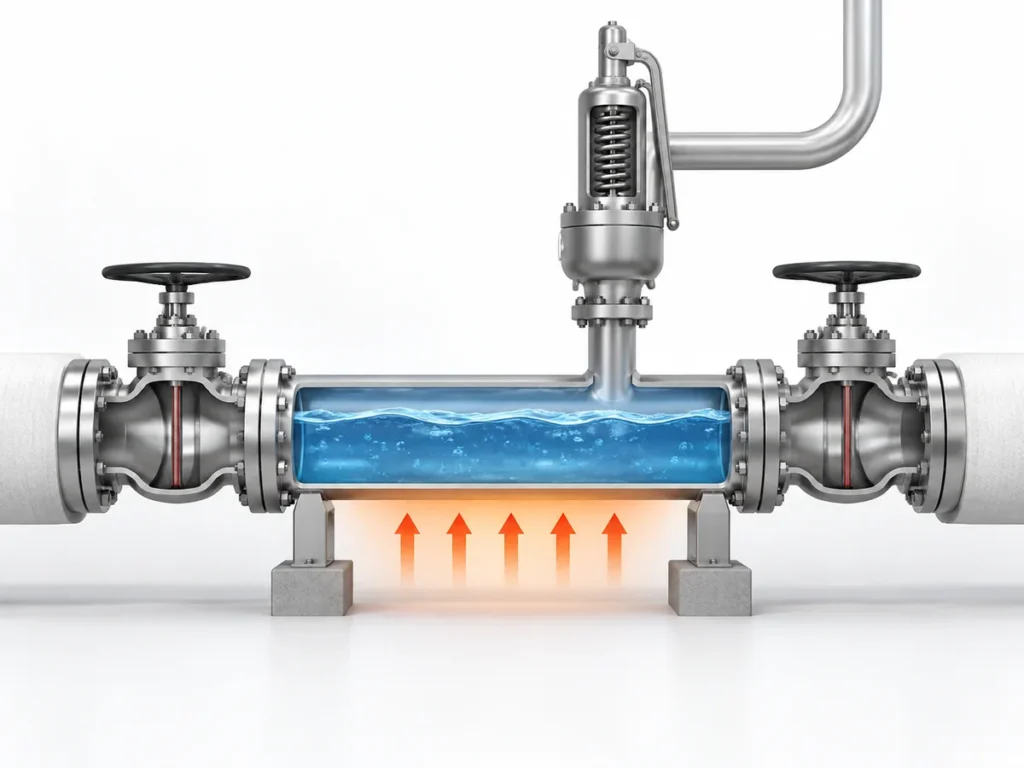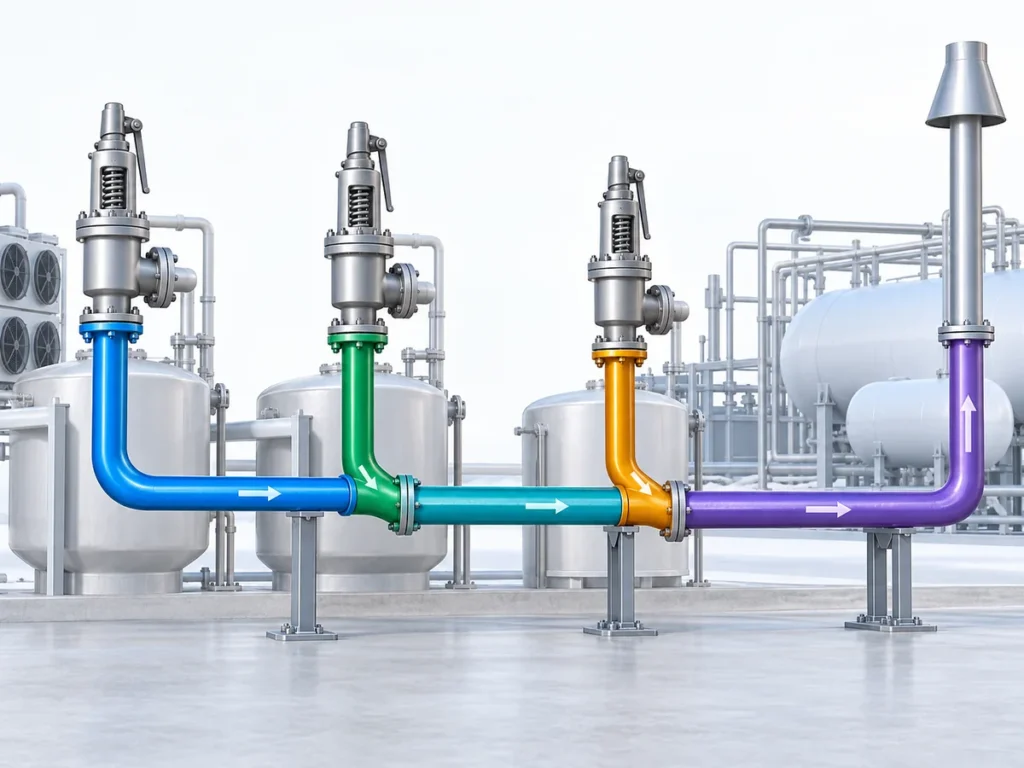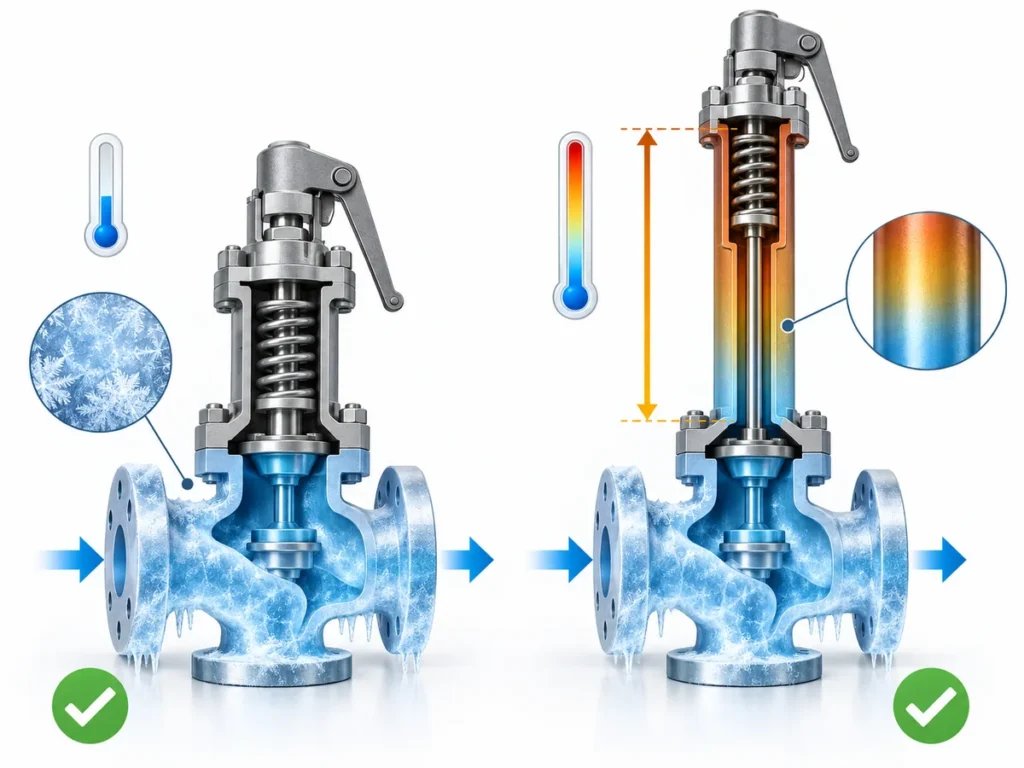
دليل اختيار صمام تنفيس الضغط ذي الفلنجة. صمام تنفيس الضغط ذي الفلنجة هو جهاز لتنفيس الضغط مع وصلات فلنجة ملولبة للمعدات أو أنظمة الأنابيب التي تتطلب محاذاة الفلنجة، أو سهولة الوصول للصيانة، أو التحكم في فئة أنابيب المشروع. الخطر الرئيسي في الاختيار هو التعامل مع حجم الفلنجة أو فئة الفلنجة أو صورة صمام قديمة كمواصفات كاملة...

دليل الاختيار
دليل اختيار صمام الأمان ذو الفلنجة لتنفيس الضغط
صمام تنفيس الضغط ذو الفلنجة هو جهاز لتنفيس الضغط مع وصلات فلنجة ملولبة للمعدات أو أنظمة الأنابيب التي تتطلب محاذاة الفلنجة، أو سهولة الوصول للصيانة، أو التحكم في فئة أنابيب المشروع. الخطر الرئيسي في الاختيار هو التعامل مع حجم الفلنجة أو فئة الفلنجة أو صورة صمام قديمة كمواصفات كاملة. يجب أن يؤكد طلب عرض السعر الصحيح (RFQ) على المعدات المحمية، وسيناريو التنفيس، والوسط وحالته، وضغط التشغيل، أو الحد الأقصى لضغط التشغيل الآمن (MAWP) أو ضغط التصميم، وضغط الضبط، وسعة التنفيس المطلوبة، ودرجة حرارة التنفيس، والضغط الخلفي المتراكب والمتراكم، وبيانات فلنجة الدخول والخروج، والمواد، والمقعد، والنابض، والمنفاخ، والمستندات. استخدم هذا الدليل لإعداد حزمة البيانات قبل مطالبة ZOBAI بمراجعة استفسار صمام تنفيس الضغط ذي الفلنجة.
مخاطر الاختيار الرئيسية
الاختيار بناءً على حجم الفلنجة، أو فئة الضغط، أو الصور القديمة فقط.
حدود الهندسة الرئيسية
تصنيف الفلنجة، وضغط الضبط، والسعة المطلوبة هي مدخلات مختلفة.
الخطوة التالية
إرسال بيانات الخدمة وبيانات الفلنجة قبل طلب عرض السعر.
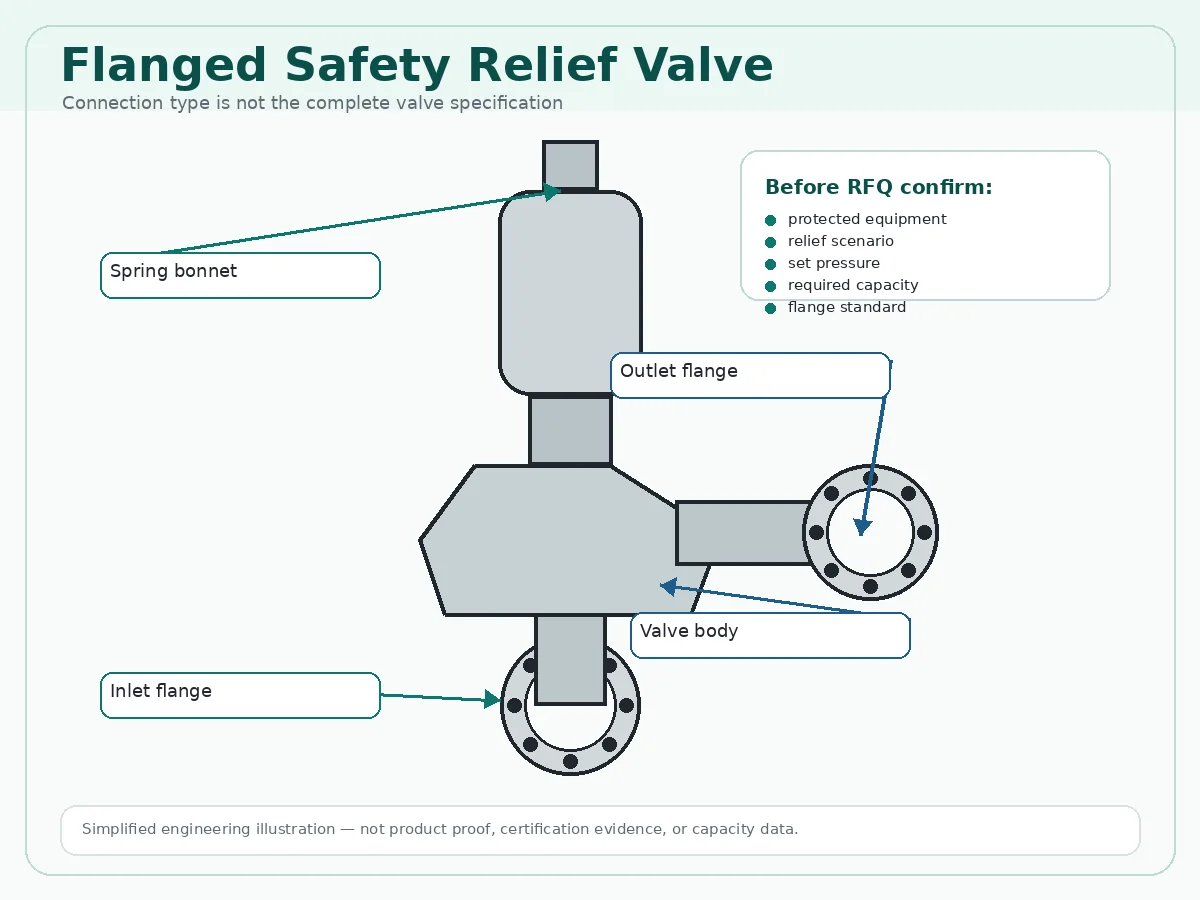
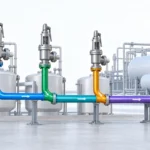
رسم توضيحي هندسي مبسط للاستخدام في المقالات فقط؛ لا يُعد إثباتًا لنموذج المنتج أو الشهادة أو المادة أو ضغط الضبط أو السعة.
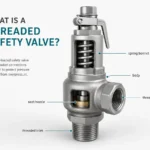
إجابة سريعة: ما هو صمام تنفيس الأمان ذو الفلنجة؟
صمام تنفيس الأمان ذو الفلنجة هو صمام تنفيس الضغط أو صمام تنفيس أمان مزود بوصلات دخول و/أو خروج ذات فلنجة. يتم تحديده عادةً حيث تتطلب المعدات المحمية، أو فئة الأنابيب، أو ممارسات الصيانة، أو معايير المشروع وصلات فلنجة ملولبة بدلاً من الوصلات الملولبة أو الملحومة أو غيرها من وصلات الأطراف.
من منظور حماية الضغط، يصف مصطلح “ذو فلنجة” واجهة التوصيل فقط. لا يثبت أن الصمام لديه ضغط الضبط الصحيح، أو سعة التنفيس المطلوبة، أو المادة، أو تصميم المقعد، أو النابض، أو ترتيب المنفاخ، أو نطاق الاختبار، أو وثائق الكود. لمراجعة عائلة المنتجات، انظر صمامات الأمان ذات الفلنجة من ZOBAI.
مسار الاختيار الصحيح هو: تحديد المعدات المحمية وسيناريو التنفيس، تأكيد بيانات الضغط والسعة، التحقق من معيار الفلنجة/الفئة/PN/الوجه، مراجعة الضغط الخلفي والتركيب، ثم طلب بيانات الشركة المصنعة ووثائق المشروع.
عوامل الاختيار الرئيسية لصمام تنفيس الضغط بفلنجة
يبدأ اختيار صمام تنفيس الضغط بفلنجة بالنظام المحمي، وليس بمظهر الصمام. يجب على المشتري أولاً تحديد المعدات التي تتم حمايتها وسيناريو الضغط الزائد الذي يجب على الصمام تخفيفه. فقط بعد وضوح المهمة، يجب الانتهاء من التوصيل والمواد والتوثيق.
على الشاشات الصغيرة، قم بالتمرير الأفقي للجداول لمراجعة جميع الحقول الهندسية.
| عامل الاختيار | ما يجب تأكيده | لماذا هو مهم |
|---|---|---|
| المعدات المحمية | وعاء، خزان، ضاغط، وحدة (سكيد)، خط أنابيب، مبادل حراري أو نظام محمي آخر. | يحدد حدود الضغط وأساس الاختيار. |
| سيناريو التنفيس | انسداد المخرج، حالة الحريق، التمدد الحراري، فشل المنظم، تمزق الأنبوب أو حالة محددة في المشروع. | يحدد سعة التنفيس المطلوبة وما إذا كانت الحالة غازًا، بخارًا، سائلًا، أو طورين. |
| الوسط والطور | خدمة بخار، غاز، بخار، سائل، طورين، نظيف، متسخ، مسبب للتآكل، لزج أو بلمرة. | يؤثر على حساب المقاسات، المواد، التفريغ، اختيار المقعد، الاختبار والصيانة. |
| بيانات الضغط | ضغط التشغيل، الحد الأقصى لضغط التشغيل الآمن (MAWP)/ضغط التصميم، ضغط الضبط، أساس الضغط الزائد/التراكم، والنفخ (Blowdown) إذا تم تحديده. | يمنع أخطاء تعريف الضغط وهامش التشغيل الضعيف. |
| بيانات السعة | السعة المطلوبة للتنفيس، خصائص المائع، والأساس المختار/الموثق للسعة. | يمنع الاختيار بناءً على حجم الفلنجة فقط. |
| بيانات الفلنجة والأنابيب | المعيار، الفئة/PN، الوجه، حجم المدخل/المخرج، سطح الحشية، مسار المخرج والدعم. | يمنع مشاكل عدم تطابق التوصيل، تقييد التفريغ، والأحمال الميكانيكية. |
مصفوفة الاختيار الأولية
تساعد المصفوفة التالية في تحديد ما إذا كان صمام تنفيس الضغط بفلنجة نقطة انطلاق معقولة للمراجعة. لا توافق على الصمام النهائي؛ بل تحدد فقط البيانات التي يجب التحقق منها قبل طلب عرض السعر (RFQ).
| حالة المشروع | مراجعة الصمام ذي الفلنجة | يجب التأكيد قبل طلب عرض السعر (RFQ) |
|---|---|---|
| فئة أنابيب المشروع تتطلب فلنجات | توصيل الفلنجة هو مطلب محتمل. | معيار الفلنجة، الفئة/PN، الوجه، الحشية، حجم المدخل/المخرج، وتصنيف الضغط ودرجة الحرارة. |
| أنابيب مخرج كبيرة أو رأس تفريغ | قد يكون المنفذ ذو الفلنجة عمليًا للتوصيل بالأنبوب والصيانة. | الضغط الخلفي المتراكب، الضغط الخلفي المتراكم، دعم الأنبوب، ومسار التفريغ. |
| استبدال صمام أمان/تنفيس ضغط بفلنجة قديم | بيانات الفلنجة الحالية مفيدة ولكنها غير كافية. | لوحة الاسم، ورقة البيانات القديمة، السعة المطلوبة، الوسط، المادة، وظروف الخدمة الحالية. |
| تم تحديد API 526 | استخدام API 526 كسياق اتصال قياسي. | سيناريو التنفيس، أساس الفتحة/السعة، بيانات الضغط، الضغط الخلفي، المادة، ونطاق المستند. |
| اهتزاز شديد، خدمة تآكل أو خدمة متسخة | قد يكون الاتصال بفلنجة لا يزال ممكنًا، ولكن يجب مراجعة التكوين بعناية. | الوسط، الطور، درجة الحرارة، التريم، المقعد، النابض، المنفاخ، متطلبات الصيانة والفحص. |
حدود الاختيار: يمكن لمعيار الفلنجة، أو الفئة، أو صورة قديمة المساعدة في تحديد الاتصال، ولكن الاختيار النهائي يعتمد على ظروف الخدمة الفعلية، وسيناريو التنفيس الحاكم، وبيانات الشركة المصنعة، وإصدار المعيار المطبق، ومواصفات المشروع، والمتطلبات التنظيمية المحلية.
معيار الفلنجة، الفئة، PN والوجه
غالبًا ما يتم تحديد صمامات الأمان/تنفيس الضغط ذات الفلنجة حسب معيار الفلنجة وفئة الضغط. قد يشمل ذلك ASME، EN، DIN، JIS أو معيار أنابيب المشروع. لا ينبغي للمشتري افتراض أن جميع صمامات الأمان/تنفيس الضغط ذات الفلنجة تستخدم نفس الأساس الأبعادي أو أساس الضغط ودرجة الحرارة.
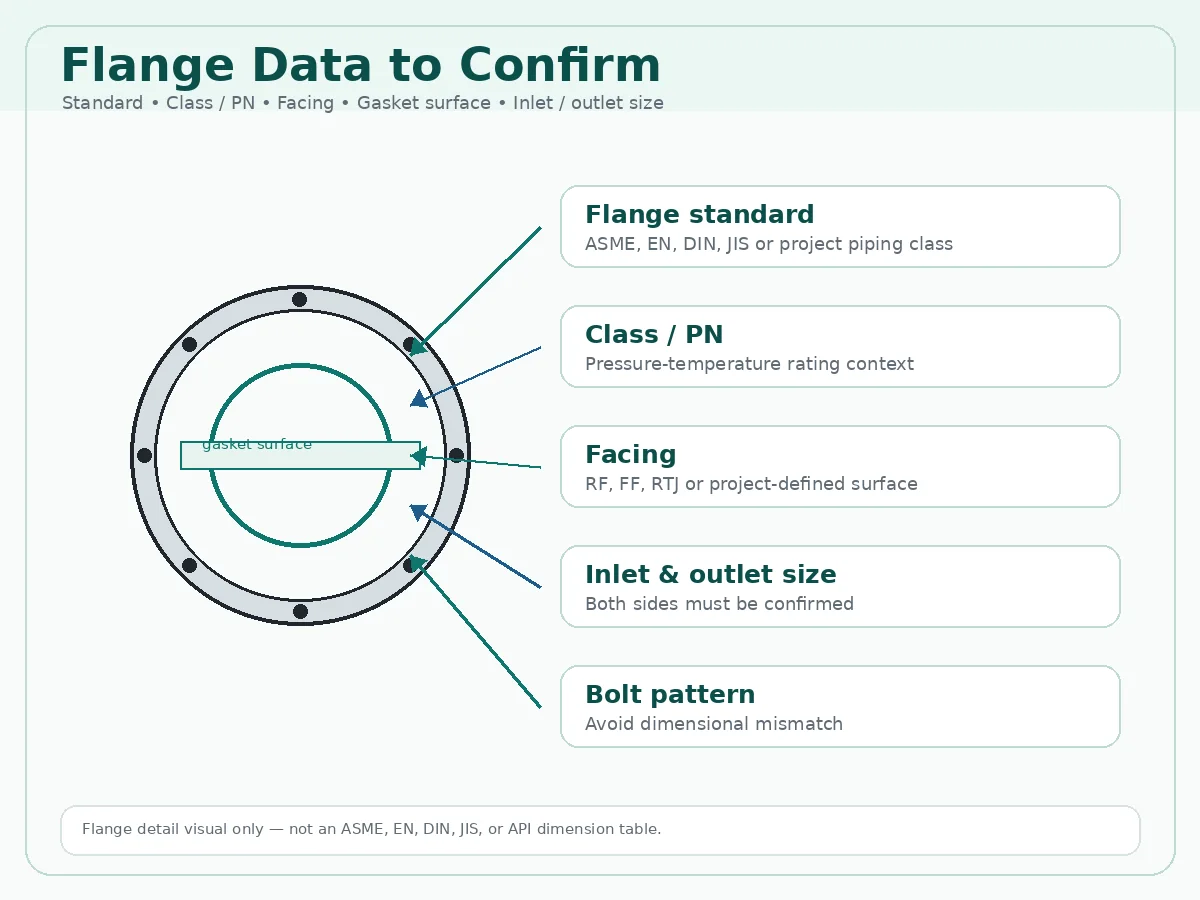
رسم توضيحي هندسي مبسط؛ هذه ليست جداول أبعاد فلنجات أو رسومات معيارية رسمية.
يحدد معيار الفلنجة الأبعاد، خيارات السطح المواجه، نمط البراغي، وقواعد تصنيف الضغط ودرجة الحرارة. يساعد تعيين الفئة أو PN في وصف تصنيف ضغط الفلنجة وفقًا لمعيار معين وأساس مادة. للحصول على سياق بيانات الفلنجة التفصيلي، راجع دليل ZOBAI لـ أبعاد فلنجات ASME B16.5.
معيار الفلنجة وفئة الضغط
تأكد مما إذا كان المشروع يستخدم معيار ASME أو EN أو DIN أو JIS أو فئة أنابيب المشروع. يجب تفسير تصنيف الفئة أو PN في سياق المعيار والمادة ودرجة الحرارة.
السطح المواجه وسطح الحشية
تأكيد السطح المرتفع (Raised Face)، السطح المسطح (Flat Face)، الوصلة الحلقية (Ring-Type Joint) أو السطح المواجه الخاص بالمشروع. عدم تطابق السطح المواجه يمكن أن يؤدي إلى تسرب الحشية، تأخير التركيب، وإعادة العمل.
| بيانات الفلنجة | ماذا ترسل | لماذا هو مهم |
|---|---|---|
| معيار الفلنجة | ASME، EN، DIN، JIS أو معيار المشروع. | يمنع عدم تطابق الأبعاد. |
| الفئة / PN | تصنيف فئة الضغط أو PN. | يدعم مراجعة الضغط ودرجة الحرارة. |
| الوجه | وجه RF، FF، RTJ أو وجه محدد بالمشروع. | يمنع عدم تطابق الحشية (الجاسكت) والمانع للتسرب. |
| مقاس المدخل والمخرج | كلا مقاسات توصيل الصمام. | يؤكد واجهة المعدات وخطوط الأنابيب التفريغ. |
| متطلبات الحشية / البراغي | ملاحظات الحشية، البراغي أو فئة الأنابيب المحددة بالمشروع. | يدعم توافق التركيب. |
تصنيف الفلنجة ليس هو نفسه ضغط الضبط أو السعة
أحد أكثر أخطاء الشراء شيوعًا هو الخلط بين تصنيف الفلنجة، وضغط الضبط، وسعة التنفيس. هذه مفاهيم هندسية مختلفة. يجب تفسير فئة ضغط الفلنجة أو تصنيف PN وفقًا للمعيار المطبق والمادة ودرجة الحرارة. ضغط الضبط هو إعداد ضغط الصمام. تعتمد سعة التنفيس المطلوبة على سيناريو التنفيس الحاكم.
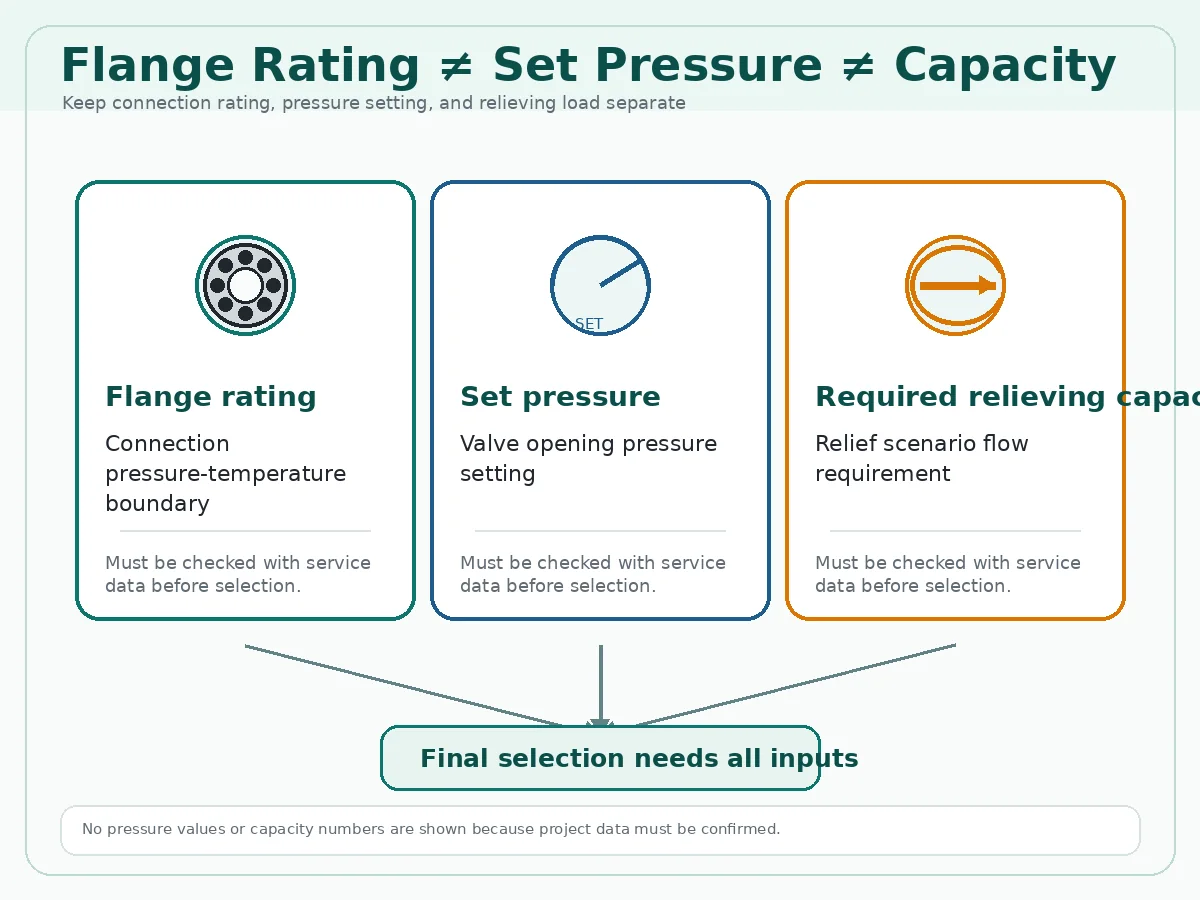
مقارنة هندسية مبسطة للتواصل فقط عند طلب عرض سعر؛ لا تحل محل مراجعة حسابات التنفيس الرسمية أو تقييم الضغط ودرجة الحرارة.
للسياق الخاص بتصنيف الوصلة، راجع تصنيفات الضغط ودرجة الحرارة. ولسياق السعة، راجع حساب مقاسات صمامات الأمان والسعة المعتمدة و ZOBAI حساب مقاسات صمامات الأمان API 520 دليلنا.
| المصطلح | ماذا يعني ذلك | مخاطر الاختيار |
|---|---|---|
| ضغط التشغيل | الضغط الطبيعي أثناء الخدمة. | هامش ضعيف يمكن أن يسبب الغليان، أو التسريب، أو التشغيل غير المستقر. |
| أقصى ضغط تشغيل آمن / ضغط التصميم | أساس ضغط النظام المحمي. | قد يتم الخلط بينه وبين ضغط التشغيل، أو تصنيف الفلنجة، أو ضغط الضبط. |
| ضغط الضبط | الضغط الذي يتم ضبط الصمام ليبدأ عنده بالفتح في ظل ظروف محددة. | قد يُخلط بينه وبين السعة. |
| الضغط الزائد / التراكم | زيادة الضغط المسموح بها أثناء التنفيس، بناءً على الكود المطبق والسيناريو. | يغير افتراضات أساس التحجيم وضغط التنفيس. |
| سعة التنفيس المطلوبة | التدفق المطلوب لسيناريو التنفيس الحاكم. | لا يمكن إثباته بحجم الفلنجة وحده. |
| أساس السعة الموثق | السعة مدعومة ببيانات الشركة المصنعة والمتطلبات المعمول بها. | يجب أن تتطابق مع الوسط والضغط ودرجة الحرارة والضغط الخلفي الفعلي. |
السعة المطلوبة مقابل الصمام المختار
| تحقق | الجانب المطلوب | جانب الصمام المختار | لا تفترض |
|---|---|---|---|
| واجب التدفق | معدل التنفيس المطلوب من السيناريو الحاكم. | أساس السعة الموثق أو المعتمد من الشركة المصنعة. | لا تستنتج التدفق من حجم الفلنجة. |
| حالة السائل | الوسط، الطور، الوزن الجزيئي/الكثافة، اللزوجة ودرجة الحرارة حسب الاقتضاء. | أساس سعة الصمام لنفس الخدمة أو خدمة محولة بشكل مناسب. | لا تستخدم بيانات الغاز لخدمة سائلة أو ثنائية الطور دون مراجعة. |
| أساس الضغط | ضغط التنفيس بناءً على ضغط الضبط والتجاوز المسموح به/التراكم. | بيانات الصمام عند أساس الضغط المطبق. | لا تستخدم ضغط الضبط وحده كأساس للحساب. |
| الضغط الخلفي | القيم المتراكبة والمتراكمة من نظام التفريغ. | تكوين الصمام وحدود تصحيح السعة إن وجدت. | لا تفترض أن المنفاخ يحل كل ظروف المخرج. |
اختيار صمام تنفيس الأمان بفلنجة وفقًا لـ API 526
صمامات الأمان بفلنجات API 526 قد يكون ذا صلة عندما يتطلب المشروع أبعادًا قياسية لصمامات تنفيس الضغط الفولاذية ذات الفلنجات وتعيينات الفتحات. يمكن أن يساعد في مواءمة المصطلحات، وصلات الفلنجات والتوقعات القياسية في سياقات المصافي والصناعات العملية.
ومع ذلك، لا ينبغي التعامل مع API 526 على أنه قرار الاختيار الكامل. الاسم القياسي لا يحدد المعدات المحمية، سيناريو التنفيس الحاكم، سعة التنفيس المطلوبة، توافق الوسط، الضغط الخلفي، توقع تسرب المقعد، ملاءمة المواد أو الموافقة التنظيمية المحلية.
| قد يساعد API 526 في | لا يقرر API 526 بمفرده |
|---|---|
| تواصل صمامات الأمان القياسية المصنوعة من الفولاذ بفلنجات. | سيناريو التنفيس والسعة المطلوبة. |
| تعيين الفتحة وسياق التوقعات الأبعاد. | الوسط، الطور، وتوافق المواد. |
| صياغة طلب عرض سعر المشروع عند تحديد API 526. | الضغط الخلفي، أنابيب المخرج، والتكوين النهائي. |
| سياق المرجع الاتصالي والأبعاد. | الشهادة، نطاق الفحص، أو الموافقة القضائية لصمام معين. |
ترجمة طلب عرض السعر: إذا كان API 526 مطلوبًا، أرسل مواصفات المشروع، تعيين الفتحة المطلوبة إذا كان متاحًا، معيار/فئة/وجه الفلنجة، ضغط الضبط، السعة المطلوبة، الوسط، درجة حرارة التنفيس، الضغط الخلفي، المواد، نطاق الفحص والمستندات. لا تطلب فقط “API 526، Class 300”.”
مراجعة الضغط الخلفي، أنابيب المخرج والمنفاخ
غالبًا ما يتم توصيل صمامات تنفيس الضغط المزودة بفلنجة بأنابيب مخرج أكبر، أو رؤوس تفريغ، أو أنظمة تفريغ مغلقة. هذا يجعل مراجعة الضغط الخلفي وأنابيب المخرج أمرًا مهمًا. يوجد ضغط خلفي مُتراكب قبل فتح الصمام. يتكون الضغط الخلفي المتراكم في نظام المخرج أثناء تدفق التنفيس.
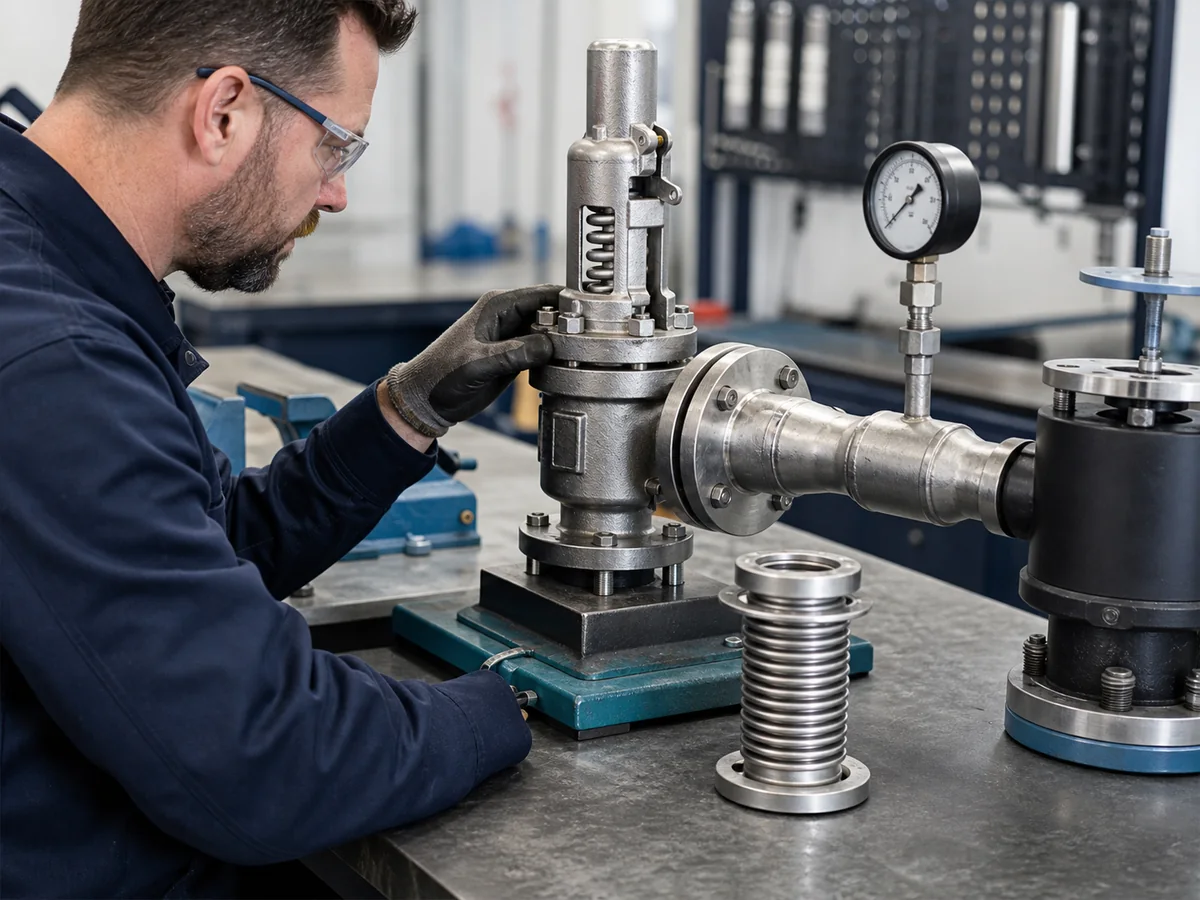
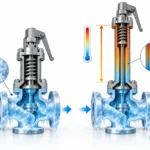
رسم توضيحي هندسي مبسط؛ لا يصف تصميمًا نهائيًا متوازنًا أو تصميمًا بمنفاخ.
لا يمكن حل مشكلة الضغط الخلفي بمجرد تسمية نوع الصمام. قد يكون لكل تصميم تقليدي، أو متوازن بمنفاخ، أو يعمل بالبايلوت حدوده وحدود اختياره الخاصة. للسياق الخاص بعائلة المنتجات المتعلقة بتكوينات المنفاخ، راجع صمامات أمان متوازنة بمنفاخ. للمصطلحات الأعمق، انظر الضغط الخلفي والمنفاخ. لمراجعة أنابيب التفريغ وظروف التدفق، راجع دليل تركيب صمامات الأمان.
| عامل المخرج | لماذا هو مهم | بيانات مطلوبة لطلب عرض سعر |
|---|---|---|
| الضغط الخلفي المتراكب | قد يؤثر على سلوك الفتح وعلاقة الضغط. | ضغط المخرج قبل التنفيس. |
| الضغط الخلفي المتراكم | قد يؤثر على السعة والاستقرار. | أنابيب التفريغ وظروف تدفق التنفيس. |
| رأس التفريغ | قد يؤدي إلى ضغط متغير في المخرج. | ملف ضغط المدخل ونقطة التوصيل. |
| حمل أنبوب المخرج. | قد يؤثر على موثوقية التركيب. | دعم الأنابيب، الوزن، والحركة الحرارية. |
| مراجعة المنفاخ. | قد تكون مطلوبة لتأثيرات الضغط الخلفي. | قيم الضغط الخلفي، الوسط، درجة الحرارة، والمادة. |
فحص فقدان المدخل وحمل المخرج.
| فحص التركيب | مشكلة محتملة. | ما الذي يجب مراجعته |
|---|---|---|
| فقدان ضغط المدخل | يمكن أن يساهم فقدان المدخل المفرط في عدم الاستقرار، أو الاهتزاز، أو عدم اليقين في السعة. | حجم أنبوب المدخل، طوله، الوصلات، المخفضات، والعلاقة بفوهة المعدات المحمية. |
| تقييد المخرج. | قد يؤدي التقييد إلى زيادة الضغط الخلفي المتراكم. | حجم أنبوب المخرج، الأكواع، كاتم الصوت، وصلة الرأس، ومسار التفريغ. |
| الحمل الميكانيكي للأنابيب | يمكن أن يؤدي الحمل الثقيل للأنابيب إلى إجهاد جسم الصمام والفلنجات. | دعامات الأنابيب، الحركة الحرارية، قوى رد الفعل، والمحاذاة. |
| الصرف والتراكم | يمكن أن يؤثر تراكم المكثفات أو السوائل على سلامة التفريغ. | نقاط التصريف، الاتجاه، النقاط المنخفضة والظروف البيئية. |
توافق المواد، المقعد، النابض والمنفاخ
يتعرض صمام تنفيس الضغط ذو الفلنجة لظروف الوسط، ودرجة الحرارة، والضغط في العملية. يجب أن يأخذ اختيار المواد في الاعتبار أكثر من مجرد مادة الجسم وحدها. قد يكون الوسط بخارًا، أو غازًا، أو بخارًا، أو سائلًا، أو تدفقًا ثنائي الطور. قد تتطلب الخدمة المتسخة، أو المسببة للتآكل، أو اللزجة، أو البلمرة، أو المتجمدة مراجعة إضافية.
الوسط والطور
يمكن أن يؤثر طور السائل على متطلبات حساب المقاسات، وتوقعات التسرب، وسلوك التفريغ، والصيانة. يجب أن يوضح طلب عرض السعر ما إذا كانت الخدمة غازًا، أو بخارًا، أو بخارًا، أو سائلًا، أو ثنائي الطور.
درجة الحرارة والتآكل
يمكن أن تؤثر درجة الحرارة والتآكل على اختيار جسم الصمام، والتشذيب، والحشية، والمقعد، والنابض، والمنفاخ. درجة المادة وحدها لا تثبت ملاءمة الخدمة.
| عامل الخدمة | تأثير الاختيار المحتمل | بيانات للتأكيد |
|---|---|---|
| البخار / درجات الحرارة العالية | قد يتغير ترتيب المقعد، والنابض، والحشية، وغطاء الصمام. | درجة حرارة التنفيس وشرط الخدمة. |
| وسط أكّال | قد يتأثر توافق جسم الصمام، والبطانة، والنابض، والمنفاخ. | تركيبة الوسط وتركيزه ودرجة حرارته. |
| خدمة سائلة | يختلف حساب المقاس وسلوك التفريغ عن خدمة الغاز/البخار. | الكثافة واللزوجة وسيناريو التنفيس. |
| خدمة الأوساخ | قد يزداد خطر تلف المقعد أو التسرب. | نظافة السائل وممارسات الصيانة. |
| الضغط الخلفي | قد تتم مراجعة التكوين بالمنفاخ أو التكوين المتوازن. | الضغط الخلفي المتراكب والمتزايد. |
بيانات المقعد، النابض، المنفاخ، والحشية
| الجزء / الميزة | لماذا هو مهم | مدخلات طلب عرض السعر |
|---|---|---|
| نوع المقعد | يؤثر على توقعات التسرب، الحد الأقصى لدرجة الحرارة، والصيانة. | مقعد معدني، مقعد ناعم، أو متطلبات مقعد محددة للمشروع. |
| مادة النابض | درجة الحرارة المكشوفة والتآكل يمكن أن يؤثرا على سلوك النابض. | درجة حرارة الخدمة، ترتيب الغطاء، ومتطلبات المواد. |
| مادة المنفاخ | قد يتلامس المنفاخ مع سائل العملية أو ظروف المخرج حسب التصميم. | الوسط، الضغط الخلفي، خطر التآكل، وممارسة الفحص. |
| الحشية والمسامير | يؤثر على إحكام إغلاق الفلنجة والامتثال لفئة أنابيب المشروع. | نوع الوجه، نوع الحشية، مادة البراغي، وأي معيار أنابيب للمشروع. |
| مادة الحشوة | يؤثر على مقاومة التآكل ومقاومة التآكل ومتانة المقعد. | تركيبة الوسط، الضغط، درجة الحرارة والنقاء. |
فحوصات التركيب (يجب / لا يجب)
لا يحل التركيب محل الاختيار الصحيح، ولكن التركيب السيئ يمكن أن يجعل الصمام المختار بشكل صحيح يؤدي أداءً ضعيفًا. يجب أن تأخذ طلبات عروض أسعار صمامات الأمان ذات الفلنجات في الاعتبار مسار المدخل، وتوجيه المخرج، والدعامات، وحمل رد الفعل، والتصريف، وإمكانية الوصول للصيانة.
افعل
- تأكيد معيار فلنجة المدخل والمخرج، والفئة/PN، والوجه، وسطح الحشية.
- حافظ على مسار المدخل قصيرًا ونظيفًا ومتوافقًا مع أساس فقدان الضغط للمشروع.
- ادعم أنابيب المخرج بشكل مستقل حتى لا يحمل الصمام عبء الأنابيب الثقيلة.
- تأكيد اتجاه التفريغ الآمن، والتصريف، وإمكانية الوصول للصيانة.
- احتفظ بصحائف البيانات، وبيانات لوحة الاسم، وسجلات الاختبار، ووثائق المواد للاستبدال المستقبلي.
لا تفعل
- لا تجبر على عدم تطابق وجه الفلنجة أو فئتها في الخدمة.
- لا تقلل من حجم المدخل أو تضيف تركيبات غير ضرورية دون مراجعة هندسية.
- لا تعلق أنابيب مخرج ثقيلة مباشرة من جسم الصمام.
- لا تفترض أن رأس تفريغ مغلق مقبول بدون بيانات الضغط الخلفي.
- لا تستبدل صمامًا بمجرد حجم الفلنجة وضغط الضبط وحده.
مصفوفة الاختبار والتوثيق
يجب تأكيد نطاق المستند قبل تقديم عرض السعر. اسم المستند بحد ذاته لا يثبت الملاءمة ما لم يتطابق مع الصمام المحدد، ومواصفات المشروع، والمعيار المطبق، وظروف الخدمة الفعلية. لمصطلحات تسرب المقعد، راجع وثائق ZOBAI اختبار إحكام المقعد API 527 دليلنا.
| وثيقة / تحقق | ماذا يدعم | ما لا يثبته بمفرده |
|---|---|---|
| ورقة بيانات | الموديل، الوصلة، المادة، ضغط الضبط، الخدمة، والتكوين المحدد. | لا يحل محل حسابات التنفيس أو موافقة المشروع. |
| لوحة الاسم | تحديد الصمام ومعلومات الضغط/الجهاز الرئيسية. | لا يثبت قابلية التبادل إذا تغيرت المهمة. |
| اختبار ضغط الضبط | ضغط الفتح تحت ظروف الاختبار المحددة. | لا يثبت سعة التنفيس المطلوبة. |
| اختبار إحكام المقعد | أداء التسرب وفقًا لطريقة اختبار محددة وأساس قبول. | لا يثبت إحكام غلق حشية الفلنجة أو توافق الخدمة. |
| سجلات المواد | قابلية التتبع لأجزاء حدود الضغط أو الأجزاء المبللة المحددة. | لا يثبت ملاءمة مقاومة التآكل بدون بيانات الوسط. |
| أساس السعة | يمكن للصمام المحدد أن يمرر حمل التنفيس المطلوب في ظل ظروف محددة. | يجب التحقق منه مقابل سيناريو التنفيس الفعلي والضغط الخلفي. |
| إصدار الفحص / وثائق المشروع | يدعم تسليم المشروع ومراقبة الجودة. | لا يحل محل موافقة الجهات التنظيمية المحلية أو السلطات المختصة إذا لزم الأمر. |
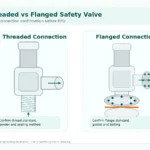
صمام أمان تنفيس بفلنجة مقابل صمام أمان تنفيس ملولب
قد يؤدي صمام أمان تنفيس بفلنجة وصمام أمان تنفيس ملولب نفس وظيفة حماية الضغط، ولكن قد تختلف واجهة التوصيل، وممارسة الأنابيب، وطريقة الصيانة، وتوثيق المشروع. يستخدم الصمام ذو الفلنجة وصلات فلنجة مثبتة بمسامير. يستخدم الصمام الملولب وصلات ملولبة.
| نقطة الاختيار | صمام تنفيس أمان بفلنجة | صمام أمان تنفيس ملولب |
|---|---|---|
| طريقة التوصيل | وصلة فلنجة مسمارية. | توصيل بلف سداسي ملولب. |
| سياق المراجعة النموذجي | فئة أنابيب المشروع، أنابيب أكبر أو إزالة أسهل. | معدات مدمجة أو منافذ ملولبة أصغر. |
| مخاطر الاستبدال الشائعة | نفس حجم الفلنجة قد لا يعني نفس السعة أو نفس المهمة. | قد يختلف نوع اللولب، والخطوة، والمخروط، وطريقة الإحكام. |
| التوثيق | غالبًا ما يرتبط بمعيار الفلنجة، والفئة/PN، ومواصفات أنابيب المشروع. | غالبًا ما يرتبط بنوع اللولب، والحجم، والجنس، وطريقة الإحكام. |
لا يوجد نوع توصيل أفضل تلقائيًا. يعتمد نوع التوصيل الصحيح على ظروف الخدمة، والسعة، والأنابيب، والصيانة، ومواصفات المشروع، وبيانات الشركة المصنعة.
فحوصات الاستبدال لصمامات تنفيس الضغط ذات الفلنجة الموجودة
استفسارات الاستبدال شائعة، ولكن الاستبدال المماثل قد يكون غير آمن إذا كان يعتمد فقط على حجم الفلنجة أو صورة قديمة. قد يتناسب الاستبدال بنفس الحجم ماديًا مع الأنابيب ولكنه لا يزال خاطئًا لضغط الضبط، أو السعة المطلوبة، أو المادة، أو تصميم المقعد، أو نطاق النابض، أو ترتيب المنفاخ، أو نطاق التوثيق.
| دليل الاستبدال | لماذا يساعد | ما لا يمكن إثباته بمفرده |
|---|---|---|
| صورة كاملة للصمام | تحدد التكوين العام. | لا تثبت السعة. |
| صورة لوحة التعريف | تُظهر بيانات التعريف الرئيسية. | قد تكون غير مكتملة أو قديمة. |
| ورقة بيانات قديمة | يساعد في مقارنة الاختيار الأصلي. | يجب التحقق منها مقابل الخدمة الحالية. |
| صور فلنجات المدخل/المخرج | يساعد في تأكيد تفاصيل التوصيل. | لا يثبت واجب الصمام. |
| صور التركيب | يوضح سياق الأنابيب والتصريف. | لا يحل محل المراجعة الهندسية. |
سير عمل التحقق من الاستبدال
اجمع الأدلة
صورة، لوحة بيانات، ورقة بيانات، تفاصيل الفلنجة، صورة التركيب وملاحظات الصيانة.
تأكيد الوظيفة
المعدات المحمية، سيناريو التنفيس، الوسط، الطور، الضغط والسعة المطلوبة.
تحقق من التوصيل
معيار الفلنجة، الفئة/PN، الوجه، الحشية، حجم المدخل/المخرج وفئة الأنابيب.
مراجعة المستندات
بيانات الشركة المصنعة، الاختبارات، سجلات المواد، أساس السعة ومتطلبات المشروع.
سيناريوهات هندسية مركبة للتدريب
الأمثلة التالية هي سيناريوهات هندسية مركبة للتدريب. لا تصف هذه الأمثلة عملاء حقيقيين، أو مشاريع حقيقية، أو اختبارات سعة معتمدة، أو سجلات حوادث، أو سجلات تسليم، أو قدرات مضمونة لطرازات ZOBAI.
نفس الفلنجة، سعة مختلفة
يطلب المشتري صمام استبدال بنفس أحجام فلنجات الدخول والخروج للصمام القديم. لا تزال ZOBAI بحاجة إلى ضغط الضبط، والسعة المطلوبة، والوسط، ودرجة حرارة التنفيس، والضغط الخلفي، ومتطلبات المواد قبل تأكيد الملاءمة.
محدد بمعيار API 526، بيانات الخدمة مفقودة
يطلب مشتري EPC صمامًا بفلنجة وفقًا لمعيار API 526، لكن طلب عرض السعر يغفل سيناريو التنفيس والسعة المطلوبة. يساعد مرجع المعيار في التواصل، ولكنه لا يكمل الاختيار.
الرأس الخارجي يسبب ضغطًا خلفيًا
سيتم تفريغ الصمام في رأس مشترك. فلنجة الدخول وضغط الضبط معروفان، لكن ضغط المخرج يختلف. يجب مراعاة الضغط الخلفي، وأنابيب التفريغ، ومراجعة الصمام المتوازن/المنفاخ المحتملة.
قائمة التحقق لطلب عرض سعر صمامات تنفيس الضغط بفلنجات
يجب أن يشمل طلب عرض السعر الكامل بيانات الخدمة وبيانات الفلنجة. إرسال “صمام تنفيس الضغط بفلنجة، Class 300، 2 بوصة” فقط لا يكفي.
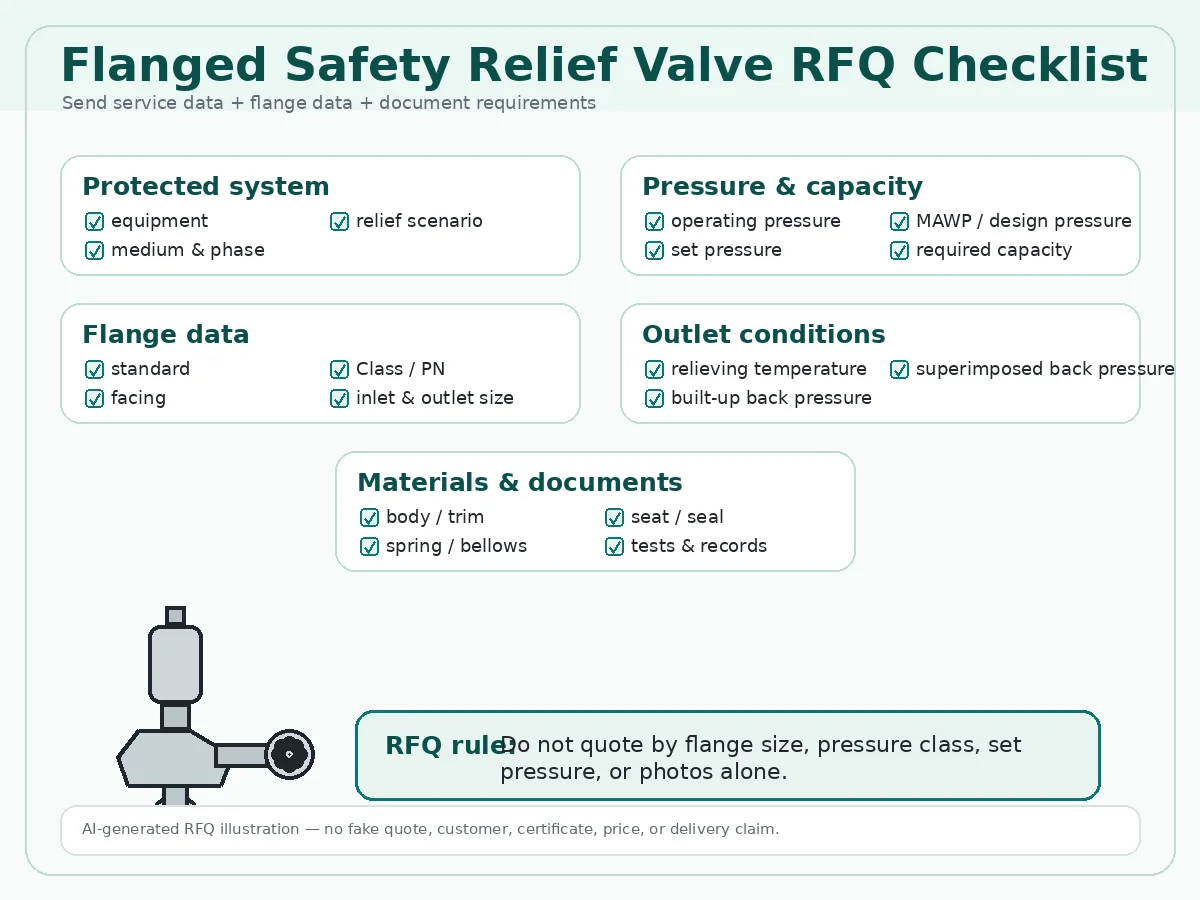
رسم توضيحي مبسط لطلب عرض سعر هندسي؛ لا ينبغي أن يستند عرض السعر أو مراجعة الاستبدال فقط على حجم الفلنجة، أو فئة الضغط، أو ضغط الضبط، أو الصور.
طلب عرض سعر لمشروع جديد
- المعدات المحمية وسيناريو التنفيس الحاكم
- الوسط والطور
- ضغط التشغيل، أقصى ضغط تشغيل آمن/ضغط التصميم، وضغط الضبط
- الضغط الزائد المسموح به / التراكم إذا تم تحديده
- السعة المطلوبة للتنفيس والأساس
- درجة حرارة التنفيس والضغط الخلفي
- معيار فلنجة المدخل/المخرج، الفئة أو PN والوجه
- متطلبات الجسم، التريم، المقعد، النابض والمنفاخ
- المعايير المطبقة والمستندات المطلوبة
طلب عرض سعر للاستبدال
- صور الصمام الحالي
- صورة لوحة التعريف
- ورقة البيانات القديمة إن وجدت
- صور فلنجات المدخل والمخرج
- صور أنابيب التركيب والتصريف
- سبب الاستبدال
- مشاكل التسرب أو عدم الاستقرار أو الصيانة الملاحظة
- بيانات التشغيل الحالية ومتطلبات الوثائق
أخطاء شائعة عند اختيار صمامات تنفيس الضغط ذات الفلنجة
| خطأ | لماذا هو محفوف بالمخاطر | الفحص الصحيح |
|---|---|---|
| الاختيار حسب حجم الفلنجة فقط | قد لا يعني نفس حجم الفلنجة نفس الفتحة أو السعة. | تأكيد السعة وصحيفة بيانات الصمام. |
| الاختيار حسب فئة الفلنجة فقط | الفئة لا تثبت ضغط الضبط أو السعة. | تأكيد تصنيف الضغط ودرجة الحرارة وواجب الصمام. |
| تجاهل وجه الفلنجة | قد يسبب عدم تطابق الحشية أو الختم. | تأكيد وجه الفلنجة (RF، FF، RTJ) أو وجه المشروع. |
| تجاهل الضغط الخلفي | قد يؤثر على الاستقرار والسعة. | تأكيد ضغط المخرج وأنابيب التفريغ. |
| نسخ صورة صمام قديم | قد يكون الصمام القديم غير صحيح أو تالفًا أو غير مكتمل. | تأكيد بيانات الخدمة والوثائق. |
| افتراض أن الاسم القياسي يكمل الاختيار | المرجع القياسي لا يحدد الواجب الكامل. | تأكيد مواصفات المشروع وبيانات الشركة المصنعة. |
استكشاف الأخطاء وإصلاحها للأعراض التي تؤثر على مراجعة الاختيار
إذا كان صمام تنفيس الضغط ذو الفلنجة الحالي يسرب، أو يصدر ضوضاء، أو يفتح كثيرًا، أو يظهر تلفًا في التركيب، فيجب أن يتضمن طلب عرض سعر الاستبدال الأعراض وسجل الخدمة. استكشاف الأخطاء وإصلاحها لا يحل محل الفحص الرسمي، ولكنه يساعد في تحديد مدخلات الاختيار المفقودة.
| العرض | سبب محتمل للاختيار / التركيب | ما يجب التحقق منه قبل الاستبدال |
|---|---|---|
| تسرب المقعد | تلف المقعد، التلوث، ضغط التشغيل قريب جدًا من ضغط الضبط، أو مادة المقعد غير صحيحة. | هامش التشغيل، نظافة الوسط، نوع المقعد، سجل الاختبار، وسجل الخدمة. |
| الثرثرة أو عدم الاستقرار | فقدان الضغط في المدخل، صمام كبير جدًا، ضغط خلفي مفرط، أو أنابيب تصريف سيئة. | السعة المطلوبة، أنابيب الدخول، أنابيب الخروج، الضغط الخلفي وتكوين الصمام. |
| تسرب وصلة الفلنجة | عدم تطابق الوجه، مشكلة الحشية، مشكلة ربط البراغي أو عدم محاذاة الأنابيب. | معيار الفلنجة، الفئة/PN، الوجه، الحشية، البراغي ودعم الأنابيب. |
| الفتح المتكرر | ضغط التشغيل قريب جدًا من ضغط الضبط أو اضطراب العملية لم تتم معالجته. | ضغط التشغيل، ضغط الضبط، MAWP/ضغط التصميم وحالة التحكم في العملية. |
| اهتزاز المخرج | دعم أنابيب الخروج غير الكافي، قوة رد الفعل، تفاعل الرأس أو الحركة الحرارية. | مسار التفريغ، دعامات الأنابيب، الضغط الخلفي وتخطيط التركيب. |
المراجع الفنية
المراجع التالية تدعم السياق الخاص بالمعايير، تحديد المقاسات والاختبار المستخدم في هذا الدليل. يتم توفيرها لخلفية الهندسة والتواصل الخاص بطلبات عروض الأسعار فقط. لا تثبت هذه المراجع أن أي طراز معين من صمامات تنفيس الضغط ذات الفلنجة من ZOBAI معتمد، أو موافق عليه، أو مناسب لمشروع معين.
- API STD 526: صمامات تنفيس الضغط ذات الفلنجة المصنوعة من الصلب — يدعم سياق مرجع API 526 عندما تتطلب مواصفات المشروع ذلك.
- ASME B16.5: شفة الأنابيب وتركيباتها المشفهة — يدعم سياق تصنيف الضغط ودرجة الحرارة، والمواد، والأبعاد، والعلامات، والاختبار للشفاه.
- API 520 الجزء الأول: تحديد حجم أجهزة تنفيس الضغط واختيارها وتركيبها — يدعم سياق تحديد الحجم والاختيار لأجهزة تنفيس الضغط.
- ASME PTC 25: أجهزة تنفيس الضغط — يدعم سياق أداء جهاز تنفيس الضغط، واختبار سعة التدفق، واختبارات الجهاز أثناء التشغيل.
- API Standard 527: إحكام مقعد صمامات تنفيس الضغط — يدعم مصطلحات إحكام المقعد لصمامات تنفيس الضغط ذات المقاعد المعدنية والناعمة.
هل تحتاج إلى مساعدة في مراجعة استفسار عن صمام أمان تنفيس مشفه؟
أرسل إلى ZOBAI ظروف الخدمة الخاصة بك، وبيانات الشفة، ومتطلبات المستندات. يجب أن يتضمن طلب عرض سعر مفيد المعدات المحمية، وسيناريو التنفيس، والوسط والمرحلة، وضغط التشغيل، أو الحد الأقصى لضغط التشغيل الآمن (MAWP)، أو ضغط التصميم، وضغط الضبط، وسعة التنفيس المطلوبة، ودرجة حرارة التنفيس، والضغط الخلفي، ومعيار الشفة للمدخل والمخرج، والفئة أو PN، والوجه، والمواد، والمستندات المطلوبة.
أسئلة شائعة حول اختيار صمام أمان تنفيس مشفه
ما هو صمام تنفيس الأمان ذو الفلنجة؟
صمام تنفيس الضغط بفلنجة هو جهاز لتنفيس الضغط مزود بتوصيلات مدخل و/أو مخرج بفلنجة. يدعم الاتصال بالفلنجة التركيب المثبت بالمسامير في الأنابيب أو المعدات، ولكن يجب اختيار الصمام بناءً على ظروف الخدمة والضغط والسعة والضغط الخلفي والمواد والوثائق.
هل صمام تنفيس الأمان بفلنجة هو نفسه صمام الأمان بفلنجة؟
قد تتداخل المصطلحات في تواصل المشتري. يعتمد المصطلح الدقيق على السياق الخدمي، وسياق الكود، ولغة المشروع. بالنسبة لطلب عرض السعر (RFQ)، من الأهم تأكيد المعدات المحمية، وسيناريو التنفيس، وضغط الضبط، والسعة المطلوبة، والوسط، والضغط الخلفي، وتفاصيل الفلنجة.
هل يحدد حجم الفلنجة سعة التنفيس؟
لا يحدد حجم الفلنجة سعة التنفيس. تعتمد السعة على سيناريو التنفيس، وخصائص السائل، وضغط التنفيس، ودرجة حرارة التنفيس، والضغط الخلفي، وأساس سعة الصمام المحدد.
هل تحدد فئة الفلنجة 150 أو 300 أو 600 ضغط التشغيل؟
لا. تصنيف الفلنجة يتعلق بتصنيف الضغط ودرجة الحرارة للفلنجة وفقًا لمعيار ومادة أساسية. ضغط الضبط هو إعداد ضغط الصمام. يجب التحقق منهما بشكل منفصل.
ما هي بيانات الفلنجة التي يجب إرسالها قبل طلب عرض السعر؟
أرسل معيار الفلنجة، الفئة أو PN، الوجه، حجم المدخل، حجم المخرج، متطلبات الحشية أو المسامير إذا تم تحديدها، وأي متطلبات لفئة أنابيب المشروع.
متى يكون معيار API 526 ذا صلة؟
قد يكون معيار API 526 ذا صلة عندما يتطلب المشروع صمامات تنفيس ضغط فولاذية قياسية بفلنجات وتوقعات الأبعاد أو الفتحات ذات الصلة. لا يحل هذا المعيار محل بيانات الخدمة، أو مراجعة السعة، أو مراجعة الضغط الخلفي، أو موافقة المشروع.
هل يمكنني استبدال صمام تنفيس الضغط بفلنجة بنفس مقاس الفلنجة؟
لا يثبت مقاس الفلنجة المتطابق نفس ضغط التشغيل، أو السعة، أو الفتحة، أو المادة، أو المقعد، أو النابض، أو المنفاخ، أو سجلات الاختبار، أو الملاءمة. يجب أن يستخدم الاستبدال ورقة بيانات الصمام القديم، ولوحة الاسم، وبيانات الخدمة الحالية.
متى يجب مراجعة الضغط الخلفي أو المنفاخ؟
يجب مراجعة الضغط الخلفي عند تصريف الصمام إلى أنابيب، أو خط تجميع، أو نظام مغلق، أو أي حالة مخرج يمكن أن تخلق ضغطًا عند المخرج. يمكن مراجعة التصميمات ذات المنفاخ أو التصميمات المتوازنة، ولكن الملاءمة النهائية تعتمد على بيانات الخدمة وحدود الجهة المصنعة.
ما هي المستندات التي يجب طلبها؟
قد تشمل المستندات الشائعة: ورقة البيانات، معلومات لوحة الاسم، اختبار ضغط التشغيل، اختبار إحكام المقعد، سجلات المواد، شهادة الإفراج عن الفحص، وأساس السعة. يعتمد نطاق المستندات الدقيق على مواصفات المشروع والمتطلبات المعمول بها.
ملاحظة المؤلف والمراجعة الفنية
تم إعداد هذه المقالة لمشتري المشتريات، ومستخدمي الاستبدال، والموزعين، ومهندسي المشاريع الذين يحتاجون إلى تحديد أو مقارنة صمامات أمان التنفيس المشفهة قبل تقديم عروض الأسعار. إنها ليست بديلاً عن حسابات التنفيس الرسمية، وبيانات سعة الشركة المصنعة المختارة، ومراجعة الكود المطبق، أو موافقة مواصفات المشروع، أو حكم هندسي مؤهل.
تشمل الموضوعات التي تمت مراجعتها معيار الفلنجة، الفئة أو PN، الوجه، تصنيف الضغط ودرجة الحرارة، ضغط الضبط، MAWP/ضغط التصميم، الضغط الزائد/التراكم، سعة التنفيس المطلوبة، أساس السعة الموثق، فقدان ضغط المدخل، الضغط الخلفي، المواد، تسرب المقعد، دليل الاستبدال، أعراض استكشاف الأخطاء وإصلاحها وبيانات طلب عرض الأسعار.
ملاحظة حول المعايير والقيود الهندسية
قد تكون المعايير مثل API، ASME، ISO، EN، DIN أو JIS ذات صلة باختيار صمام تنفيس الضغط ذي الفلنجة، ولكن اسم المعيار وحده لا يكمل مواصفات الصمام. تشرح هذه المقالة المعايير من منظور طلب عرض الأسعار والتواصل الهندسي فقط. لا تستنسخ نص المعيار المحمي، ولا تعني أن كل صمام ZOBAI يلبي تلقائيًا كل معيار أو شهادة أو متطلب قضائي.
يعتمد الاختيار النهائي على ظروف الخدمة الفعلية، وسيناريو التنفيس الحاكم، وبيانات الشركة المصنعة، وإصدار المعيار المطبق، ومواصفات المشروع والمتطلبات التنظيمية المحلية.