الاختبار والصيانة واستكشاف الأخطاء وإصلاحها: يعني فشل المنفاخ في صمام الأمان المتوازن أن المنفاخ لم يعد يمكن الاعتماد عليه لأداء وظيفته المقصودة في العزل أو موازنة الضغط، ولكن لا ينبغي تشخيصه من عرض واحد فقط. يمكن أن يبرر تسرب فتحة التنفيس أو تغير سلوك الصمام أو تلوث منطقة الغطاء إجراء تحقيق، بينما يعتمد التأكيد على الفحص الفيزيائي ...

الاختبار والصيانة واستكشاف الأخطاء وإصلاحها
يعني فشل المنفاخ في صمام الأمان المتوازن أن المنفاخ لم يعد يمكن الاعتماد عليه لأداء وظيفته المقصودة
في العزل أو موازنة الضغط، ولكن لا ينبغي تشخيصه من عرض واحد فقط. يمكن أن يبرر تسرب فتحة التنفيس،,
أو تغير سلوك الصمام أو تلوث منطقة الغطاء إجراء تحقيق، بينما يعتمد التأكيد على
الفحص الفيزيائي بالإضافة إلى ظروف الخدمة الفعلية. قبل اتخاذ قرار الإصلاح أو الاستبدال، تأكد من
المعدات المحمية وسيناريو التنفيس، والوسط والطور، وضغط التشغيل، وضغط MAWP/ضغط التصميم، وضبط الضغط،,
السعة المطلوبة للتنفيس، ودرجة حرارة التنفيس، والضغط الخلفي المتراكب والمتولد، وترتيب فتحة التنفيس،,
ومادة المنفاخ وسجل الخدمة الحديث. إذا كانت هذه المدخلات غير مكتملة، فتعامل مع التشخيص على أنه مؤقت
وأرسل لوحة البيانات المتاحة وصور الفحص وبيانات الخدمة للمراجعة الهندسية.
إجابة سريعة: ما يعنيه فشل المنفاخ في صمام الأمان
فشل المنفاخ يعني أنه لم يعد من الممكن افتراض أن المنفاخ المعدني يؤدي وظيفته المقصودة في العزل
وموازنة الضغط. اعتمادًا على تصميم الصمام وظروف الخدمة، يمكن أن يؤدي الضرر المادي
إلى تغيير انتقال الضغط وتوازن القوى الذي كان من المفترض أن يدعمه المنفاخ السليم.
العرض ليس هو نفسه الفشل المؤكد. وجود سائل العملية في فتحة التهوية العلوية، أو سلوك غير معتاد للصمام،,
أو التآكل أو تغير نتيجة الاختبار يمكن أن يكون دليلاً مهمًا، لكن يجب أن يتحقق التحقيق من
تكوين الصمام، ومسار التهوية، وظروف الخدمة الفعلية، والحالة المادية للمنفاخ قبل
تحديد السبب الجذري.
العرض ≠ فشل منفاخ مؤكد
اجتياز اختبار ضبط الضغط ≠ دليل على سلامة المنفاخ
تسرب المقعد ≠ تشخيص تلقائي لفشل المنفاخ
الضرر المادي ≠ سبب جذري مؤكد
مدخلات التشخيص الأولي قبل اعتبار ذلك فشلًا للمنفاخ
المعدات المحمية وسيناريو التنفيستأكد من المعدات المحمية وما إذا كان سيناريو التنفيس الحاكم أو تكوين العملية قد تغير.
الوسط والطور ودرجة الحرارةسجل السائل الفعلي والطور والملوثات ودرجة حرارة التشغيل ودرجة حرارة التنفيس ذات الصلة بالتآكل أو الترسبات.
أساس الضغطافصل بين ضغط التشغيل وMAWP/ضغط التصميم وضبط الضغط. الانحراف في أحدهما لا يحدد تلقائيًا تلف المنفاخ.
السعة المطلوبةافصل بين حمل التنفيس المطلوب وحجم الوصلة وأساس سعة الصمام المعتمد أو الموثق.
الضغط الخلفي وخطوط الأنابيبتحقق من الضغط الخلفي المتراكب، والضغط الخلفي المتولد، وتغيرات مشعب التفريغ، وفقدان المدخل، والدعامات، وسجل الاهتزاز.
بنية الصمام والسجلاتتأكد من مادة/تكوين المنفاخ، ومسار تنفيس غطاء الصمام، ومعلومات المقعد/الزنبرك/القرص، والإصلاحات السابقة، وحالة الفحص كما وُجدت.
قاعدة التصعيد: إذا كانت بيانات التشغيل والأدلة المادية تشير إلى اتجاهات مختلفة،,
فلا تفرض استنتاجًا للسبب الجذري. حافظ على الحالة كما وُجدت وارفع الأمر إلى فحص داخلي خاضع للرقابة،,
أو مراجعة الشركة المصنعة/مصلح معتمد أو مراجعة أوسع لنظام التنفيس حسب الاقتضاء.
فلا تفرض استنتاجًا للسبب الجذري. حافظ على الحالة كما وُجدت وارفع الأمر إلى فحص داخلي خاضع للرقابة،,
أو مراجعة الشركة المصنعة/مصلح معتمد أو مراجعة أوسع لنظام التنفيس حسب الاقتضاء.
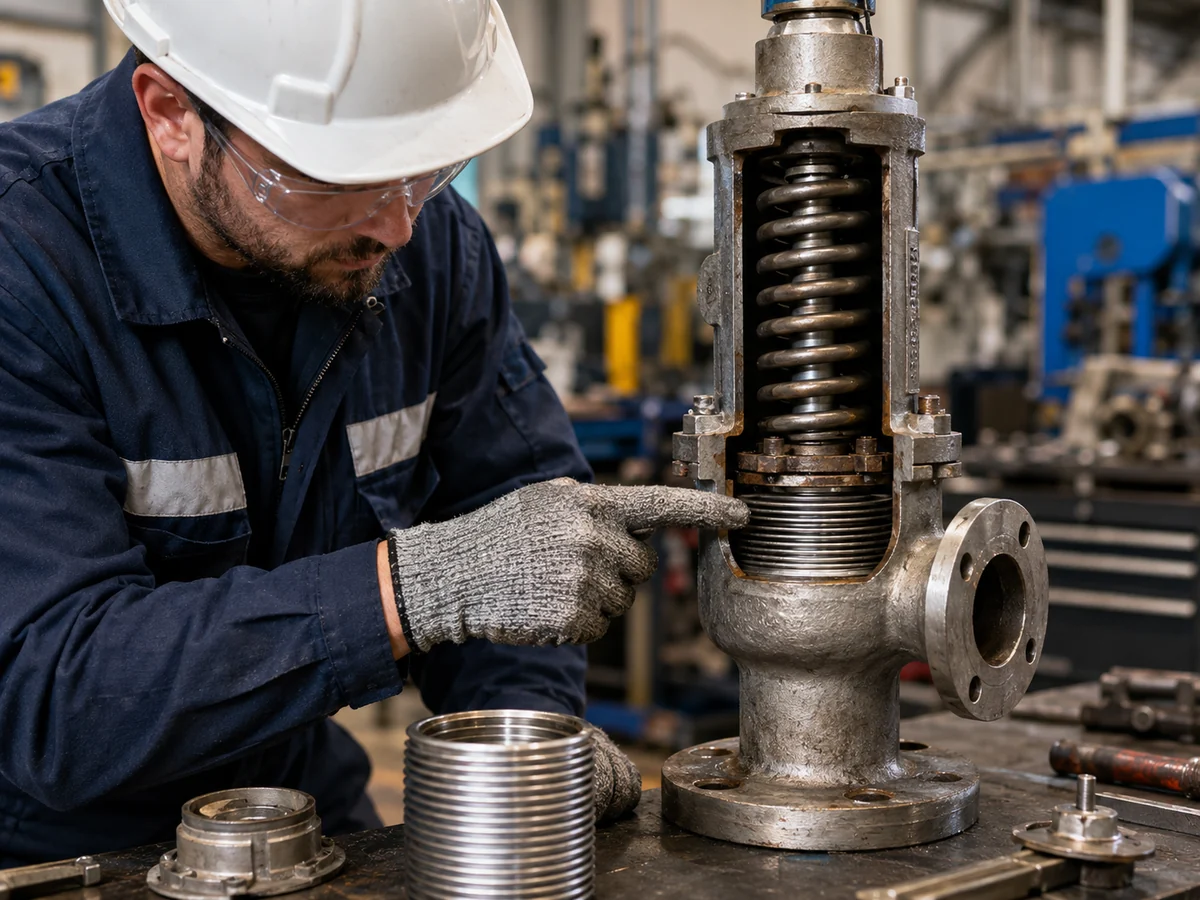
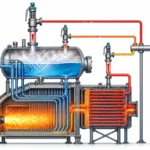
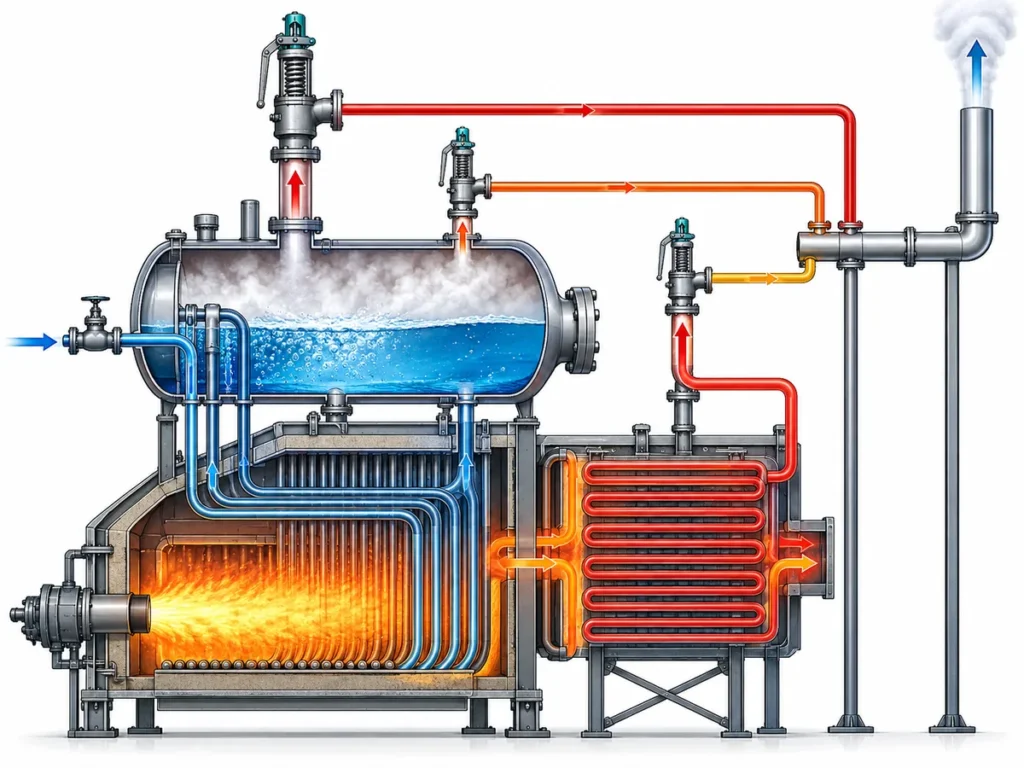
رسم توضيحي صناعي مفاهيمي؛ وليس سجل فحص للعميل أو صورة لشهادة منتج.
الغرض المقصود من المنفاخ
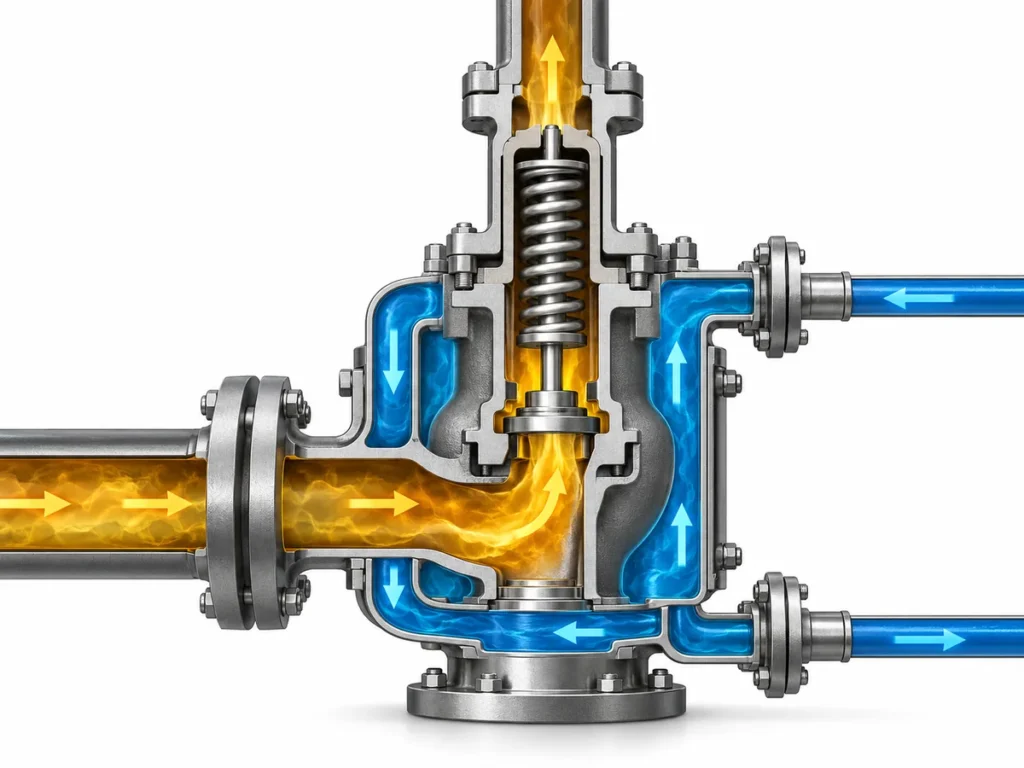
A صمام أمان متوازن بمنفاخ
يستخدم منفاخًا معدنيًا كجزء من ترتيب معادلة الضغط والعزل. المنفاخ ليس
مكونًا زخرفيًا ولا ينبغي التعامل معه على أنه قابل للاستبدال مع الزنبرك الرئيسي.
عزل الضغط ومعادلة القوة
في ترتيب المنفاخ المتوازن النموذجي، يساعد المنفاخ في تقليل قوى ضغط المخرج المحددة المؤثرة
على التجميع المتحرك. تعتمد المساحة الفعالة الدقيقة، والضغط الخلفي المسموح به، والمواد، والحدود الميكانيكية
على تصميم الصمام المحدد وبيانات الشركة المصنعة.
لماذا تعتبر سلامة المنفاخ مهمة
إذا تعرض المنفاخ للتلف، فقد لا تكون افتراضات عزل الضغط والمعادلة الأصلية صالحة بعد الآن.
لا يعني ذلك تلقائيًا أن الصمام فقد كل سعة تخفيف الضغط، ولكنه يعني أن
افتراضات الأداء المركبة يجب مراجعتها بدلاً من قبولها من المواصفات الأصلية وحدها.
عاقبة الفشل الخاصة بالتصميم: بعض تصميمات الصمامات ذات المنفاخ المتوازن تستخدم ترتيبًا
بمكبس احتياطي أو مساعد. في تلك التصميمات، قد يختلف تأثير تمزق المنفاخ على معادلة الضغط
عن تصميم بدون تلك الميزة. لا تفترض أن كل منفاخ فاشل ينتج نفس الاستجابة التشغيلية؛;
تأكد من بناء الصمام المحدد وبيانات الشركة المصنعة قبل تحديد عاقبة الأداء.
بمكبس احتياطي أو مساعد. في تلك التصميمات، قد يختلف تأثير تمزق المنفاخ على معادلة الضغط
عن تصميم بدون تلك الميزة. لا تفترض أن كل منفاخ فاشل ينتج نفس الاستجابة التشغيلية؛;
تأكد من بناء الصمام المحدد وبيانات الشركة المصنعة قبل تحديد عاقبة الأداء.
لسياق معادلة القوة وضغط المخرج الأوسع، راجع
الضغط الخلفي والمنفاخ.
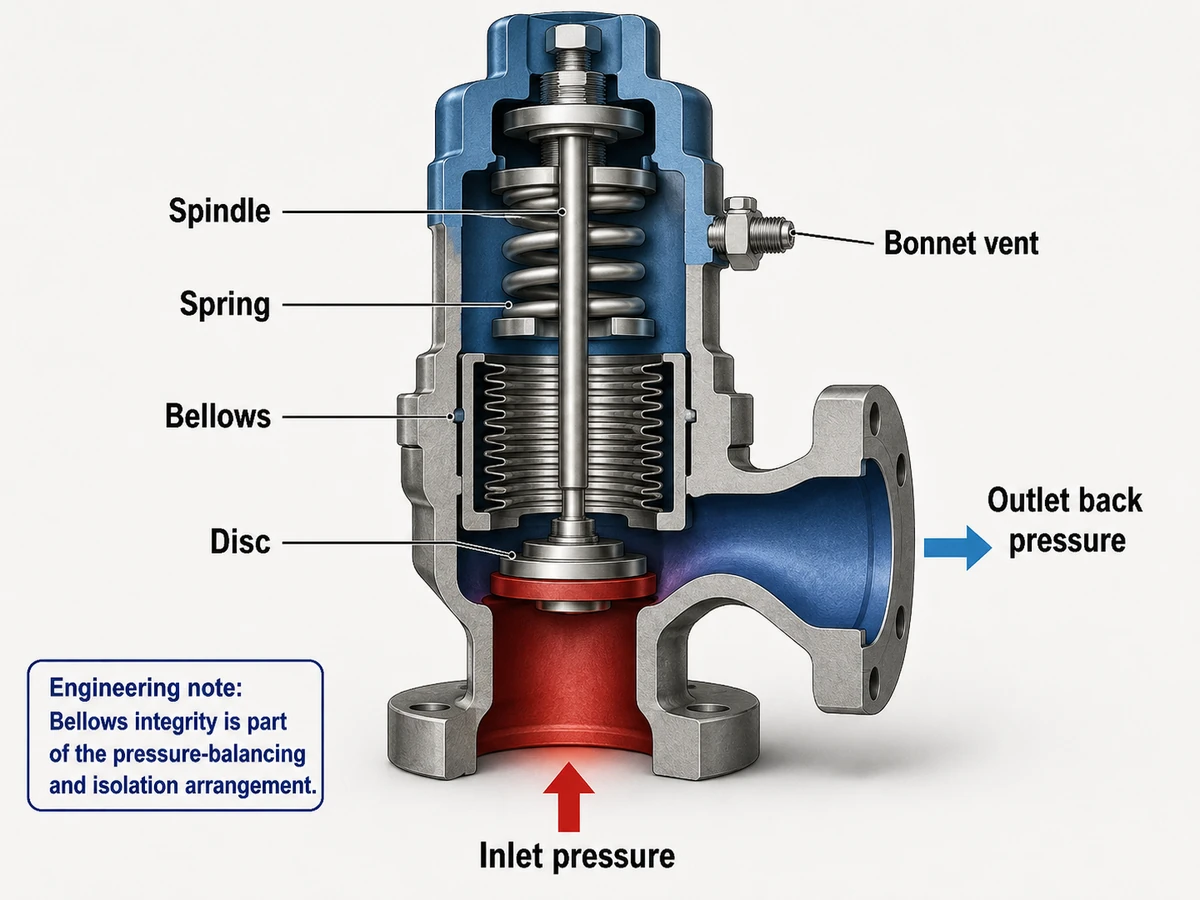
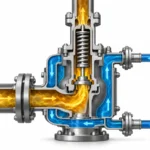
رسم توضيحي هندسي مبسط؛ تحقق من تصميم الشركة المصنعة المحدد قبل تطبيق التفاصيل على صمام معين.
الأسباب الشائعة لفشل المنفاخ
لا ينبغي إسناد سبب جذري واحد للمنفاخ التالف من المظهر وحده. تحتاج الأدلة المادية إلى
يجب ربط ذلك بالوسط الفعلي، والطور، ودرجة حرارة التشغيل، ودرجة حرارة التنفيس، والضغط
الدورات، والضغط الخلفي، والاهتزاز، وسجل التركيب والصيانة.
الإجهاد والتشغيل المتكرر
تنثني المنفاخات بشكل متكرر أثناء تشغيل المجموعة المتحركة. يمكن أن تساهم أحداث التنفيس المتكررة، أو التشغيل غير المستقر، أو أي
حركة ميكانيكية متكررة أخرى في حدوث تلف دوري. يجب مراجعة موضع التشقق وأنماط التشوه المتكررة
وسجل الخدمة معًا قبل قبول الإجهاد كسبب جذري.
التآكل والهجوم الكيميائي
المنفاخ مكون معدني رقيق، لذا يمكن أن يصبح التآكل أو التنقر أو فقدان سمك الجدار الموضعي كبيرًا
حتى عندما تبدو مكونات الصمام الأثقل مقبولة. درجة المادة وحدها لا تثبت الملاءمة:
تكوين الوسط، والملوثات، والتركيز، والطور، ودرجة الحرارة كلها أمور مهمة.
الضرر الميكانيكي، وعدم المحاذاة، والاهتزاز
يمكن أن يشير الاحتكاك، أو التآكل السطحي، أو التشوه الجانبي، أو التلف في الوصلات إلى أن الحركة لم تكن تحدث
كما هو مقصود. في هذه الحالة، يجب أن يشمل التحقيق العمود، والموجه، والأجزاء المجاورة، وحالة التجميع،
وأحمال الأنابيب المحتملة بدلاً من استبدال المنفاخ بشكل منفرد.
ظروف درجة الحرارة والضغط غير الطبيعي
تصنيف ضغط الجسم وحدود المنفاخ هما مسألتان هندسيتان مختلفتان. يجب التحقق من درجة حرارة المنفاخ الفعلية،,
وضغط التفاضل، والتعرض للضغط الخلفي مقابل الصمام المحدد وأساس التصميم
الخاص بالشركة المصنعة.
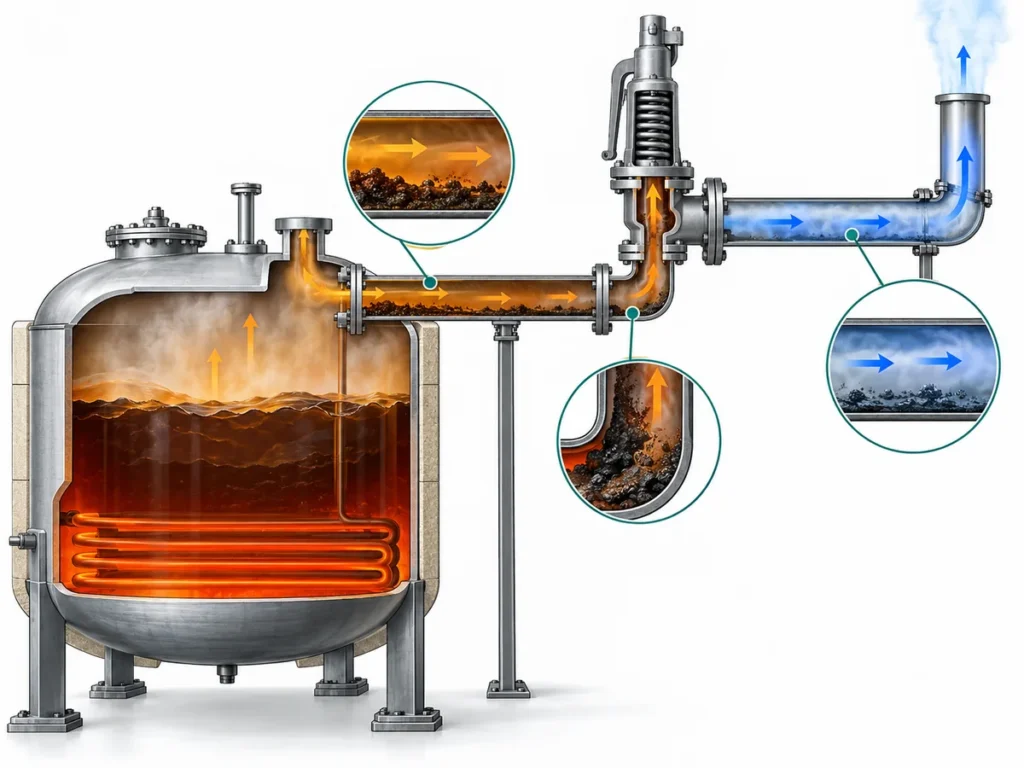
الرواسب والتلوث
يمكن أن تحتفظ الرواسب بمواد مسببة للتآكل على الأسطح الرقيقة، وتقييد الحركة الحرة، وإخفاء التنقر، وزيادة
تحميل ميكانيكي غير متساوٍ. لذلك، تتطلب الخدمة ذات الوسائط المتسخة أو البلمرة أو المكونة للرواسب فحصًا
المنفاخ مع الدليل المحيط، والعمود، والغطاء، وممر التنفيس.
| آلية الفشل | الأدلة الفيزيائية النموذجية | عوامل الخدمة التي يجب فحصها | ما لا يثبته |
|---|---|---|---|
| التعب الدوري | تشقق في المناطق المتعرضة للانثناء المتكرر، نمط التشوه | تكرار أحداث تخفيف الضغط، التدوير، عدم الاستقرار، الاهتزاز | السبب الجذري في النظام |
| تآكل | تنقر، ترقق، تغير اللون، نواتج التآكل | الوسط، الملوثات، الطور، درجة الحرارة، الرواسب | ما إذا كان التسرب قد حدث بالفعل |
| التماس الميكانيكي | الاحتكاك، التآكل السطحي، التشوه الموضعي | المحاذاة، حالة الدليل، حمل الأنابيب، الاهتزاز | ما إذا كانت المنفاخ وحدها هي السبب الجذري |
| ضغط/درجة حرارة غير طبيعية | التشوه، التدهور المتسارع، تلف الملحقات | فرق الضغط الفعلي، الضغط الخلفي، درجة الحرارة | قبول المشروع دون بيانات من الشركة المصنعة |
| الرواسب/التلوث | رواسب في التموجات، هجوم موضعي أو تقييد الحركة | نظافة الخدمة، الكيمياء، سجل الصيانة | ما إذا كانت المنفاخ مثقوبة |
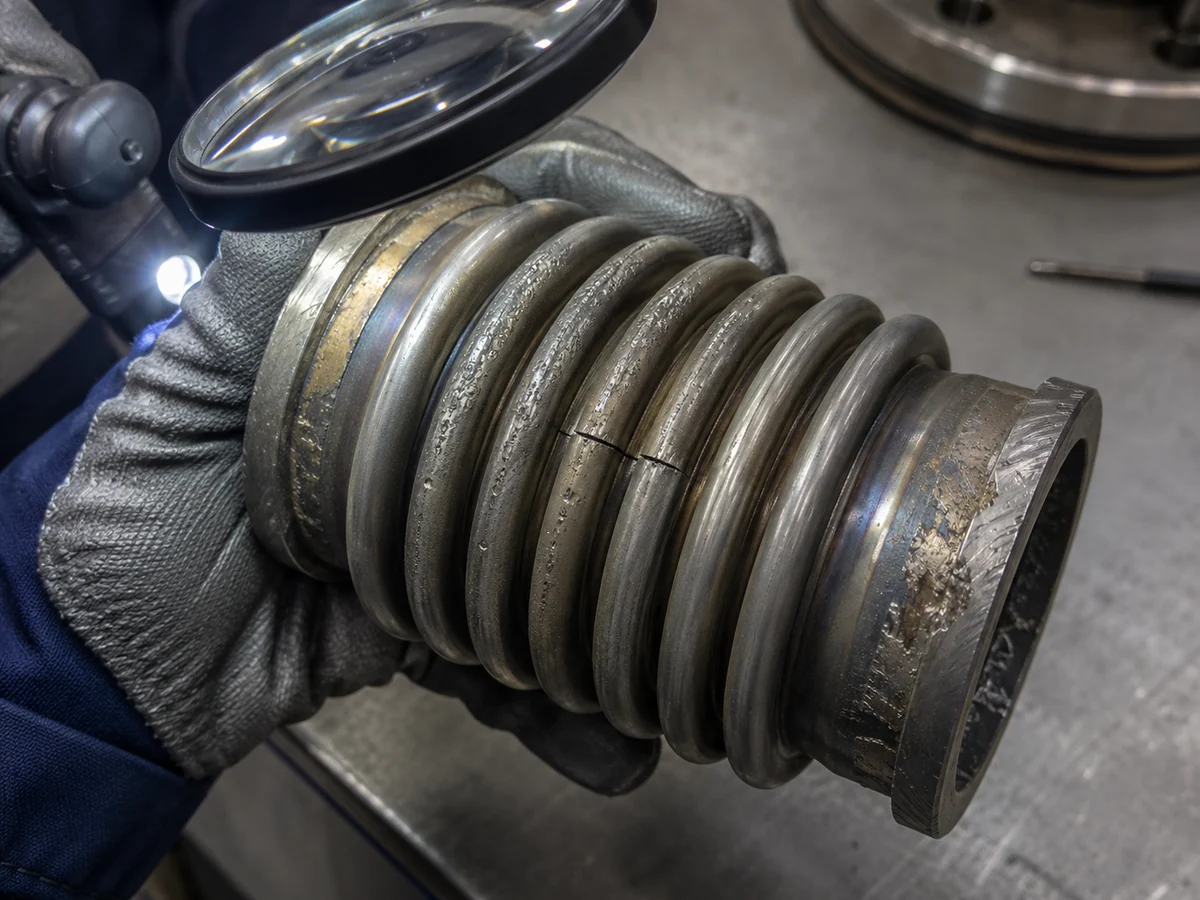
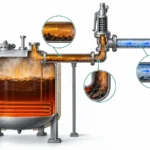
رسم توضيحي مفاهيمي للفحص؛ وليس دليلاً من فشل فعلي لدى عميل.
الأعراض التي قد تشير إلى فشل المنفاخ
الأعراض مفيدة لأنها تخبر فريق الصيانة بما يجب التحقيق فيه بعد ذلك. ولا ينبغي
التعامل معها كتشخيص كامل دون فحص بناء الصمام والحالة الفيزيائية للمنفاخ.
دليل فتحة غطاء الصمام
سائل عملية غير متوقع، بخار، متكثف، تلطيخ أو بقايا متكررة عند فتحة تهوية الغطاء يمكن أن يكون
علامة تحذير مهمة. قبل الاستنتاج بأن المنفاخ قد فشل، تأكد من أن الفتحة هي فعلاً
فتحة تهوية المنفاخ/الغطاء، وافهم مسارها واستبعد التلوث الخارجي الواضح أو مصدر تسرب آخر.
تغيرات في سلوك الصمام
تغير سجل الفتح أو إعادة الإغلاق أو الاستقرار أو التسرب يمكن أن يبرر الفحص، خاصة بعد التغييرات
في مجمع التفريغ أو نظام المخرج. ومع ذلك، فقدان ضغط الدخول، الضغط الخلفي الزائد، حالة الزنبرك أو الموجه
مشاكل المقعد وأحمال الأنابيب يمكن أن تنتج أعراضاً متداخلة.
تآكل خارجي، بقايا أو تلوث
التآكل المتركز حول الغطاء أو فتحة التهوية، أو التلوث غير المتوقع فوق حد العزل المقصود
يزيد من الحاجة إلى الفحص الداخلي. المظهر الخارجي وحده قد لا يظهر ما إذا كان
المنفاخ به ثقب دبوسي، شق، وصلة ملحومة متشققة أو عيب آخر.
حد التشخيص: اسأل “ما الذي يجب أن يدفعنا هذا العرض لفحصه بعد ذلك؟” بدلاً من
“أي مكون فشل بالتأكيد؟”
“أي مكون فشل بالتأكيد؟”
مصفوفة استكشاف الأخطاء من العرض إلى الفحص
نفس العرض المرئي يمكن أن ينتج عن تلف المنفاخ، مكون آخر في الصمام أو النظام المركب.
استخدم العرض لاختيار الفحص التالي بدلاً من إغلاق التشخيص.
| العرض الملاحظ | احتمال متعلق بالمنفاخ | سبب منافس يجب استبعاده | الفحص التالي |
|---|---|---|---|
| وسط العملية أو بقايا عند فتحة تهوية الغطاء | فقدان سلامة المنفاخ قد يسمح بدخول الضغط أو السائل إلى منطقة الغطاء | تلوث خارجي، تكاثف، تسرب من الحشية أو الأجزاء المجاورة، تحديد خاطئ لمسار التنفيس | تأكد من بنية الصمام ومسار التنفيس، واحتفظ بأدلة الرواسب، ثم افحص المنفاخ وأسطح الإغلاق المجاورة |
| تغير في سلوك الفتح أو إعادة الإغلاق | فقدان التوازن أو العزل المقصود قد يغير السلوك المركب | ضبط ضغط الفتح، احتكاك الموجه، حالة المقعد، فقدان الضغط عند المدخل، الضغط الخلفي الزائد أو عدم الاستقرار | راجع بيانات الاختبار كما وُجدت، وأنابيب الدخول والخروج، والأجزاء المتحركة الداخلية قبل إرجاع التغيير إلى المنفاخ |
| تآكل أو ترسبات في منطقة الغطاء | التعرض لوسط العملية من خلال منفاخ تالف أمر محتمل | بيئة خارجية، غسيل، تكاثف أو مصدر تسرب آخر | حدد مصدر الترسّب/التسرب وافحص المنفاخ، وممر التنفيس، والأجزاء الداخلية لغطاء الصمام |
| تشقق أو تشوه متكرر في المنفاخ | إجهاد، أو فرق ضغط غير طبيعي، أو تلف ناتج عن التلامس | عدم محاذاة، أو اهتزاز، أو حمل من خطوط الأنابيب، أو تشغيل غير مستقر، أو تغير في نظام التفريغ | اربط التلف المادي بسجل الدورات، والاهتزاز، والضغط الخلفي، وتاريخ التجميع قبل تحديد بديل |
| اختبار ضبط الضغط ناجح | قد يظل تلف المنفاخ قائمًا | لا يوجد — هذه مسألة حدود أدلة | استخدم أدلة منفصلة لفحص/سلامة المنفاخ بدلاً من اعتبار قبول ضبط الضغط دليلاً |
مصفوفة أدلة فحص تلف المنفاخ
| الملاحظة | ما قد يشير إليه | قوة الدليل | ما لا يثبته | الفحص التالي الموصى به |
|---|---|---|---|---|
| بقايا أو سائل عند تنفيس الغطاء | احتمال فقدان سلامة المنفاخ | متوسط إلى قوي، حسب التصميم | موقع العيب الدقيق أو السبب الجذري | تحقق من تكوين الصمام/التنفيس وافحص المنفاخ |
| تآكل منطقة الغطاء | تعرض للوسط أو هجوم بيئي | منخفض إلى متوسط | تمزق المنفاخ | افحص فتحة التهوية والأجزاء الداخلية للغطاء والمنفاخ |
| تغير سلوك الفتح/الإغلاق | ضغط خلفي أو احتكاك أو تغير ميكانيكي | منخفض | فشل المنفاخ تحديدًا | راجع بيانات الاختبار وخطوط الأنابيب والحالة الداخلية |
| رواسب على المنفاخ المُزال | تلوث الخدمة | متوسط | ما إذا كانت المنفاخ مثقوبة | نظف وافحص وفقًا للإجراء المعتمد |
| تنقر أو ترقق | تدهور بسبب التآكل | دليل مادي قوي على التلف | العمر الافتراضي المتبقي أو السبب الجذري | مراجعة المواد/الخدمة وقرار الإصلاح |
| تموجات مشوهة | حمل ميكانيكي زائد أو حركة غير طبيعية | قوي | الآلية المسببة الدقيقة | تحقق من المحاذاة والاهتزاز وسجل الضغط |
| علامات الاحتكاك/الفرك | تماس أو عدم محاذاة | قوي | ما إذا كان هناك تسرب | افحص الدليل والمغزل والأجزاء المجاورة |
| شرخ أو ثقب أو انقسام | فقدان السلامة الفيزيائية | ضرر مؤكد/قوي جدًا | السبب الجذري | الإصلاح/الاستبدال ومراجعة السبب الجذري |
| ضرر في اللحام أو التثبيت | مشكلة ميكانيكية أو إصلاح/تصنيع | قوي جدًا | سبب بدون تاريخ داعم | مراجعة متطلبات الشركة المصنعة/الإصلاح |
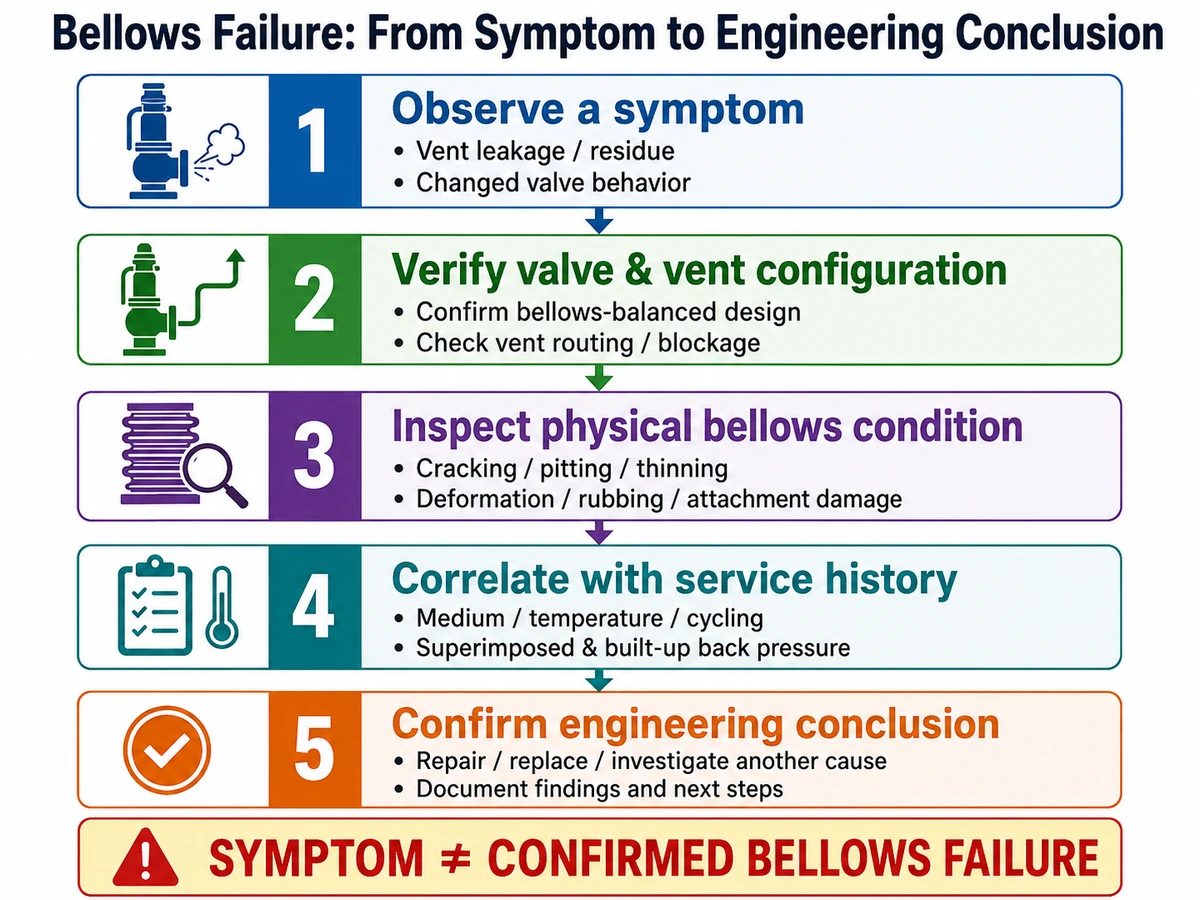
سير عمل هندسي مبسط للمراجعة التشخيصية.
ما يمكن وما لا يمكن أن يخبرك به دليل تنفيس غطاء الصمام
في بناء صمام حيث يعزل المنفاخ السليم غطاء الصمام عن منطقة الضغط ذات الصلة،,
يمكن أن يكون التفريغ غير الطبيعي لوسط العملية من فتحة التنفيس دليلاً قويًا على أن العزل المقصود قد
فُقد. ومع ذلك، فإنه لا يحدد ما إذا كان الخلل عبارة عن ثقب صغير، أو شرخ، أو انقسام، أو فشل في التوصيل،,
ولا يحدد السبب الجذري.
تنفيس مسدود أو مقيد أو غير صحيح
يشكل التنفيس المسدود أو المقيد أو الموجه بشكل غير صحيح مشكلة هندسية منفصلة لأن
الضغط يمكن أن يتراكم حيث يفترض التصميم حالة تنفيس. لا تقم بسد تسرب تنفيس غير مفسر
ببساطة لوقف العرض المرئي.
يجب أيضًا مراجعة أنابيب المخرج، ومقاومة التفريغ، والصرف، والدعم الميكانيكي عندما يكون سلوك الصمام
غير طبيعي. يغطي
دليل تركيب صمامات الأمان
الحدود الأوسع للنظام المثبت.
ما يجب فحصه بعد إزالة الصمام
سطح المنفاخ والتعرجات
- شقوق وثقوب دقيقة وانشقاقات؛;
- تنقير موضعي أو فقدان عام في سماكة الجدار؛;
- نواتج التآكل والترسبات؛;
- تموجات مسطحة أو ممتدة أو غير منتظمة؛;
- علامات احتكاك أو تآكل تلامسي؛;
- دلائل على التعرض لدرجة حرارة غير طبيعية.
اللحامات والملحقات ووصلات الأطراف
افحص مناطق الملحقات وحلقات الأطراف ونقاط الوصل بحثًا عن تشققات أو انحناءات أو تشوهات أو مؤشرات إصلاح سابقة
لا تضع حد قبول عام: استخدم إجراءات الشركة المصنعة للصمام المختار،,
وإجراء الإصلاح المعتمد ومتطلبات المشروع المطبقة وأساس الكود المعتمد.
المكونات المجاورة
افحص المغزل والموجه والزنبرك والقرص/الحامل والأجزاء الداخلية للغطاء وممر التنفيس والمكونات القريبة بحثًا عن
أدلة تفسر سبب تلف المنفاخ. استبدال المنفاخ دون تصحيح مشكلة المحاذاة أو الاهتزاز أو أحمال الأنابيب الأساسية
قد يؤدي إلى تكرار آلية الفشل.
للاطلاع على تسلسل الفحص الأوسع وسجلات الصيانة وحدود التصعيد، راجع
دليل صيانة وفحص صمامات الأمان.
ما الذي لا يمكن لاختبارات ضغط الضبط وإحكام المقعد إثباته بشأن سلامة المنفاخ
اختبار ضغط الضبط
يتحقق اختبار ضغط الضبط من استجابة الضغط المحددة تحت ظروف الاختبار المطبقة. وهو لا
يثبت تلقائيًا أن المنفاخ سليم فيزيائيًا أو خالٍ من التآكل أو مناسب لظروف
الضغط الخلفي المركبة.
اختبار إحكام المقعد
يعالج اختبار إحكام المقعد التسرب عبر المقعد المغلق. لا ينبغي معاملته كاختبار سلامة
المنفاخ. عندما يكون التسرب من المقعد نفسه هو موضع السؤال، استخدم
اختبار إحكام المقعد API 527
الإرشادات كفئة أدلة منفصلة.
دليل السعة
تأتي سعة التصريف المطلوبة من المعدات المحمية وسيناريو التصريف الحاكم. يحتاج الصمام
المختار بعد ذلك إلى أساس سعة معتمد أو موثق مناسب للوسط وظروف
التصريف. لا يثبت تلف المنفاخ وحده أن السعة المعتمدة غير كافية، لكنه قد يجعل
افتراضات الأداء المركّب غير موثوقة حتى يتم حل العيب وظروف النظام.
فحص المواد والخدمة قبل إعادة استخدام مواصفات المنفاخ القديمة
عند العثور على تآكل أو رواسب أو تلف مرتبط بدرجة الحرارة، لا تفترض أنه يجب تكرار مادة المنفاخ القديمة.
تتطلب مراجعة الاستبدال بيئة الخدمة الفعلية؛ إذ إن ملصق المادة وحده لا يُعد تقييمًا للتوافق.
استخدم دليل اختيار مواد صمامات الأمان
لإجراء مراجعة أوسع تشمل جسم الصمام، والتطعيمات، والمنفاخ، والزنبرك، والمقعد، وتوافق الخدمة.
| مدخلات الفحص | لماذا هو مهم | القرار المطلوب |
|---|---|---|
| الوسط، والطور، والملوثات | قد تغير التآكل، والترسبات، وآلية الهجوم | تأكد من التوافق باستخدام إرشادات المواد من الشركة المصنعة/المشروع للخدمة الفعلية |
| درجة حرارة التشغيل والتنفيس | يمكن أن تؤثر على قوة المادة، ومعدل التآكل، والسلوك الميكانيكي للمنفاخ | تأكد من أن المنفاخ المحدد والتطعيمات المجاورة مناسبة لدرجات الحرارة ذات الصلة |
| تاريخ التنظيف، أو البخار، أو اضطرابات التشغيل | قد يختلف التعرض قصير المدة عن التشغيل العادي | أدرج التعرض المحتمل للاضطرابات/التنظيف في أساس الاستبدال حيثما ينطبق ذلك |
| الترسبات والمواد الصلبة | يمكن أن تحبس الأنواع المسببة للتآكل أو تقيد حركة المنفاخ | عالج كلاً من توافق المواد ومصدر الترسبات، وليس المادة فقط |
| مادة الإصلاح/الاستبدال السابقة | قد لا تتطابق البدائل السابقة مع التكوين المعتمد الأصلي | تحقق من إمكانية التتبع ومتطلبات الشركة المصنعة/الإصلاح المصرح به قبل إعادة الاستخدام |
كيف يساعد تاريخ الخدمة في تحديد آلية الفشل المحتملة
يخبرك الفحص الفيزيائي بما حدث للمنفاخ. ويساعد تاريخ الخدمة في تفسير سبب حدوثه.
عادةً ما يجمع الاستنتاج الأقوى للسبب الجذري بين الأدلة المادية وتاريخ التشغيل ومعلومات التصميم.
| بيانات الخدمة | لماذا هو مهم |
|---|---|
| الوسط والطور | التآكل والتلوث وسياق الخدمة الميكانيكية |
| ضغط التشغيل | تاريخ الضغط الطبيعي |
| أقصى ضغط تشغيل آمن / ضغط التصميم | أساس ضغط المعدات المحمية، وليس حالة المنفاخ بحد ذاتها |
| ضغط الضبط | نقطة تشغيل الصمام وسياق الاختبار |
| درجة حرارة التنفيس | مادة المنفاخ وحالته الميكانيكية |
| الضغط الخلفي المتراكب | ضغط المخرج الذي قد يكون موجودًا قبل الفتح |
| الضغط الخلفي المتراكم | ضغط المخرج الناتج أثناء تدفق التنفيس |
| تكرار أحداث التنفيس | التحقيق في الدورات/الإجهاد |
| تاريخ الاهتزاز | التحقيق في الإجهاد الميكانيكي أو الاحتكاك |
| تغييرات في مشعب التفريغ | احتمال تغير ظروف الضغط الخلفي |
| مادة/تكوين المنفاخ | مراجعة التوافق والتصميم |
| نتائج الفحص/الإصلاح السابقة | اتجاه التدهور والآلية المتكررة |
سيناريوهات هندسية مركبة للتدريب
سيناريو هندسي مركب للتدريب
بقايا التنفيس دون تأكيد تمزق المنفاخ
المشكلة الملاحظة: يتم العثور على بقايا متكررة حول فتحة التهوية المحددة لغطاء المحرك.
الأسباب المحتملة: تسرب المنفاخ (البيلوز) وارد، لكن التكاثف أو التلوث الخارجي أو تسرب حشية قريبة أو تحديد غير صحيح لفتحة التهوية لم يتم استبعاده بعد.
الإجراء التصحيحي: تحقق من بنية الصمام ومسار التهوية، وحافظ على الحالة كما وجدت، وحدد طبيعة البقايا حيثما أمكن، ثم افحص المنفاخ والأسطح المانعة للتسرب المجاورة وفقًا لإجراءات الصيانة المعتمدة.
الوقاية / المتابعة: وثّق مسار التهوية وحالتها في عمليات الفحص المستقبلية، وصحح أي ترتيب تهوية مسدود أو خاطئ أو غير آمن بدلاً من إخفاء العَرَض المرئي.
سيناريو هندسي مركب للتدريب
منفاخ متآكل بعد الإزالة
المشكلة الملاحظة: تظهر حفر موضعية ورواسب على عدة طيات من المنفاخ بعد الإزالة.
الأسباب المحتملة: من المحتمل وجود ملوثات تآكلية أو هجوم بمساعدة الرواسب أو التعرض لدرجة حرارة أو عدم تطابق بين المادة والخدمة؛ كما قد يكون الإجهاد (الكلال) عاملاً مساهماً إذا كان هناك تشقق.
الإجراء التصحيحي: وثّق نمط التلف، وراجع الوسط/الطور/الملوثات ودرجة الحرارة الفعلية، وافحص المكونات المجاورة، ثم أعد تقييم مادة المنفاخ وتكوينه قبل الموافقة على الاستبدال.
الوقاية / المتابعة: قم بتحديث سجل طلب عرض السعر (RFQ) وسجل الصيانة بكيمياء الخدمة الفعلية ودرجة الحرارة الفعلية بدلاً من تكرار مواصفات المواد القديمة دون مراجعة.
سيناريو هندسي مركب للتدريب
اجتياز اختبار الضبط ولكن يتم اكتشاف تلف في المنفاخ (Bellows)
المشكلة الملاحظة: تُظهر الصمام الاستجابة المطلوبة للضغط أثناء اختبار المقعد المطبق، لكن الفحص الداخلي لاحقًا يحدد وجود تلف مادي في المنفاخ.
السبب المحتمل: النتيجة ليست متناقضة؛ التحقق من ضغط الضبط والتحقق من سلامة المنفاخ يجيبان على أسئلة هندسية مختلفة.
الإجراء التصحيحي: قم بمعالجة تلف المنفاخ، والتحقيق في آلية الفشل، وإعادة التأكد من الضغط الخلفي الفعلي والتنفيس ومتطلبات الاستبدال قبل إعادة الخدمة.
الوقاية / المتابعة: احتفظ بسجلات قبول منفصلة لضغط الضبط، وإحكام المقعد، وسلامة المنفاخ، وظروف النظام المركب بدلاً من اختزالها في حالة قبول عامة واحدة (PASS).
الإصلاح أم الاستبدال؟ حدود القرار الهندسي
متى يجب أن يرتقي الفحص إلى مراجعة الإصلاح
الشقوق، أو الثقوب، أو الانقسامات، أو التآكل أو التناقص المادي الكبير، أو التشوه، أو الاحتكاك، أو تلف الملحقات، أو
التعرض المؤكد لعملية التشغيل في منطقة غطاء الصمام (bonnet) يجب أن يرفع مستوى التحقيق. تعتمد قابلية الإصلاح على
التصميم الفعلي للصمام، أو متطلبات الشركة المصنعة أو الإصلاح المعتمد، أو مواصفات المشروع، و
السلطة القضائية المطبقة.
التصعيد الحرج للسلامة: عندما يُشتبه في تلف المنفاخ ويكون مصحوبًا بتسرب غير منضبط
لعملية التشغيل، أو فقدان مؤكد للاحتواء، أو عدم اليقين في قدرة الصمام على الاستمرار في تلبية وظيفة تخفيف الضغط المطلوبة
للمعدات المحمية، اتبع إجراءات الإغلاق أو العزل أو
الإخراج من الخدمة المعتمدة من قبل المالك-المستخدم. لا تستمر في التشغيل فقط لجمع المزيد من الأدلة، ولا تعزل
مسار تخفيف الضغط المطلوب إلا إذا تم الحفاظ على الحماية من الضغط الزائد بواسطة بديل معتمد أو خطة إغلاق.
لعملية التشغيل، أو فقدان مؤكد للاحتواء، أو عدم اليقين في قدرة الصمام على الاستمرار في تلبية وظيفة تخفيف الضغط المطلوبة
للمعدات المحمية، اتبع إجراءات الإغلاق أو العزل أو
الإخراج من الخدمة المعتمدة من قبل المالك-المستخدم. لا تستمر في التشغيل فقط لجمع المزيد من الأدلة، ولا تعزل
مسار تخفيف الضغط المطلوب إلا إذا تم الحفاظ على الحماية من الضغط الزائد بواسطة بديل معتمد أو خطة إغلاق.
عندما يتطلب الاستبدال فحصًا هندسيًا جديدًا
لا ينبغي الموافقة على الاستبدال لمجرد أنه يمتلك نفس حجم التوصيلة أو ضغط الضبط. تأكد من
المعدات المحمية، وسيناريو التصريف الحاكم، والوسط والطور، وضغط التشغيل، وضغط التصميم/MAWP،,
وسعة التصريف المطلوبة، ودرجة حرارة التصريف، والضغط الخلفي المتراكب والمتراكم، ومادة المنفاخ،,
والمقعد/الختم، والزنبرك/الأجزاء الداخلية، وتصنيفات الدخول/الخروج، وترتيب التنفيس، والمستندات المطلوبة.
حجم التوصيلة ≠ سعة التفريغ. إذا كان المنفاخ قد تضرر بسبب تغير الخدمة الفعلية
فإن تركيب صمام آخر وفق المواصفات القديمة قد يعيد إنتاج نفس المشكلة.
فإن تركيب صمام آخر وفق المواصفات القديمة قد يعيد إنتاج نفس المشكلة.
إذا تغير سيناريو التصريف الحاكم أو الحمل المطلوب، فأعد تأكيد أساس التحجيم باستخدام
حساب مقاسات صمامات الأمان وسعة التنفيس المعتمدة
سير العمل بدلاً من افتراض أن حجم التوصيلة السابق أو طراز الصمام ما زال مناسبًا.
سير عمل التحقق من الاستبدال
- احفظ أدلة العطل: سجّل حالة المنفاخ والتنفيس والرواسب وموقع الضرر وحالة المكونات المجاورة كما وُجدت قبل أن يدمر التنظيف الأدلة المفيدة.
- أعد التحقق من أساس الخدمة: تأكد من المعدات المحمية، وسيناريو التصريف، والوسط/الطور، والضغوط، ودرجة حرارة التصريف، وظروف نظام التفريغ الحالية.
- أعد حساب أو أعد تأكيد السعة المطلوبة إذا تغير سيناريو التصريف: لا تستخدم حجم التوصيلة أو طراز الصمام السابق كحساب للسعة.
- افحص تكوين الصمام: تأكد مما إذا كان التصميم المتوازن بالمنفاخ ما زال مناسبًا للضغط الخلفي المتراكب/المتراكم الفعلي، وترتيب التنفيس، وبيئة العملية.
- تحقق من المواد والتفاصيل الميكانيكية: يجب أن يتوافق المنفاخ والجسم/الأجزاء الداخلية والمقعد/الختم والزنبرك والملحقات ذات الصلة مع الخدمة الفعلية ومتطلبات الشركة المصنعة/المشروع.
- تحقق من واجهات التركيب: يجب ألا تعيد تصنيفات الدخول/الخروج، وأحمال الأنابيب، وفقدان الدخول، ودعم التفريغ، والصرف، وتوجيه التنفيس إنشاء آلية العطل المشتبه بها.
- سد الفجوة في المستندات: حدد ورقة البيانات المطلوبة، وأدلة السعة، وسجلات الاختبار/الإصلاح، وإمكانية التتبع، ومستندات المشروع/الكود قبل الإصدار.
معلومات يجب تسجيلها قبل الإصلاح أو الاستبدال أو طلب عرض السعر (RFQ)
يجب وضع علامة على المدخلات الهندسية المفقودة سيتم التأكيد, ، وليس استنتاجها من
حجم التوصيل القديم أو المظهر الخارجي أو نتيجة اختبار واحدة.
- المعدات المحمية
- سيناريو التنفيس الحاكم
- الوسط والطور
- ضغط التشغيل
- أقصى ضغط تشغيل آمن / ضغط التصميم
- ضغط الضبط
- السعة المطلوبة للتنفيس والأساس
- درجة حرارة التنفيس
- الضغط الخلفي المتراكب
- الضغط الخلفي المتراكم
- توصيلات المدخل/المخرج
- طراز الصمام الحالي/لوحة الاسم
- مادة المنفاخ
- الجسم / القطع الداخلية / المقعد / الزنبرك
- توجيه تنفيس غطاء المحرك
- صور الأضرار
- تقرير الفحص كما وُجد
- سجل الإصلاحات السابقة
- الكود/المعيار المعمول به للمشروع
- وثائق الفحص/الشهادات المطلوبة
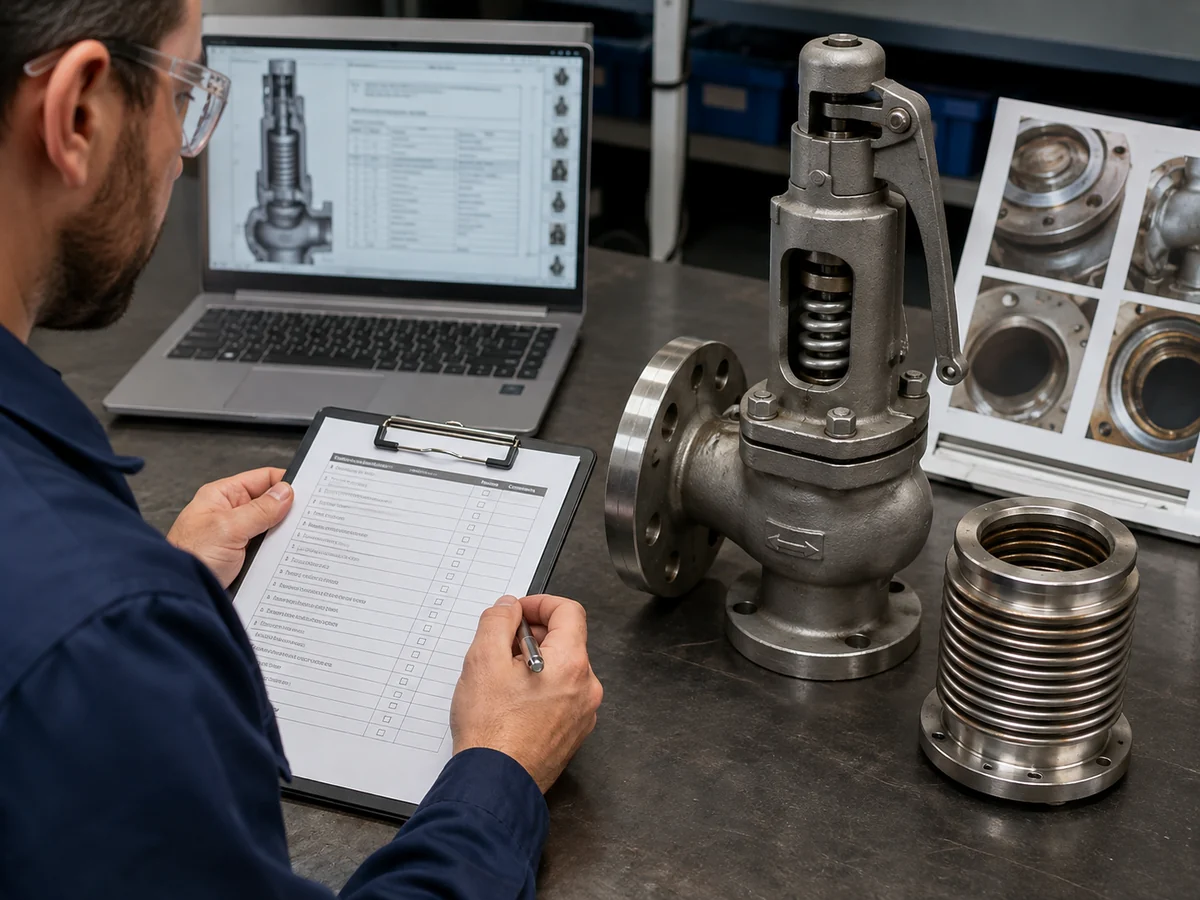
مشهد مراجعة هندسية توضيحي؛ الأوراق والمعدات المعروضة هي لأغراض توضيحية وليست سجلات فعلية للعملاء.
أسئلة متكررة
ما هي أكثر العلامات شيوعًا لفشل المنفاخ في صمام الأمان؟
تشمل علامات التحذير المحتملة تسربًا غير طبيعي أو بقايا عند فتحة تهوية الغطاء، أو تغيرًا في سلوك الصمام،,
أو تلوثًا في منطقة الغطاء أو أدلة داخلية مباشرة على تلف المنفاخ. تختلف قوة هذه العلامات كدليل.
فالشق أو الثقب أو الانقسام أو تسرب مؤكد في السلامة هو دليل أقوى بكثير من
عرض تشغيلي وحده.
هل يثبت سائل العملية عند فتحة تهوية الغطاء أن المنفاخ قد تمزق؟
عندما يستخدم بناء الصمام الفعلي منفاخًا سليمًا لعزل الغطاء عن منطقة
الضغط المعنية، يمكن أن يكون تسرب فتحة التهوية دليلًا قويًا على فقدان سلامة المنفاخ. يجب التحقق من بناء الصمام,
ومسار التهوية ومصادر التسرب البديلة المحتملة قبل تحديد العيب
المادي أو السبب الجذري.
هل يمكن لصمام الأمان اجتياز اختبار الضبط مع تلف المنفاخ؟
من المحتمل نعم. اختبار ضغط الضبط وفحص سلامة المنفاخ يجيبان عن أسئلة هندسية
مختلفة. لا ينبغي استخدام نتيجة ضبط الضغط الناجحة تلقائيًا كدليل على أن المنفاخ
سليم ماديًا.
هل يمكن أن يحدث تسرب في المقعد بسبب فشل المنفاخ؟
قد يغير تلف المنفاخ ظروف الصمام، لكن تسرب المقعد له عدة أسباب محتملة، منها
التلوث، تلف المقعد، عدم المحاذاة ومشاكل الدليل. لا ينبغي إرجاع تسرب المقعد إلى
المنفاخ دون أدلة داعمة.
ما الذي يجب فحصه بعد إزالة صمام الأمان المتوازن بالمنفاخ؟
افحص تموجات المنفاخ، الشقوق أو الثقوب الدقيقة، التنقر، الترقق، التشوه، الاحتكاك، الرواسب،,
اللحامات والوصلات. افحص أيضًا العمود، الدليل، ممر التنفيس، حجرة الزنبرك والأجزاء المجاورة
للبحث عن أدلة تفسر تلف المنفاخ.
هل يمكن إصلاح المنفاخ التالف، أم يجب استبدال الصمام؟
لا توجد إجابة شاملة. تعتمد قابلية الإصلاح على تصميم الصمام المحدد، الشركة المصنعة أو
متطلبات الإصلاح المعتمدة، نوع التلف، المواد، الأساس القانوني ومتطلبات المشروع. قد يتطلب التلف الشديد
أو غير القابل للإصلاح الاستبدال، لكن الاستبدال لا يزال يتطلب مراجعة هندسية.
ما هي المعلومات المطلوبة لاختيار صمام أمان متوازن بالمنفاخ كبديل؟
تأكد من المعدات المحمية، سيناريو التنفيس، الوسط والطور، ضغط التشغيل، MAWP/ضغط التصميم،
ضبط الضغط، السعة المطلوبة للتنفيس، درجة حرارة التنفيس، الضغط الخلفي المتراكب والمتراكم،
الوصلات، مواد المنفاخ والتشطيب، ترتيب التنفيس، المعايير المطبقة والوثائق المطلوبة.
المراجع الفنية الرسمية
تدعم المصادر الحالية من الطرف الأول التالية إطار عمل الفحص والحماية من الضغط الزائد وهندسة المنفاخ
المستخدم في هذه المقالة. وهي نقاط مرجعية، وليست دليلاً على أن صمام ZOBAI معين يحمل
شهادة معينة أو أن إصدارًا واحدًا ينطبق على كل مشروع. تحقق دائمًا من الإصدار المعتمد في
مواصفات المالك-المستخدم، قانون المعدات المحمية والسلطة القضائية.
-
API RP 576 — فحص أجهزة تخفيف الضغط، الإصدار الخامس (سبتمبر 2024)
— ورقة منشورات إعادة الاعتماد الحالية لـ API تدرج هذا الإصدار لفحص أجهزة تخفيف الضغط. -
ASME BPVC القسم الثالث عشر — قواعد الحماية من الضغط الزائد (2025)
— القسم الثالث عشر الحالي لـ ASME يغطي متطلبات الحماية من الضغط الزائد للمعدات المضغوطة وأجهزة تخفيف الضغط. -
ISO 4126-1:2013 — صمامات الأمان
— ISO يدرج معيار المنتج هذا كمعيار حالي بعد مراجعته 2025؛ وهو ليس معيار تطبيق. -
Spirax Sarco — أنواع صمامات الأمان / تصميم المنفاخ المتوازن
— مرجع هندسي من المصنّع الأصلي لموازنة المنفاخ، وتنفيس الغطاء، وحدود المكبس المساعد الخاصة بالتصميم.
تدعم المعايير ومراجع المصنّعين التفسير الهندسي؛ لكنها لا تحل محل سيناريو التنفيس الفعلي
أو بيانات الصمام المختار، أو نتائج الفحص، أو إجراء الإصلاح، أو المتطلبات التنظيمية.
المعايير والقيود الهندسية
تعتمد متطلبات فحص وإصلاح واستبدال صمام الأمان على المعدات المحمية، وبنية الصمام،
والاختصاص القضائي، وإصدار الكود المعتمد، وإجراءات المالك-المستخدم، ومتطلبات الشركة المصنعة، و
مواصفات المشروع.
توضح أسماء المعايير النطاق الهندسي فقط. وهي لا تثبت أن كل صمام ZOBAI يحمل تلقائيًا
كل موافقة، ولا تحل محل متطلبات الفحص أو الإصلاح الخاصة بالشركة المصنعة. القبول النهائي
يجب أن يعتمد على الإصدار/الطبعة الرسمية المعتمدة، وبيانات الشركة المصنعة للصمام المختار، و
إجراءات المالك-المستخدم/المشروع والاختصاص القضائي المطبق بدلاً من ملخص ثانوي.
هل تحتاج مساعدة في مراجعة فشل منفاخ مشتبه به؟
أرسل المعدات المحمية، وسيناريو التنفيس، والوسط والطور، وضغط التشغيل، وMAWP/ضغط التصميم،,
وضغط الضبط، وسعة التنفيس المطلوبة، ودرجة حرارة التنفيس، والضغط الخلفي المتراكب والمتراكم،,
ووصلات المدخل/المخرج، ومادة المنفاخ، ولوحة اسم الصمام، وترتيب التنفيس، وصور الفحص، و
سجلات الإصلاح السابقة للمراجعة الهندسية.